
✨Celebrated Traditional Dances in Canada
- Powwow Dance: Indigenous dance celebrating culture with colorful regalia and rhythmic movements.
- The Red River Jig: Energetic Métis dance with lively fiddle music and intricate footwork.
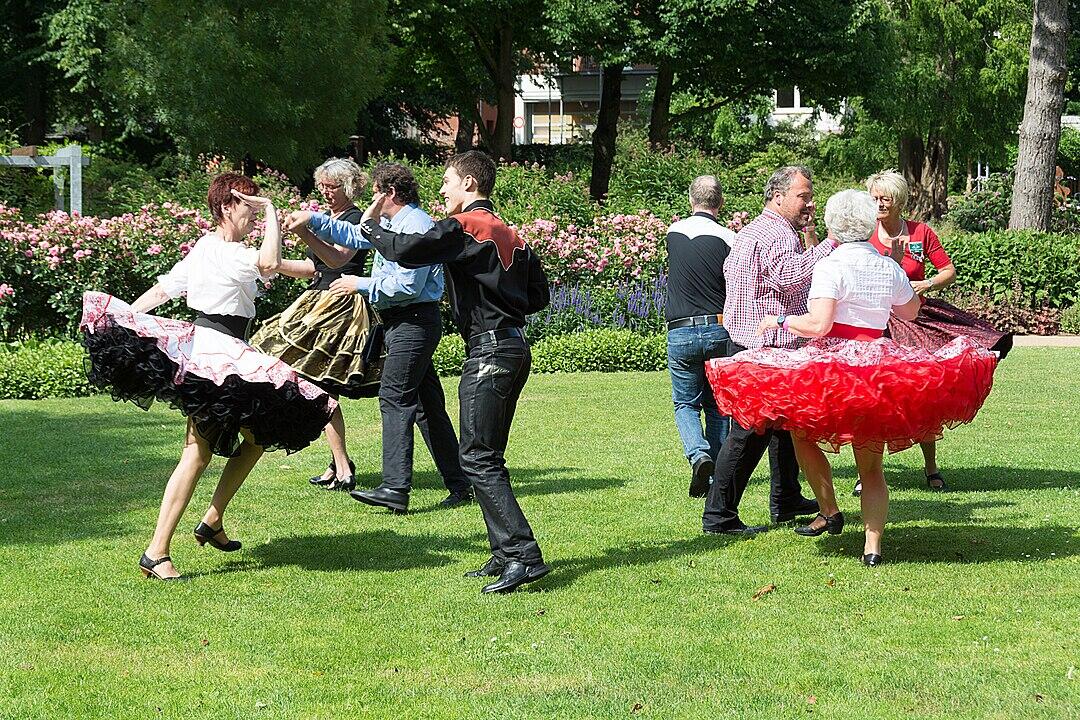
- Square Dance: A social folk dance with set patterns called out to lively music.
- La Gigue: Fast-paced French-Canadian dance with hopping steps and playful footwork.
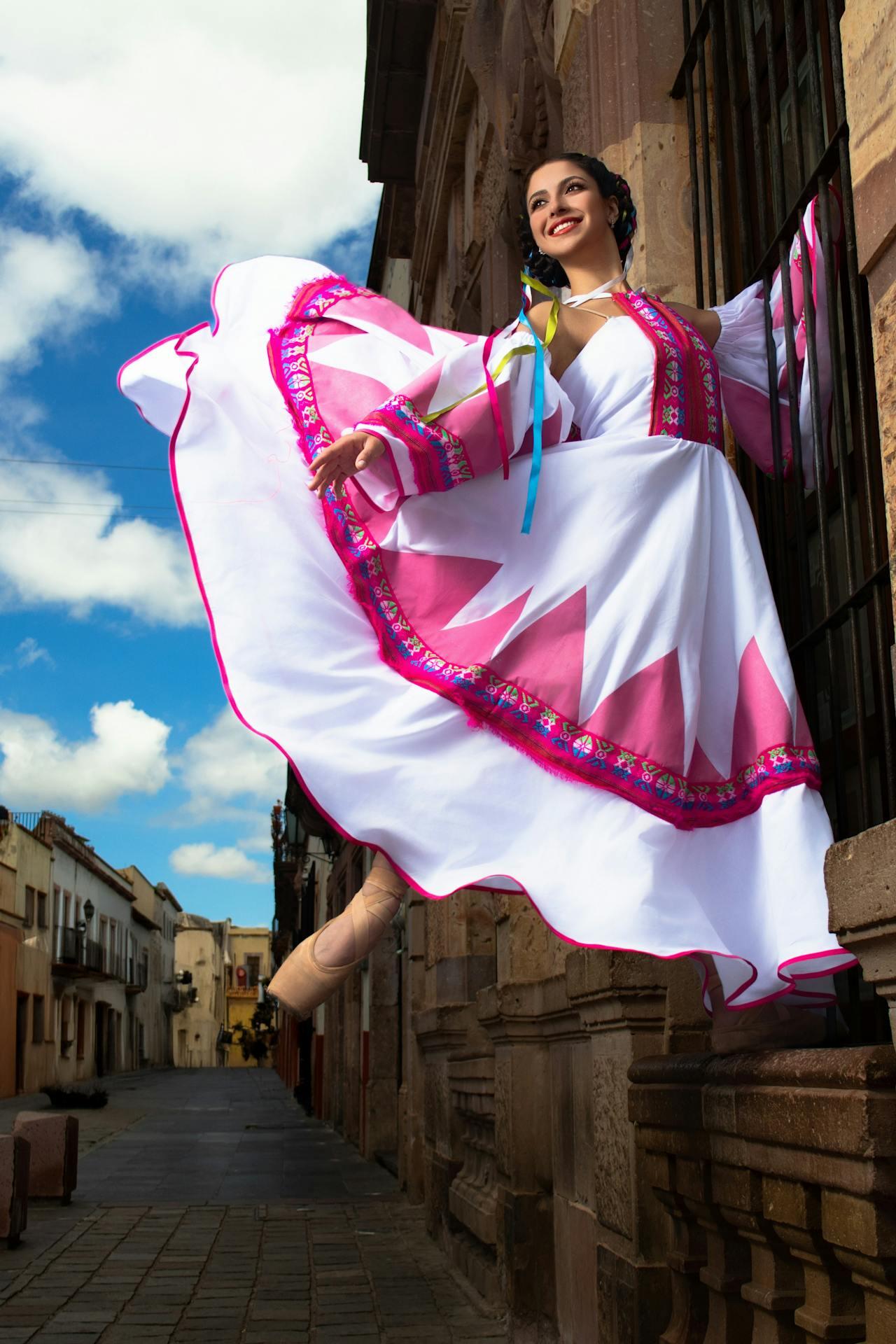
Dance is a universal language across many countries. Canada, for example, has a wide range of traditional dances, practiced all over the country across different regions. The practice of learning and teaching traditional dances goes beyond entertainment, but also entails storytelling, rituals, and community bonding. An artistic legacy across cultures, these dance moves preserve history, express identity, and connect generations.
To understand the culture, study the dance. To understand the dance, study the people.
Charles Davis



Understanding Traditional Dance
Across the world, traditional dance is a form of cultural expression passed down through generations. It is a universal language that conveys a community’s history, social values, and traditions. Many of these dances are tied to the identity of a community, especially when celebrating a specific ritual or ceremony. Hence, traditional dance acts as both a unifying factor and a symbolic heritage.
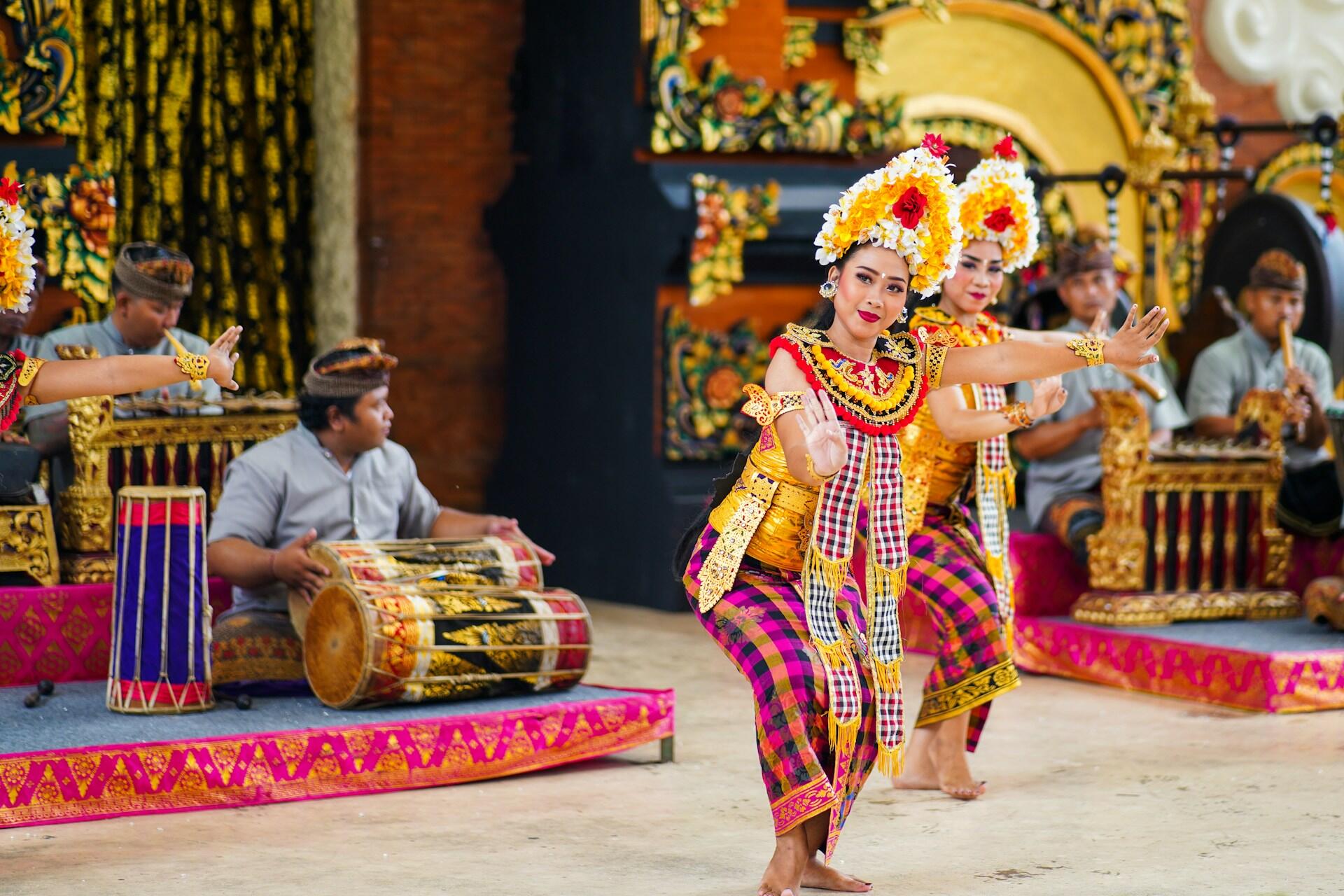
The common elements of the traditional dances across the globe are as follows:
Music and instruments
- Emphasizes traditional rhythms through different instruments
- Accompaniment of live singing in the native language
Costumes and attire
- Highlights the culture's history and spiritual significance
- Usually colorful and consists of accessories (jewelry like beats for sound effects)
Communal performance
- Involves group formations across generations
- Performed during different social functions (weddings, harvest festivals, welcoming guests)
🌍 Traditional Dances Around the World
Before exploring traditional dances in Canada, let us have an overview of some notable traditional dances from different regions around the world.
💃 Europe
Traditional dances in Europe are very much centred around social folk dances, showcasing the communities that they originated from.
Additionally, these three traditional dances rely heavily on precise rhythmic steps, especially for footwork. If the Irish jig 1 is all about light and fast foot tapping, then the flamenco is all about expressive and powerful stomping. Polka, on the other hand, requires quick, skipping steps with coordinated whirling movements.
👘 Asia
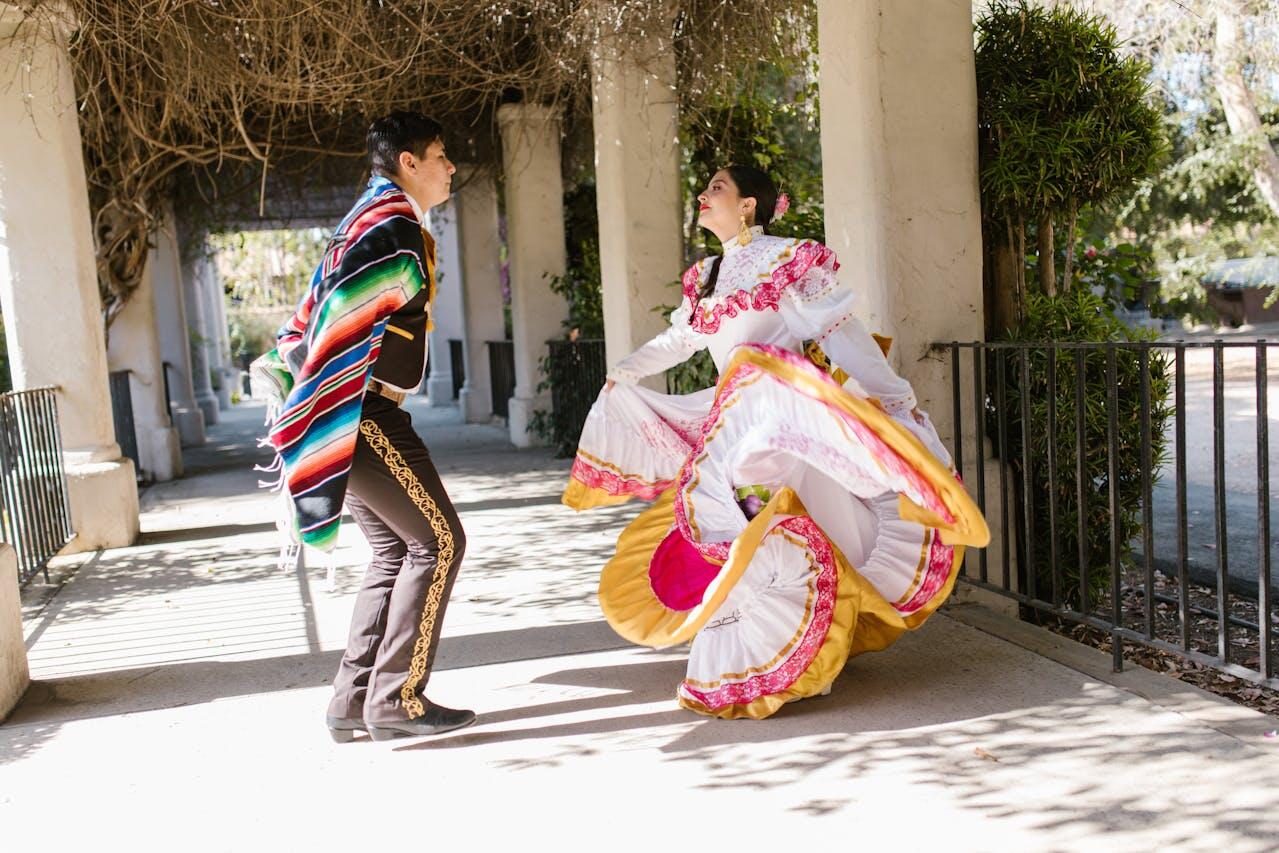
Traditional dances in Asia usually include elaborate makeup with traditional costumes. The dances are centuries-old cultural art forms that are carefully choreographed and taught as they represent the history of the countries.
For example, the Bharatanatyam dance from India conveys the stories from Hindu mythology through different gestures and facial expressions. The Kabuki dance from Japan mixes theatrical performance in its choreography, offering a glimpse of traditional Japanese history and values. Also, both dances do not thrive on fast footwork but delicate movements - offering a symbolic narrative during each performance. 2
👢 Africa
African dances place a huge emphasis on group performances as they are strongly linked to community identity. For example, the Adumu dance is a cultural dance of the Maasai people from Kenya and Tanzania. The dance follows a series of jumping sequences done in a group, where dancers will try to jump as high as possible (in a competitive manner) with a group chant while wearing traditional Maasai costumes.
Another popular traditional African dance is the gumboot dance, where dancers stomp and slap their Wellington boots to create rhythmic choreography. This dance is associated with the mining communities of South Africa, where it was once used to send coded messages in the mines when talking was not allowed. 3
🕺 Americas
Similarly, traditional dances in the Americas region also embody the essence of identity and community expression. For instance, the Native American Powwows and the Samba dance are more than just performances, but shared cultural activities.
You'll see crowds cheering on for the dancers, and some might even join the dance in the middle of the music. The costumes are extremely colorful and vibrant, which reflect themes of tribal identity and celebration.
Samba dance is one of the highlights of the Carnival in Rio de Janeiro every year, with dancers dancing to the lively beats of drums and percussion.
🥁 Indigenous Canadian Dances
When it comes to traditional dances in Canada, we must certainly mention the Indigenous Canadian dances. These dances are an important expression of identity, community, and cultural continuity for First Nations, Inuit, and Métis peoples.
🪶 Powwow Dance
Powwow dance is a traditional dance in Canada that expresses the indigenous culture, spirituality, and history of the people. Although powwow traditions developed across many Indigenous Nations before spreading throughout North America, they later became established in Canada, where they are practiced today as forms of prayer, healing, and cultural celebration by First Nations people.
The Powwow dance involves a variety of dance styles, drum songs, and cultural regalia. The people participating in this dance learn about the Powwow: how it originated, its significance to the people, the teachings of integrity and respect, and the stories behind each Powwow dance styles.
The traditional regalia identified with Powwow dances includes dressing in hair ties, beadwork, ribbon shawls, furs, and other pieces.
The celebration usually begins with a smudge ceremony for cleansing and ends with a demonstration of one of the three Powwow dance styles for women: Traditional Dance, Fancy Shawl Dance, and Jingle Dress Dance, each with distinct movements and meanings.
The Jingle Dress Dance, in particular, is known for its association with healing.
👣 The Red River Jig
The Red River Jig is a traditional dance in Canada accompanied by a lively fiddle tune, and it is currently practiced by both the Métis and some First Nations communities. The dance was very popular among the early settlers of the Red River Settlement, including the Selkirk Settlers.
The Red River Jig developed from a combination of Indigenous Métis footwork and European reels and jigs, blending these influences into a unique and energetic dance. It has been performed at weddings, community gatherings, and celebrations for generations. Although the dance has deep historical roots, it remains an enjoyable tradition that creates joyful moments and strengthens bonds between people.
🪕 Canadian Folk Dances
Next, let's move on to Canadian folk dances, which centre around social, celebratory, and recreational purposes.
👯 Square Dance
Square dance is a traditional dance that was promoted by Lloyd Shaw in the 1930s. He wanted to preserve this dance form so it could last for many generations. The square dance is performed by couples, usually four, making eight people.
They dance in a square formation to a series or sequence of steps announced by a caller. Although square dances are very popular among couples, people of all ages can participate because the dance is known to effectively promote and maintain good health. It is also a fun way to meet new people and socialize.
Learn more about Canada's dancing history.
🎶 La Gigue
La Gigue is a traditional dance performed in the French Canadian culture across Canada and especially in Quebec. This dance is performed for fun and entertainment; it is a percussive dance that requires people to make sounds with their feet on the floor.
The movements of people's legs, ankles, and feet are gentle and relatively small, so they do not have much amplitude.
La Gigue was initially introduced to Canadians by Scottish and Irish visitors. Subsequently, tap dancing from Americans also influenced the LA gigue dance. Now LA gigue is performed in Quebec and other cities in Canada in the French Canadian culture.
Discover the different styles of dancing throughout Canada here on Superprof.
🔄 The Evolution and Preservation of Traditional Dance
There are still many traditional dances around the world that we have yet to explore. Some may have disappeared, but many have stood the test of time and evolved, adapting to changing generations while still remaining true to their cultural roots.
Let's look at some examples of modern adaptations and preservation efforts of traditional dances. 4
Modern adaptations
- Performed together with contemporary music, like dancing to modern rhythms
- Showcased in more diverse performance venues and competitions, such as global dance festivals
- Making collaboration videos with contemporary dances on social media channels
Preservation efforts
- Establishing specialized cultural dance institutions for dancers of all ages for intergenerational teaching
- Organization of cultural festivals and celebrations (invitation to perform at weddings)
- Official recording and documentation with local government support
💪 What are the Benefits of Taking Dance Lessons?
Now that we have explored the diversity of the world of traditional dance, you might want to consider taking dance lessons to learn them. Essentially, it boils down to your interest and willingness to try something new. Here are some benefits of dancing to get the ball rolling:
- Dancing can relieve Stress and Anxiety
Like any other physical exercise, dancing enhances the release of endorphins- a hormone that makes one feel happy and relaxed. So dancing can quickly relieve you of stress and anxiety. In addition, it gives your body and mind time to relax and focus on something other than your worries.
- Dancing is Fun
Apart from the physical and mental health benefits of dancing, it is also a great way to have fun, pick a song and go for it!
Dancing brings families and communities together as it is an activity that expresses joy and happiness.
It doesn't matter which style you dance, but as you start dancing, you will loosen up and feel that exciting rush of fresh energy.
- Dancing Helps You Stay Fit
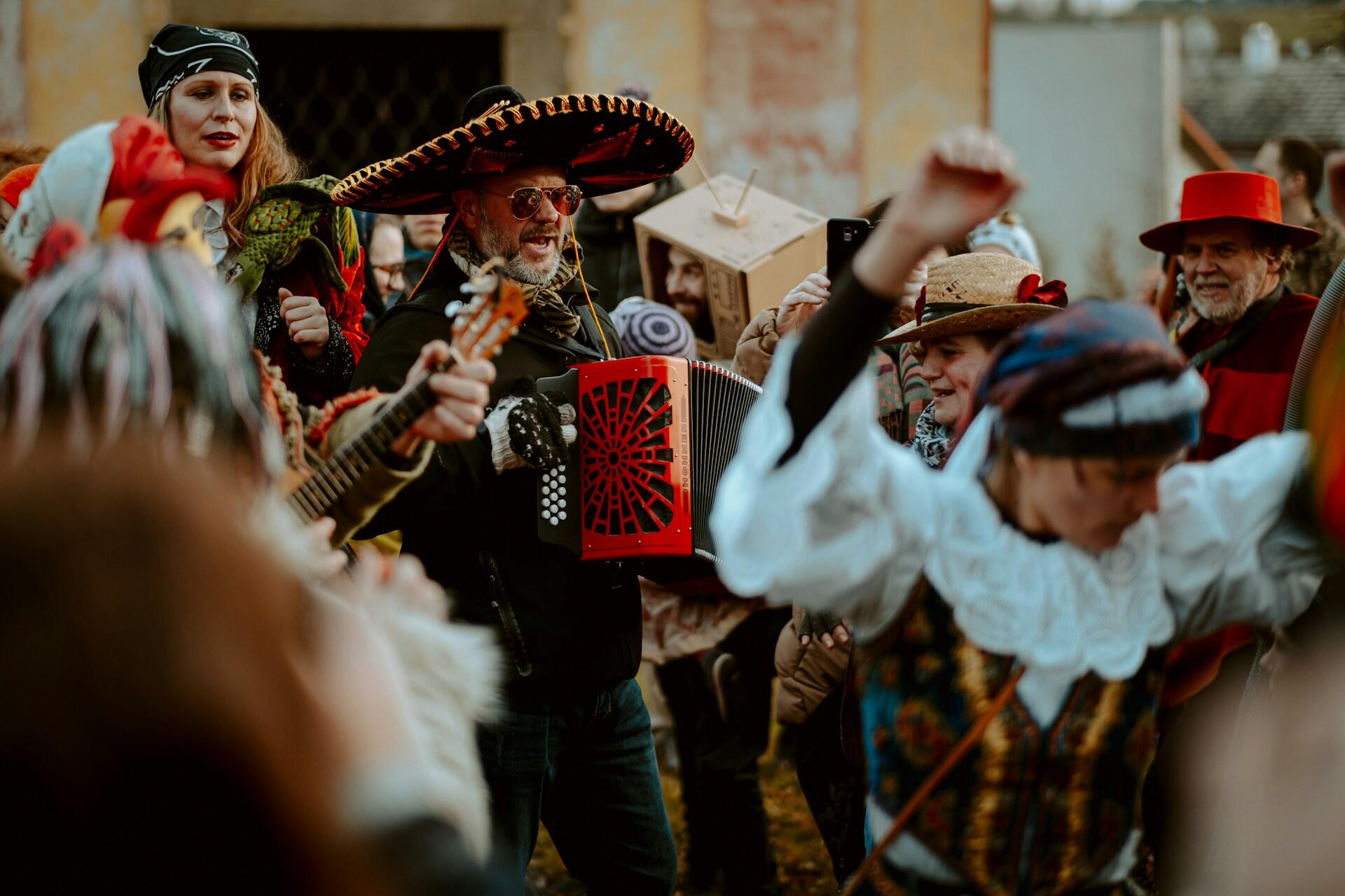
Dancing is also a sport because, regardless of the type of dance you choose or how you learn, it will still involve intense body movements. So it can help you burn unhealthy calories, improve your body shape, and help you stay fit and flexible.
- Meet New People
Dancing can help you meet new people and make new friends because you can dance with different partners in group dance classes. Also, a shared interest has been known as one of the fastest ways to get acquainted with people.
Unleash Your Passion for Dancing on Superprof
Do you have a passion for dancing? Then you shouldn't let it end with just having a passion. Instead, you should take a step further to learn dancing online or in person with Superprof.
Dancing is a great career choice, as seen by many famous Canadian dancers, and it is becoming more and more interesting with new trends every day.
So you can never be bored or unexcited about it.
You can learn dancing at any age to become a professional dancer or dance casually. However, whatever your reason is, Superprof has your back.
Check out some expert dance tutors on Superprof and review their dancing experience, tutoring methodology, past students' reviews and hourly rates before booking your first lesson!
References
- Schaefer, T. (2025, October 23). Irish Jig Dance: How to Learn & Perform the Iconic Steps. wikiHow. https://www.wikihow.com/Dance-an-Irish-Jig
- Tokyo Convention & Visitors Bureau. (2024, December 24). Exploring Kabuki Theater, Japan’s traditional and dynamic stage performance. The Official Tokyo Travel Guide, GO TOKYO. https://www.gotokyo.org/en/story/guide/exploring-kabuki-theater/index.html
- The fascinating story behind the birth of Gumboot dancing (ZA). (n.d.). https://www.southafrica.net/za/en/travel/article/the-fascinating-story-behind-the-birth-of-gumboot-dancing
- Rush, C. (2025, October 15). Traditional Dances Around the World: How Performing Arts Preserve Culture. Beyond Borders. https://blog.remitly.com/lifestyle-culture/traditional-dances-around-the-world/
Summarize with AI:
Did you like this article? Leave a rating!


 Loading...