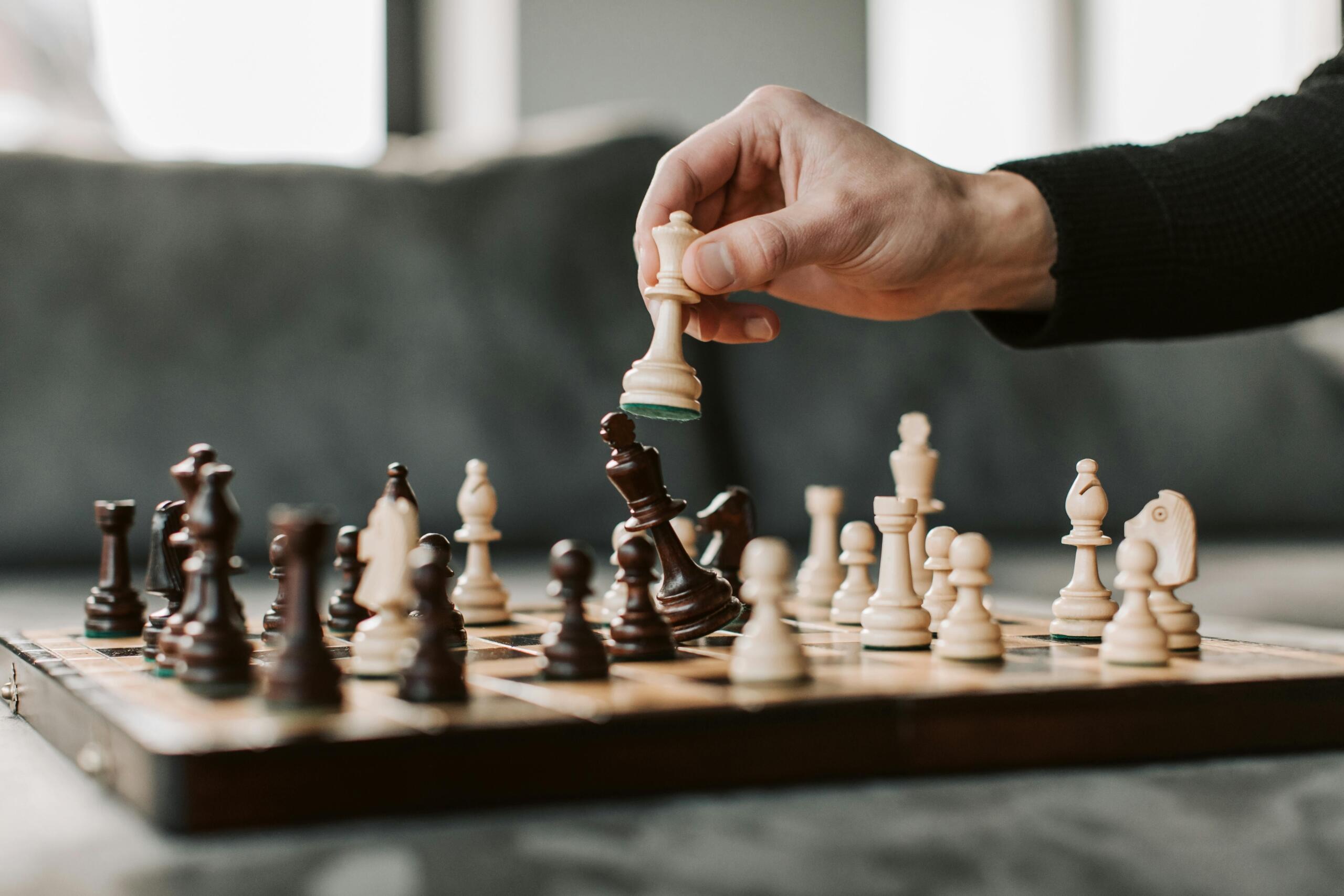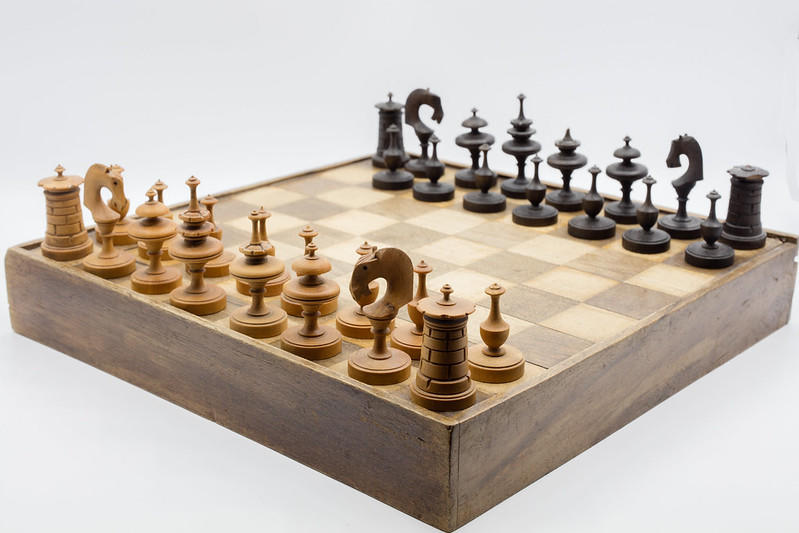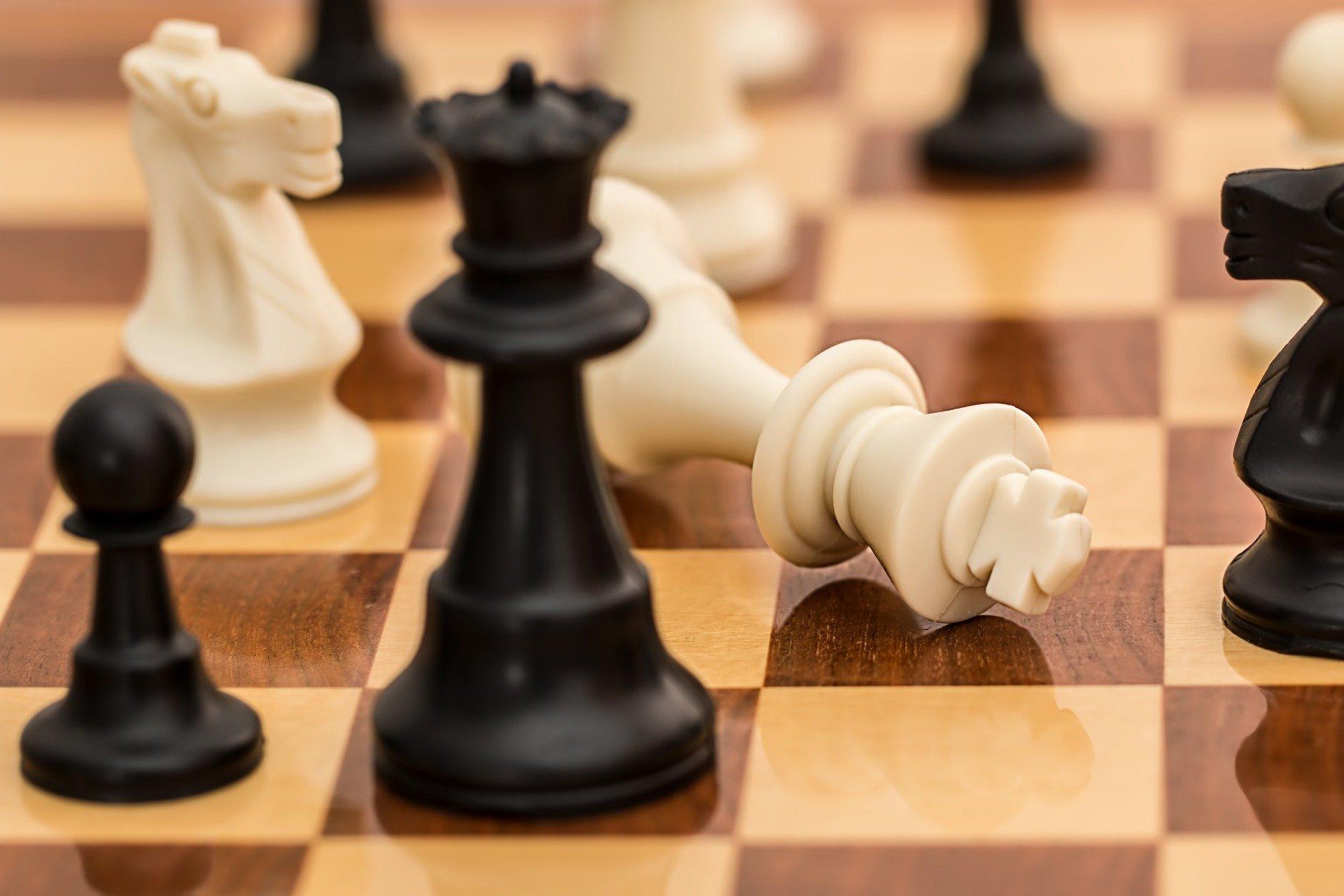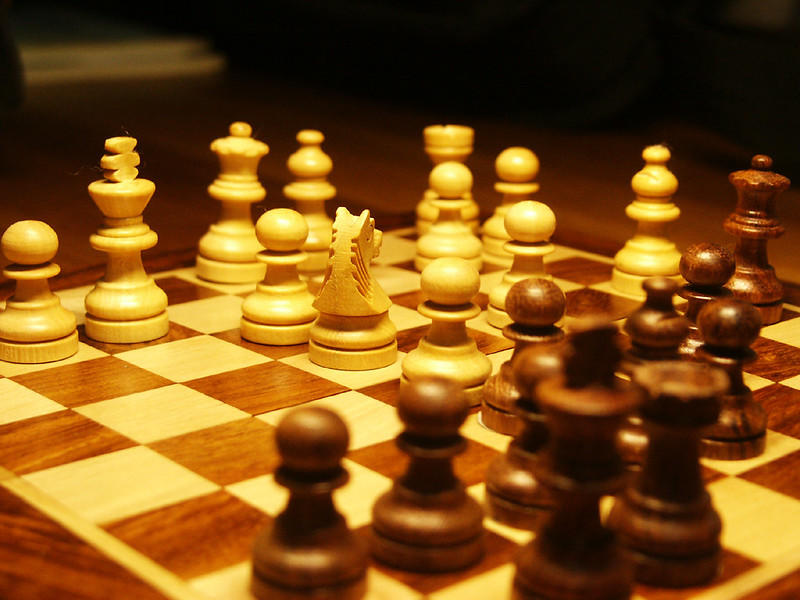

Chess is a game where strategy and tactics are key. Strategy is your long-term plan, while tactics are what ultimately decide matches. By learning to recognise tactical patterns, you can create threats, win material, and punish your opponent's inaccurate moves.¹ Here, we'll take a look at the key tactics for beginners as well as some more advanced tactics once you've understood them.
Key Takeaways
- Chess tactics are short sequences of moves designed to win material, deliver checkmate, or create decisive threats.¹
- Beginner players should first learn patterns such as forks, pins, skewers, and discovered attacks.²
- Advanced tactical ideas like deflection, interference, and clearance sacrifices often appear in combinations.
- Regularly solving puzzles helps players recognise tactical patterns faster during games.⁵
- Analysing your own games can reveal missed tactical opportunities and improve calculation skills.³





Essential Beginner Chess Tactics
To improve your overall chess game, start with these essential beginner chess tactics. With tactical ideas, you can create threats, win material, or force mistakes. In most games, recognising a simple tactic can completely change the outcome in just a few moves.¹
Chess tactics are short sequences of moves that create immediate threats or force the opponent to respond. Unlike long-term strategy, tactics focus on concrete combinations that win material, deliver checkmate, or gain a decisive advantage. Most tactical ideas rely on patterns such as forks, pins, skewers, or discovered attacks that exploit the position of pieces on the board.
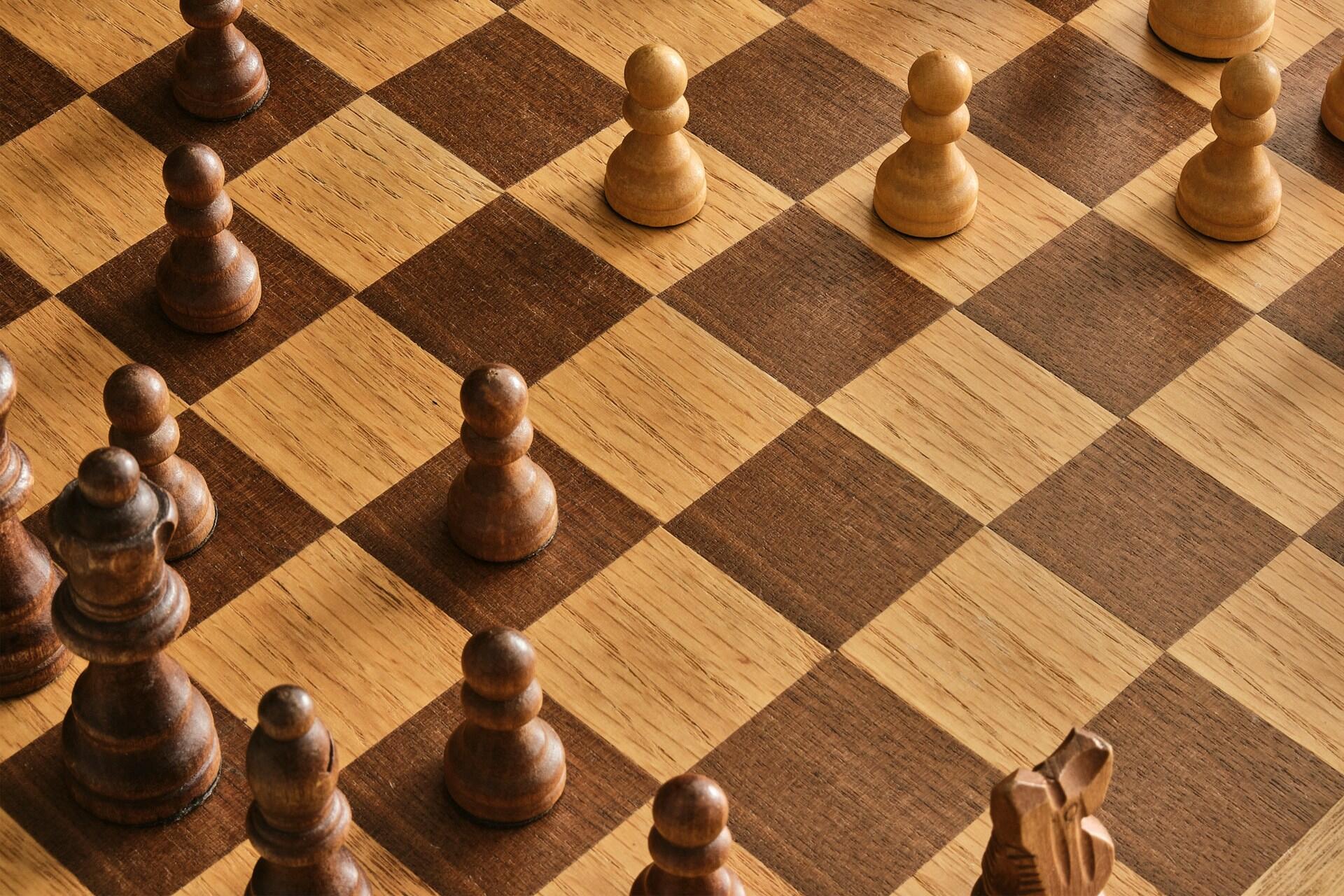
key beginner tactics every player should recognise: forks, pins, and skewers.
Forks
Forks in chess are an easily recognisable tactical pattern. A fork is when you threaten multiple pieces at once. Since it's often impossible to defend both at the same time, a well-timed fork can quickly win material or create a strong attacking opportunity.²
Pins
Pins are another fundamental tactic in chess that you should learn. This is when you apply pressure to a high-value piece behind a lower-value one. When used correctly, pins restrict the opponent's movement and can weaken their defensive coordination.¹
Skewers
A skewer in chess is sort of the inverse of a pin. In this, you target a valuable piece that has to move out of the way, leaving another piece undefended. Once that piece moves away, the piece behind it becomes vulnerable, which means you can win material or gain a positional advantage.¹

Discovered Attacks
Discovered attacks are a powerful idea in chess. They allow you to create two threats with a single move. This is when a piece moves out of the way, revealing an attack from the piece behind it. The sudden appearance of this threat can surprise the opponent and force them into a defensive position.¹
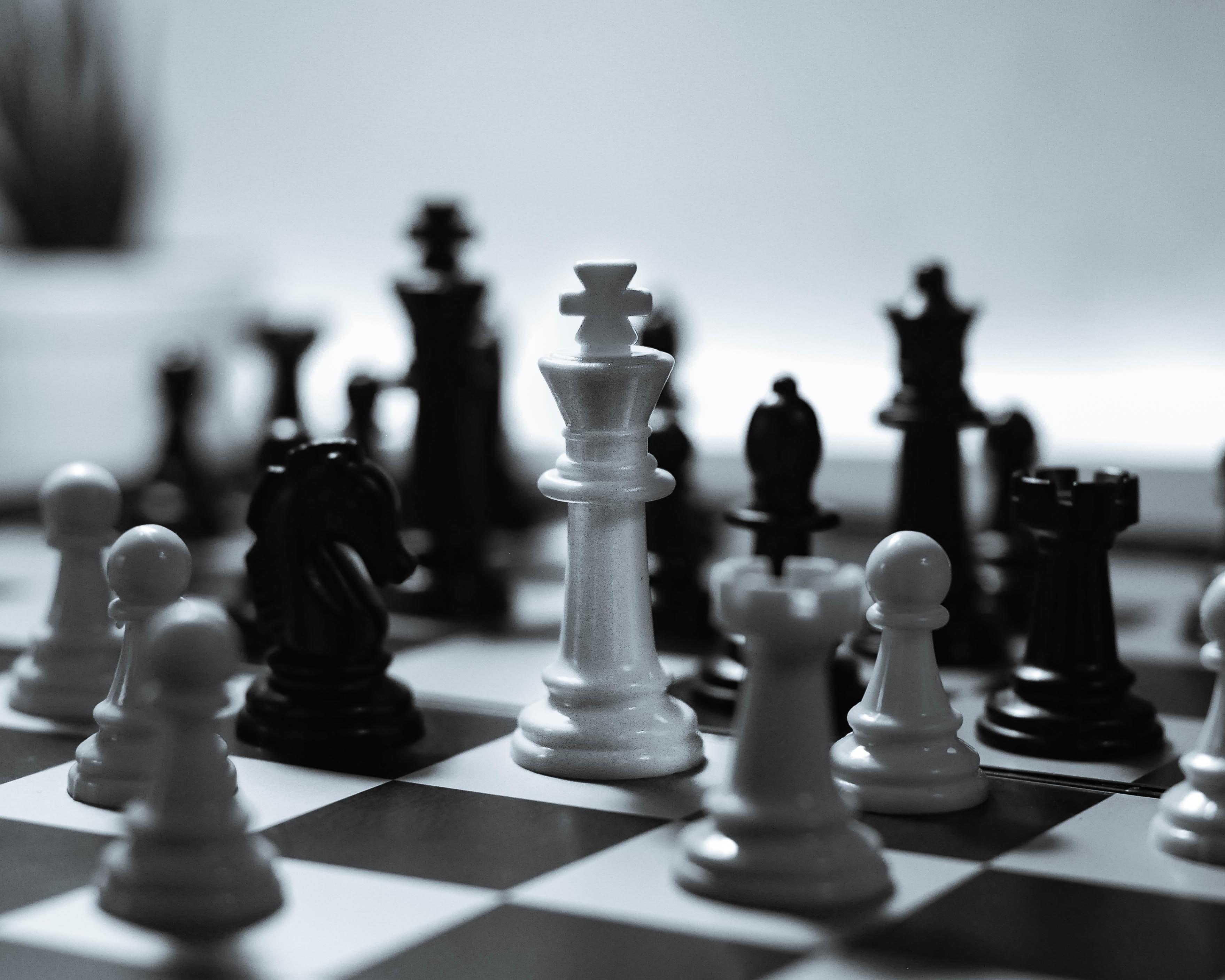
different types of pieces used to create tactical patterns.
Advanced Tactics to Elevate Your Game
Once you've become comfortable with basic tactical patterns, you can start exploring more advanced combinations. These tactics are powerful because they allow you to force your opponent's piece into unfavourable positions or remove key defenders from important squares. With these, you can create powerful attacks or convert small advantages into decisive ones.¹
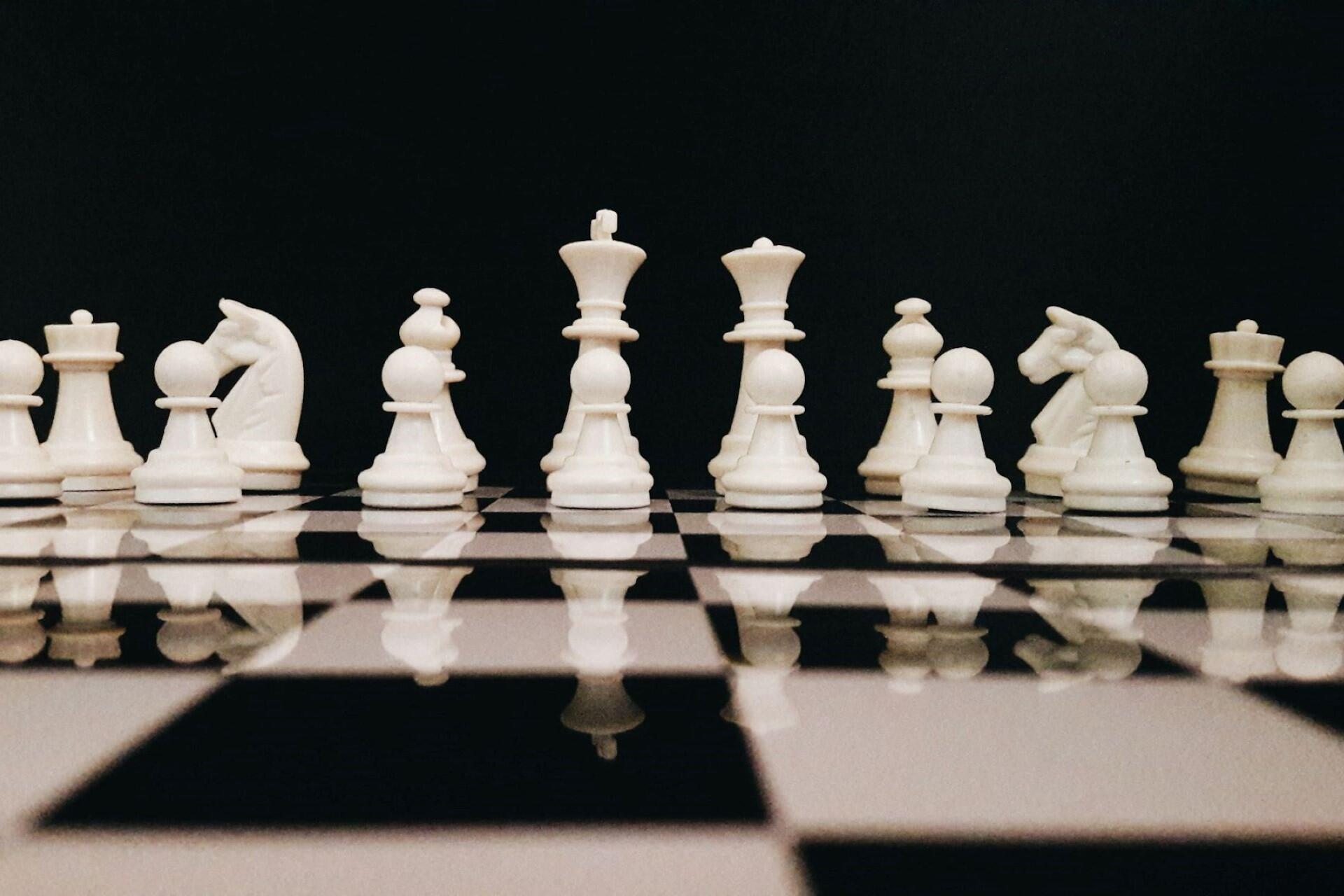
Many successful tactical combinations begin with forcing moves such as checks, captures, or threats. These moves limit the opponent's options and make their responses predictable. By carefully calculating forcing sequences, players can uncover powerful tactical ideas and win material or deliver checkmate.
Deflection
Deflection is forcing an opponent's piece from a square where it was playing a key defensive role. By distracting or luring the piece away, you can expose a weakness in your opponent's position. When the piece leaves its post, new tactics are often possible, such as winning material or launching a decisive attack.¹
Interference
Interference tactics involve disrupting your opponent's piece coordination. For example, when a piece is placed between them, blocking a defensive line or preventing a piece from supporting another. You can weaken your opponent's defence and create new tactical opportunities simply by interrupting a connection. In many cases, interference appears as part of a larger combination that leads to material gain or a strong attacking position.³
Clearance Sacrifice
A clearance sacrifice is when you give up material temporarily to create space for another piece to move. Sacrifices are common in attacking positions, especially when opening a line can quickly lead to checkmate threats or decisive material advantage.¹ Novice chess players will quickly learn that sacrificing material is a key part of the game.
| Tactic | Difficulty Level | How to Execute It | How to Defend Against It |
|---|---|---|---|
| Fork | Beginner | Use one piece to attack two or more enemy pieces at the same time | Keep pieces protected and avoid placing valuable pieces on squares that can be attacked together |
| Pin | Beginner | Align an attacking piece with an enemy piece and a more valuable piece behind it | Move the valuable piece out of the line or block the attack with another piece |
| Skewer | Beginner | Attack a valuable piece so it must move and expose the piece behind it | Move the attacked piece away or block the attacking line with another piece |
| Discovered Attack | Intermediate | Move one piece to reveal an attack from a piece positioned behind it | Watch for hidden lines of attack and reposition pieces to avoid alignment |
| Deflection | Advanced | Force a defending piece to leave a key square using threats or sacrifices | Maintain strong piece coordination and avoid overloading a single defender |
| Interference | Advanced | Place a piece between two enemy pieces to block their defensive connection | Maintain flexible piece placement and avoid relying on a single defensive line |
| Clearance Sacrifice | Advanced | Sacrifice a piece to open a line or square for another attacking piece | Carefully calculate sacrifices and ensure key squares remain defended |
Practical Tips for Practising Chess Tactics
The best way to improve your tactical ability in chess is to practise and analyse positions. Strong players often spend a lot of time on chess puzzles to train their minds to recognise common tactical patterns like pins, forks, and skewers.⁴ You'll begin to identify these opportunities more quickly during real games.⁵
Be sure to look back over your own games, especially if you play online. You can analyse positions and see where you lost out. Make this a habit, and you can understand how tactical threats arise from piece placement and coordination.³
Many chess games are decided by tactical mistakes rather than long strategic plans. Spotting threats, such as forks or discovered attacks, can quickly shift the balance of the position. Players who regularly practice develop pattern recognition, enabling them to identify winning chess tactics more quickly in real games.
Which of these chess tactics do you find most effective in your games? ♟️
References
- Chess.com. “Chess Tactics.” Chess.com, https://www.chess.com/terms/chess-tactics. Accessed 2 Apr. 2026.
- Chess.com. “Fork in Chess.” Chess.com, https://www.chess.com/terms/fork-chess. Accessed 2 Apr. 2026.
- Chess.com. “Importance of Tactics.” Chess.com, https://www.chess.com/article/view/importance-pf-tactis. Accessed 2 Apr. 2026.
- ChessMood. “Fork in Chess Explained by a Grandmaster.” ChessMood, https://chessmood.com/blog/fork-in-chess. Accessed 2 Apr. 2026.
- ChessStrategyOnline. “Introduction to Chess Tactics: Forks.” ChessStrategyOnline, https://www.chessstrategyonline.com/content/tutorials/introduction-to-chess-tactics-forks. Accessed 2 Apr. 2026.
Summarize with AI:
Did you like this article? Leave a rating!

 Loading...