
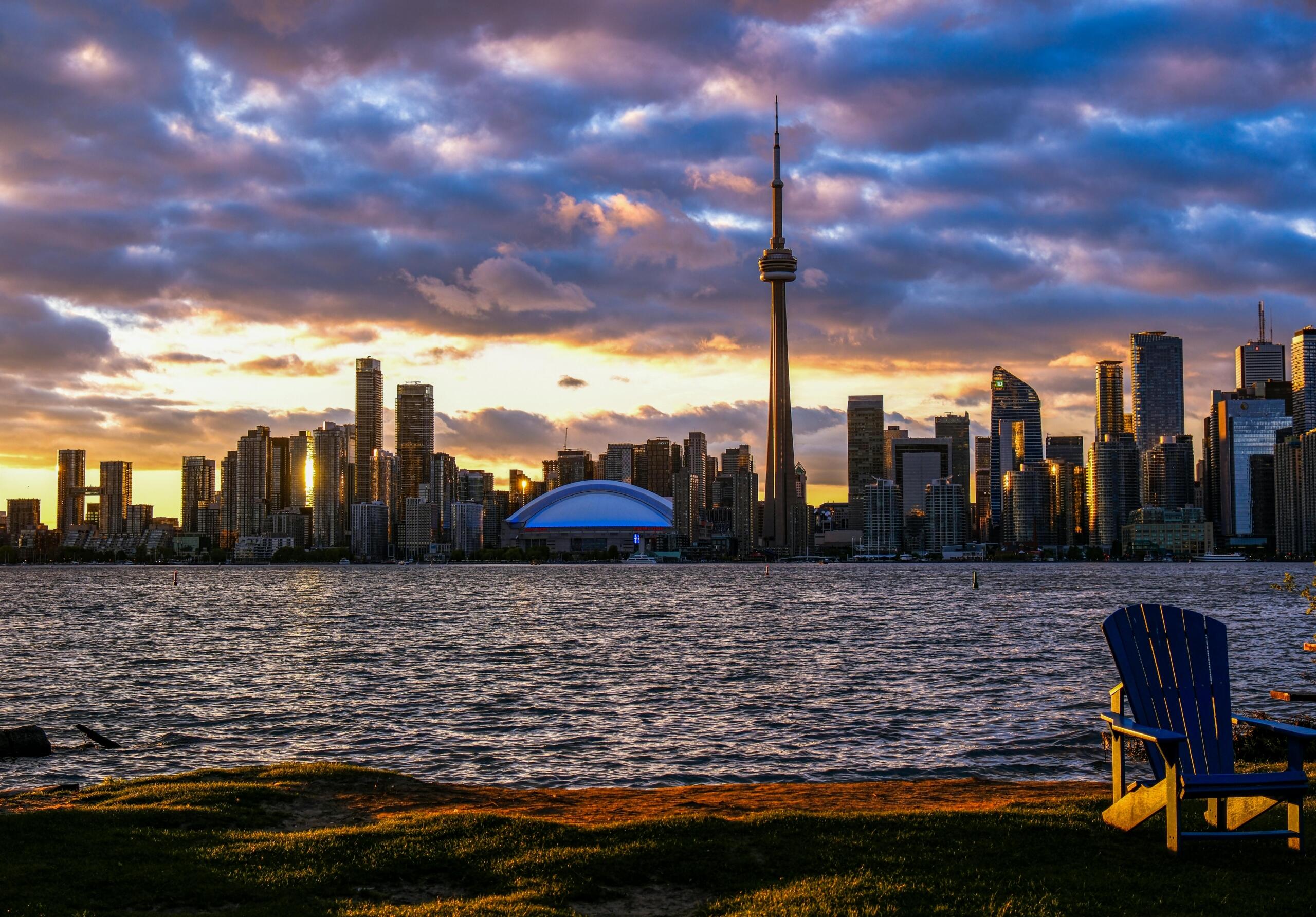

If you are searching for the best museums in Toronto, you are in luck - the city is one of the top cultural cities in Canada. Toronto offers a remarkable range of museums, galleries, historic houses, immersive attractions, and family destinations across the city.
From the famous Royal Ontario Museum to world-class contemporary art spaces and playful experiences such as the Museum of Illusions Toronto, Toronto museums reflect the diversity, creativity, and energy of the city itself.
| Museum | Focus | Best For |
|---|---|---|
| Royal Ontario Museum | Natural history & world cultures | Families | |
| Art Gallery of Ontario | Fine art | Art lovers |
| Aga Khan Museum | Islamic art & culture | Cultural visits |
| Bata Shoe Museum | Fashion & design | Unique experiences |
| Little Canada | Miniature landmarks | Families |
| Museum of Illusions Toronto | Interactive illusions | Kids & groups |
| Gardiner Museum | Ceramics | Art lovers |
| MOCA | Contemporary art | Trend seekers |
Visitors can explore dinosaur fossils, ancient objects, contemporary exhibitions, decorative arts, fashion history, and immersive family attractions all in one destination. Whether you are planning a cultural weekend, a rainy day activity, or a memorable city escape, Toronto has a museum for every interest.
Known for its vibrant cultural identity, Montreal offers a diverse range of museums that highlight everything from Canadian heritage to contemporary art.


Learn Natural History at the Royal Ontario Museum (ROM)🦖
The ROM, also known as the Royal Ontario Museum, is one of the most famous museums in Canada and a flagship attraction in Toronto. Founded in 1914, it is one of the largest museums in North America and blends natural history, archaeology, design, and world cultures. Its dramatic crystal addition has made it an architectural landmark in downtown Toronto.
What makes the ROM especially appealing is its range. Many museums focus on a single subject, but the ROM allows visitors to move from dinosaur skeletons to ancient civilizations, gemstones, Indigenous cultures, and wildlife galleries in the same visit. This variety makes it ideal for families or travelers with mixed interests. Because of its central location near the University of Toronto and Yorkville, it also fits easily into a larger downtown itinerary.
The timeline below summarizes the historical eras covered at the ROM:
Billions of Years Ago
Natural History
Explore earth science galleries featuring meteorites, minerals, gemstones, and the origins of our planet.
500 Million – 66 Million Years Ago
Prehistoric World
Discover fossils, marine life, and towering dinosaur skeletons from ancient eras.
3000 BCE–500 CE
Ancient Civilizations
View Egyptian mummies, Greek and Roman artifacts, and treasures from early China.
Thousands of Years Ago–1900s
Human Cultures
Experience Indigenous collections, global textiles, decorative arts, and cultural objects from around the world.
1900-Present
Modern World
See biodiversity exhibits, contemporary displays, and rotating exhibitions on science, culture, and global issues.
The ROM functions as both a tourist attraction and a major academic institution, with experts working in archaeology, biodiversity, conservation, and anthropology1.
Many museums in Ottawa are located close together, making it easy to visit multiple sites in one day.
Enjoy Classic and Modern Art at the Art Gallery of Ontario 🎨
The Art Gallery of Ontario (AGO), is one of the country’s top art museums. Located in downtown Toronto, the museum combines major historical collections with bold contemporary art. The building was famously redesigned by architect Frank Gehry, adding sweeping wood and glass interiors that are attractions themselves.
The Art Gallery of Ontario is one of Canada’s most important visual arts institutions and a major cultural anchor. Its roots go back more than a century, and over time it has built one of the country’s strongest collections of Canadian and international art. The AGO is also deeply tied to Toronto’s identity as a creative city, hosting exhibitions, talks, educational programs, and public events.
works of art ranging from the first century to today
The museum’s redesign by architect Frank Gehry added new prestige and made the building itself part of the visitor experience. Warm wood interiors, dramatic staircases, and flowing gallery spaces create a sense of movement and openness. Whether visitors come specifically for the Group of Seven or simply want a quiet cultural afternoon, the AGO consistently ranks among the best museums in Toronto2.
Learn Islamic Art and Culture at the Aga Khan 🕌
The Aga Khan Museum offers one of the most refined cultural experiences in Toronto. Focused on Islamic civilizations, the museum presents over a thousand years of artistic, scientific, and cultural achievement.
The Aga Khan Museum opened in 2014 and quickly became one of Toronto’s most distinctive cultural destinations. Unlike broader encyclopedic museums, it focuses on the artistic, intellectual, and scientific achievements of Islamic civilizations and the connections between cultures across time.
This museum offers an experience that is both educational and contemplative. Many visitors comment on the elegant architecture, reflecting pools, landscaped grounds, and calm atmosphere. It feels intentionally different from fast-paced downtown attractions. The museum is especially valuable because it broadens public understanding of Islamic cultures beyond stereotypes, presenting art, scholarship, design, and cross-cultural exchange in thoughtful ways3.
Vancouver visitors can explore institutions that reflect both Indigenous heritage and contemporary creativity.
Fun and Unique Museums in Toronto
Toronto also excels in unusual and playful museum experiences. Attractions like the Museum of Illusions Toronto, Bata Shoe Museum, and Little Canada offer playful, interactive experiences that feel different from traditional galleries. They are great for families, dates, rainy days, or anyone looking for memorable activities with photos, hands-on exhibits, and surprising discoveries.
Experience a World of Shoes at the Bata Shoe Museum 👠
This internationally known museum showcases footwear from around the world across 4,500 years of history.
The Bata Shoe Museum proves that specialized museums can be surprisingly compelling. Founded from the private collection of Sonja Bata, the museum explores how footwear connects to identity, status, labour, fashion, sport, and ritual.
You can see footwear from some of the most famous people in the world at the Bata: Check out Queen Victoria’s ballroom slippers, Robert Redford’s cowboy boots, Elton John’s monogrammed silver platform boots, Terry Fox’s running shoe, Elvis Presley’s blue patent loafers and John Lennon’s Beatle boot!
Visitors often arrive expecting a novelty museum and leave impressed by how much history can be told through shoes. Exhibits connect footwear to politics, celebrity culture, craftsmanship, and changing lifestyles across centuries. Its central Bloor Street location also makes it easy to combine with nearby museums such as the ROM and Gardiner4.
Edmonton's key cultural attractions include the Royal Alberta Museum and the Art Gallery of Alberta.
Little Canada 🇨🇦
Little Canada is a detailed miniature attraction featuring famous Canadian places recreated at tiny scale. It is a newer Toronto attraction that blends craftsmanship, storytelling, engineering, and family entertainment. It recreates Canadian cities and landscapes in miniature form, allowing visitors to travel across the country through tiny buildings, moving vehicles, mountains, and landmarks.
What makes Little Canada stand out is the attention to detail. Visitors often spend far longer than expected noticing humorous scenes, hidden references, and technical movement built into the displays.
It is especially popular with families, but adults also appreciate the artistry and national storytelling. Located in the Yonge-Dundas area, it fits well into a busy downtown day5.
Free and Low Cost Museums in Toronto
Toronto offers several free and low-cost museum options, making it easy to enjoy culture on a budget. Visitors can explore free spaces like The Power Plant Contemporary Art Gallery, which features contemporary art on the waterfront, or take advantage of discounted admission times at museums such as the Textile Museum of Canada.
The Power Plant ⚡
A leading waterfront gallery offering free admission and major contemporary art exhibitions. Located on Toronto’s waterfront, The Power Plant is one of Canada’s leading contemporary art galleries. Its mission focuses on presenting new and challenging work by Canadian and international artists, often through rotating exhibitions rather than permanent collections.
Because admission is free, it attracts a wide mix of visitors, from dedicated art audiences to casual tourists exploring Harbourfront.
The gallery often features installations, media art, and socially engaged projects that reflect current conversations in culture and politics. For travelers wanting a modern, forward-looking art experience, it is an excellent stop6.
Textile Museum of Canada 🧵
The Textile Museum of Canada houses more than 13,000 objects from over 200 regions. This museum offers a different perspective than many larger museums by focusing on fabric, clothing, weaving, and material culture. Through textiles, visitors learn about migration, trade, identity, religion, labour, and artistic expression across global communities.
Because textiles are part of everyday life, the museum often feels personal and relatable. Many visitors are surprised by how much history can be understood through garments, carpets, embroidery, and handcrafted objects. Located downtown, it is a rewarding smaller museum that complements Toronto’s larger institutions7.
Art Museums in Toronto
Gardiner Museum 🏺
The Gardiner Museum is Canada’s national ceramics museum and one of Toronto’s hidden gems. It specializes in pottery, porcelain, and ceramic design from ancient civilizations to contemporary studio artists.
Ceramics can tell stories about trade, technology, ritual, domestic life, and aesthetics, making the collection richer than some visitors initially expect. The museum is also known for educational programming, clay classes, and a welcoming scale that feels less overwhelming than larger institutions. Its location directly across from the ROM makes it easy to pair the two8.
Museum of Contemporary Art 🎭
MOCA represents Toronto’s modern creative energy. Located in the west end in a repurposed industrial building, it reflects the city’s evolving neighbourhood culture and interest in adaptive reuse.
The museum focuses on contemporary art across multiple mediums, often featuring experimental work, installations, and socially engaged themes. Because exhibitions rotate frequently, repeat visits can feel entirely different each time. MOCA appeals especially to younger audiences, artists, and visitors wanting to experience Toronto’s current creative scene rather than historic collections9.
References
- Royal Ontario Museum. (n.d.). Home. https://www.rom.on.ca/
- Art Gallery of Ontario. (n.d.). Home. https://ago.ca/
- Aga Khan Museum. (n.d.). Home. https://www.agakhanmuseum.org/
- Bata Shoe Museum. (n.d.). Home. https://www.batashoemuseum.ca/
- Little Canada. (n.d.). Home. https://www.little-canada.ca/
- The Power Plant Contemporary Art Gallery. (n.d.). Home. https://www.thepowerplant.org/
- Textile Museum of Canada. (n.d.). Home. https://textilemuseum.ca/
- Gardiner Museum. (n.d.). Home. https://www.gardinermuseum.on.ca/
- Museum of Contemporary Art Toronto Canada. (n.d.). Home. https://moca.ca/
Summarize with AI:
Did you like this article? Leave a rating!

 Loading...
