
Famous Canadian author and social activist, Nellie L. McClung once said, "No nation ever rises higher than its women."
It's impossible to have a deep understanding and appreciation of a nation's history without learning and acknowledging the role of women in terms of building and developing the nation over the years.
To learn more about the significance of women's rights in Canada, we will discuss these key points in this article:
- Early women's rights movement in Canada
- The suffrage movement in Canada
- The significance of The Person's Case
- The contribution of Canadian women during the wars
- Famous Canadian women in STEM and their achievements


The Early Women's Rights Movements In Canada
In the early days (19th century), the focus of the women's rights movement in Canada revolved around how women could have a progressive public life, beyond domestic family life.
Groups of women would gather to form societies and organisations while discussing and advocating for gender equality for women in terms of education rights, religious rights, and labour rights.
Some examples of organisations formed during this period include the National Council of Women of Canada (NCWC), the Woman's Christian Temperance Union in Canada (WCTU) 1, and the Toronto Women’s Literary Club (TWLC), which was founded by Dr Emily Stowe, one of the first female physicians in Canada.
WCTU was the largest non-denominational women's organisation during the 19th century. It focused on the legal prohibition of alcohol to protect women and children (boys and girls) against violence and also advocated women's voting rights.
The participation of women in these organizations and causes signified an awareness and mind shift among the women themselves — to expand their contributions to the nation and society beyond the traditional domestic roles at home and have equal rights at work like the men.
The Suffrage Movement in Canada
A core focus of women's rights movements in Canada is none other than women's right to vote in regular elections, including political elections.
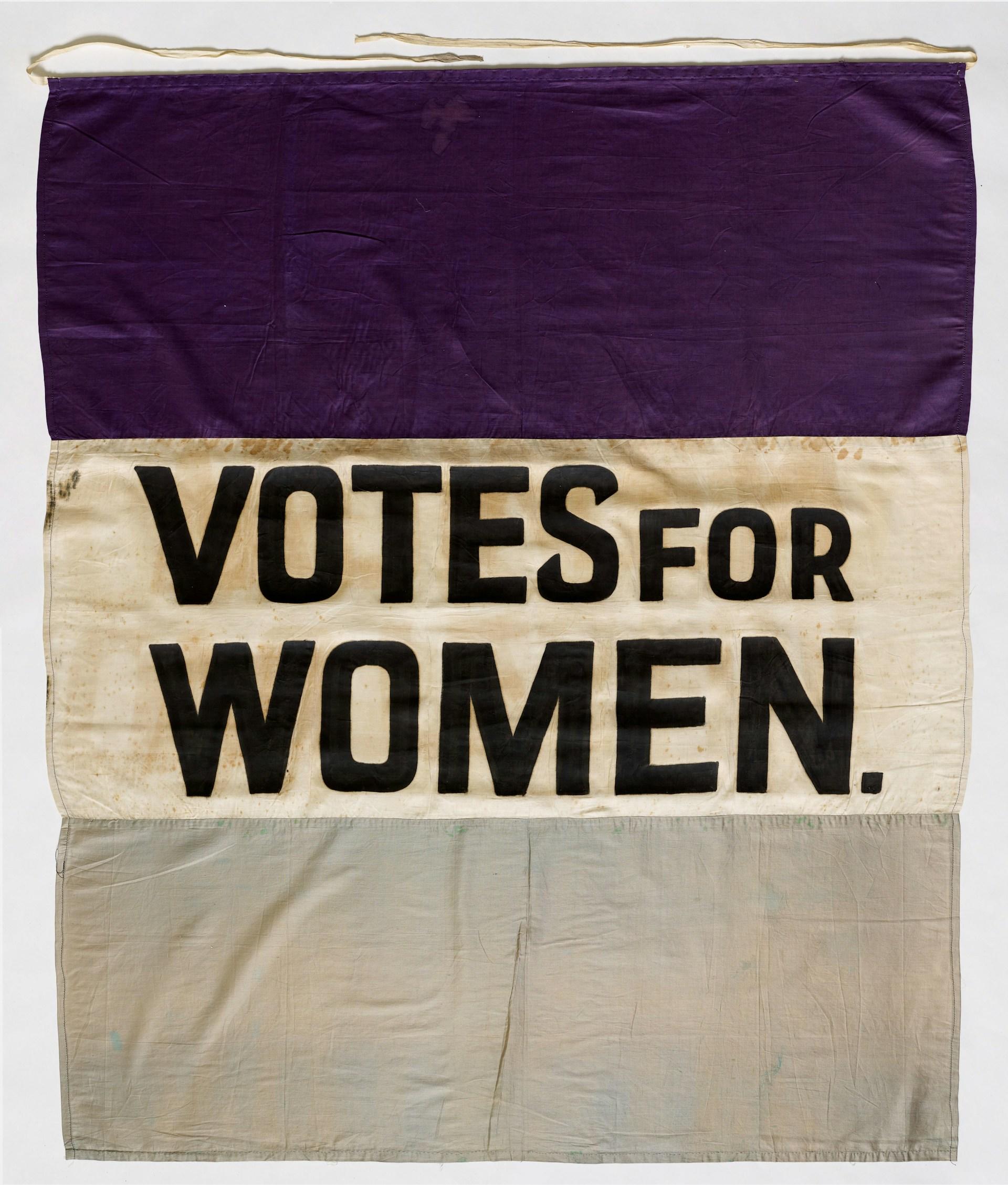
Many women decided to join the suffrage movement because it was one of the most direct ways to voice out and do something about the cases of discrimination against women, especially in the education field and workforce (like pay equity and position offered).
The battle to fight for women's suffrage rights in Canada was a tough one. Faced with various oppositions and affected by the First World War, it took some time for the movement to gain momentum again in the 20th century.
The movement for women's suffrage rights was particularly strong in Manitoba, which was initially pioneered by a group of Icelandic women who settled there. From there, key women suffrage activists like Margret Benedictsson and Nellie McClung continued the initiatives to spread the importance of voting.
An influential and dedicated author, McClung often travelled to give speeches and used her writings to criticise those who opposed women's suffrage rights. She also founded the Political Equality League in 1912.
Some of the initial initiatives taken by the women to advocate suffrage rights include peaceful campaigns at government levels, and the usage of newspapers to discuss the significance of voting. However, McClung and the new group of activists were bold and creative in their methods. They not only circulated printed publications but sent petitions to gather signatures as a sign of support, even setting up a fundraiser through a mock parliament performance at theatres.
As a result of a strong local base, Manitoba became the first Canadian province to let women vote in 1916, followed by other places like Ontario, British Columbia and Alberta.
Soon, the federal government under the leadership of Sir Robert Bolden began to grant suffrage rights to women gradually, after the First World War. In 1940, Quebec became the last province to grant women equal rights to vote.
It's worth noting that not every Canadian woman could vote in 1940 as discrimination against non-natives and non-white Canadians was still prevalent. It took another 20 years for both Asian Canadians and Indigenous women to vote freely in provincial and federal elections.
The Significance of The Person's Case
Another key event in the women's rights movement in Canada is undeniably The Person's Case.
It turns out gaining election rights was just the tip of the iceberg to ensuring true gender quality for women at the national level. During the mid-1920s, when women wanted to run for higher positions in politics such as the Senate level, they realised that they were not recognised by the law as a person to be appointed to the Senate.
When the act was first introduced, section 24 of the British North America Act (BNA Act) only legally acknowledged the qualified persons to run for Senate as men, without including women.
This kickstarted the Famous Five 2 petition and a series of court decisions to provide legal and equal rights for women to be appointed to the Senate.
A petition was carried out by five women — Emily Murphy (leader), Irene Parlby, Louise McKinney, Nellie McClung, and Henrietta Muir Edwards.
The petition was brought before the Supreme Court to clarify if the “person” in section 24 of the BNA Act included female persons.
In 1928, the Supreme Court rejected the option that the act included female persons. The Famous Five decided to appeal this case at the Judicial Committee of the Privy Council (The highest court of appeal for Canadian law), which eventually agreed that the BNA Act included women as persons, making women eligible candidates, having equal rights to men in Canada to run for the Senate.
This court ruling was made official on October 18, 1929. The following year, Cairine Wilson became the first Canadian woman to be appointed to the Senate, changing the political, social and national history of Canada forever.
Since then, Canadians started celebrating Persons Day every October 18.
The Contributions of Canadian Women During The Wars
Prior to World War I, the main contribution of women to the Canadian military 3 was through nursing — where they worked at different medical units in Canada and overseas.
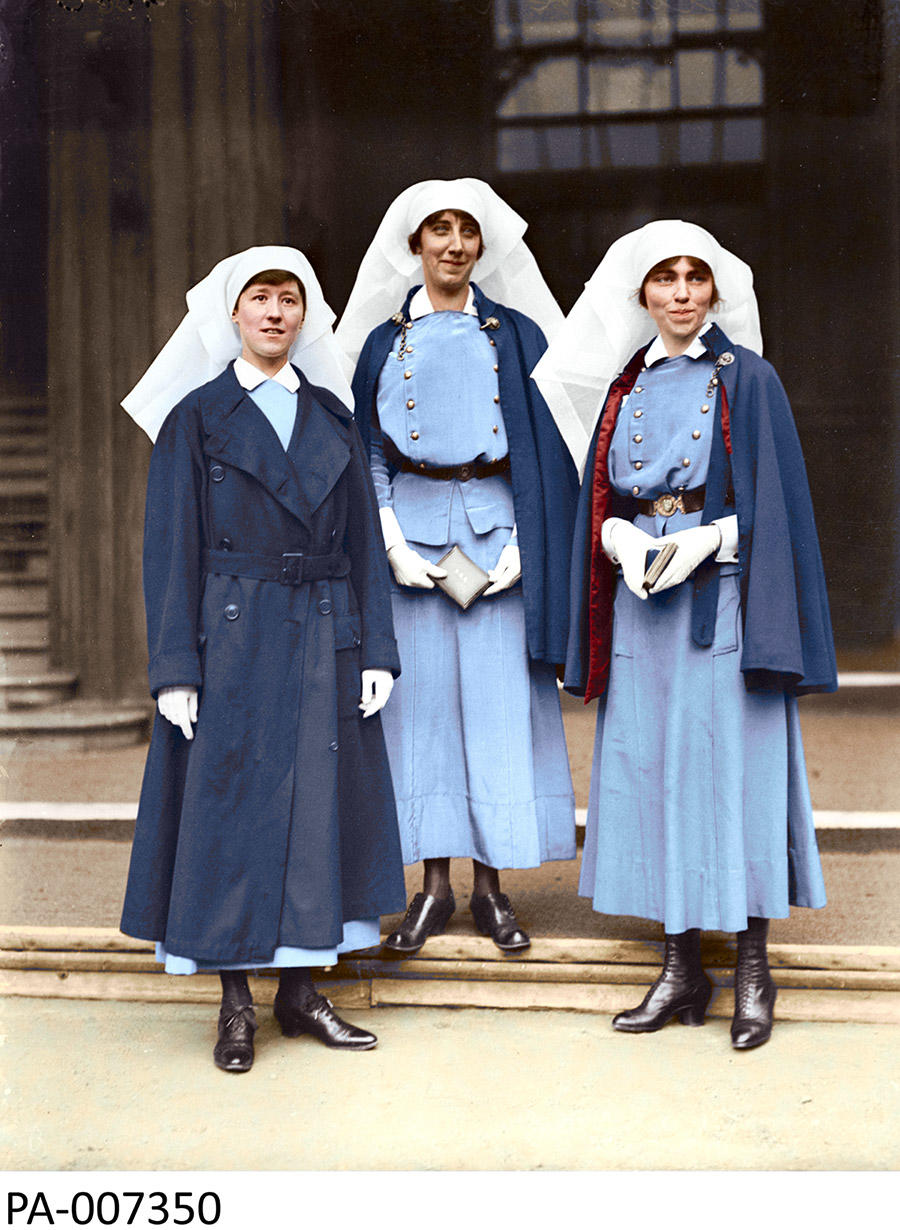
Known as the Nursing Sisters of Canada, they served diligently with the Canadian Army Medical Corps, providing care to wounded and sick soldiers.
Women's roles in the military later expanded to having non-combat roles during World War II to support the shortage of manpower through the establishment of service branches such as:
- Canadian Women's Army Corps (CWAC)
- Women's Royal Canadian Naval Service (WRCNS)
- Royal Canadian Air Force - Women's Division (RCAF-WD)
Initially trained for administration and clerical tasks, they eventually worked as laboratory assistants, radar operators, truck drivers, and coding technicians according to which service branches they were assigned to.
Though many of them faced discrimination based on their gender, the contributions of women during the wars were beyond military support, but also through their labour and care on the home front.
Additionally, many women were workers in military weapon factories, in accounting, intelligence and espionage. Some continued to work at their family farms while joining public service groups to raise funds and support the domestic economy.
These military and financial contributions show that women are as capable as men to serve their country and family in their best capacities and abilities during war and post-war.
Famous Canadian Women in STEM & Their Achievements
The pursuit for gender equality continued after World War II, moving towards the 60s and 70s, with a new wave to uphold women's rights, especially in terms of recognition of women's status in the Science, Technology, Engineering and Mathematics (STEM) fields.
Here are a few notable examples of Canadian women who created history through their remarkable contributions to the STEM industry.
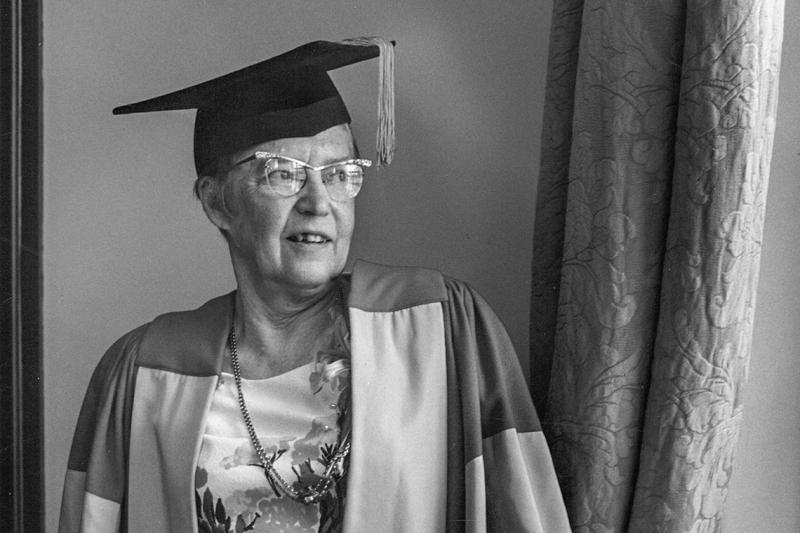
Elsie McGill: A key Canadian feminist, McGill was the first woman in Canada to be admitted to a Master engineering program in aeronautical engineering.
During WW2, she oversaw the production of the Hawker Hurricane, a principal fighter plane during war combat.
Ursula Franklin: An advocate for peace and equal human rights, Franklin was a key pioneer in the study of materials science, archeometry and reflections on technology.
Roberta Bondar: Born in Ontario, Bondar is Canada's first female astronaut and first neurologist to ever go to space. A passionate researcher, she has conducted numerous international research on the effects of space on the human body to help future astronauts adapt better to space.
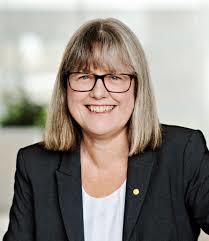
Donna Strickland: Another history maker, Strickland is the first Canadian woman to win the Nobel Prize in Physics for her contributions to chirped pulse amplification, alongside Gérard Mourou in 2018.
Learn More About the Women's Rights Movement in Canada With A Superprof Tutor
Perhaps some of you would probably opt for extensive research through various archived materials or visit government agencies for the latest archives and statistics after reading about this topic.
On the other hand, if you are a student who is studying for your high school history subject or someone who wants to dive deep into human rights issues like gender quality in Canada systematically, we would recommend you to take history lessons from a private tutor at Superprof.
At Superprof, you can have a personalised learning experience according to your learning level and pace. Furthermore, you will be guided by an experienced and qualified history tutor to cover various Canadian historical events, just like this one.
Through a reliable tutoring platform like Superprof, you can also opt for flexible online lessons to take your history lessons anytime and anywhere you like. Just head to the Superprof Canada homepage and start browsing a wide selection of tutors' profiles.
Once you have found your desired history tutor who matches your preferences in terms of years of tutoring, teaching methodology, hourly rates, learning locations (like Alberta, Vancouver or Ontario) and past reviews, you can contact him or her directly through the messaging feature on their respective profiles.
In conclusion, the legacy of women's rights movements in Canada today is an accumulation of hard work and sacrifice by the early feminist pioneers. Without their persistent goals and actions, Canada would never be the nation it is today.
In Canada, women's rights are a vital part of our effort to build a society of real equality - not just for some, but for all Canadians. A society in which women no longer encounter discrimination nor are shut out from opportunities open to others.
Paul Martin
References
- Woman's Christian Temperance Union in Canada. The Canadian Encyclopedia. (2006, February 7). https://www.thecanadianencyclopedia.ca/en/article/womans-christian-temperance-union
- Famous Five. The Canadian Encyclopedia. (2006, June 1). https://www.thecanadianencyclopedia.ca/en/article/famous-5
- Canadian Women and War. The Canadian Encyclopedia. (2006, February 7). https://www.thecanadianencyclopedia.ca/en/article/women-and-war
Summarize with AI:
Did you like this article? Leave a rating!


 Loading...