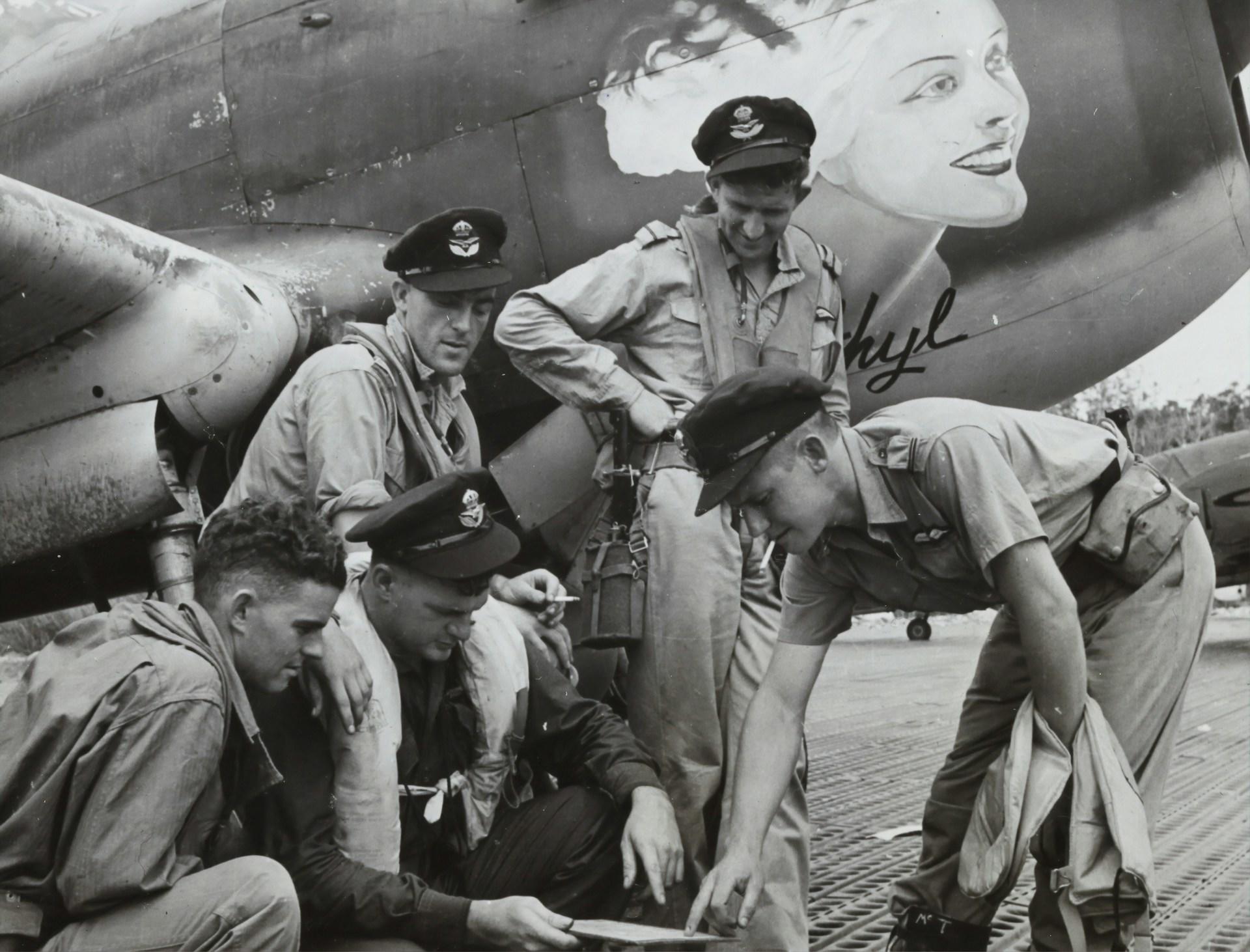

From the outset of the war, the Canadian people have clearly shown that it is their desire to help in every way to make Canada's war effort as effective as possible
William Lyon Mackenzie King
After the brutal First World War ended in 1918, the Canadian people found themselves in another major military decision to participate in the Second World War, 21 years later.
The six years of World War II have impacted the lives of both the Canadian armies who served overseas and regular citizens on the home front, in every possible way.
In this article, we will review the following points:
- How did Canada participate in the Second World War
- Major battles that Canada participated in during World War II
- What happened in Canada's Home Front during World War II
- Places and resources to learn about World War II Canadian history


How Did Canada Participate in World War II?
The Second World War officially began when Germany invaded Poland on 1 September 1939. Following that, France and Britain declared war against Germany.
Unlike the First World War, Canada declared war against Germany this round separately as an independent nation on 10 September 1939.
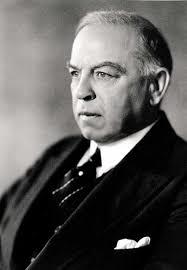
In the beginning, Canadian men volunteered to serve overseas but soon conscription was implemented again under the National Resources Mobilization Act (NRMA) by the then Canadian Prime Minister, William Lyon Mackenzie King in 1940.
Seeing how the war result in Europe was unpromising as the Allies suffered a defeat in France and Belgium, King was determined to increase the armed forces of Canada
Initially, the conscription was only focused on recruiting manpower to serve and be stationed within the country, but as the war intensified, a referendum was conducted to allow overseas conscription.
There was also increased pressure from the media and public on those who were serving locally. Local Canadian soldiers were ridiculed for being less patriotic as compared to those who volunteered to fight overseas.
The term "zombies" was used to shame the Canadian soldiers who were recruited under the National Resources Mobilization Act to serve at home. They were seen as soldiers in name and not living the true life of a soldier, like those who chose to volunteer overseas.
Eventually, groups of Canadian soldiers were deployed overseas by late 1944. This controversial decision for overseas conscription also led to division and unrest among the locals and the French community in Quebec.
Major Battles That Canada Participated In The Second World War
This time around, Canada participated in various battles covering all areas — air, land, and sea- which contributed greatly to the Allies' victory.
We'll be focusing on three major battles: the battle of Britain, the battle of Hong Kong, and the Invasion of Normandy.
The Battle of Britain (Air battle in 1940)
This battle will always be remembered as one of the first air battles of the Second World War 1, which took place for almost four months.
Through the Royal Canadian Air Force (RCAF), Canada joined forces with Britain's Royal Air Force (RAF) against the attack of German fighters. The No. 1 (Fighter) Squadron was formed and sent to Britain to undergo intensive training before the next attack, where many Canadian pilots participated in the next attack against the Germans.
Through a series of aerial engagements, both sides suffered many casualties, injuries, and military damage. It soon became a dangerous battle of accuracy and speed. After an early fatal assessment of mistaking three of Britain's aircraft as German aircraft, the Canadian squadron fought bravely and finally successfully attacked six German aircraft over Southern England.
As the battle progressed, the RAF began to gain an upper hand over this air battle — victoriously attacking 80 Luftwaffe aircraft by the Germans. This huge shock and defeat of the Germans was a silver lining for the Allied forces. It helped to prevent Operation Sea Lion from taking place — a planned invasion attack on England planned by Adolf Hitler to force England to surrender.
The Battle of Hong Kong (Land battle in 1941)
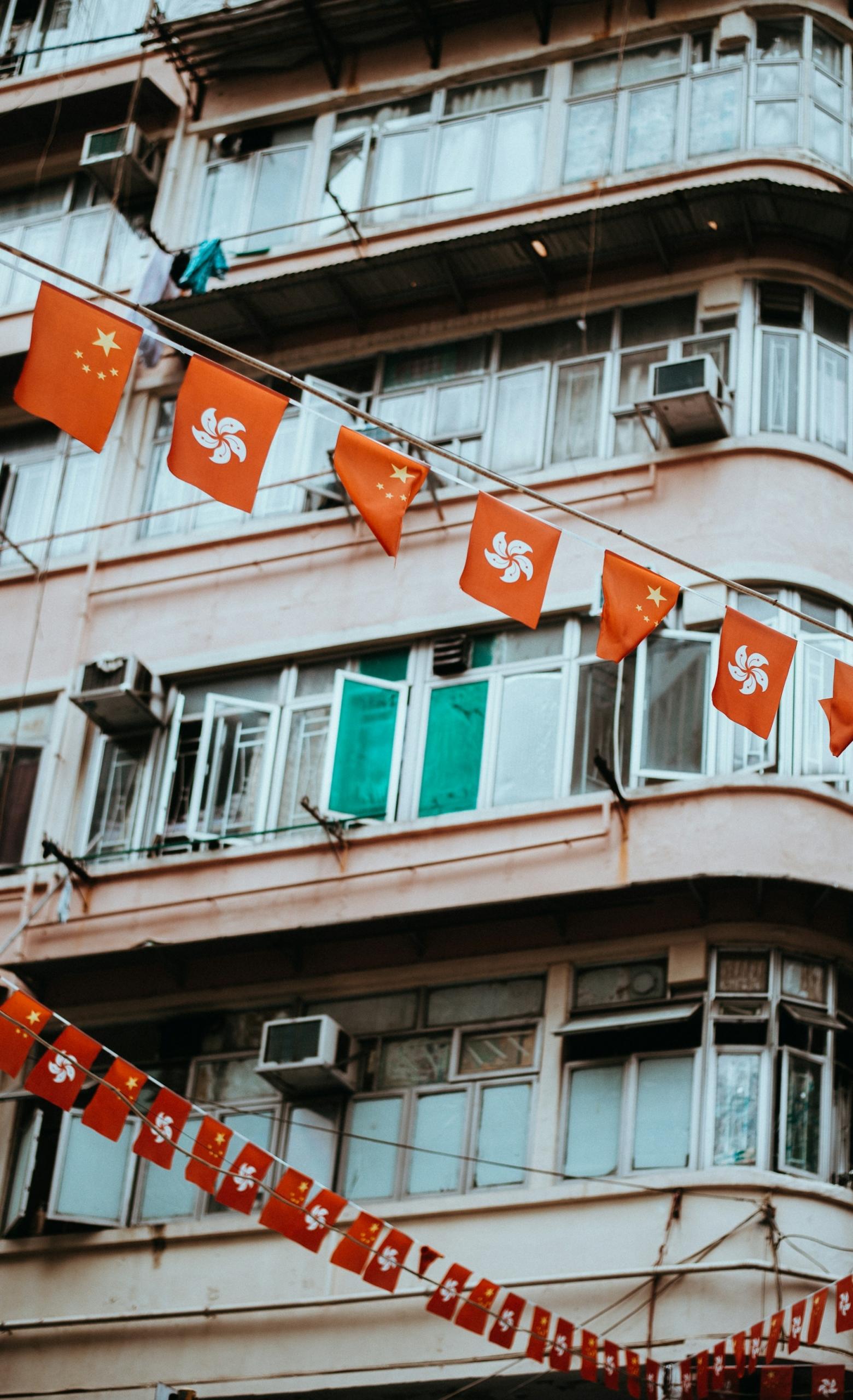
The Battle of Hong Kong 2 was the first land battle that the Canadian troops fought during the Second World War.
Initially, the Canadian contingent was deployed to Hong Kong to perform garrison duty after the British requested more manpower reinforcement as a show of force against Japan who was fighting China during that time.
However, the unexpected happened when Japan suddenly bombed Pearl Harbour and decided to invade Hong Kong next on December 8, 1941.
Faced with this sudden attack, the Canadian troops and the Allied forces did their best to fight against the Japanese armies and defend Hong Kong.
After tireless weeks of combat, the Allies surrendered to the Japanese on Christmas Day. It was a terrifying war experience for the Canadian armies as many of them were forcefully taken to become prisoners of war in Hong Kong, and even in Japan.
The Invasion of Normandy (D-Day, Sea battle in 1944)
The Allies have been planning one of the biggest sea invasions 3 against the German forces, hoping to solidify their position in France.
To prepare for this invasion, the Allies had their soldiers study maps and locations of the Normandy carefully and even resorted to deception strategies to fool the German armies into thinking that the invasion would take place in Pas de Calais.
The invasion was a collaboration between the British armies, American armies and Canadian armies where each division was assigned to attack different beaches and move in groups of paratroopers.
The Canadian division was tasked to attack Juno Beach, and together with the vessels contributed by the Royal Canadian Navy (RCN), they successfully broke through the German defence.
What Happened In Canada's Home Front During World War II?
The participation of the Canadian army in massive combat battles only offers one side of the story during the Second World War. Many things were unfolding simultaneously in Canada's home front, affecting the lives of various groups of Canadians who remained.
As a country, Canada experienced three major shifts in terms of economic, social and also government measures.
- A shift of workforce focus — War Production
To support the ongoing war, Canada moved swiftly to increase their manufacturing and production capacity.
Under the Department of Munitions and Supply, the government coordinated the local workforce in terms of weapon production, resource production, naval production and even aviation production. As a result of massive industrialization, Canada's economy experienced a boom — average yearly wage also increased, benefitting the workforce in general.
- A shift of workforce role — Women's contribution beyond domestic life
With increased awareness of women's rights in Canada and their significance in the workforce, Canadian women were working outside the home across different sectors to support their families and contribute to the country's economy.

During this time, Canadian women were also moving beyond gender expectations at the workplace, taking more male-dominated jobs at factories, farms and even joining the armed forces under the women's division for non-combat roles.
- A shift of public trust — Fear-driven discrimination towards Japanese Canadians
Unfortunately, the Second World War also witnessed one of the darkest key moments in Canadian history. Fueled by wartime fear and prejudice since the Japanese bombed Pearl Harbour, the Canadian government carried out forceful relocation and interment of the Japanese Canadians.
As the war was coming to an end, the community was given two choices: to return to Japan or to move to provinces east of the Rocky Mountains. Those who chose to stay had to live a restricted life under the government's supervision.
It was not until 1988 that the Japanese Canadians received a formal apology from the Canadian government for its past wrongdoings.
Places And Resources To Learn About World War II Canadian History
Now that you have read about the role and contributions of Canada during the Second World War, you might want to have an immersive history learning experience, in person.
Nothing gives you a deeper appreciation of world peace and reflection on the sacrifices of the Canadian armies than direct exposure to what happened through physical exhibitions, actual documentation and library archives.
There are many notable places and resources in Canada that you can visit to learn more about the happenings during World War II.
Canadian War Museum
Located in Ottawa, the Canadian War Museum offers an extensive view of the Second World War through a wide range of physical and online exhibitions as well as galleries.
Under the museum, visitors can also visit the Military History Research Centre which offers collections of important documents which detail Canada's military history including personal diaries, newspaper clippings, maps and postcards.
The Military Museum
This is another museum that you should visit to learn about the impact of World War II on Canada's history.

Located in Alberta, it is the largest tri-museum in Western Canada with a total of eight museums, covering information on Canada's Navy Force, Air Force and also Land Armies.
Through their special exhibitions, visitors can learn about the war timeline and see various artefacts and weapon models used in different battles.
Canadian Virtual War Memorial
The Canadian Virtual War Memorial is an online database that offers a personal touch when it comes to honouring and paying tribute to the fallen Canadian soldiers who have fought bravely during the wars.
By keying in a solider's name, visitors and family members of the Canadian soldiers can search through the database and gain details such as their military service number, their age during their passing, respective unit and division in which they serve, burial information as well as digital collection, consisting of photographs or newspaper publications.
Learn About Canada's History Post World War II With A Private History Tutor
Almost 80 years have passed since the Second World War. As a nation, Canada has gone through several changes, economically, socially and politically post-war.
From the participation of Canada in the United Nations to how Newfoundland joined the country to its policies during the Cold War, the history of this country continues and is still ongoing.
If you are a history buff who wants to expand your knowledge of the happenings after World War II 4, we highly recommend you to learn with an experienced history tutor.
Just head to Superprof Canada to find a history tutor near your city, or opt for flexible online history lessons.
You can easily review the basic information of the tutor such as their hourly rates, teaching scope, and teaching experience. Once you have made up your mind, contact them via the messaging feature on their respective profiles.
At Superprof, you're set to have a comprehensive and effective learning experience of Canada's history.
“History is important because it teaches us about past. And by learning about the past, you come to understand the present, so that you may make educated decisions about the future.”
Richelle Mead
References
- Battle of Britain. The Canadian Encyclopedia. (2016, January 14). https://www.thecanadianencyclopedia.ca/en/article/battle-britain
- Canada and the Battle of Hong Kong. The Canadian Encyclopedia. (2006, February 7). https://www.thecanadianencyclopedia.ca/en/article/battle-of-hong-kong
- D-Day and the Battle of Normandy. The Canadian Encyclopedia. (2006, February 7). https://www.thecanadianencyclopedia.ca/en/article/normandy-invasion
- Second World War (WWII). The Canadian Encyclopedia. (2013, July 15). https://www.thecanadianencyclopedia.ca/en/article/second-world-war-wwii
Summarize with AI:
Did you like this article? Leave a rating!


 Loading...