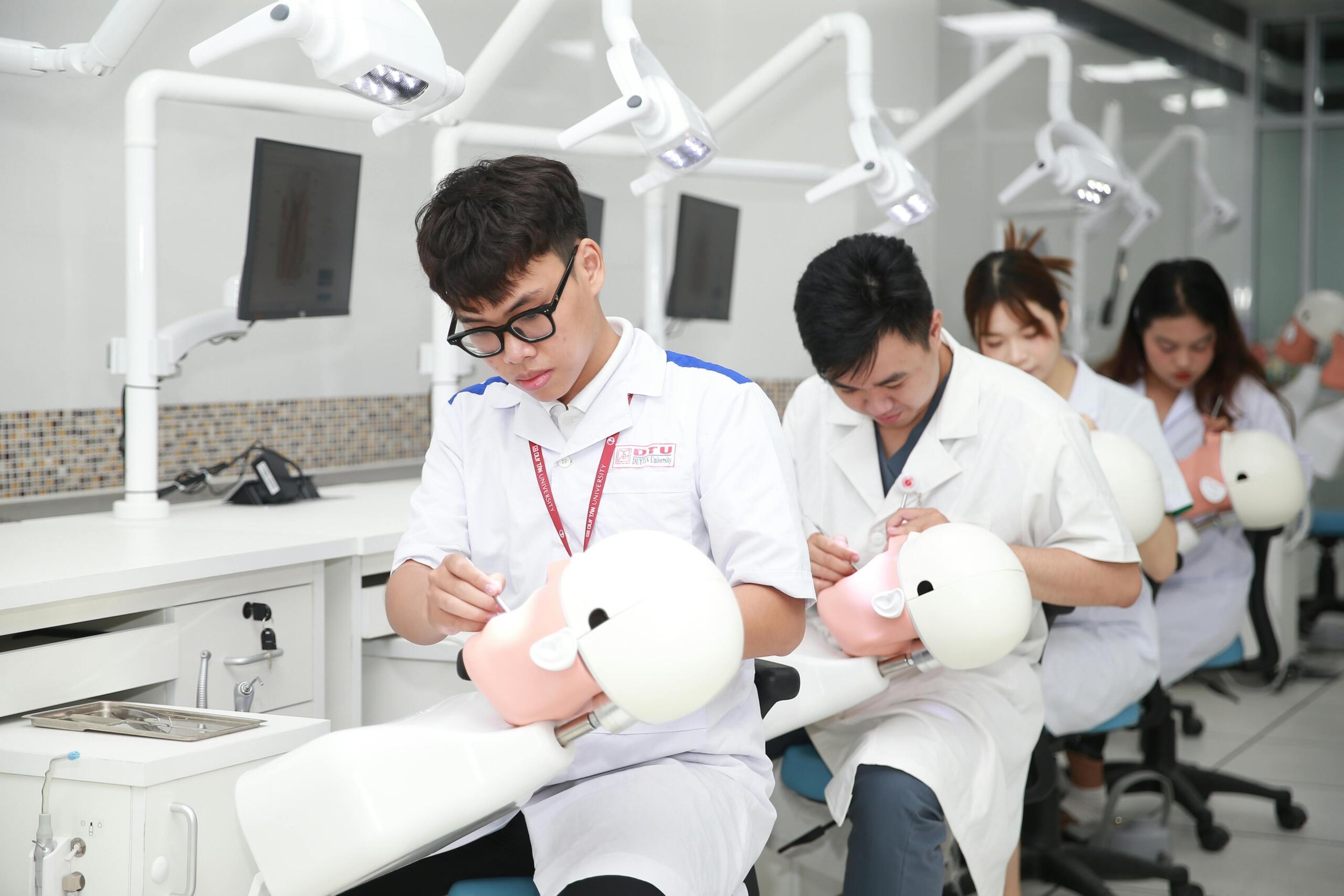

Becoming a dentist is a highly respected and rewarding path, and demand for admission into top dental schools in Canada is steadily rising. Whether you’re a high-achieving undergraduate or an international applicant planning your next academic move, choosing the right dental school in Canada is a crucial step. Each dentistry university in Canada has unique strengths, requirements, and admission processes, making early research essential.


Admission Requirements for Dental Schools
Getting into a dental school in Canada is competitive, and each program has clear academic and testing requirements. Before you begin your dentist study in Canada, it’s helpful to understand the basics of what schools expect.
Academic Prerequisites
Most dentist courses in Canada require two to four years of undergraduate study with courses in biology, chemistry, organic chemistry, and physiology.

Strong grades matter, and many schools expect a GPA well above the national average. Since dentist courses in Canada are rigorous, applicants with stronger science foundations tend to perform better.
Dental Aptitude Test (DAT)
The Canadian DAT evaluates scientific knowledge, reading comprehension, and perceptual ability. It’s used by all major dental schools when comparing applicants. Students often prepare with official practice tests, prep books, or DAT-focused online courses. Knowing how long dental school is in Canada (usually four years) helps applicants plan DAT timing alongside their undergraduate workload.1
Here's an overview of the admission requirements for some of the most popular dental schools in Canada👇
| University / School | Undergrad Requirement | Prerequisite Courses or Degree |
|---|---|---|
| University of British Columbia (UBC – DMD) | Minimum 3 years undergraduate study | 90 university credits incl. biology, chemistry, organic chem, English |
| University of Alberta (DDS) | Minimum 2 years undergrad (60 credits) | Biology, general/inorganic chem, organic chem, English, stats, microbiology, physiology |
| University of Toronto (DDS) | Minimum 3 years undergrad | Biology, general/inorganic chem, organic chem, physics, English |
| Western University (Schulich DDS) | 4-year undergraduate degree preferred | Biology, chemistry, organic chem, biochem, physiology |
| Dalhousie University (DDS) | At least 2 years undergrad (most have degrees) | Biology, chemistry, organic chem, English, biochem, stats Biology, chemistry, organic chem, English, biochem, stats |
| Université de Montréal | DEC (Diplôme d’études collégiales – science stream) OR bachelor’s degree (for out-of-province/international students) | Biology, chemistry, physics, math (must meet specific UdeM prerequisites) |
Top Dental Schools in Canada
Choosing to study dentistry in Canada means entering one of the country’s most respected and competitive health care fields, on par with medical school in terms of rigour, selectivity, and long-term impact.
But how long is dental school in Canada? Well, typically it comes down to a four‑year professional program, which is noticeably longer than the educational path in for example the dental hygienist career, giving students a thorough sense of how each oral‑health profession aligns with their goals.
🎥 Curious how dental school stacks up against med school? Watch this quick breakdown comparing the two.
University of British Columbia
The UBC Faculty of Dentistry is widely recognized as one of the top dental schools in Canada. Known for its innovation in education and research, the program blends strong academic training with clinical excellence and community engagement.
I really enjoyed my time at UBC Dentistry! Our class had great camaraderie and there were many social events I always looked forward to, like Friday night beer gardens, pub crawls and Battle of the Bands.
Oxana Korj, oral surgeon who owns Greenway Surgical in Vancouver, UBC alumni
With over 550 students and more than 575 faculty members, UBC offers a collaborative and hands-on environment for those pursuing a dentist study in Canada.2
Here are some of the main program highlights:
University of Alberta
The University of Alberta offers an accredited Doctor of Dental Surgery (DDS) program through the Mike Petryk School of Dentistry. The curriculum blends foundational science with clinical training, offering students hands-on experience at the university’s own Oral Health Clinic and through community placements across Alberta. The school is also known for its graduate-level research and clinical specialization programs.3
Students considering this dentist university in Canada can benefit from a structured, experience-rich program with strong ties to community health. Here are some key highlights of what the DDS program offers:
University of Toronto
The Faculty of Dentistry at the University of Toronto is one of Canada’s most prestigious and internationally ranked dental institutions. Located in downtown Toronto’s medical corridor, the school combines top-tier education, cutting-edge research, and global outreach programs like the Toronto Addis Ababa Academic Collaboration (TAAAC). Students receive early clinical exposure, access to 14 in-house clinics, and the opportunity to participate in impactful global and community initiatives.
Our role has always been teaching versus just patient treatment – care is always provided in a teaching manner
Professor Daniel Haas, former dean at University of Toronto
U of T’s commitment to excellence is evident in both academic performance and community engagement. Many students also support dental care in Ontario through outreach clinics that increase access to underserved populations. The Faculty attracts more than 900 applications annually for just 96 spots, making it highly competitive.4
Students benefit from a highly competitive and enriching academic environment. Key features of the DDS program include:
Western University (Schulich School of Medicine & Dentistry)
Western University’s Schulich School of Medicine & Dentistry is known for shaping well-rounded, community-focused dental practitioners through a great academic and clinical environment.
The Doctor of Dental Surgery (DDS) program is built on immersive, simulation-based training, patient-centered care, and access to over 110 partner sites, offering one of the most integrated dental education experiences in Canada.
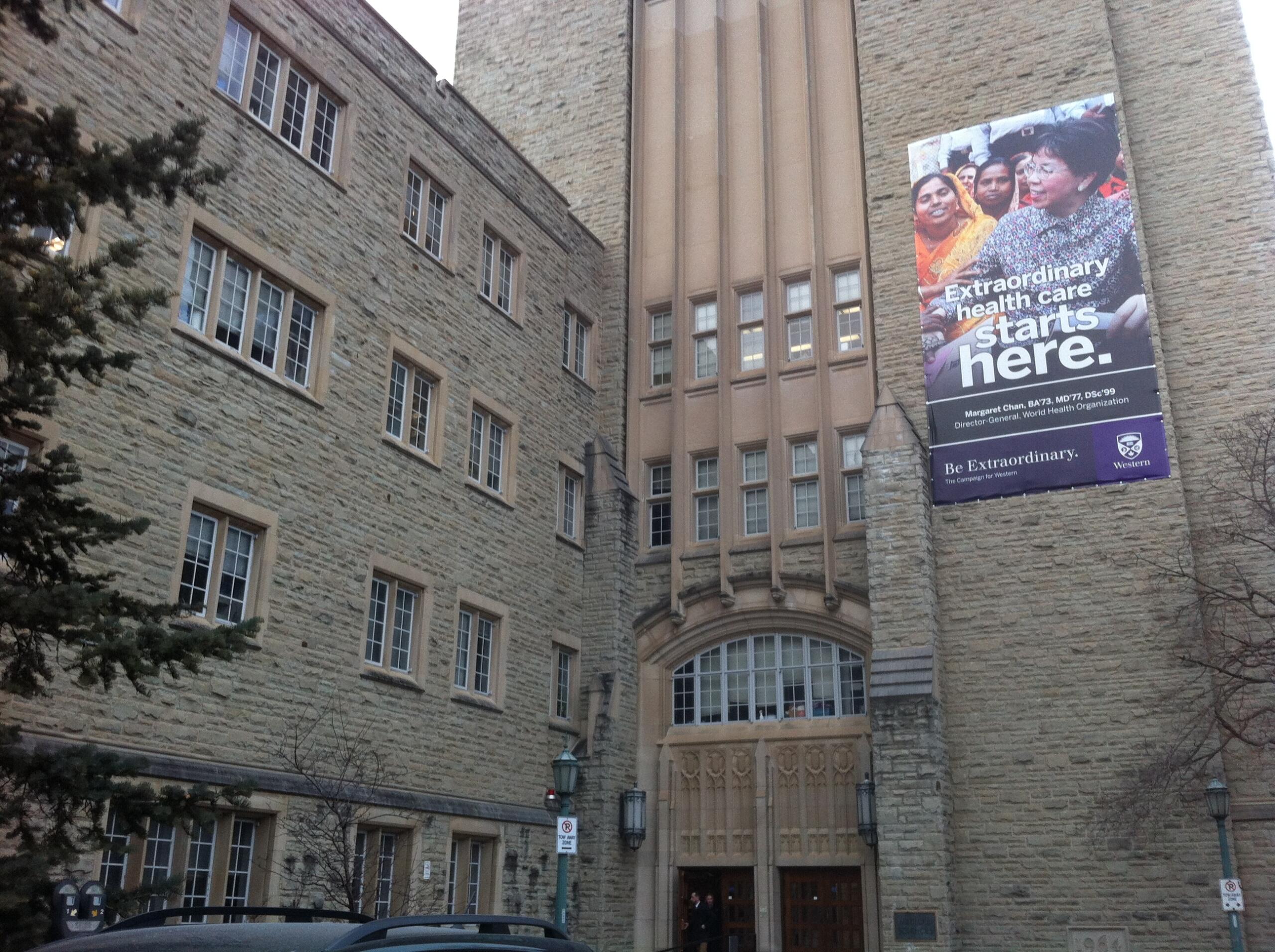
As part of a top-tier university with over $175 million in annual research funding, Schulich also provides strong pathways for students interested in clinical excellence, research, and leadership.
Here are some program highlights:
Dalhousie University
Located in Halifax, Dalhousie University’s Faculty of Dentistry is one of Canada’s most respected institutions for oral health education. Known for its blend of academic excellence and real-world training, the school offers both a traditional Doctor of Dental Surgery (DDS) program and a Qualifying Program for internationally trained dentists.
Here are some program highlights:
With a strong focus on ethics, compassion, and community care, Dalhousie prepares students to become confident and skilled dental professionals ready to serve diverse populations across Canada and beyond.
Université de Montréal
As one of the top French-speaking dental schools in North America, Université de Montréal offers a wide range of professional and postgraduate programs in the heart of Montréal. Known for its rigorous clinical training and advanced specialization pathways, the school attracts both local and international students interested in pursuing a career in dental practice, research, or academia.
Here are some program highlights:
For students seeking to advance their dentistry career in specialized or research-focused directions, Université de Montréal offers unique double-track pathways, combining clinical residencies with graduate-level scientific research to prepare professionals for both clinical and academic excellence.
Looking for a school in Ottawa? Look no further!
Which Canadian dental school are you most interested in?
Special Considerations for International Students
If you’re exploring dental schools in Canada as an international student, it’s important to know what the journey actually involves, both academically, financially, and professionally. While Canadian dental schools are globally recognized for their quality, getting in and staying in, requires careful planning.
Application Process
Applying as an international student involves more than just meeting academic requirements. While you're you’re eligible to apply to many dental schools in Canada and the U.S. However, there are additional requirements to prepare for:
- Most schools will require proof of English proficiency, such as TOEFL scores.
- Financial aid is more limited for non-citizens, so you may need to explore alternative funding options.
Despite the extra steps, many dental schools in Canada welcome international students, as long as you do your research and target institutions that support international applicants.
Every school has its own policies and admission rules, so be sure to read the guidelines for international applicants on each school’s official website.
Financial Aspects
Dental school is a significant investment, especially for international applicants. And as we just mentioned the funding for international students is often limited. That's why it's so important to consider this as a factor when you apply.
Here are the most important financial aspects to consider:
- Tuition fees for international students range from CAD $25,000 to $95,000 per year, depending on the institution.
- Living expenses in cities like Toronto, Vancouver, and Montréal can add another CAD $15,000–$25,000 annually.
- However, some schools offer merit-based scholarships, research assistantships, or need-based aid, even for international applicants. It’s worth contacting the admissions office to explore options.
Below is a quick comparison of estimated annual costs for international applicants at top dental schools in Canada, including tuition and essential additional fees👇
| University | Annual Tuition | Additional Fees | Total (Est.) |
|---|---|---|---|
| UBC | CAD $90,204 | CAD $6,500–$7,000 (Equipment + supplies) | CAD $96,000–$97,000 |
| University of Alberta | CAD $26,980 | CAD $500 (General + Instructional fees) | CAD $27,500+ |
| University of Toronto | CAD $90,000 | + living & supplies | CAD $90,000+ |
| Western University (Schulich School of Medicine & Dentistry) | CAD $129,202 | CAD $17,000–$18,000 (Dental Kit, etc.) | CAD $148,000–$150,000 |
| Dalhousie University | CAD $30,737 | CAD $25,000–$28,000 (Auxiliary + fees) | CAD $59,000+ |
| Université de Montréal | CAD ~$843.59/credit | ~CAD $25,000/year (based on ~30 credits/year) | CAD $25,000–$30,000 |
Post-Graduation Pathways
Finishing dental school in Canada is just one step toward becoming a practicing dentist — especially for international students.
Licensing Requirements
Graduates must pass the National Dental Examining Board of Canada (NDEB) certification, which includes written and clinical exams. This applies to all students, including those from dental schools in Canada for international students.
Residency and Work Options
While not required for general practice, many pursue residencies to specialize or gain further experience. International grads may also need a work permit or permanent residency to stay and practice in Canada.
Career Outlook and Income
Dentists in Canada enjoy strong job prospects and high earning potential. There's plenty of different job opportunities to look into. When you decide on the job remember to consider things like the varying average dentist salary in the different regions and the role you choose.
References
- Dental aptitude test (no date) Canadian Dental Association. Available at: https://www.cda-adc.ca/en/becoming/dat/.
- UBC dentistry by the numbers (no date) Faculty of Dentistry. Available at: https://www.dentistry.ubc.ca/.
- Dentistry programs (no date) Mike Petryk School of Dentistry. Available at: https://www.ualberta.ca/en/school-of-dentistry/programs-and-admissions/dentistry/index.html.
- Essential skills and abilities for dentistry (no date) Doctor of Dental Surgery (DDS) | Faculty of Dentistry, University of Toronto. Available at: https://www.dentistry.utoronto.ca/prospective-students/undergraduate/DDS.
- International applicants (no date) Default. Available at: https://www.adea.org/godental/Apply/admissions-process/international-students.
Summarize with AI:
Did you like this article? Leave a rating!

 Loading...