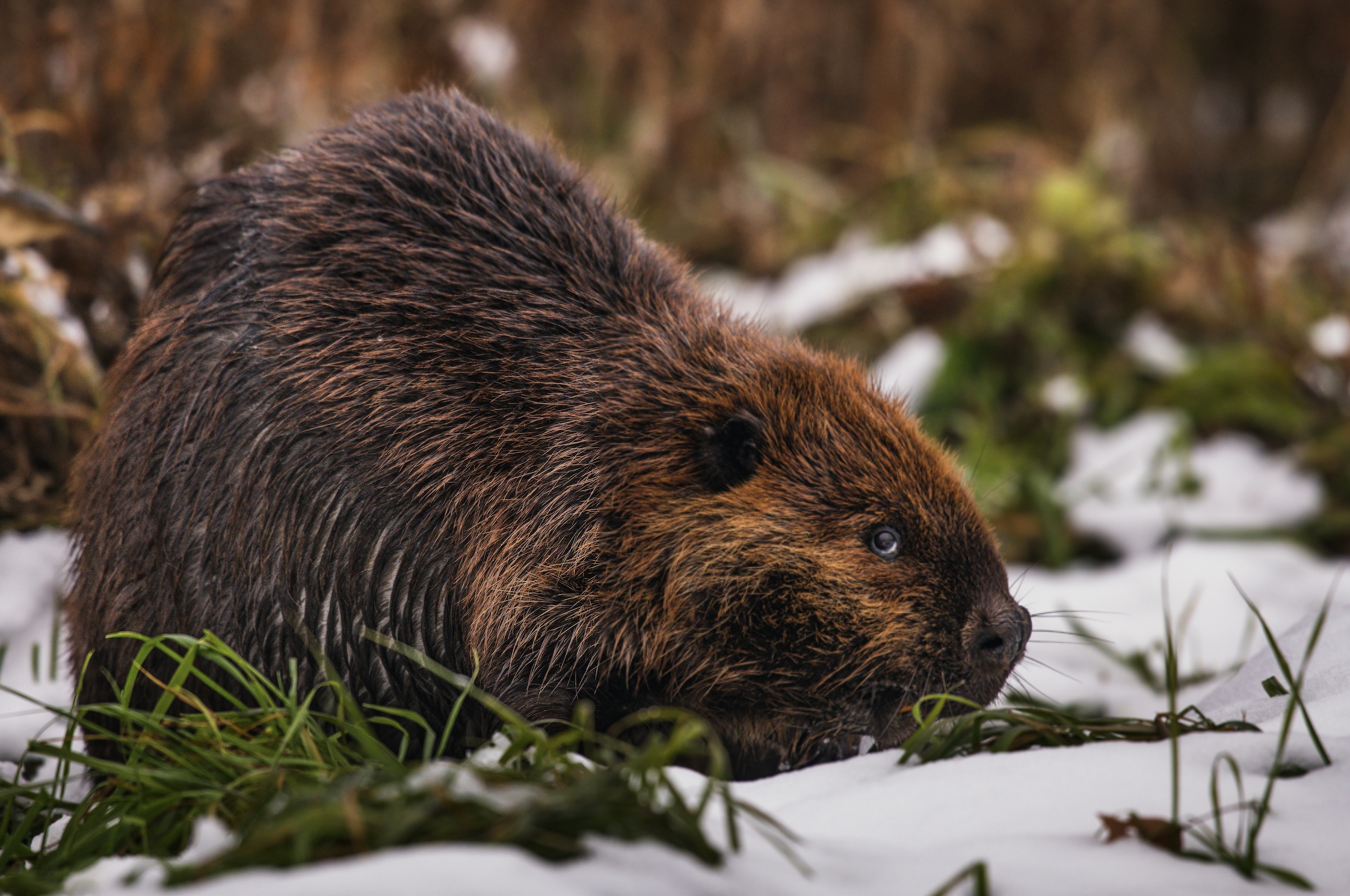

The beaver is more than just an animal native to Canada; it's a symbol deeply intertwined with the nation's identity. How did this industrious creature shape Canada's history and culture? Why is the beaver a national emblem, and what does it represent about the resilience and unity of the Canadian people?
This article delves into these questions, exploring the beaver's crucial role in the fur trade, its enduring symbolism, and its place as a beloved icon in modern Canada.


Is a Beaver Native to Canada?
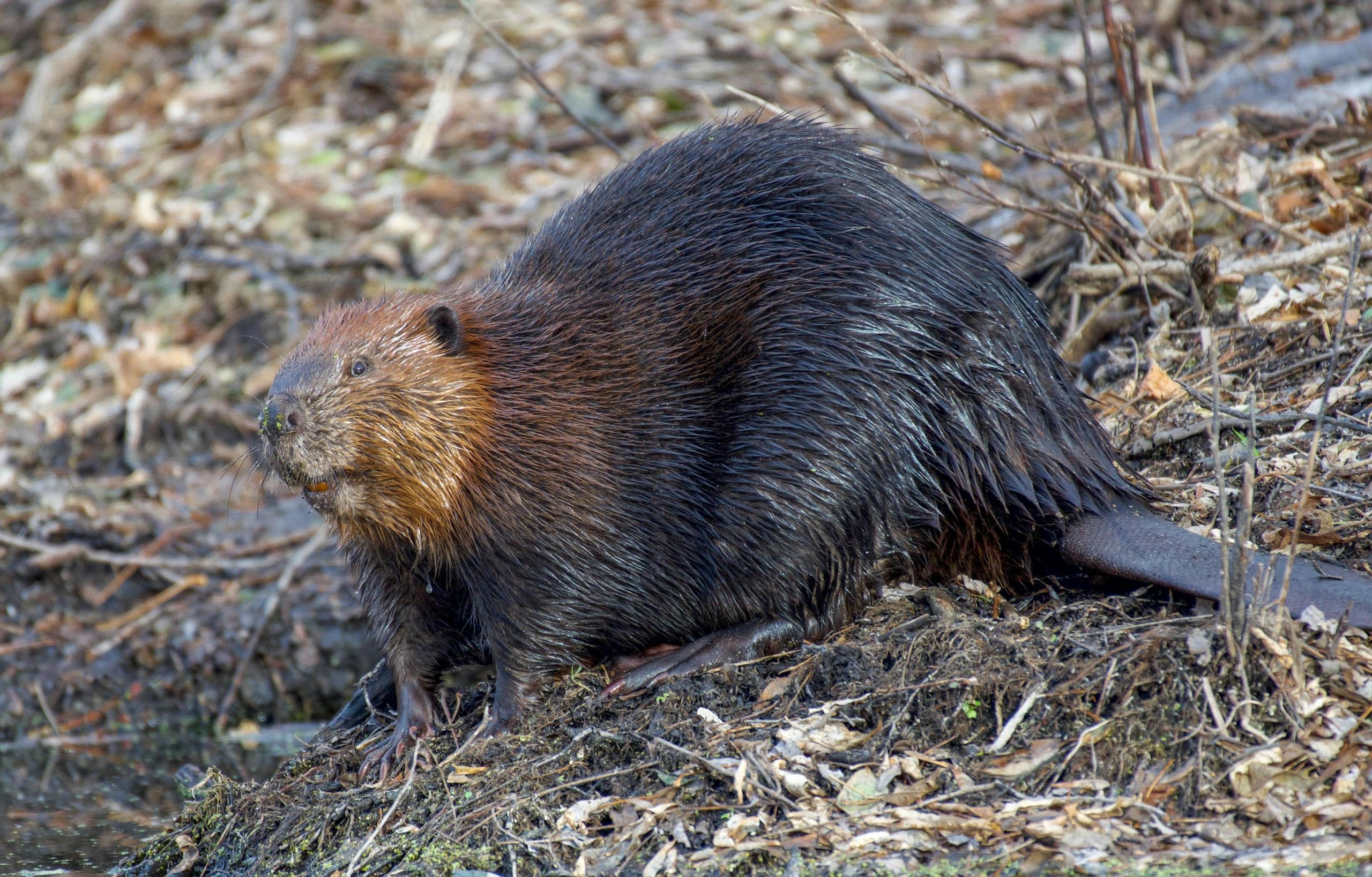
The beaver, a large, herbivorous rodent known for its flat tail and strong teeth, is one of Canada's most iconic animals. Native to Canada, beavers thrive in forests, rivers, and wetlands, particularly in regions like British Columbia, Alberta, and Ontario. Their ability to construct elaborate lodges and dams has made them essential to Canadian ecosystems. Beyond their ecological importance, beavers have played a significant role in Canadian history, particularly during the fur trade, and have become enduring symbols of the nation's values, such as hard work, resilience, and resourcefulness.
This deep connection to Canada's heritage and identity ensures that the beaver remains a cherished national emblem. Whether featured in historical contexts or modern branding, the beaver continues to represent the spirit of Canada, both within the country and on the global stage.
In Native American tradition, the beaver symbolizes productivity and teamwork. It teaches the importance of persistence and using available resources, emphasizing the value of each individual's contributions to achieve collective goals.
Ecologically, beavers also play a crucial role in maintaining healthy ecosystems. By building dams, they create wetlands that serve as habitats for various plants, fish, birds, and other wildlife. These wetlands also help to filter water, reduce erosion, and regulate water flow — reducing the risk of both flooding and drought downstream — making beavers essential to the health of Canadian waterways. Their dams also sequester carbon in the waterlogged soil behind them, giving the beaver an unexpected role in climate resilience. The largest beaver dam in the world is located in Wood Buffalo National Park in Alberta: measuring approximately 850 metres in length, it is large enough to be visible from space. Their ability to transform landscapes has earned them the nickname "ecosystem engineers," highlighting their importance in sustaining biodiversity.
However, the beaver's presence in Canada is significant ecologically and historically. Its role in the fur trade made the animal a valuable resource and contributed to the country's early economic development. This historical importance is a key reason why the beaver has since become a national symbol, representing the country's natural wealth and industrious spirit.
Why Does a Beaver Represent Canada?
The beaver became an enduring symbol of Canada due to its significant role in the country's history and economy, particularly during the fur trade era. Indigenous peoples had long valued the beaver for its fur, bones, and meat, but the European demand for beaver pelts in the 17th century elevated its status.
This demand drove exploration and settlement across Canada, solidifying the beaver's place as an economic and cultural icon, much like the symbols in Canada's Coat of Arms, representing the nation's heritage and sovereignty. The beaver pelts, essential for making waterproof felt hats in Europe, drove much of the exploration and settlement across Canada, solidifying the beaver's place as an economic and cultural icon.
In fact, the beaver was the first universally recognized symbol of Canada, even before the maple leaf gained popularity. Its industrious nature, seen in its ability to transform environments by building dams and creating wetlands, resonated with Canadian values of hard work and perseverance. This connection to the Canadian spirit made the beaver an ideal representation of the nation's resilience and determination.
Recognizing its historical and cultural significance, Canada officially designated the beaver as a national symbol on March 24, 1975, with the National Symbol of Canada Act. This act affirmed the beaver's status as a symbol of Canadian sovereignty and identity, ensuring its continued presence as a beloved emblem of the nation.
In March 2025, Canada marked the 50th anniversary of the National Symbol of Canada Act. The Royal Canadian Mint released a series of commemorative pure silver coins honouring the beaver's half-century as an official emblem, and institutions across the country — from Canadian Geographic to the Canadian Museum of Nature — celebrated the milestone with dedicated programming and exhibitions.
The beaver's journey to national symbol status spans centuries. Here are the key milestones in its history as a Canadian icon:
1678
Hudson's Bay Company coat of arms
The HBC places four beavers on its coat of arms, recognizing the animal's central role in the fur trade economy that would shape the country.
1851
The Three Penny Beaver
Canada's first postage stamp — the "Three Penny Beaver", designed by Sir Sandford Fleming — features the beaver as its central image, the first national stamp in the world to depict an animal rather than a monarch.
1937
The Canadian nickel
The beaver is placed on the reverse of Canada's five-cent coin, a design by artist G. E. Kruger Gray that has appeared on the nickel ever since — through the reigns of three British monarchs.
1975
National Symbol of Canada Act
On March 24, the National Symbol of Canada Act receives royal assent, officially designating the beaver as a symbol of Canadian sovereignty — the highest honour ever bestowed on a rodent.
1976
Amik — Olympic mascot
A beaver named Amik (Algonquin for "beaver") is chosen as the official mascot of the 1976 Montreal Summer Olympic Games — the first Olympic Games held in Canada.
2025
50th anniversary
Canada celebrates 50 years since the National Symbol of Canada Act. The Royal Canadian Mint releases commemorative silver coins, and cultural institutions across the country mark the milestone.
What Does the Saying 'Busy Beaver' mean?
Through time, multiple sayings, including the beaver, have emerged. But what are their meanings, and why did they become popular?
The expressions "being a busy beaver" and "eager beaver" both originate from the beaver's well-documented industrious nature. Beavers are known for their tireless work in building dams and lodges, transforming their environments with remarkable dedication.
This relentless activity led to the phrase "busy beaver," which describes someone who is always hard at work and engaged in productive activities. The saying emphasizes diligence and persistence, making it a popular compliment in both professional and personal contexts.
On the other hand, the term "eager beaver" emerged to highlight not just hard work but also enthusiasm. An "eager beaver" is someone who is enthusiastic and quick to take on tasks, often with a level of excitement that sets them apart from others.
This phrase is commonly used to describe people who go above and beyond in their efforts, showing initiative and a strong willingness to get things done. Teachers, employers, and peers often use it to praise someone's proactive attitude.
Both sayings are appropriate because they capture the essence of the beaver's nature—hardworking, determined, and eager to accomplish goals. These traits are admired in many cultures, making the phrases widely understood and appreciated, particularly in North America. These expressions tie back to the beaver's role as a symbol of resilience and industriousness in Canadian culture, further cementing its place in everyday language.

What Does the Beaver Symbolize in Canadian Culture?
The beaver holds deep symbolic meaning in Canadian culture, representing qualities such as resilience, resourcefulness, and environmental stewardship. Known for its industrious nature, the beaver symbolizes hard work and determination, reflecting the spirit of perseverance that is highly valued in Canada.
The beaver's ability to shape its environment also highlights the importance of resourcefulness and ecological responsibility, making it a symbol of environmental stewardship.
Compared to other Canadian symbols, such as the inukshuk, which represents guidance and survival, the beaver stands out as a symbol of creation and transformation. While the inukshuk reminds us of direction and community, the beaver embodies the active, hands-on efforts that contribute to building and sustaining those communities.
Both symbols, however, are deeply connected to the land and the natural environment, underscoring the strong ties between Canadian identity and the country's landscapes.
The beaver continues to be prominently featured in modern Canadian imagery, from corporate logos to national celebrations. It is a key element in branding, symbolizing Canadian products and companies as reliable, hardworking, and high quality.
The beaver also appears in events like Canada Day, where it is celebrated as a national icon alongside other symbols like the maple leaf. Through its continued presence in both cultural and commercial contexts, the beaver remains a powerful and enduring symbol of Canadian values and identity.

The Beaver in Modern Culture
The beaver remains a strong symbol in modern Canadian culture, frequently appearing in various media and pop culture. In the TV show How I Met Your Mother, Robin, who is Canadian, humorously references the beaver in a song dedicated to friendship by her pop star alter ego, Robin Sparkles. This playful nod highlights the beaver's enduring presence in Canadian identity and its ability to be both a symbol of national pride and a source of humor in popular media.
The beaver also made its first appearance on the Olympic stage at the 1976 Montreal Games — the first Olympics ever held in Canada. The official mascot was Amik, a smiling cartoon beaver whose name comes from the Algonquin word for beaver. Amik embodied the same qualities Canada wanted to project to the world: friendliness, hard work, and a deep connection to the natural environment. It was also the first time an Olympics had chosen a mammal as its sole mascot, a decision that cemented the beaver's status as Canada's most internationally recognisable animal symbol.
Beyond television, the beaver is a common feature in Canadian-themed merchandise, from t-shirts and hats to keychains and souvenirs, often paired with other symbols like the maple leaf to represent national pride.
In the business world, BeaverTails — one of Canada's most beloved and recognisable food brands — has made the beaver central to its identity since the company was founded in Ottawa in 1978. BeaverTails sells a distinctive hand-stretched whole wheat pastry, shaped to resemble a beaver's flat tail and fried until golden, then topped with everything from cinnamon sugar to Nutella. The brand has grown to over 100 locations across Canada and internationally, and for many visitors the BeaverTail has become as much a Canadian rite of passage as skating on the Rideau Canal. The beaver symbolizes tradition, hard work, and Canadian heritage, making it an effective marketing tool.
Additionally, the beaver often appears in logos and promotional materials for Canadian sports teams, where it represents resilience and determination — qualities highly valued in sports and Canadian culture alike.
Furthermore, the beaver is often featured in tourism campaigns, where it serves as a friendly and recognizable symbol that appeals to both Canadians and international visitors. Through these varied applications, the beaver plays a significant role in representing Canada's national identity, values, and culture in the modern world.
Summarize with AI:
Did you like this article? Leave a rating!


 Loading...