
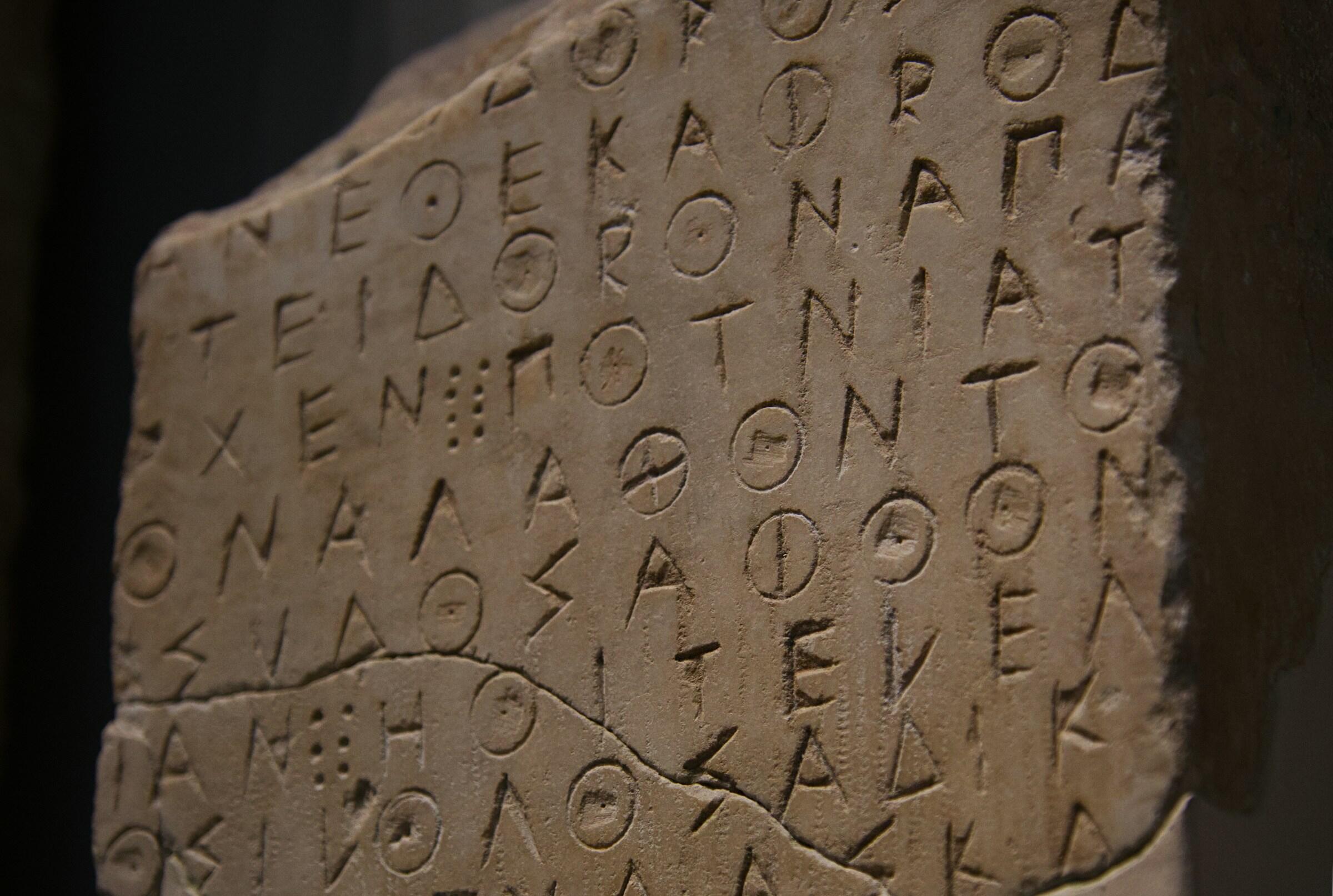
English was not created by a single person. Instead, it developed over more than 1,500 years through migration, invasion, cultural exchange, and technological change. Today, it is one of the most widely used languages in the world, spoken by roughly 1.5 billion people and used officially in more than 50 countries.
A language is not just words. It is a culture, a tradition, a unification of a community.
Noam Chomsky
Although more people speak Chinese as a first language, English dominates global business, technology, and media. Its current form is the result of a long evolution, usually divided into three main stages: Old English, Middle English, and Modern English.
c. 400–500
Germanic tribes arrive in Britain
450-1150
Old English period
1066
Battle of Hastings
1150-1500
Middle English period
c. 1400-1700
Great Vowel Shift
1700-Present
Modern English
While many parts of history contributed to the development of Modern English, the timeline above shows some of the key moments in time contributing to how the language has changed.





The Roots of English: Proto-Germanic Beginnings
The origins of English lie in the Proto-Germanic language family, spoken across northern Europe. Before the 5th century, Britain was mainly inhabited by Celtic-speaking populations. This changed when Germanic tribes began migrating to the island.
IThe Angles, Saxons, and Jutes arrived during the 5th century and gradually displaced the Celtic populations, pushing some into regions like Wales and across the Channel to Brittany. These tribes brought with them closely related dialects, which merged over time into what became Old English. The Angles gave their name to both “England” and “English.”
In the 5th century, several Germanic tribes migrated to Britain and influenced the English language:
- Angles
- Saxons
- Jutes
These early forms of speech were closely related to Old Frisian, forming what linguists often call the Anglo-Frisian group. This stage laid the foundation for many everyday English words still in use today like “house,” “bread,” and “water.”
Old English (450–1150): Formation and Characteristics
Old English developed from the Germanic dialects brought to Britain and was used roughly between 450 and 1150. It was a highly structured and inflected language, meaning that word endings changed depending on their grammatical function, much like modern German.
At first, Old English was written using runic symbols, but this later shifted to the Latin alphabet following the spread of Christianity. Despite this change in script, the language itself remained very different from modern English, both in vocabulary and pronunciation.
- Highly inflected grammar, similar to modern German.
- Runic alphabet initially, later replaced by the Latin script.
- Strong Germanic vocabulary base.
The language evolved further through Viking invasions during the 8th and 9th centuries. These groups spoke Old Norse, which had a lasting impact on English vocabulary and grammar. Words such as “take,” “give,” and “skin” come from this influence, along with pronouns like “they,” “them,” and “their.”
One of the most important literary works from this period is Beowulf, which illustrates both the complexity and richness of Old English.
Middle English (1150–1500): Transformation and French Influence
The biggest turning point in English history came in 1066 with the Battle of Hastings, led by William the Conqueror.
After this, Norman French became the language of the ruling class, while English remained the language of ordinary people.
What changed:
- Thousands of French words entered English
- Grammar became simpler
- Fewer inflections
- Word order became more fixed
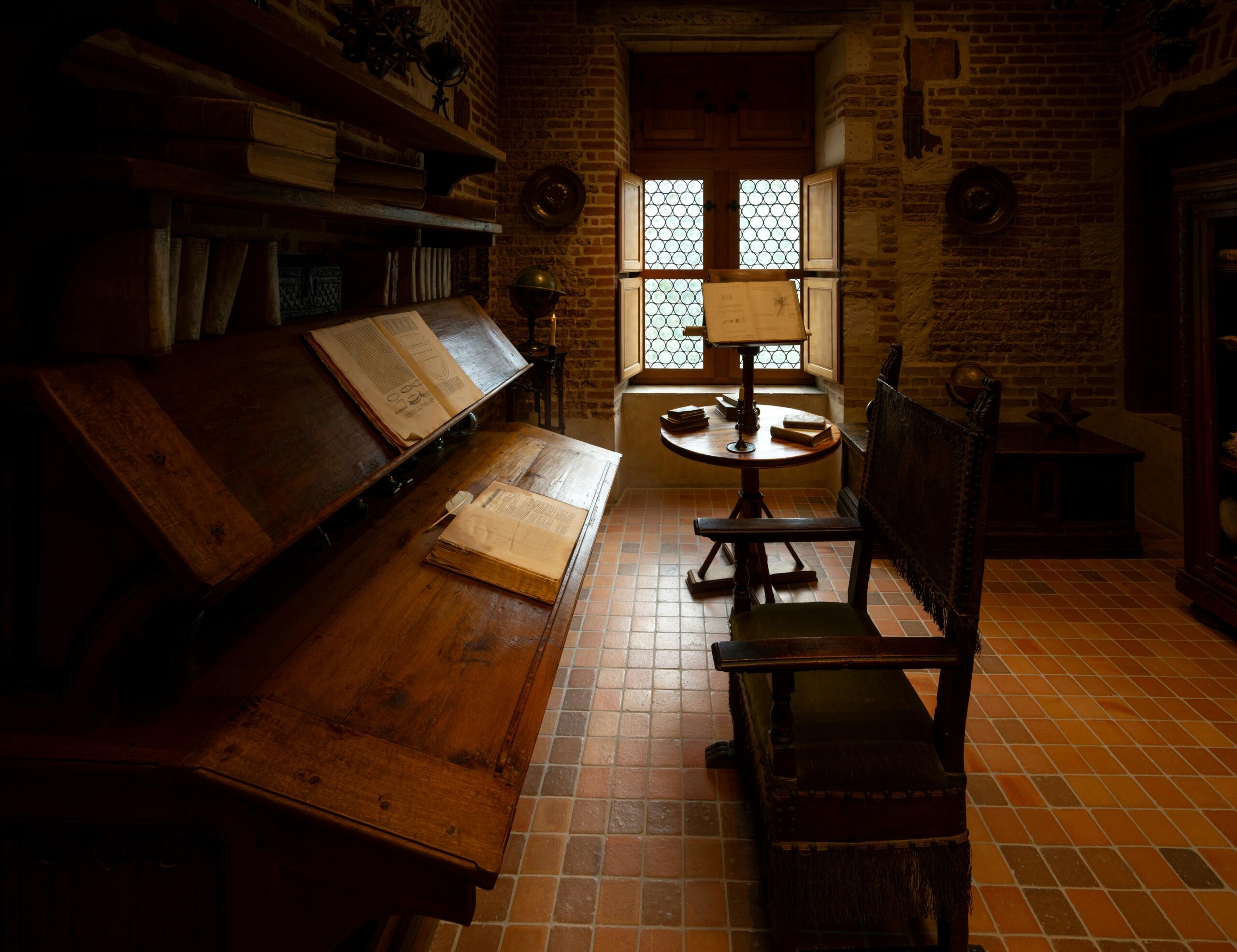
The use of French and English created a dual-language society that lasted for several centuries. French heavily influenced English vocabulary, especially in areas such as law, government, and food. As a result, many concepts developed two terms, one from Old English and one from French, such as “pig” and “pork,” or “ox” and “beef.”
English has borrowed words from over 350 different languages, making it one of the most linguistically diverse languages in the world.
A major literary work from this period is The Canterbury Tales by Geoffrey Chaucer, which shows how English was becoming more recognizable.
By 1362, English replaced French in courts, marking a key step toward its standardization.
Early Modern English (1500–1700): Standardization and Expansion
As English spread globally during and after the Early Modern period, it developed into a range of regional dialects and creoles, shaped by local languages and cultures. The table below highlights some key examples.
| Variety / Type | Region | Origin / Influence | Key Features / Example |
|---|---|---|---|
| British English | United Kingdom | Base form after standardization | “colour”, “lorry” (compare with below) |
| American English | United States | British English + colonial isolation | “color”, “truck” (compare with above) |
| Australian English | Australia | British English + convict settlement | Unique slang, vowel shifts |
| Indian English | India | British colonial rule + local languages | Formal tone, local vocabulary |
| Nigerian English | Nigeria | British English + indigenous languages | Distinct pronunciation, code-switching |
| Singapore English | Singapore | English + Malay + Chinese languages | Mixed grammar, particles like “lah” |
| Jamaican Creole | Caribbean (Jamaica) | English + West African languages | Simplified grammar, unique syntax |
| Tok Pisin | Papua New Guinea | English-based creole | Reduced vocabulary, phonetic spelling |
The Great Vowel Shift
One of the most important changes was the Great Vowel Shift, which dramatically altered pronunciation. For example, vowels became longer and shifted upward in the mouth.
Printing Press and Standardization
The introduction of printing by Johannes Gutenberg helped standardize spelling and grammar. Books became more widely available, which stabilized the language.
The printing press played a crucial role in shaping modern English by making written language more consistent and widely accessible.
Renaissance Influence
The Renaissance also influenced vocabulary, bringing in many words from Latin and Greek, particularly in science, medicine, philosophy, and education.
This period saw English develop into a language capable of supporting literature, scholarship, and wider communication across different fields.
At the same time, the standardisation of English began to take shape, helped by the spread of printing and increased literacy.
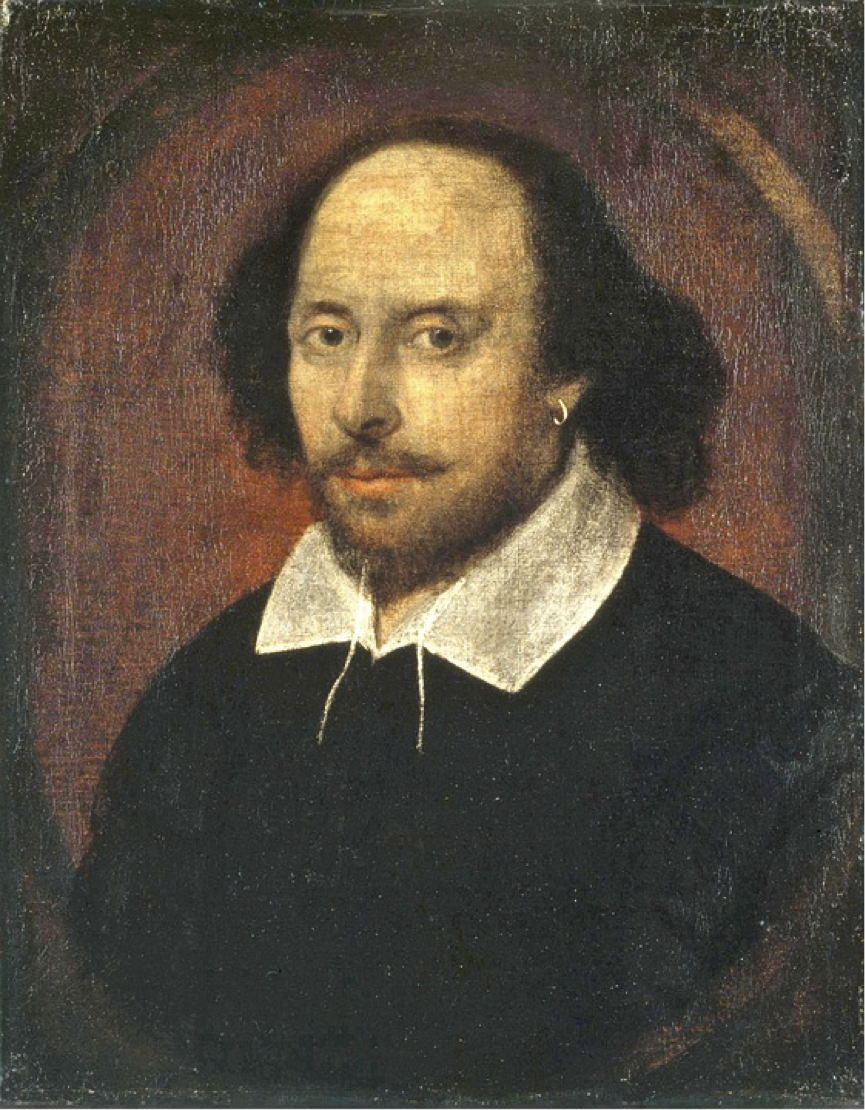
Writers such as William Shakespeare played a major role in this expansion, coining and popularising many words and phrases that are still used today. His works, along with those of other Renaissance writers, demonstrated the growing flexibility and expressive power of English, helping to establish it as a rich and dynamic language.
Modern English (1700–Present): Globalization and Diversity
From the 18th century onward, English spread globally through trade, colonization, and cultural influence. The expansion of the British Empire introduced English to North America, Australia, Africa, and parts of Asia, where it developed into distinct regional varieties.
English continued to borrow words from other languages, reflecting global contact.
Arabic: alcohol, algebra
Hindi: curry
Spanish: chocolate
Dutch: yacht
The Industrial Revolution added technical and scientific vocabulary, while the 20th and 21st centuries have seen rapid change driven by media, technology, and the internet.
In 1940, Churchill desired the creation of Basic English, with 580 words, to make English the most unique language worldwide. Moreover, Churchill inspired many famous English quotations, for example:
You have enemies? Good. That means you've stood up for something, sometime in your life.
Winston Churchill
Today, English is the dominant global language for business, science and communication. It continues to evolve as it is used by diverse communities around the world.
English was not created by a single individual or moment in time. It is the result of centuries of cultural exchange, invasion, innovation, and adaptation. From its Proto-Germanic roots to its current global dominance, English continues to evolve, shaped by the people who use it every day.
References
- Crystal, D. (2003) The Cambridge Encyclopedia of the English Language. Cambridge: Cambridge University Press. Accessed on 04 April 2026.
- Baugh, A.C. and Cable, T. (2013) A History of the English Language. 6th edn. London: Routledge. Accessed on 04 April 2026.
- McCrum, R., Cran, W. and MacNeil, R. (2002) The Story of English. London: Faber & Faber. Accessed on 04 April 2026.
- Hogg, R.M. and Denison, D. (2006) A History of the English Language. Cambridge: Cambridge University Press. Accessed on 04 April 2026.
Summarize with AI:
Did you like this article? Leave a rating!


 Loading...