
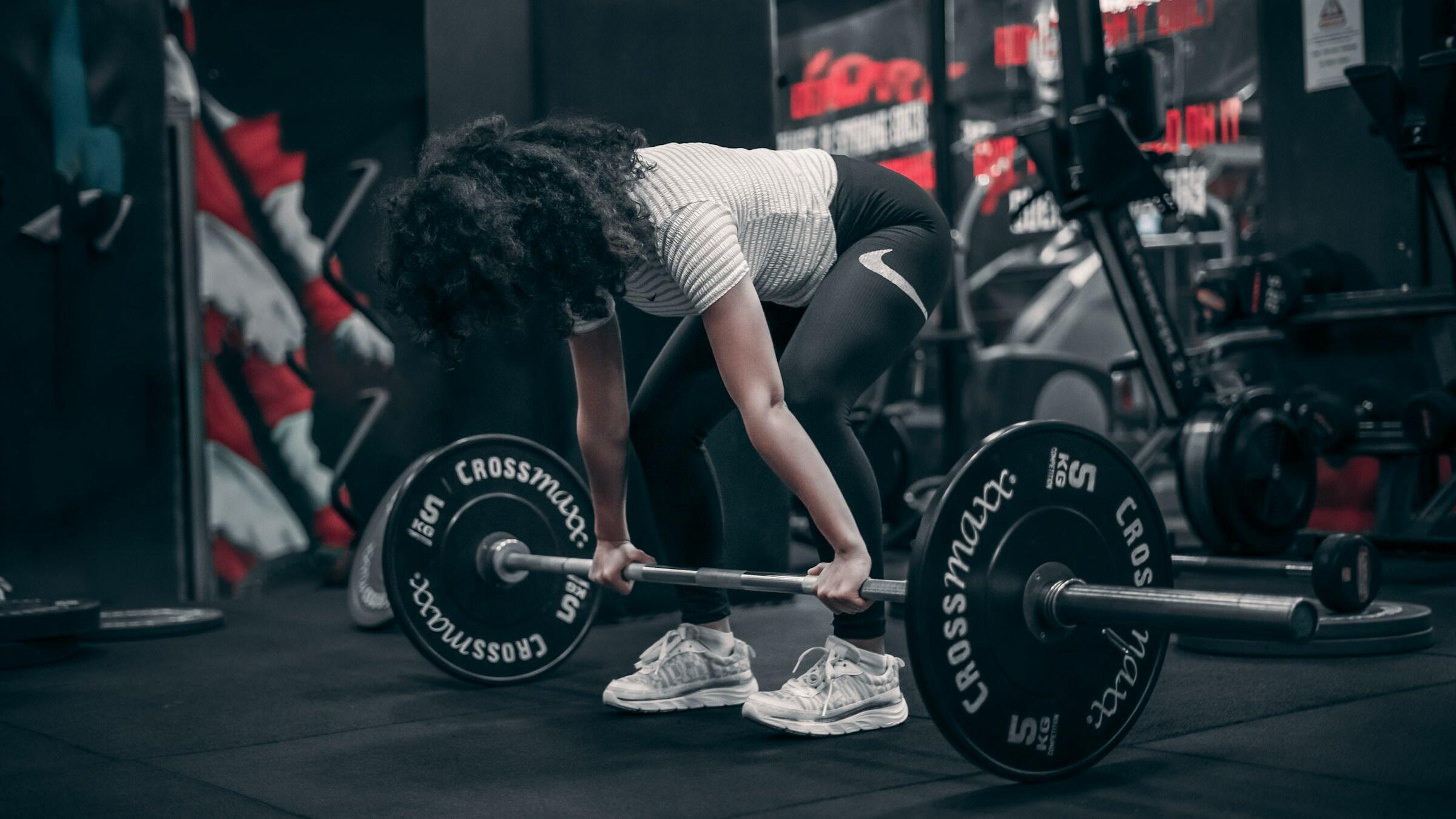

Female bodybuilding has grown from a niche pursuit into a globally recognised sport that celebrates strength, discipline, and self expression. Once overshadowed by male dominated imagery of bulging biceps and heavyweight champions, women in bodybuilding have reshaped public perception of muscularity and fitness. Today, female bodybuilders stand as symbols of empowerment, challenging outdated ideas about what strength should look like and proving that dedication to muscle gain, fat loss, and performance is not defined by gender.
"Strength isn't just about lifting weights—it's about pushing through every obstacle that comes your way, even when you feel like giving up".
Andrea Shaw, 5x Ms. Olympia champion
For decades, popular culture often associated weightlifting and strength training with men, while linking cardio and weight loss with women. These stereotypes were powerful but misleading. Exercises such as pull ups, progressive overload training, structured nutrition, and resistance work are not inherently masculine or feminine.
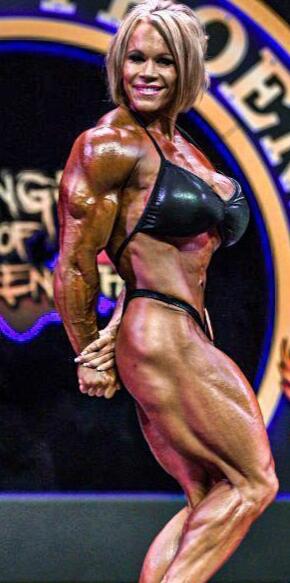
Research consistently shows that strength training benefits women by improving bone density, metabolic health, and overall physical resilience. As more women enter gyms and pursue structured resistance programmes, the industry continues to expand, reflecting a broader cultural shift toward inclusive fitness.


The Evolution of Female Bodybuilding
Female bodybuilding did not emerge overnight. Its rise has been shaped by pioneers, landmark competitions, and changing societal attitudes toward women and strength. What began as small exhibitions has developed into a respected competitive arena with global audiences and professional athletes.
Female Bodybuilding Timeline
1970s
Women begin competing in organised physique contests.
The first step towards women's bodybuilding.
1980
First Ms. Olympia competition established.
A more official opportunity for women to compete.
1990s
Dominance era of Kim Chizevsky-Nicholls.
A leading female bodybuilder who inspired many others.
2000s
Record setting reign of Iris Kyle.
Women began to demonstrate increasingly impressive physiques and hard work.
2020s
Modern revival led by Andrea Shaw.
A new era where any woman can attempt bodybuilding.
This timeline outlines the key milestones that shaped the rise of women’s bodybuilding from the 1970s onward. Early competitions opened the door for female athletes to showcase muscular development, eventually leading to the creation of the prestigious Ms. Olympia in 1980. Champions such as Kim Chizevsky-Nicholls and Iris Kyle helped define the sport through dominant competitive eras and record-setting performances. In recent years, athletes like Andrea Shaw have contributed to a renewed interest in women’s bodybuilding and a growing global fanbase.
Early Beginnings and Pioneers
In the early and mid twentieth century, women’s participation in strength sports was limited and often marginalised. One notable trailblazer was Doris Barrilleaux, often referred to as the “First Lady of Bodybuilding.” She played a key role in promoting bodybuilding events and supporting female competitors during a time when opportunities were scarce. Her advocacy helped legitimise women’s presence on competitive stages and contributed to broader acceptance within the sport.
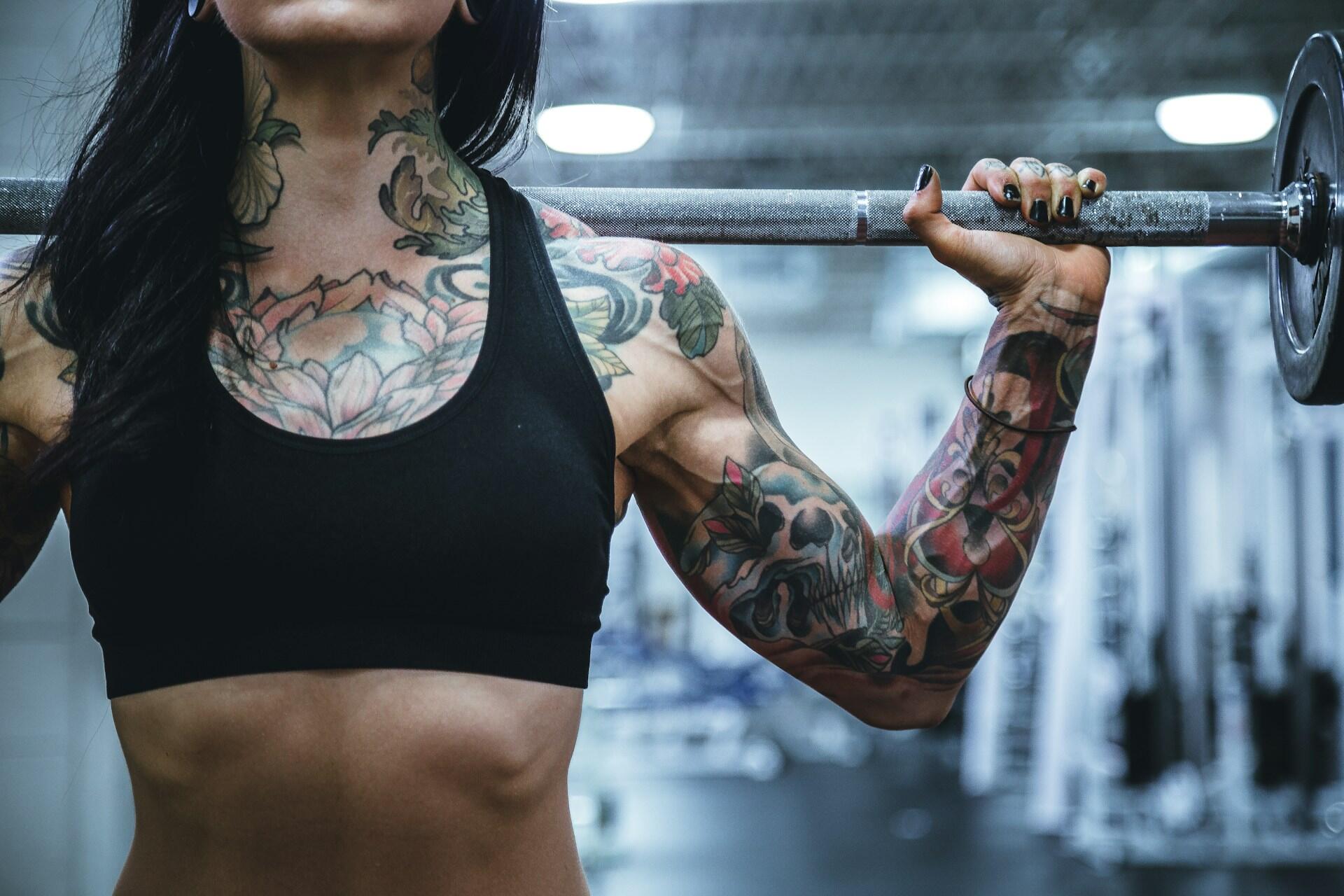
Early female bodybuilders faced criticism and social resistance, yet their commitment laid the foundation for modern competition. These pioneers demonstrated that muscular development and aesthetic presentation could coexist with femininity, expanding the possibilities available to women in sport.
Milestones in Competitive Female Bodybuilding
A defining milestone in the sport’s history was the introduction of Ms. Olympia in 1980. Organised by the International Federation of Bodybuilding and Fitness (IFBB), Ms. Olympia provided a premier stage exclusively for elite female bodybuilders. This competition elevated the status of women’s bodybuilding, offering professional recognition, sponsorship opportunities, and international visibility.
- Known as the “First Lady of Bodybuilding.”
- Played a major role in organising early physique contests when women had limited competitive opportunities.
- Worked behind the scenes as a promoter and advocate, helping legitimise female bodybuilding.
- Helped pave the way for the launch of Ms. Olympia in 1980.
- Competed in an era when muscularity in women was widely criticised.
Over time, additional categories such as fitness, figure, physique, and bikini divisions emerged, broadening participation and accommodating different athletic goals and body types. These developments allowed more women to engage in competitive fitness while maintaining diverse standards of muscularity and presentation.
If you have discipline, drive, determination... nothing is impossible.
Dana Linn Bailey, first-ever Women's Physique Olympia Champion.
Today, female bodybuilders train using similar evidence based principles as their male counterparts, including structured resistance programmes, progressive overload, strategic nutrition planning, and supplementation when appropriate. Following the same exercise sets and reps to build their muscles as men do in their workouts is not always appropriate, however. The adaptability of bodybuilding routines means that athletes of varying sizes, shapes, and backgrounds need to tailor programmes to their needs to achieve measurable progress.
Get health and fitness inspiration here.
Well-Known Female Bodybuilders
Female bodybuilding has grown significantly over the past few decades, with athletes proving that strength, discipline, and muscular development are not limited by gender. While bodybuilding has historically been associated with men, female competitors have played a major role in shaping the sport and challenging traditional ideas about fitness and femininity. Today, many women compete at the highest level, displaying incredible dedication, physical strength, and determination.
These athletes follow the same demanding training routines, nutrition plans, and competition preparation as their male counterparts. Through years of intense workouts, careful diet planning, and unwavering commitment, they have developed physiques that inspire admiration across the fitness world. As the sport has evolved, female bodybuilders have gained increasing recognition for their achievements and contributions to bodybuilding culture.
Below are some of the most well-known female bodybuilders who have helped shape the sport and inspire new generations of athletes.
Iris Kyle is widely regarded as the most successful female bodybuilder in history. With a record ten Ms. Olympia titles, she set a benchmark unmatched in the sport (SetForSet, 2023). Her dominance across heavyweight divisions demonstrated exceptional muscular development, conditioning, and consistency.
Kim Chizevsky-Nicholls transitioned from track and field into bodybuilding, where she became a four time Ms. Olympia champion. Her athletic background contributed to her balanced physique and stage presence. Chizevsky-Nicholls played a key role in elevating competitive standards during the 1990s and helped broaden public awareness of women’s professional bodybuilding (SetForSet, 2023).
Andrea Shaw represents the modern era of female bodybuilding. Since winning Ms. Olympia beginning in 2020, she has helped revitalise the Women’s Bodybuilding division with a combination of size, symmetry, and classic presentation. (SetForSet, 2023).
Training and Nutrition Insights
Effective Training Regimens
Female bodybuilders typically follow structured resistance programmes built around progressive overload. Periodised programming supports hypertrophy, strength, and competition preparation phases (ACSM, 2022). Training often includes compound lifts alongside accessory work to refine muscular balance and symmetry.
Key compound lifts:
- Squats
- Deadlifts
- Presses
- Rows
Watch the video below for insight on how to start bodybuilder training as a beginner.
This video breaks down various pieces of advice that aspiring bodybuilders can take on board and use to reach their goal. Even amateur gym-goers can apply tips and tricks to boost their progress.
Nutritional Strategies for Optimal Performance
Nutrition focuses on adequate protein intake to support muscle repair and growth, alongside strategic carbohydrate timing for training performance. Caloric intake is adjusted depending on whether the goal is muscle gain or contest conditioning (Helms et al., 2014).
Common supplements taken by athletes:
- Whey
- Protein
- Creatine
- Micronutrient support (where appropriate)
Challenges and Triumphs in Female Bodybuilding
Overcoming Stereotypes and Societal Perceptions
Female bodybuilders often confront outdated perceptions about femininity and muscularity. Despite criticism, athletes continue to advocate for body autonomy and strength as empowering qualities. Social media and expanded competition categories have helped shift public understanding toward greater acceptance.
"The challenges, setbacks, and all the highs and lows are simply part of the journey."
Iris Kyle , 10x Ms Olympia champion
Achievements and Recognition in the Sport
From world records to professional titles, women have achieved milestones once thought unattainable. Elite competitors headline international events, secure sponsorships, and contribute to coaching, education, and sport science, strengthening the sport’s legitimacy.
Take a look below at the Ms Olympia winners from 2025.
These women break bodybuilding stereotypes and show us what is really possible when you focus and dedicate yourself to an idea.
- New generation of athletes
- Advanced training knowledge
- Global social media followings
- Increased access to coaching and evidence-based programming
- Growing mainstream recognition and female empowerment
References
- Set For Set (2023) ‘Female bodybuilders: history, champions and training insights’. Available at: https://www.setforset.com/blogs/news/female-bodybuilders (Accessed: 6 March 2026).
- International Federation of Bodybuilding and Fitness (IFBB) (2024) ‘Ms. Olympia history’. Available at: https://www.ifbb.com (Accessed: 6 March 2026).
- Heath, E.H. (2005) ‘ACSM’s guidelines for exercise testing and prescription, 7th edition’, Medicine & Science in Sports & Exercise, 37(11), p. 2018. doi:10.1249/01.mss.0000189073.33400.04.Author blabla https://press.babbel.com/shared/downloads/studies_research/Babbel-Spanish-2018-Study.pdf
Summarize with AI:
Did you like this article? Leave a rating!


 Loading...
