
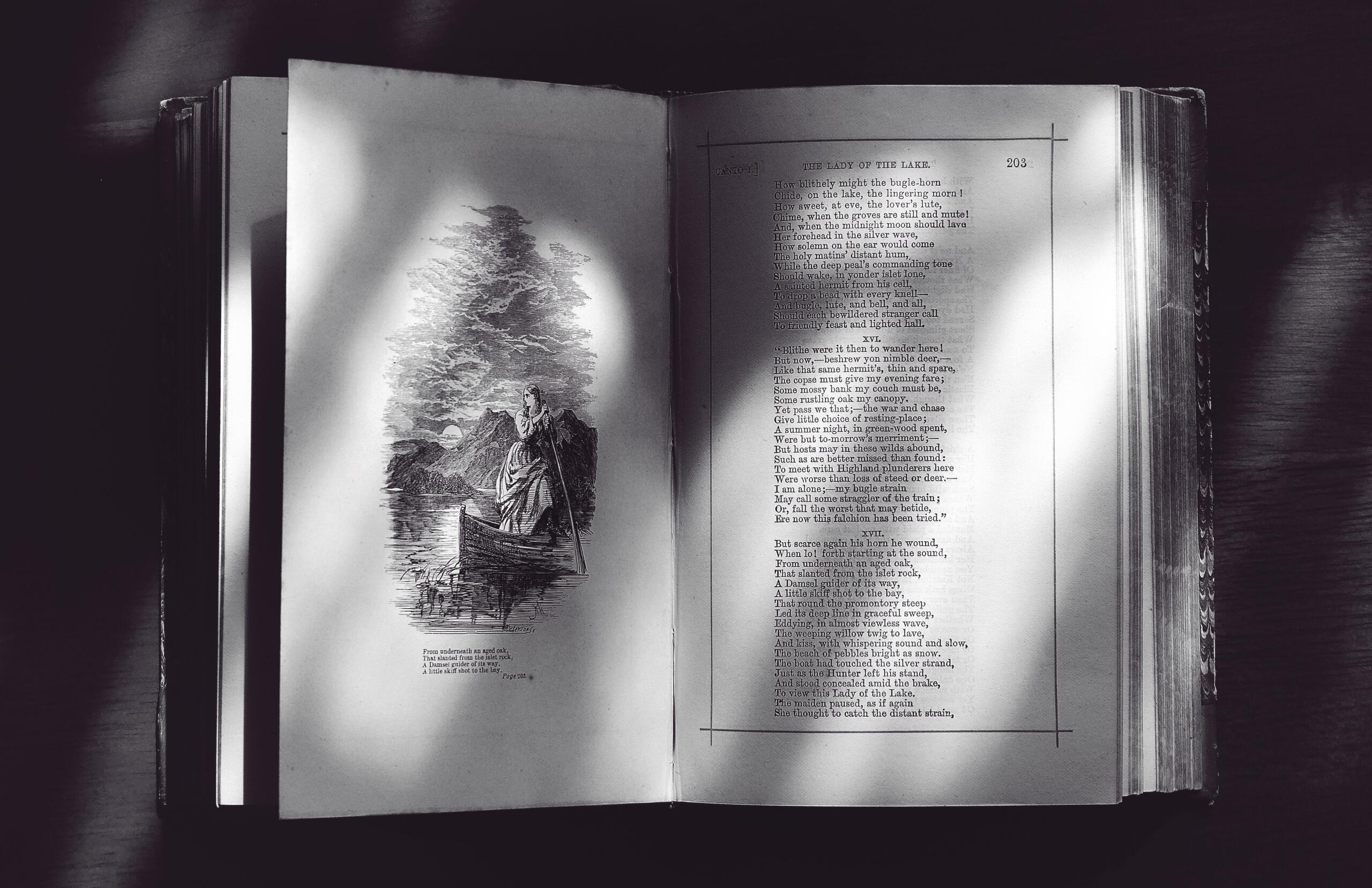

Poetry has survived every era, trend, and technological revolution for one simple reason: it says the things we struggle to put into words. Whether the theme is love, heartbreak, hope, rebellion, or the quiet beauty of an ordinary moment, great poems have a way of making us feel seen. With nothing more than carefully chosen language, rhythm, and vivid imagery, poets have been capturing the human experience for thousands of years.
The most famous poems of all time are living works that continue to shape the way we think, speak, and see the world. Their lines appear in graduation speeches, blockbuster films, protest signs, social media captions, and everyday conversations. Long after they were first written, these poems continue to inspire, challenge, and comfort readers because the emotions at their heart are as relevant today as they were centuries ago.

This article explores what makes a poem famous, examines some of history's most influential works, and offers guidance for readers who want to deepen their appreciation of poetry.
Click to start writing classes online on Superprof.


Defining a Famous Poem
Not every brilliant poem becomes famous, and not every famous poem is the most technically perfect. Literary greatness alone doesn't guarantee that a poem will live on in the public imagination. So what makes the difference?
Criteria for Fame in Poetry
Sometimes it's the perfect line arriving at exactly the right moment in history. Sometimes it's a poem that captures a universal feeling so perfectly that readers keep returning to it generation after generation. Others earn their place through school curriculums, unforgettable public readings, or appearances in films, music, and popular culture. Here are a few key factors to consider.
Additionally, famous poems often address themes that transcend time, including:
- Love and relationships
- Death and mortality
- Identity and belonging
- Freedom and resistance
- Hope and perseverance
- Nature and human experience
When a poem successfully combines artistic skill with universal relevance, it has the potential to achieve lasting fame1.
The Role of Anthologies and Education
Educational institutions have played a significant role in shaping which poems become widely known. Many readers first encounter classic poetry in school, where certain works are included in curricula year after year.
Anthologies introduce readers to influential poets and preserve literary traditions. Collections such as The Norton Anthology of Poetry have helped establish literary canons and ensure that important poems remain accessible to new generations2.
The Norton Anthology of Poetry uses custom, ultra-thin "bible paper" so it can pack nearly 2,000 pages of literature into one book, prompting a famous student joke that a heavy highlighter will accidentally bleed through four centuries of poetry at once.
Teachers also contribute to a poem's reputation by helping students explore its themes and historical context. Through classroom discussions and literary analysis, poems gain new life and relevance. As a result, works like The Road Not Taken, The Raven, and Still I Rise have become familiar to millions of readers worldwide.
Be inspired from some of the most romantic lines of love poetry.
The Most Famous Poems and Their Significance
Some poems become cultural touchstones that people return to again and again, while others quietly influence generations of writers without ever achieving widespread fame. The poems below have done both.
| Poem | Author | Year of Publication | Literary Movement | Main Themes | Why it's Famous |
|---|---|---|---|---|---|
| The Raven | Edgar Allan Poe | 1845 | Gothic Romanticism | Grief, loss, memory, madness, death | Famous for its haunting refrain ("Nevermore"), rich symbolism, and lasting influence on Gothic literature and popular culture. |
| The Road Not Taken | Robert Frost | 1916 | Modernism | Choice, identity, reflection, life's decisions | One of the world's most quoted poems, though often misunderstood as celebrating individualism rather than reflecting on how people create meaning from past choices. |
| Still I Rise | Maya Angelou | 1978 | Contemporary / Civil Rights Literature | Resilience, dignity, empowerment, racial justice | An enduring symbol of perseverance and self-confidence that has inspired generations through speeches, education, and social justice movements. |
| If We Must Die | Claude McKay | 1919 | Harlem Renaissance | Resistance, courage, injustice, solidarity | Became a powerful response to racial violence and remains one of the defining poems of resistance in American literature. |
| Howl | Allan Ginsberg | 1956 | Beat Generation | Freedom, conformity, mental health, consumerism | Sparked controversy with its candid language and became a defining work of the Beat Generation, reshaping modern American poetry. |
Let's explore each poem and some of their most famous verses.
"The Raven" by Edgar Allan Poe
Published in 1845, The Raven is one of those rare poems that almost everyone recognizes, even if they've never sat down to read it from beginning to end. With its unforgettable opening, haunting refrain of "Nevermore," and eerie atmosphere, the poem has become a defining work of American literature and a cornerstone of Gothic poetry.
At its heart, The Raven tells the story of a man mourning the loss of his beloved Lenore. Late one bleak December night, a mysterious raven enters his room and perches above the door. At first, the visitor seems almost amusing, but each time the bird responds with its single word: "Nevermore". Consequently, the narrator spirals further into grief, obsession, and despair.
Whether the raven is a supernatural messenger, a projection of the narrator's troubled mind, or simply an ordinary bird becomes part of the poem's enduring mystery.
Part of what makes The Raven so captivating is the way Edgar Allan Poe blends form and emotion. Its musical rhythm, internal rhyme, and hypnotic repetition create an almost spell-like reading experience, while vivid imagery transforms an ordinary room into a place of dread and psychological tension.
And the Raven, never flitting, still is sitting, still is sitting On the pallid bust of Pallas just above my chamber door; And my soul from out that shadow that lies floating on the floor Shall be lifted—nevermore
Edgar Allan Poe, "The Raven"
Every stanza builds suspense, drawing readers deeper into the narrator's unraveling thoughts. Rather than simply telling a story about loss, Poe immerses readers in the emotional weight of grief, showing how sorrow can distort memory, reason, and hope.
Find good writing courses Vancouver here on Superprof.
"The Road Not Taken" by Robert Frost
Few poems have become as famous, or as widely misunderstood, as The Road Not Taken. It's the poem you'll hear in graduation speeches, motivational talks, self-help books, and social media posts, usually accompanied by the idea that success comes from boldly choosing a different path.
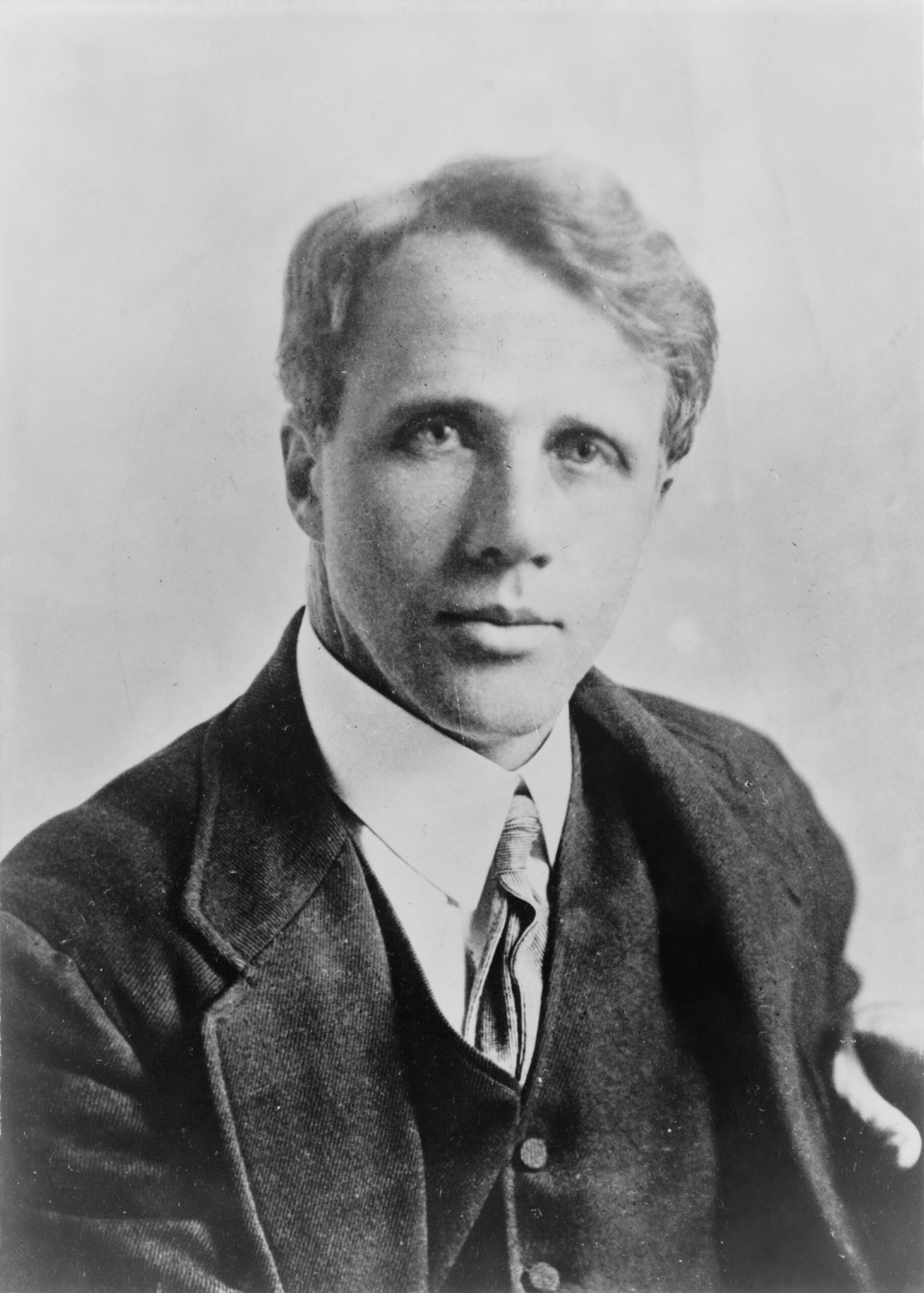
But that's only part of the story. The poem's lasting appeal lies in its complexity. What seems like a straightforward celebration of individuality is actually a thoughtful reflection on choice, memory, and the stories we tell ourselves about the decisions that shape our lives.
More than a century after it was first published, readers are still debating what Frost really meant, and that ongoing conversation is one of the reasons The Road Not Taken remains one of the most beloved poems in the English language.
This ambiguity contributes to the poem's lasting appeal. Readers continually debate its meaning and apply it to their own experiences. Where do you stand in the debate? Let's look at the two most typical interpretations
Interpretation 1: A Celebration of Individuality
According to this view, the speaker chooses the "road less traveled" and is rewarded for taking an independent path. The poem becomes a message about:
- Being true to yourself
- Taking risks
- Following your own path
- Rejecting conformity
Interpretation 2: How We Create Meaning
Frost suggests that people look back on their lives and create stories about their decisions. After making a choice, we often convince ourselves it was unique or significant, even when alternatives were equally possible.
Evidence for this interpretation includes:
- Both roads are described as nearly identical.
- The speaker cannot realistically know how things would have turned out otherwise.
- The future speaker imagines telling the story "with a sigh."
The lasting appeal of The Road Not Taken lies in its universal theme: everyone faces moments when they must make choices without knowing where each path will lead. Readers see their own experiences reflected in Frost's meditation on uncertainty, regret, and possibility.
"Still I Rise" by Maya Angelou
Some poems quietly move readers, while others become anthems. Still I Rise is firmly in the second category. Since its publication in 1978, Maya Angelou's unforgettable poem has inspired generations with its fearless message of resilience, self-worth, and hope. Written in response to oppression, racism, and sexism, the poem celebrates the unbreakable spirit of Black people, especially Black women, with a voice that is bold, confident, and impossible to ignore.
You may write me down in history With your bitter, twisted lies, You may trod me in the very dirt But still, like dust, I’ll rise.
Maya Angelou, "And Still I Rise"
At the heart of the poem is its unforgettable refrain: "I rise." Those two simple words have become one of the most recognizable declarations in modern poetry, transforming a personal statement into a universal message of perseverance.
Decades later, Still I Rise continues to be quoted in speeches, classrooms, protests, and everyday conversations, reminding readers everywhere that dignity, courage, and hope can endure even in the face of injustice.
"If We Must Die" by Claude McKay
Published in 1919, in the aftermath of racial violence across the United States, If We Must Die is one of the most stirring calls to courage ever written. Rather than giving in to fear or accepting injustice, McKay challenges his readers to meet hatred and oppression with dignity, unity, and unwavering resolve.
The poem's opening immediately establishes its powerful message:
If we must die—let it not be like hogs Hunted and penned in an inglorious spot, While round us bark the mad and hungry dogs, Making their mock at our accursed lot.
Claude McKay, If We Must Die
Every line of the poem builds a sense of urgency, transforming the poem from a reflection on violence into a rallying cry for resistance. More than a century later, its message of standing firm in the face of hate continues to resonate, making If We Must Die one of the defining poems of the Harlem Renaissance.
"Howl" by Allen Ginsberg
When Allen Ginsberg published Howl in 1956, it challenged literary conventions and sparked controversy.
The poem offers a raw and unfiltered critique of modern society, addressing themes such as conformity, consumerism, mental health, sexuality, and alienation. Its free-flowing style reflected the values of the Beat Generation, a literary movement that rejected traditional norms and embraced personal freedom.
When Howl was published, it sparked a legal battle. Its raw language, social criticism, and unapologetic honesty led to an obscenity trial that became a major moment in the fight for artistic freedom in the United States. Instead of silencing the poem, the controversy helped secure its place as a groundbreaking work that pushed the boundaries of what literature could say and how boldly it could say it.
Today, Howl is recognized as one of the defining poems of the twentieth century. Its wild energy and fierce critique of conformity, consumerism, and social repression helped shape the voice of the Beat Generation and opened the door for more experimental forms of poetry. Its influence can still be felt in spoken word, music, protest writing, and countercultural movements that challenge mainstream ideas.
The Evolution of Poetry's Popularity
Poetry evolves alongside society. Different literary movements have shaped which poems become influential and how they are interpreted.
A Timeline of Major Western Poetry Movements and Their Influence
1780s–1830s
The Romantic Movement 🌿
The Romantic Movement emerged as a response to the Industrial Revolution and the emphasis on reason during the Enlightenment. Romantic poets believed that emotion, imagination, individual experience, and the natural world were powerful sources of truth and inspiration.
1837–1901
Victorian Poetry 🏭
The Victorian era coincided with rapid industrial growth, scientific discovery, and the expansion of the British Empire. Poets grappled with questions about faith, morality, social responsibility, and the changing nature of society.
1890s–1940s
Modernism ⚡
The devastation of World War I, rapid technological change, and shifting social values led poets to experiment with new forms and styles. Modernist poets often rejected traditional rhyme schemes and sought innovative ways to represent the complexities of modern life.
1920s–1930s
The Harlem Renaissance 🎷
Centered in Harlem, New York, the Harlem Renaissance was a cultural and artistic movement that celebrated Black identity, creativity, and achievement. Poets used their work to challenge racism, affirm cultural pride, and explore the experiences of Black Americans.
1950s–1960s
The Beat Generation 🚗
Following World War II, Beat poets challenged conventional social values and literary traditions. Their poetry embraced spontaneity, personal freedom, spiritual exploration, and critiques of consumer culture.
1960s–Present
Contemporary and Diverse Voices 🌎
Modern poetry continues to evolve, incorporating spoken word, performance poetry, digital platforms, and voices from diverse cultural backgrounds. Contemporary poets address identity, gender, race, migration, climate change, and social justice while experimenting with both traditional and innovative forms.
Understanding these historical contexts helps readers appreciate why certain poems achieved prominence during specific periods.
Exploring Lesser-Known Gems
"We Wear the Mask" by Paul Laurence Dunbar
While not as widely known as some literary classics, Paul Laurence Dunbar's We Wear the Mask remains a powerful and influential poem. Published in 1896, the poem explores the tension between public appearances and private realities.
The "mask" symbolizes the emotional concealment many individuals adopt to navigate societal expectations and prejudice.
The poem speaks particularly to the experiences of African Americans during a period marked by discrimination and inequality. However, its themes extend far beyond its historical context.
Many readers relate to the pressure of hiding vulnerability or presenting a socially acceptable version of themselves. Dunbar's skillful use of metaphor creates a work that remains deeply relevant in contemporary discussions about identity, mental health, and authenticity3.
Shakespeare was one of the most romantic poets of all time: he inspired the future generation of British poets: Elizabeth Barret Browning, William Wordsworth, William Blake, Lord Byron, Rudyard Kipling and all the great masters of English poetry.
"The Magpies" by Denis Glover
New Zealand poet Denis Glover's The Magpies is a striking meditation on human ambition, mortality, and the passage of time.
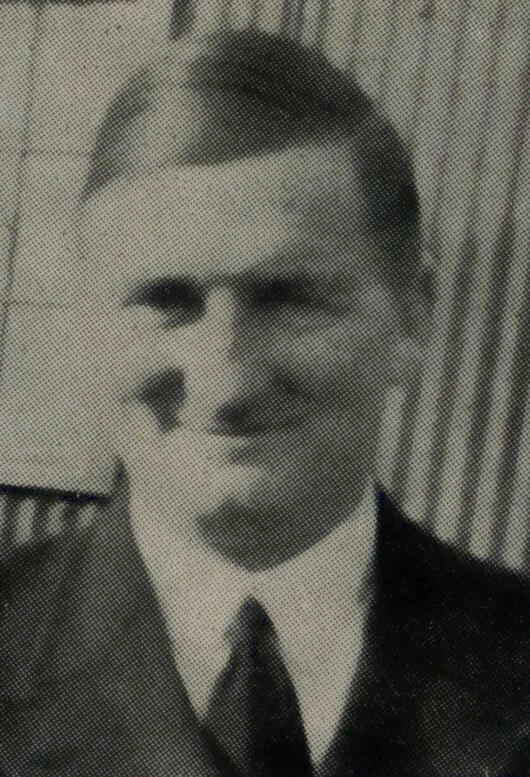
The poem follows a farming couple whose hard work and dreams gradually give way to aging and decline. Throughout the poem, the repeated cry of the magpies serves as a reminder of nature's indifference to human struggles. Its famous refrain creates a haunting sense of inevitability and continuity.
Although less internationally recognized than many classics, The Magpies demonstrates how poetry can capture profound truths through simple language and vivid imagery. Readers often find the poem moving because it reflects universal experiences of hope, labor, disappointment, and mortality.
Find various poetry writing course here on Superprof.
Engaging with Poetry Today
How to Appreciate Classic Poems
Many readers feel intimidated by poetry, believing they must uncover a single "correct" interpretation. In reality, poetry often invites multiple perspectives.
Here are several strategies for appreciating classic poems:
- 📖 Read slowly. Poetry rewards careful attention.
- 🎧 Read aloud. Hearing rhythm and sound can reveal new meanings.
- 📝 Notice imagery. Pay attention to symbols, metaphors, and descriptive language.
- 📚 Research context. Understanding historical and cultural backgrounds often enhances interpretation.
- 💭 Reflect personally. Consider how the poem connects to your own experiences.

The goal is not simply to analyze poetry but to experience it.
Probably one of the most famous American writers of the 20th century, if not of all times, Robert Frost's work was greatly influenced by his life in the countryside, close to nature.
An Enduring Art Form
Poetry remains one of humanity's most enduring art forms because it speaks across generations, cultures, and experiences. As readers continue to discover and reinterpret these works, their influence will undoubtedly endure for years to come.
Haiku is a Japanese style of famous poem that emerged during the Edo period in the 17th century. Learn all about this art form.
References
- Academy of American Poets. Poets.org. Academy of American Poets, https://poets.org. Accessed 20 June 2026.
- Poetry Archive. Poetry Archive. Poetry Archive, https://poetryarchive.org. Accessed 20 June 2026.
- Poetry Foundation. Poetry Foundation. Poetry Foundation, https://www.poetryfoundation.org. Accessed 20 June 2026.
Summarize with AI:
Did you like this article? Leave a rating!


 Loading...
