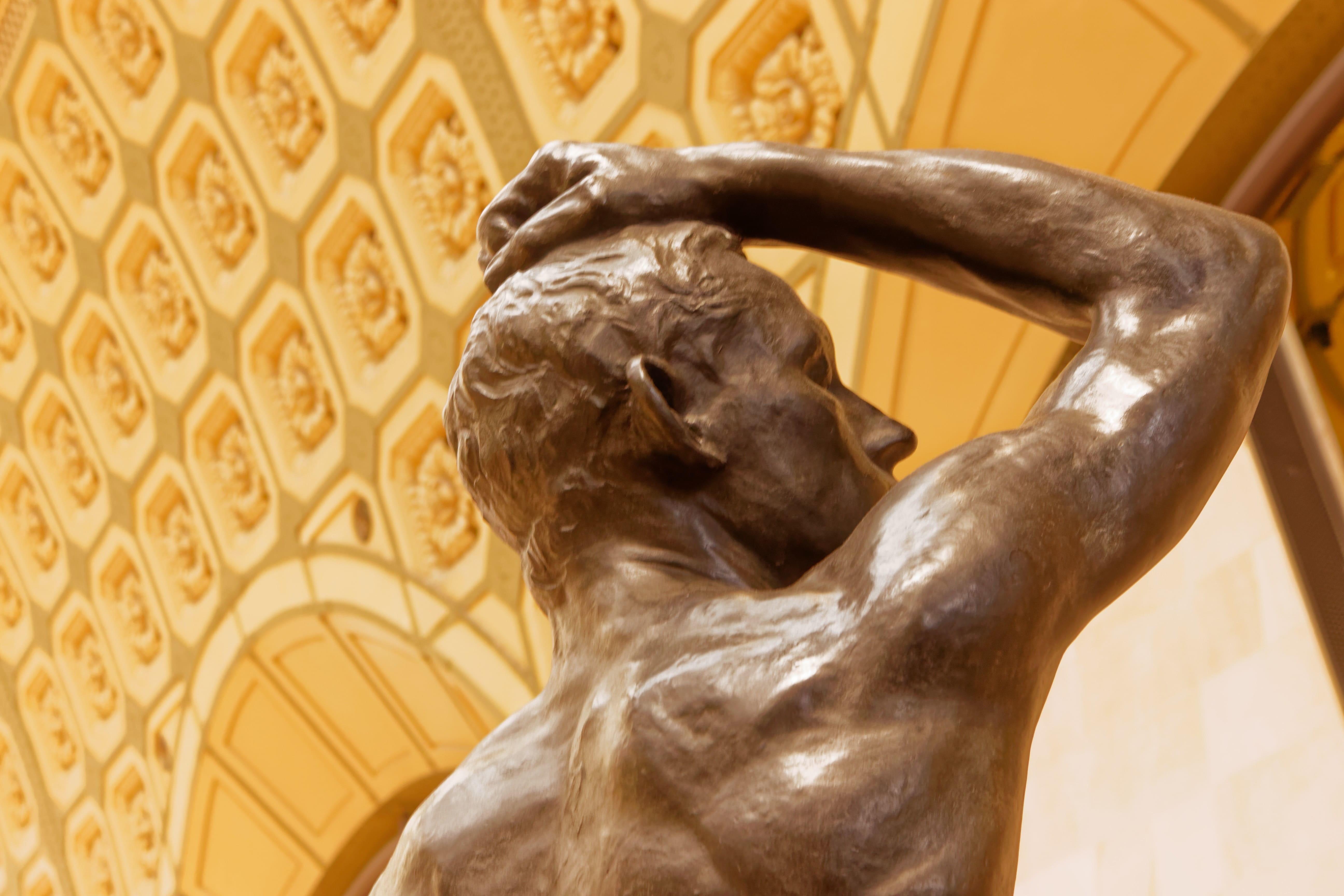

Sculpture has been a fundamental form of artistic expression throughout history, and every era has produced masters who have left an indelible mark on the art world. From the classical masterpieces of Phidias to the modern creations of Anish Kapoor, they have shaped the evolution of sculpture, reflecting the cultural and artistic values of their time. Discover the visionaries who transformed sculpture over the centuries.


Ancient Sculptors and Their Timeless Works
The earliest sculptors laid the foundations for this art form as we know it today, transforming blocks of stone and metal into impressive religious, mythological and human figures. Phidias and Praxiteles were known primarily for capturing beauty, balance and ideal proportions, thereby influencing subsequent generations of artists.
Some of humanity’s earliest surviving figurines were carved during the Upper Paleolithic. Among the most famous are the Venus of Hohle Fels and the Lion Man, both carved from mammoth ivory approximately 40,000 years ago. 1
Are you inspired by these master sculptors? Discover some fantastic online art courses and start your own creative journey.
Phidias (c. 480–430 BC): The Parthenon's Visionary
One of the earliest named figures in sculpture in Classical Greece is Phidias, an Athenian, who designed and constructed some of the most important pieces of the classical period.
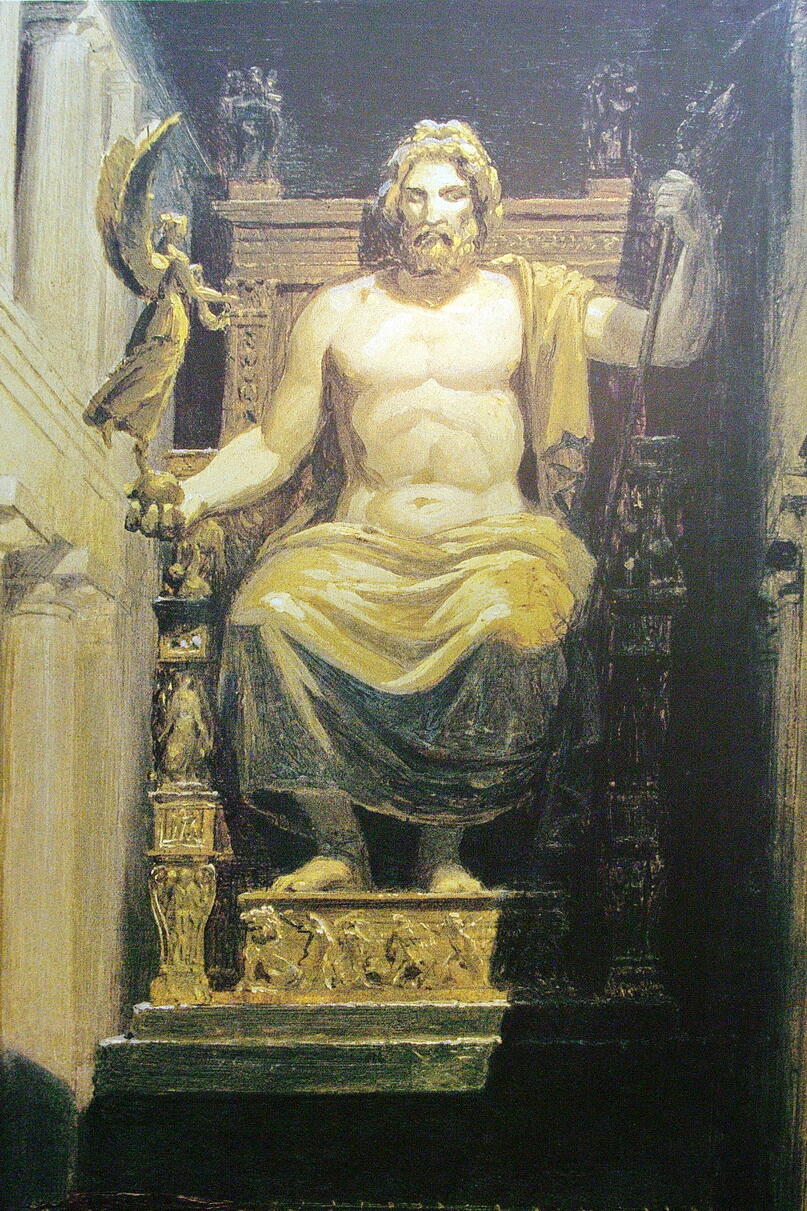
He is best known for overseeing the decoration of the Parthenon, including its distinctive friezes, metopes and pediments, which depict Greek mythology and civic life.
Phidias also created the colossal Statue of Zeus at Olympia, one of the world's most famous sculptures, and one of the Seven Wonders of the Ancient World, as well as other colossal figures, including the Athena Promachos on the Acropolis and the Athena Parthenos in the Parthenon.
Most of these iconic creations are now lost, except the Parthenon's sculptural decoration. However, descriptions and copies suggest that Phidias's masterpieces shaped the direction of future sculptural design for centuries.
Zeus at Olympia is one of the Seven Wonders of the World, along with the Pyramids of Giza and the Hanging Gardens of Babylon. The statue stood 12 meters tall and occupied an entire hall of the Temple of Zeus in Olympia. The statue was an ideal representation of the classical style, made of gold-plated ivory. 2
Praxiteles (c. 370–330 BC): Master of Grace and Elegance
A century after Phidias, Praxiteles, a Greek sculptor, introduced a softer, more natural style focused on elegance and human emotion, which undoubtedly marked a new chapter in the later Hellenistic period.
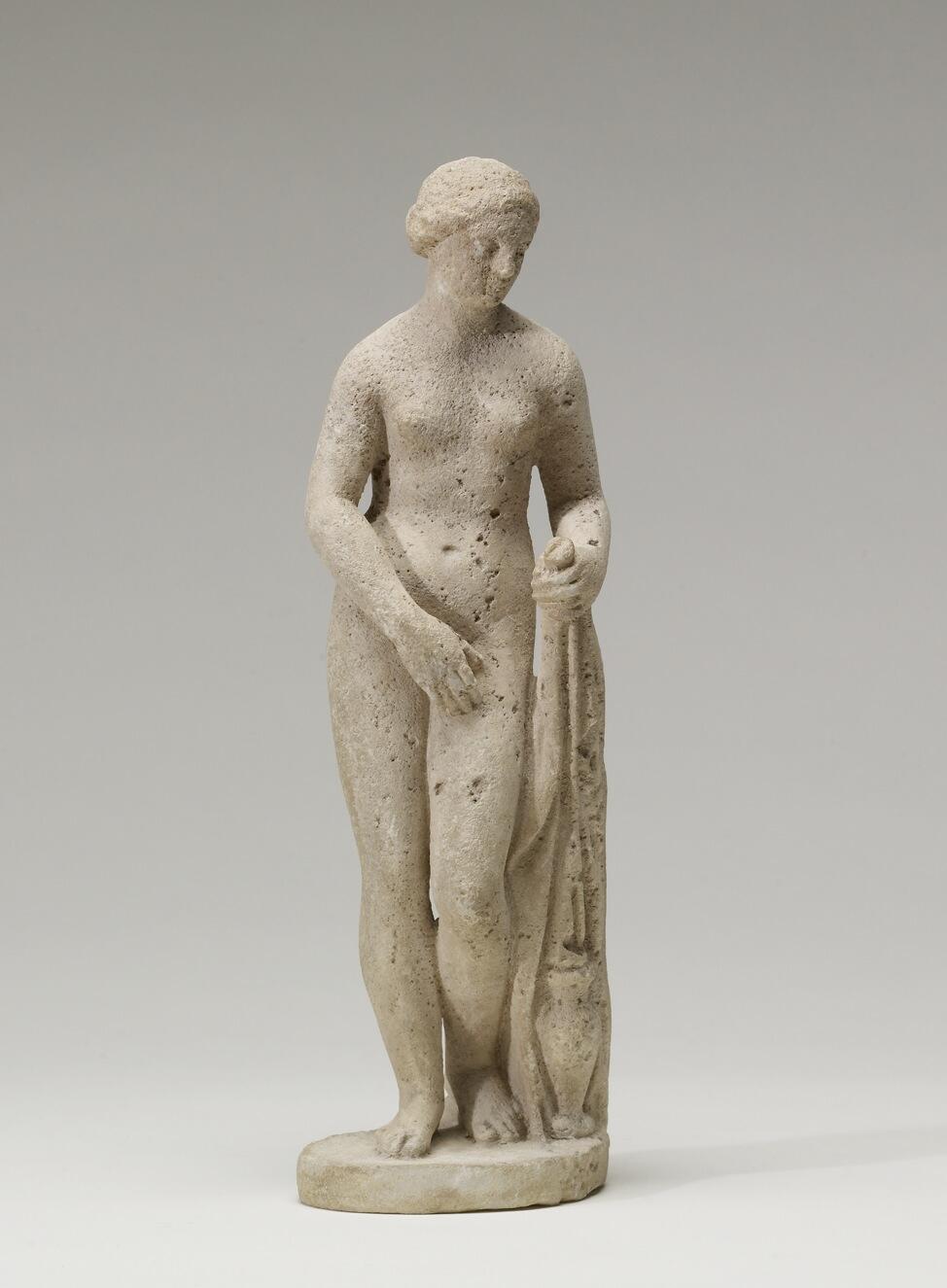
Praxiteles was the creator of the Aphrodite of Cnidus, which is characterized by its relaxed poses and soft, realistic facial expressions. The sculpture broke with established rules, as it is considered the first monumental female nude in Greek art, a practice that, until then, had been reserved for male sculptures.
Other renowned art pieces by Praxiteles include the Hermes and the Infant Dionysus, figures that stand out for the flowing folds of their garments and their delicacy.
The beauty of art lies in the variety of styles, movements and art forms. All these different types of sculpture have provided a deeper insight into the evolution and richness of the three-dimensional art form.
Renaissance Revival: Sculptors Who Redefined Art
Renaissance sculptors studied anatomy, perspective, and proportion to create realistic figures, reviving the sculptural traditions of Ancient Greece and Rome. Two of the most influential figures of this movement were Donatello and Michelangelo.
Donatello (1386–1466): Pioneer of Renaissance Sculpture
Donatello is one of the greatest and most influential sculptors and a founder of Renaissance sculpture; he redirected the attention of Italian sculptors of the time back to the principles of ancient Greece and Rome.
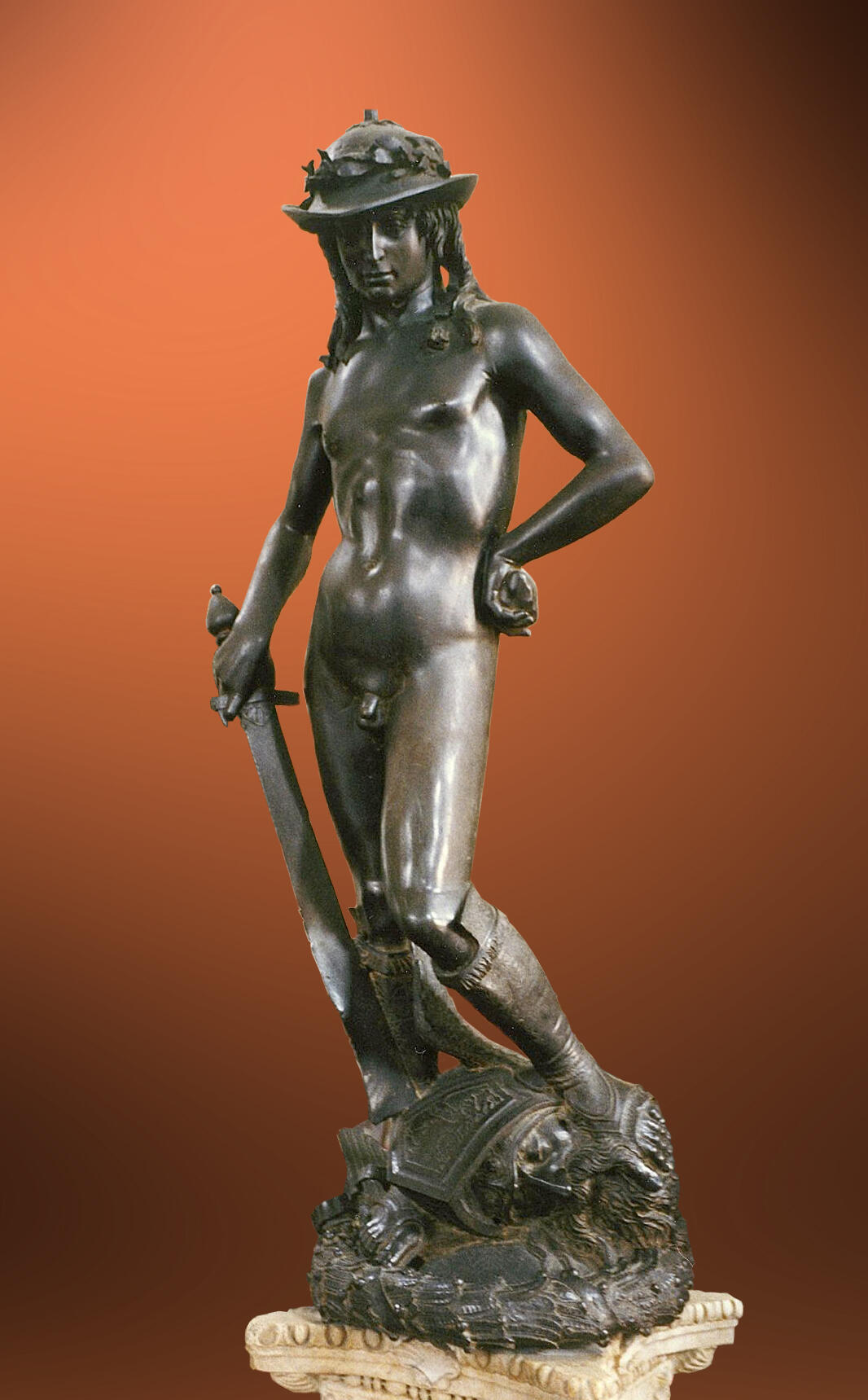
Donatello created figures with natural movement and proportions, as well as emotional depth. His innovative use of perspective in relief sculpture, known as schiacciato, gives the scenes a real sense of depth.
His most renowned work is probably the Bronze David, depicting an elegant biblical David with a sword. Donatello also created the bronze statue of Gattamelata in Padova, one of the first bronze equestrian monuments and considered one of his masterpieces.
Would you like to learn everything about sculpture? Discover key periods, iconic masterpieces and the icons who shaped this art.
Michelangelo Buonarroti (1475–1564): The Quintessential Renaissance Artist
Among the most important figures of the Italian Renaissance are Leonardo da Vinci, Raphael, Donatello, and, of course, Michelangelo, who elevated sculpture to new artistic heights through his knowledge of anatomy and mastery of marble carving.
His marble work in Florence, David, depicts the biblical hero before his battle with Goliath and is one of the artist’s most recognizable works.
Alongside sculpture, equally recognized are his stunning frescoes in the Sistine Chapel and the imposing dome of St. Peter’s Basilica, both in Rome, Italy. Probably two of the most breathtaking masterpieces ever produced.
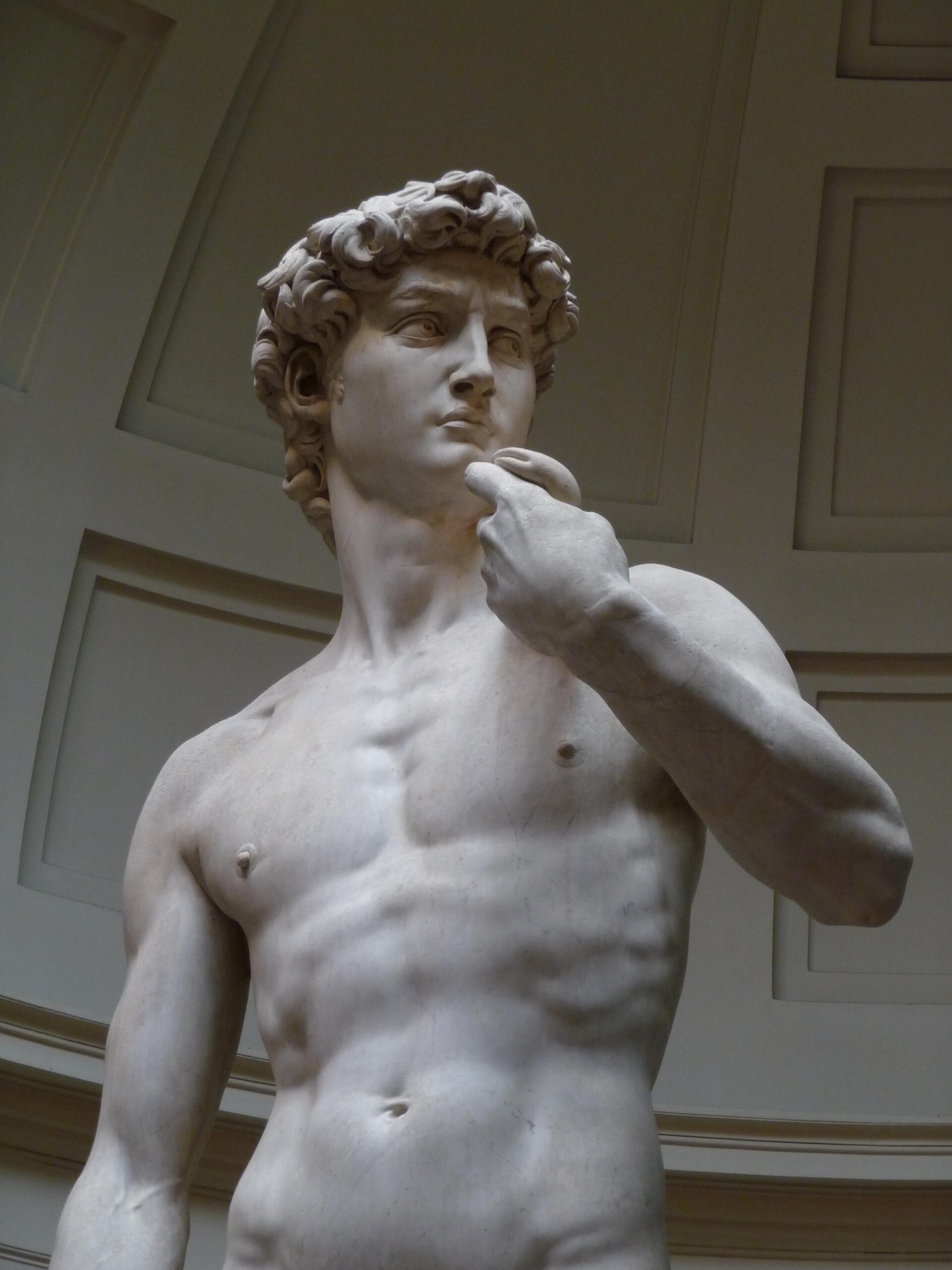
Michelangelo was also hugely influential on the cultural landscape around him and in the years that followed. His marble sculpture, the Statue of Victory, was highly influential on Mannerist and contemporary sculpture.
As he carved, he believed that his role was to “liberate” the figure trapped inside the block of stone. This philosophy inspired masterpieces such as David and influenced generations of sculptors. 3
Introducing children to art from an early age promotes learning and self-expression. Art classes for kids will allow them to have fun, develop their creativity and learn to communicate their ideas.
Baroque Brilliance: Dynamic and Dramatic Sculptures
Unlike Renaissance works, Baroque focused on depicting dramatic events with much greater intensity. Some of the most notable characteristics of Baroque are flowing drapery, expressive gestures and the use of light and shadow. The most renowned Baroque artist par excellence was Gian Lorenzo Bernini.
Gian Lorenzo Bernini (1598–1680): The Baroque Virtuoso
Known as the greatest sculptor of the Baroque era, Gian Lorenzo Bernini transformed marble into extraordinary scenes of movement and emotion, giving his creations an almost theatrical quality and making viewers feel as if they were witnessing a moment frozen in time.
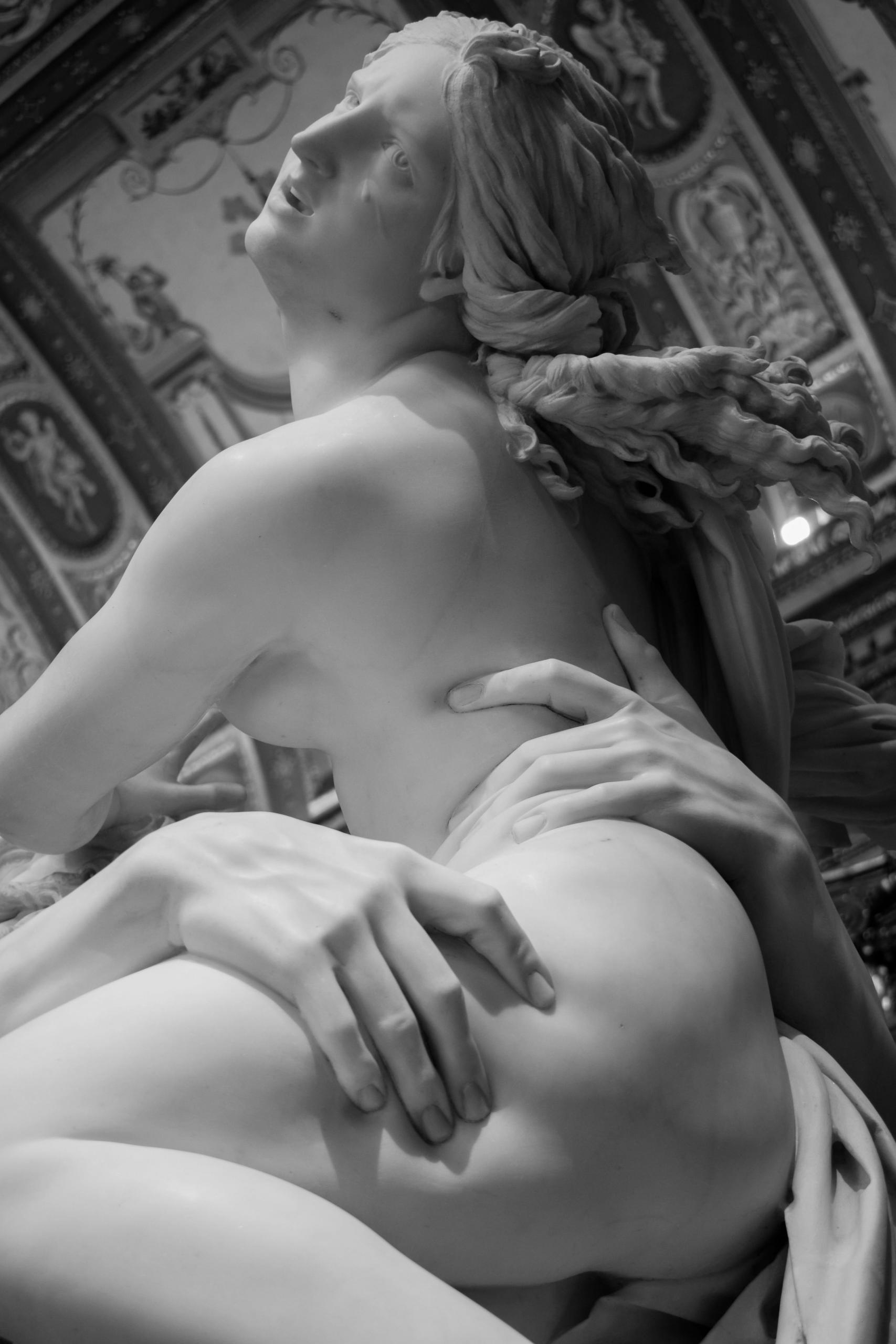
One of his most celebrated masterpieces, Apollo and Daphne, is a life-sized marble sculpture that captures the nymph Daphne transforming into a laurel tree as she flees from Apollo. Another of his iconic creations, The Ecstasy of Saint Teresa, in which an angel pierces her heart with an arrow, is located in the Cornaro Chapel.
Although his most renowned masterpieces are sculptures, Bernini did not limit himself solely to this art form.
Bernini was also an architect and urban planner, and it is impossible to visit Rome without realizing the enormous influence he had on the city.
Neoclassical Elegance: A Return to Classical Ideals
The Neoclassical movement emerged in the late 18th century. In contrast to Baroque, Neoclassical artists are characterized by harmony, balance and idealized beauty in their creations, reflecting the values of the Enlightenment. Antonio Canova is an excellent example of Neoclassical elegance in sculpture.
Antonio Canova (1757–1822): Sculpting Grace and Beauty
After Bernini’s Baroque and, subsequently, the Rococo that took the dynamism and decoration of this style to an even greater extreme, sculptors returned to the basics in Greek and Roman sculpture.
Antonio Canova was the most important Neoclassical sculptor, renowned for his marble sculptures. His creations were primarily inspired by mythology and antiquity.
His most iconic masterpieces are Psyche Revived by Cupid’s Kiss, which captures delicate emotions through idealized forms, and The Three Graces, a statue depicting three mythological daughters of Zeus embracing in a harmonious composition that symbolizes beauty, joy, and creativity.
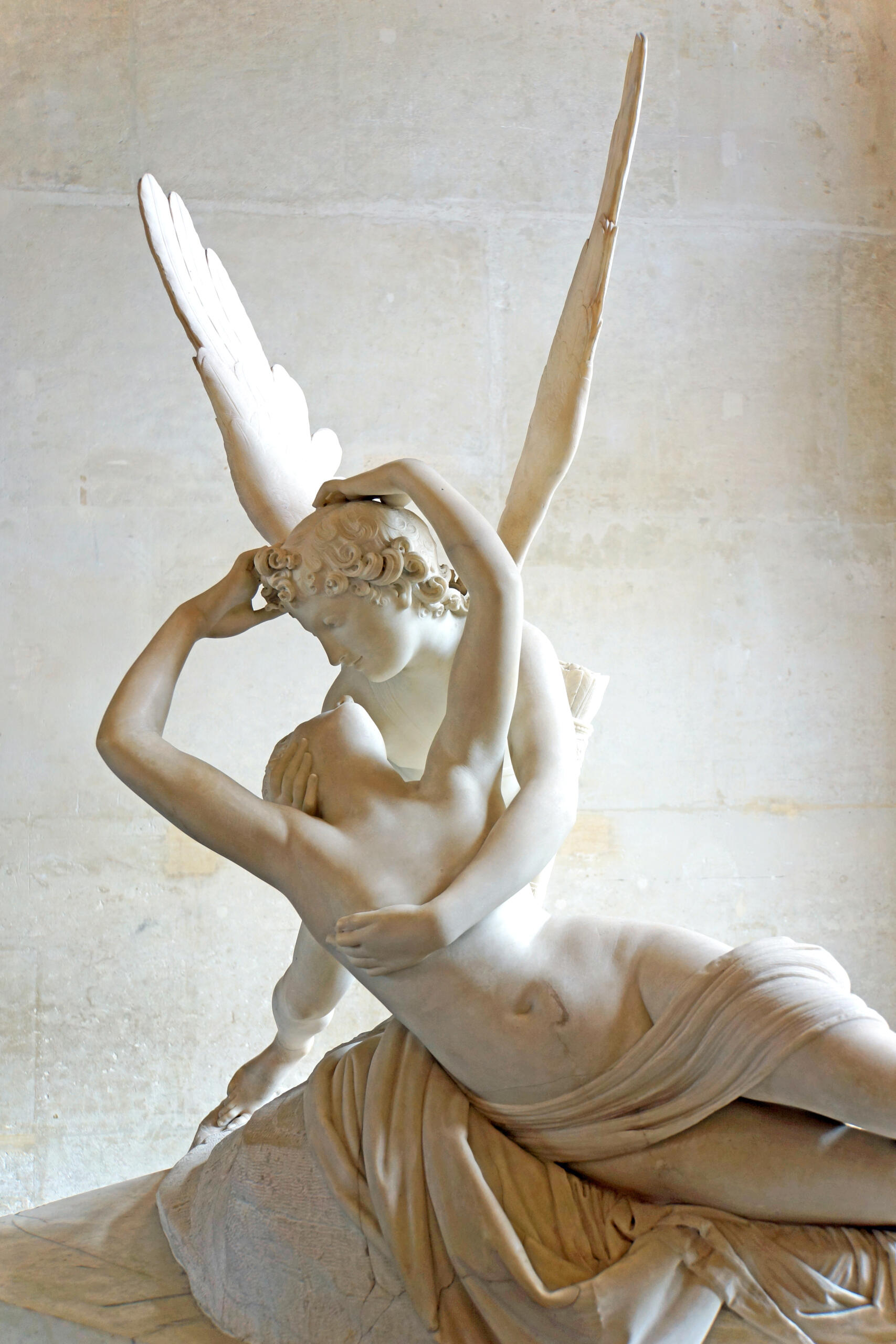
His style revived classical sculpture and influenced generations of artists, establishing him as one of the greatest sculptors.
Modernist Movements: Breaking Traditional Boundaries
In the 19th and 20th centuries, sculpture underwent a major transformation. During this period, traditional techniques were challenged, and new ways of representing the human figure were explored. Among the pioneers were, of course, Auguste Rodin and Constantin Brancusi.
Auguste Rodin (1840–1917): The Father of Modern Sculpture
Rodin was a constant recipient of criticism throughout his life. His art was generally seen as quite unconventional, and he is often referred to as the father of modern sculpture. His art is characterized by expressive surfaces and realistic anatomy.
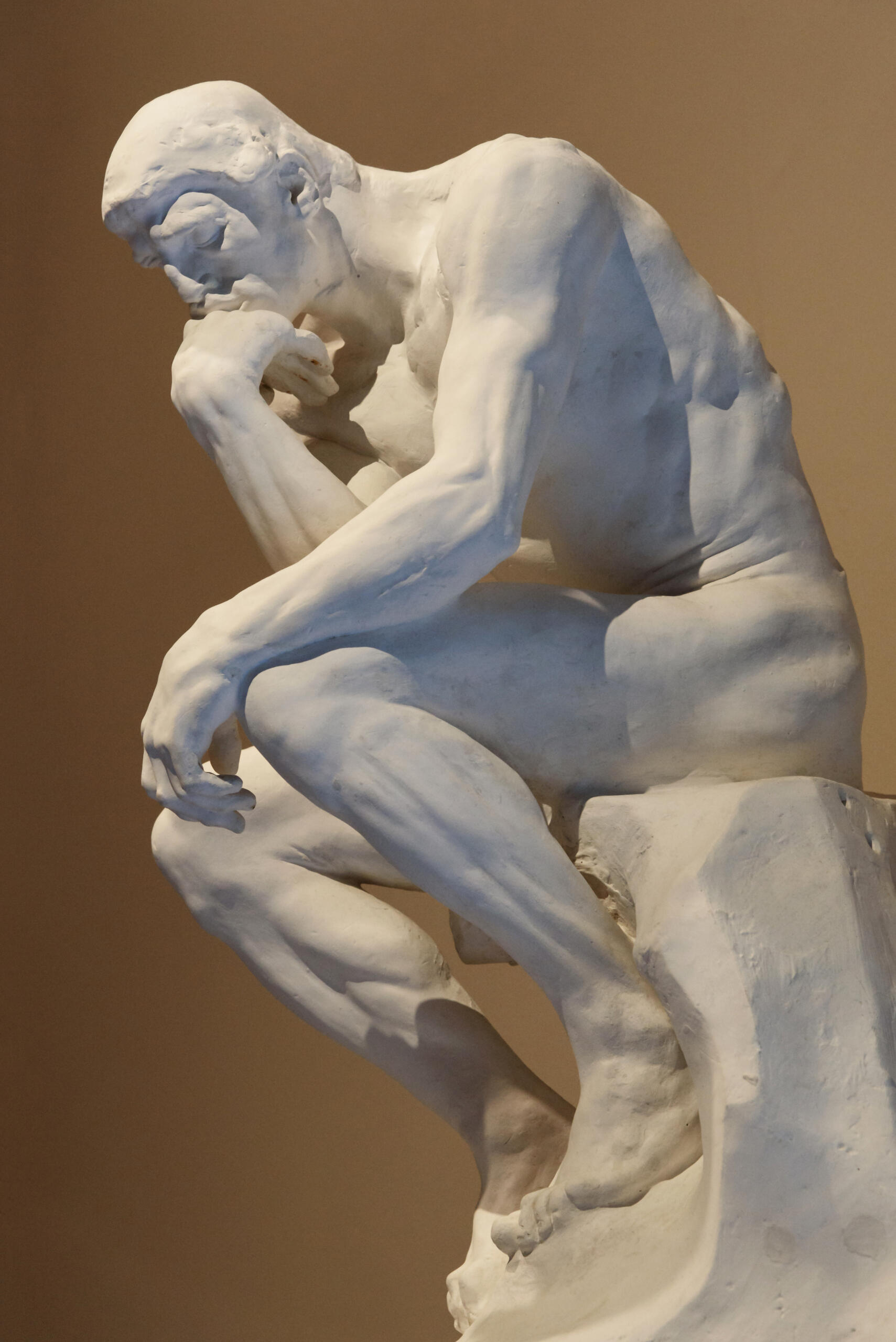
His most recognized work, The Thinker, which was originally conceived as part of The Gates of Hell, stands out for the figure’s tense posture, muscular form, and deep contemplation. Another celebrated masterpiece, The Kiss, portrays two lovers in a moment of tenderness and emotional intensity.
Rather than focusing on mythology or religious themes and narratives, Rodin’s creations was more impressionistic, more focused on the individual subject, and less polished. He took the statue’s pose off its pedestal and opened the door to the more subversive and innovative creations that would follow.
Unlike many earlier sculptors, who sought perfectly smooth surfaces, Rodin intentionally left rough textures and incomplete forms in his creations to give free rein to the public's imagination. 4
Discover the best sculpture collections of all time and discover famous galleries and where to find sculpture masterpieces.
Constantin Brancusi (1876–1957): Abstract Forms and Simplicity
Constantin Brâncuși transformed sculpture by embracing a much more minimalist philosophy, becoming one of the pillars of abstract sculpture.
Bird in Space is one of his most influential masterpieces, comprising a series of sculptures that represent the idea of flight in a slender, elongated form.
The Endless Column and The Sleeping Muse also demonstrate how simplicity could be expressed through profound artistic ideas.
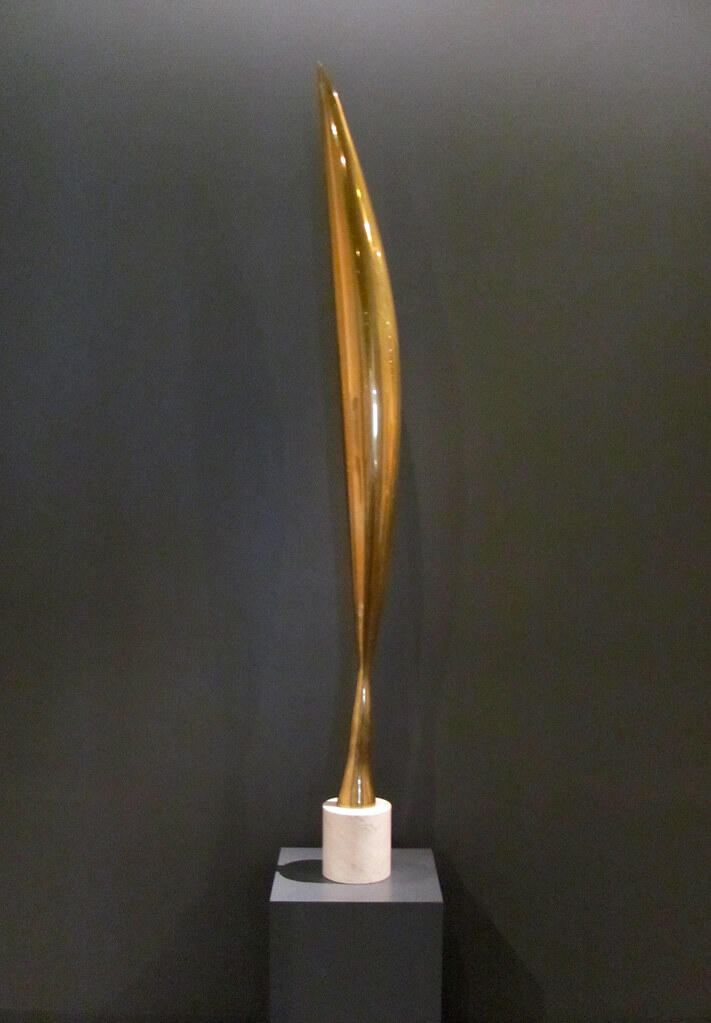
Brâncuși was one of Rodin’s students and made a career of his own in sculpture, developing his recognizable abstract style. Moving away from the figurative sculpture that preceded him, he focused on the simplicity of shape and form.
Contemporary Innovators: Sculptors of the 20th and 21st Centuries
From monumental outdoor installations to deeply emotional artwork, contemporary sculpture continues to push its boundaries by embracing new materials, techniques and ideas.
Henry Moore (1898–1986): Organic Abstractions
Henry Moore was an English visual artist and one of the most influential sculptors of the 20th century. He is known for his large-scale bronze and stone sculptures.
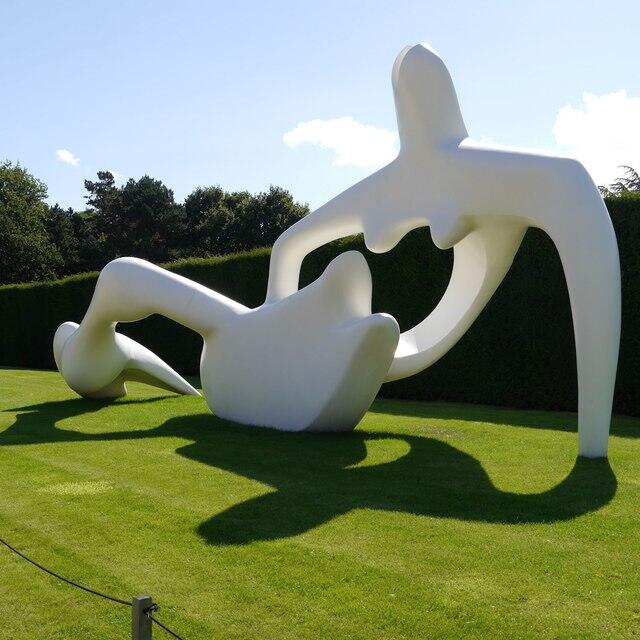
Among his best-known masterpieces are the Reclining Figure series and Large Two Forms, which demonstrate his fascination with organic forms and their relationship to space.
As you can observe, he used abstract forms that can resemble reclining human figures or landscapes, creating a sense of harmony between the piece and its surroundings.
Louise Bourgeois (1911–2010): Exploring the Psyche Through Sculpture
Louise Bourgeois was a French-American artist whose creations have much deeper, psychological undertones and reveal the complexities of the human mind.
Her pieces are made from bronze, steel, fabric and marble.
The iconic Maman, a spider sculpture that symbolizes both protection and vulnerability.
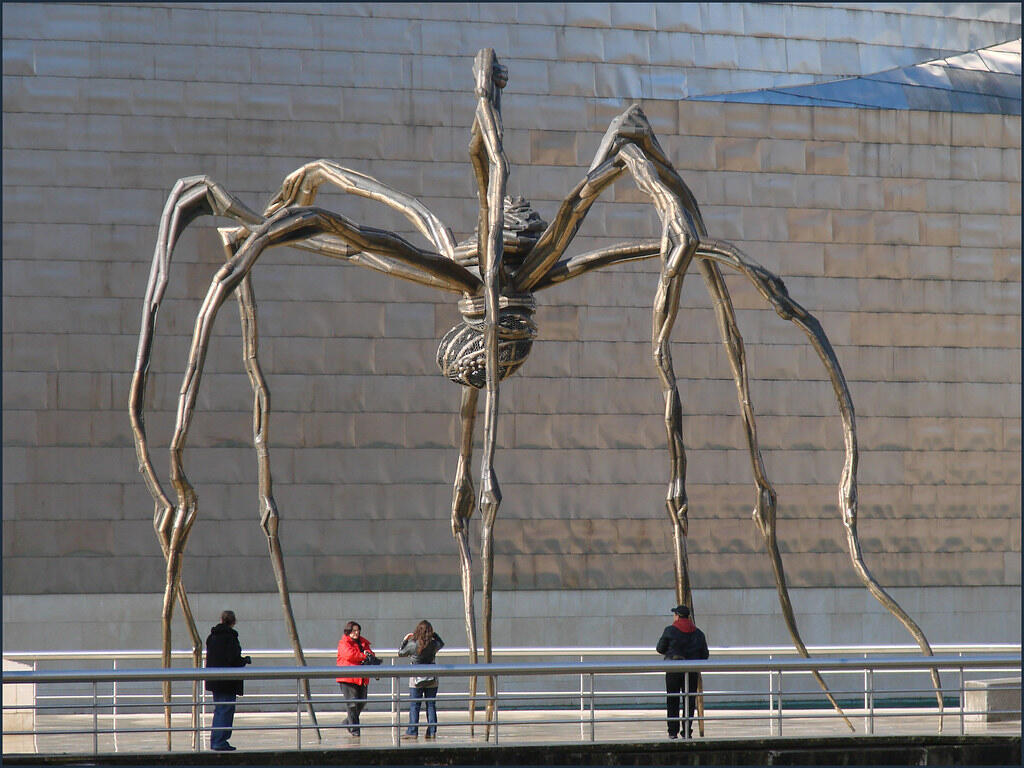
This is a clear example of how Bourgeois challenged traditional ideas about sculpture by transforming her creations into a personal experience for the viewer.
Anish Kapoor (b. 1954): Monumental and Reflective Creations
Anish Kapoor is a British-Indian sculptor known for creating monumental sculptures that transform our perception of space, light and reflection. The artist primarily uses metal, stone and pigments that blur the boundaries between the sculpture and its surroundings.
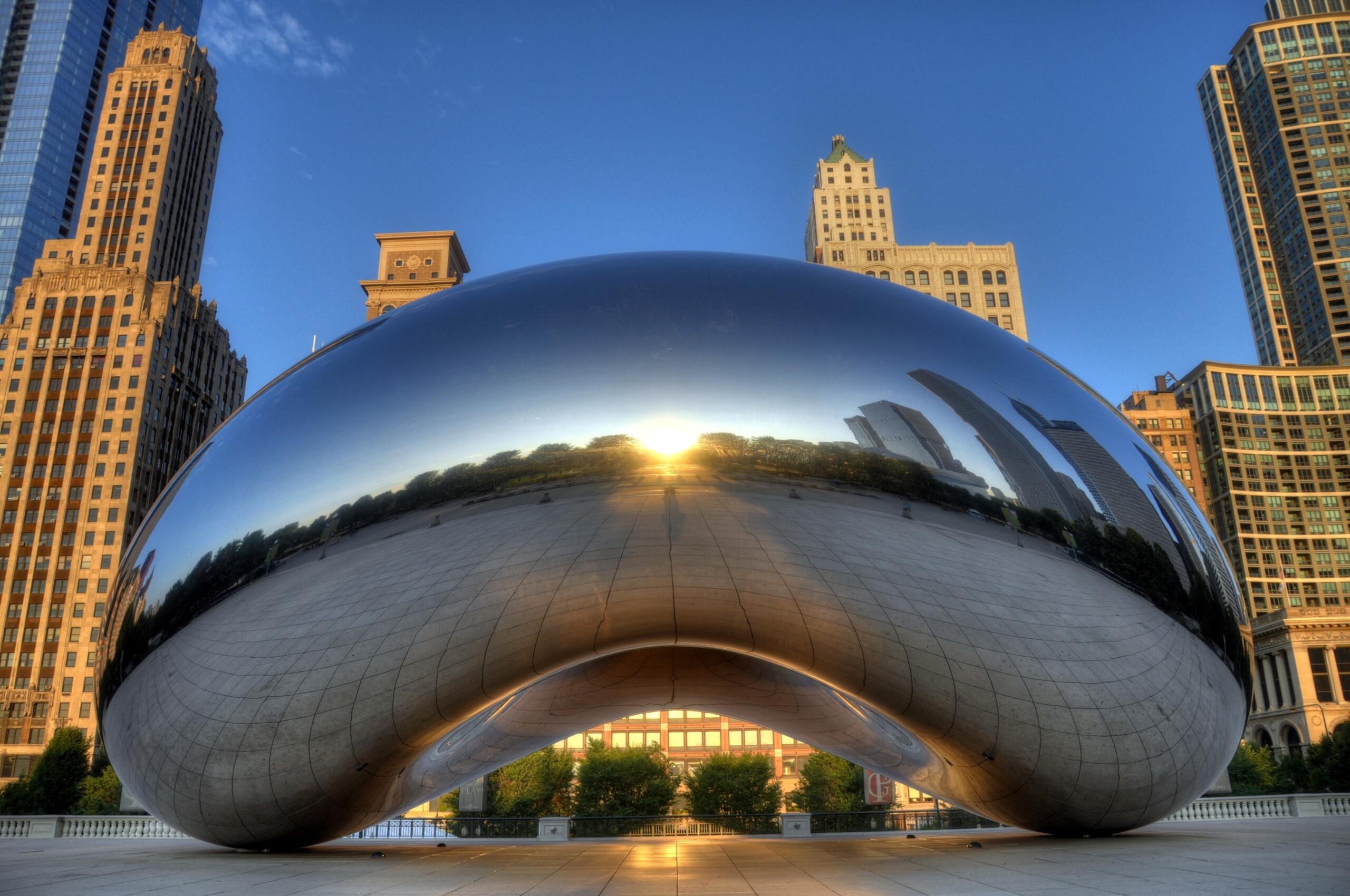
His most famous creation, Cloud Gate, also known as The Bean, is an iconic symbol of Chicago, United States. Its steel surface acts as a mirror, reflecting the city and its visitors.
Do you feel inspired after learning about these legendary sculptors? Develop your own artistic skills by discovering a wide variety of art classes in Toronto with Superprof.
Architectural Sculpture: Integrating Art and Architecture
Rather than existing as independent pieces, architectural sculpture serves decorative, symbolic, and functional purposes. Throughout history, pretty clear examples of architectural sculpture have included temples, pyramids and medieval cathedrals.
Gargoyles and Grotesques: Medieval Architectural Sculptures
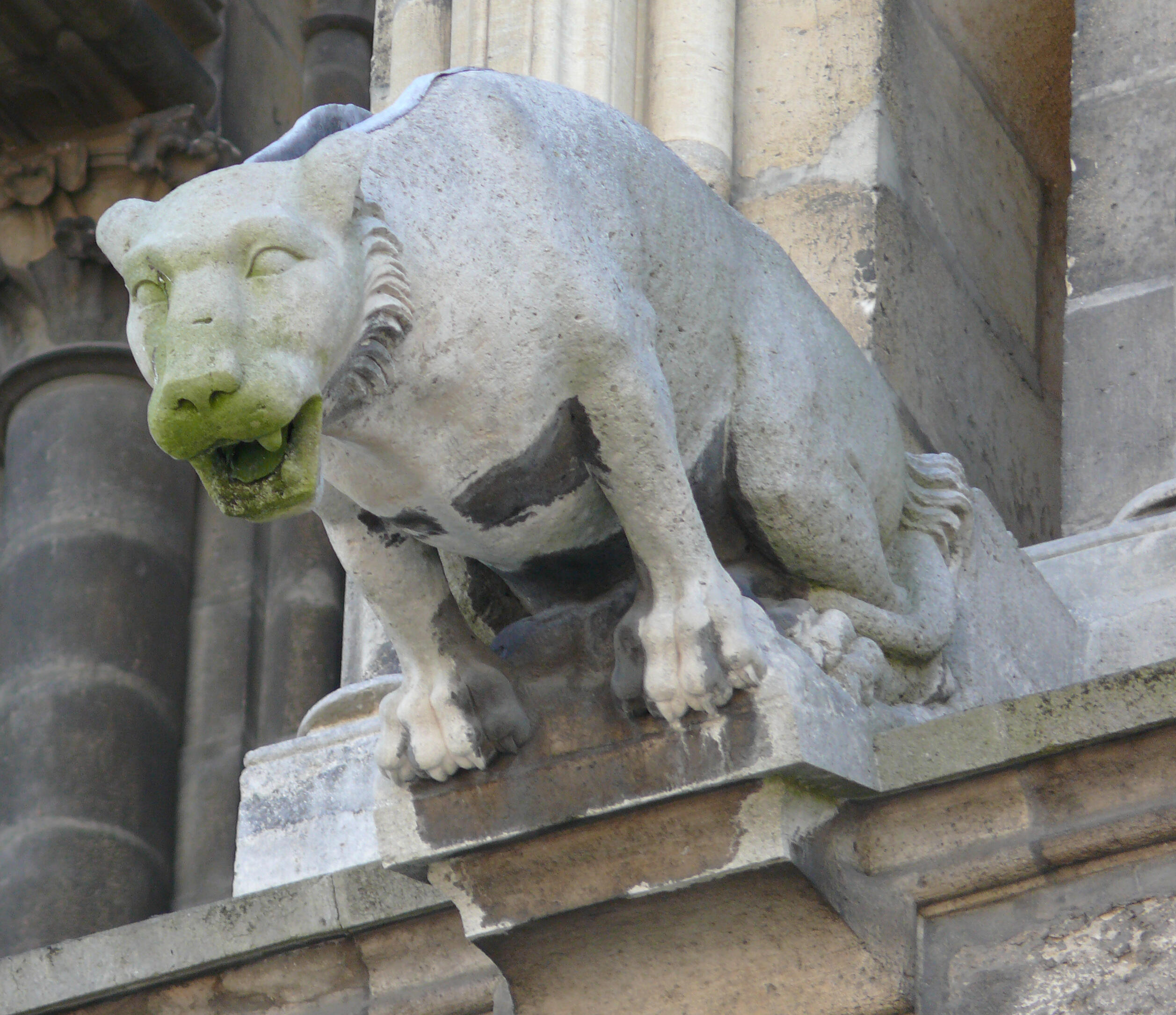
One of the most obvious examples of architectural sculpture is the gargoyles and grotesques that adorn European Gothic cathedrals. These may serve purely decorative purposes, such as grotesques, which depict mythical, animal, or fantastical figures; or they may also serve functional purposes, such as gargoyles, which divert rainwater that might otherwise accumulate on buildings, protecting the structure.
Relief Sculptures: Narratives in Stone
Relief sculpture is one of the oldest forms of architectural decoration, consisting of figures carved against a flat background. These reliefs can be classified as bas-relief or high relief.
Gargoyles and Grotesques
Relief Sculptures
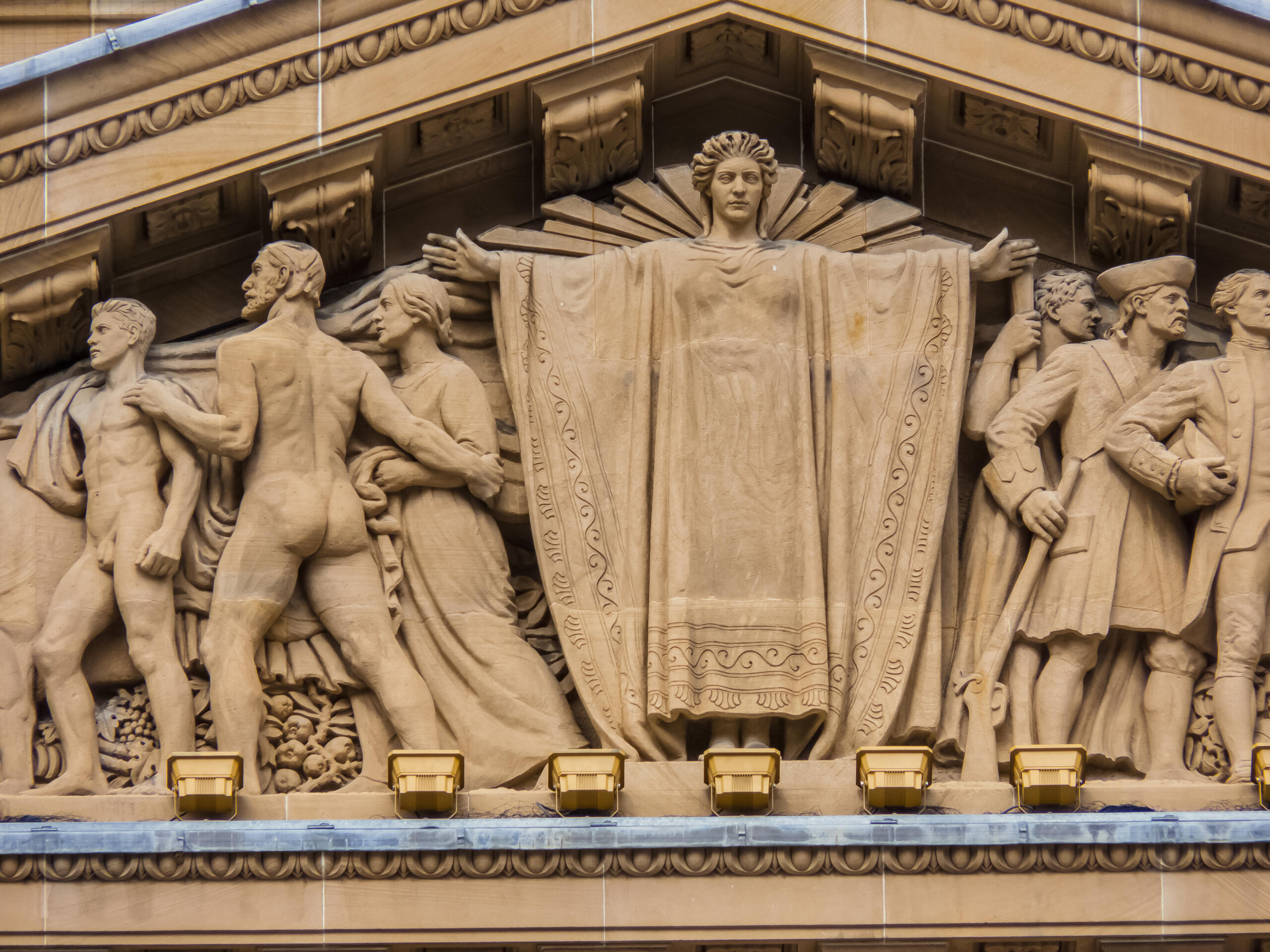
Relief sculptures have been used for centuries to tell stories and depict important events. For example, the temples of Egypt, Greek monuments and medieval churches feature relief sculptures inspired by mythology, victories, religion and daily life.
The Evolution of Sculpture Techniques and Materials
Artistic styles have evolved through time, as have artistic materials and techniques. From hand-carving marble in antiquity to digital modeling and 3D printing, artists have continually incorporated new tools to expand their creativity.
From Marble to Metal: A Journey Through Materials
Over the centuries, sculptors have used a wide variety of materials. Ancient civilizations used stone for temples and monuments because of its durability. However, the use of metals such as bronze was later introduced, allowing much more durable and dynamic compositions through metal casting.
Over time, they also adopted wood, terracotta, ivory, plaster, and steel, and later concrete, fiberglass, resin and glass.
Technological Advances: 3D Printing and Modern Sculpture
Computer-aided design (CAD), 3D printing, and robotic manufacturing allow creators to model, refine, and produce forms that are far more complex and truly defy the imagination.
3D printing has become one of the most transformative tools, as creators can quickly prototype their ideas, fabricate structures, and use plastics and resins, as well as metals and concrete. These technologies have expanded creative possibilities and enabled the fusion of traditional art with digital design.
Timeline of Greatest Sculptors and Their Masterpieces
Explore the evolution of sculpture throughout history, from Ancient Greece to contemporary art, as well as notable sculptors and their most iconic works.
c. 480–430 BC
Phidias: Statue of Zeus at Olympia
Oversaw the sculptural decoration of the Parthenon and created one of the Seven Wonders.
c. 370–330 BC
Praxiteles: Aphrodite of Cnidus
Introduced graceful realism and created the first monumental female nude in Greek art.
1386–1466
Donatello: Bronze David
Revived Classical ideals and pioneered naturalism during the Renaissance.
1475–1564
Michelangelo: David
Elevated marble sculpture through anatomical precision, defining the High Renaissance.
1598–1680
Gian Lorenzo Bernini: Apollo and Daphne
Revolutionized Baroque sculpture with dramatic movement, emotion and theatrical realism.
1757–1822
Antonio Canova: Psyche Revived by Cupid's Kiss
Revived the harmony and beauty of Classical sculpture during the Neoclassical era.
1840–1917
Auguste Rodin: The Thinker
Considered the father of modern sculpture for introducing expressive surfaces and realism.
1876–1957
Constantin Brâncuși: Bird in Space
Pioneered abstraction by reducing forms to their essential shapes.
1898–1986
Henry Moore: Reclining Figure
Popularized monumental organic sculpture inspired by nature and the human body.
1911–2010
Louise Bourgeois: Maman
Brought personal memory and psychology into contemporary sculpture.
1954–Present
Anish Kapoor: Cloud Gate
Uses reflection, scale, and innovative materials to redefine sculpture in the 21st century.
References
- The 20 oldest statues in the world. (2025, July 31). HistorySnob. https://www.historysnob.com/eras/the-20-oldest-statues-in-the-world/4
- Admin. (2025a, January 13). Statue of Zeus at Olympia - 7 Wonders. 7 Wonders. https://7wonders.org/europe/greece/olympia/zeus-at-olympia/
- Freeing the form in the stone « mildly mystical. (n.d.). https://mildlymystical.com/freeing-the-form-in-the-stone/
- The Essence of Impressionism. Rodin’s sculptures at the Royal Łazienki Museum. (n.d.). The Royal Lazienki Museum. https://www.lazienki-krolewskie.pl/en/wydarzenia/istota-impresjonizmu-rzezby-rodina-w-lazienkach-krolewskich
Summarize with AI:
Did you like this article? Leave a rating!


 Loading...