
The beauty of art history lies in its infinite variety of styles, movements, and forms of the visual arts. Sculpture encompasses a wide variety of techniques, including carving, modeling, casting and assembling, each contributing to the creation of diverse sculptural forms.
Throughout the evolution of sculpture, these techniques have been used in numerous artistic styles and movements, from the naturalistic sculptures of ancient Greece to the abstract forms of modern art.
| Technique | How It Works | Common Materials | Famous Example | Best For |
|---|---|---|---|---|
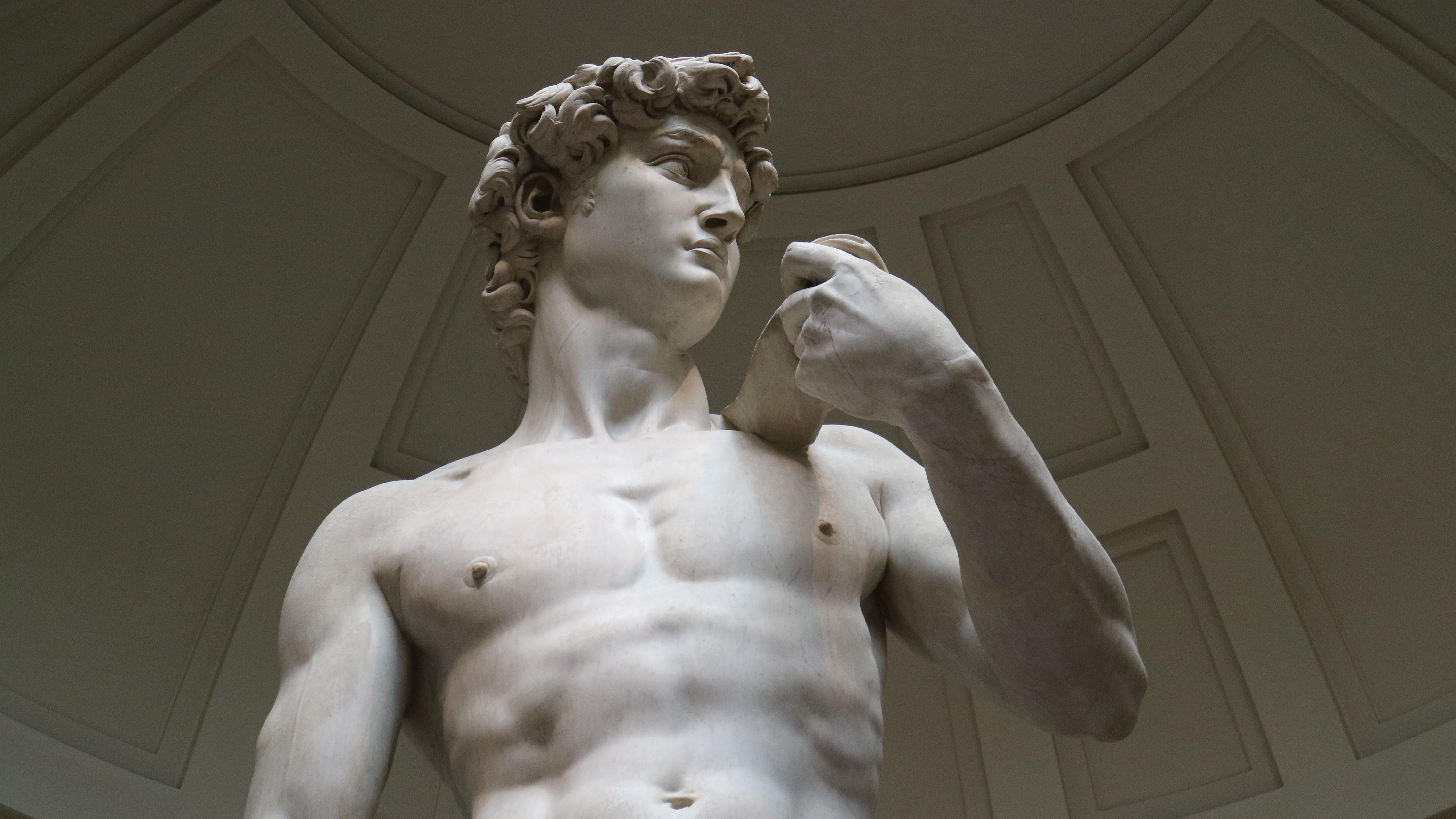
| Carving | Removes material from a solid block to reveal the final form. | Marble, stone, wood, ivory | Michelangelo's David; Ancient Egyptian statues | Durable, highly detailed sculptures |
| Modeling | Shapes soft, malleable material by adding and removing portions. | Clay, wax, modeling clay | China's Terracotta Army | Prototypes, expressive forms, ceramics |
| Casting | Pours liquid material into a mold where it hardens. | Bronze, iron, aluminum, resin, plaster | Ancient Greek bronze statues | Reproducing detailed sculptures and metal artworks |
| Assemblage (Construction) | Combines separate objects or materials into one sculpture. | Metal, wood, glass, plastic, found objects | Robert Rauschenberg's Monogram | Contemporary, mixed-media, and experimental art |
Understanding the four general kinds of sculpture, how each method works, the materials typically used and the types of artworks they are best suited for provides a deeper insight into the evolution of this three-dimensional art form.
“A sculptor is a person obsessed with the form and shape of things.”
Henry Moore


Primary Sculpting Techniques
Sculpture is an art form that transforms materials into three-dimensional pieces that occupy and interact with real space. Artists produce sculptures using four primary sculpting techniques:
- Carving
- Modeling
- Casting
- Assemblage
Carving
Carving is a technique used primarily to work with marble, stone, and wood. It is a process in which material is removed from the outside toward the inside through grinding and polishing, requiring great technical skill and precision.
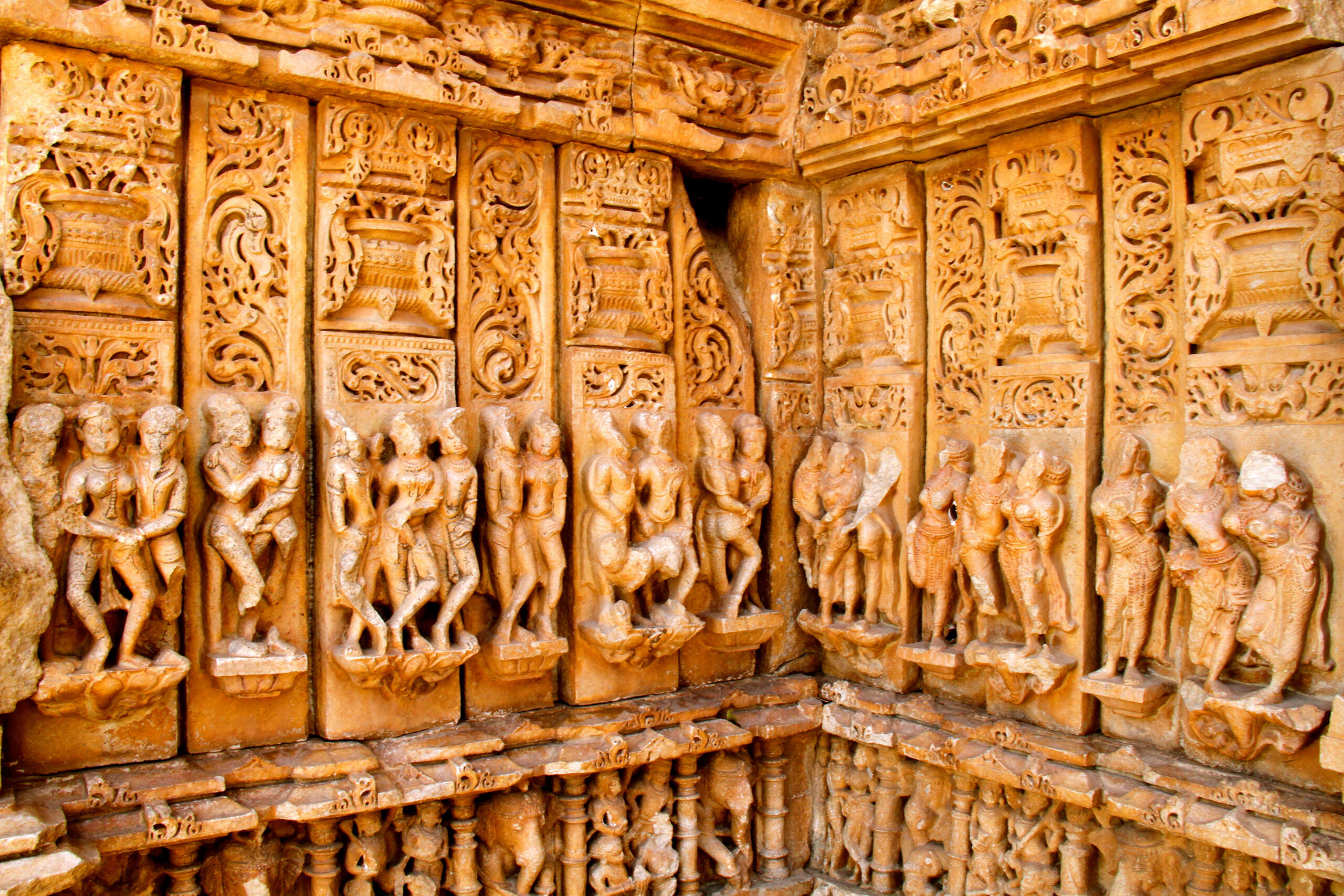
In wood carving, cedar, pine, oak, or walnut is generally used. Some woods are softer and easier to carve, while others are more durable and allow for finer details.
On the other hand, carving stone, marble, and materials such as ivory are among the oldest methods and some of the highest forms of artistic expression.
From the sculptors of Ancient Egypt, who carved monumental statues from limestone and granite, to marble carving during the Renaissance, stone carving is considered both an art and a science.
Modeling
Modeling is one of the oldest and most highly regarded practices in the world of sculpture. It involves shaping a malleable material into three-dimensional shapes.
One of the most commonly used materials for this technique is clay, although wax and modeling clay are also widely used.
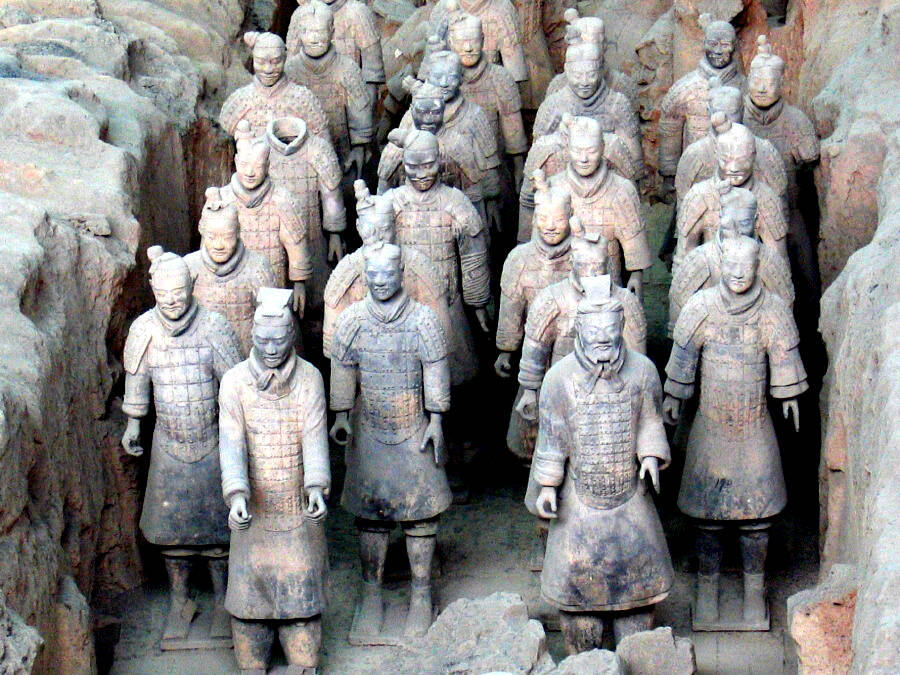
One of the most famous examples in history is the Terracotta Army of ancient China, whose life-size figures were modeled in clay before being fired.
This technique offers tremendous creative freedom, as the artist can continuously add, remove or reshape the material throughout the entire creative process. Its flexibility makes modeling ideal for experimenting with shapes and textures.
One of the world’s most extraordinary sculptural pieces is the Terracotta Army, created around 210 B.C. for the tomb of Qin Shi Huang. The site is home to thousands of life-size clay soldiers, horses and chariots, each with unique facial features, hairstyles and armor. 1
Casting
Used in both industry and art, casting is a process in which a liquid material is poured into a mold and allowed to harden. This technique primarily involves pouring molten metal (or even wax) from a crucible into a mold to make a cast metal object.
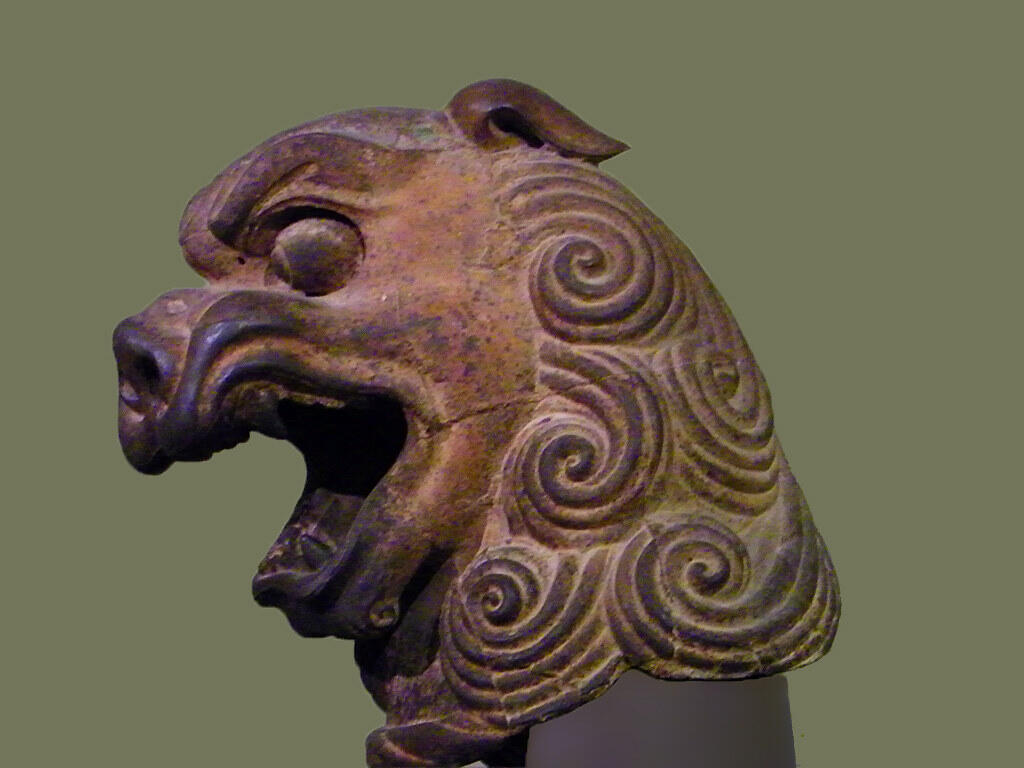
This cast-iron lion head from 11th–12th-century China showcases the sophisticated iron-casting techniques and decorative mastery of medieval China.
It features stylized spiral curls, bulging eyes, and an open mouth that convey strength and vigilance.
Throughout history, bronze has generally been used to create sculptures, manufacture weapons, and make other tools. In fact, the ancient Greek and Roman civilizations mastered bronze casting to produce statues. Plaster, wax, aluminum, resin and other metals are also commonly used.
Casting is an ancient manufacturing process that dates back more than 5,000 years. Its origins can be traced to ancient Mesopotamia and Egypt, where ancient artisans used sand casting to create intricate bronze and copper objects. 2
These sculptures can be found in some of the world's most famous museums, historic monuments and outdoor sculpture gardens. Discover the best places to see sculptures.
Assembly (Construction)
Assemblage, also known as construction, is a sculptural technique that involves joining separate materials or found objects to create a three-dimensional work of art. Rather than carving the material or shaping a malleable medium, artists create sculptures by combining individual components into a unified composition.
For example, Robert Rauschenberg’s Monogram combines a stuffed goat, a tire, and a painted base. However, this creative assemblage approach allows sculptors to experiment with a wide variety of materials, such as metal, wood and even recycled objects.
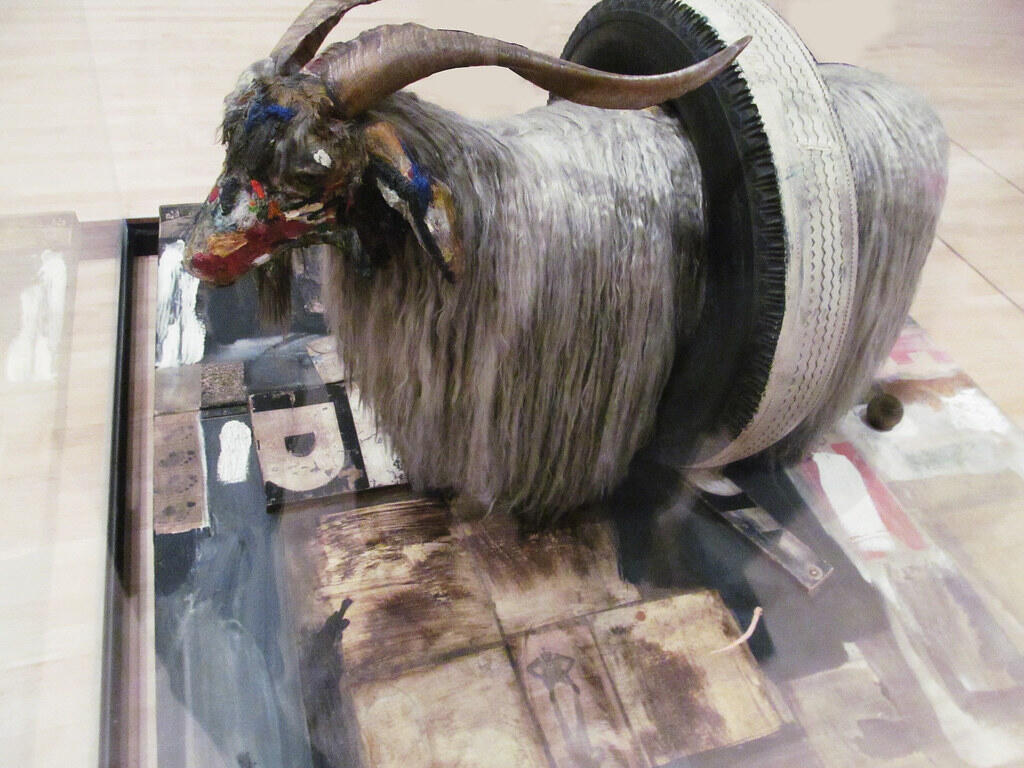
Indeed, the technique gained particular importance in the early 20th century, when creators challenged conventional ideas by creating pieces from industrial materials and recycled objects. Since this approach allows sculptors to experiment with a wide variety of materials, assemblage is one of the most versatile and innovative techniques in modern and contemporary art.
Whether you're a beginner or an experienced artist, learning these methods is easier with expert guidance. Find the best online art courses near you here.
Major Sculptural Styles and Movements
Throughout history, each era has introduced new techniques, themes, and aesthetic ideals. From the depictions of deities in ancient Greece to today’s innovative monuments, these major sculptural movements have shaped the development of three-dimensional art.
Classical Antiquity
Hellenistic sculpture (323–31 B.C.) is characterized by its realism and dynamism. Unlike sculptures from the Classical Greek period, Hellenistic artists depicted people in dynamic poses, with expressive, often dramatic facial features and detailed anatomy.
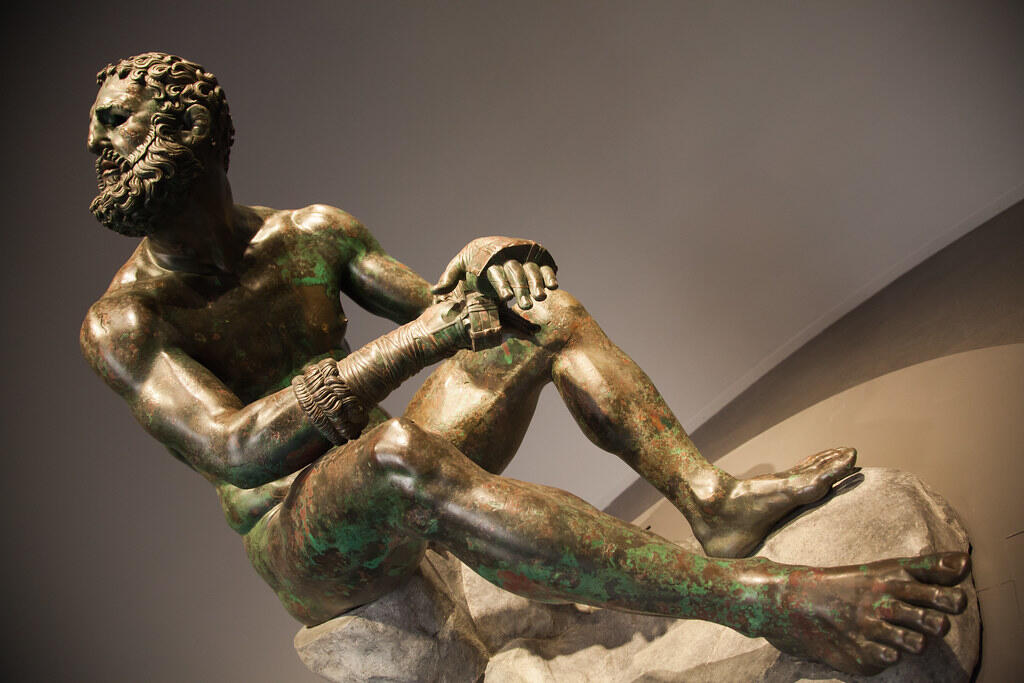
In Roman sculpture, creators were strongly influenced by Greek art while developing their own distinctive style. Both Greek and Roman sculpture are among the principal art forms of the ancient world.
Unlike the Greeks, who emphasized idealized beauty, Roman sculptors preferred highly realistic portraits that captured the unique features and character of their subjects. Sculpture also played a fundamental role in public architecture, decorating temples and forums.
Medieval Period
Romanesque sculpture (c. 1000–1200 CE) was primarily symbolic rather than realistic, and artists focused on conveying religious messages. The sculptures typically depicted stylized figures with exaggerated proportions and expressive gestures to illustrate biblical stories and reinforce Christian teachings.
Gothic sculpture (c. 1150–1500 CE) plays a central role in the decoration of churches and cathedrals.
This type of sculpture is characterized by elongated figures, expressive faces, and fine-detail reliefs and sculptures that generally depict biblical stories.
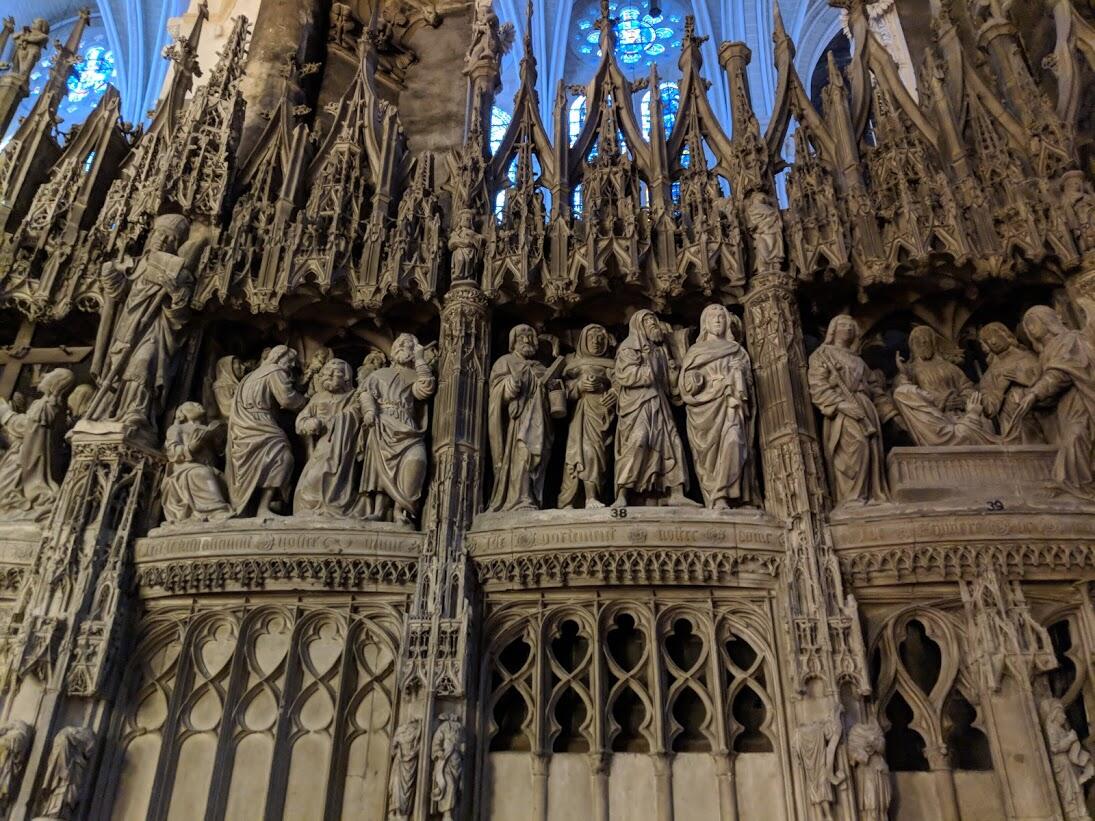
Would you like to discover the greatest creators of sculptural masterpieces in history? Explore the lives, art techniques and lasting influence of the world's most famous sculpture artists!
Renaissance
The High Renaissance began in Italy (c. 1490–1527), drawing on classical techniques and themes of Ancient Greece and Rome. Moving away from the religious concerns that dominated the art of the first millennium, it instead focused on the human body, ideal proportions, balanced compositions, and anatomical accuracy, drawing on scientific developments for its knowledge and detail.
Masters such as Michelangelo, Leonardo da Vinci and Donatello created monumental pieces that set new standards for Western sculpture.
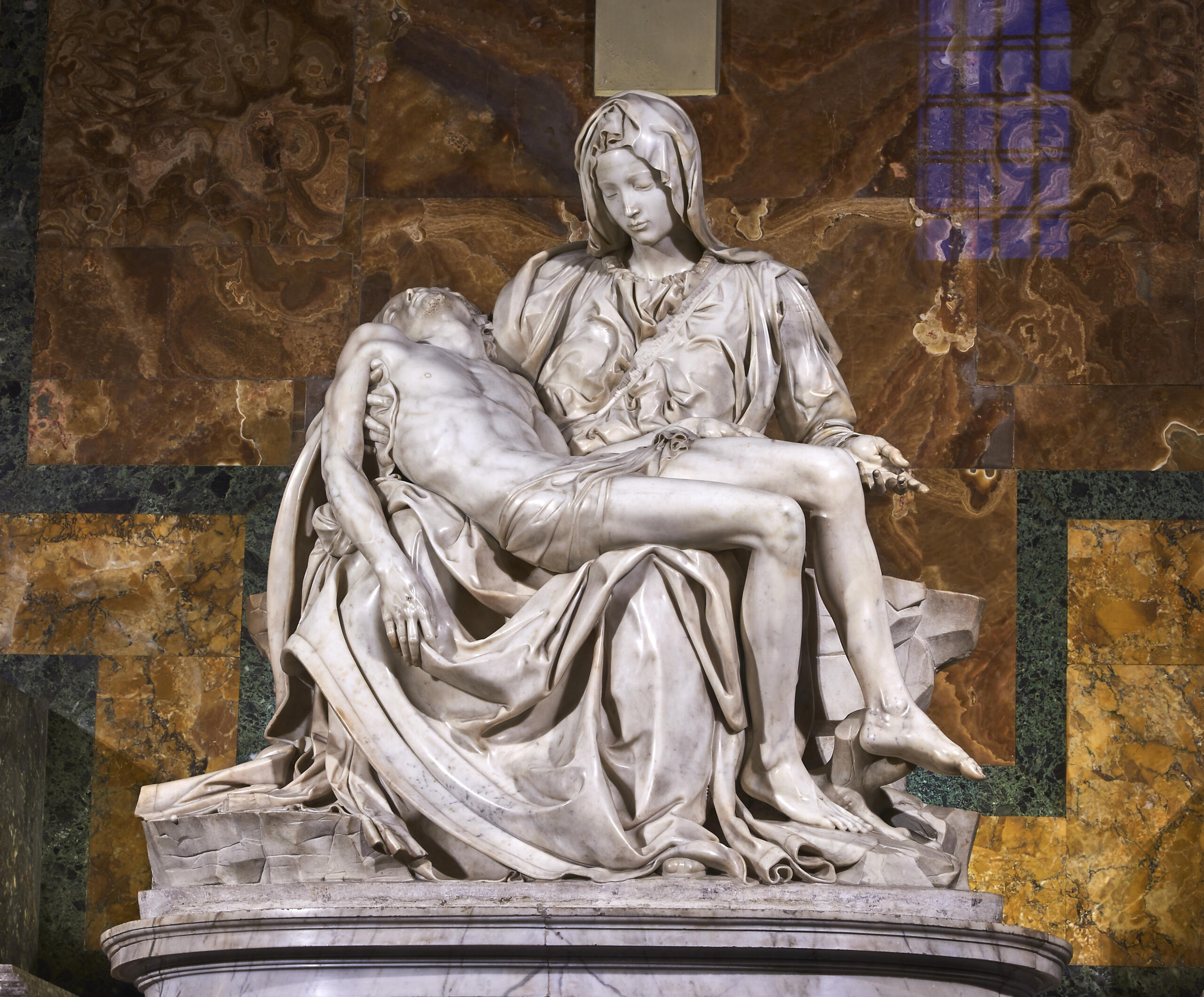
For example, Michelangelo’s Pietà is one of the finest examples of Renaissance sculpture, depicting the Virgin Mary cradling the body of Christ. Carved from a single block of Carrara marble, this work is famous for its realistic anatomy, fluid folds, and expression.
Whilst High Renaissance sculpture valued naturalism, Mannerist sculpture (c. 1520–1600) attended instead to artificiality and drama, elongated figures and exaggerated beauty, moving away from the classical balance of the late Renaissance. Benvenuto Cellini’s Perseus with the Head of Medusa (from 1554) is one of the iconic sculptures of mannerism.
Baroque to Neoclassicism
And if Renaissance sculpture in general was concerned with a sense of stability, Baroque (c. 1600–1750), wanted to import dynamism and movement into sculpture.
Baroque sculpture is characterized by great decoration, theatricality and energy. Gian Lorenzo Bernini is the name you need to know, as his sculptures, fountains, public art, and architectural projects transformed Rome in the seventeenth century.
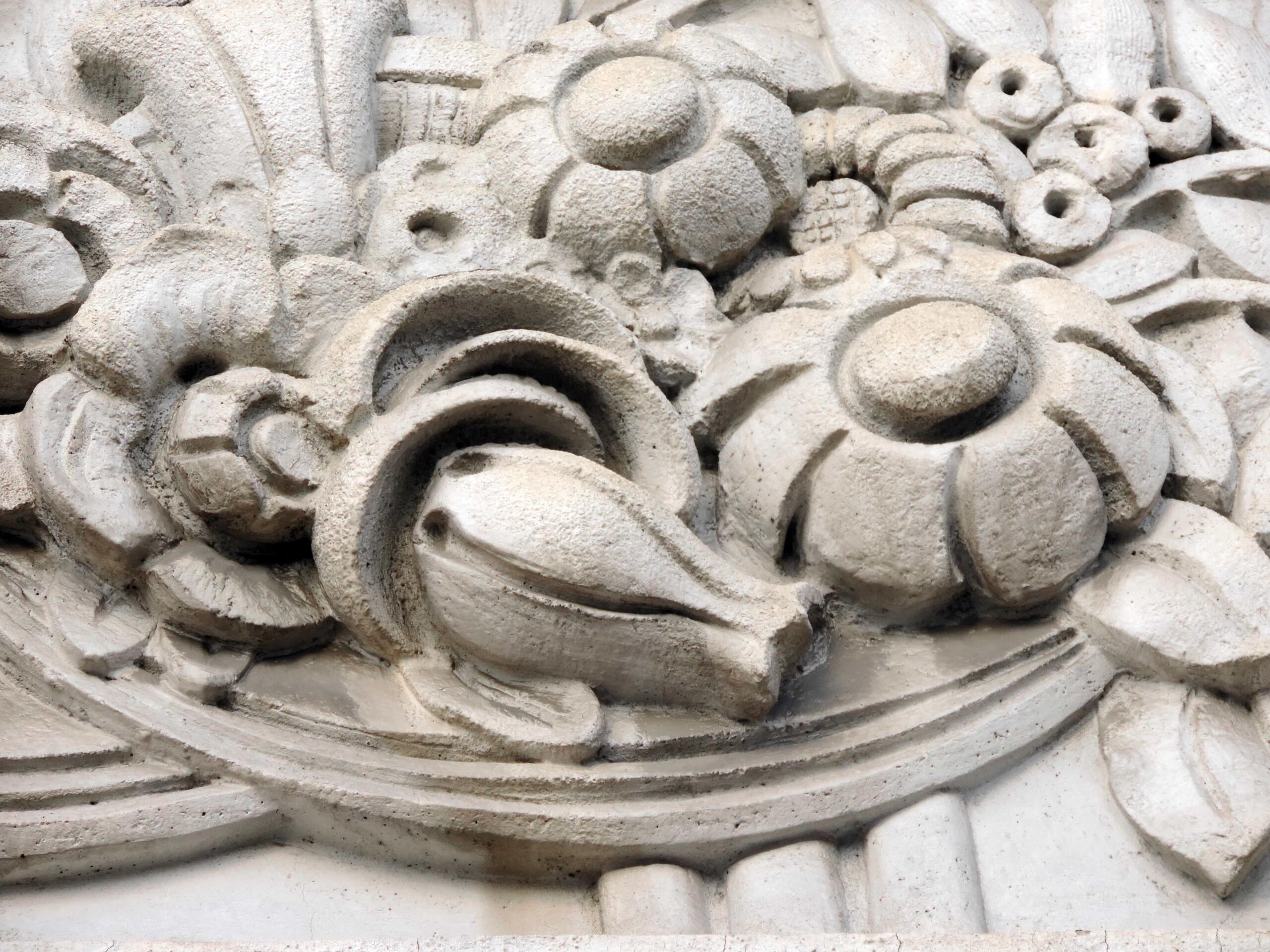
Neoclassical sculpture (c. 1750–1850) reacted against the elaborate decoration of the Baroque, returning to the harmony of the classical period. Antonio Canova was the main figure in this movement, returning to the principles of ancient design, favoring clean lines, balanced compositions, and idealized human forms.
Modern and Contemporary Movements
At the turn of the twentieth century, painters, musicians, writers, and sculptors were galvanized by a different way of doing art. This was what was known as modernism (c. 1890–1970), and, for the arts, it was a colossal break from tradition, experimenting with abstraction, simplified forms and innovative materials.
Materials such as steel, concrete, and welded metal expanded the possibilities of sculptural expression.

In sculpture, the primary figure in this movement was Auguste Rodin, who introduced an impressionistic quality to the medium. A famous work of his is The Thinker.
Contemporary sculpture (1970–present) continues to incorporate new technologies, unconventional materials, and audience participation. Many produce installations that transform entire spaces, using digital modeling, 3D printing, light, or interactive elements.
The Evolution of Sculptural Movements
323–31 BC
Classical Antiquity
Realistic anatomy, dynamic poses, idealized beauty and mythological subjects dominated Greek and Roman sculpture.
c. 1000–1200 CE
Romanesque
Stylized relief sculptures with symbolic forms are used to communicate religious teachings in churches and monasteries.
c. 1150–1500 CE
Gothic
Elongated figures, expressive faces, and detailed reliefs decorated cathedrals and depicted biblical narratives.
c. 1490–1527
High Renaissance
A revival of Classical ideals emphasizing anatomical accuracy, balance, naturalism and ideal human proportions.
c. 1520–1600
Mannerism
Elongated figures, dramatic poses and exaggerated elegance challenged the harmony of the Renaissance.
c. 1600–1750
Baroque
Dynamic movement, theatrical compositions, emotional intensity and rich decoration defined Baroque sculpture.
c. 1750–1850
Neoclassicism
Sculptors returned to the harmony, simplicity and idealized forms of ancient Greece and Rome.
c. 1890–1970
Modernism
Creators embraced abstraction, experimentation, innovative materials and simplified forms, breaking away from tradition.
1970–Present
Contemporary Sculpture
New technologies, unconventional materials, installation art and audience interaction continue to redefine sculpture.
From ancient wonders to modern masterpieces, discover the world's most famous sculptures and the fascinating stories behind their creation, symbolism, and lasting influence.
Types of Sculptural Forms
Sculptures can be classified by their physical form and the way they occupy space. Some of the main forms include:
- Freestanding sculpture, which can be viewed from all angles.
- Relief sculpture, which is attached to a background surface.
- Kinetic sculpture, which uses movement in its construction.
- Assemblage, which is composed of various types of layered materials.
Free-standing (sculpture in the round)
Free-standing sculpture, also known as sculpture in the round, is three-dimensional and can be viewed from all sides. Sculptors consider the proportions, balance, and details of their works from every angle. Among the most famous examples are Michelangelo’s David and Auguste Rodin’s The Thinker, which convey deep contemplation through their form and posture.
Relief Sculpture
Relief sculpture consists of figures carved or modeled on a flat background, creating the illusion of depth. Reliefs are viewed from the front and are generally found on the facades of buildings, monuments, and temples.
It is divided into two main categories: bas-relief, which features figures that protrude only slightly from the background, such as the sculpted friezes of the Parthenon; and high relief, in which the figures protrude much further from the background.
Kinetic Sculpture
Kinetic art uses movement in its construction and form. In almost any art museum, you’ll find an example of this style. Alexander Calder's mobiles are great examples of kinetic art sculptures, in which balanced components move, some driven by motor and others elements.
From classical sculpture to kinetic sculpture, all sculpture styles begin with practice and creativity. Find a variety of art classes in Toronto on Superprof and start bringing your own ideas to life.
Assemblage and Found Object Sculpture
Started by Pablo Picasso and the Dadaists in the first half of the twentieth century, assemblages are thought of as collages but in three dimensions. These general kinds of sculpture developed from an artistic interest in items usually used for quite different purposes, but in these cases, they are described and presented as art.
Marcel Duchamp’s famous Fountain (1917) is one of the most original versions of this. The artwork is a urinal bought from a hardware and placed on a pedestal.
Now that you've discovered some fascinating facts about this art, read on to learn everything about sculpture, the most important periods and who shaped this art form.
Contemporary Trends in Sculpting
Contemporary sculpture is highly multifaceted, incredibly diverse, and unbound by the strict rules that characterized sculpture up until the nineteenth century. This is because the boundaries of what art and sculpture are have been pushed by artists throughout this period.
Digital and 3D-Printed Sculptures
Many use computer-aided design (CAD) software and 3D modeling programs to create detailed works and practically parallel universes before bringing them to life through 3D printing. These technologies allow for greater precision and rapid prototyping.
Environmental and Land Art
Environmental art and land art integrate sculpture with the natural world. However, rather than placing sculptures in nature, artists often shape the terrain itself or develop works that adapt to environmental conditions. These projects often incorporate natural materials such as earth, rocks, wood, and water.
Interactive and Installation Art
Interactive and installation art expands the traditional concept of sculpture by creating immersive environments that invite audience participation. Visitors can walk through, touch, activate, or influence the artwork through movement, sound, light, or digital technology.
Are you inspired by the innovative approaches in contemporary sculpture? Discover a wide variety of art classes on Superprof and learn from traditional sculpting methods to contemporary artistic practices.
References
- UNESCO World Heritage Center. (n.d.). UNESCO World Heritage Center - Document - NHK World Heritage 100 series. https://whc.unesco.org/en/documents/6448
- Horler, J., & Horler, J. (2024, June 6). The History of Castings - Blackwood Engineering. Blackwood Engineering. https://www.blackwoodengineering.com/news/the-history-of-castings/
Summarize with AI:
Did you like this article? Leave a rating!


 Loading...