Have you ever wondered how vast your knowledge is about the great civilizations that shaped the history of humanity? From the ingenuity pyramids of Egypt to the astonishing precision of the Mayan calendars, the civilizations that came before us, left a rich legacy of humanity and time, that continues to fascinate us today.

This quiz will test your memory and curiosity. Do you know who built the Great Wall of China or which culture pioneered the concept of zero? Venture through these questions and find out how much you really know about the past.

Get ready to challenge your own knowledge of ancient civilizations and discover your level of historical prowess! Are you ready?

Quiz

Quiz :
How Much Do You Know About Ancient Civilizations?
01
10
Q1- Which civilization was responsible for buildings the Pyramids of Giza?
Go to next quiz slide button
02
10
Q2- Which civilization is known for having developed the oldest code of laws?
Go to previous quiz slide buttonGo to next quiz slide button
03
10
Q3- Which of the following civilizations invented democracy?
Go to previous quiz slide buttonGo to next quiz slide button
04
10
Q4- Which ancient civilization built The Great Wall?
Go to previous quiz slide buttonGo to next quiz slide button
05
10
Q5- Which pre-Colombian civilization is famous for its calendars and astronomical knowledge?
Go to previous quiz slide buttonGo to next quiz slide button
06
10
Q6- Which of the following civilizations developed the concept of zero in mathematics?
Go to previous quiz slide buttonGo to next quiz slide button
07
10
Q7- Which civilization built the city of Machu Picchu?
Go to previous quiz slide buttonGo to next quiz slide button
08
10
Q8- Which civilization used cuneiform writing?
Go to previous quiz slide buttonGo to next quiz slide button
09
10
Q9- Which Greek city-state is famous for its rigorous military training?
Go to previous quiz slide buttonGo to next quiz slide button
10
10
Q10- Who was the conqueror who led the Persian Empire to its greatest expansion?
Go to previous quiz slide buttonGo to next quiz slide button
You have answered all the questions!
Go to previous quiz slide button
%
Other readers' results (%)
Restart the quiz
Share the quiz
Share on Facebook
Facebook
Share on WhatsApp
WhatsApp
Share on X
X
The best History tutors available
Alex hartman
5
5 (27 reviews)
Alex hartman
$80
/h
Gift icon
1st lesson is free!
Arthur
5
5 (11 reviews)
Arthur
$40
/h
Gift icon
1st lesson is free!
Qasim
5
5 (24 reviews)
Qasim
$9
/h
Gift icon
1st lesson is free!
Alaa
5
5 (64 reviews)
Alaa
$75
/h
Gift icon
1st lesson is free!
Layla
5
5 (10 reviews)
Layla
$80
/h
Gift icon
1st lesson is free!
Natasha
5
5 (8 reviews)
Natasha
$70
/h
Gift icon
1st lesson is free!
Sàvio
5
5 (5 reviews)
Sàvio
$85
/h
Gift icon
1st lesson is free!
Masa
5
5 (9 reviews)
Masa
$60
/h
Gift icon
1st lesson is free!
Alex hartman
5
5 (27 reviews)
Alex hartman
$80
/h
Gift icon
1st lesson is free!
Arthur
5
5 (11 reviews)
Arthur
$40
/h
Gift icon
1st lesson is free!
Qasim
5
5 (24 reviews)
Qasim
$9
/h
Gift icon
1st lesson is free!
Alaa
5
5 (64 reviews)
Alaa
$75
/h
Gift icon
1st lesson is free!
Layla
5
5 (10 reviews)
Layla
$80
/h
Gift icon
1st lesson is free!
Natasha
5
5 (8 reviews)
Natasha
$70
/h
Gift icon
1st lesson is free!
Sàvio
5
5 (5 reviews)
Sàvio
$85
/h
Gift icon
1st lesson is free!
Masa
5
5 (9 reviews)
Masa
$60
/h
Gift icon
1st lesson is free!
Let's go

Why Study Ancient Civilizations?

The study of ancient civilizations offers us a window into the past, revealing how societies evolved, created political structures, developed technologies, and left legacies that endure to this day. Beyond satisfying our curiosity, analyzing ancient cultures helps us understand the roots of many practices, beliefs, and customs still present today. By looking to the past, we can find answers to questions about our modern identity and our relationship with the world around us.

Ancient civilizations were pioneers in fields like writing, architecture, astronomy, and medicine. Studying these civilizations also allows us to learn from their mistakes. The falls of empires like the Roman or the Mayan show how resource overexploitation, political instability or climate change can contribute to the decline of a society. This retrospective view can serve as a warning for current and future generations.

The Most Important Civilizations

Certain civilizations stand out for their lasting contributions and influence on history. Below are some of the most significant:

Ancient Egypt
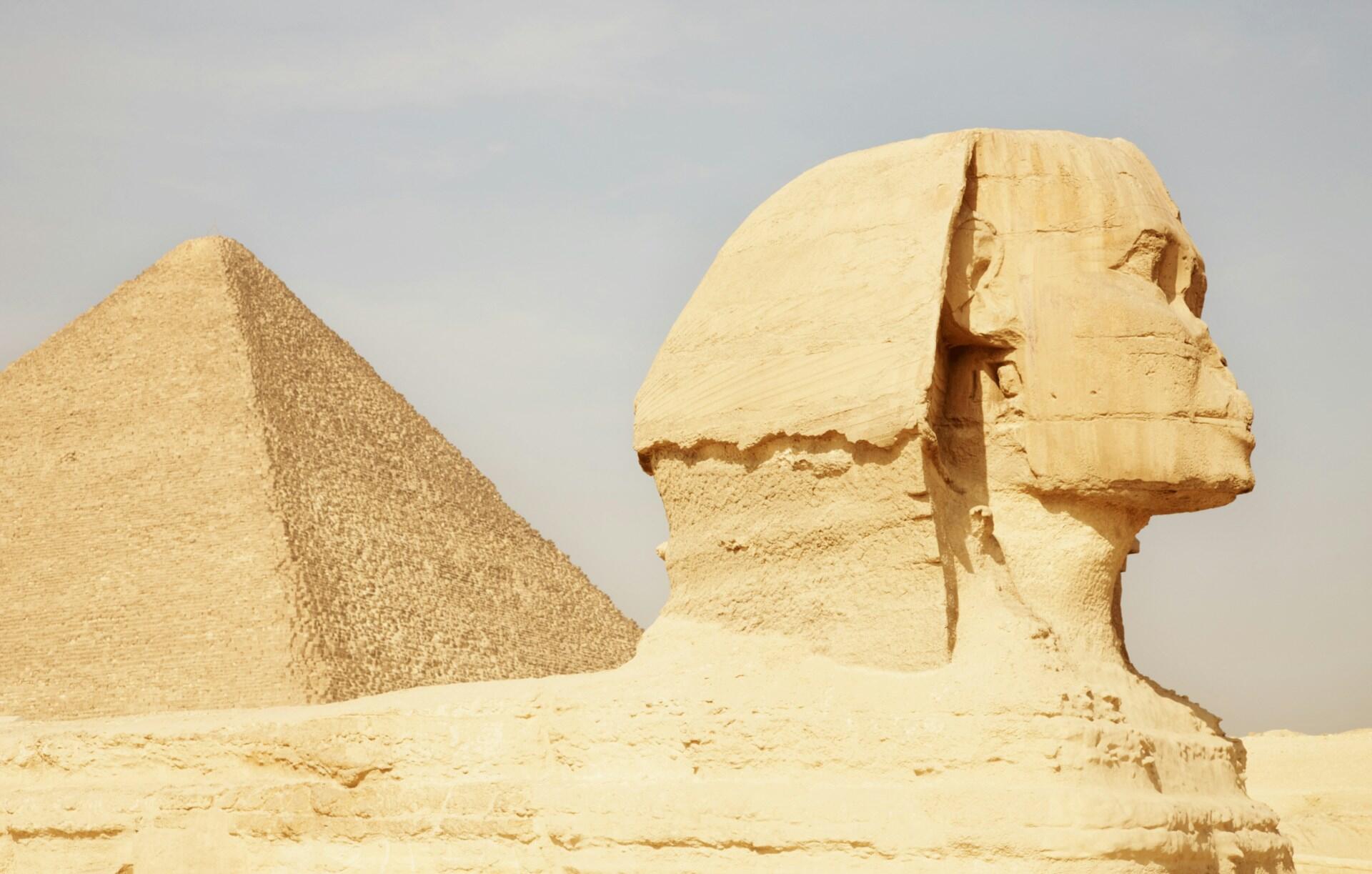
Great Sphinx with a pyramid in the background under a clear sky.
The dynastic era of Egypt began around 3100 BCE with the rule of its first king, Narmer, and concluded in 30 BCE with the death of Cleopatra VII. Throughout this extensive period, Egypt experienced phases of robust centralized authority as well as intervals of fragmented and weakened governance.

Mesopotamia Civilization

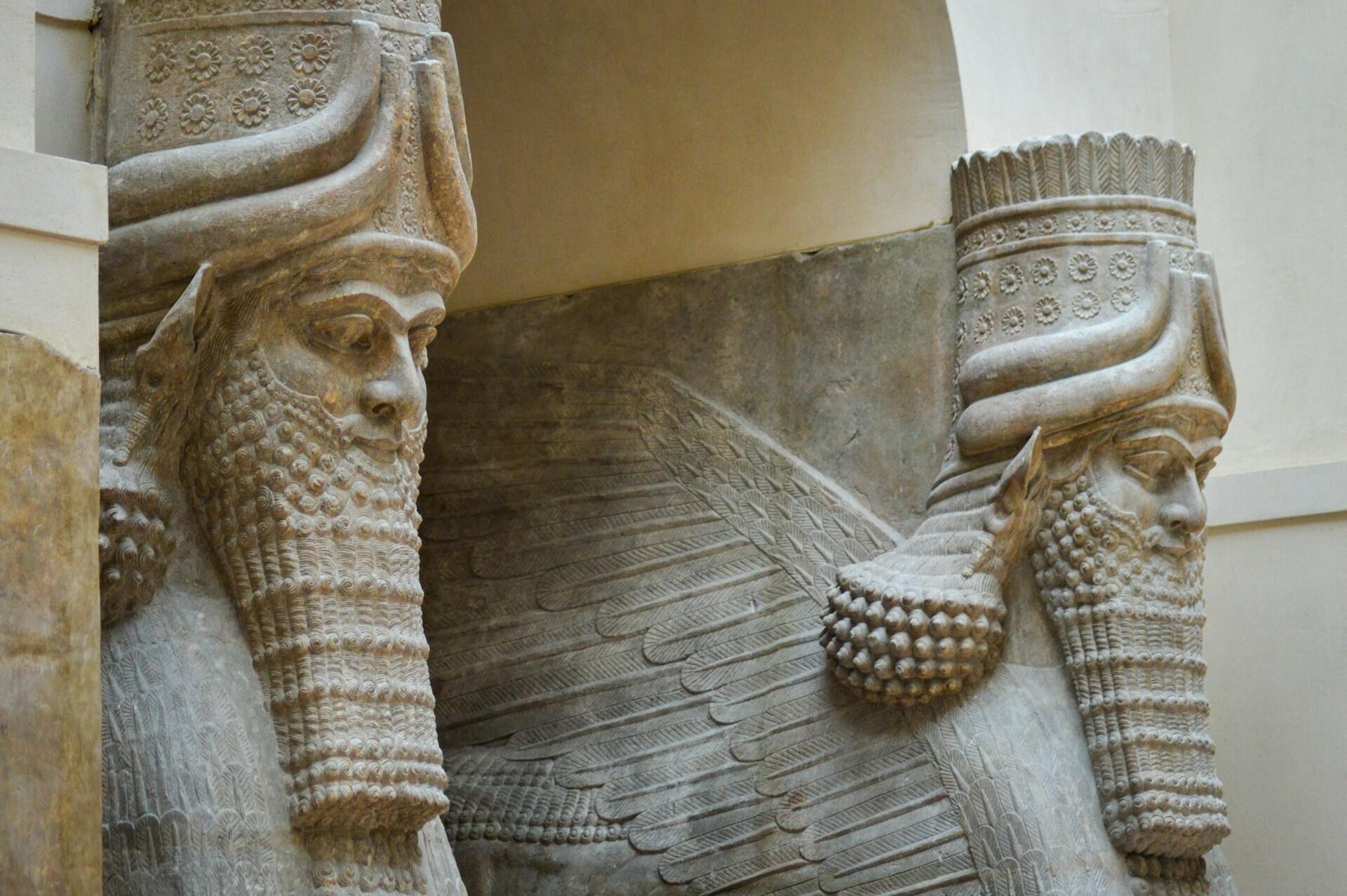
Ancient relief of a winged Assyrian deity, finely detailed, minus a section intentionally obscured.
The Mesopotamian civilization spans from the earliest human presence during the Paleolithic era to the period of Late Antiquity - Considered the cradle of civilization, Mesopotamia left us cuneiform writing, the first legal codes, and significant advances in astronomy and mathematics.

Ancient Greece

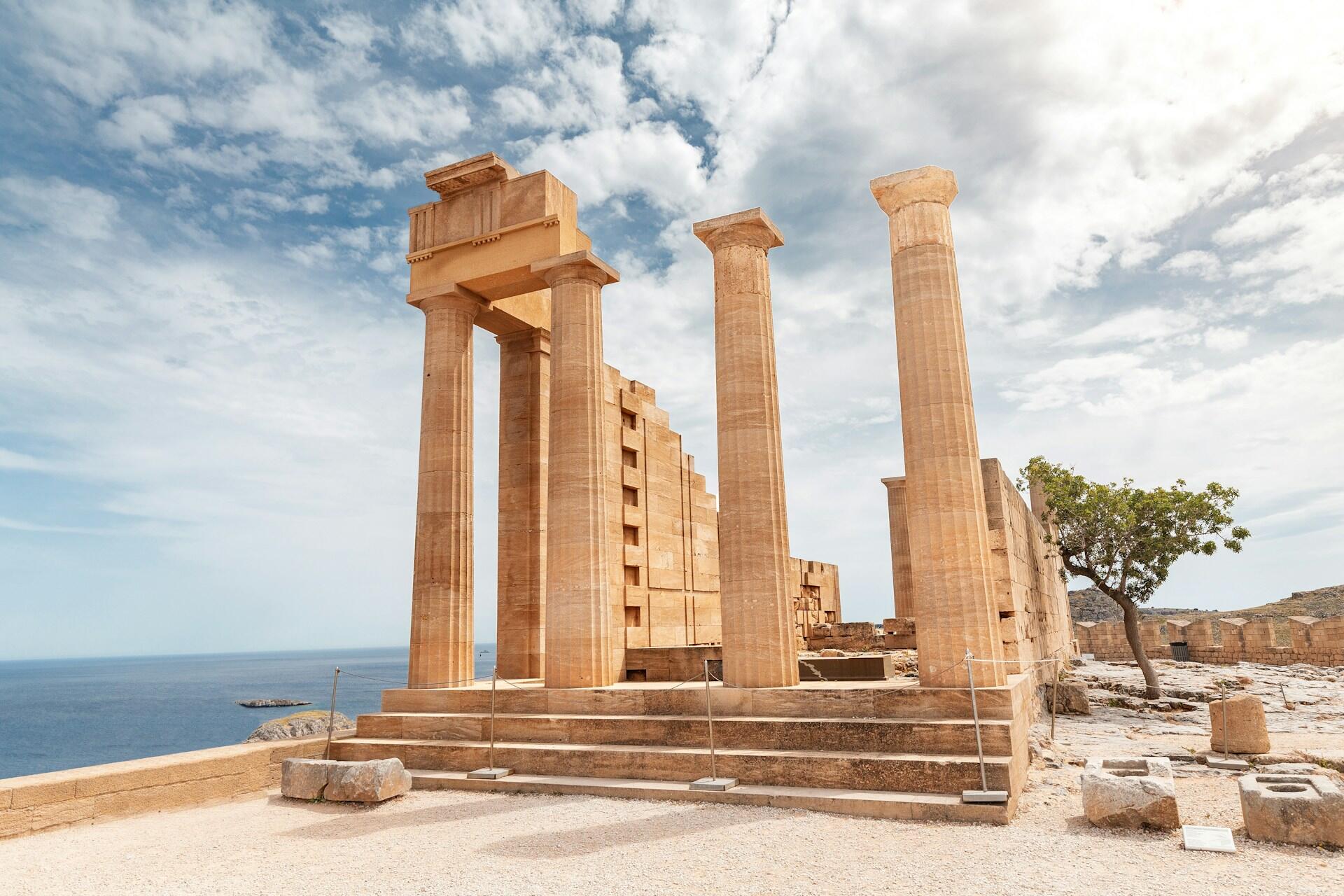
Ancient temple ruins with tall columns under a blue sky by the sea.
Ancient Greece sees its emergence around 800 BC up until its subjection to the Roman Empire in 146 BC. These times brought forth the birth democracy, philosophy, and the famous Olympic Games. Its thinkers and architects shaped the development of Western thought.

Ancient Rome (The Roman Empire)

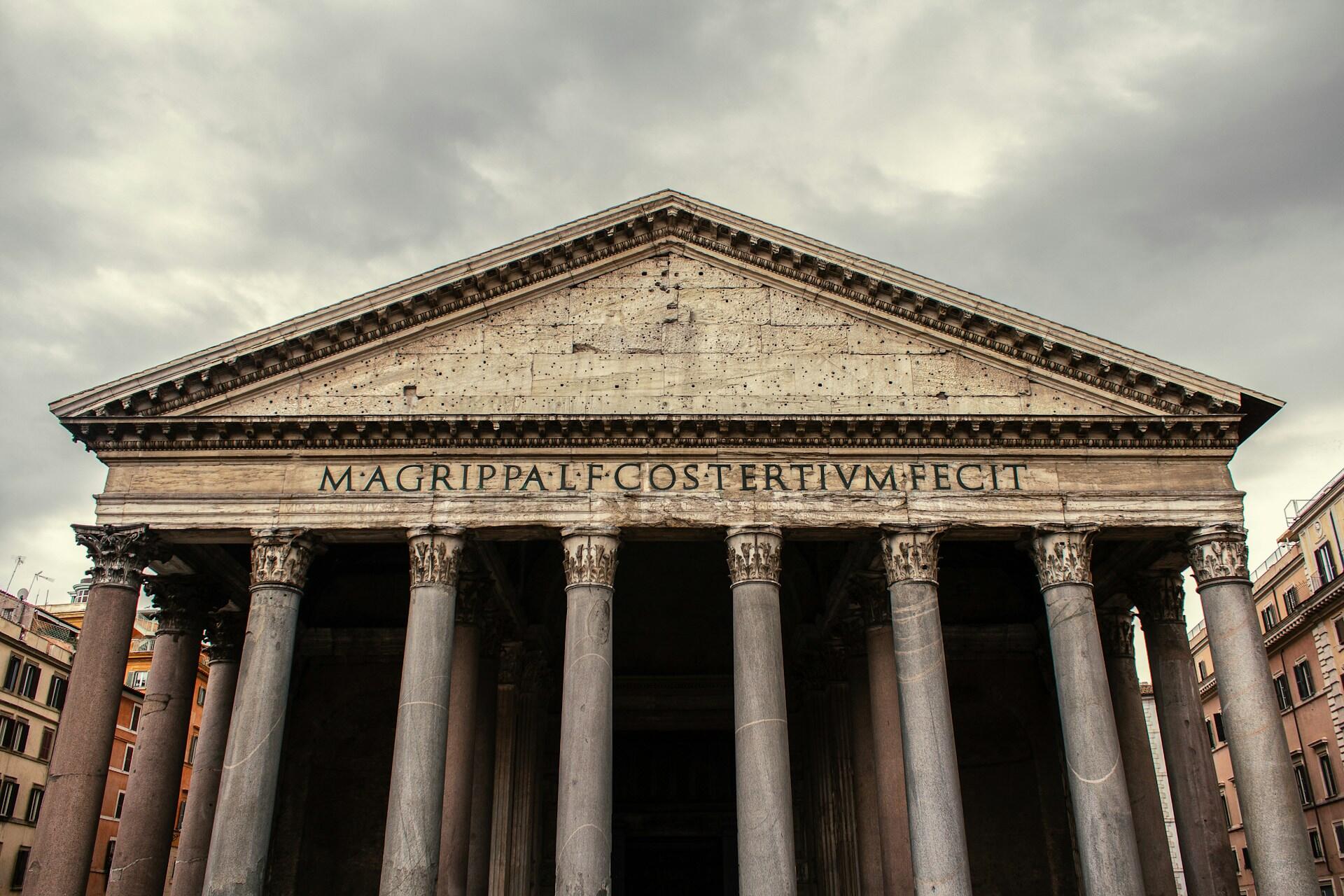
Ancient Roman Pantheon facade with Corinthian columns and inscription.
The Imperial Period marked the final era of Rome, starting in 31 BCE with the rise of its first emperor and lasting until the fall of Rome in 476 CE. This era witnessed decades of peace, prosperity, and territorial expansion. By 117 CE, the Roman Empire had reached its greatest, covering three continents

Mayan Civilization

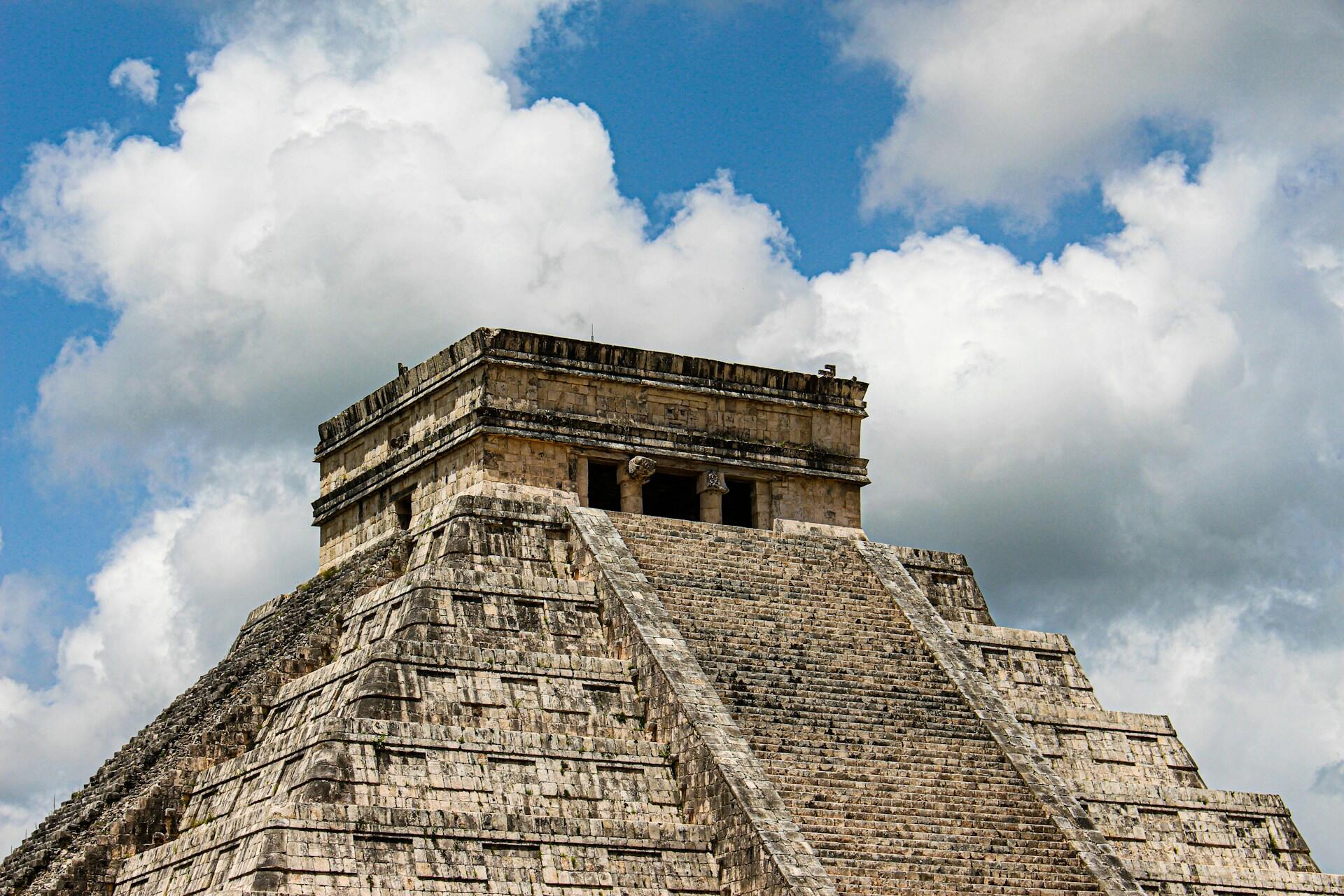
El Castillo pyramid against a cloudy sky at Chichen Itza, Yucatan, Mexico.
250 CE - 950 CE: The Classic Maya Period marked the peak of Maya civilization, flourishing in cities like Chichen Itza, Palenque, Tikal, Copan, and Uxmal - Known for their precise calendar and advancements in astronomy, the Maya built impressive temples and developed a complex writing system.

Incan Empire

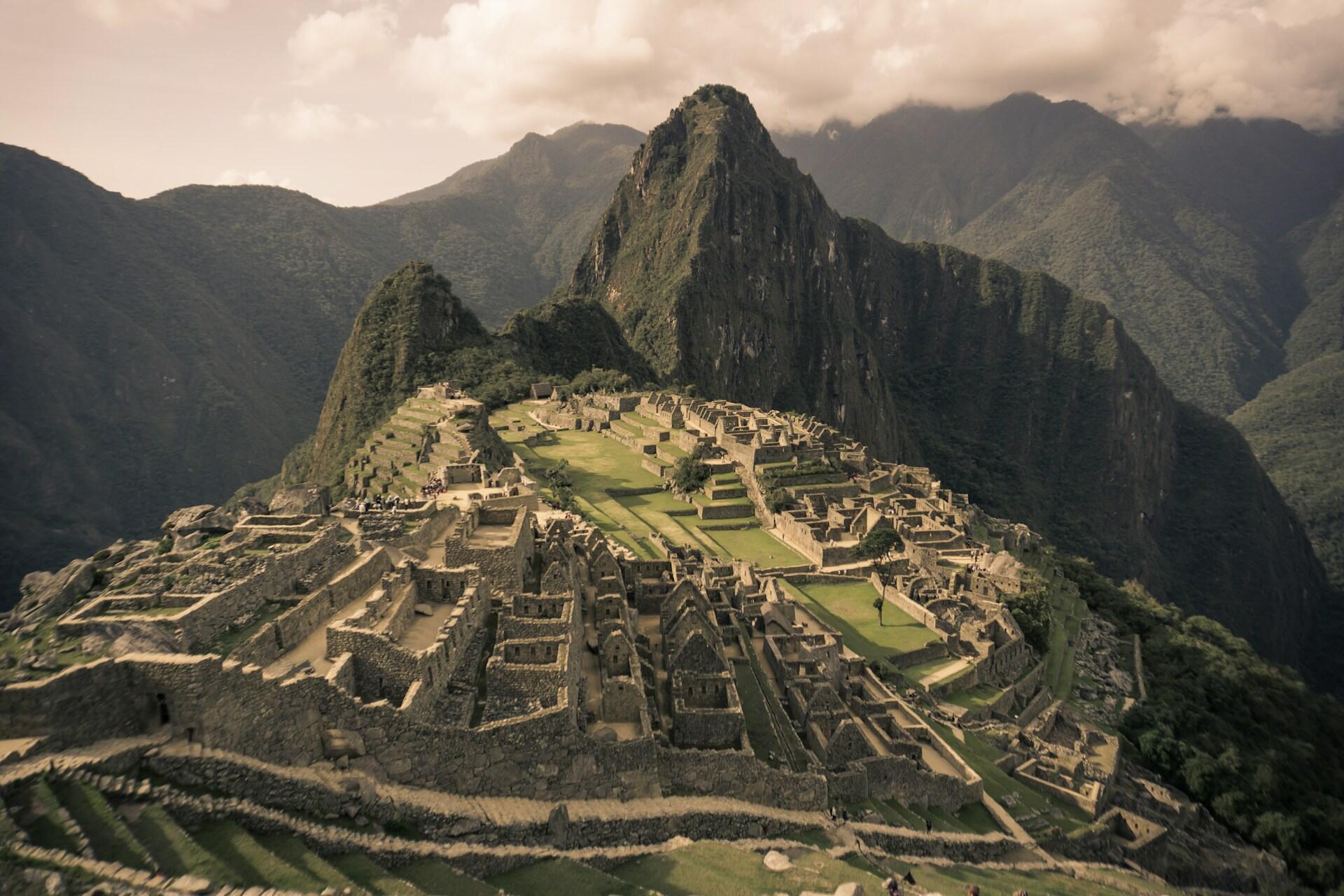
Aerial view of Machu Picchu, the ancient Inca ruins in Peru, surrounded by mountains.
The Inca civilization was dominant across ancient Peru from c. 1400 CE to 1533 CE. It was the largest Empire in America throughout the Pre-Columbian era. The Incas stood out for their mortarless constructions and their network of roads that connected vast mountainous regions.

Ancient China

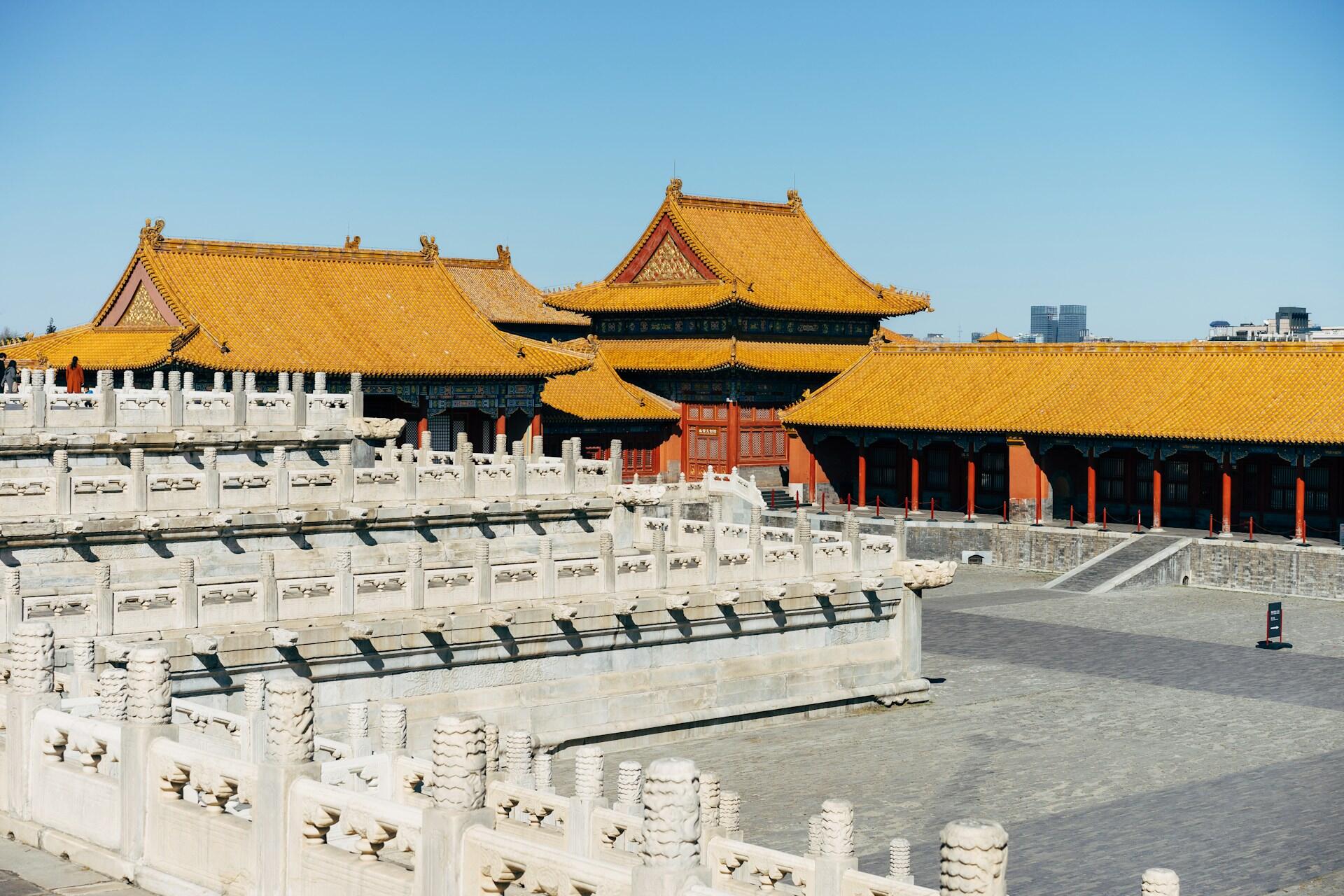
Traditional Chinese architecture with yellow roofs under blue sky.
221-206 BCE: Qin Dynasty – The Qin Dynasty, from which the name "China" is derived (with "Qin" pronounced “Chin”), was the first official empire in Chinese history - Ancient China gave us gunpowder, paper, the compass, and advances in medicine and philosophy. Its culture and dynasties have influenced all of Asia and the world.

Persian Empire

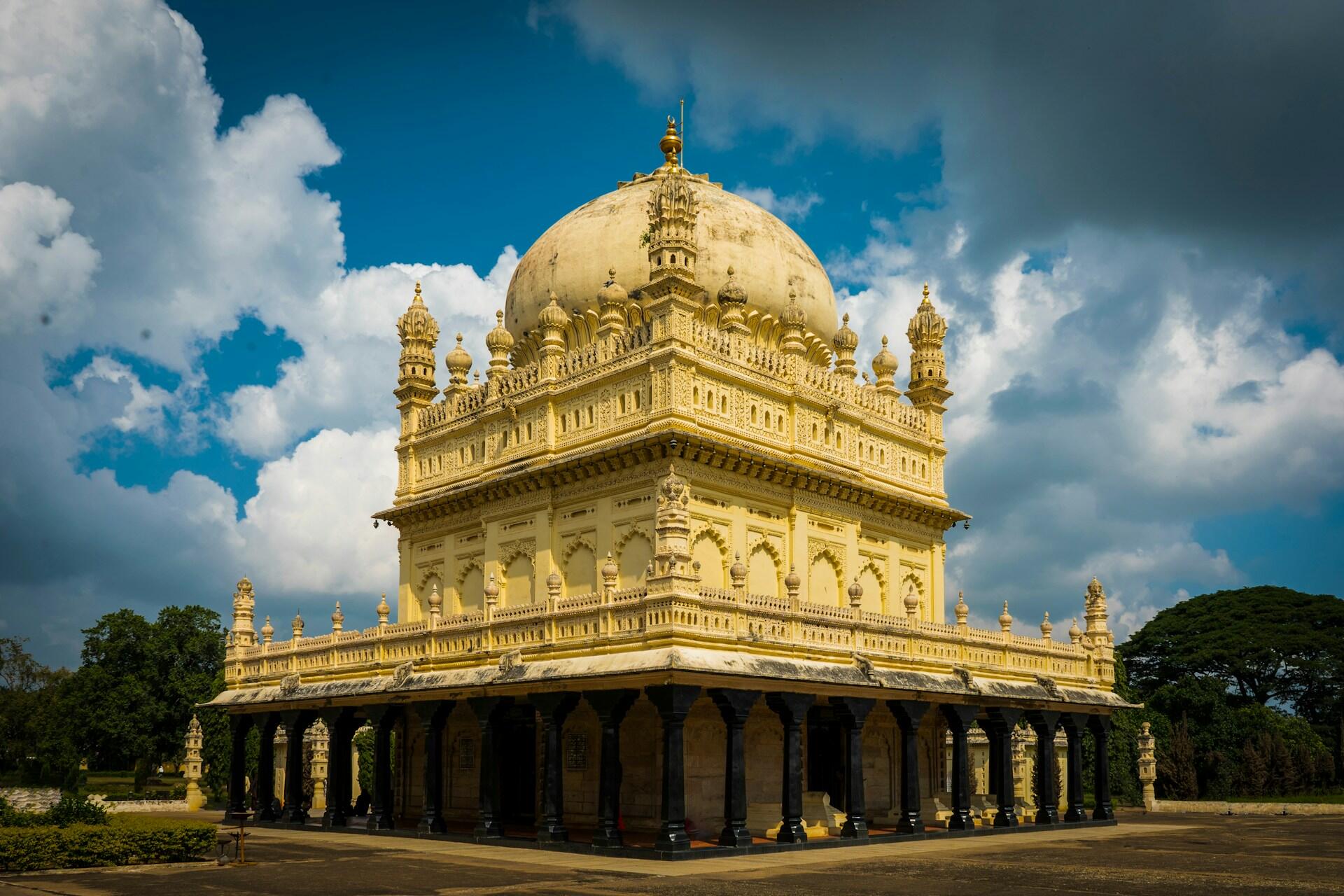
An ornate golden-domed building with archways against a cloudy blue sky.
The Achaemenid Empire, often referred to as the First Persian Empire, was established by Cyrus the Great in 550 BCE. Originating in ancient Persia, it rapidly grew into one of the most expansive and influential empires of all time -Their road system, religious tolerance, and administrative practices influenced many later empires.

Other civilizations, such as the Phoenicians, the Hititas, and the people of the Indus Valley, also played a fundamental role in the cultural, commercial, and political development of their regions and ultimately, modern society.

The Legacy of Ancient Civilizations

The impacts of these civilizations continue to show themselves in various ways - from the languages we speak (based on ancient alphabets) to the architecture that continues to baffle and inspire modern engineers - the impact of these cultures is undeniable. Legal systems, forms of government, and artistic expressions stand as a testament to the human ingenuity that flourished in ancient times.

Additionally, as a modern society, we continue to unveil and discover new information about these civilizations, reminding us that there is still much to learn.

Three aged dice with spiral patterns on a reflective black surface.

Studying ancient civilizations is a way to connect with our shared past and better understand the present. It reminds us that, even though the world has changed drastically, many of the fundamental questions about life, society, and the universe remain the same. Exploring their achievements and mistakes offers a learning opportunity and ultimately invites us to reflect on the future we want to build and how it will be seen in many years to come!

It’s fascinating to think about which elements of our technology, culture, and social systems will stand the test of time and adversely, which might be lost in time...

Summarize with AI:

Did you like this article? Leave a rating!

5.00 (1 note(s))
Loading...

Ryan Myers - Editorial Manager Superprof Canada

As Editorial Manager of the Canadian Superprof blog, I combine my passion for independent learning with my expertise in content creation to guide and inspire readers.