Have you ever wondered how vast your knowledge is about the great civilizations that shaped the history of humanity? From the ingenious pyramids of Egypt to the astonishing precision of the Mayan calendars, the civilizations that came before us left a rich legacy of humanity and time that continues to fascinate us today. 1

This quiz will test your memory and curiosity. Do you know who built the Great Wall of China or which culture pioneered the concept of zero? Venture through these questions and find out how much you really know about the past.

Get ready to challenge your own knowledge of ancient civilizations and discover your level of historical prowess! Are you ready?

Quiz

Quiz :
How Much Do You Know About Ancient Civilizations?
01
10
Q1- Which civilization was responsible for buildings the Pyramids of Giza?
Go to next quiz slide button
02
10
Q2- Which civilization is known for having developed the oldest code of laws?
Go to previous quiz slide buttonGo to next quiz slide button
03
10
Q3- Which of the following civilizations invented democracy?
Go to previous quiz slide buttonGo to next quiz slide button
04
10
Q4- Which ancient civilization built The Great Wall?
Go to previous quiz slide buttonGo to next quiz slide button
05
10
Q5- Which pre-Colombian civilization is famous for its calendars and astronomical knowledge?
Go to previous quiz slide buttonGo to next quiz slide button
06
10
Q6- Which of the following civilizations developed the concept of zero in mathematics?
Go to previous quiz slide buttonGo to next quiz slide button
07
10
Q7- Which civilization built the city of Machu Picchu?
Go to previous quiz slide buttonGo to next quiz slide button
08
10
Q8- Which civilization used cuneiform writing?
Go to previous quiz slide buttonGo to next quiz slide button
09
10
Q9- Which Greek city-state is famous for its rigorous military training?
Go to previous quiz slide buttonGo to next quiz slide button
10
10
Q10- Who was the conqueror who led the Persian Empire to its greatest expansion?
Go to previous quiz slide buttonGo to next quiz slide button
You have answered all the questions!
Go to previous quiz slide button
%
Other readers' results (%)
Start again
Share the quiz
Share on Facebook
Facebook
Share on WhatsApp
WhatsApp
Share on X
X

The best History tutors available
Alex hartman
5
5 (28 reviews)
Alex hartman
$80
/h
Gift icon
1st lesson is free!
Qasim
5
5 (25 reviews)
Qasim
$15
/h
Gift icon
1st lesson is free!
Arthur
5
5 (11 reviews)
Arthur
$40
/h
Gift icon
1st lesson is free!
Alaa
5
5 (64 reviews)
Alaa
$75
/h
Gift icon
1st lesson is free!
Masa
5
5 (10 reviews)
Masa
$60
/h
Gift icon
1st lesson is free!
Layla
5
5 (10 reviews)
Layla
$60
/h
Gift icon
1st lesson is free!
Natasha
5
5 (8 reviews)
Natasha
$70
/h
Gift icon
1st lesson is free!
Harry
5
5 (6 reviews)
Harry
$38
/h
Gift icon
1st lesson is free!
Alex hartman
5
5 (28 reviews)
Alex hartman
$80
/h
Gift icon
1st lesson is free!
Qasim
5
5 (25 reviews)
Qasim
$15
/h
Gift icon
1st lesson is free!
Arthur
5
5 (11 reviews)
Arthur
$40
/h
Gift icon
1st lesson is free!
Alaa
5
5 (64 reviews)
Alaa
$75
/h
Gift icon
1st lesson is free!
Masa
5
5 (10 reviews)
Masa
$60
/h
Gift icon
1st lesson is free!
Layla
5
5 (10 reviews)
Layla
$60
/h
Gift icon
1st lesson is free!
Natasha
5
5 (8 reviews)
Natasha
$70
/h
Gift icon
1st lesson is free!
Harry
5
5 (6 reviews)
Harry
$38
/h
Gift icon
1st lesson is free!
Let's go

🔎Why Study Ancient Civilizations?

The study of ancient civilizations offers us a window into the past, revealing how societies evolved, created political structures, developed technologies, and left legacies that endure to this day. For example, many ancient civilizations were pioneers in fields like writing, architecture, astronomy, and medicine.

Close-up of ancient Egyptian hieroglyphs carved into a weathered sandstone wall, including human, animal, and geometric symbols.
Egyptian hieroglyphics are one of the major ancient writing systems. Photo by Jan van der Wolf

Beyond satisfying our curiosity, analyzing ancient cultures helps us understand the roots of many practices, beliefs, and customs still present today. By looking to the past, we can find answers to questions about our modern identity and our relationship with the world around us.

Studying these civilizations also allows us to learn from their mistakes. For instance, the falls of empires like the Roman and the Mayan show how resource overexploitation, political instability, or climate change can contribute to the decline of a society. This retrospective view can warn current and future generations.

CivilizationRegionApprox. periodWritingGovernmentNotable achievements
Ancient EgyptNorth Africa (Nile)c. 3100–30 BCEHieroglyphsPharaoh-led monarchyPyramids, mathematics, medicine
MesopotamiaWest Asia (Tigris–Euphrates)c. 3500–539 BCECuneiformCity-states → empiresWriting, law codes, irrigation
Ancient GreeceMediterraneanc. 800–146 BCEGreek alphabetCity-states (incl. democracy)Philosophy, democracy, arts
Ancient RomeMediterranean/Europec. 753 BCE–476 CE (West)LatinRepublic → EmpireLaw, engineering, roads
MayaMesoamericac. 2000 BCE–16th c. CEMaya scriptCity-statesAstronomy, mathematics, calendar
IncaAndes (South America)c. 15th–16th c. CENo conventional writing (quipu)Centralized empireRoads, administration, agriculture
Ancient ChinaEast AsiaMultiple dynastiesChinese scriptDynastic statesTechnology, philosophy, bureaucracy
Persian Empire (Achaemenid)West/Central Asiac. 550–330 BCEMultiple scripts/languagesImperial monarchyAdministration, roads, infrastructure

🌍How Did Ancient Civilizations Compare?

Certain civilizations stand out for their lasting contributions and influence on history. The eight major ancient civilizations mentioned in the quiz that we'll be discussing in this article are:

  • Ancient Egypt
  • Mesopotamia
  • Ancient Greece
  • Ancient Rome
  • Mayan Civilization
  • Incan Empire
  • Ancient China
  • Persian Empire

✨Ancient Egypt vs. Mesopotamia

Egypt and Mesopotamia developed in two of the ancient world's great river valleys. 2 Yet despite sharing similar geographical advantages, the two civilizations developed markedly different approaches to managing resources, organizing society and governing their populations.

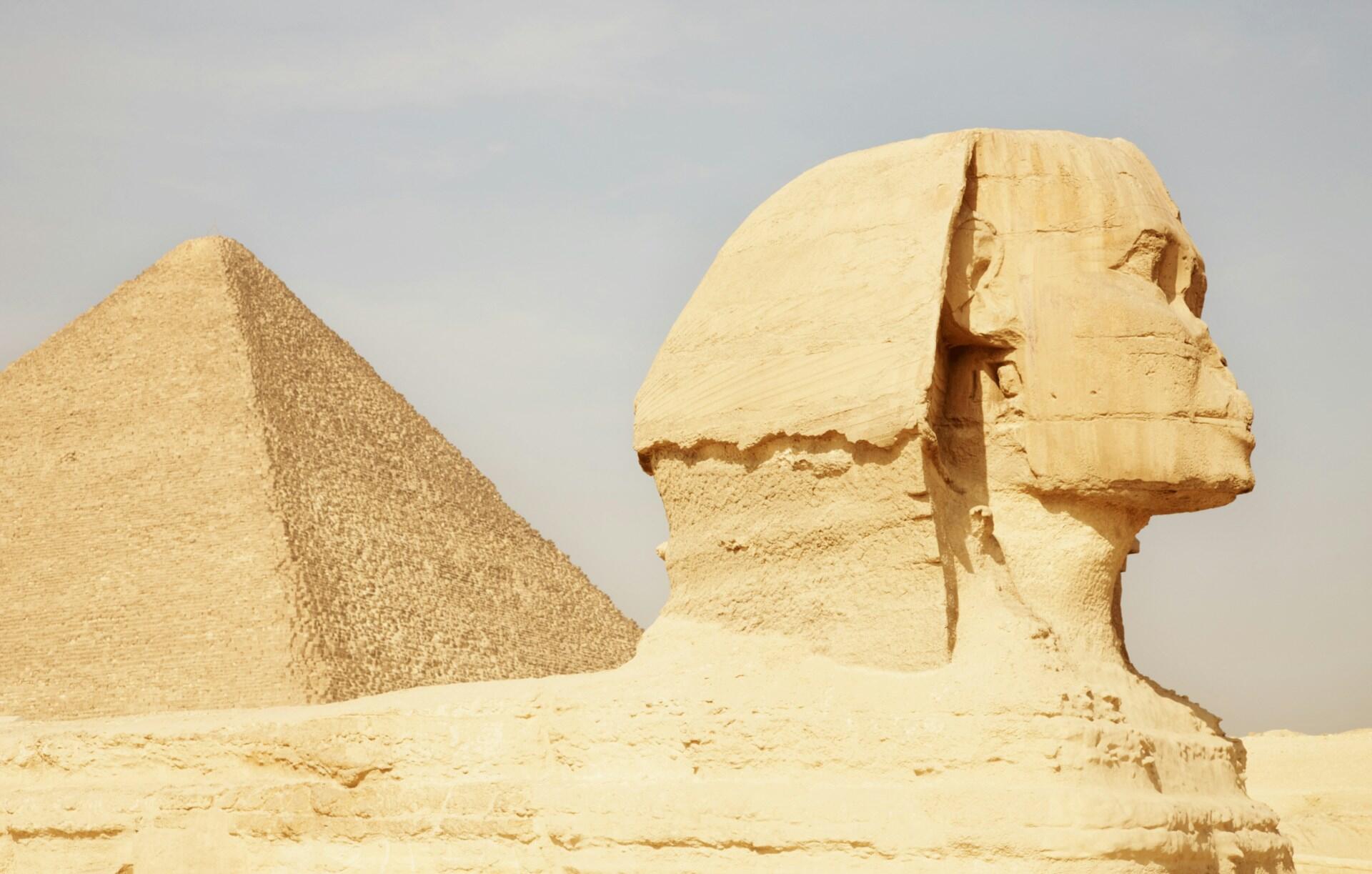
Ancient Egypt

Great Sphinx with a pyramid in the background under a clear sky.
  • The dynastic era of Egypt began around 3100 BCE with the rule of its first king, Narmer, and concluded in 30 BCE with the death of Cleopatra VII.
  • Throughout this long period, Egypt experienced phases of robust centralized authority as well as intervals of fragmented and weakened governance.

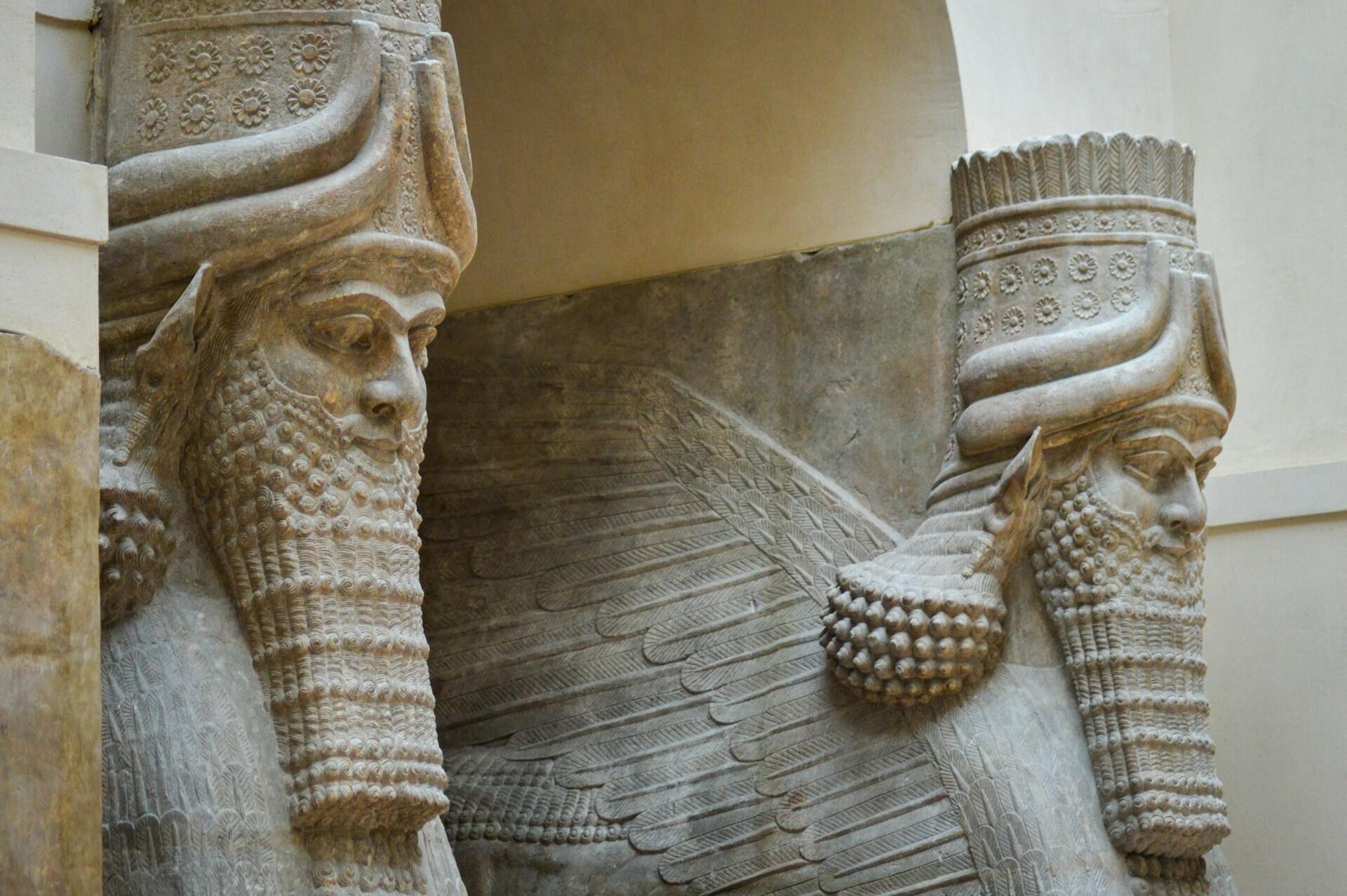
Mesopotamia Civilization

Ancient relief of a winged Assyrian deity, finely detailed, minus a section intentionally obscured.
  • The Mesopotamian civilization spans from the earliest human presence during the Paleolithic era to the period of Late Antiquity.
  • Considered the cradle of civilization, Mesopotamia left us cuneiform writing, the first legal codes, and significant advances in astronomy and mathematics.

Here's an overview of the comparison between Ancient Egypt and Mesopotamia.

CategorySimilaritiesDifferences
Geography & agricultureBoth grew along major rivers (Nile; Tigris–Euphrates) and depended on irrigation farming. ▲ Egypt: predictable Nile floods; deserts gave strong natural protection.

🔷Mesopotamia: unpredictable floods; open plains made invasion easier.
Political organizationBoth had kings and complex administrations managing surplus and labour. ▲ Egypt: usually unified under one pharaoh.

🔷Mesopotamia: often split into rival city‑states and empires.
Writing & administrationBoth invented writing and used it for records, law, and government. ▲ Egypt: hieroglyphs (pictures on stone/papyrus).

🔷Mesopotamia: cuneiform (wedge marks on clay tablets).
Religion & societyPolytheistic; religion shaped government and daily life. ▲ Egypt: strong afterlife focus (mummies, tombs).

🔷Mesopotamia: gloomier view of the afterlife.
Cities & monumentsBoth built large cities, temples, and ▲ Egypt: pyramids and rock‑cut tombs.

🔷Mesopotamia: ziggurats and mud‑brick palaces/walls.
Security & contactBoth traded and fought with neighbours. ▲Egypt: better protected by deserts and cataracts.

🔷Mesopotamia: more exposed, more frequent invasions.

✨Ancient Greece vs. Ancient Rome

Many of us know that Ancient Greece and Rome shared a Mediterranean world and several cultural traditions, but they would eventually differ in terms of political structure, especially in terms of governance and administration. 3

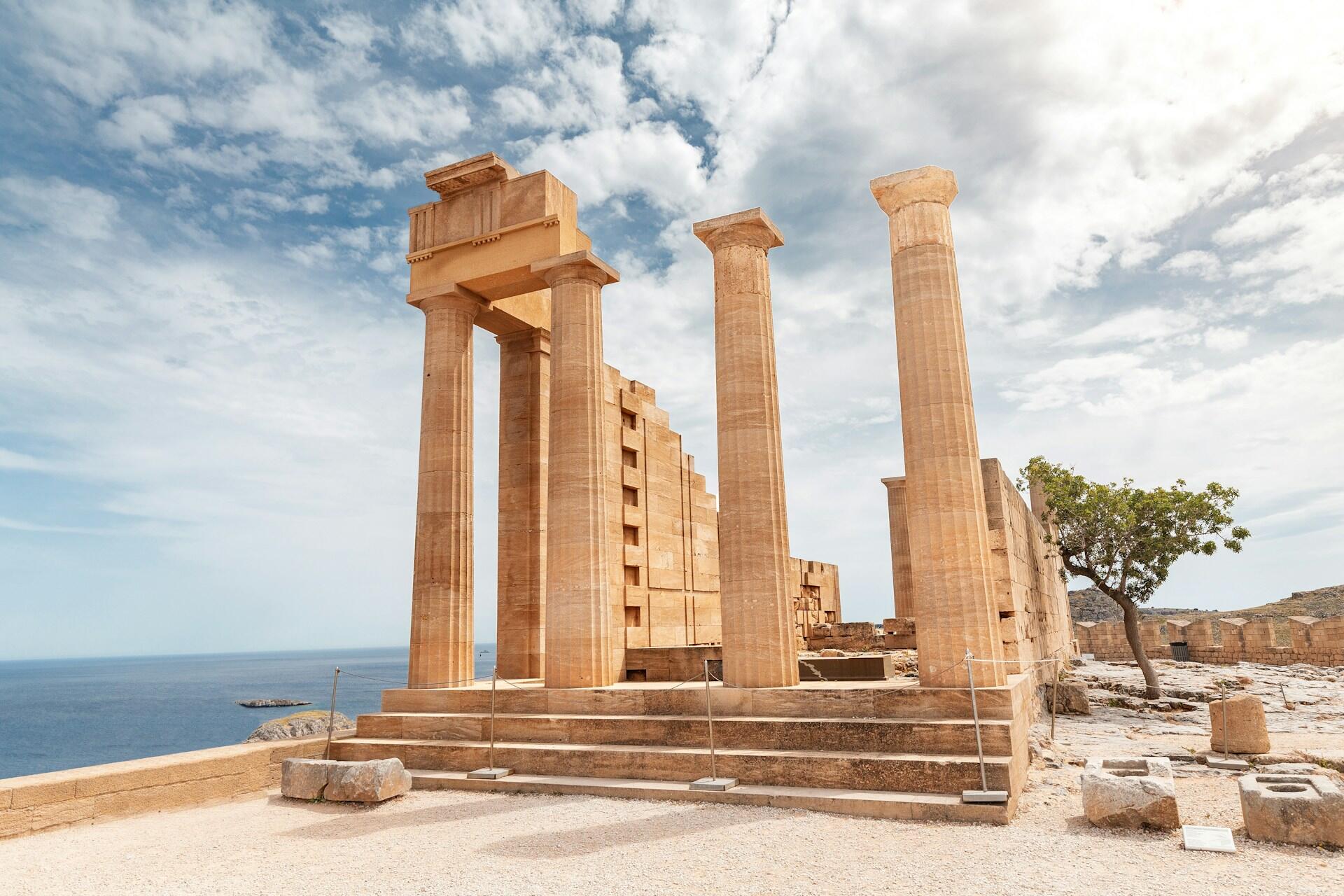
Ancient Greece

Ancient temple ruins with tall columns under a blue sky by the sea.
  • Ancient Greece saw its emergence around 800 BC up until its subjection to the Roman Empire in 146 BC.
  • These times brought forth the birth of democracy, philosophy, and the famous Olympic Games. Its thinkers and architects shaped the development of Western thought.

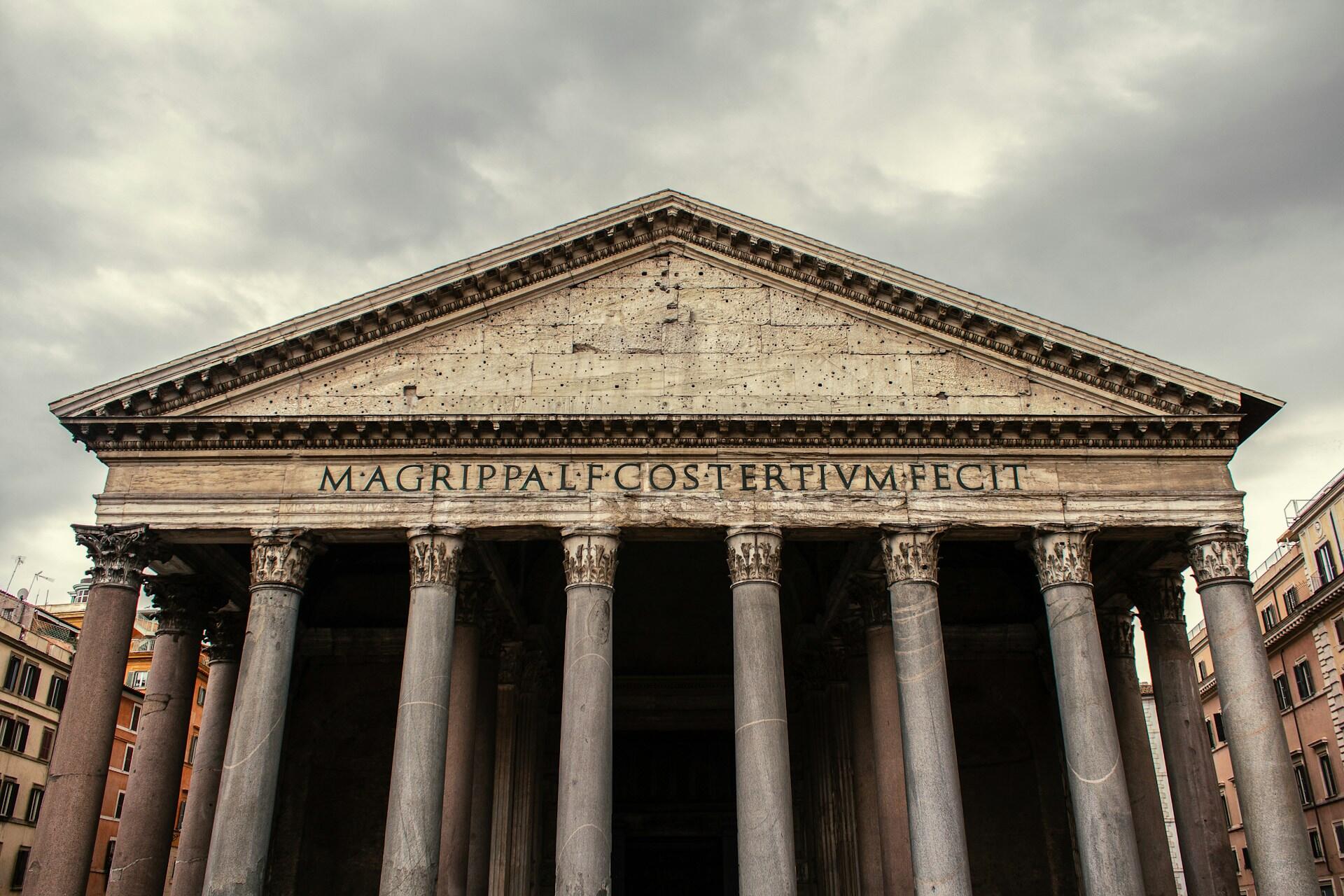
Ancient Rome (The Roman Empire)

Ancient Roman Pantheon facade with Corinthian columns and inscription.
  • The Imperial Period marked the final era of Rome, starting in 31 BCE with the rise of its first emperor and lasting until the fall of Rome in 476 CE.
  • This era witnessed decades of peace, prosperity, and territorial expansion. By 117 CE, the Roman Empire had reached its greatest, covering three continents

Here's an overview of the comparison between Ancient Greece and Rome.

CategorySimilaritiesDifferences
Region & cultureBoth were Mediterranean societies with influential art, literature, and philosophy. ▲ Greece: many independent city‑states.

🔷Rome: one city that grew into a vast territorial state and empire.
ReligionBoth were polytheistic; gods shaped festivals, politics, and daily life.▲ Greek religion was diverse by city

🔷Rome later identified its gods with Greek ones but added strong state cults (e.g., emperor worship).
GovernmentBoth valued citizen participation (for free adult males) and developed lasting political ideas. ▲ Greece (esp. Athens): direct democracy in city‑states.

🔷Rome: republic with elected officials, then empire; more emphasis on checks and balances.
Culture & influenceBoth left major cultural legacies still visible today. ▲ Greek culture came first

🔷Rome was strongly influenced by Greek culture, especially in terms of art, literature, religion, and philosophy.
Strengths & focusBoth produced great writers, artists, and thinkers. ▲ Greece: Best known for philosophy, drama, science, idealized art.

🔷Rome: Best known for law, citizenship, military organization, administration, and engineering.
TimelineRoman civilization developed while Greek culture was already influential. ▲ Greek civilization peaked earlier as a comparison

🔷Rome expanded later and adapted many Greek ideas across a larger empire.

✨Maya Civilization vs. Inca Empire

While the Maya and Inca both built complex societies in the Americas through trade, they are also known for their different approaches to innovation, where the Maya thrived in mathematics, astronomy, and writing while the Incans excelled in all things agriculture 4

Mayan Civilization

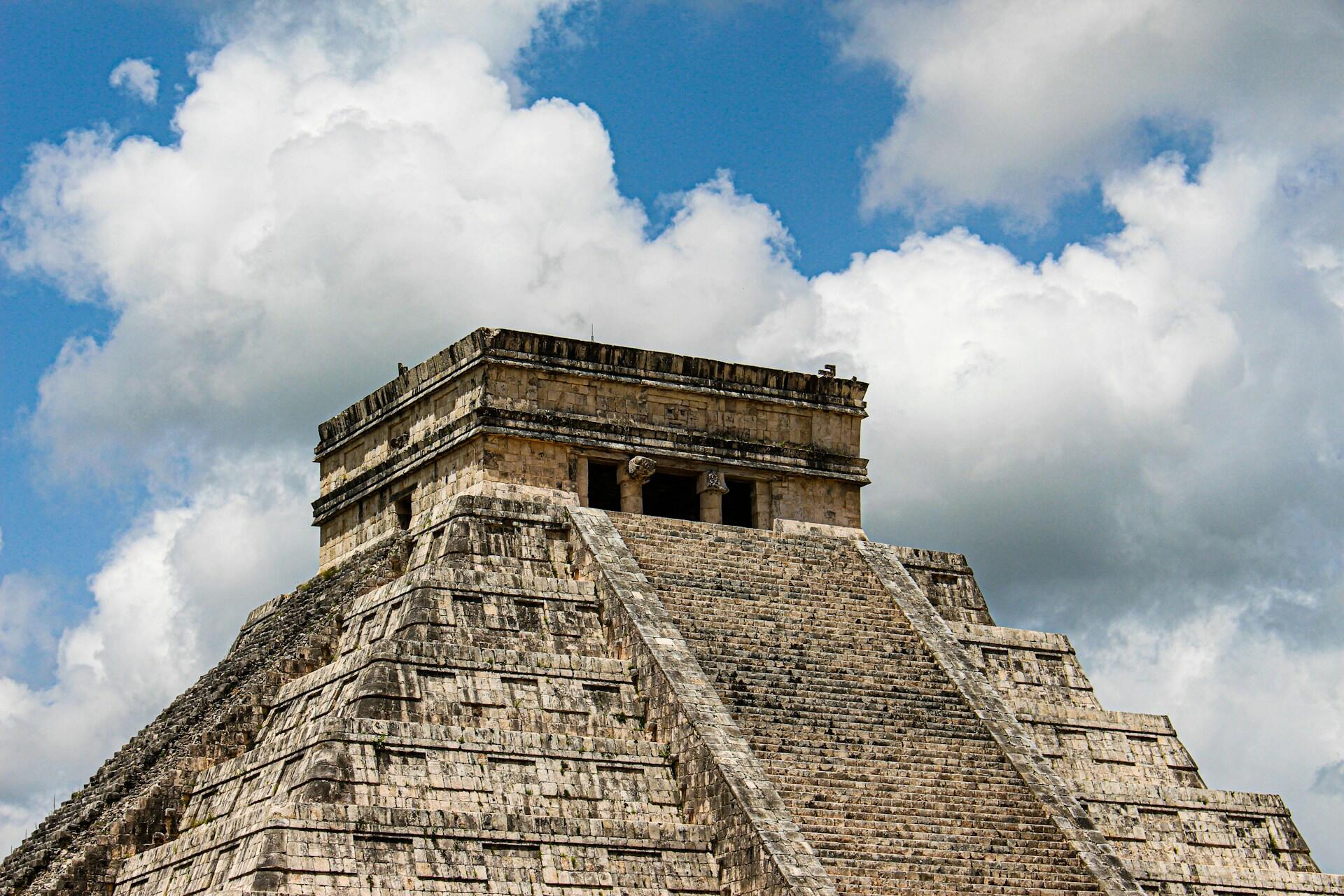
El Castillo pyramid against a cloudy sky at Chichen Itza, Yucatan, Mexico.
  • 250 CE - 950 CE: The Classic Maya Period marked the peak of Maya civilization, flourishing in cities like Chichen Itza, Palenque, Tikal, Copan, and Uxmal
  • Known for their precise calendar and advancements in astronomy, the Maya built impressive temples and developed a complex writing system

Incan Empire

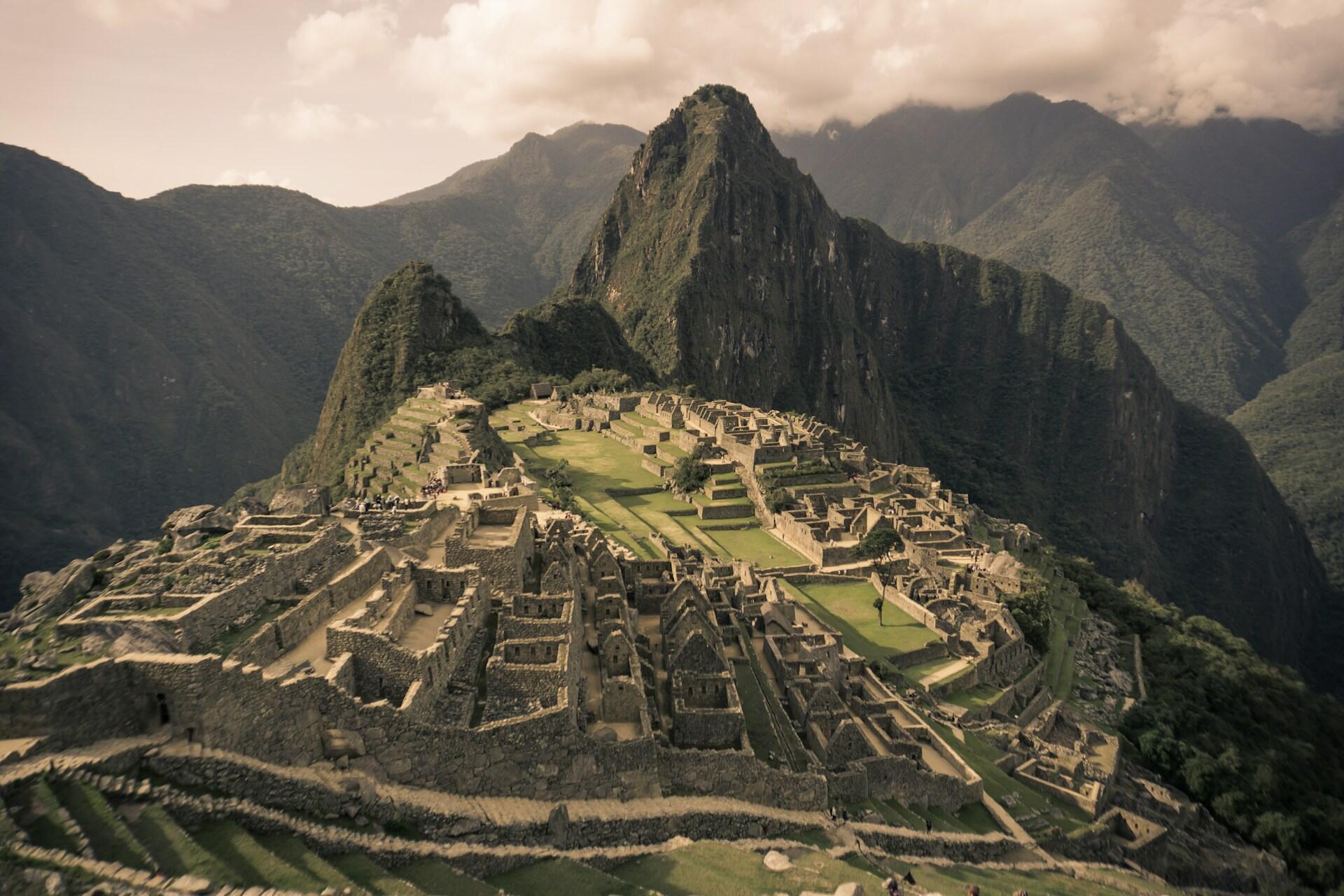
Aerial view of Machu Picchu, the ancient Inca ruins in Peru, surrounded by mountains.
  • The Inca civilization was dominant across ancient Peru from c. 1400 CE to 1533 CE. It was the largest Empire in America throughout the Pre-Columbian era.
  • The Incas stood out for their mortarless constructions and their network of roads that connected vast mountainous regions.

Here's an overview of the comparison between Maya Civilization and the Incan Empire.

CategorySimilaritiesDifferences (Maya vs. Inca)
Region & timeBoth built sophisticated societies in the Americas before European colonization. ▲ Maya: Mesoamerica (southern Mexico, Guatemala, Belize, etc.).

🔷Inca: Andes (Peru, Ecuador, Bolivia, Chile).
Political organizationBoth had complex states with elites, rulers, and organized labour. ▲ Maya: many independent city‑states with local kings.

🔷Inca: one highly centralized empire ruled from Cusco.
AgricultureFarming (especially maize) was fundamental to both. ▲ Maya: rainforest/lowland farming (slash‑and‑burn, raised fields, terracing in some areas).

🔷Inca: high‑altitude terrace farming and state‑run agriculture in the Andes.
Writing & recordsBoth kept detailed records for administration, religion, and history. ▲Maya: full hieroglyphic writing system.

🔷Inca: no conventional writing; used quipu (knotted cords) and oral tradition for record‑keeping.
Religion & societyReligion was closely tied to politics and daily life; priestly elites were powerful. ▲Maya: many local gods and city‑based rituals; kings acted as intermediaries with the divine.

🔷Inca: state‑centered religion with the Sapa Inca seen as a divine ruler; major gods (e.g., Inti, the sun god) tied directly to imperial authority.
Architecture & infrastructureBoth achieved impressive architecture and organized large labour forces. ▲ Maya: pyramids, temples, and city‑state centres adapted to jungle/lowlands.

🔷Inca: stone masonry, terraces, and a vast road network (Qhapaq Ñan) across mountainous terrain.

✨Ancient China vs. Persian Empire

Although they are located far from each other, both Ancient China and the Persian Empire both governed large and diverse populations while employing different approaches in maintaining political authority and administering their territories.

Ancient China

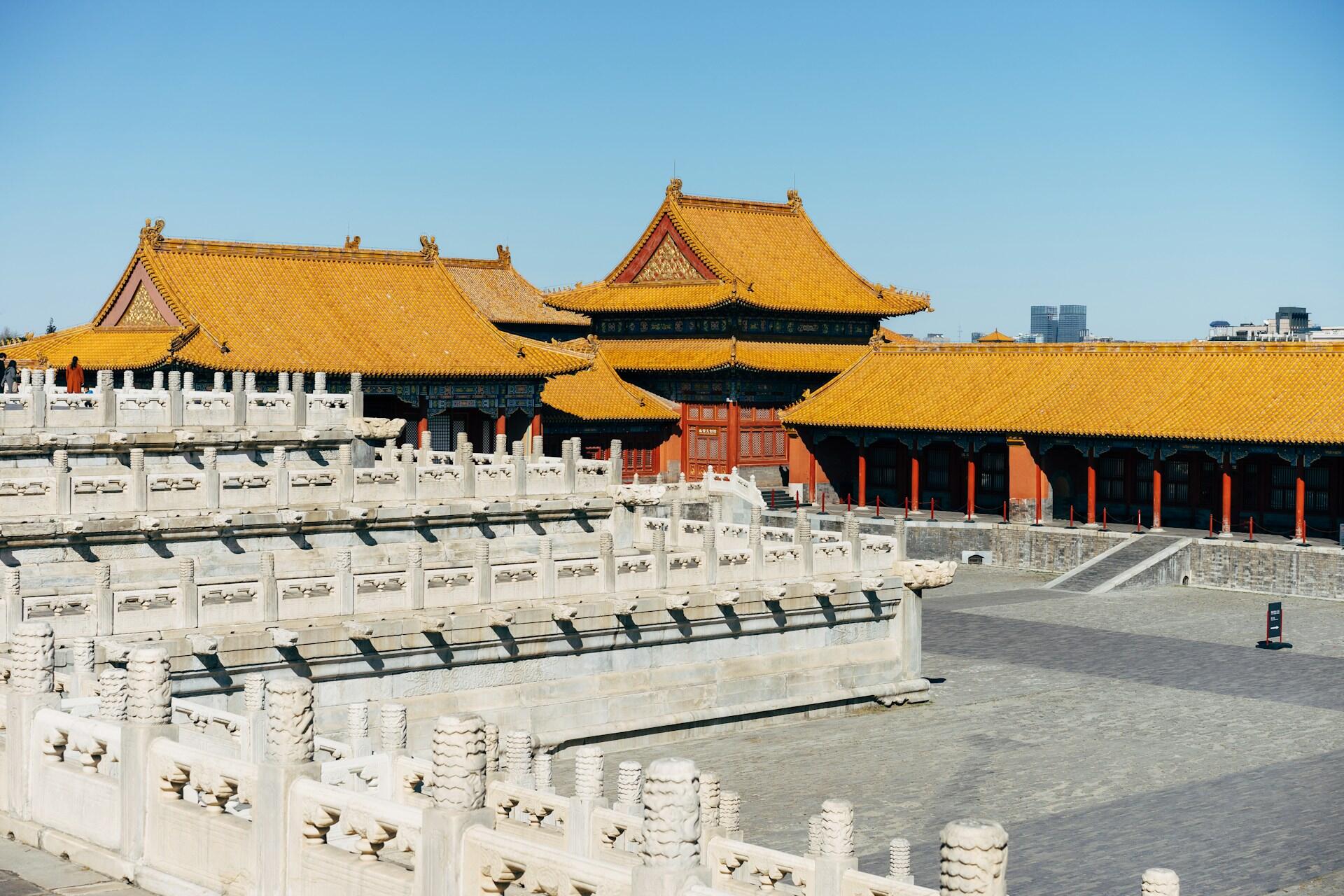
Traditional Chinese architecture with yellow roofs under blue sky.
  • 221-206 BCE: Qin Dynasty – The Qin Dynasty, from which the name "China" is derived (with "Qin" pronounced “Chin”), was the first official empire in Chinese history
  • Ancient China gave us gunpowder, paper, the compass, and advances in medicine and philosophy. Its culture and dynasties have influenced all of Asia and the world.

Persian Empire

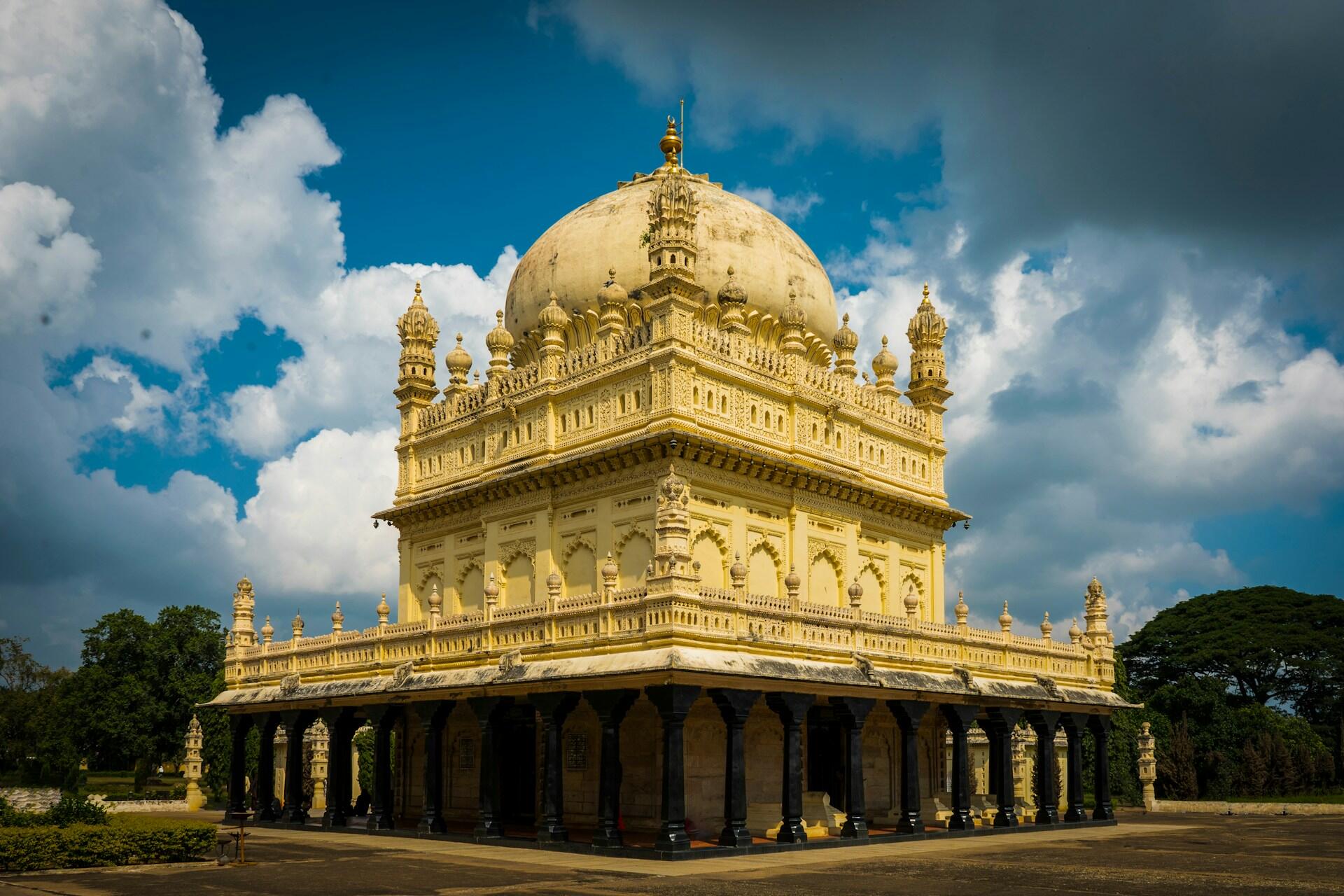
An ornate golden-domed building with archways against a cloudy blue sky.
  • The Achaemenid Empire, often referred to as the First Persian Empire, was established by Cyrus the Great in 550 BCE.
  • Originating in ancient Persia, its road system, religious tolerance, and administrative practices influenced many later empires.

Here's an overview of the comparison between Ancient China and the Persian Empire.

CategorySimilaritiesDifferences (China vs. Persia)
Territory & peoplesBoth governed large territories with diverse populations. ▲ China: civilization developed through successive dynasties (e.g., Qin, Han).

🔷Persia: a single vast empire centred in Iran (Achaemenid, c. 550–330 BCE).
Administration & taxationBoth built sophisticated systems of administration and taxation to control resources and maintain order. ▲ China: highly influential bureaucratic tradition with standardized script, weights, measures, and (later) exam‑trained officials.

🔷Persia: provinces (satrapies) ruled by satraps who collected fixed tribute and reported to the king.
Infrastructure & controlInfrastructure and communication were key to maintaining political control. eshistory.▲ China: canals, roads, and standardized systems to integrate the realm.

🔷Persia: Royal Road and postal system linking satrapies across the empire.
Culture & institutionsBoth left enduring cultural and political legacies. ▲ China: relatively unified writing system and state ideology (e.g., Confucianism/Legalist administration).

🔷Persia: notably multicultural, tolerating many languages, religions, and local traditions.
Languages, writing, religionBoth used writing and record‑keeping for government and culture. ▲ China: Chinese script and Chinese‑language administration; ancestor veneration and later Confucian/Daoist traditions.

🔷Persia: multiple scripts/languages (Old Persian, Aramaic, etc.); Zoroastrian‑influenced royal ideology alongside local cults.

Other civilizations, such as the Phoenicians, the Hittites, and the people of the Indus Valley, also played a fundamental role in the cultural, commercial, and political development of their regions and ultimately, modern society.

Which ancient civilization is your favourite so far?

Ancient Egypt0%
Mesopotamia0%
Rome0%
Greece0%
Maya0%
Inca0%
Ancient China0%
Persia 0%
The best History tutors available
Alex hartman
5
5 (28 reviews)
Alex hartman
$80
/h
Gift icon
1st lesson is free!
Qasim
5
5 (25 reviews)
Qasim
$15
/h
Gift icon
1st lesson is free!
Arthur
5
5 (11 reviews)
Arthur
$40
/h
Gift icon
1st lesson is free!
Alaa
5
5 (64 reviews)
Alaa
$75
/h
Gift icon
1st lesson is free!
Masa
5
5 (10 reviews)
Masa
$60
/h
Gift icon
1st lesson is free!
Layla
5
5 (10 reviews)
Layla
$60
/h
Gift icon
1st lesson is free!
Natasha
5
5 (8 reviews)
Natasha
$70
/h
Gift icon
1st lesson is free!
Harry
5
5 (6 reviews)
Harry
$38
/h
Gift icon
1st lesson is free!
Alex hartman
5
5 (28 reviews)
Alex hartman
$80
/h
Gift icon
1st lesson is free!
Qasim
5
5 (25 reviews)
Qasim
$15
/h
Gift icon
1st lesson is free!
Arthur
5
5 (11 reviews)
Arthur
$40
/h
Gift icon
1st lesson is free!
Alaa
5
5 (64 reviews)
Alaa
$75
/h
Gift icon
1st lesson is free!
Masa
5
5 (10 reviews)
Masa
$60
/h
Gift icon
1st lesson is free!
Layla
5
5 (10 reviews)
Layla
$60
/h
Gift icon
1st lesson is free!
Natasha
5
5 (8 reviews)
Natasha
$70
/h
Gift icon
1st lesson is free!
Harry
5
5 (6 reviews)
Harry
$38
/h
Gift icon
1st lesson is free!
Let's go

📜Where Can You Study Ancient Civilizations in Canada?

If you are interested in studying ancient civilizations or pursuing a history-related career, you can explore this subject at Canadian universities through programs in Ancient Studies, Classics, or even Classical Civilization.

Three people sit around a table examining a large illustrated map or plan, with stacks of books spread across the table.
Immerse yourself in the world of ancient civilizations for your undergraduate studies in Canada. Photo by cottonbro studio

Here are some examples of universities offering relevant programs and courses.

UniversityProvinceRelevant programProgram name + key feature
Université LavalQuebecÉtudes anciennes / Ancient StudiesÉtudes anciennes – broad ancient‑studies option covering Greek, Roman, and Near Eastern antiquity with multiple ancient languages.
University of British Columbia (UBC)British ColumbiaAncient Mediterranean and Near Eastern Studies (AMNE)BA in Ancient Mediterranean and Near Eastern Studies (AMNE) – major/honours/minor covering the ancient Mediterranean and Near East; includes Ancient Greek, Latin, and Biblical Hebrew.
University of AlbertaAlbertaAncient and Medieval StudiesBA in Ancient and Medieval Studies – interdisciplinary major with core course INT D 205 (Introduction to Ancient and Medieval Studies).
University of TorontoOntarioClassical CivilizationClassical Civilization (major/minor) – 2026–27 courses include Greek & Roman History, Archaeology, Science in Antiquity, and Roman Technology.
Concordia UniversityQuebecClassicsClassics (BA) – major/honours/minors in Classical Civilization and Archaeology & Ancient History; Greek, Latin, and archaeology options.
Dalhousie UniversityNova ScotiaClassics / Ancient HistoryClassics (BA) – major/minor/honours with courses on ancient Greece and Rome (history, literature, mythology, art/architecture, languages).
Saint Mary’s UniversityNova ScotiaAncient StudiesAncient Studies (BA major) – focus on the ancient Mediterranean, with archaeology, social history, art/architecture and field‑study opportunities in Italy.

🧑‍🎓Common Career Paths After Studying Ancient Civilizations

Students who majored in Ancient Studies, Classics, Ancient History, or Classical Civilization will usually find themselves in careers that value research, writing, languages, analysis, and communication.

brightness_low
Misconception about a career in ancient civilization

Studying ancient civilizations doesn't mean you have to work in an ancient-history-related job, but you can use the transferable skills that you have learnt throughout the degree in a completely different field.

Here are some examples:

🏛️ Museums & cultural institutions
Museum educator, collections assistant, curator, heritage-program roles, exhibitions, such as the Aga Khan Museum in Toronto
🏺 Archaeology
Archaeological fieldwork, excavation, cultural-resource management, heritage consulting
🎓 Teaching & education
History teacher, tutor, educational program coordinator (usually with additional teaching qualifications)
📚 Research & academia
Master's/PhD → researcher, university professor, specialist in ancient history, archaeology, classics
🏛️ Libraries, archives & heritage
Archivist, heritage researcher, historical collections, preservation
✍️ Writing & publishing
Editor, writer, researcher, publishing, educational content on various ancient civilizations
🌍 Tourism & cultural heritage
Heritage interpretation, historical tourism, cultural-site education and related work
🏢 Business / public sector
Communications, policy, administration, research and other roles where analytical and writing skills are useful, such as social policy analyst and foreign service officer

🧱The Legacy of Ancient Civilizations Today

The impacts of these civilizations continue to show themselves in various ways - from the languages we speak (based on ancient alphabets) to the architecture that continues to baffle and inspire modern engineers - the impact of these cultures is undeniable.

Legal systems, forms of government, and artistic expressions stand as a testament to the human ingenuity that flourished in ancient times.

As a modern society, we continue to uncover new information about these civilizations, reminding us that there is still much to learn.
Here's an overview of how ancient civilizations have continued to influence us.

Area of legacyHow ancient civilizations continue to influence us
🏛️ Government and lawGreek political thought shaped ideas about citizenship and democracy, while Roman law and administration influenced later legal and political systems.
🔢 Mathematics and scienceAncient peoples made key advances in mathematics, astronomy, medicine, and the systematic study of the natural world.
🏗️ Architecture and engineeringPyramids, temples, roads, aqueducts, irrigation systems, and monumental buildings show sophisticated engineering, construction, and urban planning.
📜 Writing and knowledgeWriting systems and record‑keeping preserved laws, literature, religion, trade information, and history across generations.
🗣️ Languages and cultureGreek and Latin strongly influenced modern languages, literature, education, philosophy, and scientific terminology.
🌍 Trade and cultural exchangeAncient societies were linked by trade, migration, warfare, and diplomacy, showing that cultural exchange and globalization are not only modern.
🏺 Archaeology and heritageAncient cities, monuments, artefacts, and texts help us understand the past; museums and sites preserve and interpret this heritage.

Studying ancient civilizations is a way to connect with our shared past and better understand the present. It reminds us that, even though the world has changed drastically, many of the fundamental questions about life, society, and the universe remain the same.

Exploring their achievements and mistakes offers a learning opportunity and ultimately invites us to reflect on the future we want to build and how it will be seen in many years to come!

The rise and fall of civilizations in the long, broad course of history can be seen to have been largely a function of the integrity and cogency of their supporting canons of myth; for not authority but aspiration is the motivator, builder, and transformer of civilization.

Joseph Campbell, writer

References

  1. Smithsonian National Museum of the American Indian. (2012). The Calendar System | Living Maya Time. Si.Edu; Smithsonian. https://maya.nmai.si.edu/calendar/calendar-system
  2. Timeless Myths. (2022, January 11). What Did Egypt and Mesopotamia Have in Common: Striking Similarities. Timeless Myths. https://timelessmyths.com/stories/what-did-egypt-and-mesopotamia-have-in-common
  3. Battle-Merchant Medieval Shop. (2024, August 16). Greek and Roman culture: a comparison. Battle-Merchant ⚔. https://www.battlemerchant.com/en/blog/greek-and-roman-culture-a-comparison
  4. Khan, F. (2025, July 7). Daily Life of Inca and Maya Civilizations - Culture & Society. Planetspark.In; PlanetSpark. https://www.planetspark.in/creative-writing/daily-life-inca-maya-civilizations

Summarize with AI:

Did you like this article? Leave a rating!

5.00 (2 note(s))
Loading...

Joycelyn Ong

An avid reader and writer, Joycelyn loves the art of communication and is passionate about all kinds of media.