


If you are considering a job in education - specifically drama and arts education - you will find yourself in a profession that is not only satisfying but rich with growth opportunities.
Drama is taught in every school, and can be one of the most important subjects for students to learn. It is one of the few subjects in which students develop self-confidence, creativity, and the basic skills for a future career in entertainment, the performing arts, business, education and more. Here's a brief guideline for you to become a drama teacher.
Step 1
Obtain the Necessary Education
Find out and apply for accredited degrees/programs related to drama education/performing arts
Step 2
Gain Teaching Experience
Actively seek student teaching assignments and internships while studying (part-time)
Step 3
Acquire Certification
Pass the necessary exams and get the teaching license from the province you want to work in
Step 4
Apply for Relevant Positions
Send in your portfolio and resume to your desired institutions, which showcase your experience and expertise
Want to give private lessons?
Join the Superprof community and share your knowledge with inquiring and motivated students.
🎭 Understanding the Role of a Drama Teacher
The role of a drama teacher encompasses different areas - it's more than just having a passion for acting or teaching, but also being adaptive and creative to various acting techniques and media trends. Like other jobs, it requires a balance of hard skills and soft skills.
🎤 Key Responsibilities
You'll be surprised to learn that teaching drama in Canada extends beyond structured classroom lessons, but also includes specific duties in these main areas:
Academic
- Teaching acting techniques and theater history
- Designing lesson modules with the updated local syllabus
- Grading and giving feedback for students' performance
Administration
- Planning and managing class schedules with staff/colleagues
- Coordinating with school staff and external parties for production logistics, budgets, and resources
Artistic
- Directing school plays and managing productions
- Demonstrating or exchanging acting improvisation ideas through mock auditions (in-person or tape)
That being said, drama is one of the best subjects to teach in that it enables you to be creative as an instructor and find innovative ways to teach different skills.

👩🏫 Skills and Qualities Required
Now, let's look at the essential skills and qualities needed to become a drama teacher. Regardless of your teaching location, you need to have good communication and leadership skills. That's because you are the key person who sets the tone and overall direction of the lesson.
Students will look to you for clear instructions for every lesson, whether it's performing an impromptu act based on an acting technique or rehearsing lines from a Shakespeare play.
With a drama or performance lesson, it can get easy for things to get out of hand, especially with younger students. Have a plan, set rules and expectations for behaviour, and your students will truly enjoy the break from their typical classroom environment.
Next, a good drama teacher also aptly applies creativity and adaptability in their teaching methods. For instance, while reading, writing, and text analysis are widely used during drama lessons, as a teacher, you can and should enable your students to unleash their creativity.
Introduce games to get students outside of their comfort zones, use icebreakers to build a community of creative learners, and make analysis fun by having students interpret lines in different ways or sharing their ideas freely in oral formats.
Last but not least, a good drama teacher must have a passion for theater and student development. Drama lessons are made fun and engaging with there's a good atmosphere and rapport between the teacher and students. Your passion and professionalism will certainly inspire students to participate actively and perform to their best ability.
At the same time, you must show genuine care for your students beyond their acting performance, but also for their well-being, especially in terms of stress management and self-confidence.
Acting is not about being famous. It's about exploring the human soul.
Annette Benning, actress
🏫 Educational Pathways to Becoming a Drama Teacher
As you discover the important skillsets and significance of pursuing a career in drama education, let’s explore some of the common educational pathways to becoming a drama teacher in Canada.
Whether you plan to work in a public or private school, or even open your own drama academy one day, it’s important to obtain the right qualifications.
Doing so will ensure that you are not only well-equipped to teach but also have good credibility among your prospective employers and students.
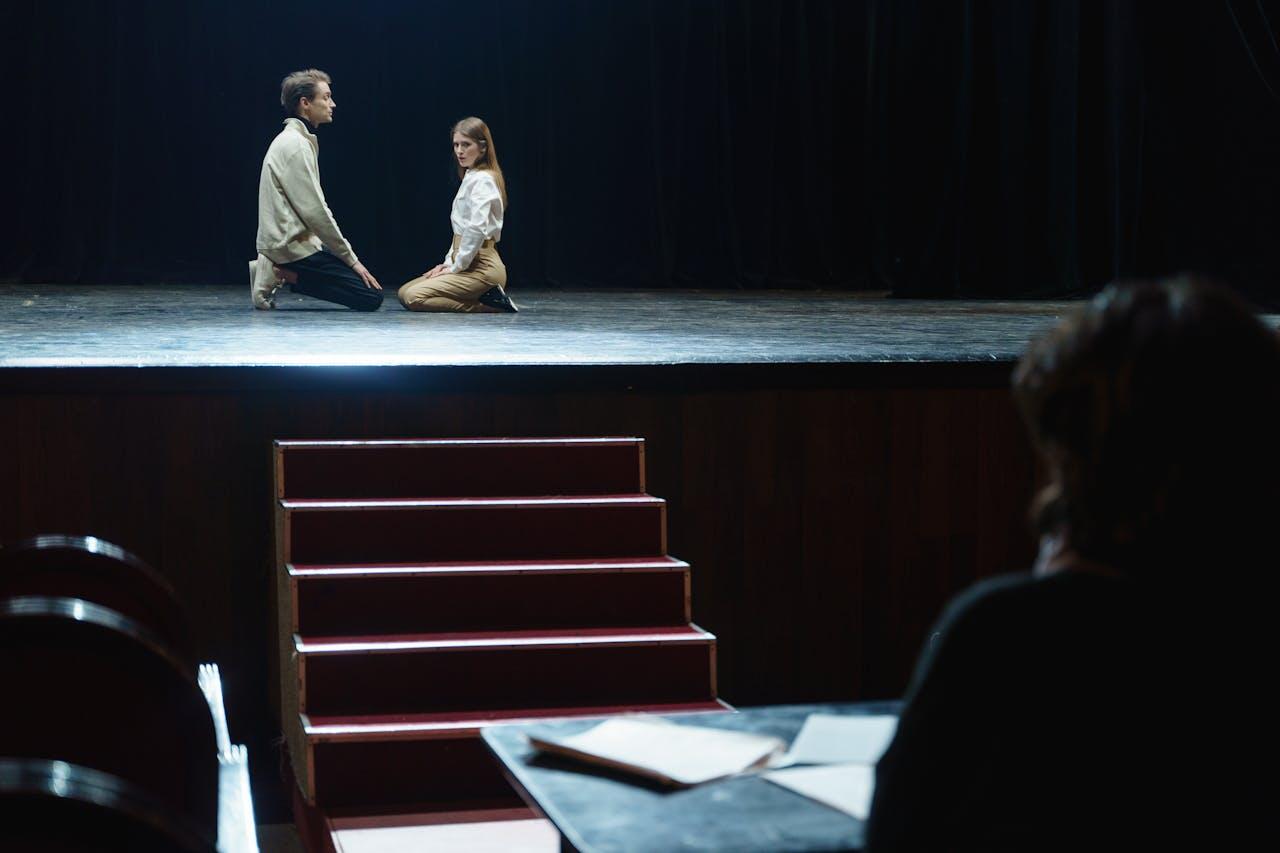
Relevant Degree Programs
Depending on your learning preferences and targeted students' age groups, you can opt for the following degree program choices:
Bachelor’s Degree in Drama/ Theatre Arts/ Fine Arts + Bachelor of Education
Integrated study of theatre and drama subjects with a teaching degree
Bachelor of Education (B.Ed.) with a specialization in Drama Education
Earn a teaching degree and a drama specialization together
Refer to the table below to have an overview of the list of universities in Canada that offer the following degree programs:
| Name of University | Degree Offered | Duration | Remarks |
|---|---|---|---|
| University of Lethbridge | BA/BFA (Drama) + BEd (Education) | 5 years | Combined degree; choose between BA or BFA in Drama with BEd |
| University of Calgary | BFA (Drama Education) + BEd | 5 years | Specialized program for teaching drama in K-12 |
| University of Alberta | BA (Drama) + BEd (Secondary) | 5 years | Integrated program for drama and secondary education |
| University of Winnipeg | BA (Drama in Education) + BEd | 5 years | Drama in Education stream available within BEd program |
| Queen’s University | BA (Drama) + BEd | 5 years | Honours or General BA in Drama with BEd option |
| University of Regina | BA (Theatre and Drama Studies) | 4 years | Focus on theory and practice; can be combined with BEd |
After graduating, you can start looking into provincial teaching certification or other teaching opportunities to gain experience.
📋 Certification and Licensure
Every province and territory in Canada has different requirements, so be sure to check the latest updates via the official certification authority.
| Province/Territory | Certification Authority | Key Requirements after BA/BEd |
|---|---|---|
| Ontario | Ontario College of Teachers (OCT) | Apply to OCT; may need to pass Ontario Teacher Qualifying Test (OTQT); transcripts, police check |
| British Columbia | Teacher Regulation Branch (TRB) | Approved teacher education program; transcripts, police check |
| Alberta | Alberta Education | Apply for Interim Professional Certificate; 2 years teaching for Permanent Certificate |
| Quebec | Ministère de l’Éducation | BA + BEd; transcripts, police check, French proficiency B2 |
| Saskatchewan | Saskatchewan Professional Teachers Regulatory Board (SPTRB) | Degree, transcripts, police check, language proof |
| Manitoba | Manitoba Education | Degree, police check, transcripts, language proof |
| Nova Scotia | Nova Scotia Department of Education & Early Childhood Development | BEd, police check, transcripts, degree |
| New Brunswick | Office of Teacher Certification | Degree, transcripts, police check, language proof |
| Newfoundland & Labrador | Department of Education & Early Childhood Development | Degree, transcripts, police check |
| Prince Edward Island | PEI Department of Education | Degree, transcripts, criminal record check, language proficiency |
That being said, if your goal is to work in a private school teaching weekend or evening classes, a teaching certification may not be needed if you have extensive professional experience in the performing arts. Of course, having your teacher certification (even if it's part-time) can only enhance your resume, so get your certification if you can!
Want to give private lessons?
Join the Superprof community and share your knowledge with inquiring and motivated students.
🕺 Gaining Practical Experience
Acting is a pretty hands-on learning experience - you learn the best when you spend time in the field with other aspiring actors. The same principle applies to teaching- the more you teach, the better you'll get at teaching.
🪑 Student Teaching and Internships
Even as a degree student, it's important to explore various teaching and working experiences in schools that are aligned with your interests, skills, and career goals.
For instance, the University of Windsor, Ontario, offers practical teaching experience for its dramatic art concurrent education degree students, either through service learning electives or teaching placements in local schools (at least 80 days).
Additionally, you can also look out for artistic and theatre-focused internships to learn the behind-the-scenes by taking up roles like stage manager, teaching assistant, or stage crew for local productions.
🧑🎓 Continuing Professional Development
Apart from gaining teaching experience, you should also continue and grow your artistic passion through various trainings or courses to expand your skillset and stay updated with what's current in the industry. You can also join professional arts organizations (provincial or national) to expand your network with other drama educators, as well as exchange various teaching resources. 1
Here are some organizations to check out for the latest acting workshops or training courses (in-person and online):
💼 Career Opportunities and Work Environments
After graduation, aspiring drama teachers usually look for career opportunities in different workplaces depending on their major specialization and also the teaching levels.
📓 Teaching in Schools
Different school systems would have different teaching requirements and methods according to the instiution's work environments and also the students' age. Let's look at the key differences between teaching in public and private schools.
✏️ Public schools
- Drama teachers follow sthe yllabus set by the provincial or territorial education board
- Different teaching emphasis and subjects in elementary and secondary schools
✏️ Private schools
- Drama teachers have more flexibility as they can design and modify their teaching syllabus
- More personalized with more integrated disciplines across musical, dance, and visual arts
Preparing lessons for students in the primary and junior grades will obviously be easiest, since younger kids tend to be more imaginative and excited to play basic games or act in different roles. For little ones who are not yet reading, have plenty of costumes and props available for your students to dress up in, and give them scenes from picture books to act out.
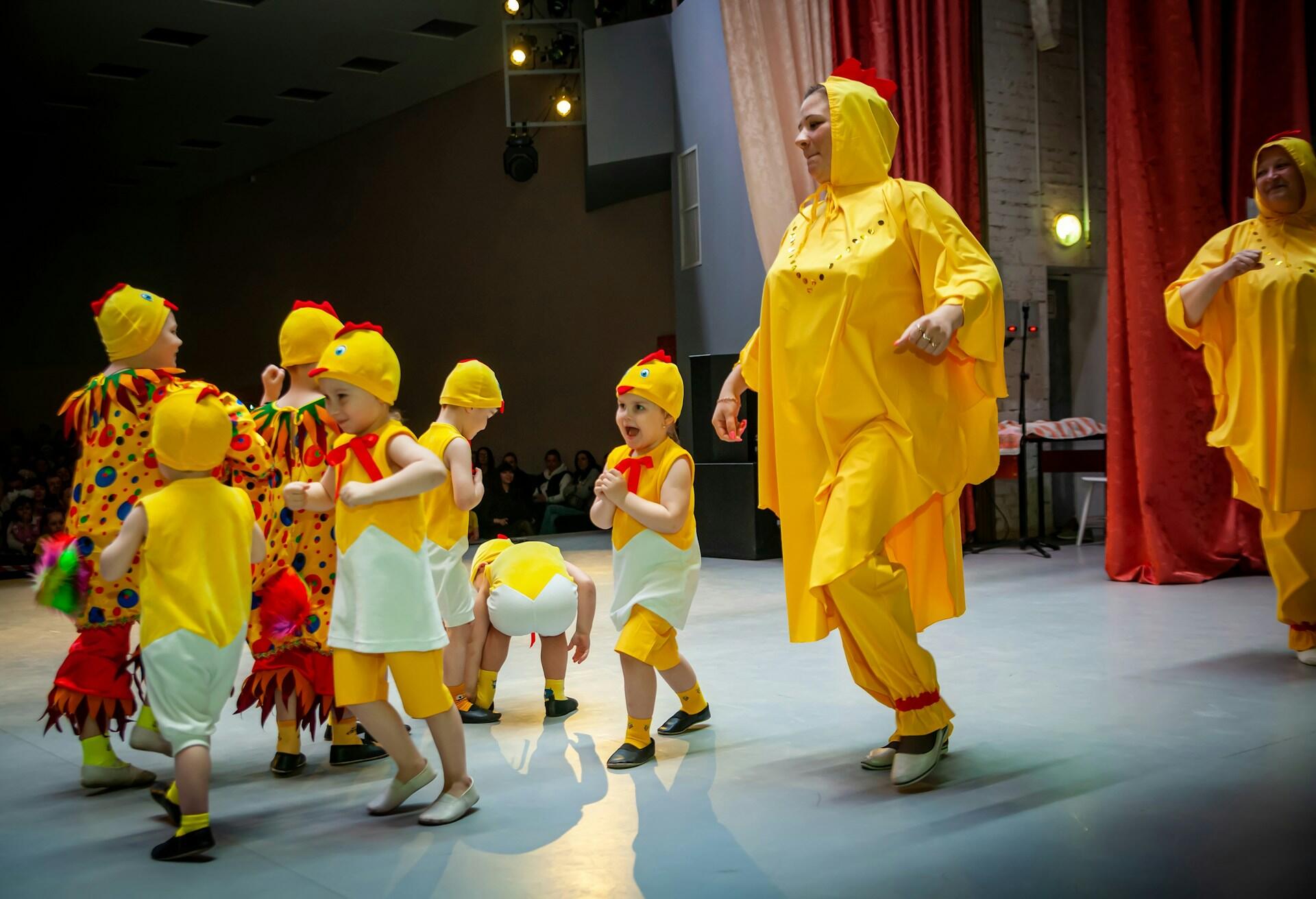
Useful tip: Follow up the activity by getting your students to paint their character or the scene they have acted out. You can also have fun with puppets: they can make their own, or get a set of finger puppets from your local toy store.
For middle and high school students, you may need to be more creative. On one hand, you don’t want your students to feel embarrassed for playing games; you also don’t want class to be so serious that they lose interest.
Keep your classes relevant by connecting dramatic activities to books they are already reading, or school-appropriate TV shows or movies they are familiar with. Use games like charades, let students work in small groups, and let students film their performances using a smartphone camera.
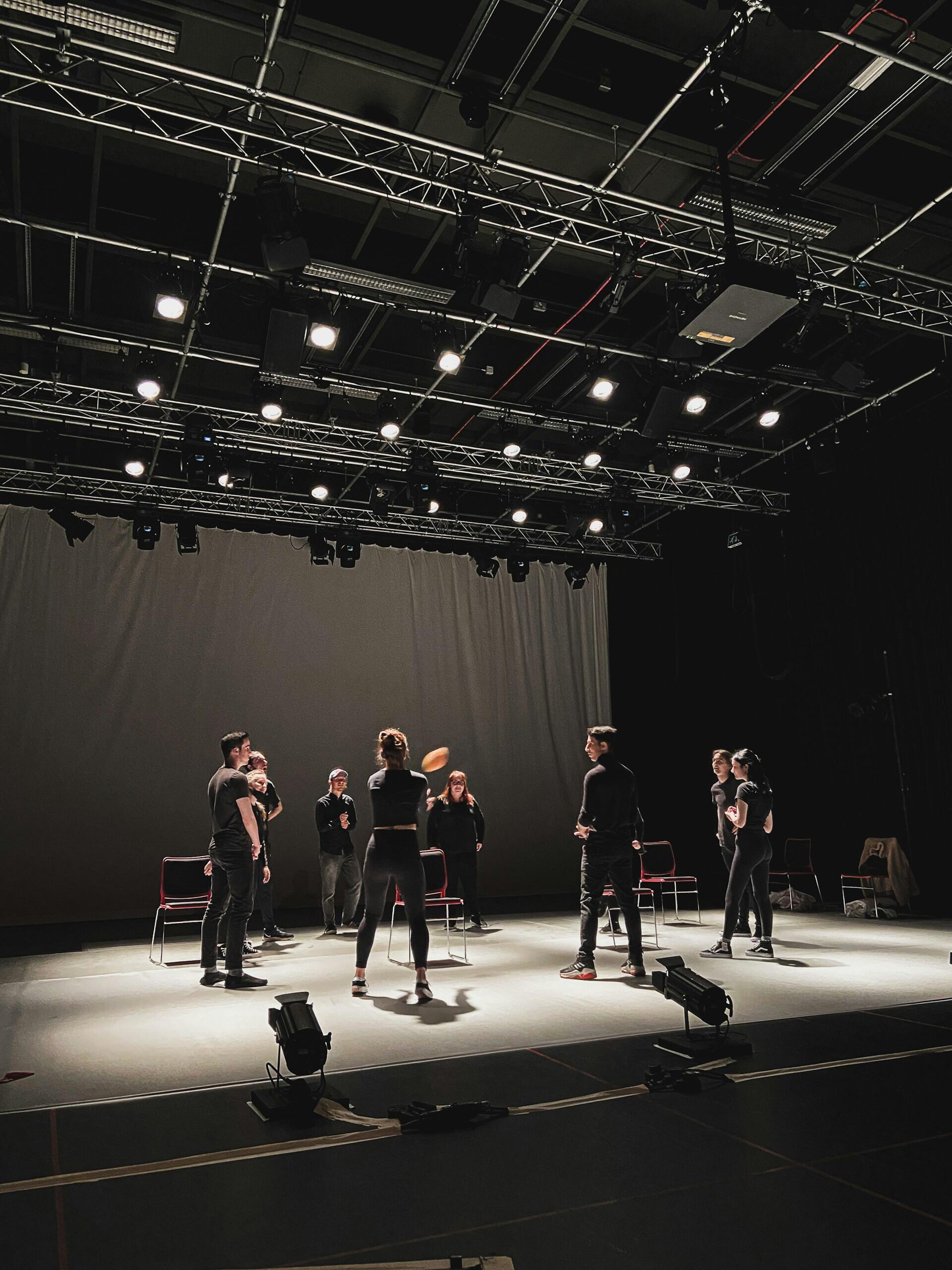
Students in the older age group will surprise you with their creativity and independence - with the right activities, they will love coming to your class. Here's an overview that showcases the significance of art education 2 in Ontario:
Source: People for Education, 2018
🔍 Alternative Settings
You can obviously teach drama in schools, colleges, or universities, but educational institutions are not the only places you can find work. Check out private boutique arts schools that teach acting classes as an extracurricular, or help teach workshops at arts organizations or community centres with programs for kids.
Another way to teach drama is to teach privately to individual households or clients. On sites like Superprof, you can easily set up a profile and offer your services. Many families prefer the convenience of having a private teacher, and many aspiring actors or drama students like having a coach to help them prepare for a role or audition. You can offer private classes, workshops, or bespoke services. Check out Superprof today and find out how it all works!
Meanwhile, don't forget to find out how to create fun lessons for your drama classes
📈 Employment Trends
The overall job market for drama teachers in Canada varies from province to province, and remuneration will depend on your experience and academic background. In Ontario, for example, teacher salaries in public school boards are negotiated between the Ministry of Education and the various unions, though salaries will generally be similar from board to board.
Teachers who are employed in public schools are paid based on their province's salary grid. The amount is determined by their years of education and experience.
Example: Alberta 3
$65,397 (0 years of experience, 4 years of education)
$99,487 (7 years of experience, 4 years of education)
On the other hand, private schools will offer competitive salaries, and part-time jobs will typically pay an hourly wage.
| Province / Area | School Type | Hourly Wage (Low) | Hourly Wage (Median) | Hourly Wage (High) | Source |
|---|---|---|---|---|---|
| Canada (National Average) | Private/Studio | $15.34 | $23.00 | $37.50 | Govt. of Canada |
| British Columbia | Private/Studio | $17.40 | $26.26 | $42.84 | Govt. of Canada BC |
| Ontario | Private/Studio | $17.20 | $20.30 | $35.00 | Govt. of Canada Ontario |
| Quebec | Private/Studio | $15.75 | $27.00 | $40.50 | Govt. of Canada Quebec |
| General Estimate (All Canada) | Possibly school Board | — | — | — | Yearly avg: $67,200Prosfy |
Beyond the traditional teaching route, many drama education graduates also work freelance, where they offer tutoring services across multiple institutions. The employment opportunities of drama teachers and those who work in the performing arts and culture field are very much dependent on arts funding (both in the public and private sectors). 4
We hope you have found this article insightful. All the best in pursuing your dreams to become a drama teacher in Canada!
References
- TAEA. (2025, September 11). About TAEA - TAEA. TAEA -. https://taeacanada.ca/about-taea/
- Arts education 2018 - People for Education. (2018, June 20). People for Education. https://peopleforeducation.ca/report/arts-education-2018/
- Alberta teachers salary grid. (n.d.). Alberta teachers salary grid. https://www.alberta.ca/system/files/ecc-alberta-teachers-salary-grid.pdf
- Draaisma, M., & Cheese, T. (2025, October 31). Arts sector contributes billions to Canadian economy, but funding challenges remain: report. CBC. https://www.cbc.ca/news/canada/toronto/arts-culture-sector-report-economic-growth-canadian-chamber-of-commerce-9.6961048
Want to give private lessons?
Join the Superprof community and share your knowledge with inquiring and motivated students.
Summarize with AI:
Did you like this article? Leave a rating!


 Loading...








I loved this article thank you!