
Physiotherapy in Canada is a provincially regulated profession, where you must be licensed to be able to practice. Quebec regulates separately through the Ordre Professionnel de la Physiothérapie du Québec, which does not require a written exam. To become a Physiotherapist in most provinces in Canada, you must follow the next steps:
If you’re coming from another country and completed your Physiotherapy studies elsewhere, to get your license to practice, you’ll first be required to take a Canadian Alliance of Physiotherapy Regulators (CAPR) credential check, as they manage the national entry-to-practice examination, the previously mentioned CPTE.
One of the most in-demand professions, physiotherapists work across various industries and with all ages, not only in hospitals or clinics, but also in research, sports rehab centres, or private practice. Their main goal is not only to alleviate pain but to contribute to treatment to gain as much physical function and mobility as possible in the case of injuries, after physical effects due to certain medical treatments, or if going through a disease.
At the beginning of 2026, the Canadian Physiotherapy Examination (CPTE) replaced the Physiotherapy Competency Exam (PCE). The CPTE is a single unified exam, whereas before a written test plus a provincial clinical exam were needed with the PCE.


🩺 Is Physiotherapy the right career for you? Role, pay and demand
With big opportunities for professional development in health fields such as neurological or cardiorespiratory, physiotherapy is one of the most interesting areas of medical treatment and research. Physiotherapists are specialists not only in the practice of rehabilitation but also in designing treatment programs to improve or maintain mobility and treat or restore complete physical function.
Many regions are in need of these types of professionals, with some shortages in recent years. According to Job Bank (which enlists Saskatchewan, Alberta, and northern territories such as Yukon, NWT, Nunavut as paying the most and having the greatest current need), the Canadian national wage for a physiotherapist fluctuates between CAD 30 and 56 per hour.
Other specialized sites, such as Glassdoor, state an average annual salary of $74,206–$96,563, where, of course, the candidates must pass through different stages on their professional path before reaching the 80K.
CAD per hour
🇨🇦 Education pathway in Canada
Firstly, to become a physiotherapist in Canada, the institution where the student gets their master’s studies must be accredited by Physiotherapy Education Accreditation Canada (PEAC) to make graduates exam-eligible for licensing.
There are 15 programs across Canada for students interested in physiotherapy education; some of them in the most important institutions of the country like the University of Toronto, the University of British Columbia, the University of Alberta, Western, Dalhousie and Manitoba, with a duration of approximately 2 years; they’re all programs at the master's level certified by the Physiotherapy Education Accreditation Canada.
After completing a bachelor’s degree and if pursuing an MPT in physiotherapy in Canada, the prerequisites checklist - depending on the university- to enter the master's program can include:
Some institutions consider prerequisites for a master’s in physiotherapy courses completed within the last few years during the bachelor’s degree, with a minimum grade accepted per course. Graduating from a PEAC-accredited MPT/MScPT program makes a physiotherapy student in Canada directly eligible to register for the national exam (called the CPTE since 2026).
Canadian MPT graduates go straight from graduation of their PEAC-accredited program to the CPTE examination with no credentialing step. The MPT programs for physiotherapy combine a series of disciplines related to physical therapy and in-depth knowledge of musculoskeletal and neurological subjects, biomechanics and kinesiology.
They balance practical and theoretical experience, where, in some cases, you can directly specialize in certain health specialties (for example, cardiorespiratory, pediatric, or geriatric).
The study of jurisprudence and ethics is also very important, along with research methods, pedagogy, clinical reasoning and patient care and safety, and, of course, communication skills. The physiotherapy programs in Canada let students acquire a full curriculum of:
- 💪🏻 Rehabilitation sciences
- 🧠 Anatomy
- 🩺 Clinical problem-solving
- 🏥 Clinical studies
- 🫂 And social care skills
Clinical placement options during an MPT
Still, it is definitely an area of expertise where many requirements are needed, and a level of practice competence is required to get the license. Eligibility doesn’t rely only on passing the national exam but also on different experiences, such as clinical placements, which, as a physiotherapist in Canada, can take up to 30 weeks (to complete between 1,000 and 12,000 clinical hours). This table can give the student a general idea of the clinical placements during an MPT:
| Type of Placement | What You Do | Typical Skills Developed |
|---|---|---|
| Acute Care Hospital | Assess and treat patients after surgery, trauma, stroke, respiratory illness or ICU admission. | Mobility assessment, transfers, gait training, respiratory physiotherapy, discharge planning. |
| Inpatient Rehabilitation | Work with patients recovering from neurological injuries, amputations or orthopedic surgery. | Functional rehabilitation, balance training, neurological assessment, therapeutic exercise. |
| Outpatient / Ambulatory Clinic | Treat patients who attend scheduled appointments for musculoskeletal injuries or chronic pain. | Orthopedic assessment, exercise prescription, manual therapy, patient education. |
| Private Practice | Manage sports injuries, back pain, post-operative rehabilitation and workplace injuries. | Independent patient management, manual therapy, exercise progression, communication. |
| Community & Home Care | Visit patients in their homes or community clinics. | Falls prevention, functional assessment, home modifications, caregiver education. |
| Long-Term Care (Geriatrics) | Work with older adults in nursing homes or continuing-care facilities. | Mobility maintenance, balance, strength, fall prevention, dementia care. |
| Neurological Rehabilitation | Treat stroke, spinal cord injury, Parkinson's disease, multiple sclerosis and traumatic brain injury. | Neuro assessment, motor relearning, gait retraining, balance rehabilitation. |
| Cardiorespiratory Physiotherapy | Work with patients with COPD, pneumonia, heart surgery or ICU conditions. | Airway clearance, breathing exercises, exercise tolerance testing, cardiopulmonary rehabilitation. |
| Paediatrics | Treat infants and children with developmental or neurological conditions. | Motor development assessment, family-centred care, play-based rehabilitation. |
| Rural or Remote Placement | Deliver physiotherapy in smaller communities with broader clinical responsibilities. | Generalist practice, autonomous decision-making, interprofessional collaboration. |
✍🏻 Licensing and registration: Physiotherapist requirements Canada
The exam needed for students in Canada interested in becoming a physiotherapist is the CPTE (Canadian Physiotherapy Examination), which can be presented on various dates of the year indicated on the official website of the CAPR, which established a fee of $2,500 for this examination.
With a Provincial Licensing system (Canada has no single national license), some of them require specific requirements such as a jurisprudence module (like Ontario), supervised practice, province-specific clinical assessments, French proficiency in the case of Quebec and IELTS, TEF and others to credit English in the case of international students, and a criminal record check.
Physiotherapy is a provincially/territorially regulated profession; you must register with the regulatory College of the province where you intend to work (the College of Physiotherapists of Ontario, CHCPBC in BC); a national CAPR pass alone does not grant the right to practice.
The Canadian Alliance of Physiotherapy Regulators (CAPR) is a separate national organization - not a College itself - that provides credentialing and examination. They administer the CPTE and the main services that are prerequisites for provincial licensing.
🌎 Pathway for internationally educated physiotherapists (IEPTs)
In Canada, international students who have already studied physiotherapy can assess their foreign studies with the Canadian Alliance of Physiotherapy Regulators. The same institution administers provincial licensing and the national exam (CPTE). How can internationally educated physiotherapists practice legally in Canada?
- Submitting credentials: through the CAPR, uploading the required documentation, which includes a license in the country where educated, an academic degree issued by a recognized institution, and clinical education hours (supervised clinical practice, clinical internship).
- Certifying language proficiency in English or French: For English, IELTS is eligible, with a test score set under CAPR's Language Proficiency policy and achieved within the last two years at submission. If the student completed their education in countries like Australia, the UK, Ireland or the U.S., the student is exempted from this requirement.
- Competition of pre-approved courses: Courses linked to the Canadian context and health care system. In this context, courses from Canadian universities are accepted and serve to prove the minimum knowledge of the Canadian health system.
- Complete credentialing: Complete the process with the CAPR as an international student, including, of course, passing the CPTE exam, but as Canadian pupils, they also have to meet the registration requirements in the province they intend to practice.
💲 Timelines and costs you should plan for
The first stage to becoming a licensed physiotherapist in Canada is to complete the prerequisites of an MPT program. And while some courses can be completed since the student is on their bachelor’s degree, in the admission process, the student also has to take into account:
- The time to gather references
- Interviews
- Completion of the master’s (up to a bit more than 24 months)
- Clinical placements
- And, depending on the province, the time to apply and the time to pass the Canadian Physiotherapy Examination (CPTE) (which could be done immediately after graduation from the MPT)
For Canadians, the tuition for the physiotherapy master programs, run roughly CAD 10,000 to 24,000 per year, while international student tuition can reach CAD 24,000 to 55,000 yearly depending on the university and province; the costs rise, when you have to considerate the budget needed for clinical placement (for travel, accommodation and other expenses) and the CPTE exam (which can be completed online in a few hours, and costs $2,500).
Most provincial Colleges require registrants to carry Professional Liability Insurance (PLI) as a condition of registration, even where an employer already provides coverage (employer policies often exclude defence against College complaints).
📚 Admission and career edge: how to stand out
While many four-year degrees serve as a qualifying prerequisite for an MPT program in Canada, top universities place particular emphasis on specific undergraduate courses; highly valued subjects include:
🏃🏼 Anatomy (preferably with a laboratory component)
📊 Statistics
🔎 Research Methods
👬 Physiology
🧠 Psychology
An acceptable GPA for an MPT program typically ranges from 3.0 to 4.0; however, a GPA above 3.6 is generally considered the benchmark for admission to leading institutions such as the University of Toronto, Queen’s University, McMaster University, and the University of British Columbia (UBC).
Regarding references, universities such as the University of Alberta, Dalhousie, and UBC require a minimum of two. Given that there are 15 institutions across the country offering MPT programs, meeting the requirements of the top-tier schools is essential for entry into the field.

As for the personal statement, admissions committees look beyond mere motivation; leadership skills and prior healthcare experience, complemented by volunteer work or observation hours in hospital, outpatient, or rehabilitation settings, are highly valued. These elements, combined with the application materials, prepare candidates for the final interview stage (which may be conducted individually or by a panel). Some of the universities that share these prerequisites include the following:
- University of Toronto
- University of British Columbia (UBC)
- McMaster University
- Queen's University
- University of Alberta
Resources and next steps
Both the CPTE exam and the MPT admission processes typically take months. For the master's program, preparation, including prerequisite courses, documentation, references, and interviews, is extensive; admission processes are completed between September and December.
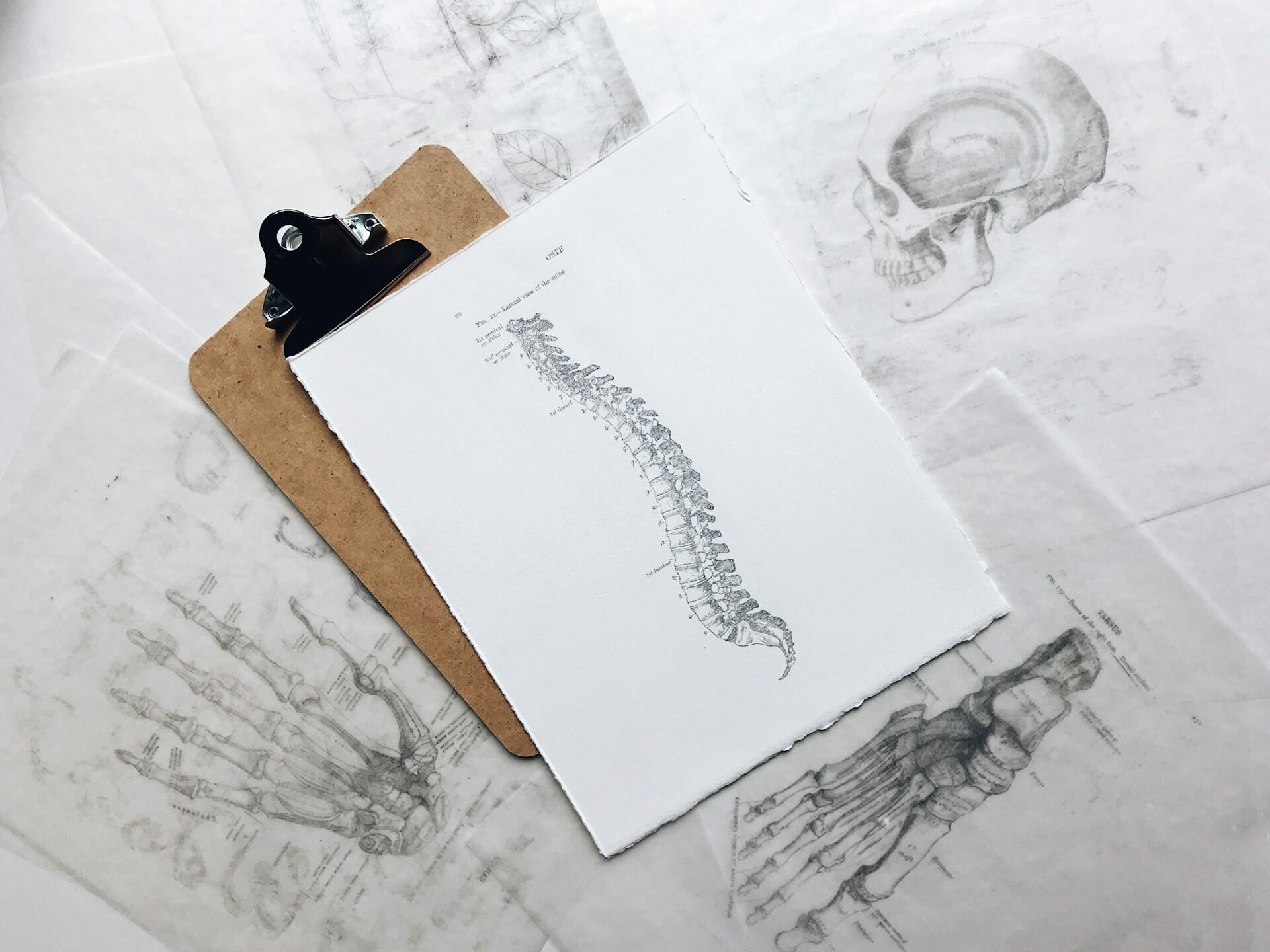
The CPTE requires months of study; while it can be taken throughout the year immediately after graduating from an MPT program, candidates must consult provincial registration requirements and dates.
Regarding the CPTE, the CAPR provides a candidate guide that allows for in-depth study and mastery of every area of its content, as well as tools for taking practice tests. While it can be taken online, the CPTE lasts approximately five hours (and includes both written and oral sections), making simulation a key factor in passing successfully.
References
- Licensing of Physiotherapy in Canada: general information. Canadian Alliance of Physiotherapy Regulators (CAPR). Available at: https://alliancept.org/physiotherapy-in-canada/starting-your-physiotherapy-career-in-canada/general-information/. (Accessed: July 2026).
- Assessment Requirements – Pre-Approved Credentialing Pathway. Canadian Alliance of Physiotherapy Regulators (CAPR). Available at: https://alliancept.org/internationally-trained/applying-for-credentialing/assessment-requirements-pre-approved-credentialling-pathway/ (Accessed: July 2026).
- Quick FAQ on the New Canadian Physiotherapy Examination (CPTE) for Physiotherapists (February 2026). Everything Physio. Available at: https://everythingphysio.com/2026/02/quick-faq-on-the-new-canadian-physiotherapy-examination-cpte-for-physiotherapists.html(Accessed: July 2026).
- Physiotherapists - Wages in Canada (2026). Government of Canada, Job Bank. Available at: https://www.jobbank.gc.ca/marketreport/wages-occupation/18214/ca (Accessed: July 2026).
- Physiotherapist Salaries in Canada (2026). Glassdoor Canada. Available at: https://www.glassdoor.ca/Salaries/physiotherapist-salary-SRCH_KO0,15.htm (Accessed: July 2026).
- Canadian Physiotherapy Examination (CPTE). Canadian Alliance of Physiotherapy Regulators (CAPR). Available at: https://alliancept.org/canadian-physiotherapy-examination/applying-for-the-cpte/dates-and-fees/ (Accessed: July 2026)
Summarize with AI:
Did you like this article? Leave a rating!

 Loading...