
Chinese literature is one of the oldest and richest in the world, with a documented history spanning over 3,000 years. From ancient philosophical texts to science fiction masterpieces, Chinese literature reflects the country's social, political, & cultural transformations. Discover the most relevant Chinese writers of all time, and how their influence has transcended borders, inspiring readers and writers to this day.
From the most important political figures in the history of China to the greatest Chinese star of the century, discover China's most famous figures.
| Writer | Lifespan | Period | Key Work(s) |
|---|---|---|---|
| Confucius | c. 551–479 BC | Classical | The Analects |
| Qu Yuan | c. 340–278 BC | Classical | Li Sao, Songs of Chu |
| Du Fu | 712–770 AD | Classical (Tang) | Spring View, Ballad of the Army Carts |
| Li Bai | 701–762 AD | Classical (Tang) | Quiet Night Thoughts, 1000+ poems |
| Cao Xueqin | c. 1715–1763 | Classical | Dream of the Red Chamber |
| Lu Xun | 1881–1936 | Modern | The Diary of a Madman, The True Story of Ah Q |
| Eileen Chang | 1920–1995 | Modern | Love in a Fallen City, The Golden Cangue, Lust Caution |
| Mo Yan | b. 1955 | Modern | Red Sorghum, Life and Death Are Wearing Me Out |
| Liu Cixin | b. 1963 | Contemporary | The Three-Body Problem, The Dark Forest, Death's End |
| Amy Tan | b. 1952 | Diaspora | The Joy Luck Club |
| Ha Jin | b. 1956 | Diaspora | Waiting |
| Gao Xingjian | b. 1940 | Diaspora | Soul Mountain, One Man's Bible |
If you're learning Mandarin, Chinese literature is one of the richest resources available to you. Classical poetry — including the works of Li Bai and Du Fu — is foundational curriculum material in Mandarin courses at Canadian universities, from UBC and the University of Toronto to McGill. Modern novelists like Lu Xun introduced the vernacular Chinese that forms the basis of contemporary written Mandarin. And contemporary writers like Liu Cixin have brought Chinese into a global conversation that makes the language more relevant than ever. Whether you're studying Mandarin for academic, professional, or personal reasons, reading Chinese writers — even in translation first — builds cultural context that no textbook alone can offer. If you'd like to develop your reading skills with expert guidance, find a Chinese tutor on Superprof.


Classical Chinese Writers
📖 Confucius (c. 551–479 BC)
Confucius was more than a writer.
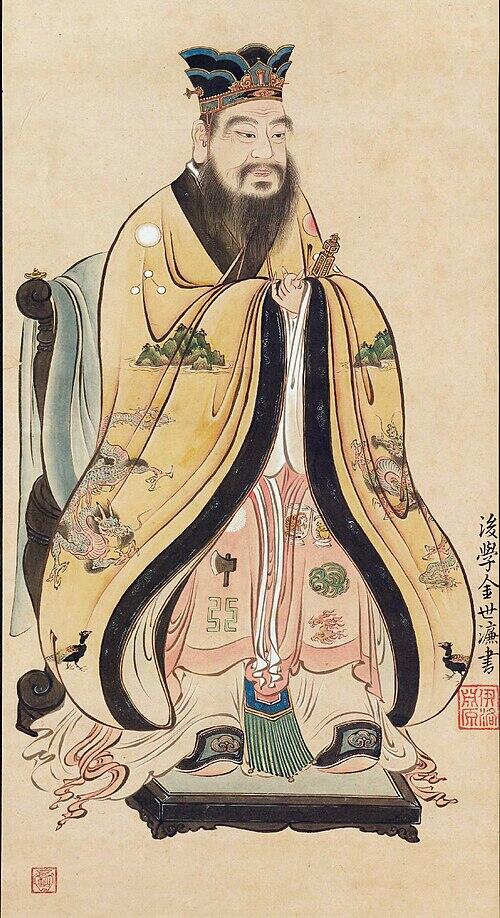
He was a philosopher, teacher, and thinker whose most influential work, "The Analects", compiles moral teachings and reflections on society and government. The Analects is the major work of Confucianism.
His teachings on ethics, religion, education, politics & respect made him one of the greatest philosophers in Chinese history.
📌 Key contribution: Confucianism has influenced the Chinese attitude to existence, setting the patterns of life and social value patterns, and providing the basis for Chinese political theories and institutions. From China, it spread to Korea, Japan, and Vietnam, and in recent decades has sparked interest among Western scholars.
✒️ Qu Yuan (c. 340–278 BC)
Chinese poet, considered the first author of a known name who shows his feelings through oriental poetry. He stood out from a very young age for his intelligence and erudition, and at the age of twenty, he began to dedicate himself to politics. Writer of "Li sao", a long lyric poem, with a total of 372 verses, and one of the most relevant in Chinese literature. It is a poem full of originality and political allegory, where the poet laments that his honor is undervalued and wasted in a corrupt world.
📌 Songs of Chu, Li Sao (An Elegy on Encountering Sorrow), Heavenly Questions, Nine Pieces and Nine Songs are among his famous works.
🌙 Li Bai (701–762 AD)
Li Bai, Li Po or the "Immortal poet", is one of the best poets of Chinese history. Li Bai lived during the Kai Yuan and Tian Bao periods of the Tang Dynasty. Li Bai showed literary talent from a young age and was influenced by Confucianism and Taoism. Li Bai wrote about 1,000 poems that encompassed love, friendship, and nature. Quiet Night Thoughts is one of his most recognized poems.
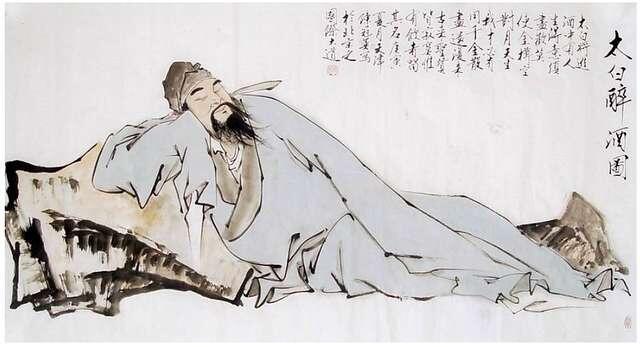
📌 Key contribution: He renewed lyric poetry and consolidated the Tang dynasty as the "golden age" of Chinese poetry. More than 2,000 poets of note produced nearly 50,000 poems of literary value. These are some of the reasons for the poetic greatness of Tang.
📜 Du Fu (712–770 AD)
Du Fu is universally paired with Li Bai as one of the two greatest poets of the Tang Dynasty — and of all Chinese literature. Where Li Bai's verse soars with romantic freedom and Taoist transcendence, Du Fu's is grounded in history, social conscience, and the suffering of ordinary people. Known as the "Poet-Sage" (詩聖), he produced over 1,400 surviving poems that bear witness to the An Lushan Rebellion of 755 — one of the most devastating conflicts in Chinese history — with unflinching compassion for those caught in its destruction.
Though he and Li Bai were friends and contemporaries, their styles could not be more different. Li Bai drinks wine and writes of the moon; Du Fu records famine, displaced families, and the bodies of conscripted soldiers. His most famous poems include Spring View (春望), The Ballad of the Army Carts, and My Thatched Roof Is Ruined by the Autumn Wind — a poem that ends with the wish that he could build a vast mansion to shelter all the poor scholars of the world, even at the cost of his own comfort.
📌 Key contribution: Du Fu's poetry is foundational to Mandarin language education across East Asia. His mastery of regulated verse (律詩, lüshi) set the technical standard for Chinese poetry for centuries, and his moral seriousness gave Chinese literature its social conscience. He was largely unrecognised in his own lifetime but became, over the following centuries, the poet all subsequent Chinese poets measured themselves against.
For more in-depth information, visit the Chinese Literature page on Wikipedia.
Modern Chinese Writers
🖋️ Lu Xun (1881–1936)
Lu Xun, or Zhou Shuren, is considered the father of modern Chinese literature. Lu Xun wrote short stories and essays criticizing the feudal society, advocating for cultural modernization, and the freedom of thought and expression. The Diary of a Madman & Ah Q are books that showcase his irony and social criticism. Lu Xun influenced intellectuals and writers seeking cultural change in 20th-century China.
📌 Lu Xun transformed Chinese literature towards social criticism and reform. The Lu Xun Literary Prize is one of the most prestigious literary prizes awarded by the China Writers Association.
✍️ Eileen Chang (1920–1995)
Eileen Chang (張愛玲, Zhang Ailing) is arguably the most important female writer in modern Chinese literature, and one of the most internationally celebrated Chinese authors of the 20th century. Born in Shanghai to an aristocratic family in decline, she rose to literary fame in Japanese-occupied Shanghai in the early 1940s, producing — often before the age of 25 — a body of work remarkable for its psychological precision, its unsentimental portrayal of love and power between men and women, and its intimate rendering of urban life in wartime.
Her most celebrated works include Love in a Fallen City (1943), a novella set against the fall of Hong Kong to Japan; The Golden Cangue (1943), widely regarded as one of the finest Chinese novellas of the century; and Lust, Caution, a story of espionage, desire, and betrayal in occupied Shanghai that director Ang Lee adapted into a Golden Lion Award-winning film in 2007. Chang's prose style — dense with sensory detail, irony, and a sharp eye for social performance — has influenced generations of writers across Taiwan, Hong Kong, and mainland China.
📌 Key contribution: Eileen Chang pioneered a distinctly feminine voice in Chinese fiction that addressed psychological interiority and gender politics decades before these became mainstream literary concerns. Her work was suppressed in mainland China for much of her lifetime but has since been rehabilitated and is now considered essential reading in Chinese literature curricula worldwide.
🏅 Mo Yan (b. 1955)
Chinese writer born in Gaomi, Shandong, famous for his social realist writing, incorporates history, politics & fantasy. His most relevant books are Red Sorghum, Life and Death Are Wearing Me Out, and The Republic of Wine, which explore the rural Chinese life and the contradictions of modernity. Mo Yan's social and visionary imagination has had a deep influence throughout history.
📌 Mo Yan was the first mainland Chinese resident to win the Nobel Prize for Literature, in 2012. (Note: Gao Xingjian, a Chinese-born French citizen, had previously won the prize in 2000 — see below.)
🚀 Liu Cixin (b. 1963)
Liu Cixin is a Chinese engineer and contemporary science fiction writer. His trilogy began with the famous The Three-Body Problem, The Dark Forest & Death's End books, becoming a worldwide phenomenon and translated into 30+ languages. His books combine science with philosophy, and explore the destiny of humanity in the universe. Netflix adapted the book The Three-Body Problem, leading to online nationalist discontent.
📌 Liu Cixin's popular science fiction novels have sold millions of books worldwide and have won the global Hugo award for science fiction in 2015.
Go beyond Chinese books and literature to discover the most relevant Chinese Hollywood actors of the century.
Chinese Writers in the Diaspora
🌸 Amy Tan (b. 1952)
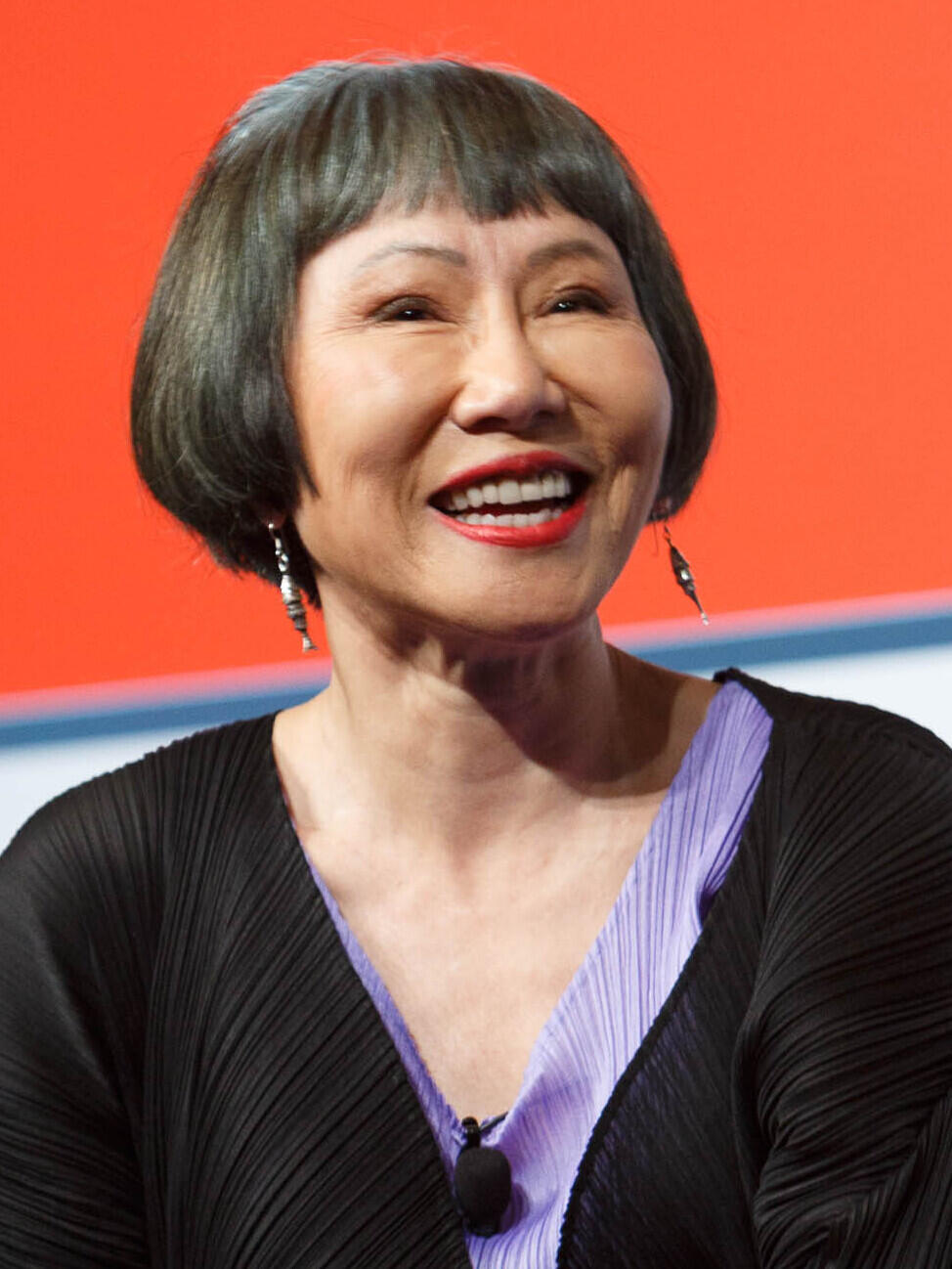
Chinese-American author, and the second of three children born to Chinese immigrants. Amy became worldwide known for The Good Luck Club, one of her most famous books that explores the tensions between Chinese immigrant mothers & their American-born daughters. Her books have been translated into dozens of languages and adapted into films, reasons why she is one of the most influential figures on the Sino-American experience.
📌 For exploring the experiences of immigrant families, heritage, and struggles, Amy Tan's innovative narrative recognizes the sacrifices that come with the search for a new life.
📚 Ha Jin (b. 1956)
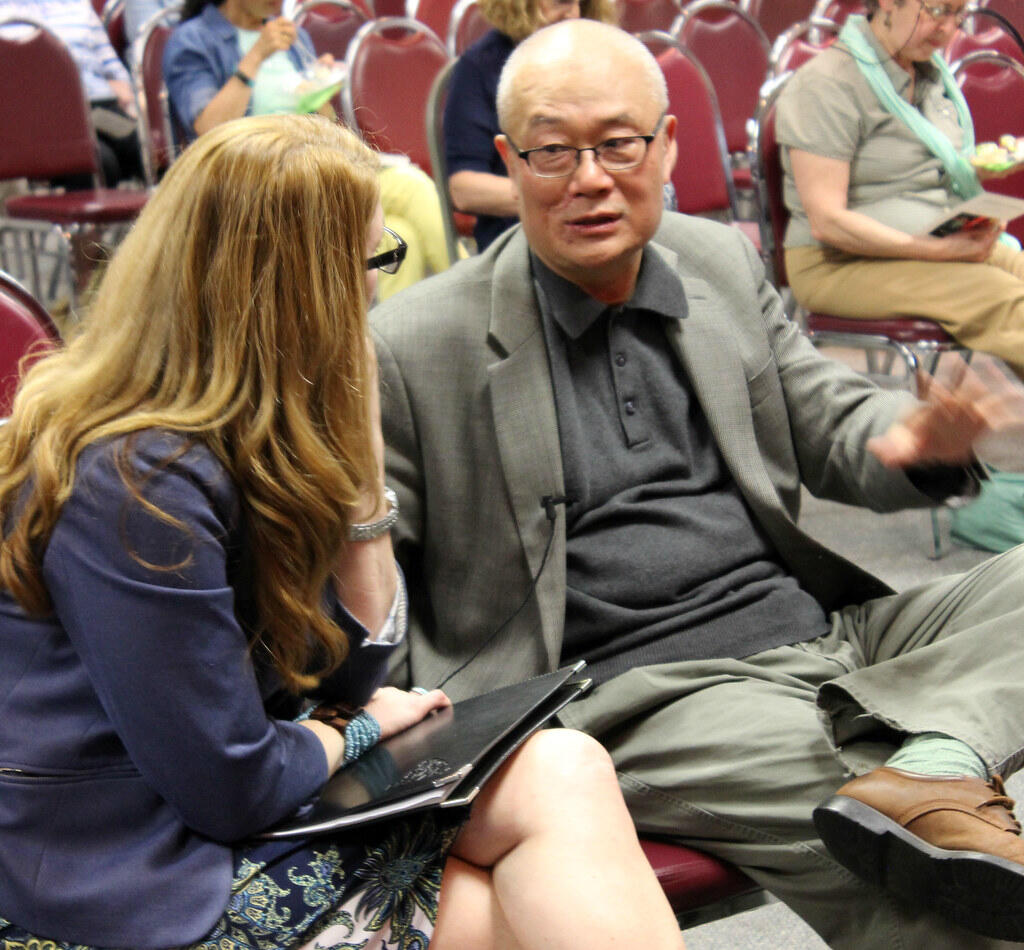
Writer, poet, novelist, and scholar based in the United States, Ha Jin writes primarily in English to target a global audience and to avoid Chinese restrictions, also reinforcing his perspective as a cultural bridge. His book Waiting portrays life in China with a humane & critical approach.
His work encompasses both his experience in China and the challenges of immigrants, leading him to win the National Book Award in 1999.
His work explores the tensions between:
- The individual and the family,
- Modern and traditional,
- Personal feelings and the duty.
📌 Ha Jin has taught at Emory University in Atlanta and Boston University in Massachusetts. He has received numerous awards, such as the American Academy of Arts, the Faulkner & the National Book Award.
🏆 Gao Xingjian (b. 1940)
Gao Xingjian (高行健) is a novelist, playwright, critic, and painter who became the first Chinese-language writer to win the Nobel Prize for Literature, awarded in 2000 "for an oeuvre of universal validity, bitter insights and linguistic ingenuity." Born in Jiangxi province in 1940, Gao lived through the Cultural Revolution — during which he was sent to a reeducation camp and was forced to burn a suitcase full of his own manuscripts — before becoming one of the leading figures of Chinese experimental theatre in the early 1980s. In 1987, after several of his plays were banned by Chinese authorities, he left China and settled in Paris as a political refugee, becoming a French citizen in 1997.
His most celebrated work, Soul Mountain (靈山, 1990), is an experimental novel born from a five-month solo journey through the remote mountains and forests of Sichuan that Gao undertook after a false diagnosis of lung cancer. The book blends travelogue, folklore, autobiography, and philosophical meditation, shifting between multiple narrative perspectives in a way that deliberately unsettles the reader's sense of self and story. His second major novel, One Man's Bible (2000), returns to the trauma of the Cultural Revolution with autobiographical candour.
📌 Key contribution: Gao Xingjian's Nobel Prize in 2000 marked the first time the prize had been awarded to a writer working in the Chinese language — twelve years before Mo Yan won it as a mainland Chinese resident. His work sits at the intersection of Chinese literary tradition and European avant-garde theatre, drawing on Samuel Beckett and Eugène Ionesco while remaining deeply rooted in classical Chinese thought and landscape.
Contemporary Trends in Chinese Literature
🚀 Rise of Science Fiction
Over the last decade, science fiction has become China's most popular genre, gaining international attention. Authors such as Liu Cixin and Hao Jingfang represent a literature that reflects both technological development and the consequences of a changing country. Liu Cixin's The Three Body Problem and Hao Jingfang's Beijing Folding are two of the most prominent contemporary Chinese sci-fi writers, winning the Hugo Award for the best science fiction novels. Indeed, this genre is highly supported by the Chinese government since it can inspire the nation's ability to popularize science nationwide.
📰 Literature as Political Commentary
Many Chinese writers use literature to reflect on social and political issues. Yu Hua, in China in Ten Words book, analyzes the country's recent history; Yan Lianke explores censorship and historical memory. Literature thus becomes a tool for critical debate, despite political constraints.
Influential Chinese Literary Works
🏯 Dream of the Red Chamber of Cao Xueqin
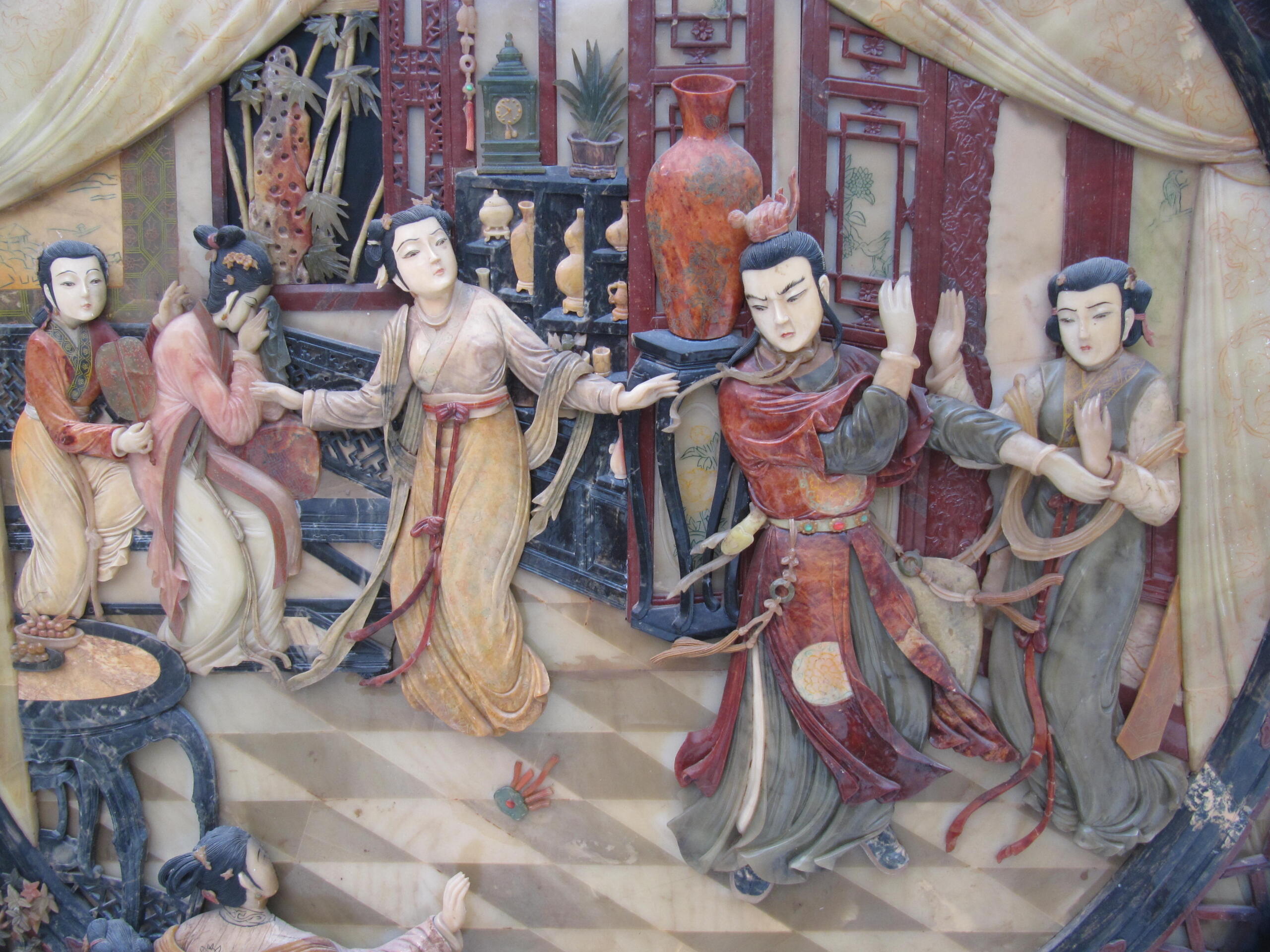
The Dream of the Red Chamber, or 红楼梦, is considered one of the most famous books of literature in China to be published (part of the Four Great Classical Novels). This 18th-century book describes the downfall of an aristocratic family. With more than 100 characters, it combines romance, tragedy & social criticism. It is considered an irreplaceable reflection of feudal society.
🌾 To Live of Yu Hua
Published in 1993, it tells the story of a peasant who survives wars, revolutions & social changes. The book is a testament to the resilience of the Chinese people in the face of historical adversity. It was adapted to film by Zhang Yimou and gained international recognition.
Chinese Literature's Global Impact
🌐 Translations and International Recognition
Chinese literature now reaches readers worldwide thanks to translations into English, French, Spanish, and way many other languages. Some great examples are:
Explore the most famous Chinese performers and how Chinese artists are reaching international audiences.
🌎 Influence on Global Literary Movements
Chinese literature has had a great influence on global literature. The texts of Confucius and Laozi were read in Europe from the 17th century, influencing important figures such as Voltaire. In the 20th century, Lu Xun's works provided a literature focusing on social criticism, realism & modernism. Mo Yan has been compared to Latin American magical realism for intertwining the everyday with the fantastic. And, writers like Liu Cixin have introduced scientific and philosophical perspectives.
Comparative table of literary periods and writers
| Period | Writer | Key Work | Contribution |
|---|---|---|---|
| Classical | Confucius | Analects | Philosophy and morality |
| Classical | Li Bai | Tang Poems | Romantic lyricism |
| Modern | Lu Xun | Diary of a Madman | Social criticism |
| Modern | Mo Yan | Red Sorghum | Hallucinatory realism |
| Contemporary | Liu Cixin | The Three-Body Problem | Global science fiction |
| Diaspora | Amy Tan | The Joy Luck Club | Cultural identity |
Summarize with AI:
Did you like this article? Leave a rating!

 Loading...