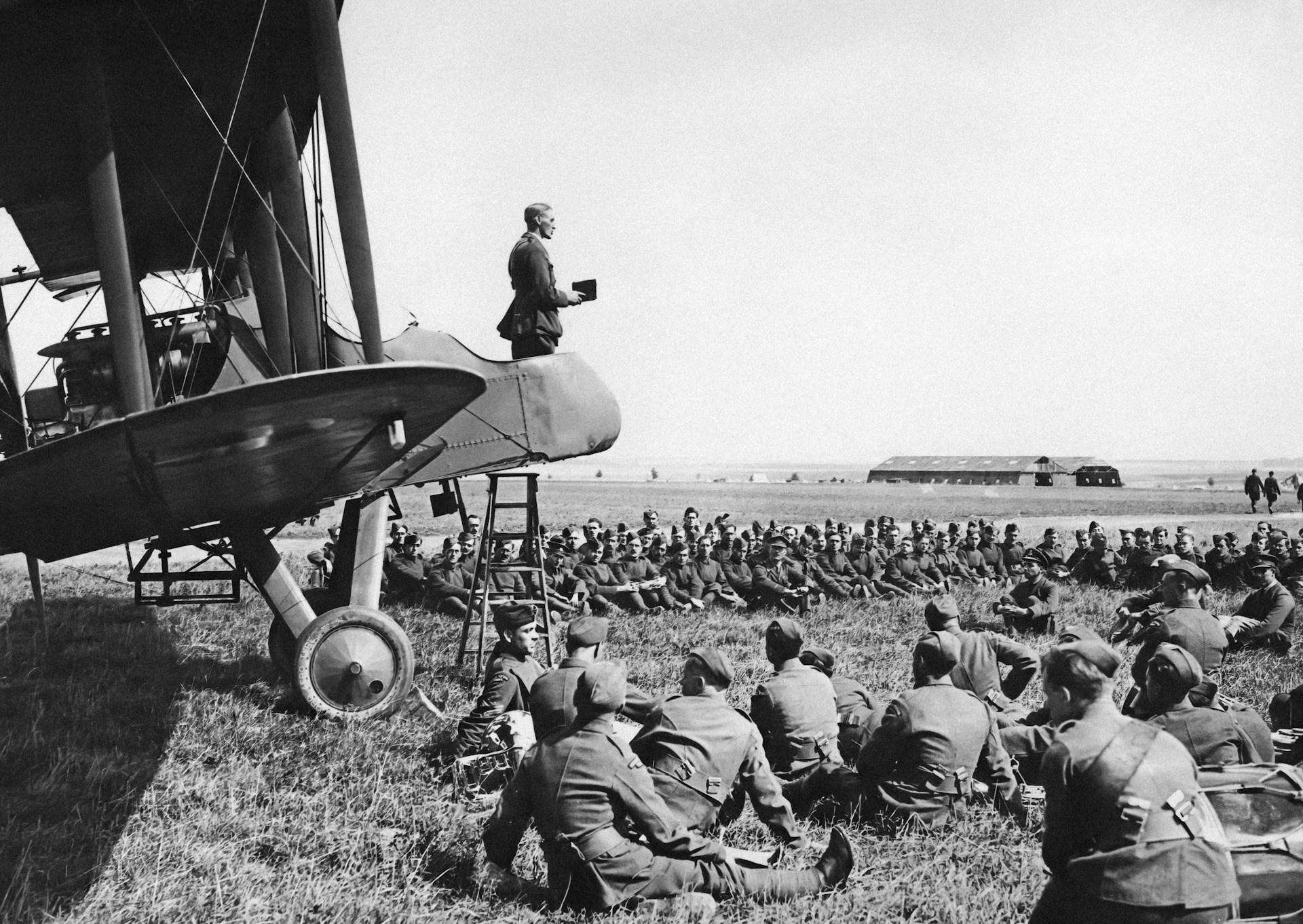

Every 11 November at 11 am, Canadians observe Remembrance Day (formerly known as Armistice Day) to remember the Canadian soldiers who served and perished during the First World War and subsequently the Second World War.
The First World War, alongside other historical events in Canada, played a key role in shaping Canada's national identity and legacy, to what we know today.
In this article, we will discuss the following points:
- The participation of Canada in World War I
- Legislations passed during World War I
- Major battles in which the Canadian soldiers were involved
- How did World War I change Canada


How Did Canada Participate in World War I?
Britain was part of the Allied Powers and gathered alongside its dominions and colonies which include Canada, Australia, India, New Zealand, Newfoundland and South Africa.
Canada took part in the First World War after Great Britain declared war on Germany on 4th August 1941, as the nation's foreign affairs were still controlled by Britain.
Thinking that the war would end early and the war was a necessary act, Canadians initially showed an enthusiastic response to the war. Driven by patriotism and hate towards the Germans, many men volunteered to train for the war by joining the Canadian Expeditionary Force (CEF).
Under the CEF, the Canadian Corps was formed to have a better organisation and command of Canadian soldiers in the subsequent battles in Europe.
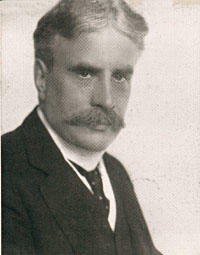
Later in 1917, noticing the strain of the prolonged war and the declining number of Canadian troops, the Canadian government under the leadership of Prime Minister Robert Borden introduced conscription (mandatory participation in war).
He quickly realised that voluntary recruitment was not effective in sustaining the war's efforts.
Borden's intentions were clear: to increase the Canadian army and make the nation more independent of Britain. The issue of conscription caused great debate and division among Canadians, especially among the farming community (wanting their sons to stay and work) and French Canadians in Quebec as they did not feel attached to the British government.
Legislations That Were Passed During World War I
You'll be surprised to find out how Canadian law played a significant role during the period of war.
First, we have the War Measures Act (1914) 1, which granted full authority to the government to do what was deemed "necessary" to maintain order and security.
Some of the permitted actions include:
- Seizing private properties
- Control transportation, trade and manufacturing
- Censorship of communications
- Internment of "enemy aliens"
This term refers to individuals who are from other countries that were at war with the country that are currently staying. In this context, it refers to immigrants who have settled down in Canada who were from Germany, Bulgaria, and the Austro-Hungarian empires.
Secondly, we have the Military Service Act (1917) 2 which Borden pushed to pass in Parliament as a mandatory effort to implement conscription in the nation. Under this act, every male citizen in Canada from the age of 20 to 45 is subjected to serve in the war. Though many Canadian men were given military exemptions, conscription played a crucial and great effort in offering manpower to the Canadian Expeditionary Force for their final fights during the First World War.
Next, we have the Income War Tax Act (1917) 3, which was introduced to fund the war efforts overseas. Different categories of Canadian citizens were taxed differently. For instance, widows, unmarried people and widows without dependent children received a personal exemption of $1,500 on their income whereas the rest of the citizens had a tax exemption of $3,000. The Income War Tax Act eventually marked the beginning of federal income tax in Canada, a legislation that remains today.
Major Battles That The Canadian Soldiers Were Involved
Throughout the First World War from 1914 to 1918, the Canadian army engaged in many battles overseas in places like Belgium and France with their fellow Allies.
Here are three memorable battles showcasing the Canadian soldiers' great tenacity and bravery.
Second Battle of the Ypres (1915)
One of the first major battles involving the Canadian Force, the battle took place in Ypres, a town in Belgium. The German army launched the first-ever gas attack of the war, consisting of chlorine gas over the Canadian and French-Algerian troops.
Despite the unexpected attack, the Canadian troops continued to launch counterattacks and had hand-to-hand combat to stop the progress of the Germans. The second round of chlorine gas attack proved to be quite fatal as many Canadian soldiers were killed due to choking and irritation of the lungs because they did not wear any gas masks.
Some Canadian soldiers were lucky to survive after receiving instructions from medical officers to use clothes or handkerchiefs soaked with urine (consisting of ammonia, a base) to neutralise the chlorine gas.
Despite heavy casualties, the Canadian soldiers' performance during this battle was considered a success as they still managed to defend Ypres despite being outnumbered before new reinforcements came in over four days.
Battle of the Somme (1916)
Known as one of the deadliest battles in human history, this battle was fought surrounding the Somme River in northern France over five months. The battle focused on two locations — Beaumont-Hamel and Courcelette.
In Beaumont-Hamel, the English army and the Newfoundland Regiment attempted to break through the German defence through massive artillery bombardment but it was unsuccessful. The Germans were well prepared — hiding in well-built dugouts. Many English soldiers were killed on the first day of the battle.
The Canadian Corps was later assigned to take part in the battle in Courcelette. They launched a massive attack by using a new military tactic known as the creeping barrage to advance across German lines as they moved forward like a shield while utilising tanks as an effective psychological weapon. It was considered a success for the Canadian Corps as they captured Courcelette on the first day of the attack.
Overall, this battle had a heavy human cost to pay. The Allies suffered an estimated loss of 614,000 while the Germans suffered an estimated loss of 440,000.
Battle of Vimy Ridge (1917)
This battle was a defining moment for the Canadian Corps for a few reasons. Firstly, it was the first time that a complete division of the Canadian Corps (consisting of four major divisions) fought together, symbolizing national unity. Secondly, it was a well-prepared battle, in terms of military tactics and attacks — eventually leading to their victory at Vimy Ridge, France.
Under the leadership of the British commanding officer, Sir Julian Byng, the Canadian Corps built tunnels, trenches and roads to strengthen their defense strategy.
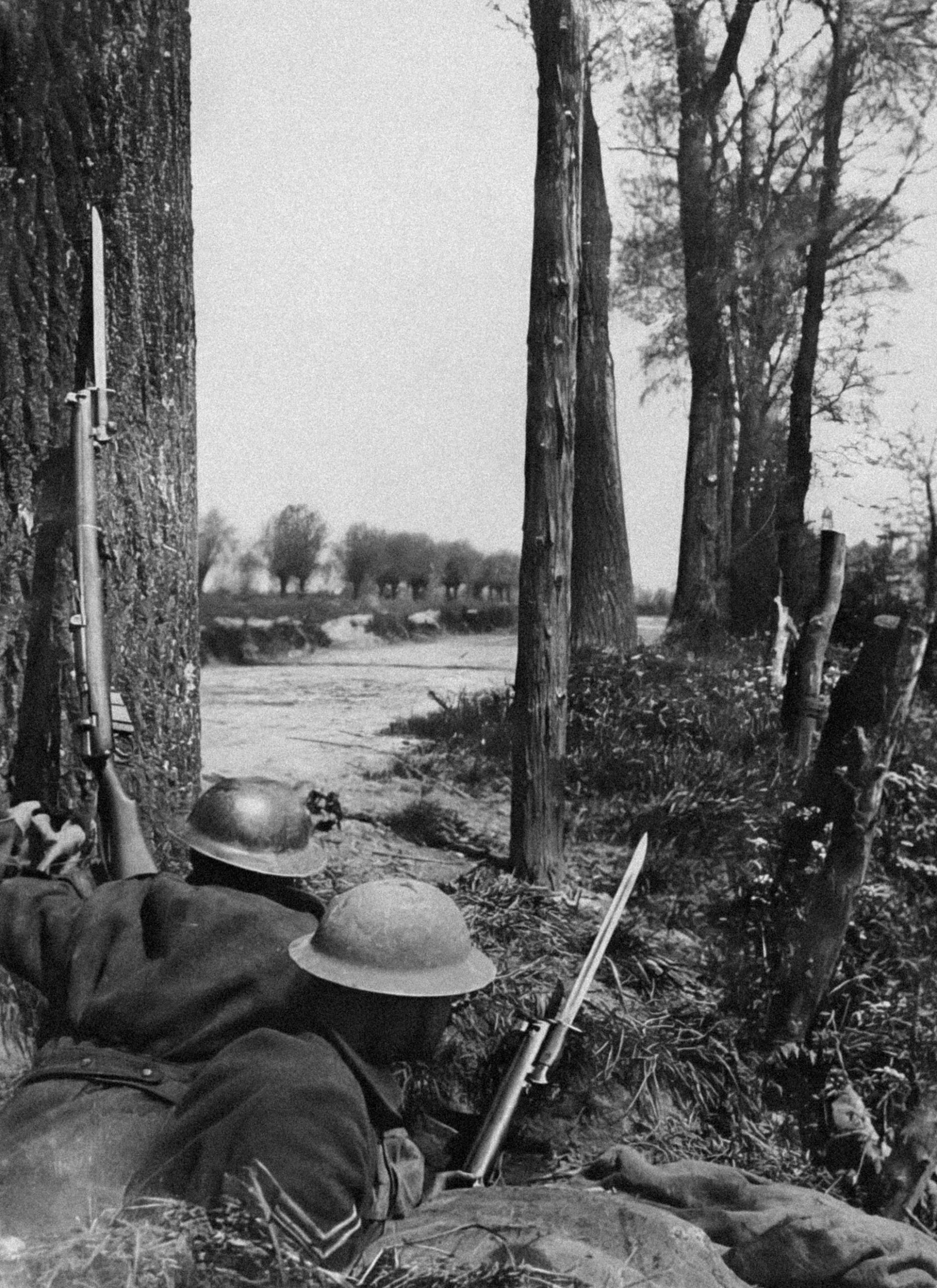
Furthermore, each military division began to diversify their tactics, and attacking roles, where some soldiers would throw grenades, and some would operate machine guns instead of sticking to one attacking method.
Through their previous regiment experience at the Battle of the Somme, the Canadian soldiers also applied the creeping barrage method this round to put German soldiers in a passive position as they advanced forward.
The attack on 9th April morning was a successful one, where the Canadian Corps managed to advance as much as 5km and after a few days, they officially won the battle of Vimy Ridge.
Until today, the battle of Vimy Ridge is considered a memorable war victory in Canada's national history.
A war coalition consisting of Britain and its empire (including Canada), France, Russia, Italy and the United States against the Central Powers — Germany, Bulgaria, Austria-Hungary and the Ottoman Empire.
How Did World War I Change Canada?
The First World War was more than just clashes between military powers. It also holds significant impacts and legacies to Canadian society in terms of economic, social and even political changes.
Firstly, the war accelerated the industrialization and urbanization process of the nation. Many factories were built, leading to new job opportunities for those who stayed at the home front, especially women.
Secondly, as more women participated in the workforce, they were more proactive in fighting for equal rights in terms of pay equity and suffrage rights.
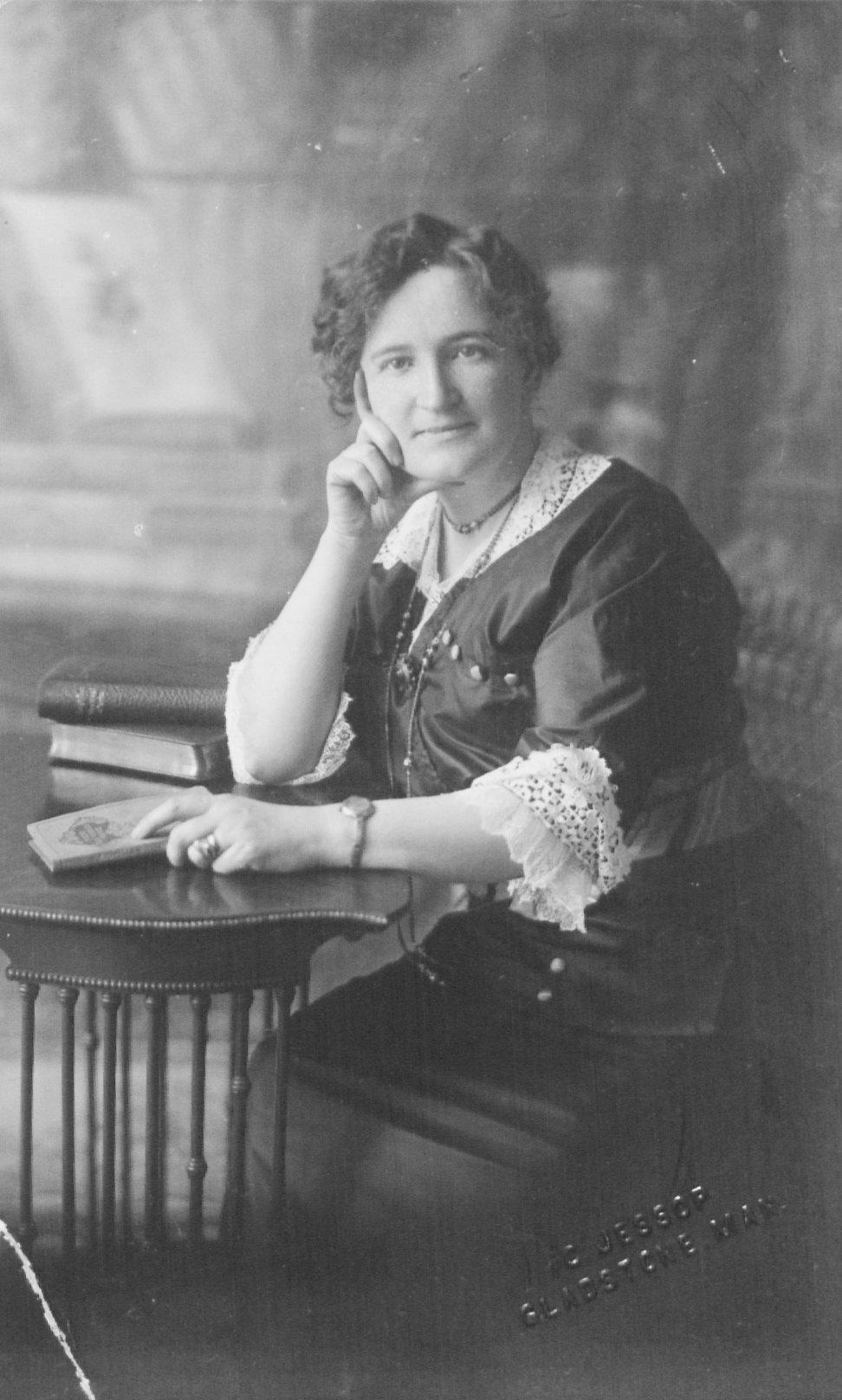
It was during the First World War that the women's rights movements in Canada began to take flight through various organisations like the Woman’s Christian Temperance Union and feminists like Nellie McClung.
Canadian men and women helped to contribute to the growth of the nation, in their special ways.
Thirdly, the contributions and service of the Canadian Corps during the war allowed the government to achieve greater independence from Britain. As a nation, Canada was now internationally recognised.
To mark the end of World War I, the Allied forces and Germany signed the Treaty of Versailles (1919). Canada signed the treaty independently, symbolising the nation's new status as a growing sovereign nation. Through the signing of the treaty, Canada also became a member of the League of Nations, which laid a core foundation for the nation's future diplomatic policies and relationships as an independent nation.
As a nation, Canada also mourns the sacrifices and casualties suffered throughout the course of the First World War. Their great services towards the nation should never be forgotten.
Explore The Significance of The First World War With A Superprof Tutor
Now that you have reviewed the key contributions and legacy of Canada in World War I, you might be interested in probing deeper into the cause and effects of this war and its relationship with other historical events in Canada like the Second World War, for instance.
Having an experienced history tutor can help you connect the dots between the past and present of Canada's history effectively, especially if you are currently a student who is preparing for an important examination.
Your tutor can not only offer you different perspectives on the war in terms of the relationship between the British Corps and the Canadian Corps, the role of the Canadian government, the significance of having a strong military regiment and many more. Furthermore, your tutor can also help you anticipate potential questions that may be asked on this topic while offering you the relevant materials to read and revise.
Not sure where to find an experienced history tutor? We got the perfect solution for you!
Head to the Superprof Canada homepage to find the best history tutor near you and choose from a wide selection of tutors' profiles, be it for physical or online lessons.

At Superprof, you can rest assured that our tutors are highly qualified, experienced and dedicated.
Most importantly, history lessons are affordable as you can set a maximum budget (for example, $20 an hour) for your tutoring session before committing to your first lesson.
After deciding on your history tutor, you can contact him or her directly through the inbox feature on their respective profiles.
We hope this article has offered you an overview of Canada's role in the First World I 4 and inspired you to have a greater interest in Canada's history.
Canada entered World War I as a colony and came out a nation.
Bruce Hutchison
References
- War Measures Act. The Canadian Encyclopedia. (2013, July 25). https://www.thecanadianencyclopedia.ca/en/article/war-measures-act
- Military Service Act. The Canadian Encyclopedia. (2006, February 7). https://www.thecanadianencyclopedia.ca/en/article/military-service-act#:~:text=The%20Military%20Service%20Act%20became,of%20the%20First%20World%20War.
- Income Tax in Canada. The Canadian Encyclopedia. (2022, January 22). https://www.thecanadianencyclopedia.ca/en/article/income-tax
- First World War (WWI). The Canadian Encyclopedia. (2013, August 5). https://www.thecanadianencyclopedia.ca/en/article/first-world-war-wwi
Summarize with AI:
Did you like this article? Leave a rating!


 Loading...