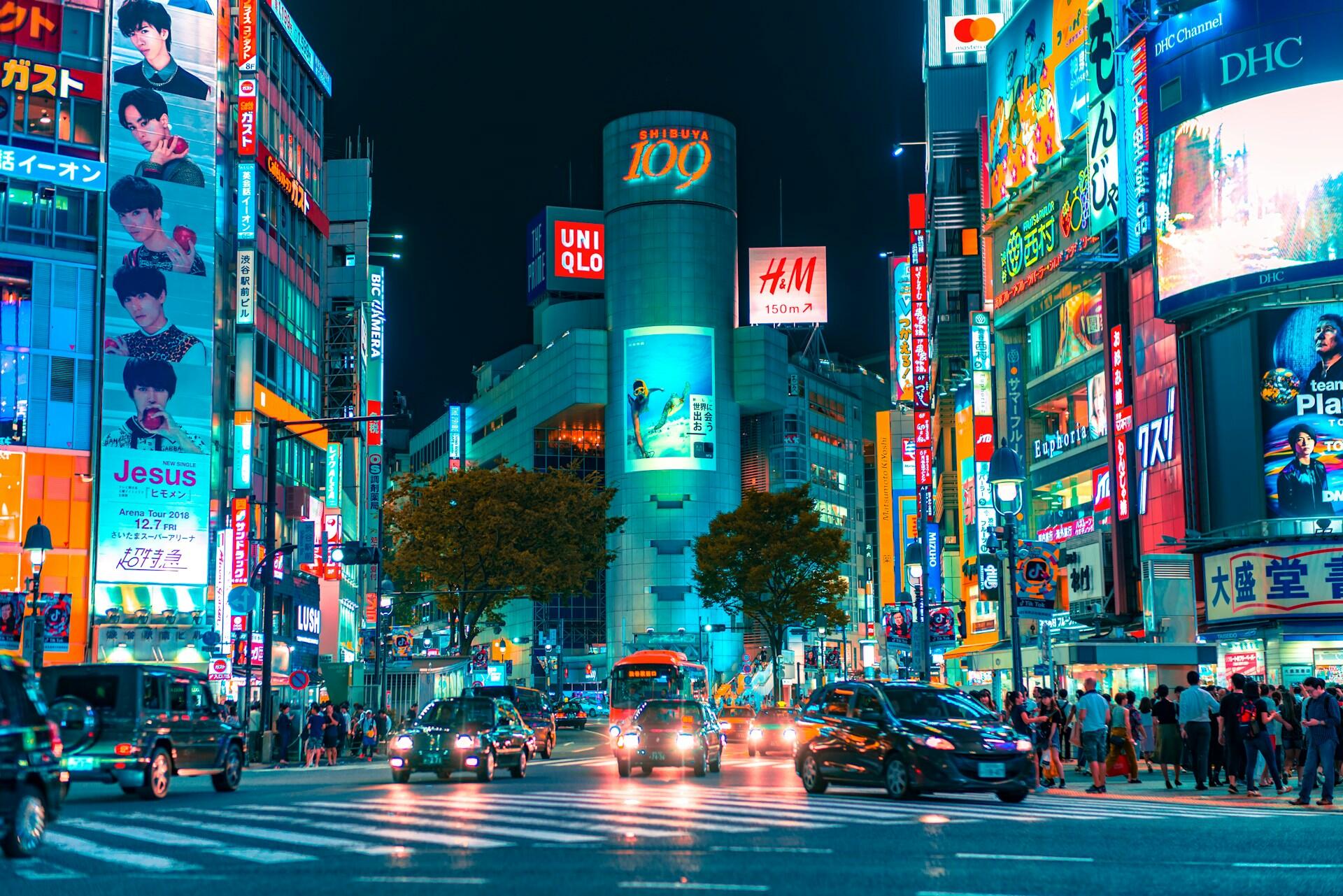
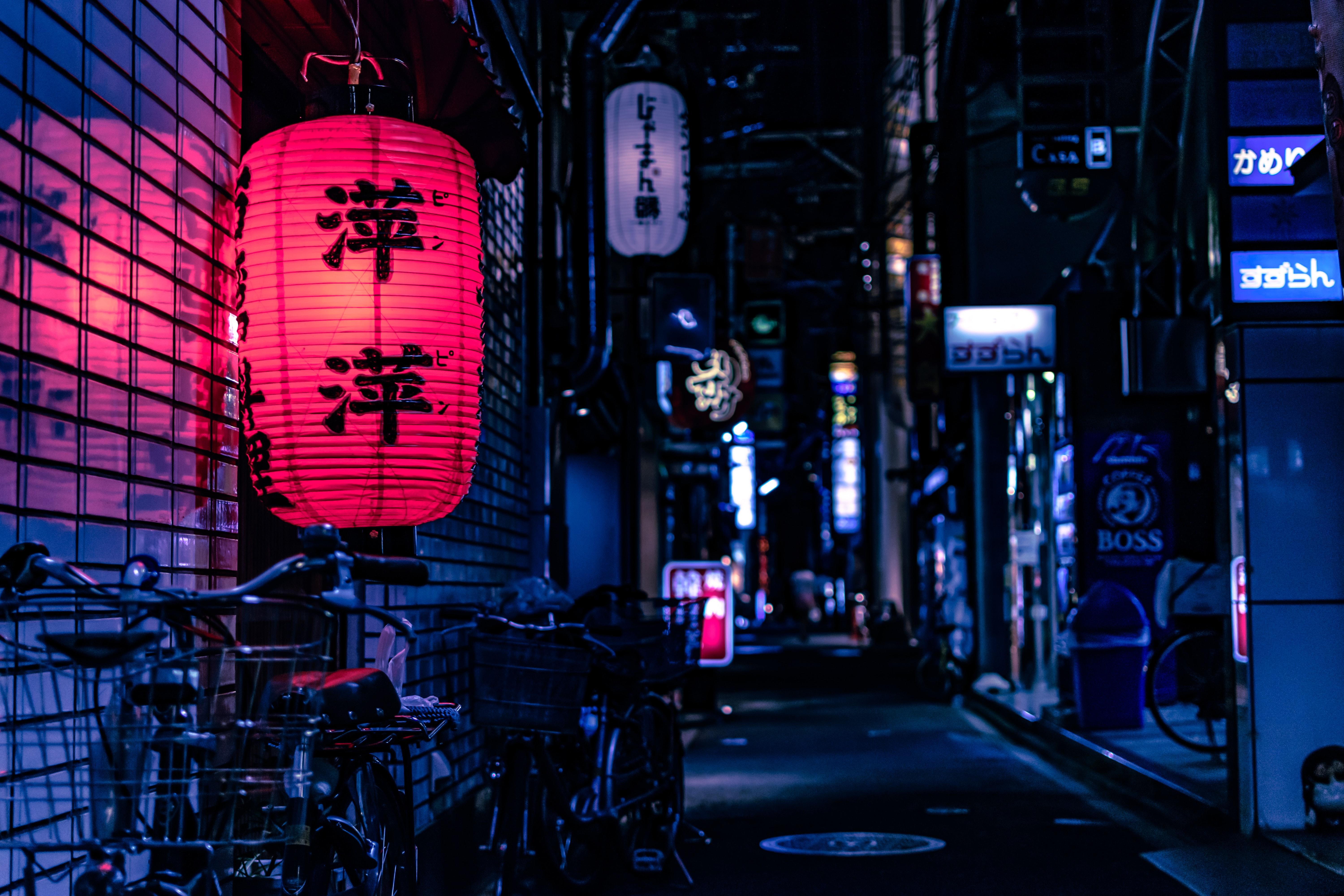
Are you passionate about the Country of the Rising Sun? One thing is for sure: Japan never stops surprising you. Japanese culture is a blend of ancient traditions and modernity, shaped by centuries of history and cultural exchange. From its famous traditional tea ceremonies to its contemporary fashion and global pop culture, the Japanese culture offers a unique perspective on how a society can remain deeply rooted in its past while continuing to shape the future.







Historical Foundations: Ancient Influences and Indigenous Traditions
To truly understand Japanese culture, it is helpful to trace it back to its earliest roots. One of the earliest known periods in Japanese history is the Jōmon period, which dates back to the emergence of pottery some 16,500 years ago.
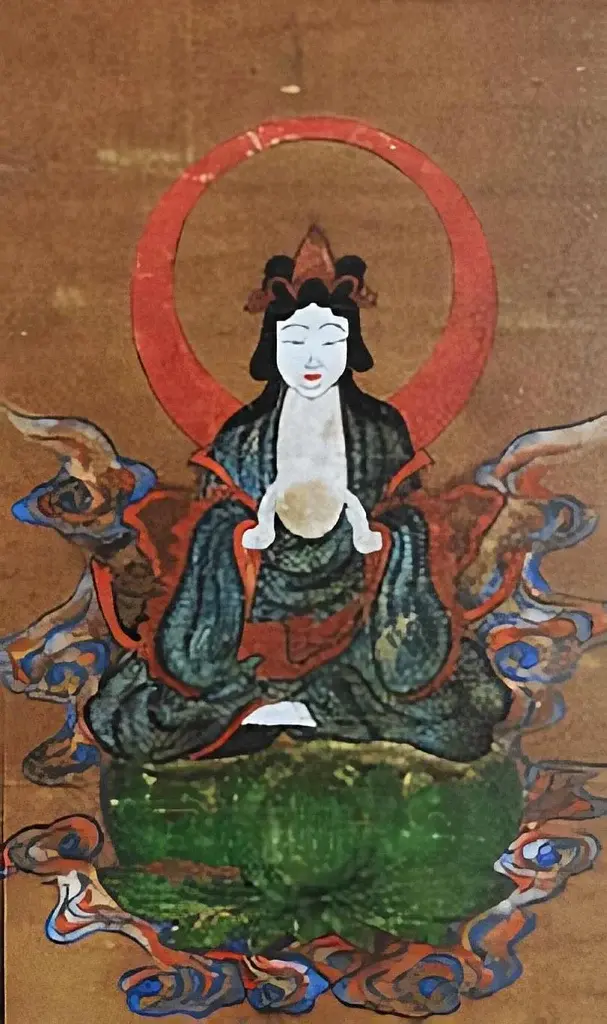
During this time, early communities were hunter-gatherers and fishermen, making use of a wide variety of plants and animals, as well as clay and stone tools. 1
It was at this time that indigenous beliefs began to take shape, giving rise to what would later become Shinto.
Japan’s oldest religion, Shinto, centers on nature, ancestor worship, and the kami, which are spirits or sacred presences venerated in shrines.
This animistic and polytheistic faith holds that all living things are sacred, from humans and animals to trees and the oceans. 2
Among the major religious festivals of Shintoism are the matsuri, including the rei-sai, which are major annual celebrations dedicated to specific kami.
Did you know that Japan is best known for its manga and haiku (short poems)? Japanese literature often reflects cultural values such as simplicity, impermanence and the deep connection to nature, making its Japanese novels truly worth a read.
Core Elements of Japanese Culture
Japanese culture is characterized by its language, traditions, and artistic expression. From the way people communicate and use different writing systems to the role of religion and the beauty of traditional arts, all these elements help us better understand what makes Japanese culture so unique.
Language and Communication
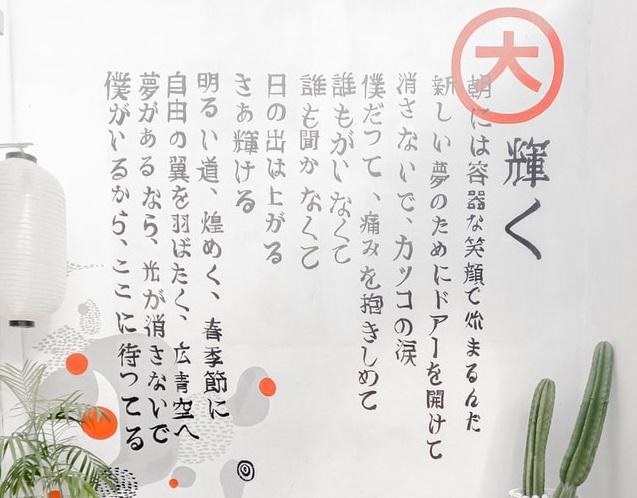
Language is a crucial element in understanding any culture. Japanese belongs to the Japonic language family and encompasses all the local linguistic varieties and dialects spoken in Japan’s main islands. Japanese uses three writing systems: hiragana, katakana, and kanji, and while it may seem a bit complex at first glance, each system has its own function.
- Kanji convey the core meaning of words.
- Katakana is used for foreign or borrowed words.
- Hiragana ties it all together through grammar and inflection. 3
Did you know that by the early 2020s, it had more than 125 million speakers, including over 3.5 million outside Japan? However, since the mid-20th century, no other country has used Japanese as a first or second language. 4
Communication in Japan is also shaped by social context. Honorifics such as -san, -sama, or -kun demonstrate respect and reflect the nature of relationships and hierarchies. Furthermore, gestures, tone of voice and even silence can convey meaning.
Want to learn more? Book a Japanese class here on Superprof.
Religious Practices
Japanese religious traditions include Shinto, the country’s oldest religion, alongside Buddhism, influences from Confucianism, and a small Christian community. Shinto and Buddhism are the most prominent ones and often coexist and complement one another.
Rather than choosing one over the other, many Japanese people engage with both traditions. Practitioners visit Shinto shrines for celebrations and Buddhist temples for funerals, and they participate in celebrations, seasonal rituals and daily customs.
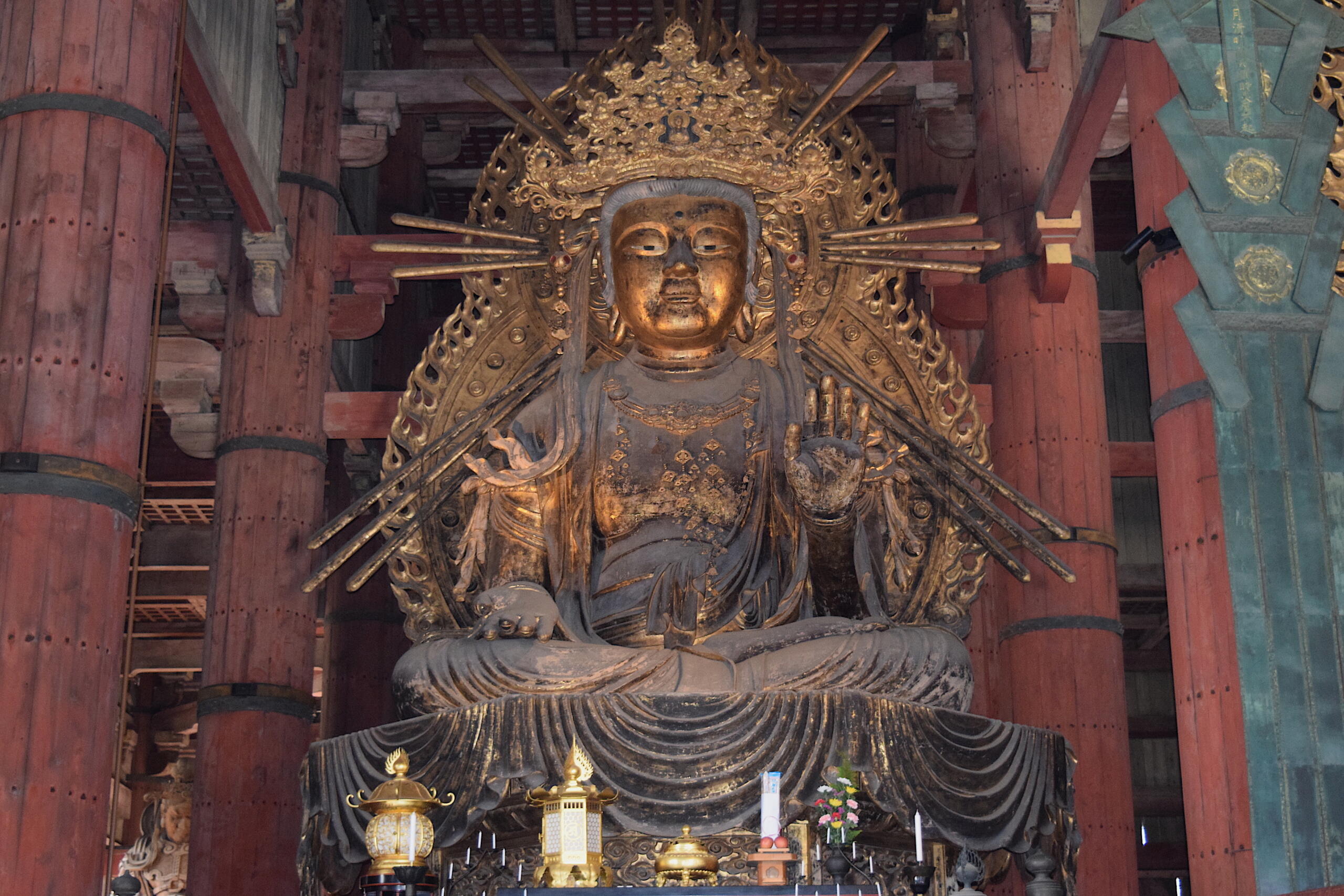
Shinto focuses on the worship of kami, or spiritual presences of nature, while Buddhism offers philosophical teachings on life, suffering and the path to enlightenment.
Traditional Arts and Crafts
Traditional arts and crafts are an essential part of Japan’s cultural identity and reflect an appreciation for detail, minimalism, and aesthetics. Famous practices such as the tea ceremony (chanoyu), calligraphy (shodō), and flower arranging (ikebana) are ways of cultivating mindfulness and respect for simplicity.
Japanese art encompasses a wide variety of styles and techniques, including ancient ceramics, sculpture, ink painting, ukiyo-e prints and woodblock prints, pottery, origami, bonsai, and, of course, manga and anime. In addition, traditional crafts include many other categories, such as textiles, metalwork and papermaking.
Social Structures and Norms
Japanese society is highly structured, with deeply ingrained social norms. These norms are typically based on respect, responsibility and group harmony, and influence all areas of social life, from the family to the workplace.
Family Dynamics and Social Hierarchy
Despite social changes, Japanese families continue to honor traditions passed down from generation to generation. In Japan, family life is based on deep respect for elders and a clear sense of hierarchy.
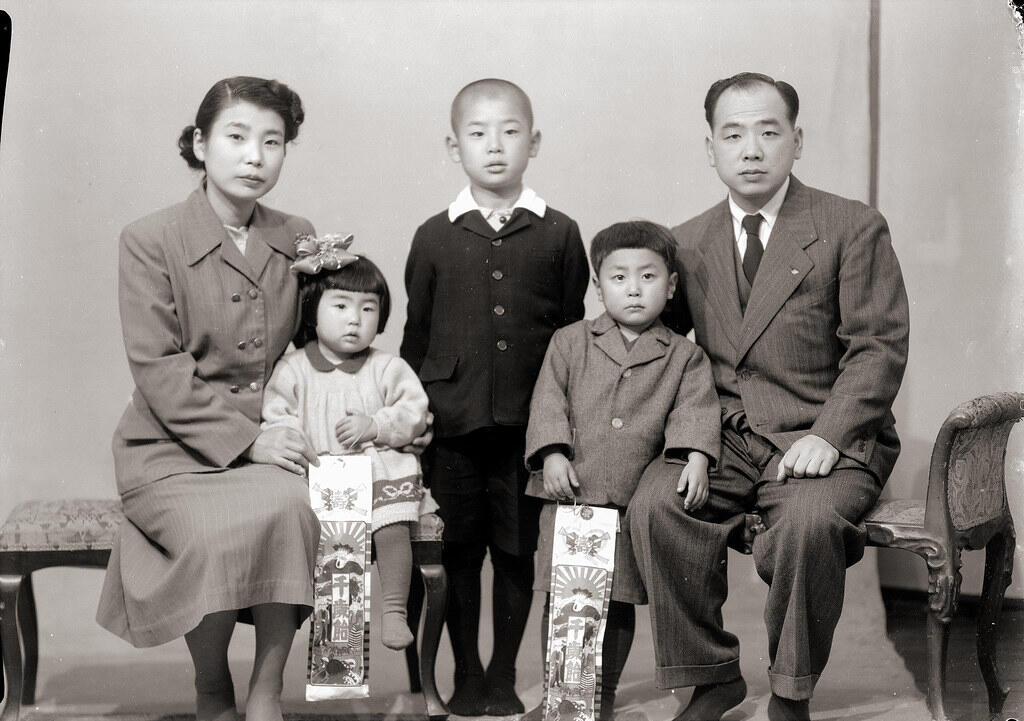
Respecting and honoring parents and older relatives is a moral duty. From an early age, children are taught to respect their elders, listen to their advice, and help with household chores. 5
In Japanese culture, age, status and experience often determine how people interact with one another.
Respect for elders and authority figures is deeply rooted, reflected in both language and behavior. Whether in personal, family, or professional settings, maintaining harmony and respect for others is a fundamental expectation.
Work Ethic and Education
Japan is known for its work ethic, which values diligence, discipline, and collective success. Teamwork and group harmony take precedence over individual recognition, and there is often a shared sense of responsibility for achieving common goals. However, Japan’s work culture is also characterized by long working hours and social pressure.
Despite legal protections, many Japanese employees feel social pressure to stay late and contribute to their team’s success. The concept of karoshi, or death from overwork, has become a serious problem in recent years, prompting government initiatives to reduce excessive overtime and promote healthier work habits. 6
Education is another fundamental pillar of Japanese society. The system is very rigorous, with a strong emphasis on academic performance. From an early age, students are encouraged to develop discipline and responsibility. This approach to education contributes to the country’s social and economic development.
Festivals and Celebrations
Festivals and holidays in Japan are celebrations that reflect the country’s deep cultural roots and seasonal changes. From local festivals to national traditions, these events are an important part of daily life in the country.
Seasonal Festivals
A matsuri is a traditional festival in which deities are honored through dances, parades, and processions. Originally, they were organized to celebrate the divinity (kami) of a shrine, but they also mark the changing of the seasons, such as the rice harvest or the blooming of the sakura. 7
Obon is another annual Buddhist festival that commemorates ancestors who temporarily return to this world to visit their families. During Obon, people visit graves, dance, and make food offerings in their homes. 8
National Holidays and Traditions
Japan also celebrates several national holidays, such as the Japanese New Year, known as Shōgatsu, which is celebrated on January 1 and is one of the most important celebrations of the year. Families gather, visit shrines to pray, and enjoy traditional meals.
Another holiday is Children’s Day, celebrated on May 5 during the Golden Week. This day is dedicated to praying for the health and happiness of children, and families with children hang large carp-shaped streamers (koinobori) outside their homes.
Contemporary Cultural Expressions
From anime and music to fashion, table manners, and dining etiquette, all these elements offer a clear glimpse into how tradition and modern life blend in today's Japan.
Popular Culture
Anime and manga have become central to entertainment, fashion, and even technology in Japanese culture. Since they are not limited to a niche audience or age group, both have become extremely popular art forms in everyday media.
Creators such as Hayao Miyazaki, co-founder of Studio Ghibli, have helped bring Japanese animation films to an international audience through stories that explore complex characters and themes, including identity and society.
According to the Association of Japanese Animations (AJA), Japan’s animation industry reached a record $25 billion in 2024, driven primarily by the growing international demand. The report highlights how anime has become a global industry with more money coming from outside Japan than from within the country. 56% of the total revenue (about $14.25 billion) came from overseas markets, while 44% (about $10.97 billion) was generated domestically. 9
Music is also part of the picture. J-pop is known for its rhythms and meticulous production. However, its reach outside Japan has been more limited than that of anime, partly because Japanese music production is heavily restricted overseas.
Last but not least, we couldn’t fail to mention the popular concept of kawaii culture, whose aesthetic centers on cuteness, softness, and playful design. Showing up in fashion, branding, and everyday products, Kawaii has definitely become a recognizable part of Japan’s cultural identity.
Modern Fashion and Lifestyle
Modern Japanese fashion is also known for its creativity and diversity, as it combines traditional elements with contemporary styles. Garments like the kimono continue to inspire designers and appear in both formal settings and everyday wear.
At the same time, Japanese lifestyle trends emphasize minimalism, functionality, and attention to detail, a hallmark of everything from architecture and interior design to fashion and daily routines.
Culinary Traditions
Table manners and dining etiquette also play an important role in daily life. Some of these unspoken rules include saying itadakimasu before eating to express gratitude for the food and its preparation. Similarly, people often say gochisōsama deshita after a meal to express appreciation.
Eating, especially in family or group settings, is also a way to strengthen a sense of togetherness. Table manners, such as waiting for everyone’s food to arrive before eating, avoiding loud noises while eating, and using chopsticks properly, reflect the importance of respect in everyday situations.
Cultural Etiquette and Practices
Everyday interactions in Japan are governed by simple yet meaningful customs designed to show respect, maintain relationships, and help people navigate social situations with ease, especially when it comes to greetings and gift-giving.
Bowing and Greetings
Bowing is one of the first things people notice about Japanese etiquette. It is used in all contexts, from casual ones to more formal interactions. The depth and duration of a bow can show how much respect or sincerity someone wants to express, and can range from a slight nod of the head to a deeper bow in more formal settings.
Greetings also change depending on the context and the type of relationship. While a simple konnichiwa (hello) can work well in everyday situations, more formal interactions typically involve a combination of verbal and nonverbal cues to convey politeness and respect.
Gift-Giving Traditions
Giving gifts is an important cultural practice in Japan, generally around special occasions. Omiyage is a common tradition in which people bring souvenirs for friends, family, or coworkers, usually after a trip. These gifts are often local specialties and are carefully chosen to show thoughtfulness.
Additionally, Japanese culture has a strong sense of reciprocity. When someone receives a gift, it is common to return the gesture.
Arts and Entertainment
Art and entertainment in Japan blend ancient traditions with forms of expression that remain relevant to this day. From theater to the visual arts and design, these forms demonstrate how culture has adapted and endured over time.
Traditional Performing Arts
Japan’s traditional performing arts are among the oldest in the world. Forms such as Noh, Kabuki, and Bunraku each offer a unique style of storytelling.
Noh is known for its slow, symbolic movements and the use of masks, which often convey spiritual themes. Kabuki, on the other hand, is more dynamic and theatrical, characterized by its elaborate costumes and dramatic performances.
Bunraku combines narrative singing with puppets manipulated by performers.
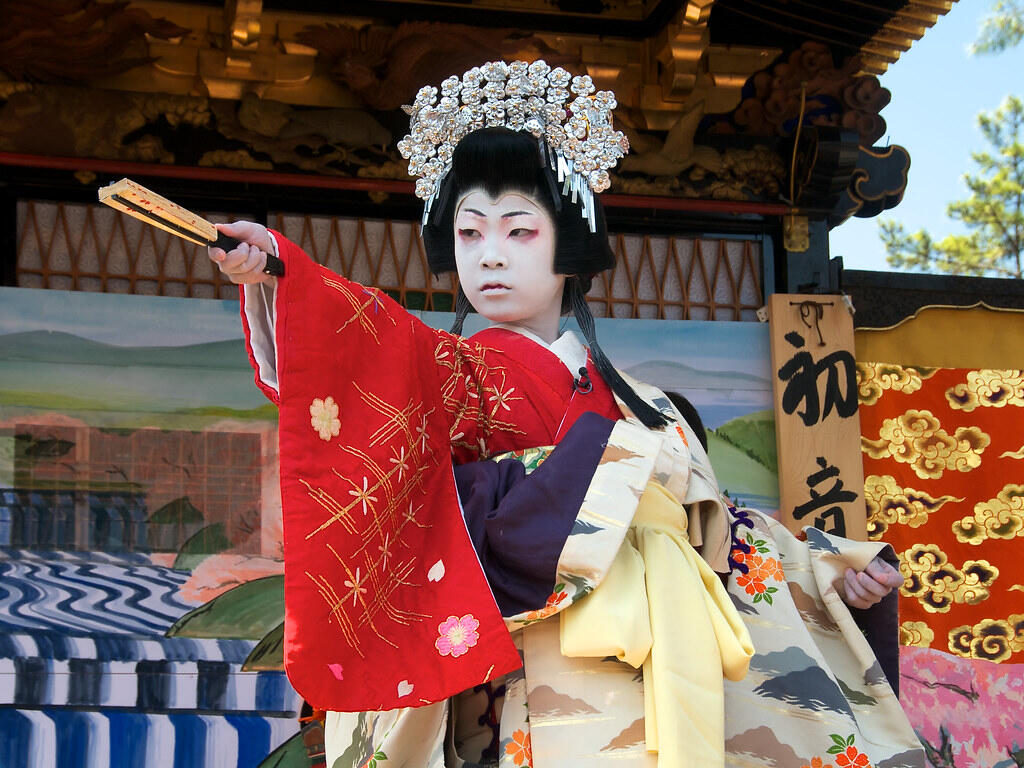
These art forms have evolved over the centuries, but they are still performed today, both in traditional formats and in more modern adaptations.
Visual Arts
Japanese visual arts focus on simplicity, balance, and nature. Traditional painting styles, such as sumi-e, feature minimalist inkwork, while ukiyo-e depicts scenes of daily life and landscapes.
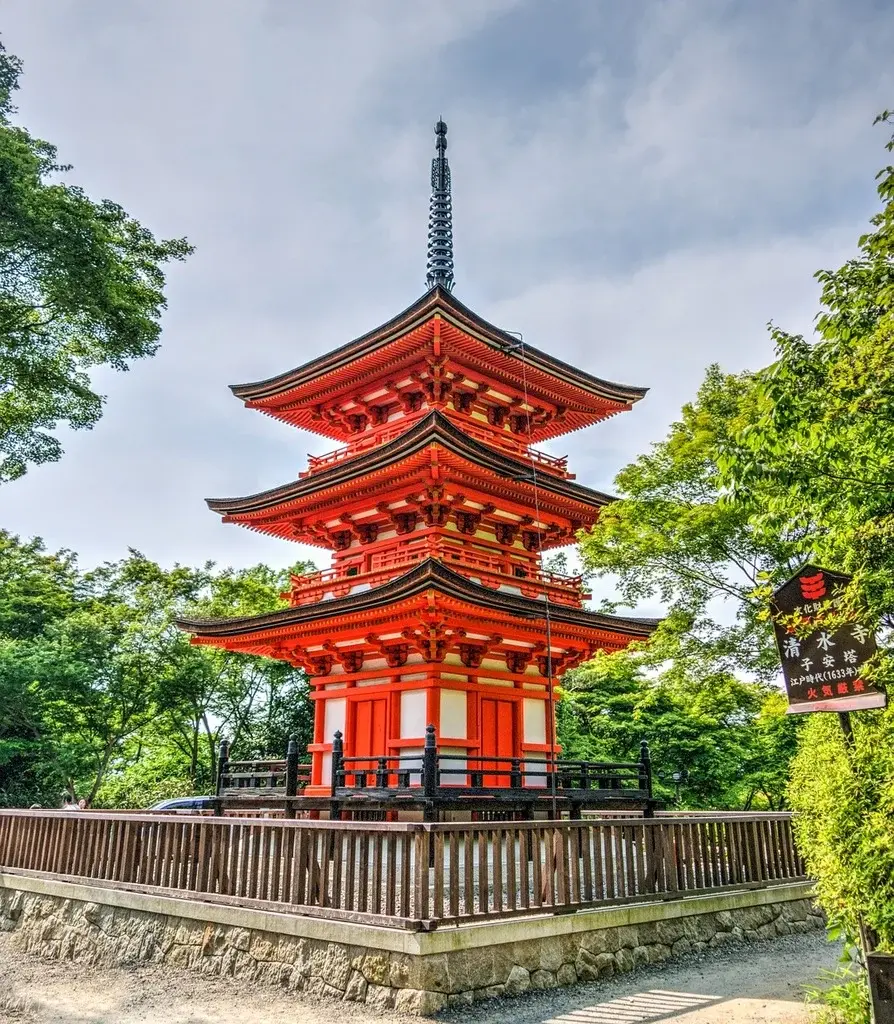
Architecture and garden design are also part of this tradition. From temples and shrines to Zen gardens, these spaces reflect harmony, proportion, and respect for natural elements.
Over time, Japanese architecture has evolved to incorporate modern materials and techniques, while staying simple and harmonious with the environment.
Traditional Japanese tattooing, known as “irezumi,” is considered an art form in Japan that reflects themes from mythology, nature and folklore, and demonstrates a strong connection to traditional Japanese art.
Sports and Leisure
Sports and leisure activities in Japan also reflect its traditional values. From ancient practices to contemporary entertainment, these activities play an important role in the country's cultural identity.
Traditional Sports
Traditional sports like sumo are still an important part of life in Japan. Sumo wrestling has its origins in religious rituals and remains closely connected to Shinto traditions today.
At the same time, martial arts like judo and kendo focus on physical skill, discipline, respect, and concentration. These practices remain widely practiced and popular both in Japan and abroad.
Modern Sports and Recreation
Modern sports have also become an important part of Japanese life. Sports such as baseball and soccer came from abroad and have since become widely followed. Baseball, for example, is one of the country’s main sports with a well-established professional league (Nippon Professional Baseball). Soccer has also grown a lot since the launch of the J.League in the 1990s.
When it comes to free time, leisure activities reflect Japan’s dynamic lifestyle. The famous karaoke, for example, is a very popular social activity for relaxing and spending time with others after work.
Video game culture is another huge part of the picture. Japan is home to some of the industry’s leading companies, like Nintendo, Sony, and Capcom, as well as globally recognized franchises such as Super Mario, Final Fantasy and Pokemon.
Influence of Japanese Culture Globally
Japanese culture doesn’t just stay in Japan; it shows up in everyday life around the world. From food and entertainment to design and technology, it’s constantly being shared and adapted across different cultures.
Cultural Exports
From its cuisine and fashion to its technological advancements, Japan’s cultural exports are recognized worldwide. From sushi and ramen to minimalist design and cutting-edge electronics, Japan continues to set global trends.
Popular culture has also played an important role, as anime, manga, and Japanese music have reached audiences in various countries, introducing them to aspects of Japanese society, values, and creativity.
Cultural Exchange and Adaptation
Throughout history, Japan has also adopted and adapted influences from other cultures, blending them with its own traditions.
A clear example is food. Dishes like ramen have their roots in Chinese cuisine, but in Japan, they were adapted locally, with regional variations. On the other hand, when it comes to entertainment, anime was influenced by Western animation, especially in its early days, but it has developed a style of its own that now influences creators worldwide.
Japanese food has been reduced to sushi. But it's much more than that. Discover the traditional Japanese cuisine.
What’s your favorite aspect of Japanese culture?
References
- Jōmon Japan: Prehistoric culture and society. (2026, January 17). nippon.com. https://www.nippon.com/en/japan-topics/g00766/jomon-japan-prehistoric-culture-and-society.html#:~:text=Japan's%20ancient%20J%C5%8Dmon%20culture%20is,3%2C000%20and%202%2C400%20years%20ago.
- Mousseau, J. (2024, May 14). Shintoism Beliefs and Holidays. Diversity Resources. https://www.diversityresources.com/shintoism-beliefs-and-holidays/?nab=2
- The Japanese writing system explained: Hiragana, Katakana & Kanji. (n.d.). https://www.kanjimaster.ai/blog/japanese-writing-system-hiragana-katakana-kanji
- Masayoshi Shibatani, & Britannica Editors. (2026, April 13). Japanese language. Britannica. https://www.britannica.com/topic/Japanese-language
- Japanese traditions — family values. (n.d.). https://www.advantour.com/japan/traditions/family-traditions.htm#:~:text=In%20Japan%2C%20family%20life%20is,help%20out%20around%20the%20house.
- Nakajima-Magen, Z. (2025, April 29). Understanding work culture in Japan. The Forum for Expatriate Management. https://www.forum-expat-management.com/posts/understanding-work-culture-in-japan-overtime-holidays-and-work-life-balance
- Japanese festivals: What is a Matsuri? - Shinjuku Japanese Language Institute (SNG). (2020, May 11). Shinjuku Japanese Language Institute. https://www.sng.ac.jp/sng-news/japanese-festivals-matsuri/
- Obon. (2025, August 20). https://www.japan-guide.com/e/e2286.html
- Brzeski, P. (2025, November 3). TIFFCOM: Japan’s Anime Industry Expanded 15 Percent to $25 Billion in 2024. The Hollywood Reporter. https://www.hollywoodreporter.com/movies/movie-news/japan-anime-industry-value-2024-1236416358/
Summarize with AI:
Did you like this article? Leave a rating!


 Loading...