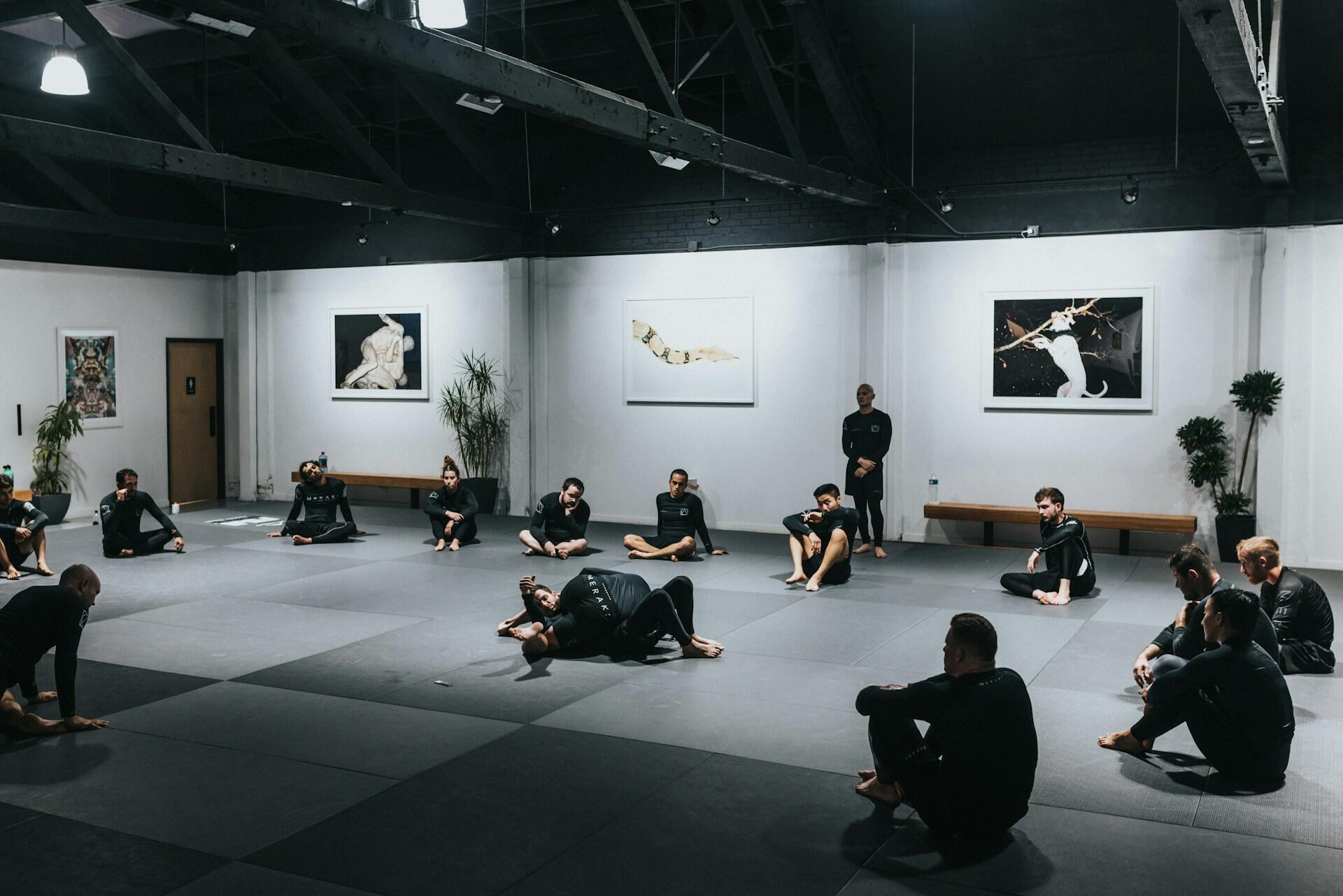

Whether you want to improve your fitness, learn practical self defence, compete in combat sports or build confidence, choosing the right martial art is an important first step. Every style has its own philosophy, training methods and strengths, so the best choice depends on your goals, personality and preferred way of learning.
Take this short quiz to discover which martial art suits you best- based on your mindset, goals, and learning style.
Quiz
Quiz :If you've been searching for a 'which martial art should I learn' quiz, you're already thinking about the most important question. Rather than choosing the most popular style, it makes more sense to find one that matches your interests, physical abilities and long term motivation. Someone looking for Olympic competition may thrive in Taekwondo, while another person interested in practical self defence could prefer Krav Maga or Brazilian Jiu Jitsu.
This guide explains what different martial arts offer, why people train and how our quiz helps narrow your options. By the end, you'll have a much clearer idea of where to begin your martial arts journey.


🥋 Quick Answer: Find Your Ideal Martial Art Now
There is no single "best" martial art because every discipline is designed with different objectives in mind. Some prioritise powerful striking, others focus on grappling and submissions while some combine multiple approaches into one complete fighting system. Your ideal choice depends on whether your main goal is self defence, fitness, competition, discipline or personal growth.
| Goal | Good Martial Arts |
|---|---|
| Self defence | Krav Maga, Brazilian Jiu Jitsu |
| Fitness | Muay Thai, Boxing |
| Discipline | Karate, Taekwondo |
| Competition | Judo, MMA, Wrestling |
| Strategy | Brazilian Jiu Jitsu |
Our interactive which martial art should I learn quiz compares your answers with the characteristics of popular martial arts. You'll answer simple questions about your fitness level, preferred training style, interest in competition and what motivates you to train. The results recommend one or more martial arts that align closely with your goals, giving you a practical starting point instead of leaving you overwhelmed by dozens of options.
💪 Why Practice Martial Arts?
Martial arts offer much more than learning how to fight. Regular training develops physical fitness, improves mental resilience and introduces you to a supportive community where everyone works towards continual improvement. Unlike many gym workouts, martial arts combine strength, cardio, coordination and problem solving into every session.
"The ultimate aim of Karate lies not in victory or defeat, but in the perfection of the character of its participants."
Gichin Funakoshi Japanese karate practitioner
Physically, training improves balance, flexibility, endurance, reaction time and overall conditioning. Striking arts such as Karate, Muay Thai and Boxing build speed, power and cardiovascular fitness through repetitive combinations and footwork drills. Grappling arts like Brazilian Jiu Jitsu and Judo develop functional strength, mobility and body awareness by working against resisting training partners.
The mental benefits are equally significant. Every lesson requires concentration, patience and self control. Students learn to remain calm under pressure, solve problems quickly and accept gradual improvement rather than expecting instant success. This mindset often carries into work, study and everyday life, helping practitioners become more disciplined and confident.
Some of the biggest benefits of learning martial arts include:
- Improved strength, flexibility, endurance and coordination
- Better confidence, discipline and resilience
- Practical self defence skills
- Reduced stress through regular physical activity
- A supportive community with structured goals and measurable progress
Many people are surprised by the social side of martial arts. Training partners rely on each other to improve safely, creating an environment built on mutual respect. Whether you're sparring, practising techniques or preparing for grading, you'll often find yourself becoming part of a welcoming community that encourages consistent progress.
🥊 Understanding Different Martial Arts Styles
The easiest way to understand martial arts is by grouping them into striking, grappling and hybrid systems. Each category develops different skills and appeals to different personalities.
Striking martial arts focus on punches, kicks, knees, elbows and movement. Boxing concentrates almost entirely on punches, defensive positioning and footwork, making it excellent for cardiovascular fitness and hand speed. Karate combines powerful strikes with traditional forms, structured progression and strong emphasis on discipline. Taekwondo is famous for fast, dynamic kicking techniques and is one of the world's most recognised Olympic sports. Muay Thai uses punches, kicks, knees and elbows together, earning its reputation as the "Art of Eight Limbs" because of its versatile striking arsenal.
Known as the Art of Eight Limbs, Muay Thai uses punches, kicks, knees and elbows to create a powerful striking system.
Self defence, fitness, striking and full body conditioning.
⭐⭐⭐☆☆
Ideal if you enjoy fast paced training, intense workouts and developing powerful striking techniques.
Grappling martial arts revolve around controlling an opponent through leverage rather than striking. Brazilian Jiu Jitsu teaches submissions, escapes and positional control, allowing smaller practitioners to overcome larger opponents through technique. Judo focuses on throws, balance and takedowns before transitioning into groundwork. Wrestling develops explosive movement, body control and exceptional conditioning through constant physical engagement. These styles are particularly valuable for anyone interested in close range self defence or competitive grappling.
A grappling martial art that focuses on submissions, ground control and using technique instead of strength.
Self defence, strategy, competition and problem solving.
⭐⭐⭐⭐☆
Ideal if you enjoy technical challenges, close range combat and continuous learning.
Hybrid martial arts combine techniques from multiple systems. Mixed Martial Arts, commonly known as MMA, incorporates striking and grappling into one comprehensive sport. Students often learn Boxing, Muay Thai, Brazilian Jiu Jitsu and Wrestling together to become well rounded fighters. Krav Maga takes a different approach by focusing almost entirely on practical self defence. Developed for military use, it teaches efficient responses to realistic threats, prioritising escape and personal safety over sporting competition.
Combines striking and grappling techniques from disciplines including Boxing, Muay Thai, Wrestling and Brazilian Jiu Jitsu.
Well rounded fighting skills, competition and overall fitness.
⭐⭐⭐⭐⭐
Ideal if you want to train across multiple martial arts and develop a complete skill set.
Choosing between these categories depends on what excites you most. If you enjoy movement, speed and striking combinations, stand up arts may suit you. If strategy, leverage and technical problem solving sound appealing, grappling could be the better choice. If you want exposure to everything, a hybrid system provides the broadest experience.
🧭 Take the Quiz: Discover Your Perfect Martial Art
Our martial arts quiz is designed to simplify what can otherwise feel like a confusing decision. Instead of comparing dozens of martial arts individually, the quiz matches your personal preferences with the characteristics of each style.
Questions cover your age, fitness level, confidence, previous sporting experience and preferred training environment. You'll also be asked whether you're primarily interested in self defence, improving fitness, competing or learning a traditional martial art with structured progression.
- Boosts confidence and self-esteem.
- Teaches respect and self-control.
- Encourages goal setting and perseverance.
Your answers are compared against the strengths of different disciplines. Someone who values tradition, discipline and structured learning may receive Karate as their strongest match. A person interested in realistic self defence might be directed towards Krav Maga or Brazilian Jiu Jitsu. Someone who enjoys athletic competition and fast paced training could find Muay Thai or MMA a better fit.
Remember that quiz results are a guide rather than a final decision. Visiting a local club, watching a class and speaking with instructors will help confirm whether the recommended style feels right in practice.
🤔 Which Martial Art Is Right for Me?
Even after taking a quiz, it's worth considering a few practical factors before committing to regular training.
Start by thinking about your primary objective. If self defence is your priority, look for schools that include realistic scenario training alongside technical instruction. If fitness is your focus, striking arts usually provide higher intensity cardiovascular workouts. Those interested in competition should choose a discipline with an active tournament scene in their area.
Your current fitness level should not discourage you from starting. Beginners are expected to arrive with little or no experience and good instructors adapt classes for different abilities. Consistency matters far more than athletic ability on your first day.
Location and scheduling also play an important role. The best martial art for me is not necessarily the most famous style but the one you can realistically attend every week. A nearby club with excellent instructors and convenient class times will usually help you progress much faster than travelling long distances to train inconsistently.
Which martial art most interests you?
Finally, pay attention to the culture of the club. A welcoming environment, qualified instructors and students who support each other's learning often make the biggest difference to long term enjoyment. Most schools offer introductory sessions, giving you the opportunity to experience the atmosphere before joining.
🥇 Next Steps After Choosing a Martial Art
Once you've decided which style interests you, book a beginner class and approach it with an open mind. You don't need expensive equipment immediately because many clubs provide loan gear for new students.
Expect the first few sessions to feel challenging. Learning unfamiliar movements, remembering techniques and developing coordination takes time. Progress is rarely measured by belts alone. Improvements in fitness, confidence, balance and technique often appear long before formal grading.
- Wear comfortable training clothes
- Bring water
- Arrive early enough to introduce yourself to the instructor (and explain any injuries or health considerations)
If possible, try two or three different clubs before making your decision. Teaching styles, class atmosphere and training intensity vary significantly between schools, even within the same martial art. Finding instructors who communicate clearly and create a supportive environment will help you stay motivated for years rather than weeks.
References
- International Brazilian Jiu-Jitsu Federation (2024) IBJJF Rules and Information. Available at: https://ibjjf.com/ (Accessed: 2 July 2026).
- International Olympic Committee (2025) Karate, Judo, Taekwondo and Combat Sports. Available at: https://www.olympics.com/en/ (Accessed: 12 July 2026).
- American College of Sports Medicine (2022) ACSM's Guidelines for Exercise Testing and Prescription. 11th ed. Philadelphia: Wolters Kluwer (Accessed: 12 July 2026).
- World Health Organization (2022) Guidelines on Physical Activity and Sedentary Behaviour. Available at: https://www.who.int/ (Accessed: 11 July 2026).
Summarize with AI:
Did you like this article? Leave a rating!

 Loading...