

Names offer a unique window into a country’s culture, history, and population trends. In Canada, naming patterns reflect everything from Indigenous heritage and immigration waves to media influence and demographic change. Understanding the most common names in Canada can provide insight not only into identity, but also into broader social patterns tied to geography, migration, and population growth.




Most Common First Names in Canada
Canada’s most common first names vary depending on whether we look at the entire living population or recent baby name trends, just like the population in each province also differs. Census data highlights long-standing naming patterns shaped by history and migration, while birth statistics reveal how preferences are shifting among new generations.
Top Male First Names
Looking at the full population, traditional male names continue to dominate. According to the 2021 Census, the most common male first names in Canada are David, Michael, Robert, John, and James, each held by more than 170,000 individuals nationwide.1

These names rose to prominence during the mid-20th century and remained popular due to strong cultural continuity, family naming traditions, and the influence of Christian and European naming conventions.
Their prevalence reflects an era when naming diversity was more limited than it is today.
In contrast, the 2024 baby name survey highlights how naming preferences have shifted. Contemporary favourites such as Noah, Liam, Theodore, and Leo reflect greater cultural diversity, global influences, and the impact of media, entertainment, and international trends.2 This gap between census data and baby name rankings exists because census figures represent accumulated naming choices over many generations, while birth statistics capture current preferences among new parents.
The table below highlights the most popular boy baby names in Canada in 2024, offering a snapshot of today’s naming trends👇
| Rank | Name |
|---|---|
| 1 | Noah |
| 2 | Liam |
| 3 | Theodore |
| 4 | Leo |
| 5 | William |
| 6 | Oliver |
| 7 | Lucas |
| 8 | James |
| 9 | Benjamin |
| 10 | Thomas |
Top Female First Names
Across Canada, many female first names have stayed popular for decades, shaped by culture, family habits and history.
According to the 2021 Census of Population, the most common female first name in Canada is Maria, followed by names such as Mary, Linda, Patricia, and Susan, each held by well over 100,000 individuals nationwide.1 And just like the male names, a lot of these are influenced by Christian religious traditions, European heritage, and strong family naming customs.
Mary and Maria both originate from the biblical name Miriam and became widespread through Christian tradition. Their long-standing popularity reflects a time when religious and cultural customs played a much larger role in naming than modern trends.
Comparing this data with modern baby name rankings highlights a clear generational shift. While names such as Maria remain one of the most common girl names across the overall population, they are far less prevalent among newborns today. In contrast, names like Olivia, Charlotte, Emma, and Amelia dominate recent baby name lists, reflecting changing cultural preferences, global influences, and a greater emphasis on individuality in naming.2
The table below shows the most popular male baby names in Canada in 2024👇
| Rank | Name |
|---|---|
| 1 | Olivia |
| 2 | Charlotte |
| 3 | Emma |
| 4 | Amelia |
| 5 | Sophia |
| 6 | Sofia |
| 7 | Mia |
| 8 | Chloe |
| 9 | Lily |
| 10 | Ava |
Most Common Last Names in Canada
Canadian last names are shaped by history, geography, and migration and some have become far more common than others over time.
Nationwide Trends
Across Canada, certain surnames stand out for their sheer frequency, reflecting waves of settlement and migration over centuries. According to aggregated data, the most common last names in Canada include Smith, Brown, Tremblay, Martin, Roy, Gagnon, Lee, Wilson, Johnson, and MacDonald, patterns shaped by both immigration and emigration in Canada.
Smith, an occupational surname originally meaning a worker in metal, tops the list, largely due to English-speaking settlement and its prevalence in multiple regions.

These names come from a mix of origins, including English, Scottish, French, and other European roots, showcasing how early colonial populations laid the foundation for much of Canada’s surname landscape.
Regional Variations
While some family names are common nationwide, regional patterns show distinctive differences tied to local history and cultural settlement:
These regional differences underscore how immigration, settlement era, and local culture all shape the landscape of common last names in Canada.
Trends in Baby Names
Baby naming trends in Canada often reflect wider cultural and social shifts, from media influence to changing values around identity and income in Canada.
Influences on Baby Naming Trends
Baby naming trends in Canada are shaped by a mix of culture, media, and social signalling. Popular films, TV series, and celebrities consistently influence which names rise or fall, while social media accelerates how quickly trends spread.
Names associated with prestige, tradition, or stability, often described as "classic" or "old money" names, have gained renewed popularity in recent years, reflecting broader conversations about status, identity, and income in Canada.
Cultural perception can also push names out of favour. A well-known example is Karen, which declined sharply after becoming shorthand for negative social behaviour and used in memes in online culture. According to Statistics Canada’s 2021 Census, Karen accounted for 0.2731% of the female population, yet despite its once widespread use.1
Economic and demographic factors play a role as well. Research suggests parents often choose names they believe will age well professionally, especially during periods of economic uncertainty.
Cultural and Historical Influences on Canadian Names
Naming trends in Canada are shaped by where people come from and how the country has changed over time. Indigenous traditions, immigration, and shifting cultural values all play a role in which names become common and which eventually show up on Canada popular baby names lists or in census data.
Indigenous Names and Their Significance
Indigenous names often carry deep cultural, spiritual, and linguistic meaning and are traditionally passed through ceremony or community practice rather than simply inherited. In many Indigenous cultures, names connect individuals to nature, ancestry, or personal attributes, and naming practices differ significantly from mainstream naming conventions.3
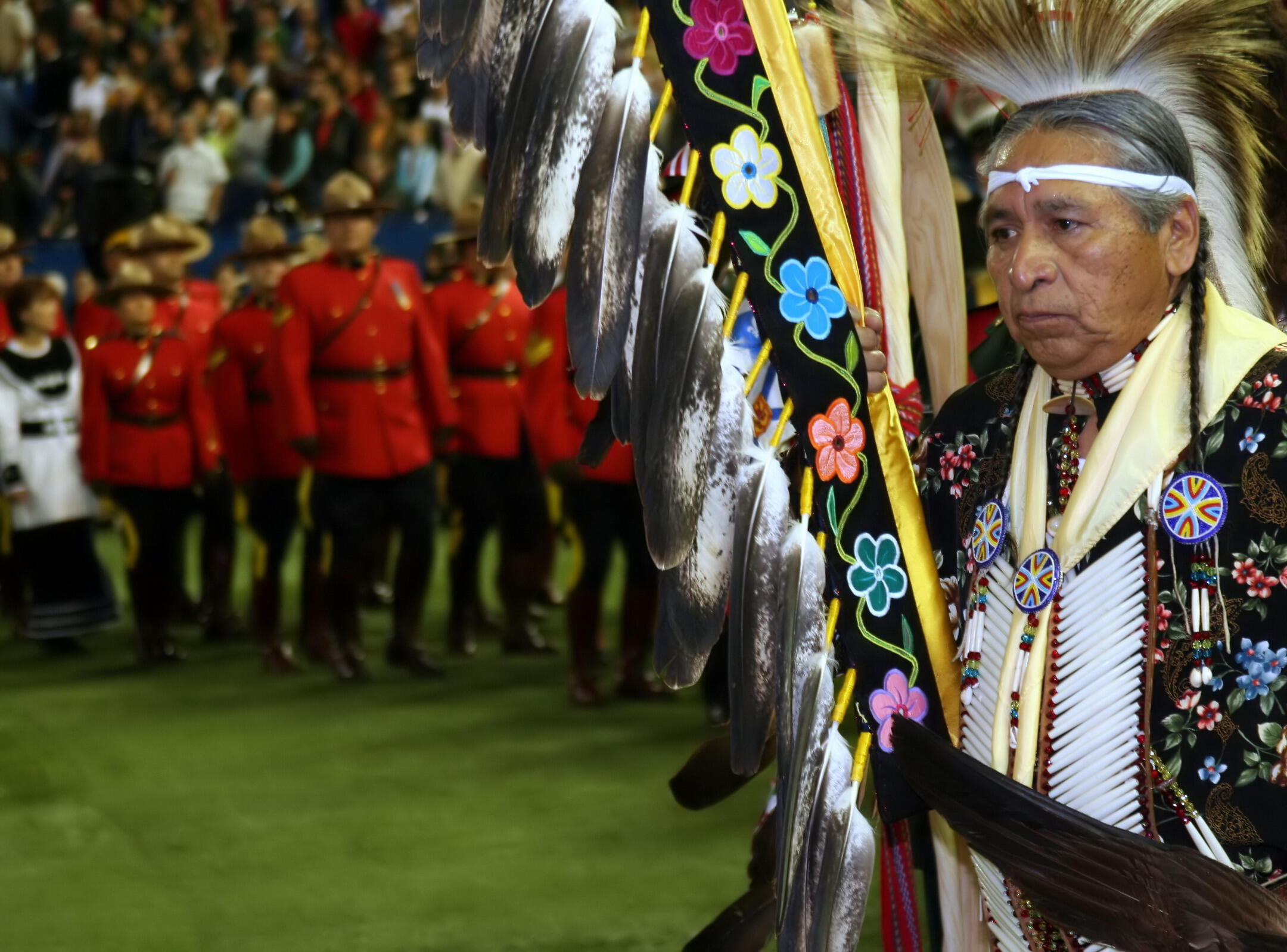
Historically, colonial policies, including the anglicization of names on official records, suppressed traditional naming practices, erasing or replacing Indigenous names within government systems.
Examples like the renaming of Indigenous individuals in official contexts highlight how these practices were part of broader cultural pressures on Indigenous identity.
In recent decades, there has been a growing effort to reclaim and restore Indigenous names as part of broader reconciliation and cultural revitalization. Provincial initiatives to include Indigenous language characters in official records and legal name changes for Indigenous language names reflect renewed respect for traditional identities.
Many Indigenous names are inspired by nature, like animals, seasons, and the land itself. Below are a few Ojibwe names that show how meaning and identity are woven into naming👇
| Name | Gender | Meaning |
|---|---|---|
| Bineshii | Unisex | Bird |
| Giishkaatig | Unisex | Cedar |
| Nagamo | Unisex | He/she is singing |
| Aki | Girl | Earth |
| Aniibishan | Girl | Leaves |
| Daanis | Girl | Daughter |
| Gichigami | Girl | Ocean |
| Mikom | Boy | Ice |
| Nibaa | Boy | Sleeps |
| Ogichidaa | Boy | Warrior |
| Ziibi / Ziibiin | Boy | River |
Impact of Immigration on Naming Conventions
Immigration continues to shape Canada’s naming landscape, bringing names from around the world into everyday use. In the first quarter of 2025 alone, Canada admitted over 104,000 immigrants, a high level even compared with recent years, helping maintain Canada’s reputation as a diverse, welcoming society.4
Over the course of the 2020s, more than 2.26 million immigrants arrived in the country, with top source nations including India, China, and the Philippines, trends likely to introduce and normalize diverse naming influences across communities. These demographic changes mean that Canadian names for boys and girls increasingly blend traditional English or French roots with South Asian, East Asian, African, and Middle Eastern origins, broadening what appears in Canada popular baby names data over time.
Resources for Exploring Canadian Names
If you want to dig deeper into the most common names in Canada, there are several reliable tools that show how names change over time, across regions, and between generations.
Government and Statistical Databases
Statistics Canada is the most authoritative source for name data in Canada. Its census and birth registration datasets make it possible to track long-term naming patterns as well as recent baby-name trends.
Key resources include:
- 2021 Census given-name tables, which show how common first names are across the full population.
- Stats Canada baby names releases, updated annually, highlighting Canada popular baby names by gender.
- Demographic breakdowns that connect naming trends to population growth, age groups, and migration patterns.
These datasets are especially useful for comparing historical names with modern baby-name rankings.
Genealogical Research Tools
For family history and surname research, genealogical platforms help connect names to real people, places, and records.
Popular tools include:
- Ancestry.ca has census records, immigration documents, and historical name usage.
- FamilySearch gives you free access to birth, marriage, and immigration records.
- Provincial archives and church registries, which are especially useful for tracing French, Indigenous, and early settler surnames.
Together, these resources help explain not just what names are common, but why they appear where they do, linking naming trends to history, migration, and family roots.
Which of the top 5 names is your favorite?
References
- Government of Canada, S.C. (2025) First Names in Canada, 2021 census of Population, all first names, total - gender, Canada, , All first names, Total - Gender, Canada. Available at: https://www12.statcan.gc.ca/census-recensement/2021/dp-pd/names-noms/index.cfm?Lang=E.
- Government of Canada, S.C. (2025b) First names at birth by sex at birth, selected indicators. Available at: https://www150.statcan.gc.ca/t1/tbl1/en/tv.action?pid=1710014701.
- Riddle, E. (2021) Indigenous naming practices, Edmonton Public Library. Available at: https://www.epl.ca/blogs/post/indigenous-naming-practices/.
- Government of Canada, S.C. (2025a) Canada’s population estimates, first quarter 2025, The Daily - . Available at: https://www150.statcan.gc.ca/n1/daily-quotidien/250618/dq250618a-eng.htm.
Summarize with AI:
Did you like this article? Leave a rating!

 Loading...