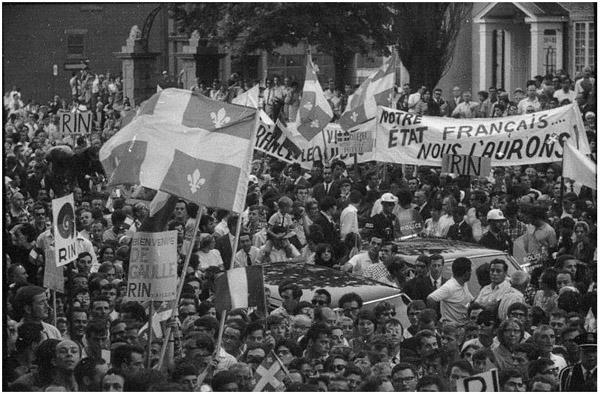

There are two miracles in Canadian history. The first is the survival of French Canada, and the second is the survival of Canada.
F. R. Scott
No better quote could encapsulate the essence of Canadian history, especially in terms of reflecting the duality of the country in terms of languages and cultures.
The key that unlocks this beautiful dual national identity in Canada? Quebec. This province is also well known for one of the most important historical events that shaped the identity of Canada — the Quiet Revolution in Quebec.
In this article, we will explore the following points:
- The background of Quebec before the Quiet Revolution
- Key events and people that led to the Quiet Revolution
- Significant political and social changes after the Quiet Revolution
- The legacy and the protection of the French language in Quebec


What Was Quebec Like Before The Quiet Revolution?
Before the 1960 Quiet Revolution took place in Quebec, the province was known for its conservative political ideology and upholding of traditional values.
Under the leadership of Maurice Duplessis from the Union Nationale party over two terms, the Quebec community went through the period of La Grande Noirceur (commonly known as The Great Darkness).
Duplessisr was known for his harsh stance towards striking unions, favouritism towards American corporations for the economy and also a no-nonsense attitude towards freedom of speech and action, which could result in opposition towards his leadership. His period of governance was also marked by corruption and patronage — a clear sign of abuse of power.
The abuse of power used by Duplessisr in terms of appointment of positions, and assignment of roles to a specific chosen group/individuals (not based on merit) in exchange for support and loyalty.
Additionally, he also formed a strong alliance with the Catholic Church to fortify his position as the premier of Quebec.
Since the establishment of the Confederation, the Catholic Church has played a huge role in the culture and society of the Quebec local community, holding great authority and influence over various sectors like education, health and even entertainment. Being Catholic was something that every French Canadian in Quebec took pride in.
Key Events and Figures That Led To The Quiet Revolution
Just as Rome was not built in one day, several factors led to the build-up of the Quiet Revolution in 1960.
The Asbestos Strike of 1949
Quebec was one of the biggest asbestos suppliers in the world during the 1940s, with the province showcasing a progressive economic scene after the Second World War ended.
In 19491, a group of local miners in Asbestos (a mining town) came together for a strike to seek better treatment from their employer, which is the American-owned Johns-Manville Company after realising that they were underpaid and were constantly exposed to unfavourable working conditions.
Further tension escalated when the company decided to hire temporary workers after the miners decided to strike, leading to roadblocks and even violence. The Quebec government (Maurice Duplessis ) chose to send police over and declare any union meetings between the miners illegal.
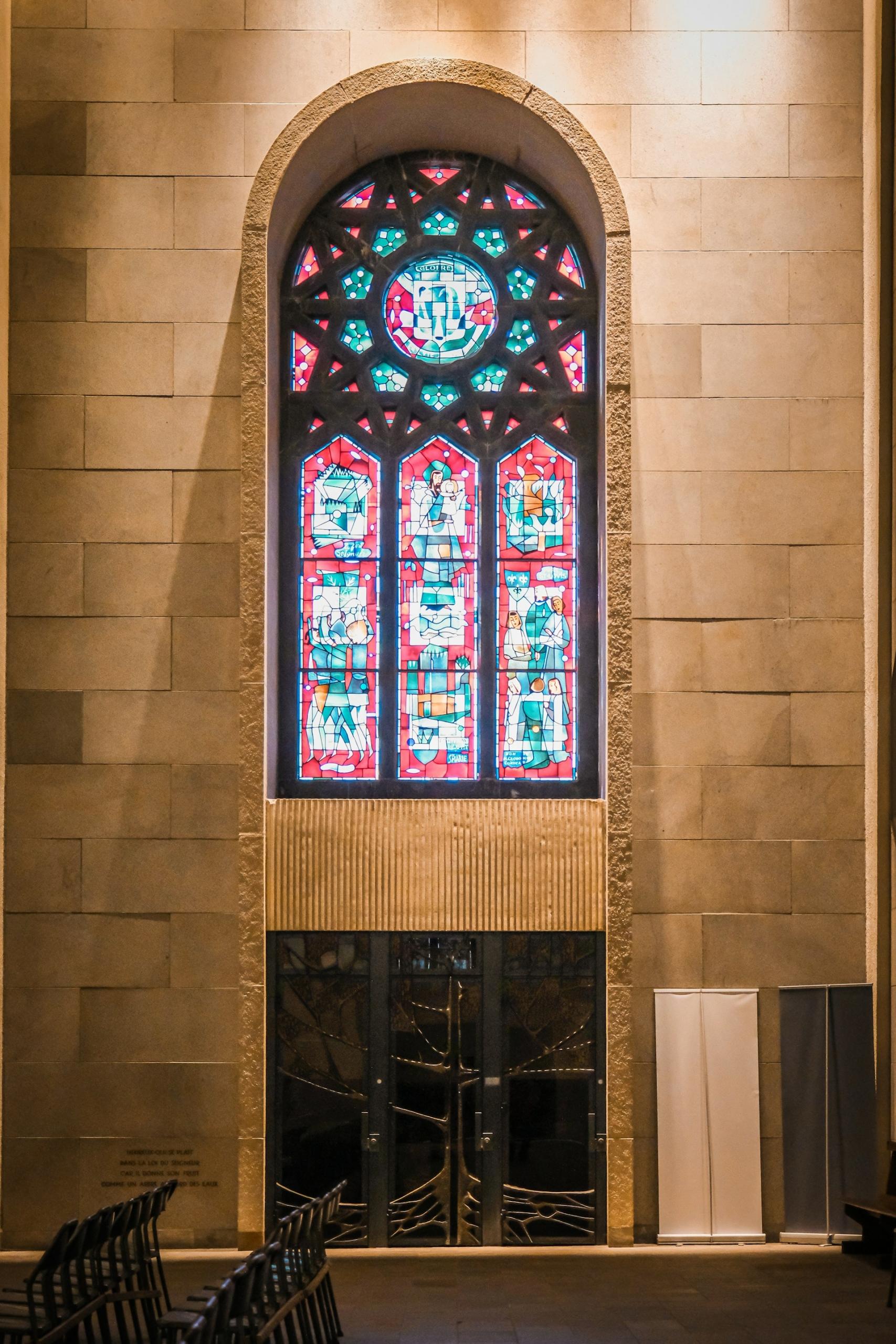
Later, the Catholic Church chose to side with the miners, directly opposing Duplessis — marking the start of a power rift between the state and the church.
This labour dispute went on for some time until both parties negotiated an agreement. Higher wages were eventually granted to the miners. Through this incident, it ignited a new shift among the middle-class group in Quebec to have more power and control over their economy — they're gearing up for a new change.
The Rise of Jean Lesage and the Quebec Liberal Party
After the death of Maurice Duplessis in 1959, the influence and power of his party, Union Nationale began to diminish.
This time around, the Québec Liberal Party began to build a reputation of being liberal, progressive and urban to make a difference in the province. Under the leadership of Jean Lesage, the Quebec Liberal Party won the 1960 election and became the government.
During the election, Lesage introduced the slogan “Maîtres chez nous” which translates into Masters of our own house. This was to encourage the Quebec people to have better control over their local resources, opt for modernization in the political and social spheres while being proud of their francophone heritage.
Important Political & Social Changes That Happened During The Quiet Revolution
As soon as Lessage took leadership, he introduced many key policies to reform the political, and social sphere of Quebec.
One of the key things that Lessage did during his governance was to strengthen the power of the state over the Catholic Church and promote secularization in Quebec. To do that, he invested greatly in the young generation.

Lessage lowered the voting age from 21 years old to 18 years old.
It was also seen as a political tactic to secure future votes.
Additionally, he expanded the power of the government over the education sector, granting the state authority over schools, instead of the Catholic church. He also set up Quebec's first Department of Education in 1964 to offer more training to young people and introduce various modernisation initiatives to the education system.
In a double political and economic power move, Lessage took an active role in the nationalization of private electricity companies in Quebec to establish Hydro-Québec in 1962, making it a government-owned economic resource that everyone can enjoy today. Furthermore, Lessage also introduced the Québec Pension Plan in 1966 to encourage an active workforce and ensure the rights of workers are well taken care of.
The Quiet Revolution also marked a new era of women's rights movement and feminism in Quebec. Some of the prominent milestones include:
- The increased participation of women in the workforce: More women were given the chance to work in hospitals, technical sectors and even politics. Claire Kirkland-Casgrain became the first female member of the Legislative Assembly of Quebec, who would also later lead the Ministry of Transport and Communications in 1964.
- Equality in education: Free schooling which offers equal education to both boys and girls was introduced to all learning levels (from elementary to college). This gave women more opportunities to further their studies, leading to more future career options.
- Reformation in the Civil Code of Quebec: Married women can enjoy unprecedented legal autonomy from their husbands. Previously, they could not open a bank account without their husband's signature or have the same profession as their husband.
- Establishment of women organizations: To discuss and advocate for women's rights in Quebec, the Fédération des femmes du Québec (FFQ) and the Association féminine d’éducation et d’action sociale (AFEAS) were formed.
The Legacy and The Protection of French Language In Quebec
Clearly, the identity of Quebec will always be marked by its usage of the French language and the cultural heritage that comes with it.
Through the Quiet Revolution, many language policies and institutions were introduced to promote and uphold the French language in every part of Quebec.
For instance, the Office de la langue française was established in 1961 to ensure the proper usage of spoken and written French among the Quebec community.
The then Prime Minister of Canada, Lester B. Pearson also set up the Royal Commission on Bilingualism and Biculturalism to explore the relationship of bilingualism (English and French) in Canada. This commission would later lay the foundation of The Official Languages Act (1969).
Under The Official Languages Act, both the English and French language are acknowledged as Canada's official languages, at the federal level — making Canada a bilingual nation.

Today, French is not only officially and widely used in places like Montreal in Quebec but also actively taught in other provinces of Canada.
Many education institutions from kindergarten level to high schools even offer French immersion programs to promote French education and the usage of the language.
Study About Canadian History and Society With Superprof
Learning about the Quiet Revolution 2 in Quebec is only the tip of the iceberg of Canada's rich history.
There's so much to explore, ranging from Canada's rule under the French and the British to the role of Canada during the First World War, and even the happenings in the 20th and 21st centuries — you're in for a real experience.

That said, studying Canadian history can be a lonely and strenuous process without a clear understanding and direction.
At times, it can be quite difficult to connect the dots between major Canadian historical events by yourself when all you can see are dates and facts.
This is where Superprof can come in to make a difference in your history learning journey. At Superprof, you can find an experienced history tutor and sign up for effective and enjoyable history lessons in just a few simple steps.
Head to the Superprof Canada homepage and indicate your desired subject (history) and preferred learning mode (physical or online lessons). You will then be directed to a wide selection of tutor profiles consisting of their basic information such as their teaching experience, qualification, teaching scope, teaching level, teaching methodology and hourly rates.
Once you have reviewed the tutor's profile, you can proceed to contact the tutor via the messaging feature on their respective profile. Most of our Superprof tutors will give their replies within their indicated response time. Before you know it, you will be finalizing the arrangements for your first history lesson in no time!
With the guidance of an experienced history tutor, you will develop a greater appreciation and understanding towards the relationship between Canadian history and the multicultural Canadian society that we are living in today.
References
- Asbestos Strike of 1949. The Canadian Encyclopedia. (2006, February 6).https://www.thecanadianencyclopedia.ca/en/article/asbestos-strike
- Quiet Revolution. The Canadian Encyclopedia. (2014, July 30). https://www.thecanadianencyclopedia.ca/en/article/quiet-revolution
Summarize with AI:
Did you like this article? Leave a rating!


 Loading...