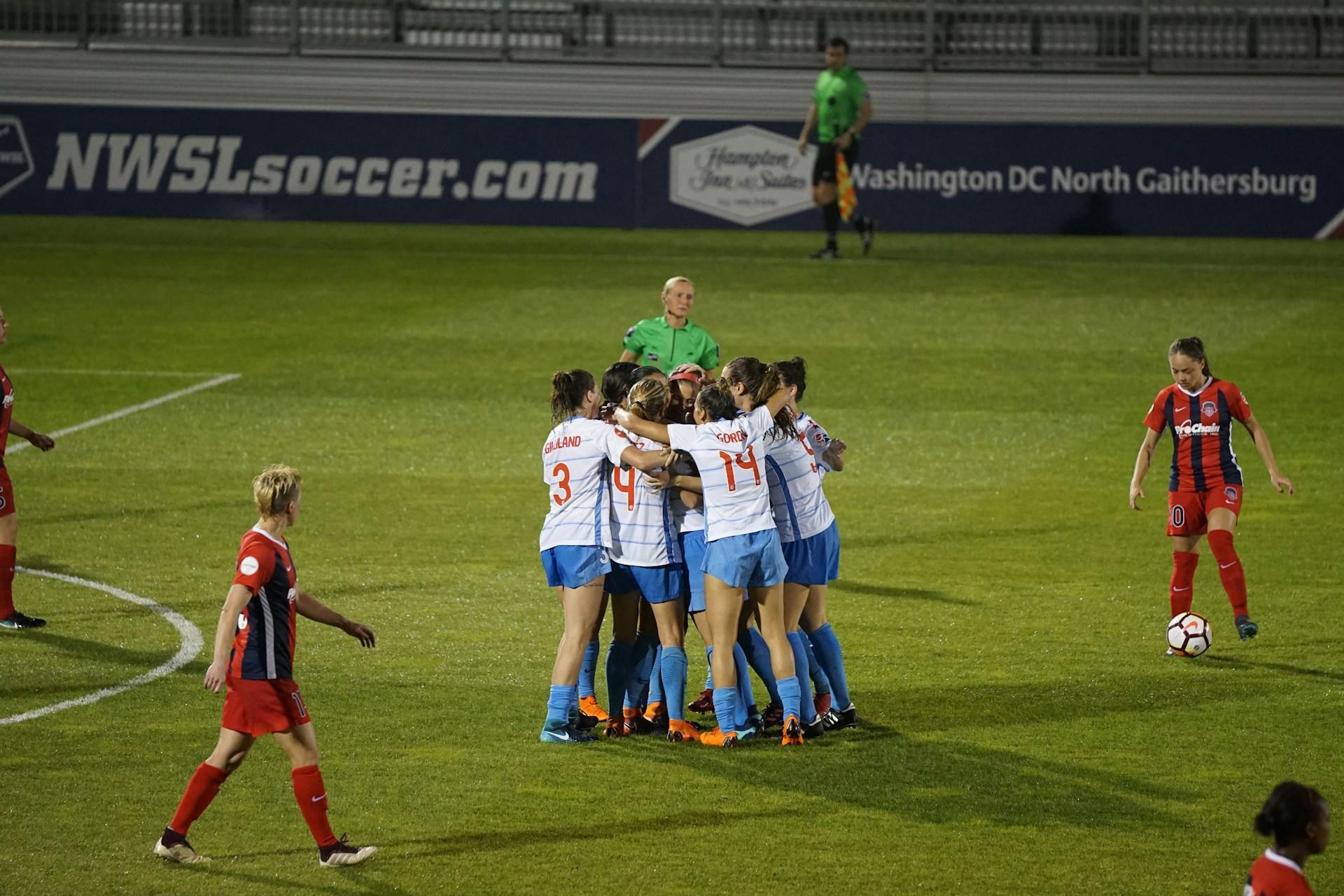

Referees are the unsung heroes of football, ensuring fairness and keeping the game running smoothly. While they have significant influence on the pitch, refereeing isn’t about power; it’s about upholding the Laws of the Game. If you are thinking of becoming a referee, here’s what you need to know.


The Role and Responsibilities of a Soccer Referee
The referee's role is to ensure that players follow the Laws of the Game and enforce them throughout the match. Beyond making calls, referees must observe the game, interpret situations in real time, and communicate their decisions to players, coaches and officials.
The referee is also responsible for maintaining fairness, which includes identifying fouls, misconduct, violations and taking appropriate action when necessary.
| Duty | Description |
|---|---|
| Enforcing the Laws of the Game | Identifying fouls, misconduct and rule violations |
| Managing match flow | Starting stopping and restarting play |
| Making disciplinary decisions | Issuing yellow and red cards when necessary |
| Communicating decisions | Using whistles signals and body language clearly |
| Working with assistant referees | Ensuring accurate calls from multiple perspectives |
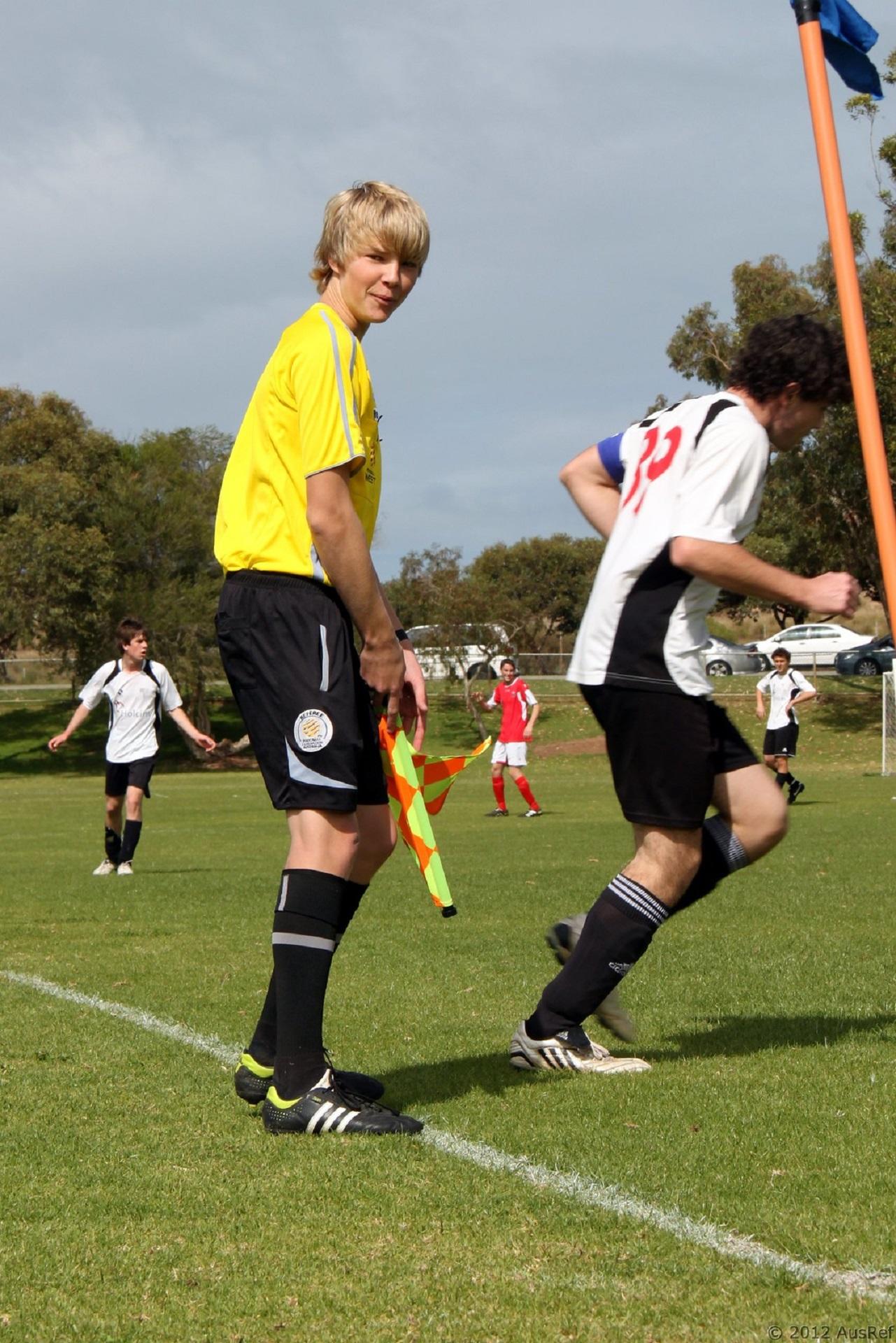
Assistant referees also play an important supporting role. Two assistants per game stand on opposite sidelines, monitoring half of the pitch. While the referee runs among the players, the assistants' perspectives give additional information and respond to calls.
Pathways to Becoming a Soccer Referee
If you’re interested in becoming a soccer referee in Canada, the ideal pathway involves learning the Laws of the Game, completing theoretical and practical training, obtaining a provincial certification and gaining hands-on experience.
Step 1
Learn the Laws of the Game
Aspiring referees must acquire a solid understanding of the rules, as this forms the basis of all refereeing decisions.
Step 2
Register with your provincial association
Seek support from Canada Soccer and provincial associations (BC Soccer, Ontario Soccer, etc.). Specific requirements, such as age or course structure, may vary by province.
Step 3
Complete the Entry Level Referee course
Candidates must complete an Entry Level Referee Course that includes both theoretical and practical training.
Step 4
Get certified and gain experience
Candidates must seek certification and meet the requirements, which generally include passing an exam and beginning to referee matches in the youth leagues.
Step 5
Grow as a referee
Once they have gained experience and additional training, referees can advance to regional, national and professional competitions.
This general formula applies to anyone who wants to become a referee in Canada, and one of the best ways to get started is by studying them. Not just the referees in this article series, though that's a good start. Attend local games, but instead of focusing on the players, keep your eyes on the referees.
Tracking them gives you an idea of how physically demanding refereeing is. Consider, for instance, that players may rotate in and out, but not the refs. The best estimates suggest that football referees run 9-12 km per match.
Notable Soccer Referees and Their Contributions
The best way to develop your philosophy as a football referee is to study those who excel at it. The best referees demonstrate empathy and toughness, assertiveness and calmness as they perform their duties. It takes a certain mettle to stand firm against angry footballers while making just calls.
The Most Feared Man in Football
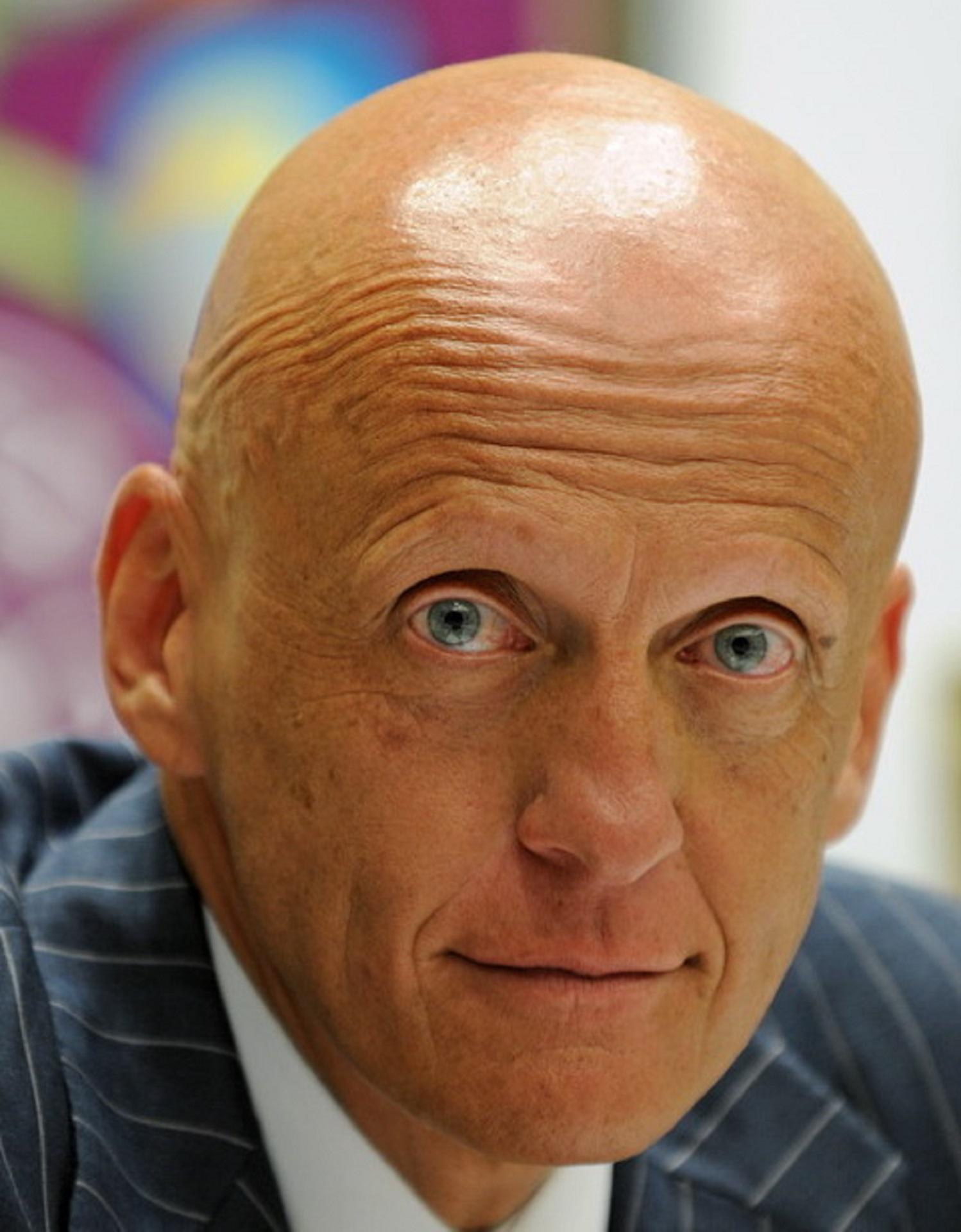
Nobody does this better than Pierluigi Collina. His bald head and steely glare are enough to frighten even the most aggressive players into submission. His long history as a referee, across various level matches, proves his skill and popularity. He has been recognised as the International Federation of Football History and Statistics (IFFHS) All-Time World's Best Referee.
The best way to develop your philosophy as a football referee is to study those who have mastered the craft. Top referees strike a balance between empathy and toughness, assertiveness and composure. It takes real strength to stand firm against frustrated players while making fair decisions.
Few embody this better than Pierluigi Collina. With his iconic bald head and piercing gaze, he could command respect from even the most heated players.
Collina’s extensive career, spanning various levels of competition, showcases his exceptional skills and enduring popularity. He has been recognised as the International Federation of Football History and Statistics (IFFHS) All-Time World's Best Referee.
For insight into his approach, you might consider reading his book My Rules of the Game, which offers both a memoir and a deep analysis of football refereeing. With that knowledge, you can delve further into the techniques of the world’s top football referees.
Pierluigi Collina was named "The World's Best Referee" by the International Federation of Football History & Statistics six consecutive times from 1998 to 2003!
Among those names, you'll find Howard Webb (England), Massimo Busacca (Switzerland), and Ravshan Irmatov (Uzbekistan). They are all famous as much for their management skills as the high-profile matches they've refereed.
The Most Influential Female Referees
Even though women’s football still struggles for visibility, credibility, and equal pay compared to the men’s, female referees such as Stéphanie Frappart and Bibiana Steinhaus have demonstrated exceptional professionalism and authority, earning increasing recognition.
Undoubtedly, Stéphanie Frappart is one of the most influential female referees in modern football. She was the first woman to referee a men's Ligue 1 match and the first to referee a Union of European Football Associations (UEFA) Champions League match. Stéphanie is a five-time IFFHS award winner.
Of course, we had to mention Bibiana Steinhaus. German referee Bibiana Steinhaus debuted as a German Football Association (DFB) referee in 1999 and worked her way up the ranks. It took some time to reach the Bundesliga level, but the IFFHS recognised her talent long before she refereed a Bundesliga match. Recognized as the Best Woman Referee four times, and Referee of the Decade (2011-2020).
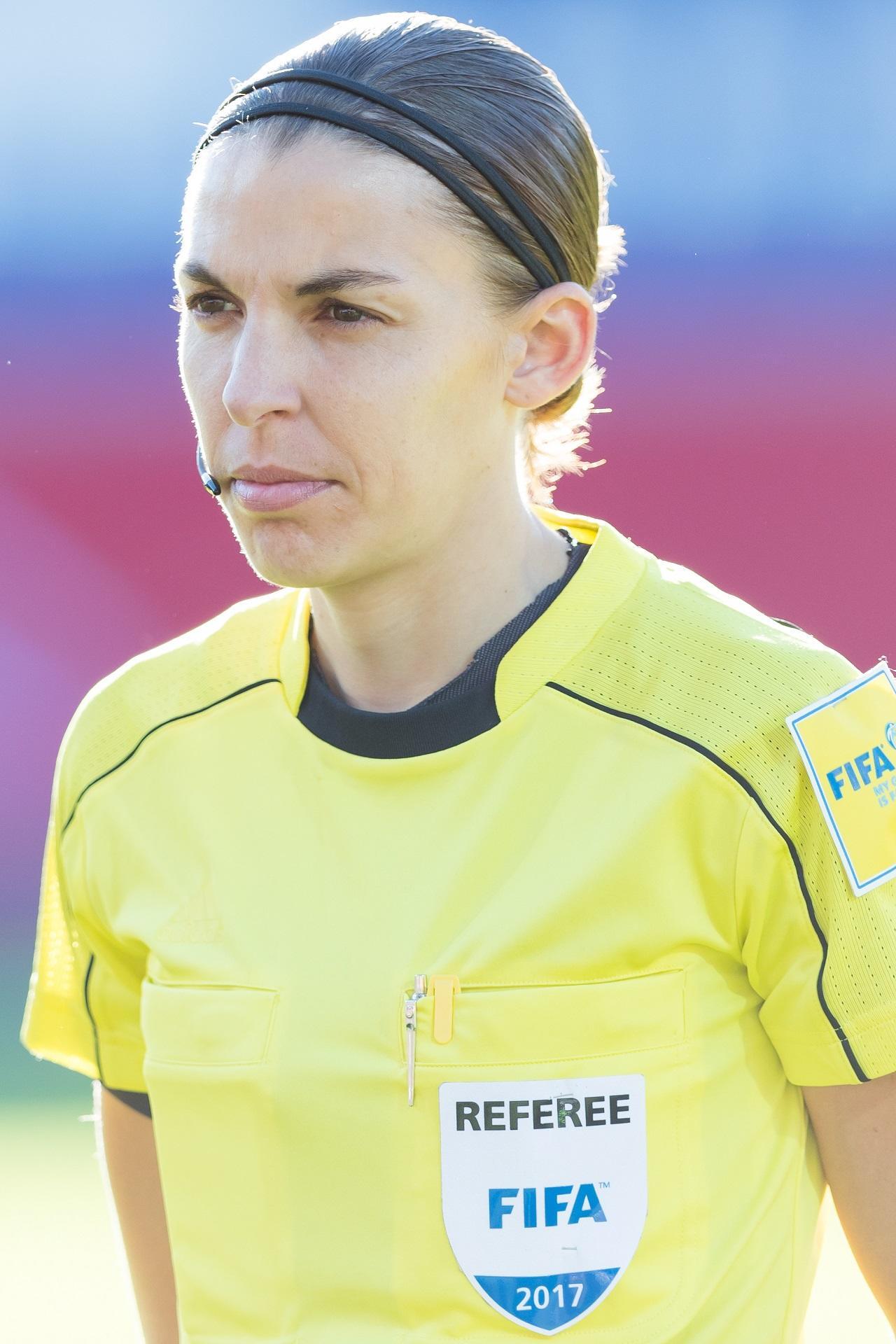
Rebecca Welch also ranks among the most famous female referees. In 2023, she refereed her first Premier League match, the first woman to do so. Before that, she became the first woman to officiate an English Football League (EFL) match. However, in August 2024, the Professional Game Match Officials Limited (PGMOL) announced that Welch would retire from refereeing and take on the role of director of the Elite Women’s Professional Football Group.
Rebecca Welch made history as the Premier League’s first female referee in 2023, while Sam Allison became the first black official to referee a match in the league in 15 years.
So why hasn’t women’s football gained the spotlight it deserves? Team loyalty, brand familiarity, and fear of change may play a role. Many fans are deeply attached to men’s teams, and the unfamiliarity of women’s football may make them hesitant to embrace it.
However, this presents an exciting opportunity. With fewer trails blazed, women’s football and female refereeing can create a new legacy. The future is bright for women’s football, but it needs support to reach its full potential.
Understanding Referee Signals and Their Meanings
The referee's signals are essential for communicating decisions during a match. Hand and body signals explain the referee's decisions, helping players, coaches and spectators understand what is happening in real time.
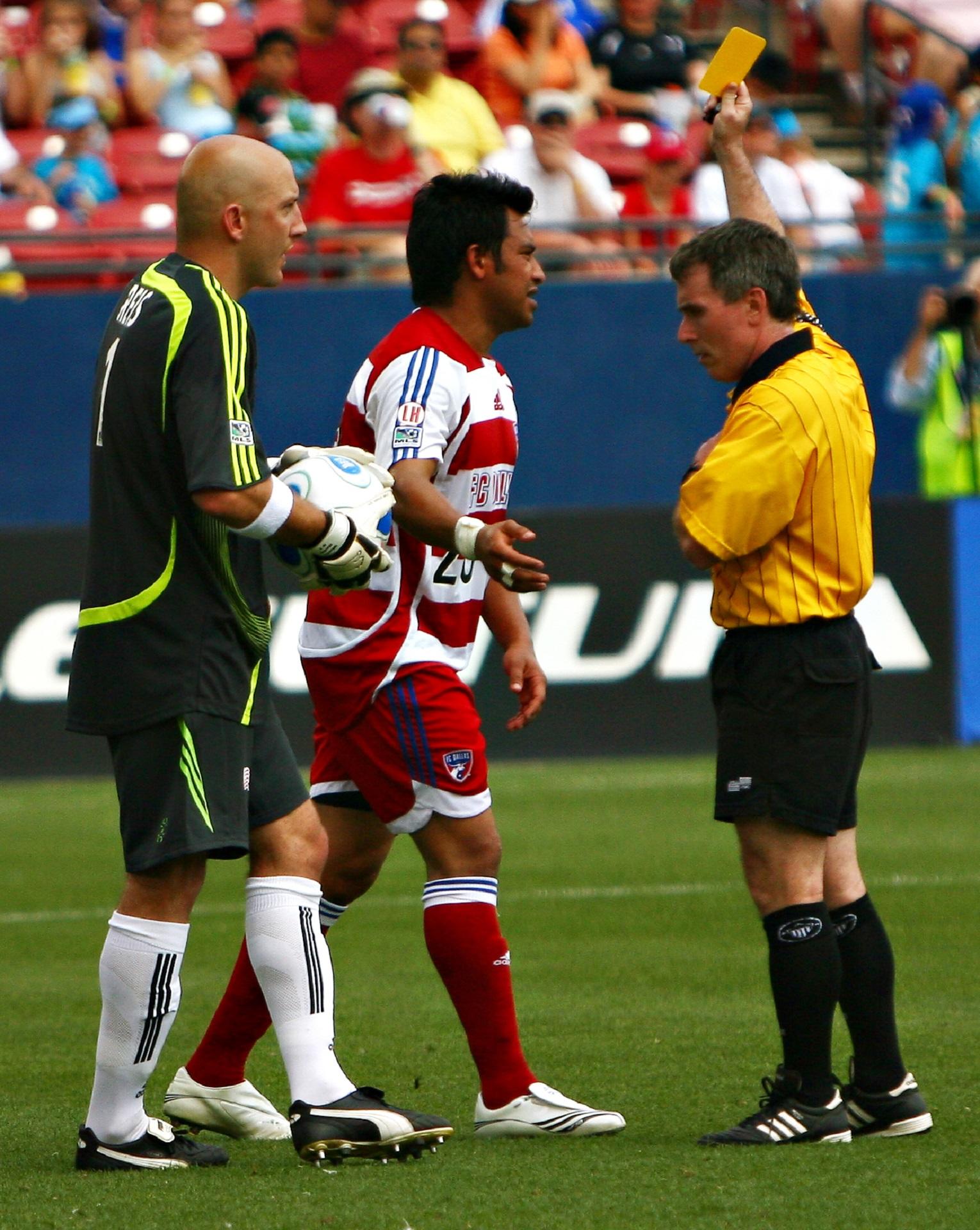
The most visible referee signals are the yellow and red cards. Yellow cards are issued for minor infractions, while red cards are issued for serious offenses such as violent conduct or deliberate handball in critical situations.
To warn a player for minor misconduct, the referee will face the offender, make eye contact and hold up their yellow card. When a player commits a serious offence, such as deliberate handball or pushing an opponent, the referee shows a red card.
Communication is also a fundamental skill in refereeing. While referees use their whistles to start, stop, or restart play, they rely heavily on body language and signals.
Although headsets are commonly used in football refereeing today, this is relatively recent. Before such technology existed, referees relied entirely on body language to communicate their decisions. Thus, it's not quite accurate to call these gestures "hand" signals, as they involve full-body communication.
Common Referee Signals
Referees use standardized signals to communicate their decisions during a match. The following table lists the most common referee signals and their meanings on the field.
| Signal | Description |
|---|---|
| Direct free kick | The referee points their arm in the direction of the attacking team |
| Indirect free kick | The referee raises one arm vertically until another player touches the ball |
| Advantage | Both arms are extended forward to indicate that play continues despite a foul |
| Corner kick | The referee points toward the corner flag |
| Goal kick | The referee points toward the goal area |
| Penalty kick | The referee points directly to the penalty spot |
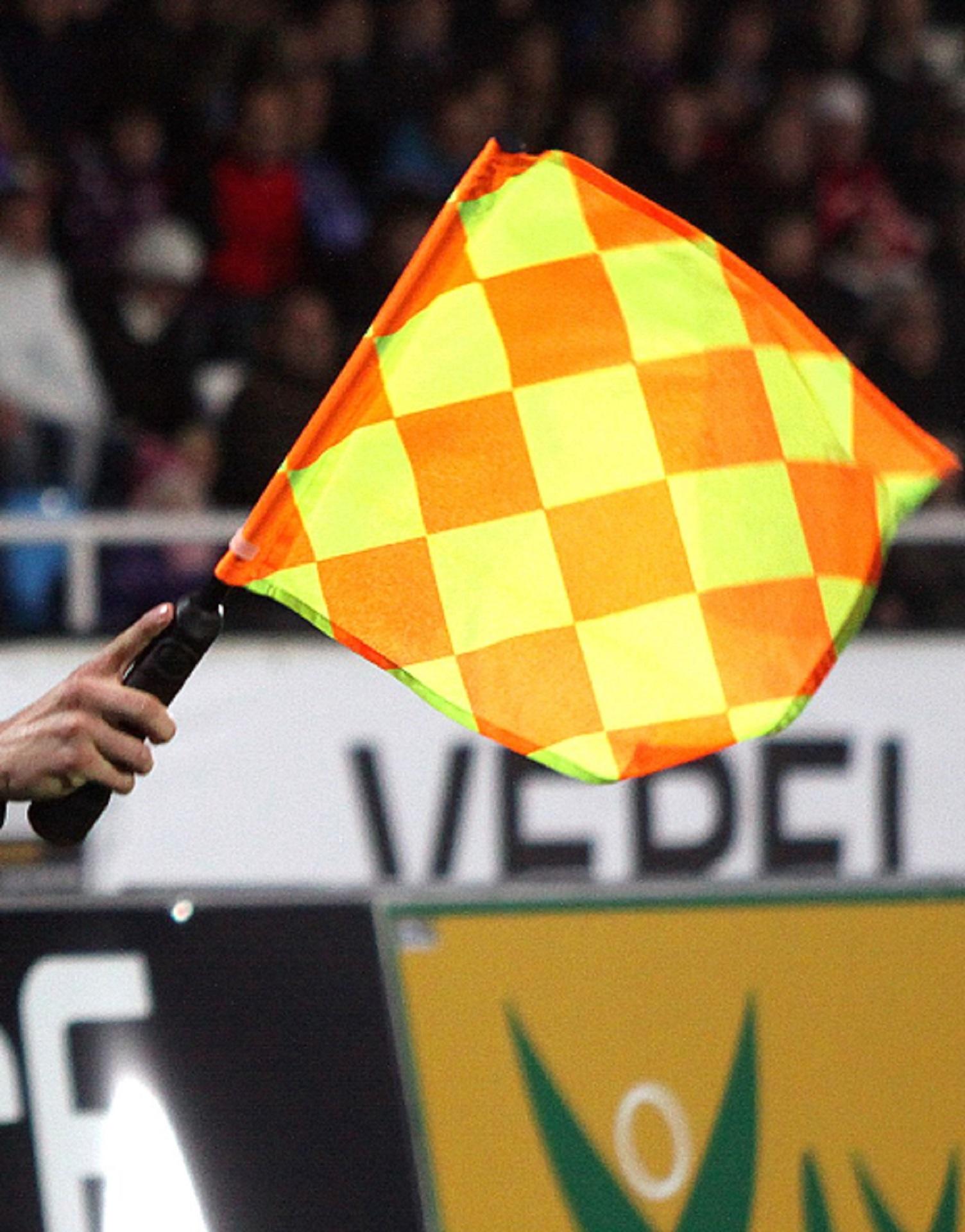
| Offside (assistant referee) | The assistant raises their flag to signal an offside offense |
| Yellow card | Held up to caution a player for misconduct |
| Red card | Shown to send off a player for serious offenses |
Understanding the referee's signals enhances the spectator experience and reduces confusion during matches. For players, these signals are essential for providing immediate clarity and ensuring that the match proceeds smoothly and fairly.
Knowing football referee signals is vital to understanding what's happening in the game. Indeed, referees in training often rely on a guide to hand signals until they master them all.
The Physical and Mental Demands of Refereeing
Refereeing is physically and mentally demanding in sports. While we may think that players are the only ones who push their physical limits during matches, referees also face a demanding pace, as they must keep up with elite athletes and maintain their concentration.
According to Canada Soccer, five categories of training are important for optimal referee performance:
- Coordination and agility
- Endurance duration
- Endurance interval
- Speed
- Strength and flexibility
To meet these demands, referees follow structured training routines that typically include cardiovascular training, speed and agility exercises, strength training and recovery protocols. 1
Moreover, at the professional level, organizations such as FIFA require referees to pass periodic physical fitness tests to ensure they can perform at the highest level at least once a year. The official fitness test for referees consists of two tests:
- The Repeated Sprint Ability (RSA) measures the referee’s ability to perform repeated 40-meter sprints.
- The Interval Test, which evaluates the referee’s capacity to perform a series of high-speed 75-meter runs interspersed with 25-meter walking intervals. 2
Beyond physical abilities, refereeing is also mentally demanding. Referees must make decisions in fractions of a second, maintain concentration, and manage stress, all of which can influence the outcome of a match under pressure from players, coaches and thousands of spectators.
Compensation and Career Progression for Soccer Referees
Refereeing can be a highly competitive professional career. However, earnings and opportunities vary considerably depending on experience, certifications and the level of competition.
The average annual salary for a referee in Canada is $47,821, with an hourly rate of $23, excluding annual bonuses. An entry-level referee with 1-3 years of experience usually earns an average salary of $35,223. A senior with 8+ years of experience could earn an average salary of $53,201. 3
Referees are generally paid per match, and fees vary by country and league. As referees advance to semi-professional and professional leagues, match fees and additional benefits increase.
In competitions governed by FIFA and UEFA, elite referees can earn thousands of euros per match, especially in the FIFA World Cup or the UEFA Champions League.
Even if the most famous referees may boost their bottom lines through endorsements and other appearances, we can conclude that referees earn far less than players do. Without that name recognition, these sports professionals must rely on what referees earn across different leagues. That's why many of them keep their "day jobs".
Becoming a top-level referee involves structured training and education, as well as various certification levels and competitive categories.
| Level | Role & Responsibilities | Matches | Notes |
|---|---|---|---|
| Entry-Level (Grassroots) | • Apply basic rules • Ensure safety & fair play • Learn positioning | Youth & local amateur (7v7–11v11) | Entry certification via Canada Soccer |
| Regional / Provincial | • Officiate competitive games • Communicate with players/coaches • Work with assistants | Competitive youth & amateur | Evaluated for promotion |
| National | • Manage high-level matches • Make fast, accurate decisions • Meet fitness standards | Semi-pro & Canadian Premier League | Requires strong performance & assessments |
| High-Performance | • Officiate elite matches • Handle pressure & scrutiny • Use advanced tools (e.g., VAR) | Professional competitions | Limited full-time roles |
| FIFA (International) | • Officiate international games • Maintain elite standards • Represent Canada | FIFA tournaments | Approved by FIFA via Canada Soccer |
Progression depends on the results of physical fitness tests, match evaluations, decision-making accuracy and professionalism.
Challenges and Controversies in Soccer Refereeing
Even the world’s best referees face challenges in every match, and of course, not every decision will please everyone. Some of the biggest challenges they face are:
Limited angles 👀
Unlike viewers at home, referees don’t have access to replays.
Managing emotions 😤
Players and coaches may act strongly and referees must stay calm.
Staying sharp 🎽
Fatigue and high demands can affect concentration.
Referees’ decisions can become highly controversial. A questionable penalty or a very close offside call can completely change the atmosphere of a match.
Which of these is the most controversial refereeing decision in history? ⚽
Let's be honest. Some refereeing decisions will remain etched in fans' memories forever. Whether it's a foul that went uncalled or a decisive moment, there are certain controversies that are simply impossible to forget.
Technological Innovations in Officiating
To reduce potential errors, tools such as the Video Assistant Referee (VAR) have been introduced, improving accuracy but not eliminating debates over interpretation and delays. Another important tool is goal-line technology, which determines whether the ball has completely crossed the line, providing an instant decision in seconds.
Technology has significantly improved decision-making accuracy, leading to fewer obvious errors in goals, penalties and red cards.
Resources and Support for Aspiring Referees
If you're thinking about becoming a soccer referee, there are resources available to get you started. Some organizations and training programs include:
- 🔗 Canada Soccer: Offers referee certification programs, courses, and development pathways across the country.
- 🔗 Provincial Referee Development Contact List: Provide local training, match assignments and support.
- 🔗 FIFA Referees: Shares global guidelines, news and educational content.
- 🔗 IFAB: Responsible for the official rules and updates.
Many of these organizations also offer programs and guidelines for fitness tests and performance evaluations for referees.
Regulations and educational materials
Some practical learning tools you can explore are:
- Laws of the Game (by IFAB): The official rules used worldwide
- FIFA Football Laws App: A mobile-friendly way to access the rules and updates
- Online training modules and videos from Canada Soccer.
You'll also find practical learning tools, such as match simulations, positioning guides and decision-making exercises to become more familiar with real-game situations.
References
- Canada Soccer. (n.d.). REFEREE TRAINING GUIDE FITNESS TEST PREPARATION. https://canadasoccer.com/wp-content/themes/betheme-child/assets/Referee%20Fitness%20Test%20Guide%20ENG.pdf
- Infantino, G., Samoura, F., & FIFA. (2020). Fitness tests for match officials. FIFA. https://digitalhub.fifa.com/m/5d3e74e8494aa260/original/fxfvp6qbo2lcgvjq5lvh-pdf.pdf
- Soccer Referee Average Base Salary. (n.d.). Salary Expert. https://www.salaryexpert.com/salary/job/soccer-referee/canada
Summarize with AI:
Did you like this article? Leave a rating!

 Loading...