
Soccer is, without a doubt, the most popular sport in the world. However, if you’re starting from scratch, learning to play is much easier than it might seem. Soccer is all about teamwork, movement and ball control. By learning a few basic rules and how to pass, dribble, and position yourself, anyone can gradually build confidence.
Before you jump in, it helps to understand the basics of soccer: the goal of the game, what the field looks like, and what you need to get started. The good news? It's not complicated; in fact, it’s one of the easiest sports to learn from scratch. By knowing the main rules, getting familiar with the field and having the essential gear, you’ll have everything you need to take your first steps and start enjoying the game.
Objective of the Game
Essentially, the goal of soccer is simple: to get the ball into the opponent’s goal; this is what we call “scoring a goal.” Each team strives to create scoring opportunities while defending its own goal to prevent the opposing team from doing the same. A standard match lasts 90 minutes, divided into two halves, and when the final whistle blows, the team that has scored the most goals wins. If both teams score the same number of goals, the match usually ends in a tie, depending on the competition.
The Soccer Field and Equipment
It is a large rectangular surface where the game takes place, typically measuring 90-120 meters in length and 45-90 meters in width. These dimensions can vary depending on the level of play, but most fields follow similar proportions to give players enough room to move and pass.
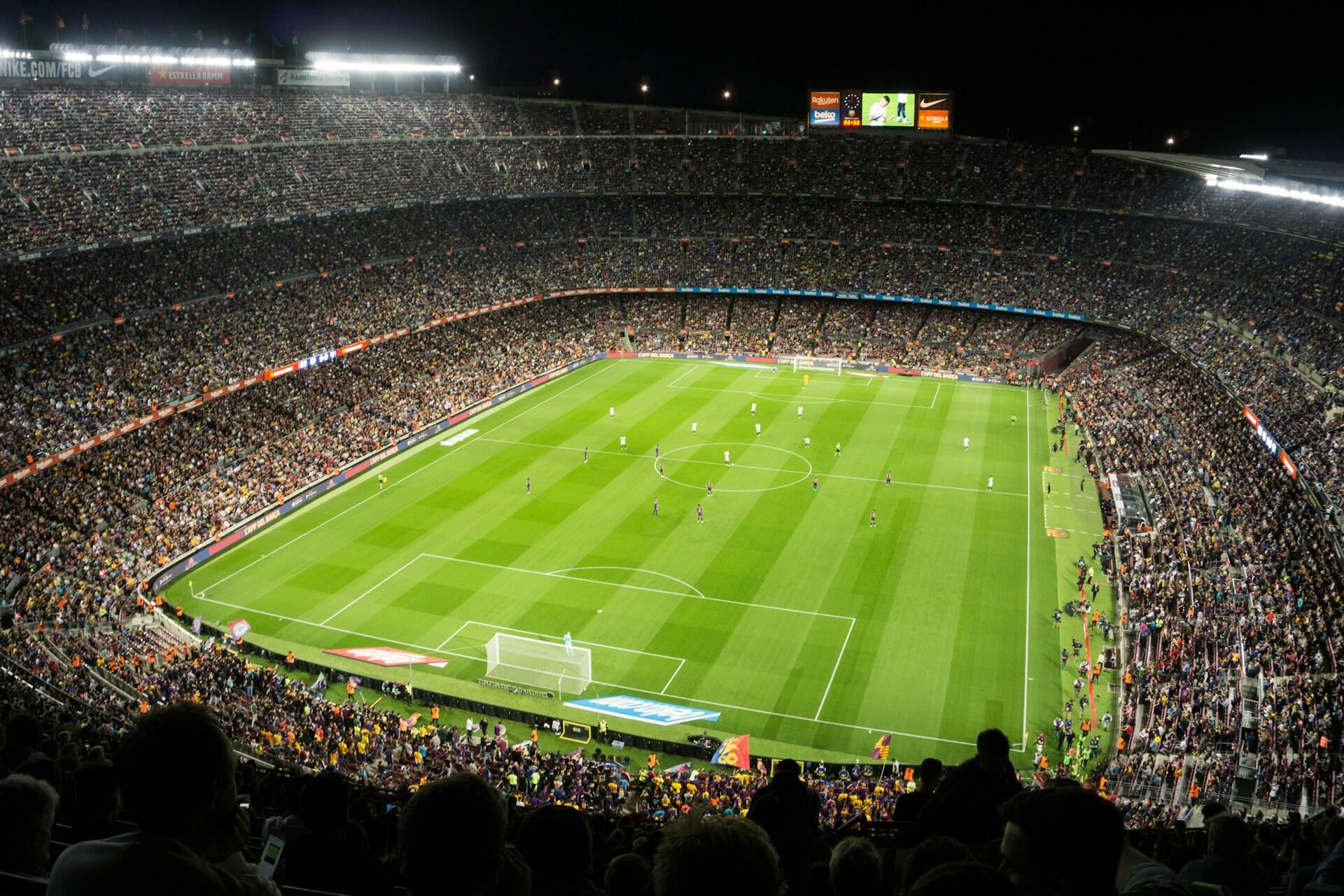
Furthermore, one of the best things about soccer is how little equipment you need to get started, which is why this sport is one of the most accessible and popular to play from scratch.
All you need is a standard soccer ball, usually made of leather, a good pair of cleats, shin guards for protection, long socks to cover them and comfortable athletic clothing. If you are playing as a goalkeeper, you require gloves for protection.


Soccer Positions and Their Roles
Before stepping onto the field, it’s a good idea to familiarize yourself with the different soccer positions in soccer, from the goalkeeper to the forwards, and what each one does. Once you understand their jobs, the game will be easier to follow and figure out which position fits your playing style.
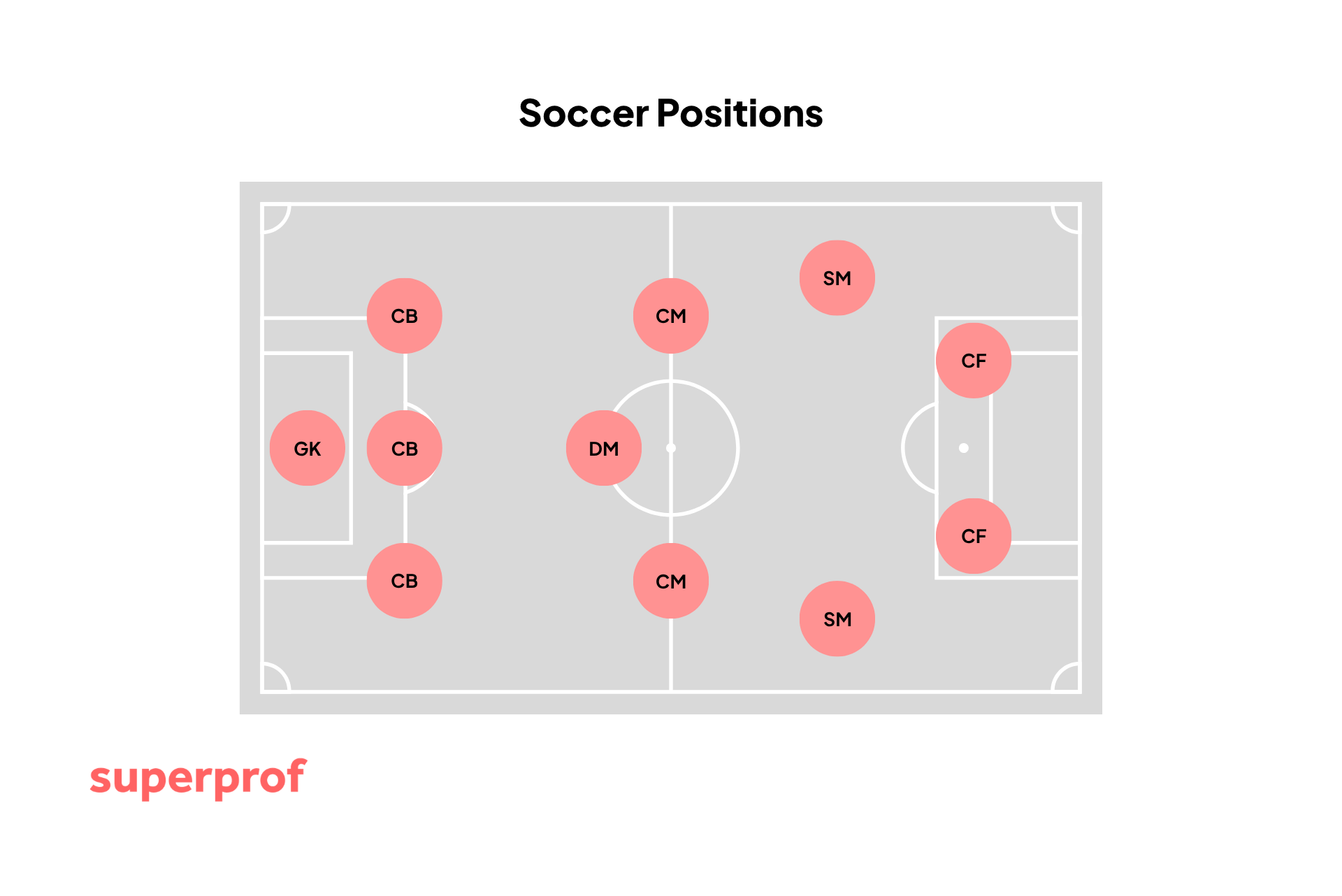
This training helps players understand how the different soccer positions are organized during the game, from the defensive line and midfield to the forwards, with each player occupying a specific space that reflects their role within the team.
Goalkeeper
The goalkeeper’s main job is, of course, to stop the ball from going into the net. They are the only players on the field allowed to handle the ball with their hands. They should also try to clear the ball away from the attacking team.
Moreover, these players can move freely throughout the field and pass the ball both short and long.
Defenders
Defenders pretty much stop the opposing team from scoring. Their main job is to protect their goal by blocking shots, intercepting passes and challenging attackers when they are too close.
Full-backs are positioned on the left or right side of the defense. They stop attacks coming from the wings and support offensive plays, working with midfielders and wingers.
Center-backs stay in the middle of the defense, in front of the goal. They organized the defensive line, mark attackers, and clear the ball from dangerous areas as quickly as possible.
Midfielder
Midfielders connect defense and attack, helping the team transition smoothly from one phase to the other. They’re often the most active players on the field, constantly moving, helping win the ball back and creating chances.
A defensive midfielder's main job is to provide the defense with greater protection. They are positioned just in front of the fullbacks and the center back. A defensive midfielder will continually try to prevent the ball from entering central areas.
An attacking midfielder will do most of their defensive work further up the field. This player helps break through the opponent’s defensive line with movement and passing, creating scoring opportunities. If the team loses the ball, the attacking midfielder presses to win it back.
Forwards
Responsible for creating scoring opportunities. Their job is to score goals, put pressure on the defenders, make runs, and create space for their teammates.
The wing forwards, or wingers, play on the right and left sides near the front, along their center-oriented teammates, to attack the goal. Generally, they are the players who initiate attacks to prevent opponents from advancing and to win the ball near the goal.
Center forward or strikers are the main scorers on the soccer field. Their team gets the ball so they can score. A center forward also looks to pass the ball back to teammates to set up the perfect play.
Which soccer position do you enjoy playing the most?
Thinking about getting started? Find the perfect coach for soccer fitness training on Superprof anywhere you are in Canada.
Fundamental Soccer Techniques
Before you can master the game, you need to learn the basic soccer techniques. These skills form the foundation of everything that happens on the field. By developing good technique, you not only improve your own performance but also help make your team better.
Passing and Receiving
Passing is one of the most important skills in soccer, essential for keeping possession and creating scoring opportunities. There are short and long passes, through balls and lateral and diagonal ones.
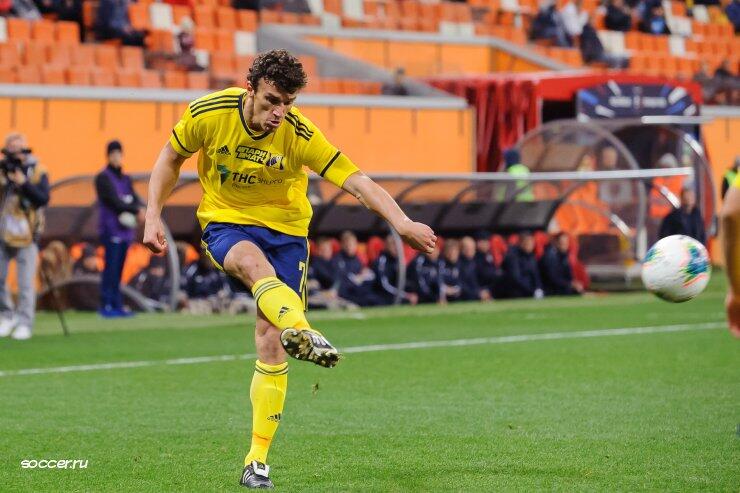
To make a pass correctly, body position matters a lot. First, place your non-kicking foot next to the ball, in the direction of your target. Lean your body slightly forward to maintain balance, direction and power.
Keep your eyes on the ball and the target of the pass. For short passes, use the inside of your foot. For long passes, use the instep for more power. Now, hit the ball in the center for a low pass along the ground, or underneath to lift it. Adjust the power of your pass based on the distance and the circumstances.
Dribbling
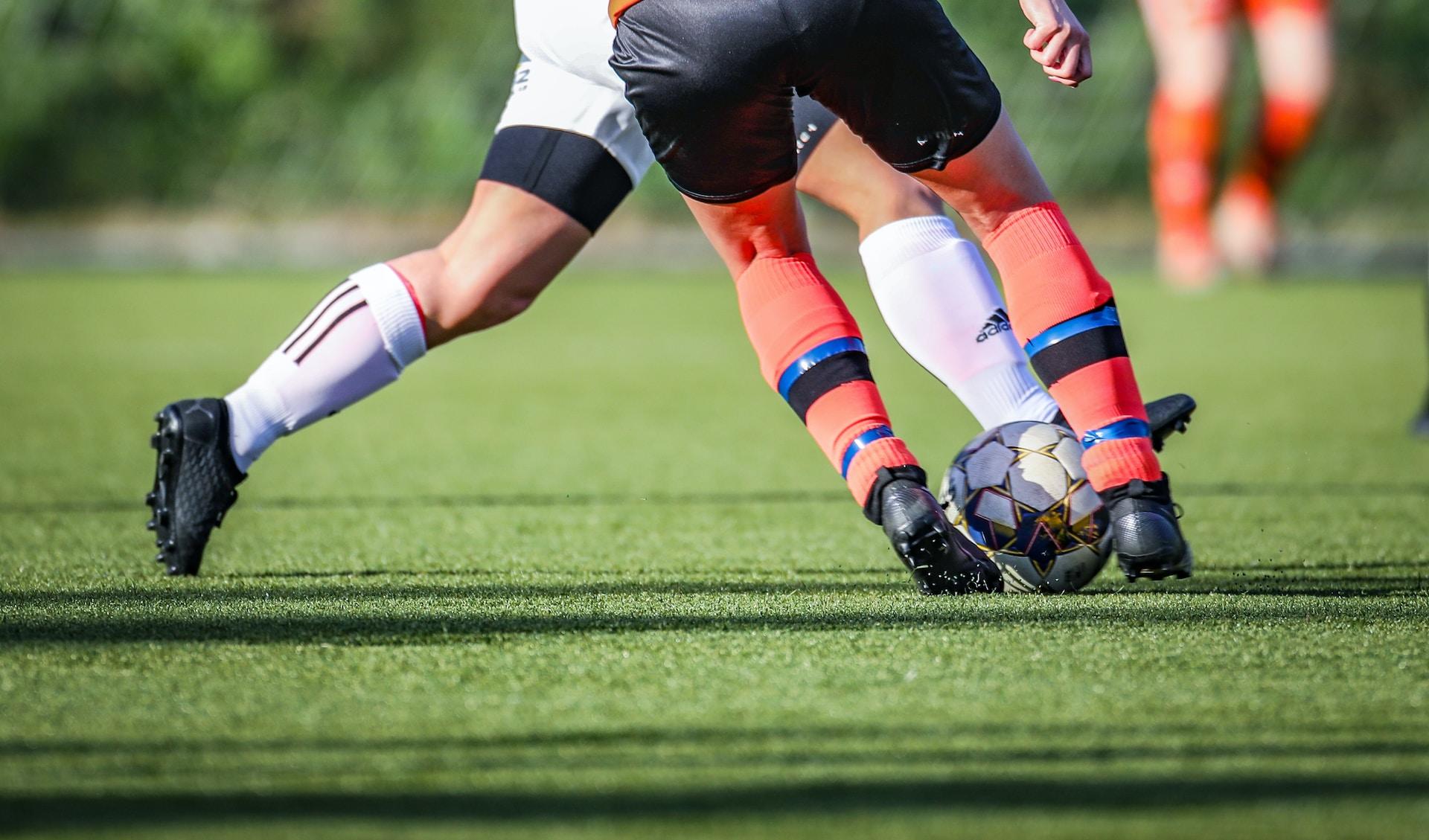
In soccer, dribbling is all about moving past an opponent while keeping the ball under control, using quick touches, changes of direction, and visual feints to throw defenders off. This helps you to advance on the field, break through defensive lines and create scoring opportunities.
The most famous dribbler is Lionel Messi. The eight-time Ballon d'Or winner has exceptional technical ability, allowing him to evade defenders and weave through opponents with great precision. Other players considered among the best dribblers in world soccer include Lamine Yamal, Jamal Musiala and Vinícius Júnior. 1
Changing speed and direction are essential for dribbling. Quick shifts, feints and body movements can help you stay unpredictable and get past opponents. The goal isn’t just to run with the ball, but to stay in control while keeping your head up to spot passing or shooting chances.
Defense
Defending is much more than just taking the ball away from an opponent. It’s also about positioning and timing. Good defenders stay between the attacker and the goal, without losing sight of either the player or the ball. Tackles must be well-timed, while avoiding committing a foul.
To do this, body positioning is key. To react quickly to the attackers’ movements, slightly bend your knees and lower your hips, positioning one foot in front of the other.
Identify your opponent’s dominant foot. Notice which foot they use the most, and try to guide them toward their weaker side to steal the ball.
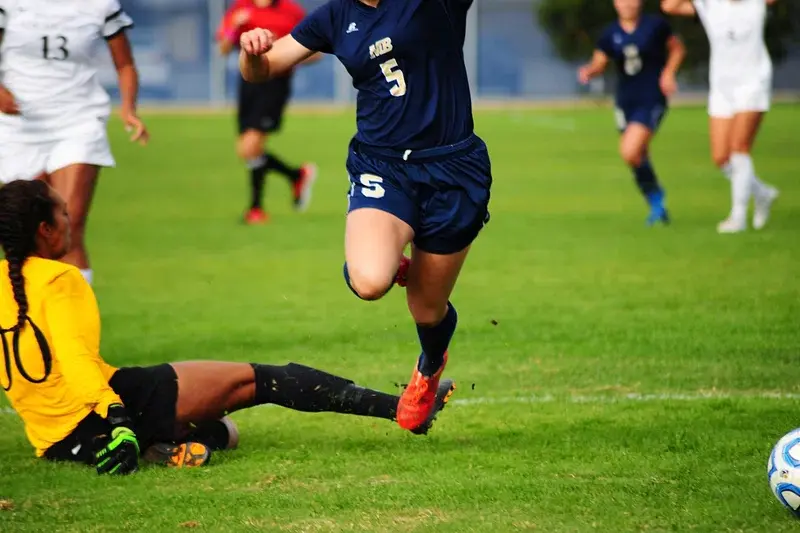
Last but not least, always remember to keep your head up so you can be aware of everything happening around you. By observing where your teammates are positioned, you can anticipate plays, stay organized, and make better decisions under pressure.
Shooting
Shooting is one of the most decisive skills in soccer. It's all about striking the ball toward the opponent’s goal with the intention of scoring. And of course, it requires a mix of coordination, precision, power and good timing.
For a strong shot, strike the ball with the top of your foot, also known as the instep. Keep your ankle firm to generate power when striking the ball and follow through with your leg in the desired direction. Like this, you can maintain the strength and direction of your shot to find the net.
Learning more about the fundamental soccer techniques will help you reduce mistakes and adapt to different situations in the field. Over time, you will feel more in control and make the match more enjoyable.
Rules and Regulations of Soccer
Before you start playing or even watching a game, it’s important to know the basic rules of soccer. Although the game may seem simple, certain rules help keep it fair, dynamic, and organized, both on and off the field.
Basic Rules
Soccer is pretty easy to understand once you know the rules. One of the most important is the offside rule. In simple terms, an attacker is offside if they receive the ball while being closer to the opponents' goal than the second-to-last defender when the pass is made.
Fouls are another essential part of the game. Any action in soccer that is against the rules can be called a foul. Some of the most common ones include pushing an opponent, kicking, tackling, tripping, holding an opponent and touching the ball or holding it with the hands. Players may also receive yellow or red cards depending on how serious the foul is.
The International Football Association Board (IFAB) is an international self-governing body for soccer responsible for establishing the Laws of the Game, that is, the rules governing the sport. The Laws of the Game should contribute to the safety and well-being of players, and it is the responsibility of the IFAB to respond appropriately to support those involved. 2
The game starts with the referee’s whistle and a kick-off from the center of the field. After a goal is scored, play restarts with another kick-off. Whenever the game is stopped, there is a specific way to restart depending on the circumstances. At the kick-off, the ball must move for the play to officially begin. However, if the referee stops the game for an external reason, it usually restarts with a dropped ball.
Game Duration and Scoring
A soccer match typically lasts 90 minutes, split into two 45-minute halves with a 15-minute halftime break (for a total of 1 hour and 45 minutes). In some matches, especially knockout games, the following applies if the score is tied. Usually, 15-minute periods are played until a team wins.
Scoring is pretty straightforward: a goal counts when the ball completely crosses the goal line between the posts and under the crossbar. The team with the most goals wins at the end of the match.
Now that we've looked back at the most legendary goals in football history, we're sure you're getting closer and closer to signing up for soccer classes, learning the basics and starting your own journey in the game.
Tips for Beginners to Improve Their Game
Before you can improve your soccer skills, it’s important to realize that it’s not all about talent: training, physical fitness, and understanding the game also play key roles.
Physical Fitness
A soccer player’s physical fitness is crucial to perform on the field. Having a solid fitness base really makes a difference in soccer. Therefore, if you want to improve your game, you’ll need to get moving. Soccer requires a combination of endurance, strength, and agility, helping you stay energized and adapt to the game's physical demands from start to finish.
Practice Drills
Endurance exercises, such as interval running, are a great way to boost your physical performance and keep your energy level throughout the game. This type of aerobic training improves your cardiovascular function, helping you maintain high performance over long periods.
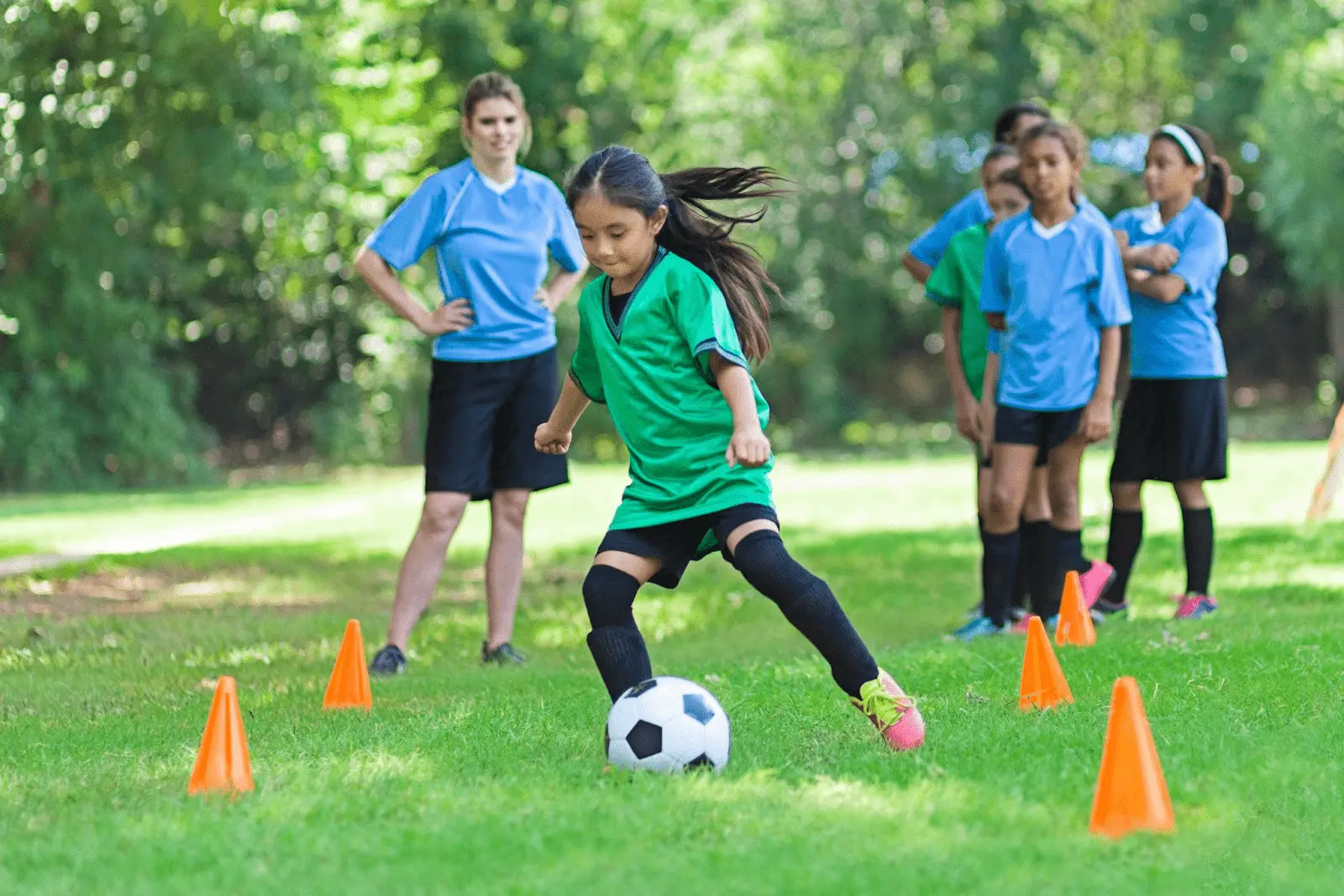
The most popular exercises during soccer training sessions include drills, quick changes of direction, upper body and arm warm-ups, dribbling and passing practice, and coordination workouts. All these help you to move and react faster on the field.
That said, simple exercises can be very effective. Passing the ball back and forth with a teammate, practicing shots on goal, or setting up cones to work on dribbling are all great ways to stay in shape. The key lies in repetition and control; the more you practice these basics, the more natural they will feel during a real match.
Understanding Game Tactics
Beyond technique, understanding how the game works from a tactical side can really take your level up. For example, the 4-3-3 formation in soccer is one of the most widely used formations because it maintains balance among defense, midfield, and attack, giving teams the flexibility to attack and defend.
Another common example is the 4-4-2 formation, which is a bit more structured. It has three distinct lines. A back line of four defenders (two center backs and two fullbacks), a midfield line of four players (two central midfielders and two on the wings) and two forwards up top.
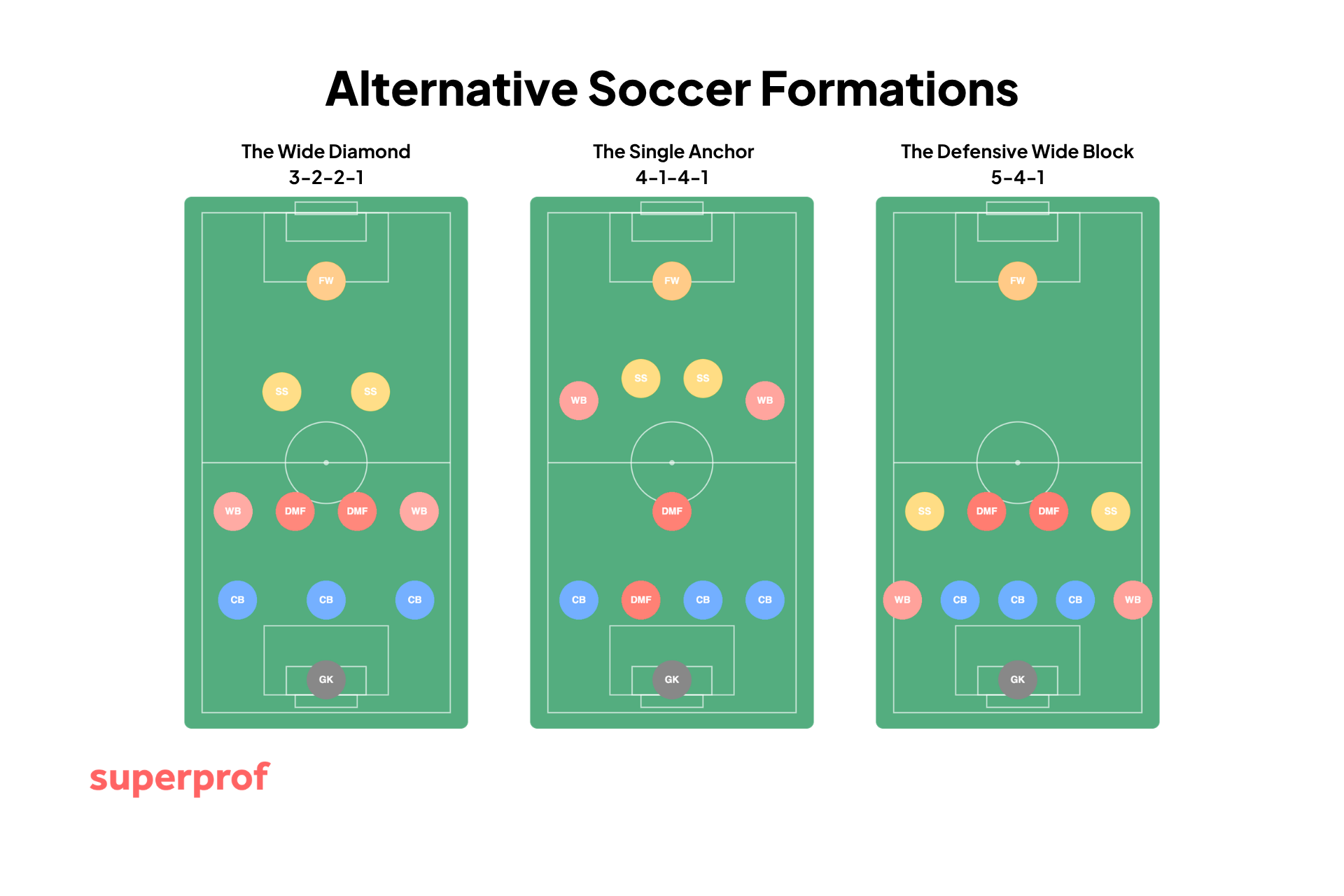
Position abbreviations
GK = Goalkeeper
The player who protects the goal.
CB = Center Back
Central defenders whose main job is to stop attacks.
WB = Wing Back
Players who defend the flanks but also push forward to help the attack.
DMF = Defensive Midfielder
Midfielders who shield the defense, break up attacks, and start possession.
SS = Second Striker (or Support Striker)
Attackers who play just behind the main striker, creating chances and scoring.
FW = Forward (or Striker)
The main goal scorer who stays closest to the opponent's goal.
Common Mistakes and How to Avoid Them
Before improving your soccer skills, it’s worth spotting the common mistakes that might be holding you and your team back. The good news is that most are easy to fix once you identify them. A few small adjustments in how you play can make a big difference in your performance and a bigger impact on your team.
Poor Positioning
One of the most common mistakes, especially when you're just starting out, is knowing how to position yourself correctly on the field. Being in the right spot allows you to participate more effectively in the game and play your role. Good positioning makes it easier to anticipate plays, offer passing options, and prevent the opponent from gaining an advantage.
Lack of communication
In soccer and in any team setting, communication is everything. If you are not actively communicating with your teammates, it can lead to confusion and mistakes during the game. Giving simple instructions like calling for the ball, letting others know you’re open, or warning about a nearby opponent can make a huge difference in how smoothly your team plays. One major benefit of playing soccer is that it allows you to improve just that, your communication skills.
References
- Ross-Murray, E. (2025, October 23). 15 Best Dribblers in World Soccer—Ranked. SI. https://www.si.com/soccer/15-best-dribblers-world-soccer-ranked#:~:text=Lionel%20Messi,astonishing%20dribbler%20than%20Lionel%20Messi
- THE IFAB About the Laws | IFAB. (n.d.). https://www.theifab.com/laws/latest/about-the-laws/
Summarize with AI:
Did you like this article? Leave a rating!

 Loading...