Dutch literature boasts a rich array of authors and artists whose works have had a significant influence on both the national and international literary scenes. Many Dutch writers have made an impact on the world's literary scene, and today we will discover the 10 most acclaimed writers from the Netherlands. This article introduces you to ten of the most famousDutch authors, their lives and their most important works.
1820
Multatuli (Eduard Douwes Dekker)
Published Max Havelaar (1860), a groundbreaking critique of Dutch colonialism.
1863
Louis Couperus
Became a leading figure of Dutch literary naturalism with Eline Vere (1889).
1911
Annie M.G. Schmidt
Revolutionized Dutch children's literature with classics such as Jip and Janneke.
1914
Etty Hillesum
Wrote her Holocaust diaries, later published as An Interrupted Life, offering a powerful personal testimony of WWII.
1918
Hella Haasse
Explored Dutch colonial history and identity in novels such as The Tea Lords.
1921
Willem Frederik Hermans
Became one of the "Great Three" of post-war Dutch literature with works like The Darkroom of Damocles.
1923
A.C. Baantjer
Popularized Dutch detective fiction through the long-running De Cock series.
1923
Gerard Reve
Helped redefine post-war Dutch literature with The Evenings and its candid exploration of society.
1925
Jan Wolkers
Gained acclaim for bold, emotionally charged novels such as Turkish Delight.
1927
Harry Mulisch
Earned international recognition with philosophical novels including The Discovery of Heaven.
1946
Adriaan van Dis
Examined colonial heritage, migration, and identity in works such as Indische Duinen (My Father's War).
1987
Yael van der Wouden
Represents a new generation of Dutch writers with The Safekeep, exploring memory and the legacy of WWII.


Historical Context of Dutch Literature
Dutch literature has reflected the political, cultural, and social changes that have shaped the country. From the Dutch Golden Age to modernist writing, each of these literary periods has shaped the Dutch language and its traditions.
The Golden Age and Its Influence
The Dutch Golden Age, which took place during the 17th century, was a period of economic prosperity and scientific and artistic advancements.
Many writers, inspired by classical Greek and Roman literature, explored religious, moral, and patriotic themes. Various art forms, such as poetry and theater, became very popular. In fact, Joost van den Vondel, one of the most prominent figures of the era, was recognized as the Dutch Shakespeare. Pieter Corneliszoon Hooft and Gerbrand Adriaenszoon Bredero also established themselves as respected Dutch writers.
Modernism and Post-War Literature
During the 20th century, Dutch literature underwent a significant transformation shaped by industrialization, the two world wars, and a changing society. Many authors moved away from traditional narrative to adopt more experimental styles that explored identity, alienation, and the complexities of life.
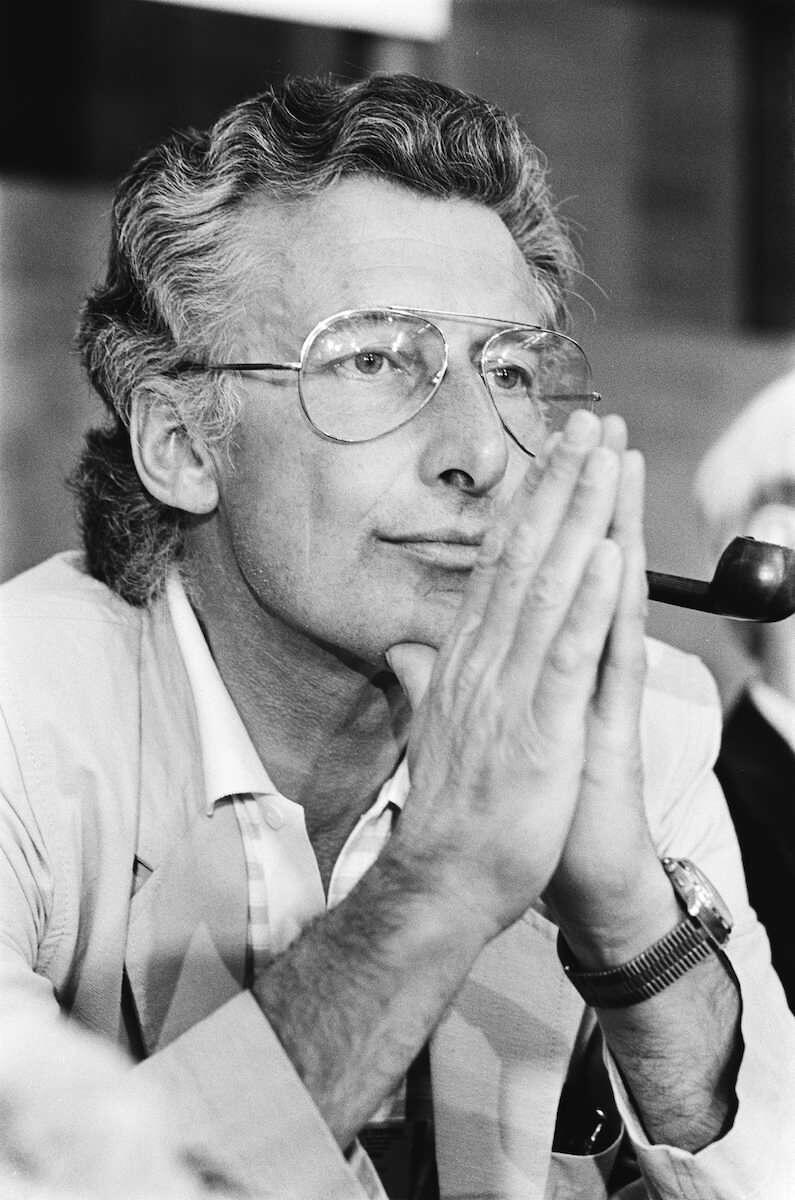
After World War II, the literary landscape became increasingly introspective, as it tackled raw themes such as trauma, the Holocaust, resistance and social criticism.
Harry Mulisch, Willem Frederik Hermans and Gerard Reve were among the key authors in the reshaping of modern Dutch literature.
Today, Dutch authors continue to build on this legacy, addressing powerful themes such as immigration, multiculturalism, environmental issues and globalization.
Cuisine, language and art are some of the defining elements of Dutch culture. Read and learn more about Dutch culture.
Dutch literature has been shaped by writers whose works have garnered recognition both in the Netherlands and internationally. From critiques of colonialism and Dutch society to children’s stories, these authors reflect part of Dutch history and literary traditions.
Multatuli (Eduard Douwes Dekker) Author of "Max Havelaar," a critique of colonialism
Multatuli is the pen name of Eduard Douwes Dekker, one of the most important figures in Dutch literature.
After working as a colonial administrator in the Dutch East Indies, Multatuli became deeply critical of the exploitation and corruption he witnessed during Dutch colonial rule.
Max Havelaar tells the story of an idealistic colonial official who confronts the abuses committed by the colonial authorities against the Indonesian people, a reflection of what he experienced in his real life.
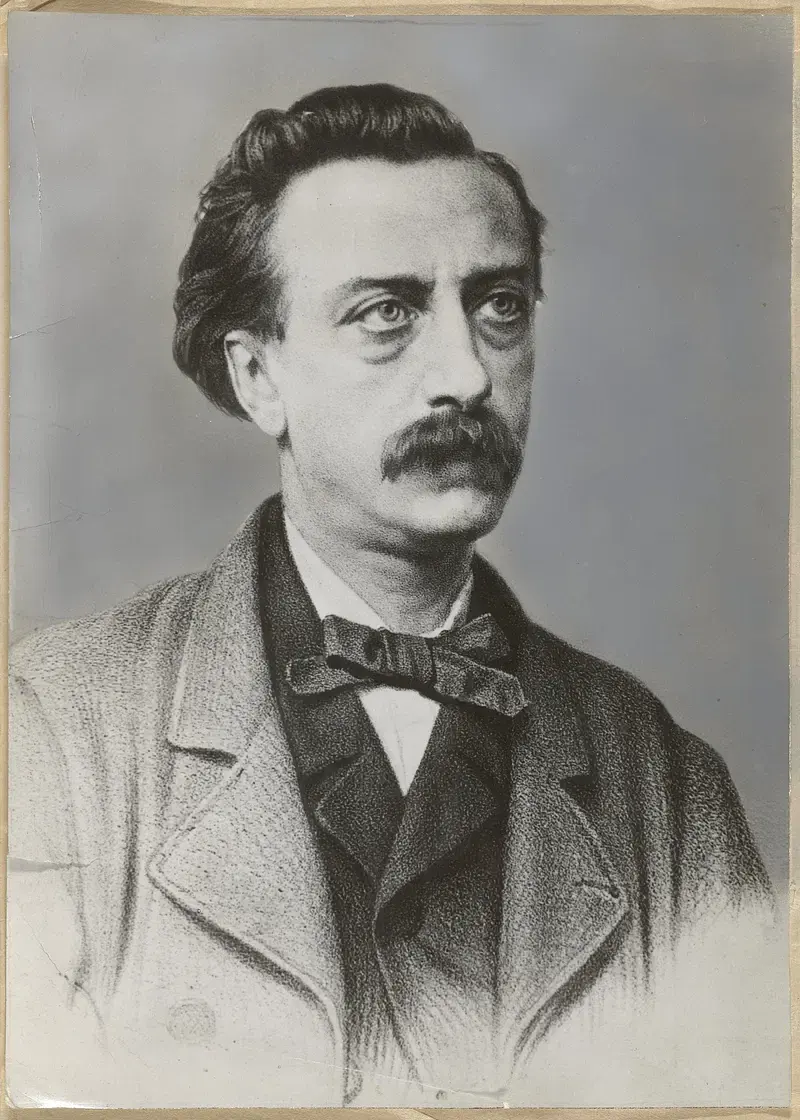
The work combines fiction and political criticism, becoming one of the world’s earliest and most influential anti-colonial novels.
Louis Couperus Known for "Eline Vere," exploring societal norms
Louis Couperus was a key figure in literary naturalism. His works are characterized by their psychological depth and his reflections on the Dutch upper class of the late 19th and early 20th centuries.
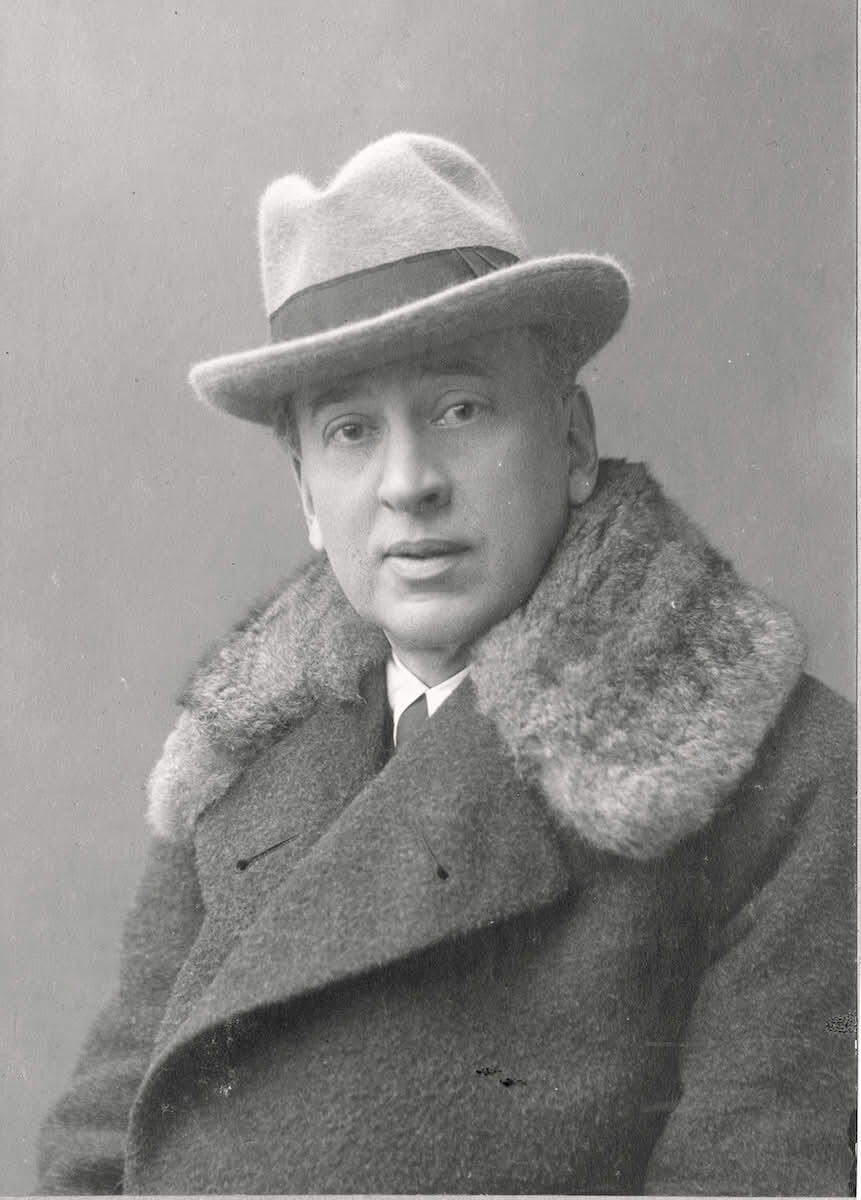
Eline Vere, her first novel, tells the story of a young woman living in The Hague whose dreams of love and personal fulfillment clash with society’s expectations.
Through Eline’s emotional struggles and her search for happiness, Louis Couperus explores social pressure, loneliness, and the limitations imposed on women in the late 19th century.
The novel is considered by many to be one of the great classics of Dutch literature.
In addition, Couperus went on to write numerous novels that explore themes such as identity, fate, family relationships, and the tension between individual desire and social norms.
Annie M.G. Schmidt Beloved children's author of "Jip and Janneke"
Born in 1911 in Kapelle, Netherlands, M.G. Schmidt was referred to as "Queen of Dutch Children's Literature" during her lifetime for her contributions to literature, children's books, and her unfailing sense of humor.
She was a scholarly individual and is widely regarded as being one of the most beloved Dutch writers.
She wrote poetry, songs, books, plays, musicals and television series about a variety of different subjects.
Although she has accomplished much in the literary world, she is mostly remembered for her children's books such as Jip and Janneke.
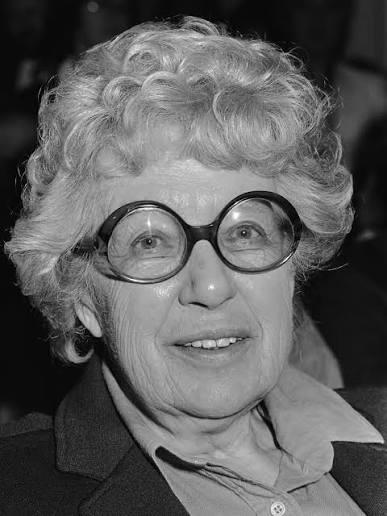
Her legacy stills lives on today as many people can continue to read and appreciate her wonderful works. In 1988, for her contribution to children's literature, she won the Hans Christian Andersen Medal.
Annie M.G. Schmidt's stories have entertained generations of Dutch children. Her influence is so significant that the Netherlands' most prestigious children's literature award is named after her: The Annie M.G. Schmidt Prize. 1
Her death in 1995, which was brought on by euthanasia, sparked much debate in the modern world.
Etty Hillesum Holocaust diarist, author of "An Interrupted Life"
Etty Hillesum is one of the authors of the most moving writings created under Nazi occupation. She studied law and Slavic languages before beginning to write her diary in 1941, as persecution intensified in the Netherlands.
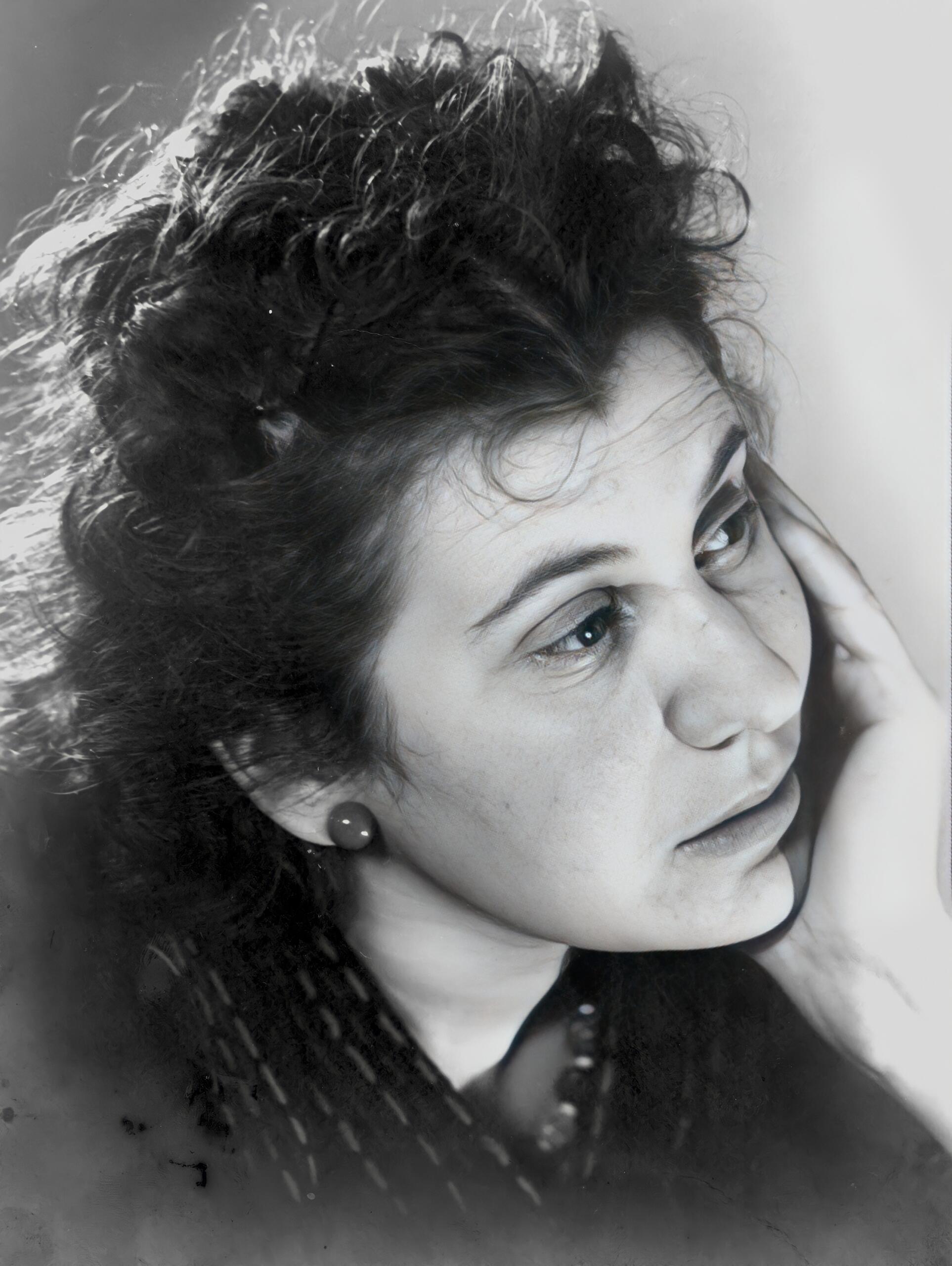
An Interrupted Life is a book that chronicles her personal growth and the persecution of Dutch Jews during WWII.
However, rather than focusing on the tragedy, Hillesum explores themes such as love, faith, fear, and resilience, making her work a powerful contemporary testimony to the Holocaust.
In 1942, the author began working at the Westerbork transit camp, where she cared for other prisoners before being deported to Auschwitz. She died there in November 1943 at the age of 29.
Hella Haasse Writer of "The Tea Lords," delving into colonial history
Born in the Dutch East Indies, which is now known as Indonesia, in 1918 to a civil servant father and concert pianist mother. She is held up in high esteem to many citizens of the Netherlands.
A common nickname for Haase is, "the Grand Old Lady" of Dutch literature. Her narrative Oeroeg is about a boy growing up on a tea plantation in the Dutch East Indies and was a common staple for generations of schoolchildren since its first publication in 1948.
Haase had the privilege of interviewing the Queen of the Netherlands in 1988 on her 50th birthday because she was regarded as "the Queen among authors."
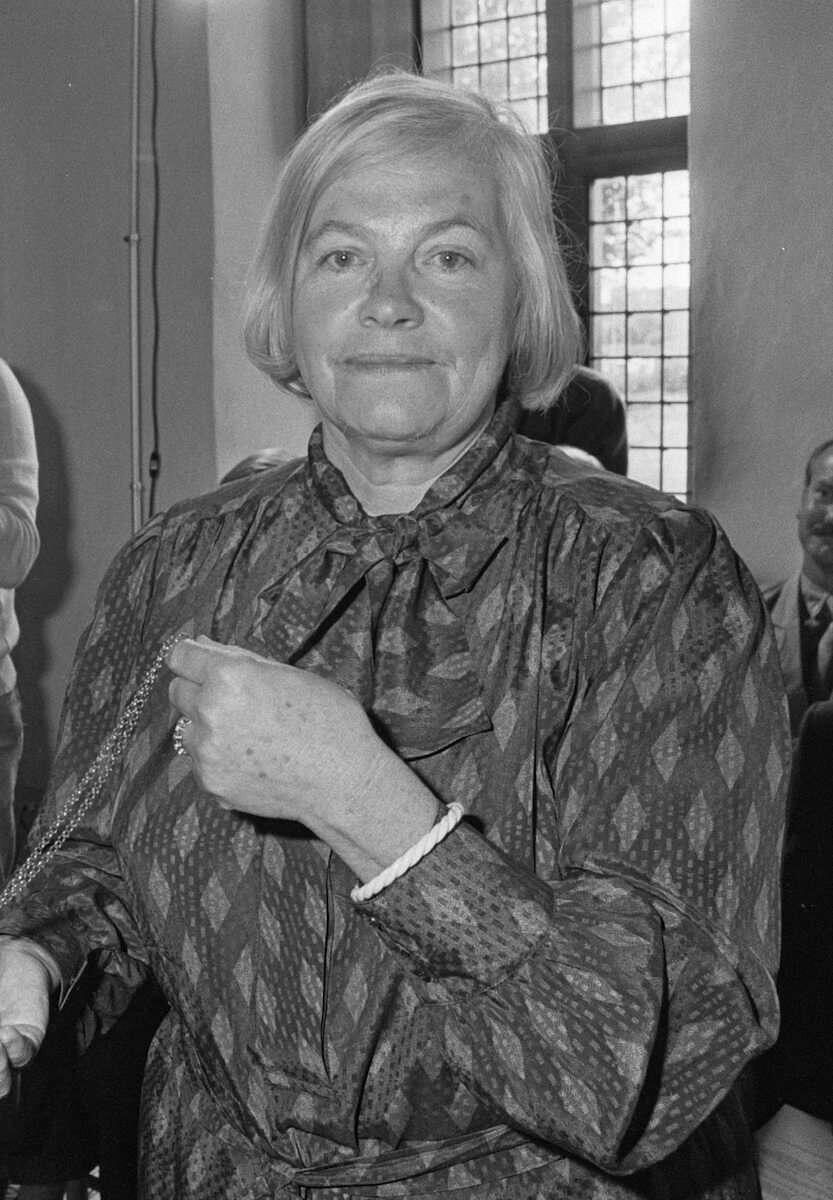
Her magnum opus is considered to be "Heren van de Thee", or The Tea Lords in English, which has been translated into many languages and gained worldwide recognition. For her work, she received many awards and recognition until her death in 2011.
Willem Frederik Hermans Author of "The Darkroom of Damocles," exploring moral ambiguity
Hermans was an important author born in 1921 in the city of Amsterdam. He is also a member of the "Great Three" of Dutch post-war literature. Known for his poetry, short stories, novels, and plays, Hermans was well-renowned and in 1977 received the Prijs der Nederlandse Letteren, which is the highest honor and prize for Dutch writers.
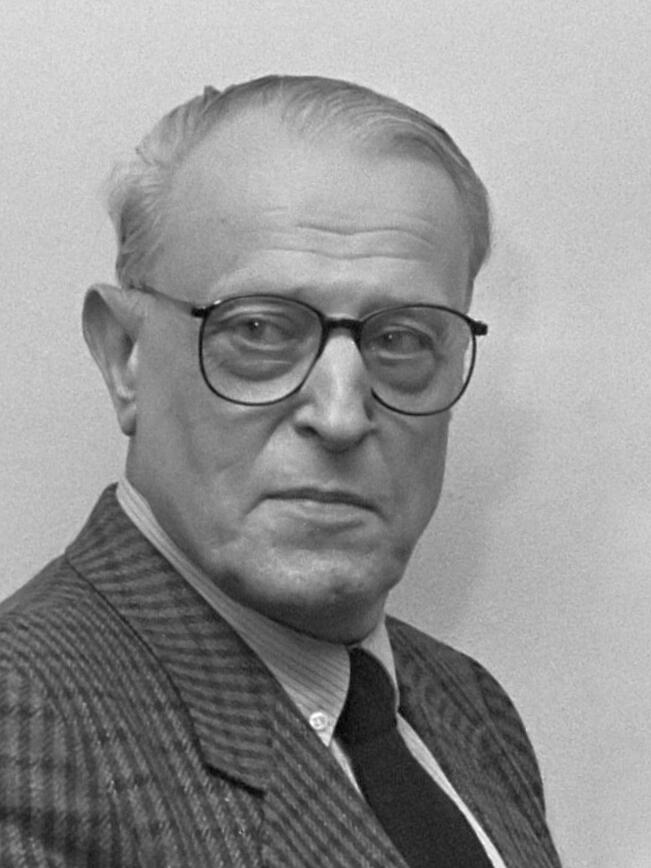
His writing style is existentialist. His sentences were very short and to the point which is uncommon in early Dutch literature and due to the fact that he lived during the Second World War, some of his novels, The tears of the Acacias and The Darkroom of Damocles, are set in WWII under German occupation.
His most famous works include his novella The House of Refuge, published in 1952, and his novels The Darkroom of Damocles and Beyond Sleep, released in 1958 and 1966, respectively.
Hermans always had the intention of supporting himself financially through his writings but this did not occur due to the fact that the Netherlands' economy was recuperating after the conflict. Therefore, he accepted a job an intellectual job as a lecturer of physical geography at Groningen University.
A.C. Baantjer Creator of the "De Cock" detective series
Born in 1923 in the city of Urk, Netherlands, Baantjer is a very well-known Dutch author of detective fiction and one of the country’s most celebrated crime novelists. Before becoming a full-time writer, he worked as a police officer in Amsterdam, an experience that undoubtedly lent his stories an authentic and realistic feel.
His novels have been well received internationally, resulting in the translation of his works into Spanish, French, Korean, Russian and Estonian.
There are 23 of his 60 published books available in the English language, largely due to Baantjer's publisher, Speck Press.
His detective novels revolve around the police instructor De Cock (also translated as DeKok, which means "cook" in Dutch) and his sidekick Sergeant Vledder.
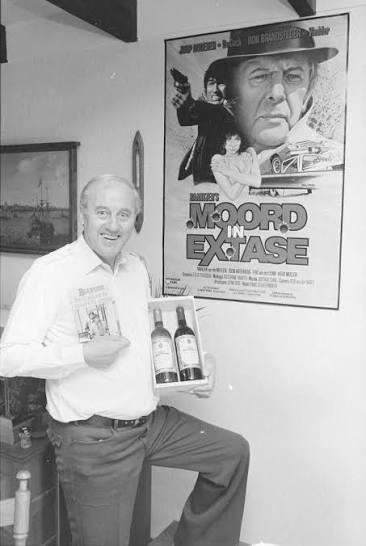
Some of his notable works include Murder in Amsterdam, DeKok and the Dead Harlequin and Dekok and Murder by Melody.
Before becoming a best-selling author, A.C. Baantjer worked as a police officer in Amsterdam for nearly 40 years. Many of the cases in his famous crime series De Cock were inspired by real investigations he encountered throughout his career. He published over 1,200 crime stories. 2
Gerard Reve Known for "The Evenings," depicting post-war life
Born in Amsterdam in 1923, Reve is one of the Netherlands greatest literary treasures and also a member of the "Great Three", when translated into Dutch, of Dutch post-war literature.
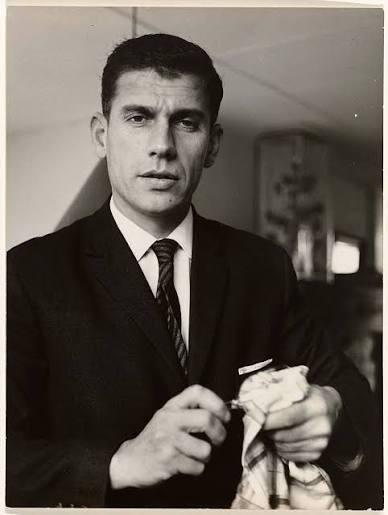
His works are now acclaimed, but at the time they received harsh criticism for their obscenity, frank discussions of sexuality, and graphic depiction of homosexual relationships that were not accepted by the politics of that time period.
Reve's main theme was sexuality; however, he also explored Western religion in his artistic texts.
His famous works include The Evenings (De Avonden) published in 1947, The Fourth Man (De Vierde Man) published in 1981 and was the inspiration for Paul Verhoeven's 1983 film of the same name and Parents Worry (Berzorgde Ouders) in 1988.
His novels, The Evenings and Parents Worry, have been translated into English, and Reve's 1956 work titled The Acrobat was originally written in the English language.
Jan Wolkers Author of "Turkish Delight," a tale of love and loss
Born in 1925 in the city of Oostgeest, Wolkers was a famous writer, sculptor, and painter. His literary works were greatly celebrated and he is commonly known as being the fourth member of the "Great Four" writers of post-World War II Dutch Literature along with the three previously mentioned writers in this article: Gerard Reve, Willem Frederik Hermans and Harry Mulisch.
His most famous work, Turks Fruit, was published in 1969 in the Dutch language and was later translated into 1o different foreign languages and is known as Turkish Delight in English.
The 1972 film directed by Paul Verhoeven, which was adapted from Wolkers' novel, was nominated for an Academy Award and was voted in 1999 as the best Dutch Film of the Century.
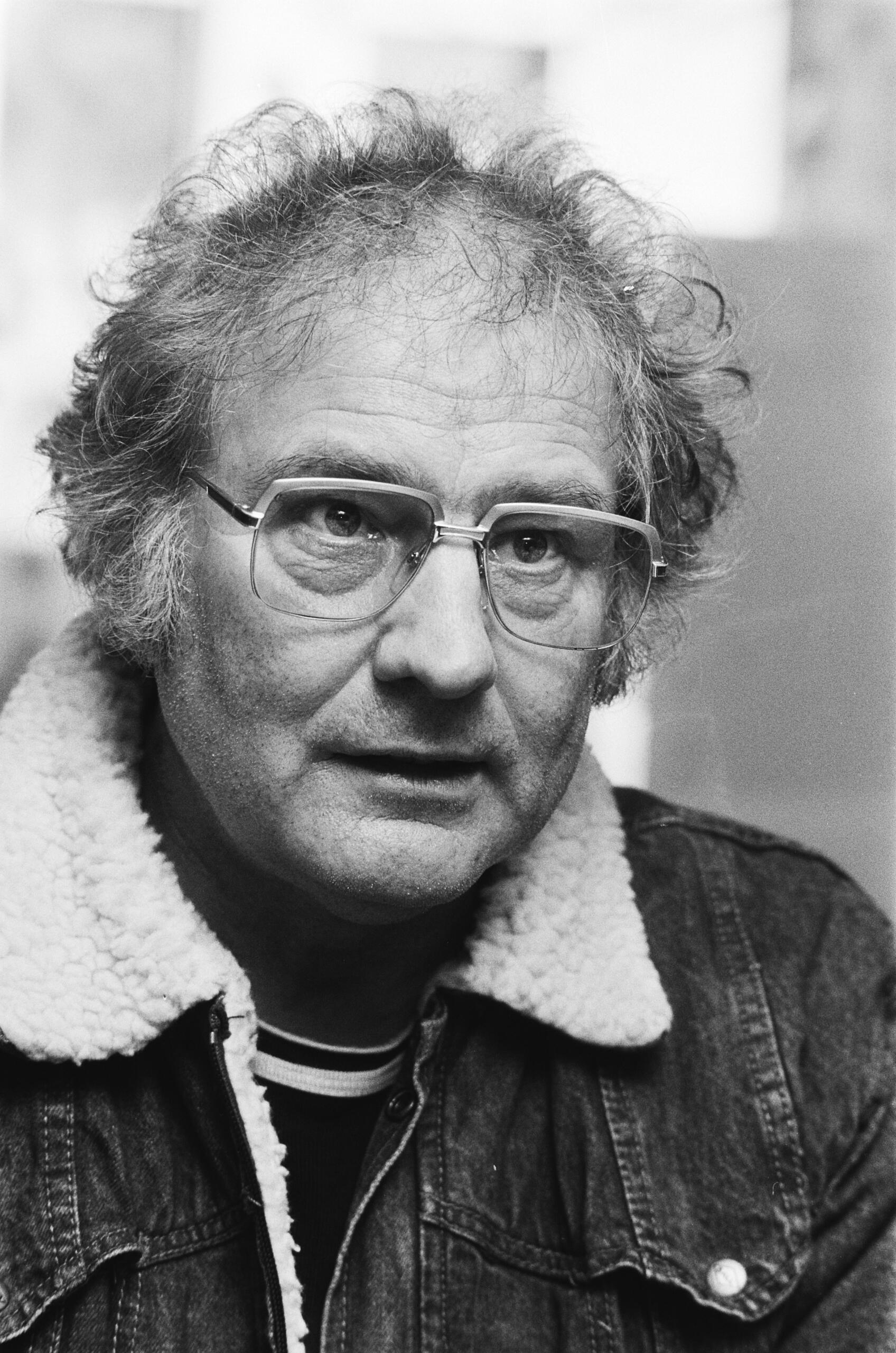
Many of his novels were acclaimed throughout the 1960s and were shocking for many readers due to their graphic descriptions of sexual acts. He is known for rejecting various literary awards such as the Constantijn Huygensprijs and the P.C. Hooftprijs.
Harry Mulisch Writer of "The Discovery of Heaven," a philosophical novel
Born in 1927 in the Dutch city of Haarlem, Harry Mulisch is the third and possibly most famous member of the "Great Three" of Dutch post-war literature.
He was a very prolific writer during his professional career, writing more than 80 novels, plays, essays, poems and philosophical Dutch reflections. Mulisch's works are not only available in the Dutch language but have been translated in more than 30 international tongues.

He is acknowledged by many professionals as being "Holland's Greatest Author" and "Holland's most important post-war writer."
Mulisch's works were greatly influenced by the horrors of WWII. His family was Jewish and they suffered much Nazi persecution during the German occupation of the Netherlands for their traditions.
His maternal grandmother died in a gas chamber and his mother just barely escaped her deportation to a concentration camp.
His success came in the later years of his career when he published The Assault in 1982 which was adapted into a 1986 Academy Award-winning film and his 1992 novel The Discovery of Heaven is considered his magnum opus due to the fact that it practically started a reading revolution. The latter was voted by Dutch readers in a 2007 newspaper poll as the "best Dutch-language book ever written."
Which Dutch author would you most like to read first?
Emerging Voices in Dutch Literature
Contemporary writers bring fresh perspectives while drawing on the country’s rich literary tradition. Their internationally acclaimed novels have introduced modern Dutch literature to an even wider audience through translations and prestigious literary awards.
Yael van der Wouden Author of "The Safekeep," exploring post-WWII Netherlands
Yael van der Wouden is one of the contemporary Dutch authors who achieved international recognition with her debut novel, The Safekeep. Set in the Netherlands after WWII, the work explores memory, grief, family secrets, and the aftermath of the Holocaust.
Praised for its emotional depth, The Safekeep has received critical acclaim and has helped introduce contemporary Dutch literature to a global audience.
Adriaan van Dis Known for "Indische Duinen," reflecting on colonial heritage
Adriaan van Dis is one of the most celebrated living authors in the Netherlands. The author of Indische Duinen (My Father’s War) reflects on Dutch colonial history in the Dutch East Indies, now modern-day Indonesia, and examines themes such as identity, family, displacement, and intergenerational trauma.
Van Dis is one of those authors who have made a significant contribution to the debate on the Netherlands’ colonial past and its lasting influence on modern Dutch society.
Dutch Authors Compared: Themes & Writing Styles
The most influential Dutch authors have distinguished themselves through the themes they explore, their literary styles, and their most representative works. From children’s stories and mystery novels to historical novels, these writers reflect the diversity of Dutch literature.
| Author | Signature Themes | Writing Style | Recommended Book |
|---|---|---|---|
| Multatuli | Colonialism, justice, corruption | Satirical, political, realistic | Max Havelaar |
| Louis Couperus | Society, fate, identity | Psychological, naturalistic | Eline Vere |
| Annie M.G. Schmidt | Childhood, friendship, imagination | Humorous, accessible | Jip and Janneke |
| Etty Hillesum | Holocaust, resilience, spirituality | Reflective, autobiographical | An Interrupted Life |
| Hella Haasse | Colonial history, identity | Historical, descriptive | The Tea Lords |
| Willem Frederik Hermans | War, morality, existentialism | Sparse, direct, philosophical | The Darkroom of Damocles |
| A.C. Baantjer | Crime, justice, police investigations | Accessible, suspenseful, plot-driven | Murder in Amsterdam |
| Gerard Reve | Religion, sexuality, post-war society | Ironic, provocative | The Evenings |
| Jan Wolkers | Love, loss, sexuality | Emotional, explicit | Turkish Delight |
| Harry Mulisch | WWII, destiny, philosophy | Complex, symbolic | The Discovery of Heaven |
| Yael van der Wouden | Memory, family secrets, Holocaust legacy | Atmospheric, emotionally rich | The Safekeep |
| Adriaan van Dis | Colonial heritage, displacement, identity | Reflective, character-driven | Indische Duinen |
Many of these authors explore universal themes such as identity, justice, love, memory, and social change, whether you prefer psychological fiction, historical narratives, mystery novels or contemporary literary works.
Impact of Dutch Literature on Global Culture
Classics such as Max Havelaar, by Multatuli, shaped the debate on colonialism and social justice, while writers such as Harry Mulisch and Cees Nooteboom have reached readers throughout Europe and beyond. Today, many Dutch books are translated into dozens of languages, allowing audiences around the world to discover the literary culture of the Netherlands.
References
- A. C. Baantjer | Biography | Research Starters | EBSCO Research. (n.d.). EBSCO. https://www.ebsco.com/research-starters/biography/c-baantjer (accessed July 17, 2026)
- Pushkin Press. Annie Schmidt – Pushkin Press. https://pushkinpress.com/our-authors/annie-schmidt/ (accessed July 17, 2026)
Summarize with AI:
Did you like this article? Leave a rating!


 Loading...