


If you are visiting a sugar shack in Québec, the language can be almost as unfamiliar as the menu. French terms describe the place, the people, the maple season, traditional foods and the products you may see for sale. Learning some Sugar Shack Vocabulary makes signs and menus much easier to understand.
| Term | What it means | Where you are likely to hear it |
|---|---|---|
| Cabane à sucre | Sugar shack or maple production building | Menus, signs and conversation |
| Érablière | Maple-producing forest or maple operation | Production and rural Québec |
| Eau d'érable | Maple sap | During collection and production |
| Tire d'érable | Maple taffy | Dessert and sugaring-off traditions |
| Sucre d'érable | Maple sugar | Confectionery and maple products |
| Sap run | Period when sap is flowing | English production terminology |
This quick reference gives you the most useful terms to recognise before you arrive that can help you to better understand what cabane à sucre is. Once you know the difference between a cabane à sucre, an érablière and the temps des sucres, many other expressions become easier to place.
The most useful words are not always direct translations. Some expressions carry a distinctly Québécois cultural meaning, so knowing what they refer to is more useful than translating every word literally.


🇨🇦 The Essential Sugar Shack Terms to Know First
Several maple-related words sound interchangeable to English speakers even though they describe different things. A cabane à sucre is associated with the sugar shack experience, while an érablière refers to a maple-producing woodland or operation. An acériculteur or acéricultrice is a maple producer.
Another useful expression is temps des sucres, the traditional maple season. You may also hear partie de sucre, meaning a social gathering connected with the sugaring tradition. These are cultural expressions rather than simply names for maple syrup.
Sugar Shack, Sugar House, and Maple Grove
Sugar shack is the familiar English expression for a maple-producing establishment associated with the traditional visitor experience. Sugar house is also used, particularly when the focus is on the building or production operation. Learn about when the sap runs.
| Term | What it means |
|---|---|
| Sugar shack | English term for a traditional maple-season establishment |
| Sugar house | English term that can emphasise the building or maple operation |
| Érablière | Maple-producing woodland or maple operation |
| Maple grove | A general English description of an area containing maple trees |
Maple grove is a broader landscape term. An érablière has a more specific connection with maple production, so a beautiful stand of maple trees is not automatically an érablière in the practical sense.
Cabane à sucre: Why the French Name Matters
Cabane à sucre literally means "sugar cabin", but translating the individual words misses its cultural meaning. In Québec, the phrase evokes the traditional maple-season setting, food and social experience associated with a sugar shack.
Literal translation: “sugar cabin”
What it means: A traditional Québec maple-season establishment and the wider meal and social experience associated with it.
Pronunciation:ka-ban ah soo-kr
You will see cabane à sucre on signs, menus, tourism websites and business names throughout Québec. Recognising it is useful even if you normally say sugar shack in English because the French expression immediately places the experience in its Québécois context.
🌳 Vocabulary for Maple Sap Collection
Collection vocabulary appears on signs, educational displays and tours. You do not need to understand the technical process to recognise the terms. They mainly identify parts of the maple vocabulary.
Entaille refers to the tap or tapping wound in a tree, chalumeau is a spout or spile, chaudière means bucket and tubulure refers to collection tubing. Eau d'érable means maple sap.
Tapping, Spiles, and Buckets
A tap is the hole made in the tree for sap collection, while a spile is the small fitting inserted into the tap hole. A bucket is a traditional container positioned to collect the sap, while tubing is a connected system that transports sap from multiple trees. These terms are easy to confuse because they often appear together.
Entaille: The opening
Chalumeau: The spout
Chaudière: The traditional bucket
You may also encounter tubulure on information panels. Eau d'érable is particularly useful because it identifies maple sap, distinguishing it from sirop d'érable, or maple syrup. That distinction is enough to follow most visitor explanations without getting into production details.
Sugarbush and Sap Run
Sugarbush is the English term for a managed maple woodland. It is a working landscape rather than simply a scenic forest. The French érablière can refer to a similar maple-producing setting as well as the wider operation.
Sugarbush: Managed maple woodland used for maple production
Érablière: Maple-producing woodland or maple operation
Sap run: A period when maple sap is flowing
Sap run describes a period when sap is flowing and being collected. You may also encounter coulée in French maple vocabulary, referring to a flow or run. These expressions help you understand why producers describe the woods in seasonal terms.
🔥 Terms Used Inside the Evaporator Room
The evaporator room has its own vocabulary, but only a few terms are needed by visitors. Evaporator is the English name for the equipment used to turn maple sap into syrup. Bouilleuse is a French term you may encounter.
| Term | Plain-English meaning |
|---|---|
| Évaporateur | Evaporator |
| Bouilleuse | Maple evaporator or boiling equipment |
| Arche | Arch or supporting firebox structure |
| Pan | Shallow boiling pan |
| Sucrerie | Maple sugar-making establishment or operation |
| Sirop d’érable | Maple syrup |
Sucrerie can be confusing because it may refer to a maple-producing establishment or sugar-making operation depending on context. It is therefore better to read it alongside the rest of the sign rather than translating it word for word.
For visitors, these words work mainly as labels. Recognising them helps you follow a tour or understand an information panel without needing a technical explanation.
Evaporator, Arch, and Pan
An evaporator is the main piece of equipment associated with boiling maple sap. An arch is the supporting structure beneath the heating area and pan refers to the shallow section used during boiling. These all contribute to the complex process of creating maple syrup.
These names make an unfamiliar room easier to navigate. If a guide points out the arch, pans or evaporator, you can connect the French and English terminology without needing to learn every component.
Syrup, Sugar, and Taffy on Snow
Maple syrup is only one part of the vocabulary. Sucre d'érable means maple sugar and beurre d'érable means maple butter. These are different maple products, not alternative names for syrup.
Pourable maple syrup
Maple-based sugar
Smooth maple spread
Soft maple confection
Tire d'érable is commonly translated as maple taffy. It is strongly associated with the traditional sugar shack experience. If you see tire on a menu or hear someone mention tire d'érable, they are referring to the maple confection rather than bottled syrup.
🍳 Sugar Shack Food Vocabulary and Menu Terms
A sugar shack meal combines sweet maple flavours with savoury Québec comfort foods. Learning a few food names can therefore be more useful at the table than memorising technical maple terminology.
Menus vary between establishments, but several traditional names appear often enough to be worth recognising. Knowing these terms also helps distinguish individual dishes from the broader phrase sugar shack food.
Omelette cabane à sucre and Other Savoury Staples
An omelette cabane à sucre is a sugar shack-style omelette. It fits the traditional meal because savoury dishes provide contrast to the sweet maple flavours elsewhere on the table.
A traditional sugar shack omelette
Soft, savoury and rich
As part of a hearty sugar shack meal
Its savoury flavour balances the meal's sweeter maple dishes
The full phrase is useful when searching menus or ordering. You may also encounter eggs, ham or sausages as part of the larger meal rather than as a separate brunch-style order.
Tourtière, Cretons, and Fèves au Lard
Tourtière is a savoury meat pie associated with Québec cuisine. Cretons is a seasoned pork spread traditionally served as part of a meal. Fèves au lard means baked beans with pork or lard.
A traditional Québec meat pie
Savoury, hearty and warmly spiced
Usually sliced and served as part of the meal
A well-known Québec comfort food with strong regional roots
These names are worth learning because French menu descriptions may not always include English translations. They give individual dishes their proper identities instead of reducing everything to generic "traditional Canadian food".
Tire d’érable sur la neige
Tire d'érable sur la neige means maple taffy on snow. It is one of the most recognisable sugar shack expressions because the name describes the treat directly.
Maple taffy on snow
Rich, sweet and intensely maple-flavoured
Freshly prepared and rolled onto a stick
A classic sugar shack maple-season tradition
You may also see tire à l'érable in related contexts. The important distinction is that tire refers to the maple confection, not ordinary bottled syrup.
🗣️ How to Pronounce Common Sugar Shack Words
Perfect French pronunciation is unnecessary. The main goal is to recognise words when they are spoken and to be understood when ordering or asking questions.
Cabane à sucre can be approximated as "ka-ban ah soo-kr". Érable is roughly "ay-rabl", while tire d'érable is approximately "teer day-rabl". These are practical English approximations rather than exact French pronunciation.
French Words English Speakers Often Mispronounce
The main trap is pronouncing French spelling as though it were English. Accents and French vowel sounds make words such as érable, érablière and Québec sound different from what an English reader might expect. You do not need to sound like a maple expert. A few simple questions can help you understand an unfamiliar dish or product and make interaction easier.
💬 Common pronunciation traps
Don't panic about perfect French)
Érable → roughly ay-rabl
Cabane → roughly ka-ban
Sucre → roughly soo-kr
Tire → roughly teer
Érablière → roughly ay-ra-blee-air
The goal is recognition and communication, not perfect French pronunciation.
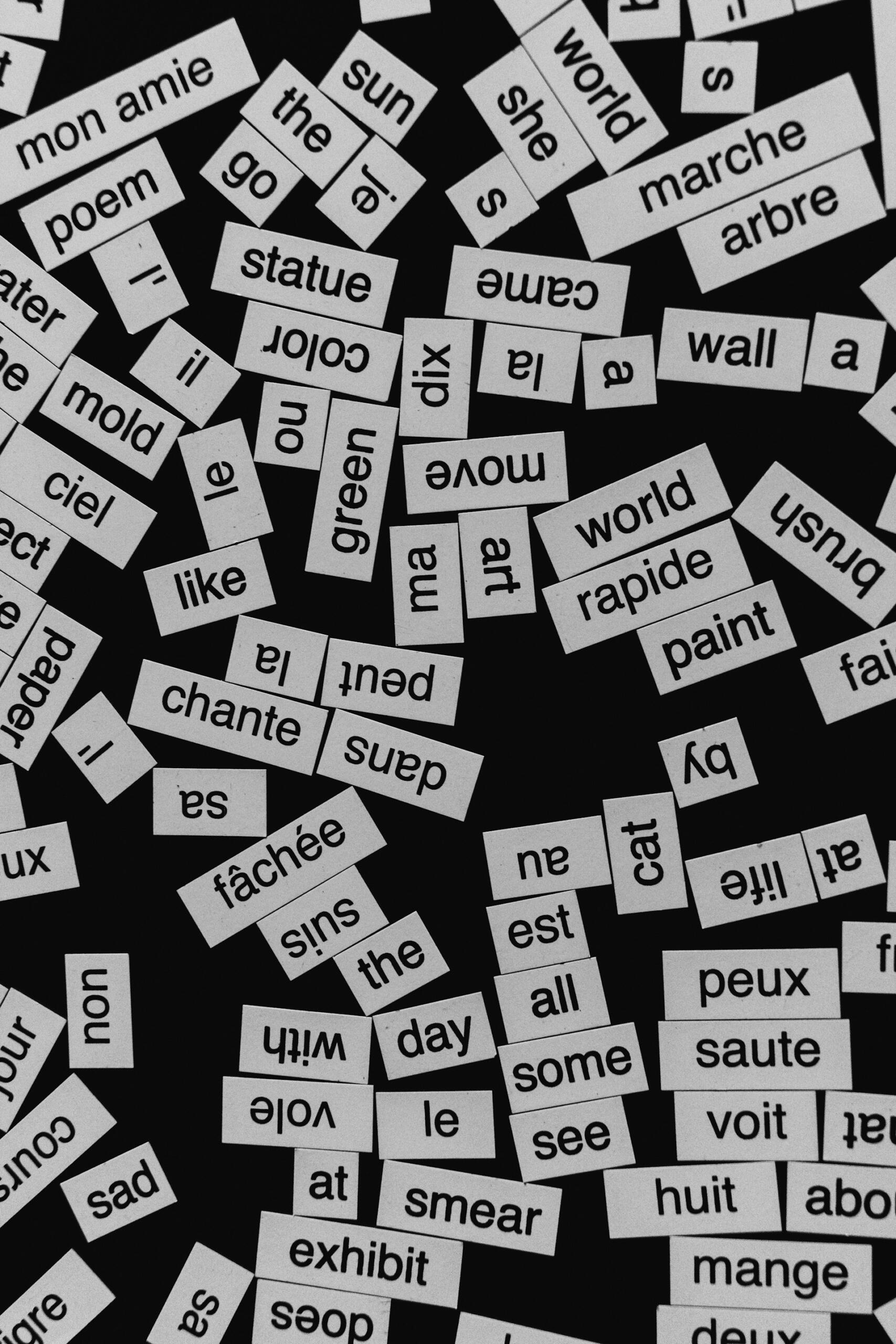
You do not need to sound like a maple expert. A few simple questions can help you understand an unfamiliar dish or product and make interaction easier. "Qu'est-ce que c'est?" means "What is this?" You can ask "C'est quoi, la tire d'érable?" to ask what the maple taffy is. "C'est du sirop d'érable?" asks whether something is maple syrup.
Focus on the rhythm rather than trying to reproduce every sound perfectly. A confident approximation is usually more useful than hesitating over pronunciation when speaking with staff.
When to Say Sugar Shack or Cabane à Sucre
Use sugar shack when speaking English with other visitors. Cabane à sucre is the term to recognise in Québec French and is especially useful when reading local signs and menus.
| Situation | Useful term |
|---|---|
| Speaking English | Sugar shack |
| Speaking French | Cabane à sucre |
| Reading Québec signs | Cabane à sucre |
| Talking about the maple-producing woodland | Érablière |
| Talking about the maple season | Temps des sucres |
| Describing a social maple-season gathering | Partie de sucre |
You may also hear aller aux sucres, meaning going to the sugar shacks or taking part in the maple-season tradition. Courir les érables is another traditional expression associated with going among the maple trees. You do not need to use these expressions yourself, but recognising them adds useful cultural context.
🍁 Asking About Maple Products
Instead of asking which maple product is "best", ask what it is used for or what it tastes like. "C'est quoi?" is a simple way to identify something, while "Comment on le mange?" asks how it is eaten.
| French label | English meaning |
|---|---|
| Sirop d’érable | Maple syrup |
| Sucre d’érable | Maple sugar |
| Beurre d’érable | Maple butter |
| Tire d’érable | Maple taffy |
| Produit d’érable | Maple product |
| Eau d’érable | Maple sap |
In a farm shop, you can ask whether something is sucre d'érable, beurre d'érable or tire d'érable. These specific terms are much more useful than simply asking whether something is maple.
Reading Labels and Buying Syrup
Recognising product names makes French labels much easier. Sirop d'érable means maple syrup, sucre d'érable means maple sugar and beurre d'érable means maple butter.
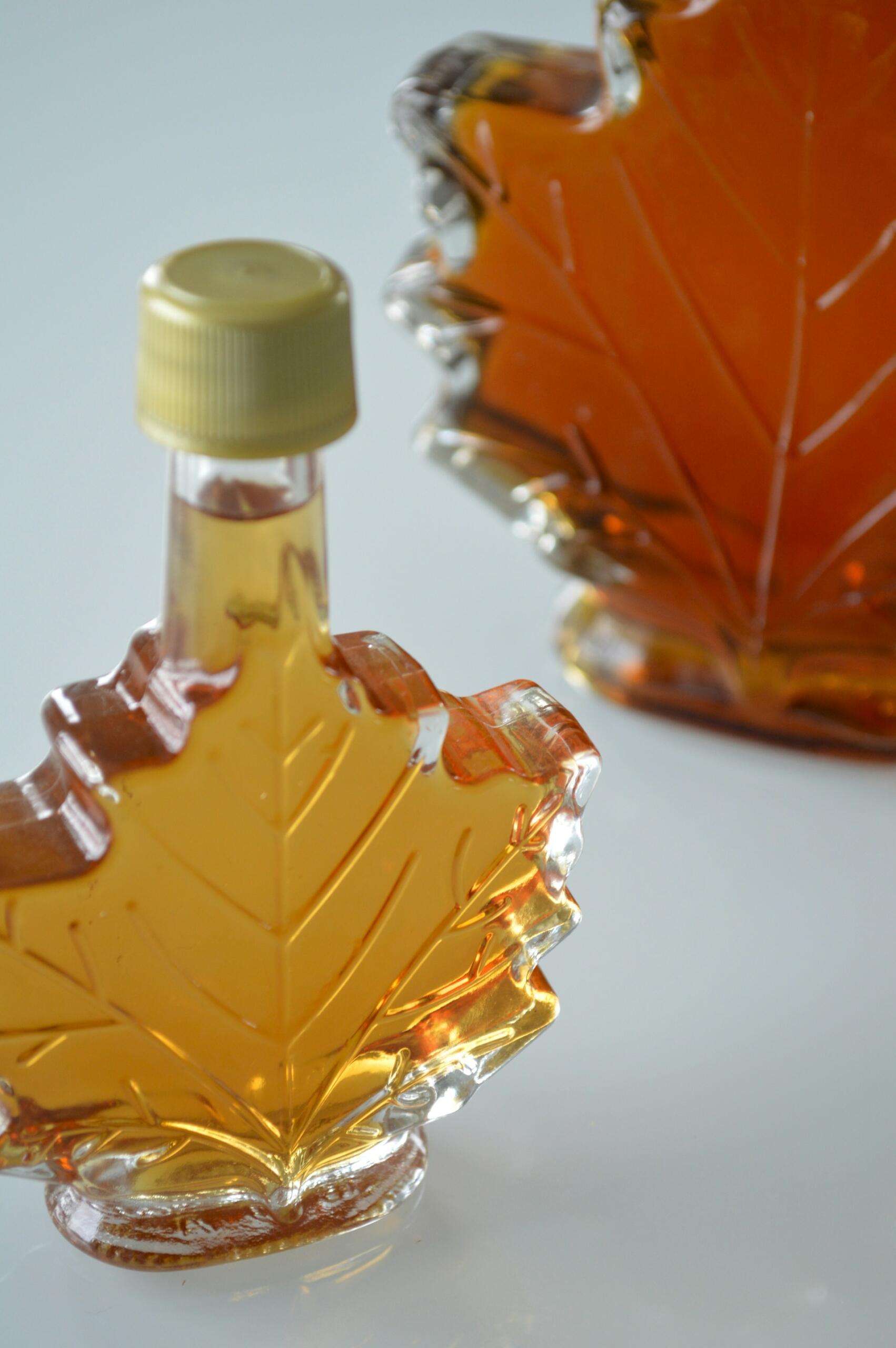
The most useful Sugar Shack Vocabulary is ultimately the vocabulary that helps you participate. Once you recognise cabane à sucre, érablière, temps des sucres, tire d'érable and the main food terms, a French-language menu or sign becomes far less intimidating. You do not need perfect pronunciation or specialist knowledge.
A handful of familiar words is enough to understand what you are seeing, ask questions confidently and appreciate the Québec tradition with greater cultural context.
References
- AOffice québécois de la langue française (n.d.) Cabane à sucre. Vitrine linguistique.
https://vitrinelinguistique.oqlf.gouv.qc.ca/fiche-gdt/fiche/8358768/cabane-a-sucre Accessed 13 September 2026. - Government of Canada (n.d.) Maple syrup: vocabulary. Portail linguistique du Canada.
https://nos-langues.canada.ca/fr/writing-tips-plus/maple-syrup Accessed 13 September 2026. - Office québécois de la langue française (n.d.) Tire d'érable. Vitrine linguistique.
https://vitrinelinguistique.oqlf.gouv.qc.ca/fiche-gdt/fiche/8871557/tire-derable Accessed 13 September 2026. - Conseil du patrimoine culturel du Québec (n.d.) Traditions du temps des sucres.
https://cpcq.gouv.qc.ca/patrimoine-culturel/designations/patrimoine-immateriel/traditions-du-temps-des-sucres/ Accessed 13 September 2026. - Office québécois de la langue française (n.d.) Courir les érables. Vitrine linguistique.
https://vitrinelinguistique.oqlf.gouv.qc.ca/fiche-gdt/fiche/8358385/courir-les-erables
Accessed 13 September 2026.
Summarize with AI:
Did you like this article? Leave a rating!

 Loading...