


Japan consistently ranks as one of the most attractive destinations for Canadians seeking English teaching jobs abroad. Canada’s globally recognized degrees and emphasis on multicultural education make applicants especially competitive compared to educators from other countries. In fact, many Japanese employers specifically seek Canadian teachers because of their native level English proficiency and strong communication skills.
| Position Type | Typical Employer | Monthly Salary (Approx.) | Schedule | Qualifications | Pros | Considerations |
|---|---|---|---|---|---|---|
| Assistant Language Teacher (ALT) | Public schools (via dispatch companies or government programs) | ¥230,000–¥280,000 | Weekdays, daytime | Bachelor’s degree | Predictable schedule, public holidays, cultural immersion | Limited lead-teaching role, salary fixed |
| JET Programme ALT | Japanese government program | ~¥280,000–¥330,000 (increases yearly) | Weekdays, daytime | Bachelor’s degree, competitive selection | Higher stability, structured support, strong reputation | Competitive application process |
| Private Language School (Eikaiwa) | Private companies | ¥250,000–¥300,000 | Evenings & weekends | Bachelor’s degree | Teach children & adults, urban locations | Customer-service focus, less traditional schedule |
| International School Teacher | Private international schools | ¥300,000–¥600,000+ | Weekdays, Western calendar | Teaching certification required | Higher salary, familiar curriculum | Competitive, requires credentials |
| University Instructor | Universities | ¥300,000–¥600,000+ | Weekdays, flexible hours | Master’s degree often required | Academic environment, lighter teaching load | Advanced degree required |
Let's take a look at job types, salaries, benefits, and how Canadians can successfully apply.

Want to give private lessons?
Join the Superprof community and share your knowledge with inquiring and motivated students.
Types of English Teaching Positions in Japan
The Japan English education market is one of the largest and organized in Asia. A range of teaching options in elementary classrooms, senior high school campuses and prestigious international school settings make for exciting opportunities for Canadians, including:
- Assistant Language Teacher roles in public schools
- Private language academies (eikaiwa)
- International school contracts
- University lecturer appointments
- Private tutoring and business English instruction
So what are the the background, expectations, and salary range of each career pathway?
Assistant Language Teacher (ALT) Positions
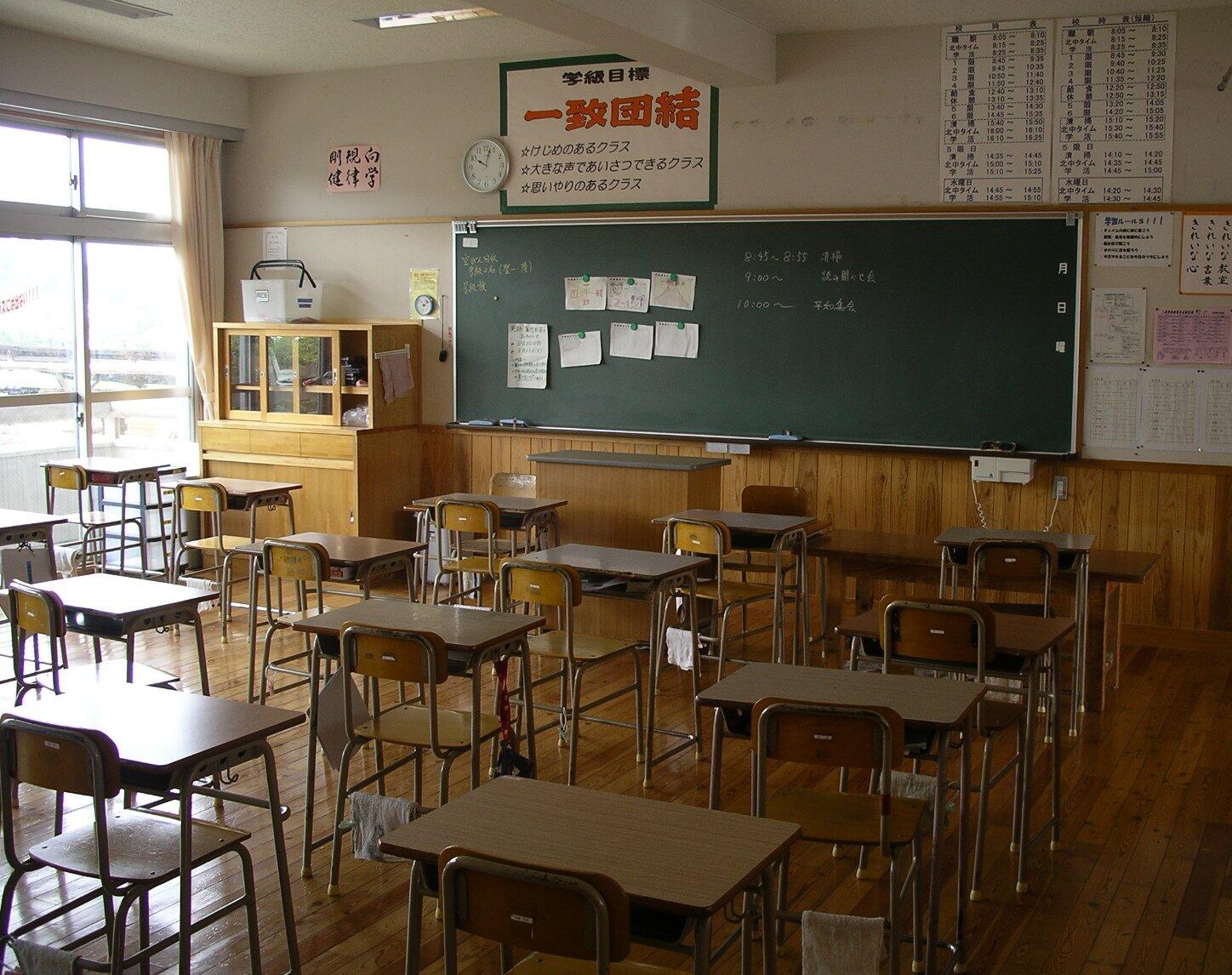
Assistant Language Teachers support English education in public elementary, junior high, and senior high school settings. Rather than acting as the lead teacher, an ALT collaborates with a licensed Japanese English teacher to enhance communicative learning.
What are the Responsibilities of ALTs?
- Modeling Canadian English pronunciation
- Leading speaking activities
- Designing interactive exercises
- Supporting exam preparation for high school students
Many Canadians apply through the Japan Exchange and Teaching Programme (JET), which recruits participants annually. Others are hired through private dispatch companies that contract with local boards of education. ALT roles are typically full time, follow the academic calendar, and offer structured work environments.
The JET Programme is a Japanese government initiative that recruits university graduates from countries like Canada to work as Assistant Language Teachers and cultural ambassadors in public schools and local governments across Japan. Benefits include a competitive starting salary, health insurance and paid national holidays and vacation days.
Private Language Schools (Eikaiwas)
Private language schools, commonly called eikaiwa, operate as private businesses focused primarily on conversational English instruction rather than exam-driven academic curricula. Eikaiwa schools are tuition-based and compete for student enrollment, which means customer satisfaction and lesson engagement are central priorities. Students range widely in age, from preschool children to business professionals seeking to improve workplace communication skills.
With a bachelor’s degree and visa sponsorship, Canadians can access a wide range of teaching positions across Japan, from major cities to rural communities.

Major national chains include:
- AEON
- ECC
What can I expect working at an eikaiwa?
Instructors in eikaiwa settings usually teach small groups of 1–8 students, allowing for interactive, communicative lessons. Depending on the school’s focus, teachers may specialize in:
- Business English for corporate clients
- Children’s programs that use games, songs, and phonics-based activities
- Test preparation for TOEIC, IELTS, or Eiken exams
- Adult conversation classes centered on fluency and confidence
What hours will I work at an eikaiwa?
Eikaiwa roles typically require evening and weekend availability. Peak teaching hours often fall between 4:00 PM and 9:00 PM on weekdays and throughout the day on Saturdays. Many contracts are full time and may include performance incentives tied to student retention, trial lesson conversions, or enrollment targets.
Work environments in eikaiwa schools are often energetic and customer-focused. Teachers are expected not only to deliver effective lessons but also to maintain a professional appearance, participate in promotional events, and contribute to a welcoming atmosphere that encourages long-term student commitment.
International School Positions
International school positions offer some of the highest salaries in Japan and are among the most competitive teaching roles available. These institutions primarily serve expatriate families and internationally minded Japanese families, delivering education in English using foreign curricula such as the International Baccalaureate (IB), British National Curriculum, American Common Core, or Canadian provincial standards.
What qualifications are needed for working in an international school?
Experience in high school English, literature, or senior-level academic writing is especially valued.
What are the responsibilities of English teachers at an international schools?
International school teaching roles are full time and closely resemble Canadian teaching contracts in structure and accountability. Teachers typically work standard daytime hours during the academic year and follow a Western-style school calendar with summer and winter breaks.

Responsibilities include:
- Designing and delivering a full curriculum
- Assessing and evaluating student work
- Communicating regularly with parents
- Supervising extracurricular activities (clubs, sports, arts programs)
- Participating in professional development and faculty meetings
University Positions
Teaching at the university level in Japan is one of the most prestigious and academically rewarding pathways available to a Canadian English teacher. These positions typically require a graduate degree in TESOL, Applied Linguistics, English, or Education, along with several years of classroom experience at the post-secondary level. Universities sponsor the appropriate work visa, and contracts may be fixed-term or tenure-track depending on the institution.
What are the responsibilities of University English instructors in Japan?
University English instructors design syllabi, assess student work, hold office hours, and often contribute to curriculum development or faculty committees. Depending on the role, expectations may include:

- Teaching academic writing, communication skills, or TOEIC-focused courses
- Developing course materials and grading essays and exams
- Conducting and publishing research (for tenure-track positions)
- Presenting at academic conferences and participating in faculty meetings and events
With lighter weekly teaching loads (often 8–15 classes per week) and long academic breaks, university roles offer greater flexibility than many public school positions.
Private Tutoring
Offering private English lessons in Japan can be a flexible and profitable way to supplement income or build an independent tutoring business. Many students, including business professionals, university students and children, seek one-on-one instruction to improve conversational fluency, prepare for exams like TOEIC or IELTS, or gain confidence speaking English. Tutoring may involve:
- Business professionals
- Children preparing for exams
- Adult learners seeking conversational fluency
Teachers must ensure that private tutoring aligns with visa requirements.
Are there any visa or work restrictions for Canadians when private tutoring in Japan?
There are some important considerations before starting private tutoring. First, your visa status must allow outside work, and you may need permission from immigration if you are employed under a specific sponsoring employer.
How much do English tutors charge in Japan?
Private tutoring allows English native speakers to earn supplemental income. Hourly rates typically range from ¥3,000 to ¥6,000 depending on your experience, qualifications, and location, with higher rates often possible in major cities like Tokyo or Osaka.
Application Process
JET Programme Application
Applying to the Japan Exchange and Teaching Programme (JET Programme) requires careful preparation and attention to detail. For Canadian applicants, the process typically begins in early fall (September–October), when applications open through the Embassy of Japan in Canada or its regional consulates.
The deadline usually falls in mid-late November, interviews are conducted in January or February, and successful candidates are notified in spring.
The application package is thorough and competitive. Required documents usually include:
- Completed online application form
- Statement of Purpose (carefully written and reflective)
- Official university transcripts
- Two letters of recommendation
- Proof of Canadian citizenship
- Criminal background check
- Medical self-assessment
What is the JET interview process like?
After document screening, shortlisted candidates attend an in-person or virtual interview. The selection process evaluates communication skills, cultural adaptability, professionalism, and motivation for international exchange. Interview panels often include Japanese officials and former JET participants, and candidates may be asked scenario-based questions about classroom situations or cultural adjustment.
Get all the essential information you need about working in Japan as a Canadian teacher, from visas to contracts.
Applying to Private Language Schools
Private language schools (eikaiwa) hire year-round, making them an accessible pathway for Canadians who prefer not to wait for the JET annual cycle. The hiring process is generally faster and more business-oriented, as schools operate competitively and aim to fill positions quickly.
What are some tips for writing a strong application for eikaiwa?
- Highlight TEFL certification (120-hour minimum recommended)
- Emphasize native level English fluency and clear pronunciation
- Showcase customer service or cross-cultural experience
- Demonstrate energy and adaptability
- Include a professional photo (often expected in Japan)
What is the private language schools interview process like?
Interviews are commonly conducted online and may include a short demo lesson. Schools look for instructors who can engage students enthusiastically, maintain professionalism, and represent the company positively. Preparing a simple interactive lesson, such as a communicative speaking activity, can make a strong impression. Candidates should also research the school’s teaching style, curriculum, and corporate values beforehand.
Job Fairs and Recruitment Events
Job fairs and recruitment events provide valuable opportunities for Canadians seeking English teaching positions in Japan and abroad. Events such as the Toronto Japan Job Fair, university international career fairs, and online recruitment expos connect applicants directly with school representatives and dispatch companies.
Is it worthwhile to attend a job fair for international English teachers?
Yes! These events offer several advantages:
- Face-to-face or live virtual interviews
- Immediate feedback from recruiters
- Faster job offers compared to online applications
- Opportunity to compare multiple positions at once
Attending a job fair allows candidates to ask detailed questions about salary, housing support, contract terms, and placement locations. Bringing printed resumes, dressing professionally, and preparing a brief self-introduction can significantly improve outcomes.
Salary and Benefits
For a detailed salary breakdown, see our companion article on English teacher salaries in Japan.
Compensation for English teaching roles in Japan varies significantly depending on the type of institution, geographic location, and your qualifications or years of experience.

Want to give private lessons?
Join the Superprof community and share your knowledge with inquiring and motivated students.
Challenges and Considerations
Teaching abroad can be professionally rewarding, but it also requires adjustment to new educational norms and workplace expectations. Understanding potential challenges in advance helps ensure a smoother transition.
Classroom Management
Japanese classrooms are typically orderly and respectful, especially at the elementary and junior high levels. However, teachers may still encounter challenges such as:
- Large class sizes, particularly in public high schools
- Students hesitant to speak English, due to fear of making mistakes
- Strict curriculum requirements, especially in exam-focused schools
Building relationships with students early, incorporating communicative activities, and collaborating closely with teacher colleagues can significantly improve student engagement.
Contractual Obligations
Before accepting a teaching position, it is essential to carefully review contract terms and ask clarifying questions. Important areas to examine include:

- Working hours and teaching load
- Overtime policies and compensation
- Housing arrangements and associated costs
- Health insurance and pension enrollment
- Contract renewal terms and penalties for early termination
Some contracts may include mandatory participation in school events, weekend work, or relocation clauses. Reading the fine print and confirming expectations ensures transparency and prevents future issues.
Life in Japan as a Canadian
Living in Japan offers a unique blend of modern infrastructure and deep cultural tradition. Many Canadians are drawn to the country not only for employment opportunities but also for the quality of daily life.
Key advantages include:
- Safe cities and low crime rates
- Efficient public transportation systems
- Rich cultural heritage, including temples, shrines, and historic districts
- Diverse culinary experiences, from delicious street food to elevated restaurant experiences
While Tokyo is often the most sought-after location due to job availability and international amenities, smaller cities and rural communities provide lower living costs and stronger local connections.
Building a Career in Japan English Education
For Canadians with strong language skills and a passion for education, English teaching in Japan provides professional development and cultural exchange. From public school ALT roles to international school contracts and university positions, opportunities exist at multiple levels.
With proper preparation, understanding of requirements, and strategic applications, securing a full time English instructor position in Japan is achievable and rewarding.
References
JET Programme Canada. JET Programme Canada Official Website. Embassy of Japan in Canada, https://jetprogramme.ca/. Accessed 17 Feb. 2026.
Teach Away. Teach English in Japan. Teach Away, https://www.teachaway.com/teach-english-japan. Accessed 17 Feb. 2026.
Go Overseas. Teach English in Japan. Go Overseas, https://www.gooverseas.com/teach-abroad/japan. Accessed 17 Feb. 2026.
Want to give private lessons?
Join the Superprof community and share your knowledge with inquiring and motivated students.
Summarize with AI:
Did you like this article? Leave a rating!

 Loading...
