
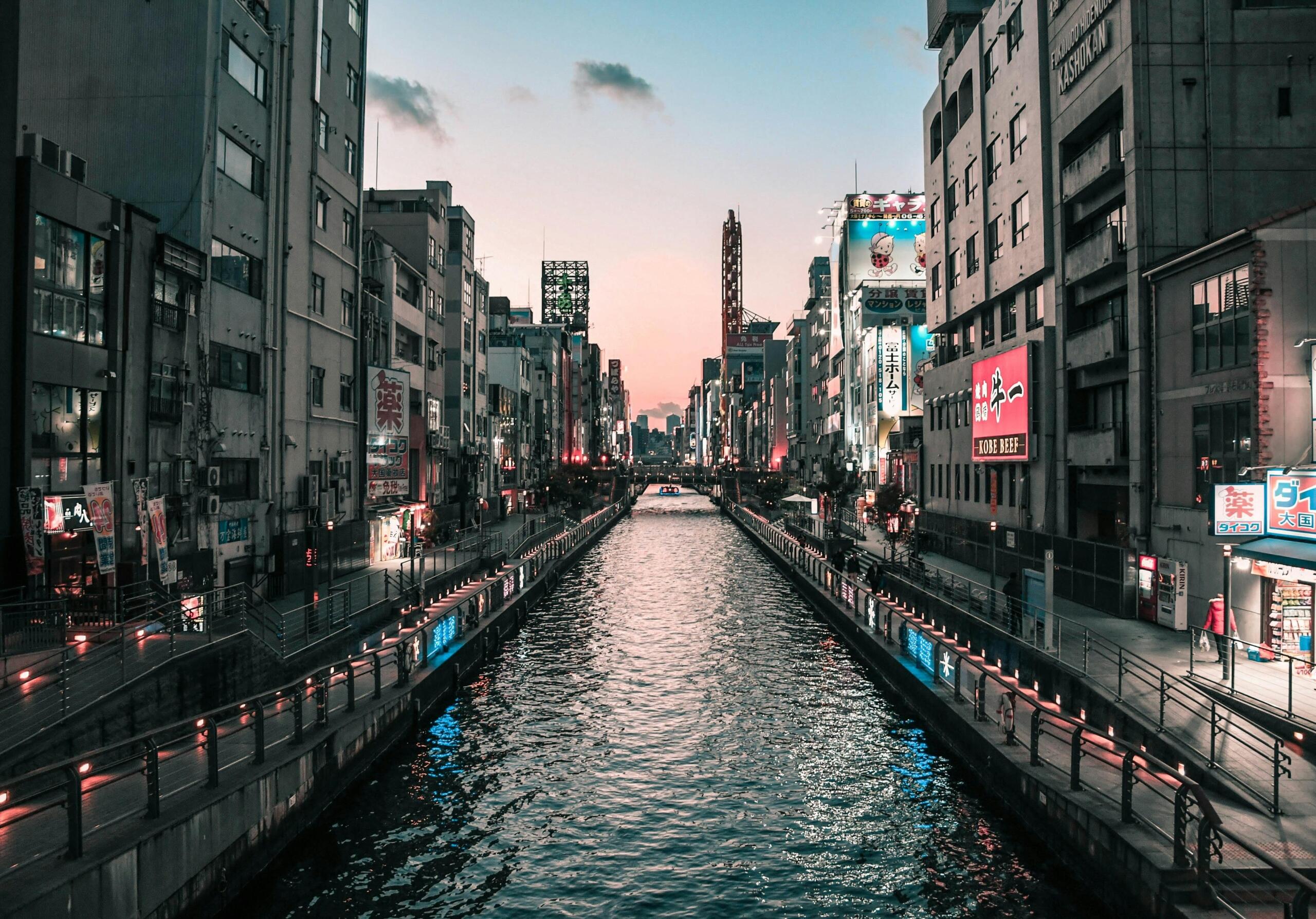

For many Canadians, Japan represents far more than a short-term holiday destination. It is a place where travel, meaningful work, and deep cultural immersion come together. And yes, jobs beyond teaching English as and additional language can be found for Canadians. From fast-paced urban life in Tokyo to seasonal roles in mountain towns, Japan offers Canadians the chance to gain international experience while developing a range professional skills. With the right visa, preparation, and mindset, Canadians can access roles in hospitality, tourism, internships, and seasonal work, all while while improving their Japanese language skills and building a truly global résumé.
This article is all about the essentials of working in Japan as a Canadian: if you've ever considered working in this phenomenal East Asian country, you'll find all you need to get started right here!
Entry-level teachers in Japan earn about ¥230,000 to ¥300,000 per month. See our full article for a detailed salary breakdown.
Want to give private lessons?
Join the Superprof community and share your knowledge with inquiring and motivated students.
Understanding the Working Holiday Visa
One of the most flexible ways for Canadians to work in Japan is through the Working Holiday Visa. This program is designed to encourage cultural exchange by allowing young Canadians to reside, travel, and work in Japan for an extended period of time. In short, it is an opportunity to travel while also working as an incidental activity, so you can supplement your travel funds. In turn, Canada welcomes Japanese youth who may also choose to work and travel.
Working Holiday Visas Every Year
The program is designed to provide international youth with wider opportunities to appreciate Japanese culture and the general way of life in the partner countries and regions for the purpose of promoting mutual understanding between countries. The program first started with Australia in 1980. As of February 2026, Japan has introduced the programmes with 31 countries.
Understand the application process, salary expectations, and living costs so you can plan your move to Japan with confidence by reading this article.
Eligibility Criteria
To qualify for the Working Holiday Visa, applicants must meet the following requirements:
- Canadian citizenship
- Age between 18 and 30 at the time of application
- Valid Canadian passport
- Primary intent to holiday in Japan, with work as a secondary activity
- Sufficient funds to support the initial stay
- Good health and no serious criminal record
The Working Holiday Visa is ideal for Canadians aged 18-30 who want flexibility, allowing short-term, part-time, or full-time work while prioritizing cultural and travel experiences.
Application Process
Applying for a Working Holiday Visa requires careful preparation, but the process is generally straightforward.
Required documents include the following:
Submission Methods
Applicants must apply for the visa in person at least three weeks before the anticipated departure date. Applications submitted on short notice will not be accepted. Those that satisfy the requirements will be informed by the Embassy of Japan in Canada that your visa will be processed.
Most applications are processed within several weeks, though timelines may vary depending on demand and location.
Duration and Extensions
As of December 2024, the Working Holiday Visa can be granted twice in a lifetime (up to two one-year periods of stay obtained on separate occasions), or for one period of stay of two years (up to two one-year periods of stay obtained consecutively). This extended time frame allows for a more complete and immersive experience than short-term visas.
Employment Opportunities for Canadians in Japan
So now that you know you can travel and work and Japan and have the experience of the lifetime, what will you do with your time? You might be surprised to learn that Japan’s job market is actually quite diverse. While proficiency in the language can influence options, many roles are accessible to Canadians with beginner-level Japanese.
English Teaching Roles
Teaching English remains a common entry point for Canadians in Japan, and for good reason. Working with students and teaching a language are one of the most rewarding activities you can do, and can be the start to a longer career as an educator. These roles are typically structured, stable, and well-supported, making them suitable for those seeking predictable income and schedules.
Hospitality and Tourism Roles in Japan
Japan’s tourism industry continues to grow as people around the world become increasingly fascinated with Japanese culture, creating opportunities for Canadians interested in customer-facing work.
Common roles include:
- Hotel front desk staff
- Guesthouse coordinators
- Tour assistants and guides
- Café and restaurant staff (in tourist-heavy areas)
As you might expect, English speakers have an edge in these roles since it is an international language. Roles in customer service often value cultural openness and communication skills over advanced Japanese fluency, especially in major cities and resort areas that tourists frequently visit.
Seasonal Work in Japanese Ski Resorts
Winter-loving Canadians are a natural fit for Japanese ski and winter sport areas. Seasonal work is especially popular among Canadians who enjoy winter sports and outdoor lifestyles.

Typical positions include:
- Ski instructors and lift operators
- Lodge and resort staff
- Equipment rental attendants
- Hospitality and food service roles
Many ski resorts actively recruit international workers and provide staff housing, making it easier to manage costs while gaining unique work experience.
Internships in Various Industries
For those seeking a more career-aligned experience, internships offer valuable exposure to Japanese workplace culture. Keep in mind that internships can be competitive, and you will need to know Japanese at some level in order to access these roles.
Many internships will require you to have at least N2-N3 level of Japanese to be eligible. N2 is often considered the minimum level required for many full-time Japanese company jobs. You can function professionally in Japanese, though you may still struggle with highly technical vocabulary or very fast speech.
Internship opportunities exist in:
- Marketing and communications
- International business
- Technology and IT
- Design and creative industries
These placements may be paid or unpaid, full or part-time, but they often provide professional mentorship and long-term networking benefits.
Job Search Strategies
Finding work in Japan requires initiative and adaptability, and you may even want to seek the support of an agency or work-abroad program to help you secure your placement. Consider:
- Using international job boards and recruitment agencies
- Attending job fairs and networking events
- Leveraging social media platforms and professional networks
- Connecting with expat communities already residing in Japan
Want to give private lessons?
Join the Superprof community and share your knowledge with inquiring and motivated students.
Living in Japan as a Canadian Expat
So you've made the decision to try living in Japan, but what can you expect in terms of cost of living?
Accommodation Options
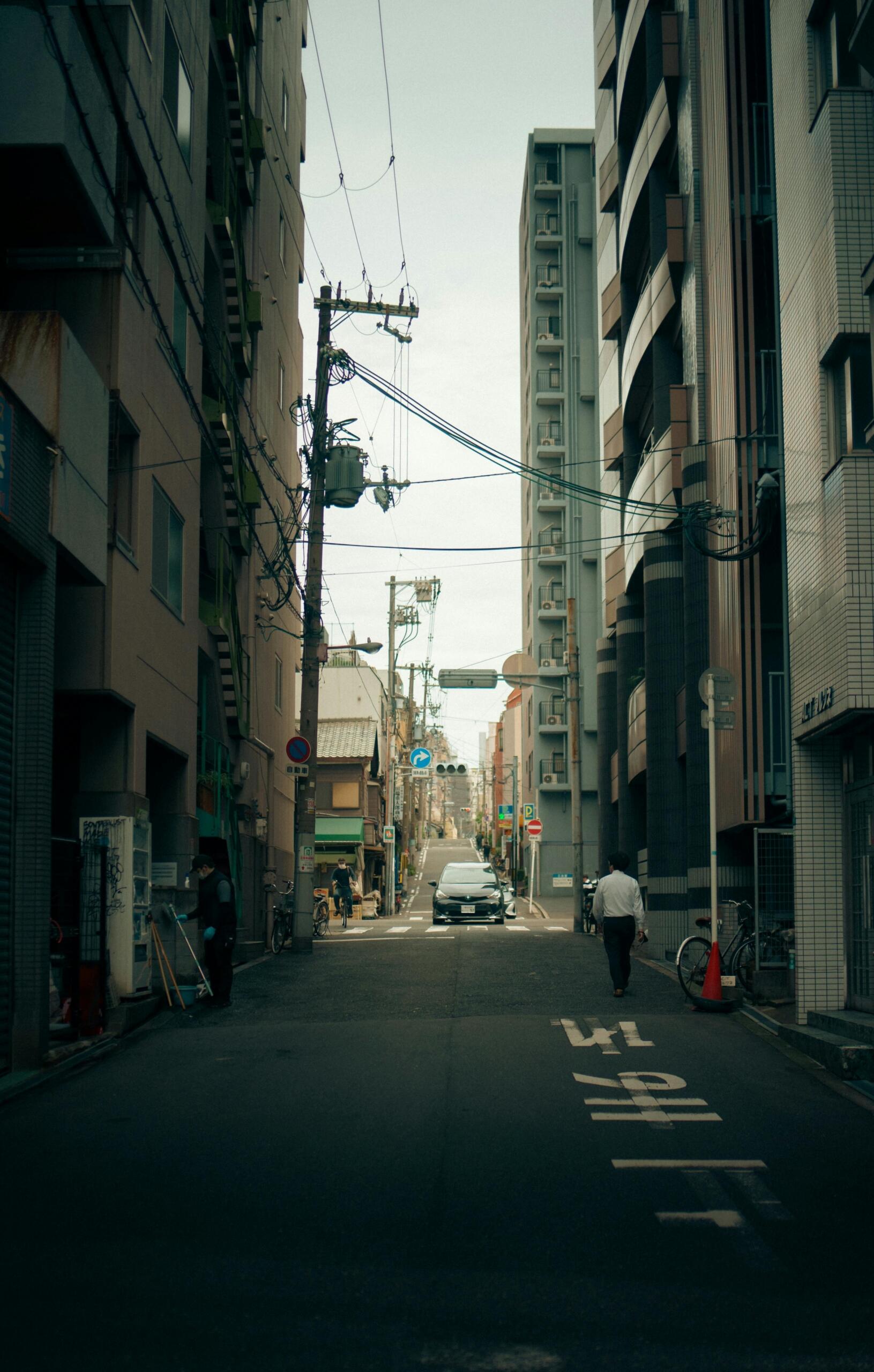
Housing in Japan varies significantly depending on your city, budget, and how long you plan to stay. Large urban centres like Tokyo, Osaka, and Yokohama offer the most options, but like most large international cities, also come with higher rent. Smaller cities and regional towns tend to be far more affordable, though inventory and work opportunities may be limited.
Guesthouses
Shared housing, often called “guesthouses” or “share houses”, is one of the most popular choices for new arrivals.
These typically include:
- Furnished private rooms
- Shared kitchen and common areas
- Utilities included in the monthly fee
For Canadians arriving on a working holiday visa, this option offers lower move-in costs (often no large deposit required), and short-term contract flexibility
Guesthouses are especially helpful during your first few months while you’re learning the area and searching for longer-term accommodation. You'll meet other people on a similar journey, and you'll be able to build social networks in a short period of time.
Apartments
Renting a private apartment provides independence and privacy, but the process can be more complex than in Canada.
Expect:
- A security deposit (usually 1–2 months’ rent)
- “Key money” (a customary, non-refundable fee, for certain properties)
- Agency fees
- A guarantor requirement
Many foreigners use guarantor companies (for a fee) if they do not have a Japanese co-signer. Apartments are often smaller than Canadian equivalents, but they are well-designed and efficient. Apartments are typically unfurnished unless explicitly labeled otherwise.
| Location | Monthly Rent (Studio) | Upfront Costs |
|---|---|---|
| Tokyo | ¥80,000–¥120,000 | High |
| Osaka | ¥60,000–¥90,000 | Moderate |
| Regional Cities | ¥40,000–¥70,000 | Lower |
Cost of Living
Japan’s cost of living is often perceived as expensive, but it can actually be manageable, sometimes even cheaper than major Canadian cities, if you budget wisely. Canadians used to spacious homes and apartments should expect a bit of a shock as Japanese apartments and accommodations tend to be smaller in size, but high in functionality.
Average Monthly Expenses
A realistic monthly breakdown might look like:
If you’re earning a typical entry-level salary in Japan, careful planning allows for comfortable living and occasional travel, which is exciting on Japan's high speed rail network.
One pleasant surprise for many Canadians is how delicious and affordable eating out can be in Japan. A bowl of ramen, curry, or rice bowl often costs between ¥600–¥1,200. Compared to Canadian food, Japanese food is relatively higher in quality and exciting in its variety. Convenience stores also offer high-quality, inexpensive meals.
Imported foods, especially Western items, are significantly more expensive. Cooking primarily with local ingredients can dramatically reduce food expenses.

Cultural Adaptation
Adapting to life in Japan is one of the most meaningful parts of the entire experience. Cultural adaptation takes time, patience, and intentional effort. Here are some tips for adapting to Japanese culture, which can feel radically different from the norms of Canada.
Tip: Learn Basic Japanese Phrases
Even if your job does not require Japanese fluency, learning basic phrases makes a significant difference in daily life. Simple expressions such as greetings, thank-yous, and polite requests demonstrate effort and respect.
Useful starting points include:
- Greetings: ohayō gozaimasu, konnichiwa
- Thank you: arigatō gozaimasu
- Excuse me/sorry: sumimasen
- Yes/No: hai/iie
Making an effort with the language often leads to warmer interactions with colleagues, neighbours, and shop staff. Even a little Japanese can help with grocery shopping, transportation, medical appointments, and building friendships.
Have you started learning the language on an app or a class but still feel unsure of your ability? Many Canadians find that immersion accelerates learning far more effectively than classroom study alone.
Understanding Workplace Etiquette
Japanese workplace culture places a strong emphasis on respect, punctuality, and group harmony. For Canadians accustomed to direct communication styles, adapting to more indirect or nuanced interactions can take time.
Important workplace norms include:
- Arriving early rather than exactly on time
- Using polite language forms in professional settings
- Avoiding public disagreement or confrontation
- Demonstrating reliability and attention to detail
Hierarchy is often more visible in Japanese companies, and formal greetings or structured meetings are common. It’s also important to understand that communication styles may be more subtle: silence does not necessarily signal disagreement or disengagement.
Many English teaching jobs in Japan offer visa sponsorship and support with housing for Canadian applicants.
Legal Considerations and Work Regulations
Before starting work in Japan, it’s essential to understand the legal framework that governs employment, taxes, and healthcare. Understanding these regulations in advance ensures that your experience remains smooth, professional, and stress-free.
Work Restrictions
The Working Holiday Visa provides flexibility, but it is not an unrestricted work permit. It is designed primarily for cultural exchange, meaning employment must align with the guidelines of temporary residence and travel.

Prohibited Employment Sectors
Working Holiday Visa holders are not permitted to work in industries considered inappropriate under Japanese immigration guidelines. These include:
- Bars and nightclubs
- Adult entertainment establishments
- Gambling-related businesses
Even if such positions offer higher short-term pay, accepting work in prohibited sectors can result in visa cancellation and removal from Japan.
Tax Obligations
Foreign workers in Japan are subject to the Japanese tax system once they begin earning income. While this may feel complex at first, most employers handle tax deductions automatically.
- Income tax is deducted at source for many roles
- Annual tax filings may be required depending on income level and duration of stay
Short-term residents may initially be taxed at a higher non-resident rate until official residency is established. If your stay extends beyond one year, you will likely encounter an additional tax for residents.
Health Insurance
Japan’s healthcare system is one of the most efficient and affordable in the world, but enrollment is mandatory for long-term residents. If your employer does not enroll you in a corporate insurance plan, you must register for Japan’s National Health Insurance at your local municipal office.
Coverage includes:
- Doctor visits and hospital care
- Reduced prescription costs
- Affordable monthly premiums
Under NHI, patients generally pay approximately 30% of medical costs, with the remaining 70% covered by insurance.
Work in Japan
For Canadians, working in Japan offers a rare opportunity to blend travel, professional growth, and cultural immersion into one full experience. Whether you spend a single month or a full year abroad, Japan challenges and rewards those who approach it with curiosity, respect, and openness.
References
- Ministry of Foreign Affairs in Japan. https://www.mofa.go.jp/j_info/visit/w_holiday/index.html
- Government of Canada. Work and Travel in Japan.
- Embassy of Japan in Canada. Working Holiday Visa Information.
Want to give private lessons?
Join the Superprof community and share your knowledge with inquiring and motivated students.
Summarize with AI:
Did you like this article? Leave a rating!

 Loading...
