Key Takeaways
- The legacy of Chinese cuisine is directly reflected in the variety of Chinese desserts. Through the most famous traditional Chinese sweets, you'll discover a new aspect of the culture, techniques that have endured for centuries and its enormous influence on Asian cuisine.
- Top Chinese desserts and their ingredients. With simple recipes and ingredients like flowers, ginger, sesame seeds, and rice, traditional Chinese desserts will show you new ways to enjoy ingredients more familiar to the Western palate, such as mango, dates, or even tofu.
- Why are Chinese Traditional Desserts so popular? They reveal a multifaceted tapestry of tastes, textures, and customs. These Chinese cuisine recipes will give you new insights into the best Asian desserts, as some are also very popular in the Philippines, Malaysia, and even Korea, where there is even a whole revolution in the consumption of Tanghulu, perhaps the most traditional Chinese dessert!




🥮 Mooncakes:
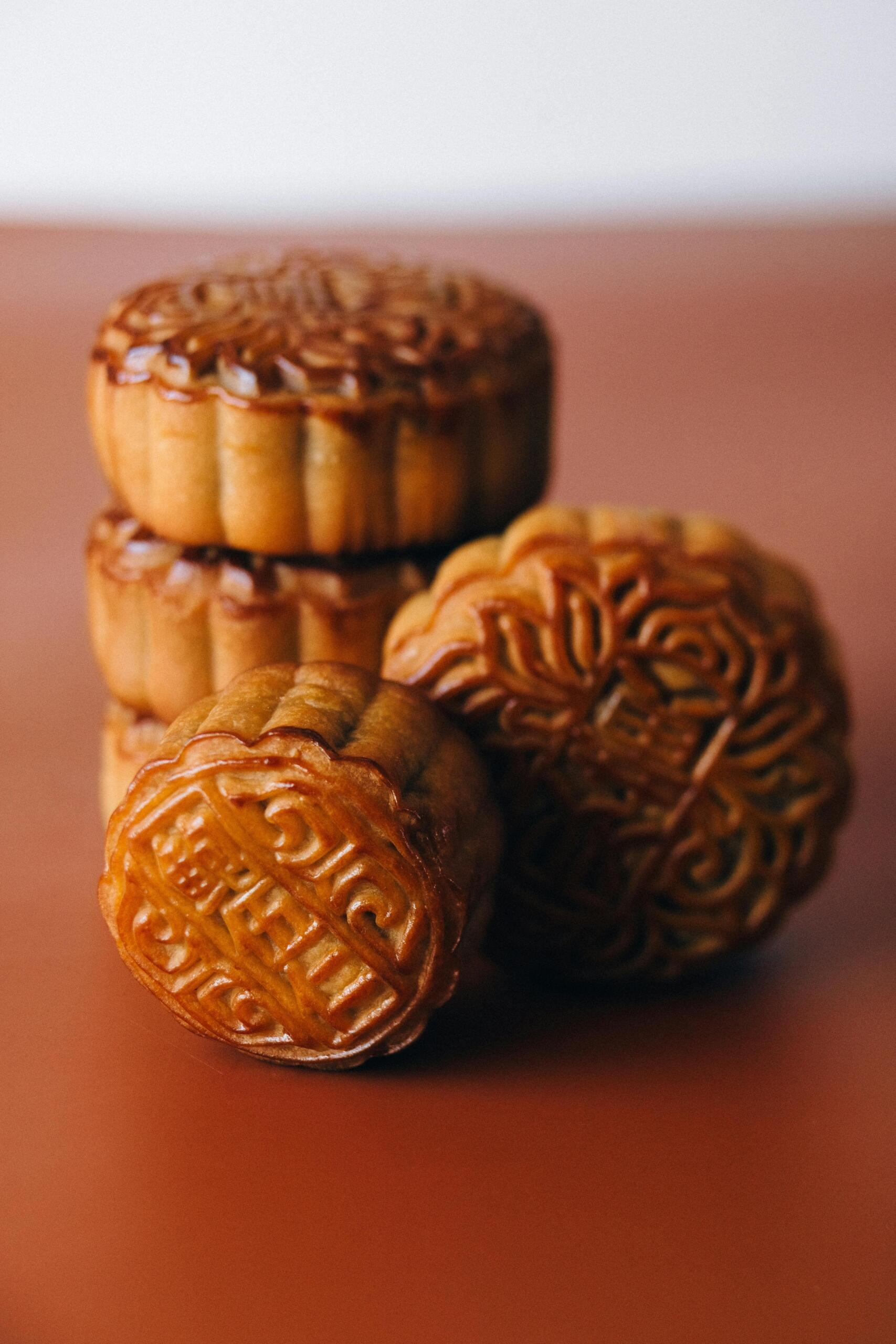
If we're talking about traditional Chinese cuisine, it's actually imperative to mention a dessert that has its own festival (and it's own emoji 🥮), recognized by UNESCO for its cultural importance.
Celebrated every year for centuries in the center of China, the Moon Festival, also called the Mooncake Festival, is held in autumn at night, when the moon is at its brightest. Initially, the communities bonded together to give thanks for the harvests.
Nowadays, families gather to prepare together and enjoy the most traditional forms of mooncakes, remembering, through various stories and rituals, the principles of abundance, harmony, longevity, and prosperity, of course.
The most traditional fillings of mooncakes are lotus seed paste and red bean paste.
Although salted duck egg yolk, red date paste, and mixtures of dried fruits and nuts are also used, in more modern versions of this classic Chinese dessert, some even add savoury ingredients, such as meats.
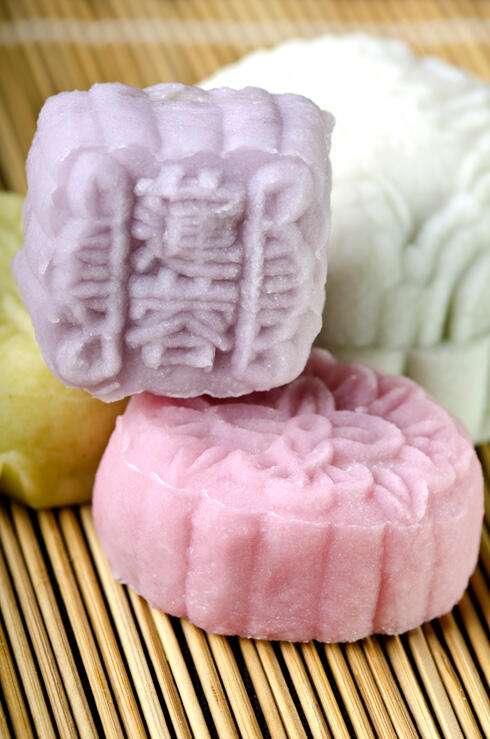
🟡 Sesame Balls (Jian Dui):
Jian Dui is another favourite in Asian countries; this popular Chinese pastry is an authentic culinary experience not to be missed (especially if you're visiting Guangdong).
Round-shaped, made from glutinous rice flour, and covered with sesame seeds, it's usually filled with mung bean paste (though other fillings, such as lotus seed paste or black sesame paste, are also common), has a medium level of sweetness and a chewy texture. The famous Chinese snack balls are deep-fried until golden brown, making them crisp on the outside.
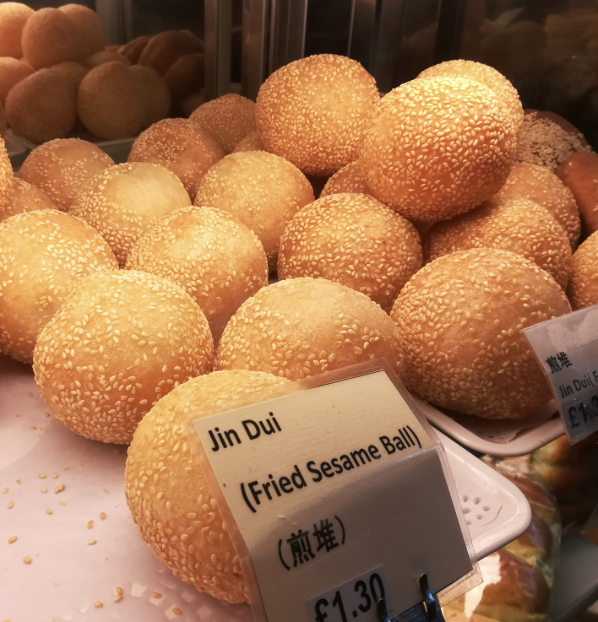
This traditional Chinese dessert is often eaten at big celebrations, especially during the Lunar New Year. Its round shape is seen as a symbol of harmony and good fortune, further enhancing its cultural importance.
Making Jian Dui is an art form, and while the smallest fit in the palm of your hand, they can be made to the size of a small beach ball; they're an accurate showcase of the skill and equipment required to create Chinese desserts.
These fried sesame balls are another popular Chinese dessert that has transcended borders; in Indonesia, they're known as "onde-onde," while in the Philippines, they're called "buchi." Discover how Jian Dui are called in other countries:
| Country / Region | Local Name for Sesame balls |
|---|---|
| China | Jian Dui |
| Hong Kong / Cantonese regions | Jin Dui / Jin Deoi |
| Taiwan | Zhīma Qiú. |
| Japan | Goma Dango. Very popular in Chinatowns |
| Korea | Kyeongdan. Often sesame-coated rice balls; similar but not always deep-fried) |
| Vietnam | Bánh Cam / Bánh Rán. Bánh cam (South), bánh rán (North); bánh rán often has mung-bean filling |
| Philippines | Butsi / Buchi. Adapted from the Chinese version; common in Chinese-Filipino cuisine |
| Indonesia | Onde-Onde, Sometimes also Kue Onde-Onde; may have mung-bean or peanut filling |
| Malaysia / Singapore | Onde-Onde. The term often refers to the sesame ball; differs from the pandan-coconut kuih |
| Thailand | Khanom Ping Nga (less common) |
| Myanmar | Bein Mont |
🫘 Hong Dou Tang (Red Bean Soup):
Hong Dou Tang is a traditional Chinese dessert soup, easy to prepare with only a few ingredients, including, of course, red beans and orange peel.
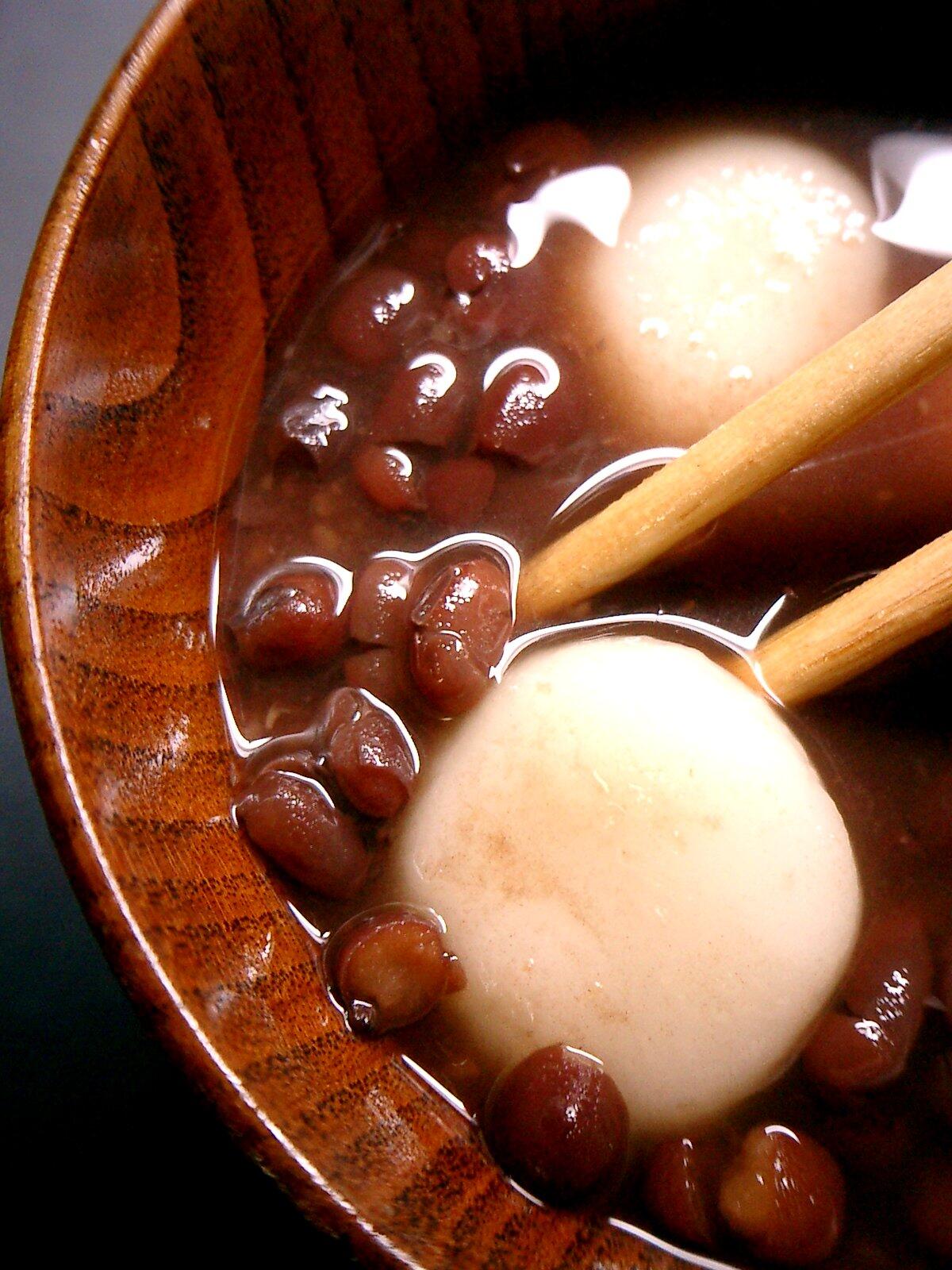
Widely appreciated for its health benefits, a typical Chinese sweet dish is an adult and children's favourite in many households, especially in the colder months, as it helps keep the body comfortable.
The red bean soup is also enjoyed in Taiwan, Hong Kong, Macau, Japan (where it's called Oshiruko) and other regions with strong Chinese culture or a significant Chinese diaspora in Asia; some variations of this sweet Chinese soup add seaweed or even coconut milk to enhance the flavour.
🌾 Tangyuan:
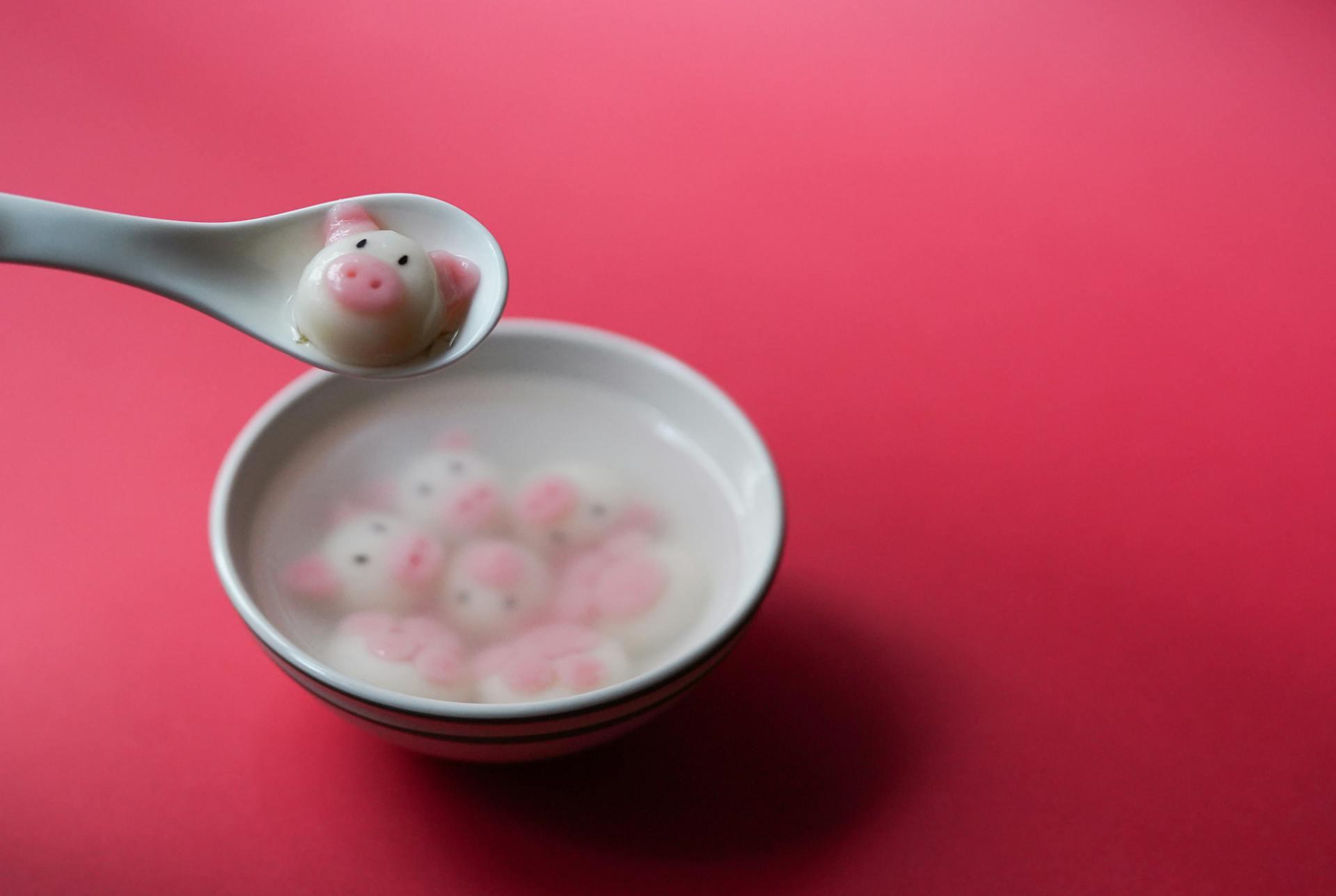
Families gather during the Lantern Festival to enjoy and prepare tangyuan together, a top classic Chinese treat. The traditional Tang Yuan recipe includes the most typical ingredients of Chinese desserts: glutinous rice flour, pandan leaves, sugar, and ginger.
Every bowl of tangyan, sometimes combined with sweet syrup, celebrates the remarkable Chinese community spirit.
Many Chinese households enjoy making it as a family activity because it is a traditional, easy-to-follow sweet recipe that allows for experimenting with colours, sizes and shapes, as you can see with these piggy-shaped tangyuan 👉🏼
🥧 Egg Tarts (Dan Ta):
Freshly baked egg tarts are a core memory of infancy for many Chinese. One of the most popular Chinese desserts throughout Asia, Dan Ta o Dan Tat (depending on whether it's in the Cantonese or Chinese), is often enjoyed with tea.
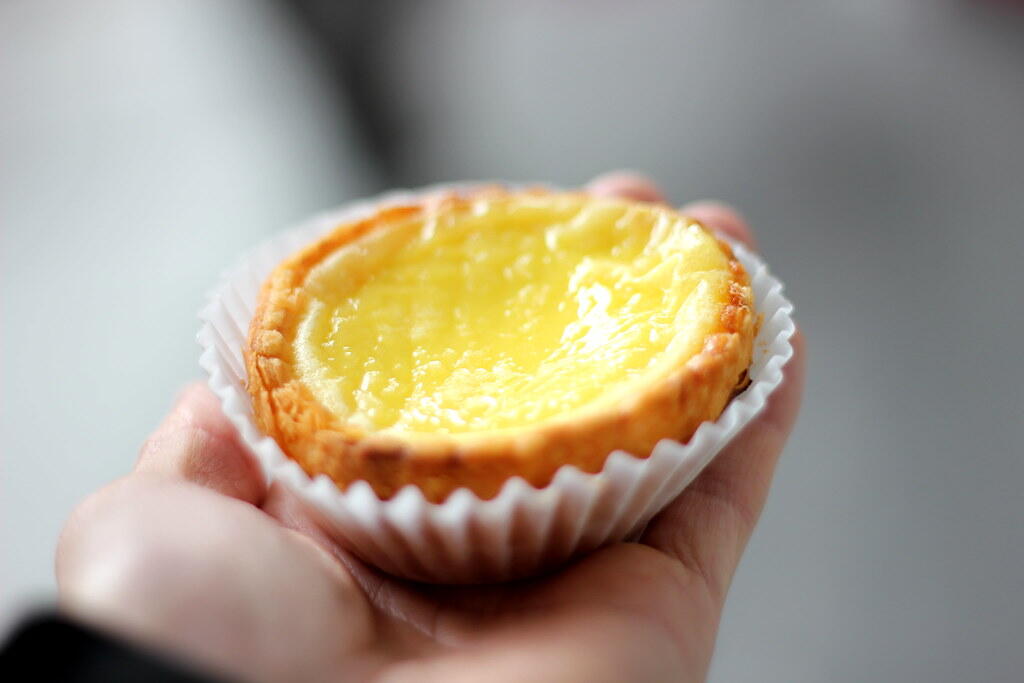
The Dan Ta tarts are an example of Chinese cuisine's cultural fusion, as they were influenced by Portuguese cuisine and its famous pasteis de nata. Portuguese colonists of Macau are credited with inspiring the creation of a top Chinese dessert enjoyed equally by locals and tourists today.
Unlike the Portuguese pastries, Dan Tat are not as sweet; they're drier. In places like Macau, you'll find versions that combine both tart types. Now it's your turn to choose: is the Chinese sweet dessert your favourite, or the Portuguese one?
🍞 Steamed Sponge Cake (Ma Lai Gao):
For all vanilla lovers out there, this is the Chinese dessert you have to look for. Or make, as it's an easy Chinese recipe to follow if you have the proper steamer basket.
The Ma Lai Gao cake takes you directly into a traditional Guangzhou tea house or into any household, with its comforting, nostalgic scent.
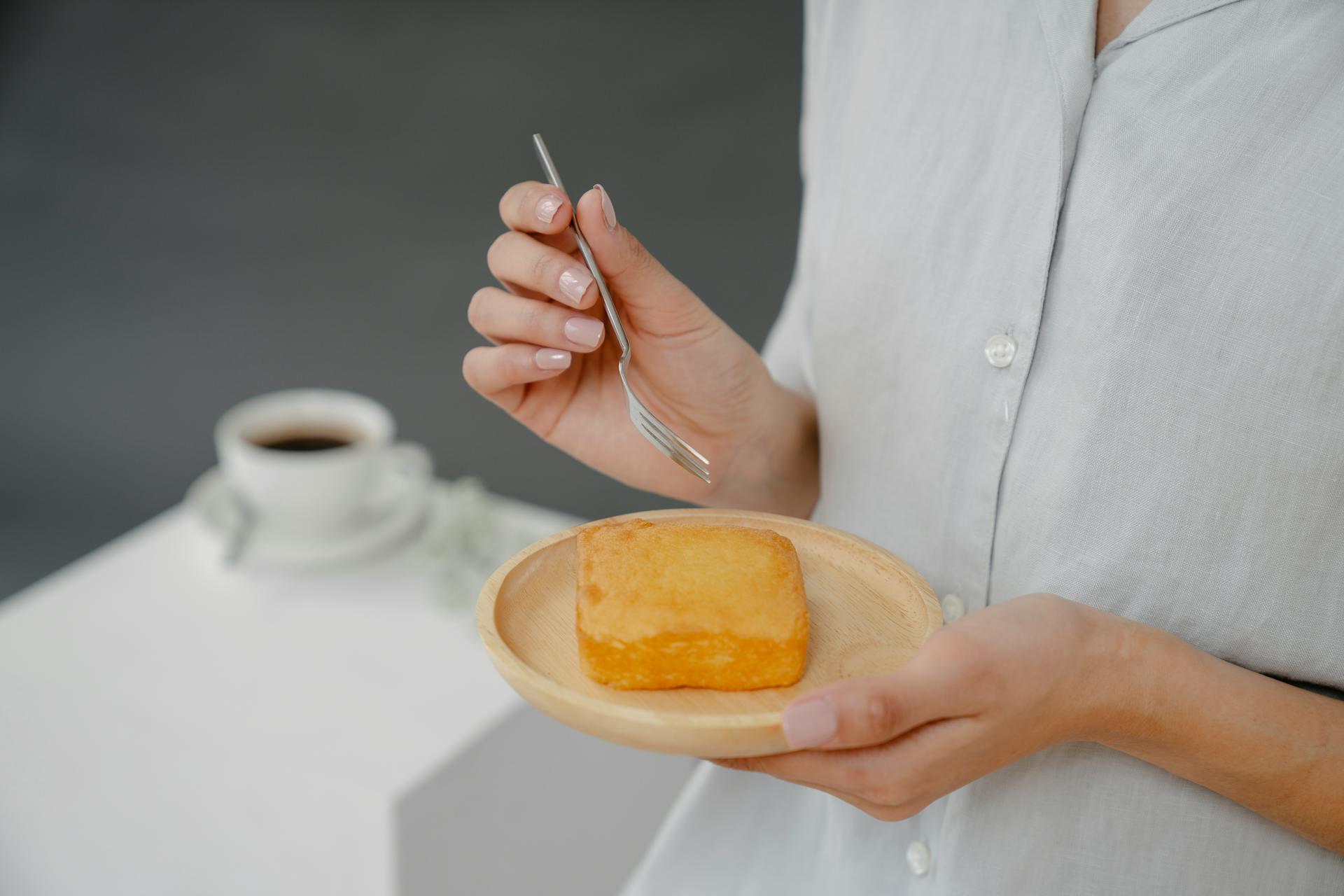
This steamed sponge cake is one of the classics of Chinese sweet foods. With a caramelized sweetness, it has very few ingredients: egg, brown sugar, vanilla extract, oil, flour, baking powder, and a pinch of salt. This yields a Chinese warm cake with a sweet flavour and a special, fluffy texture.
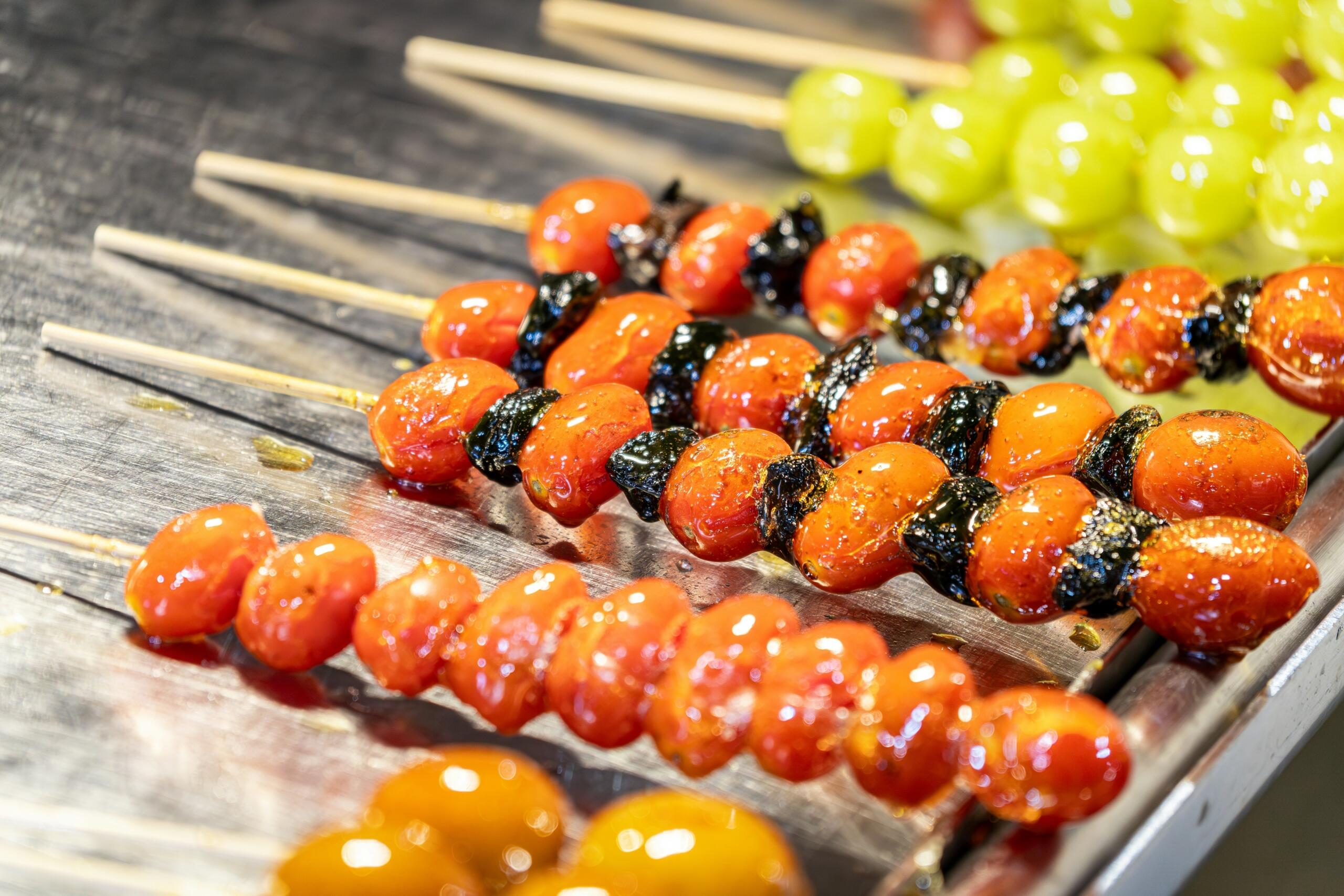
Tanghulu is a skewer of caramelized fruit and is perhaps the most traditional Chinese dessert, dating back thousands of years. However, in recent years, it has become extremely popular in South Korea, going viral as a dessert.
This Chinese dessert appeared centuries ago during the Song Dynasty, and legend has it that a doctor prescribed to a sick noblewoman of the court of Emperor Guangzong that all she needed to do was eat the crystallized fruit before each meal, and… it worked 1.
🌼 Osmanthus Cake:
Gui Hua Gao, or Osmanthus Cake in English-speaking countries, is one of the gems of Chinese sweet gastronomy easily found in cities like Suzhou and Hangzhou.
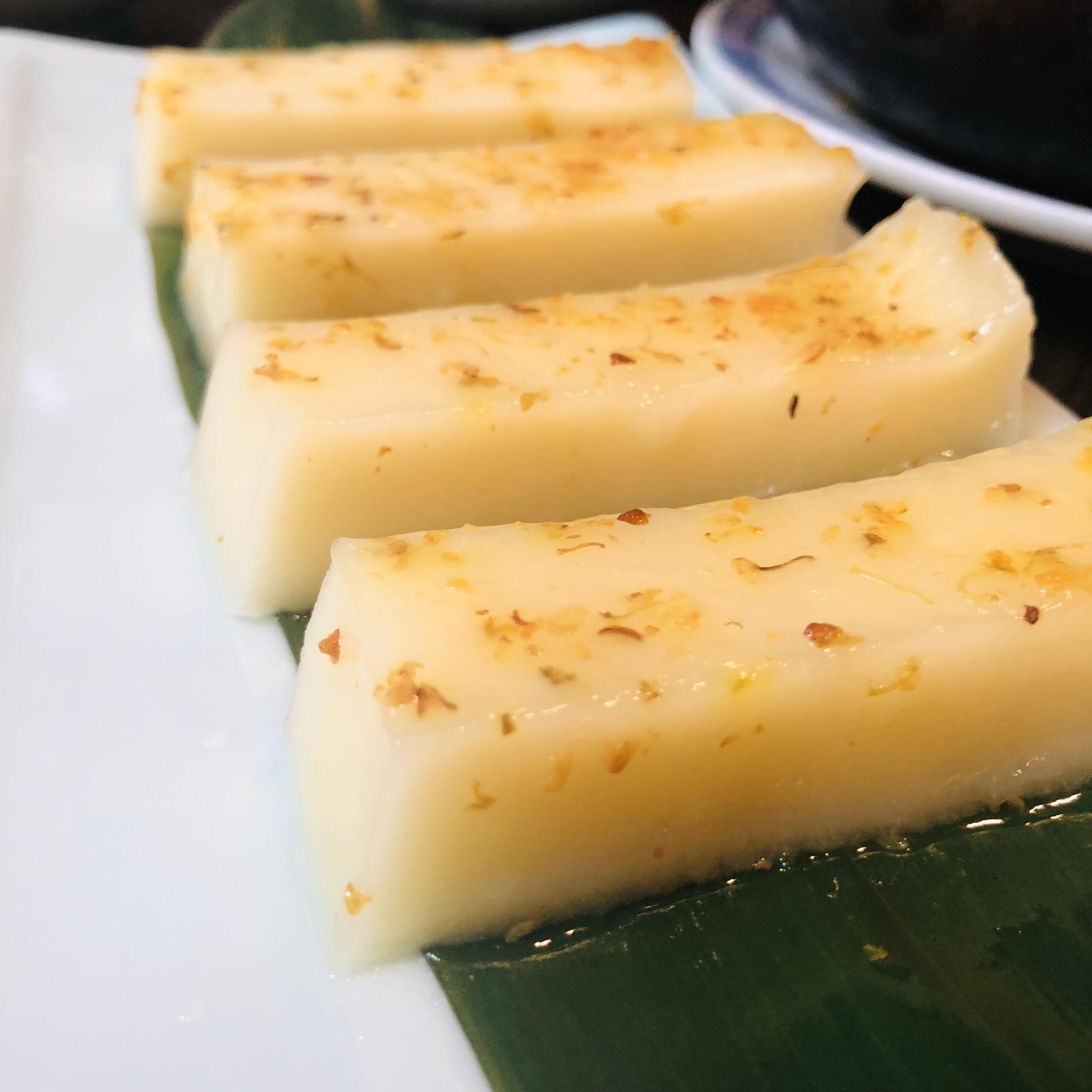
There are several types of Chinese desserts containing osmathus, and it's common to confuse them. The Gui Hua Gao is often confused (for Anglo-speakers) with the Gui Hua Dan Gao, another famous osmathus dessert, which is a baked dessert and has more similarities to a sponge cake.
The Gui Hua Gao is a traditional Chinese sweet made with glutinous rice and syrup, with a texture similar to jelly or mochi, and is decorated with a candied osmathus leaf.
With its subtle sweetness and floral notes, this clingy dessert captivates the senses with the delicate fragrance of the flower it is named for. Consumed as a midday treat or as a sweet ending to a sumptuous dinner, this Chinese classic dessert is guaranteed to make a lasting impression.
🫧 Balls of Taro (Yam Balls):
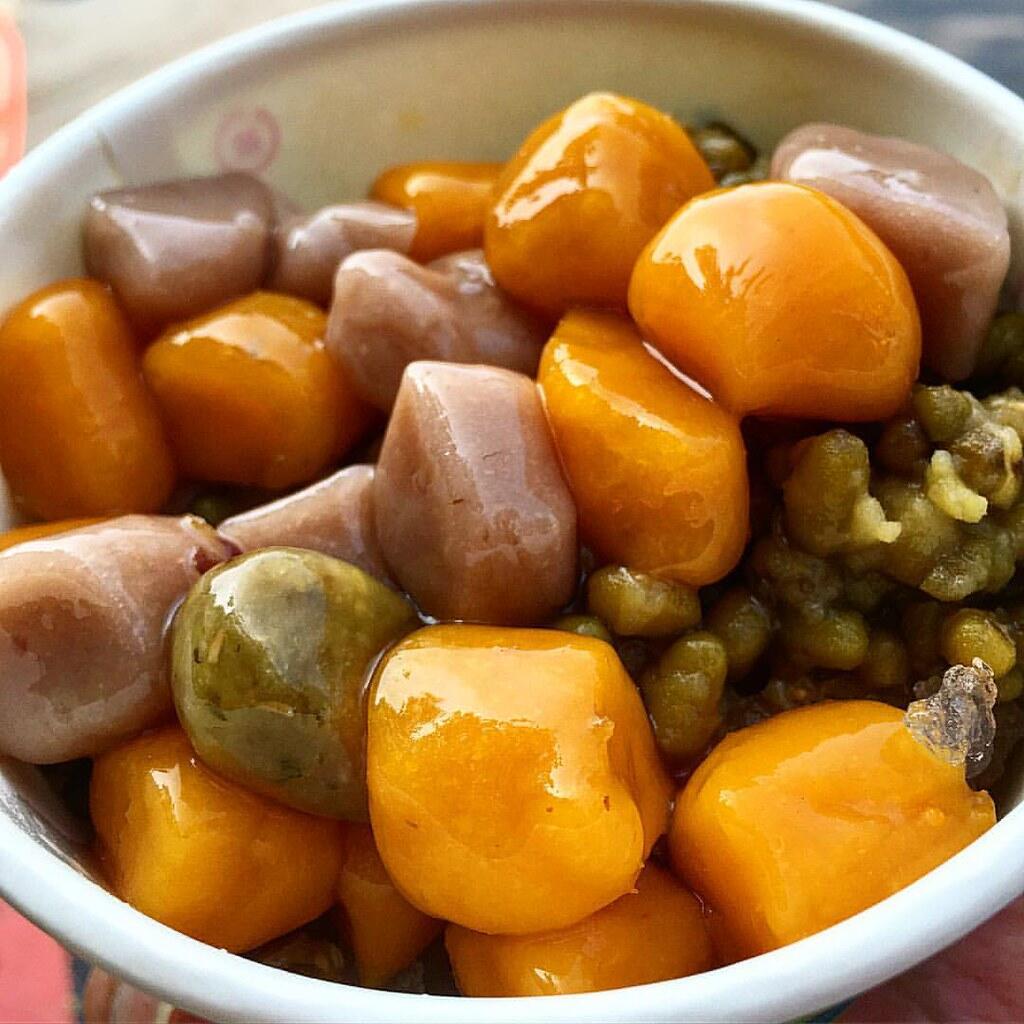
An extremely popular Asian dessert, especially in Taiwan, where the air on the sidewalks is filled with the perfume of sizzling woks and bubbling pots containing these little balls, this dessert conquers with its chewy texture and sweetness.
Made with ingredients like taro roots, pumpkin, and sweet potato, the Yam balls are another Chinese snack that lets you play with colour, and when mixed with tapioca pearls, syrup or milk, they create a soup (that can be served warm or cold over crushed ice) as delicious as many on this list of top Chinese desserts.
🍨 White Rabbit Candy Ice Cream:
Remember that quality does not necessarily come through complexity. Right when you think Chinese desserts are only based on traditional century-old recipes, the White Rabbit Candy arrives on this list. Milk and sweetness blend to create a harmonious blend that results in a creamy treat.
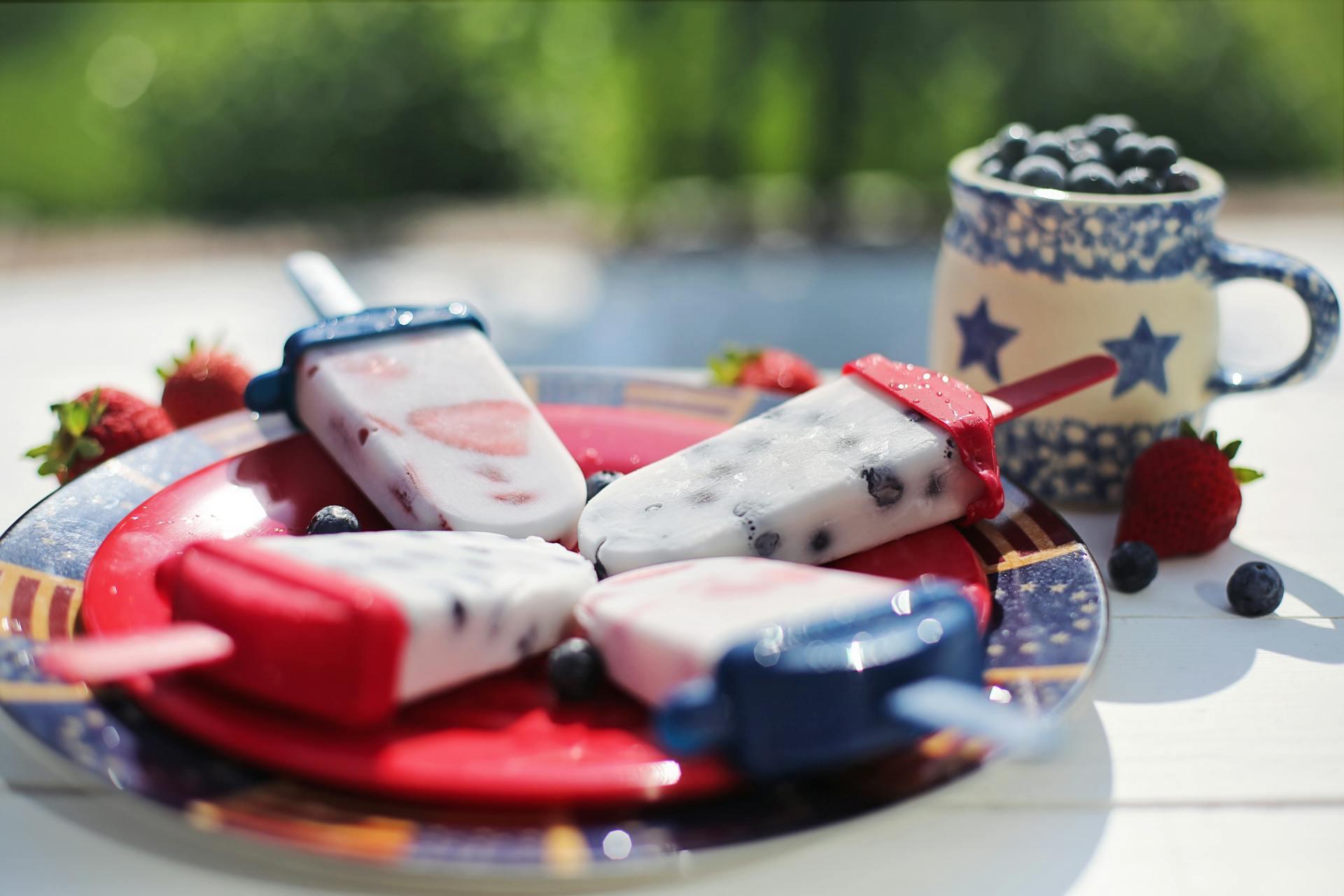
One of the Chinese desserts that almost every Chinese child grows up with, and which is often promoted with the phrase "A taste of nostalgia," is a favourite in its ice-cream form among hundreds of Asians.
The light, sweet cream flavour of white rabbit ice cream comes in cones, popsicles, or bowls, but many people still make their own version at home by just blending the frozen popsicles with milk.
Sometimes, the simplicity of your favourite childhood candy and ice cream is exactly what you need.
🧑🏼🍳 Xing Ren Dou Fu (Almond Tofu):
Almond tofu is an undiscovered diamond waiting to be found for the Western population. This classic Chinese sweet, a smooth, silky treat, has a subtle almond flavour that entices the senses even for the pickiest eaters.
By making your own almond milk and mixing it with a bit of almond extract and sugar, you can have the Almond Tofu cubes ready to serve. You can have it on its own or pair it with various fresh fruits or even osmathus syrup. 👉🏼
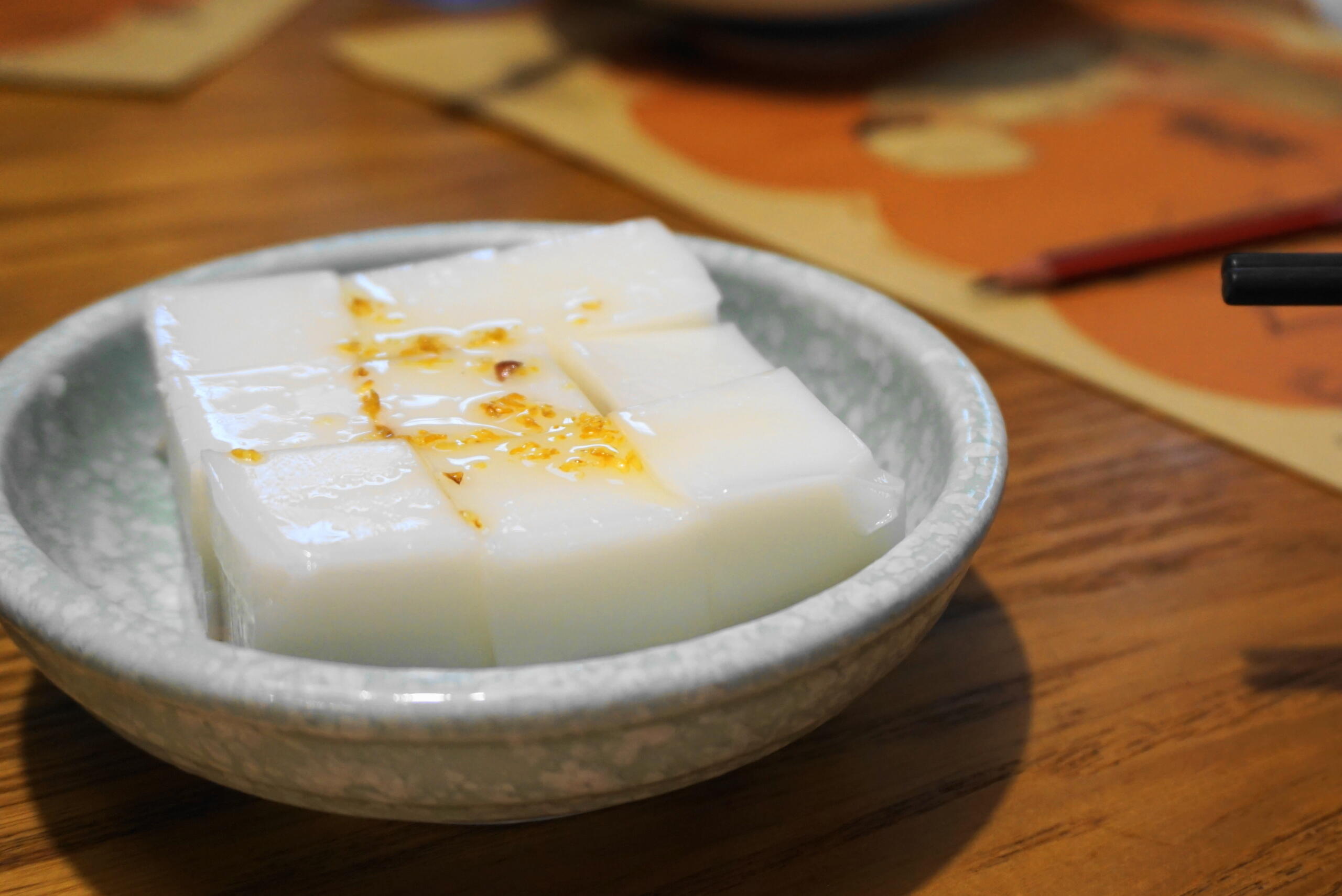
Discover the creativity and different traditional cooking methods of Chinese desserts while enjoying the sweet side of tofu!
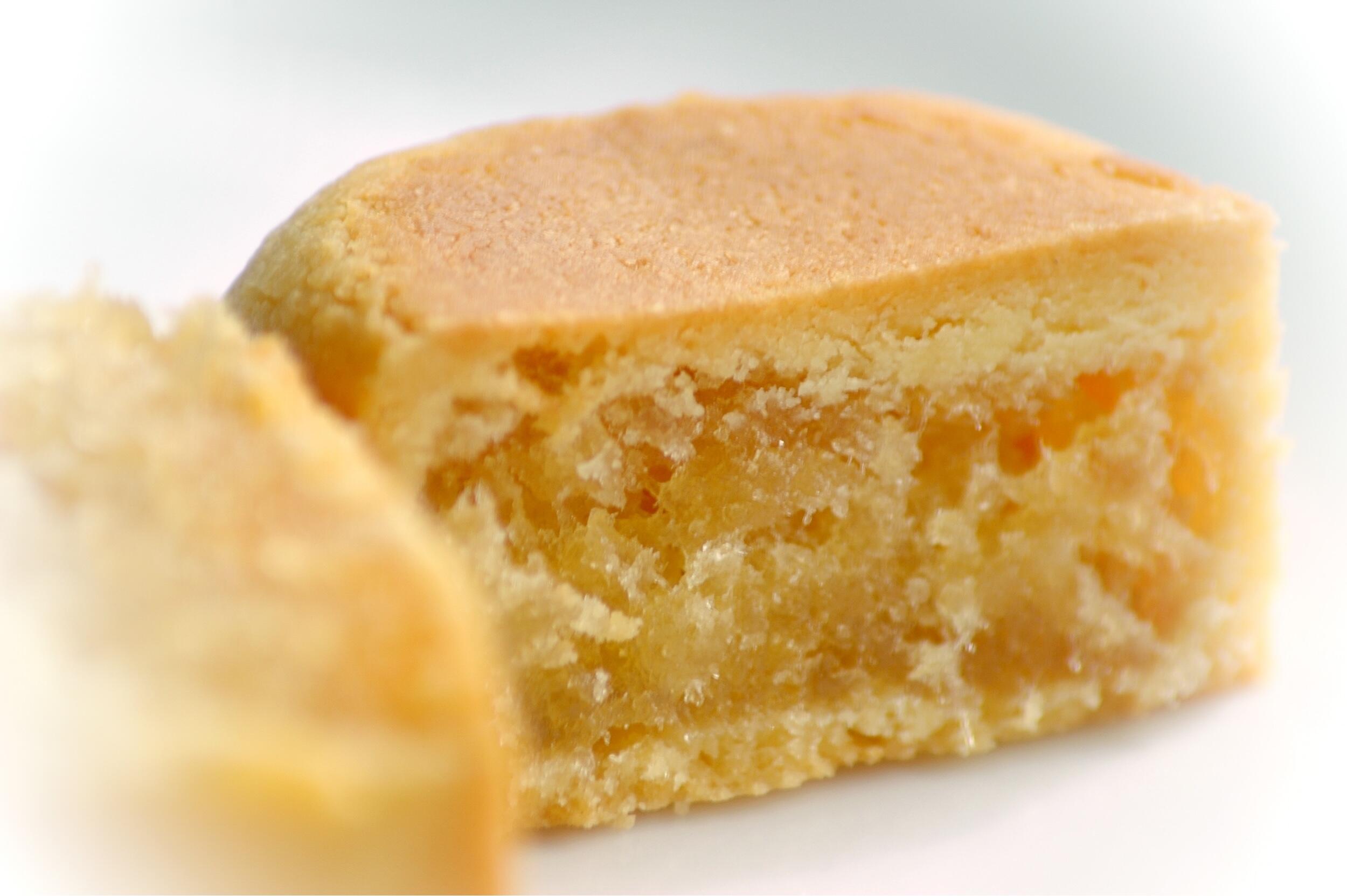
🍍Pineapple Cake (Feng Li Su):
Stop by Taipei's busy streets, and you'll easily spot the aroma of sweetness and buttery pastries, mainly thanks to Pineapple Cake, a top seller among the Taiwanese.
This Chinese pastry, a midday snack or holiday delicacy, showcases the island's inventive culinary talent, with its golden crust and sticky, but delicious, filling.
An example of Taiwan's rich culinary legacy, it's also associated with prosperity, especially when eaten at the New Year celebrations.
🥛 Cantonese Milk Pudding (Nai Wong):
Widely consumed in Macau and Guangdong province, this Cantonese sweet is also known as Nai Wong. It is also one of the most popular Chinese desserts during New Year celebrations and a clear example of the best techniques in Chinese cuisine, as it only contains milk, eggs, and white sugar.
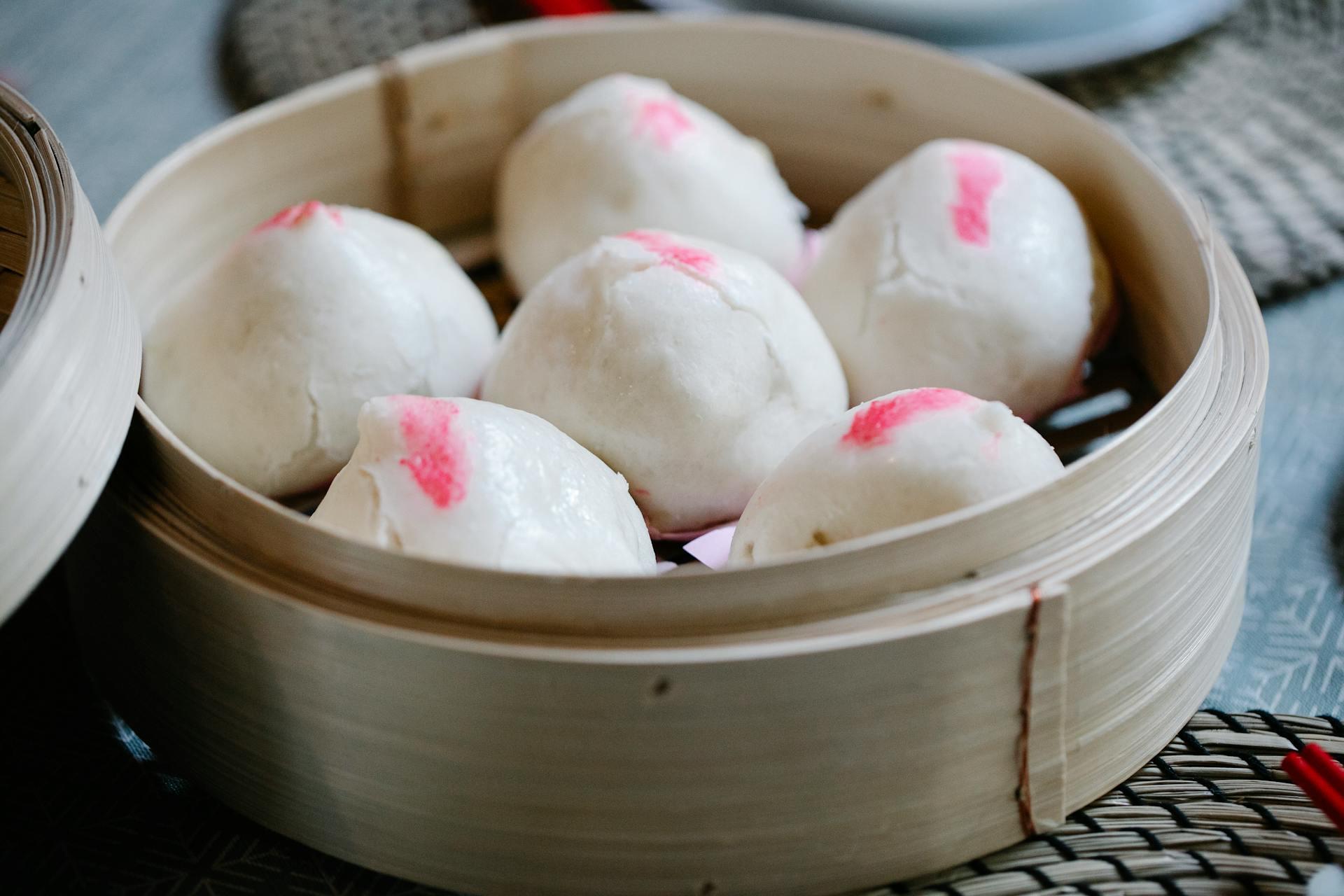
The flavour of steamed, sleek, creamy milk pudding with a distinctive custard-like texture is a favourite of locals in winter, when it's usually served warm and garnished with a dash of sweet syrup or nutmeg.
🥣 Red Dates and Longan Sweet Soup (Hong Zao Long Yan Tang):
A classic in the Chinese kitchen, the Red Dates and Longan Sweet Soup pot sits as a favourite for its comforting properties. Chinese sweet dishes are not just demonstrations of techniques or aromas, but also of the connection the Chinese have with traditional medicine through their gastronomy.
Desserts like Red Dates and Longan Sweet Soup are more than that; they can help treat cold symptoms or provide hydration. This filling dessert soup is an appreciation of life and health.
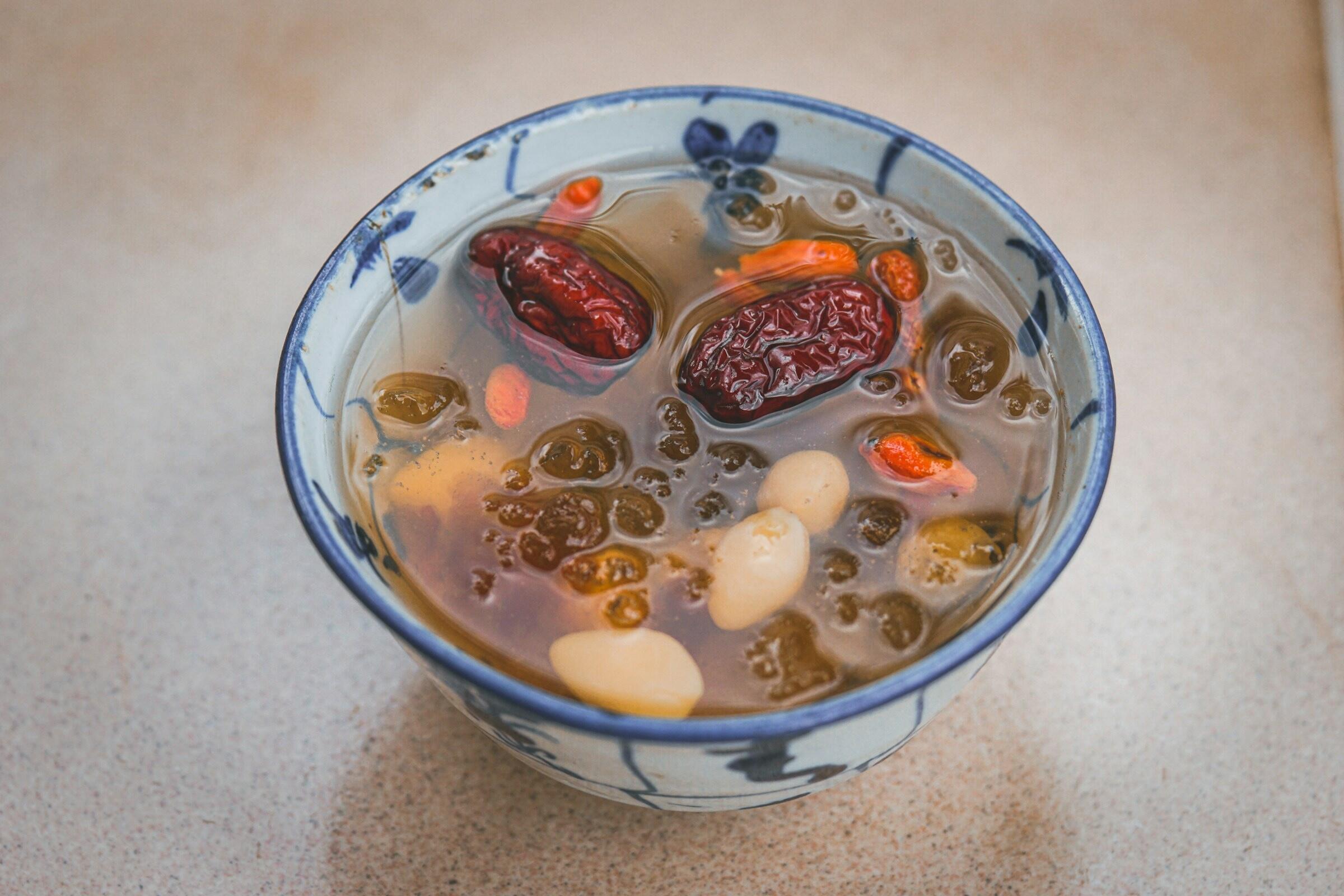
This traditional Chinese dish, served hot or cold, is often enhanced with snow fungus, rock sugar, and goji berries.
🍚 Rice with Eight Treasures (Ba Bao Fan):
One of the treasures of Chinese cuisine is a colourful dish called Eight-Treasure Rice, which represents prosperity and abundance.
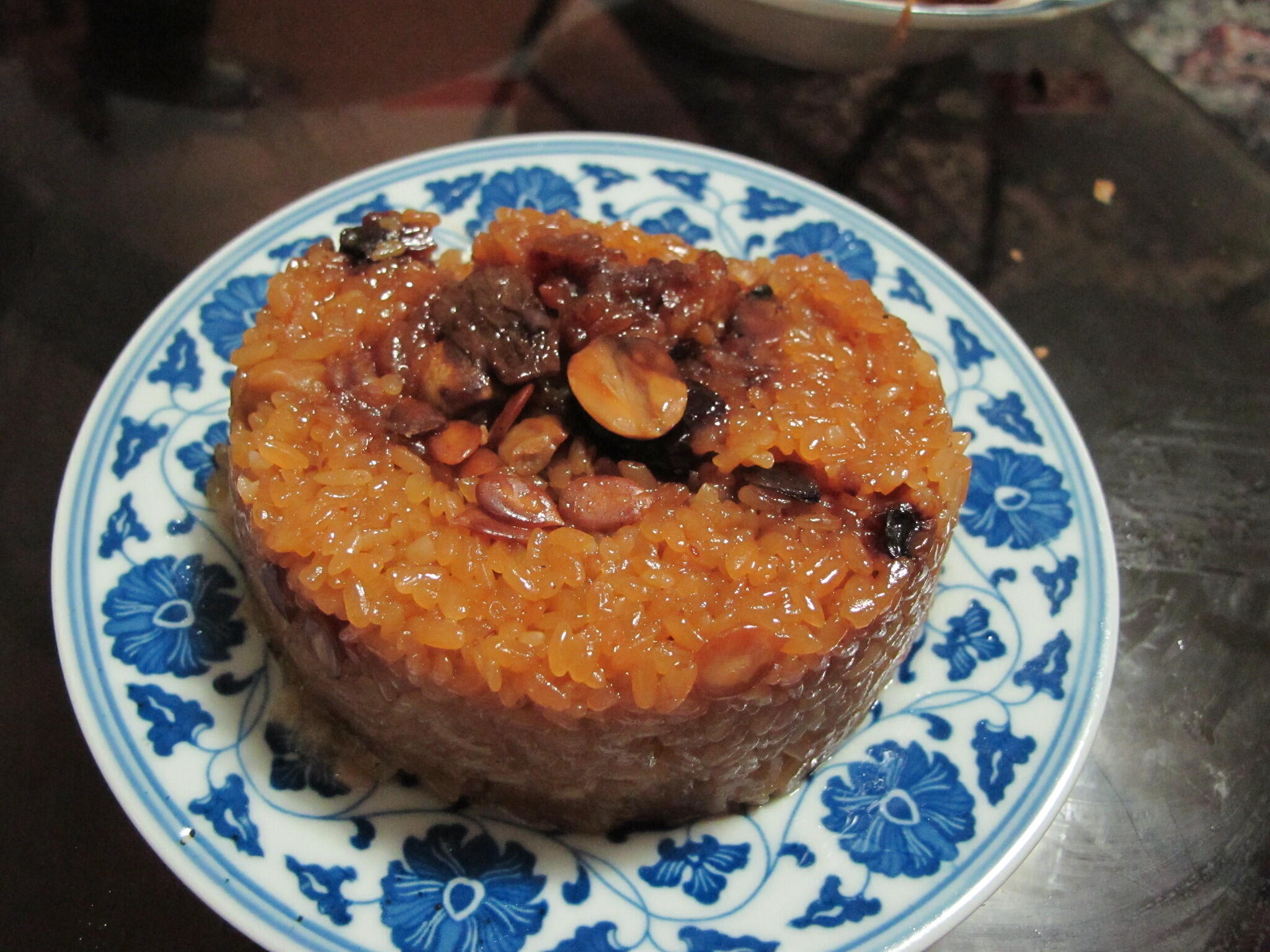
Another traditional Lunar New Year dessert that, of course, uses the star ingredients of Chinese desserts: red beans and rice, as well as dried fruits and nuts.
This stuffed dessert, perfectly cooked and garnished with an assortment of toppings, praises prosperity and wealth.
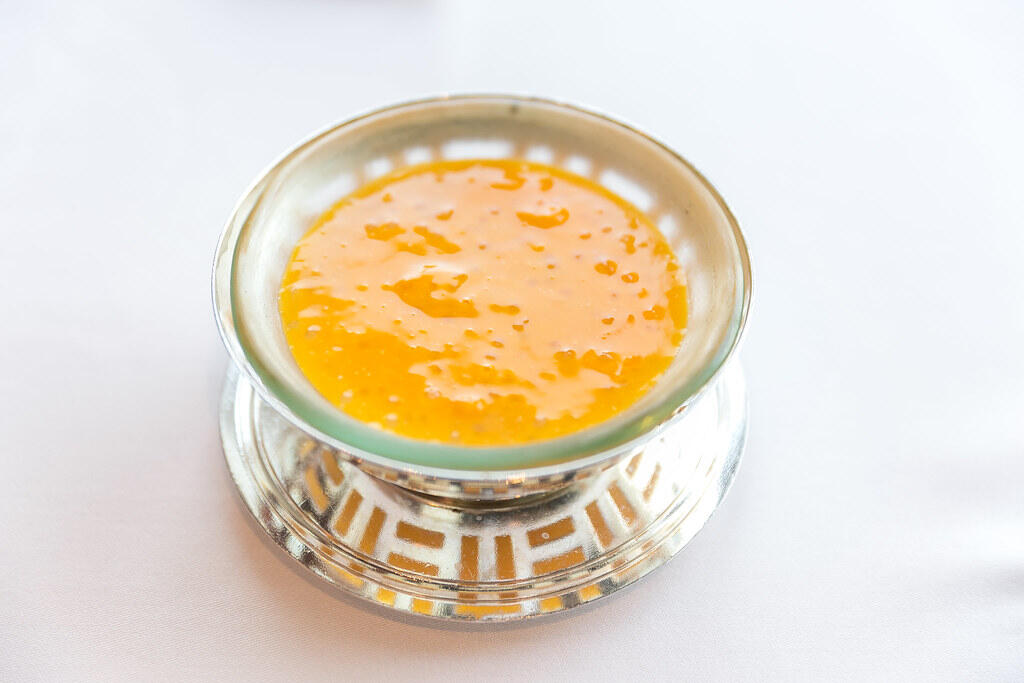
🥭 Mango Pomelo Sago:
In southern China, a dessert called Mango Grapefruit Sago embodies summertime all year long. Although Chinese desserts are often described as traditional, the mango-grapefruit combination is relatively recent and a favourite among Cantonese people, as well as in the Philippines, where mangoes are much more abundant.
This cool treat is a symphony of tastes and textures. The original recipe includes mangoes, small tapioca pearls (sago), coconut cream, evaporated milk, sugar, and a pinch of salt.
You can make a homemade version of Mango Pomelo Sago with the listed ingredients, but it is also available as a purée, a jelly slushy, or a bubble tea topping, among other commercial options.
🍲 The Lu Dou Tang (Mung Bean Soup):
Mung bean soup is based on a generation-old custom in dizzy rural Chinese villages.
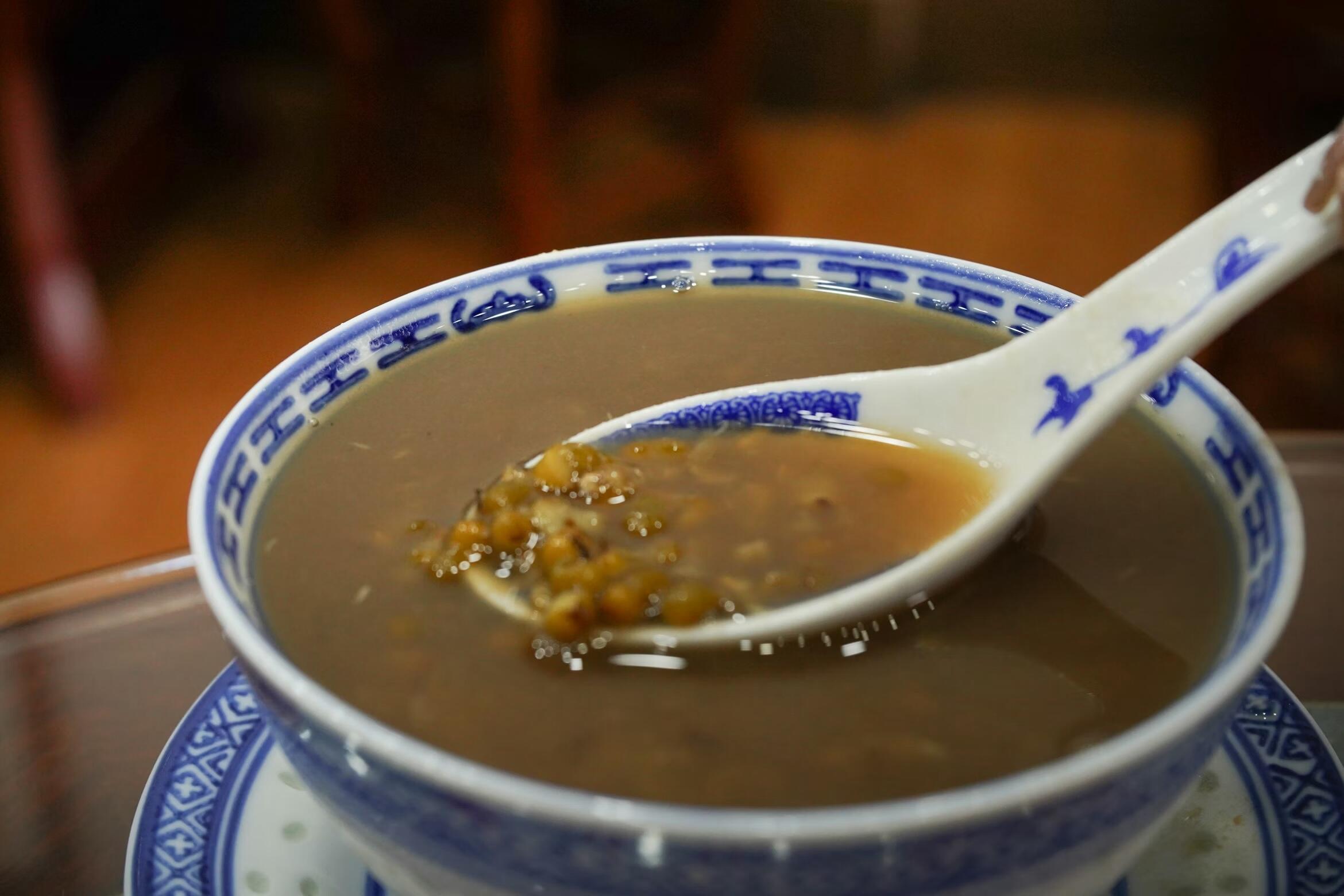
Whether loved as an afternoon snack on a summer's day, as a remedy for the winter blues, or to relieve cramps, the sweet comfort soups like the Lu Dou Tang are a Chinese specialty.
Soak mung beans overnight, boil them with rock sugar or brown sugar (or even agave syrup), and finish with goji berries or dried tangerine peel.
🌾 Black Sesame Soup (Hei Zhi Ma Tang):
At markets or food corridors in cities like Guangzhou or Shantou, you'll smell the characteristic roasted sesame filling the air.
The Black sesame soup is one of the most well-known traditional Chinese desserts from the Cantonese region and one of the easiest Chinese recipes to follow.
Toast the black sesame seeds over low heat until they look like they're about to pop, then blend them with rice, brown sugar, and water, and simmer gently; it's ready in just 5 minutes.
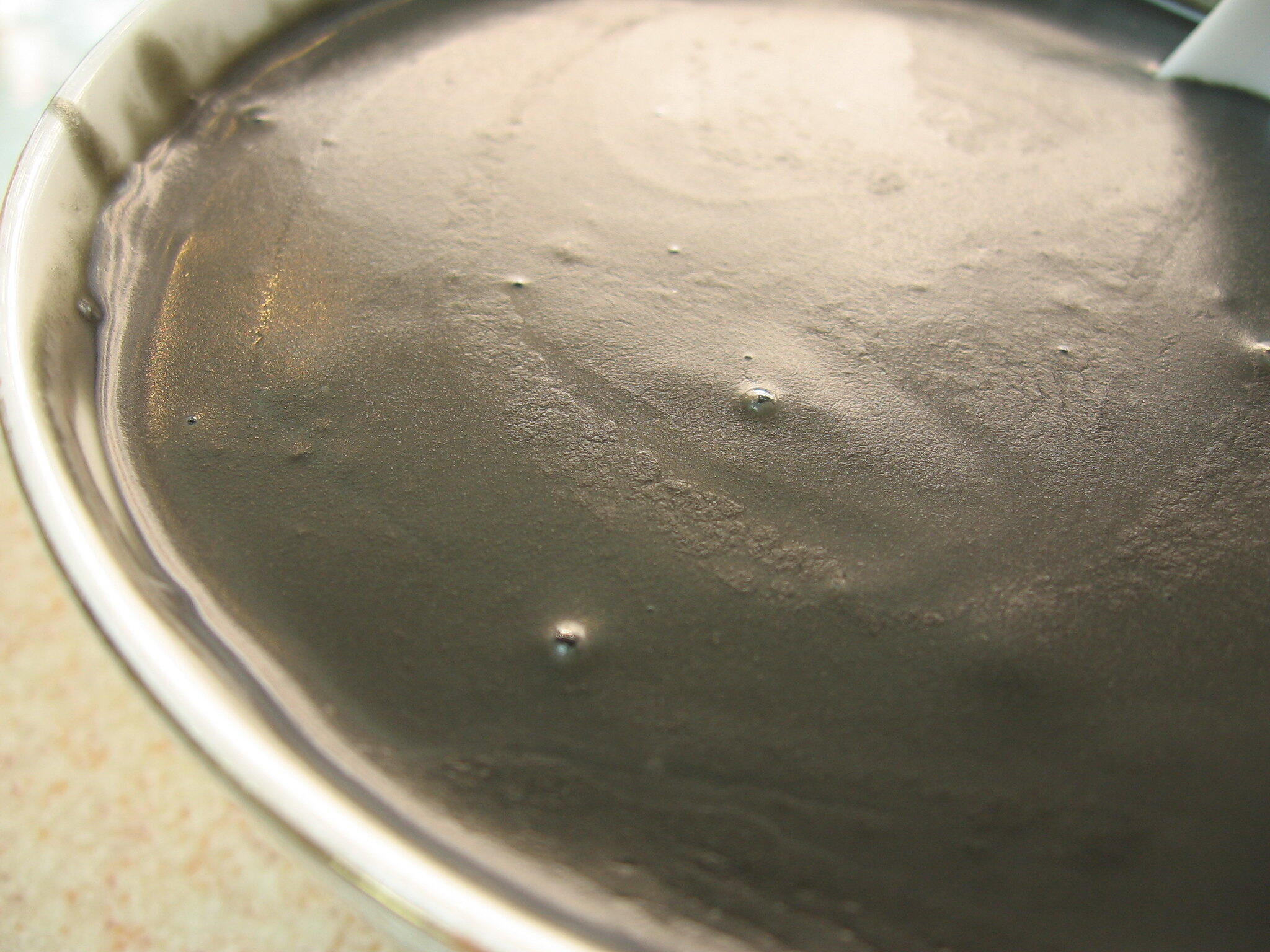
This authentic Chinese dessert, a satiny pudding with a pudding texture, sweetened with brown sugar, is a traditional treat that can be enjoyed hot on a cool evening or chilled on a hot day.
Discover more of the best recipes of traditional Chinese cuisine, like Sweet Potato Soup with its characteristic flavour enhanced by ginger, and honour the harvest season while sharing a top dessert.
When you embark on your culinary journey, remember that Superprof's Chinese cooking instruction can help you become an expert in Chinese desserts. Uncover the mysteries of authentic techniques and flavours, and let your kitchen transform into a haven inspired by the rich traditions of Chinese cooking.
References
- Beijing Tourism. Bring "Beijing Flavor" Back Home - Tanghulu (16-02-2023) Available at: https://english.visitbeijing.com.cn/article/4BitiICeDkI (Accessed: November 2025).
Did you like this article? Leave a rating!


 Loading...