Chinese desserts are anything but boring. From rich traditions to creative twists, they reflect a cuisine that knows how to surprise. Whether you're craving something light, sticky, crunchy or creamy, there's a story behind every bite.
Desserts like Mooncakes Were Used for Secret Messages: Amidst the 14th-century rebellion against the Mongol Yuan dynasty, the Chinese public sneakily put notes inside mooncakes to coordinate a secret uprising.


🥮 Mooncakes:
If we're talking about traditional Chinese cuisine, it's absolutely imperative that we mention a dessert so famous, that it has its own festival, it's own emoji 🥮
Mooncakes are actually officially recognized by UNESCO for their cultural significance!
Celebrated every year for centuries in the center of China, the Moon Festival, also called the Mooncake Festival, is held in autumn at night, when the moon is at its brightest. Initially, the communities bonded together to give thanks for the harvests.
Nowadays, families gather to prepare together and enjoy the most traditional forms of mooncakes, remembering, through various stories and rituals, the principles of abundance, harmony, longevity and prosperity, of course.
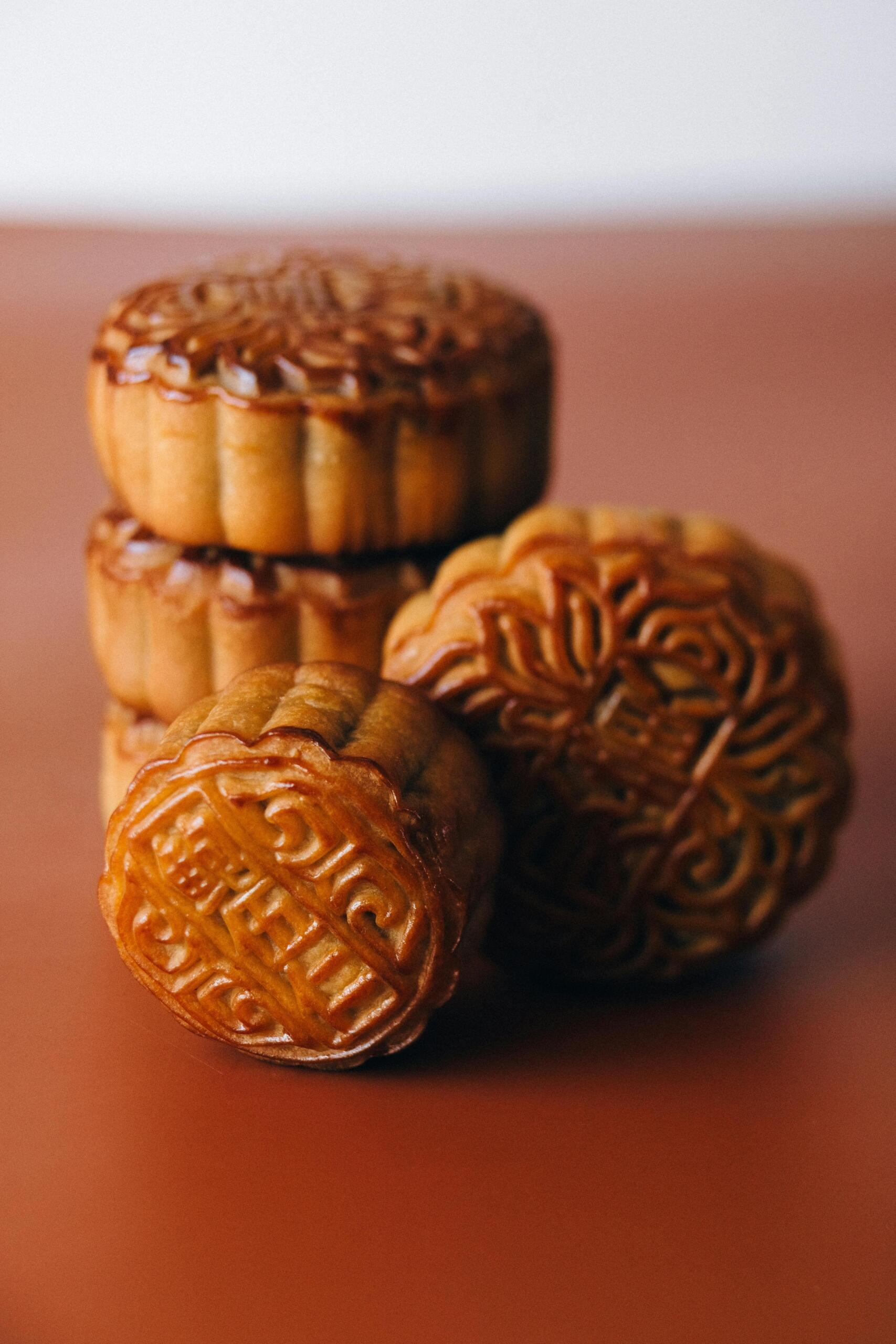
The most traditional fillings of mooncakes are lotus seed paste and red bean paste.
Although salted duck egg yolk, red date paste and mixtures of dried fruits and nuts are also used, in more modern versions of this classic Chinese dessert, some even add savory ingredients, such as meats.
| Step | Instruction | Time Taken |
|---|---|---|
| 1 | Combine 140ml (½ cup + 2 tbsp) golden syrup, 50ml (3½ tbsp) vegetable oil, and 4 tsp lye water in a bowl. Stir until blended. | 2 minutes |
| 2 | Add 200g (1⅔ cups) all-purpose flour and gently fold until a soft dough forms. Do not overwork. | 3 minutes |
| 3 | Wrap the dough in plastic wrap and rest at room temperature. | 30 minutes |
| 4 | Divide 500g (about 2 cups) lotus seed paste into 8 portions of approximately 60g each. Flatten each and wrap around 1 salted duck egg yolk. Roll into smooth balls. | 10 minutes |
| 5 | Divide the rested dough into 8 portions of approximately 45g each. Flatten each into a disc and wrap around one filling ball, sealing the edges carefully. Roll smooth. | 10 minutes |
| 6 | Dust a 50g mooncake mould with flour. Press each ball firmly into the mould to imprint the pattern, then unmould onto a parchment-lined baking sheet. | 5 minutes |
| 7 | Bake in a preheated oven at 180°C (350°F) for 5 minutes until the surface just sets. | 5 minutes |
| 8 | Remove from oven. Whisk together 1 egg yolk and 1 tbsp water. Lightly brush over the mooncakes. | 2 minutes |
| 9 | Return to oven and bake for a further 12–15 minutes until deep golden brown. | 15 minutes |
| 10 | Cool completely, then store in an airtight container for 2–3 days before serving. The skin will soften and become glossy (this is called 'oil return'). | 2–3 days |
| Tip | Use a 50g mooncake mould for best results. The resting period after baking is essential — do not skip it. | — |
🟡 Sesame Balls (Jian Dui):
Jian Dui is another favourite in Asian countries; this popular Chinese pastry is an authentic culinary experience not to be missed (especially if you're visiting Guangdong).
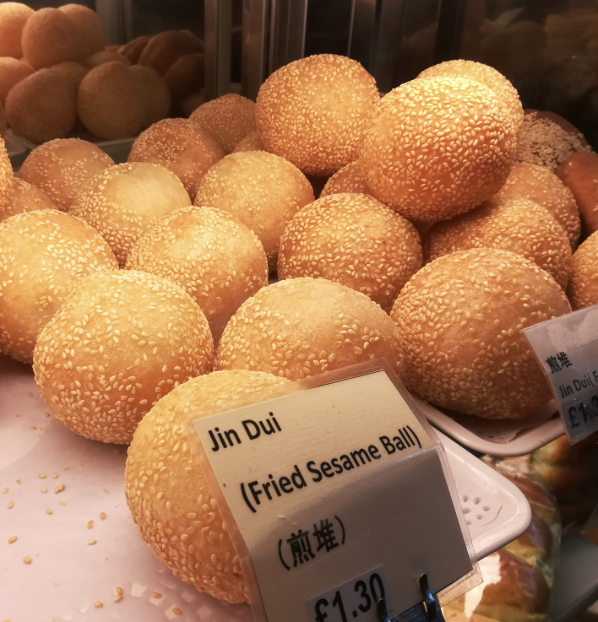
Round-shaped, made from glutinous rice flour, and covered with sesame seeds, it's usually filled with mung bean paste (though other fillings, such as lotus seed paste or black sesame paste, are also common), has a medium level of sweetness and a chewy texture. The famous Chinese snack balls are deep-fried until golden brown, making them crisp on the outside.
This traditional Chinese dessert is often eaten at big celebrations, especially during the Lunar New Year.
| Step | Instruction | Time Taken |
|---|---|---|
| 1 | Dissolve 80g (⅓ cup) caster sugar in 90ml (6 tbsp) boiling water. Pour over 200g (1⅔ cups) glutinous rice flour and mix. | 3 minutes |
| 2 | Gradually add 20ml (1½ tbsp) cold water and knead into a soft, pliable dough. Knead until smooth. | 5 minutes |
| 3 | Divide 200g (¾ cup) mung bean paste into 16 portions of approximately 12g each. | 5 minutes |
| 4 | Divide the dough into 16 equal pieces. Flatten each into a disc, place a paste portion in the centre, wrap and seal into a smooth ball. | 10 minutes |
| 5 | Lightly dampen each ball with water, then roll in 100g (⅔ cup) white sesame seeds, pressing gently so seeds adhere all over. | 5 minutes |
| 6 | Heat 1 litre (4 cups) vegetable oil in a wok or deep pot to 150°C (300°F). | 5 minutes |
| 7 | Fry the balls in batches for 8 minutes, pressing them gently against the wok wall to encourage puffing. Turn frequently. | 8 minutes per batch |
| 8 | Raise the oil temperature to 180°C (350°F) and fry for 2 more minutes until deep golden and crisp. | 2 minutes per batch |
| 9 | Remove with a slotted spoon and drain on paper towels. Serve warm. | 2 minutes |
| Tip | Never overcrowd the wok. The two-temperature frying method is key — low heat puffs the balls hollow; high heat crisps the exterior. | — |
The round shape of sesame balls is seen as a symbol of harmony and good fortune, further enhancing its cultural importance.
Making Jian Dui is an art form, and while the smallest fit in the palm of your hand, they can be made to the size of a small beach ball; they're an accurate showcase of the skill and equipment required to create Chinese desserts.
These fried sesame balls are another popular Chinese dessert that has transcended borders; in Indonesia, they're known as "onde-onde," while in the Philippines, they're called "buchi." Discover how Jian Dui are called in other countries:
| Country / Region | Local Name for Sesame balls |
|---|---|
| China | Jian Dui |
| Hong Kong / Cantonese regions | Jin Dui / Jin Deoi |
| Taiwan | Zhīma Qiú. |
| Japan | Goma Dango. Very popular in Chinatowns |
| Korea | Kyeongdan. Often sesame-coated rice balls; similar but not always deep-fried) |
| Vietnam | Bánh Cam / Bánh Rán. Bánh cam (South), bánh rán (North); bánh rán often has mung-bean filling |
| Philippines | Butsi / Buchi. Adapted from the Chinese version; common in Chinese-Filipino cuisine |
| Indonesia | Onde-Onde, Sometimes also Kue Onde-Onde; may have mung-bean or peanut filling |
| Malaysia / Singapore | Onde-Onde. The term often refers to the sesame ball; differs from the pandan-coconut kuih |
| Thailand | Khanom Ping Nga (less common) |
| Myanmar | Bein Mont |
🫘 Hong Dou Tang (Red Bean Soup):
Hong Dou Tang is a traditional Chinese dessert soup, easy to prepare with only a few ingredients, including, of course, red beans and orange peel.
Widely appreciated for its health benefits, a typical Chinese sweet dish is an adult and children's favourite in many households, especially in the colder months, as it helps keep the body comfortable.
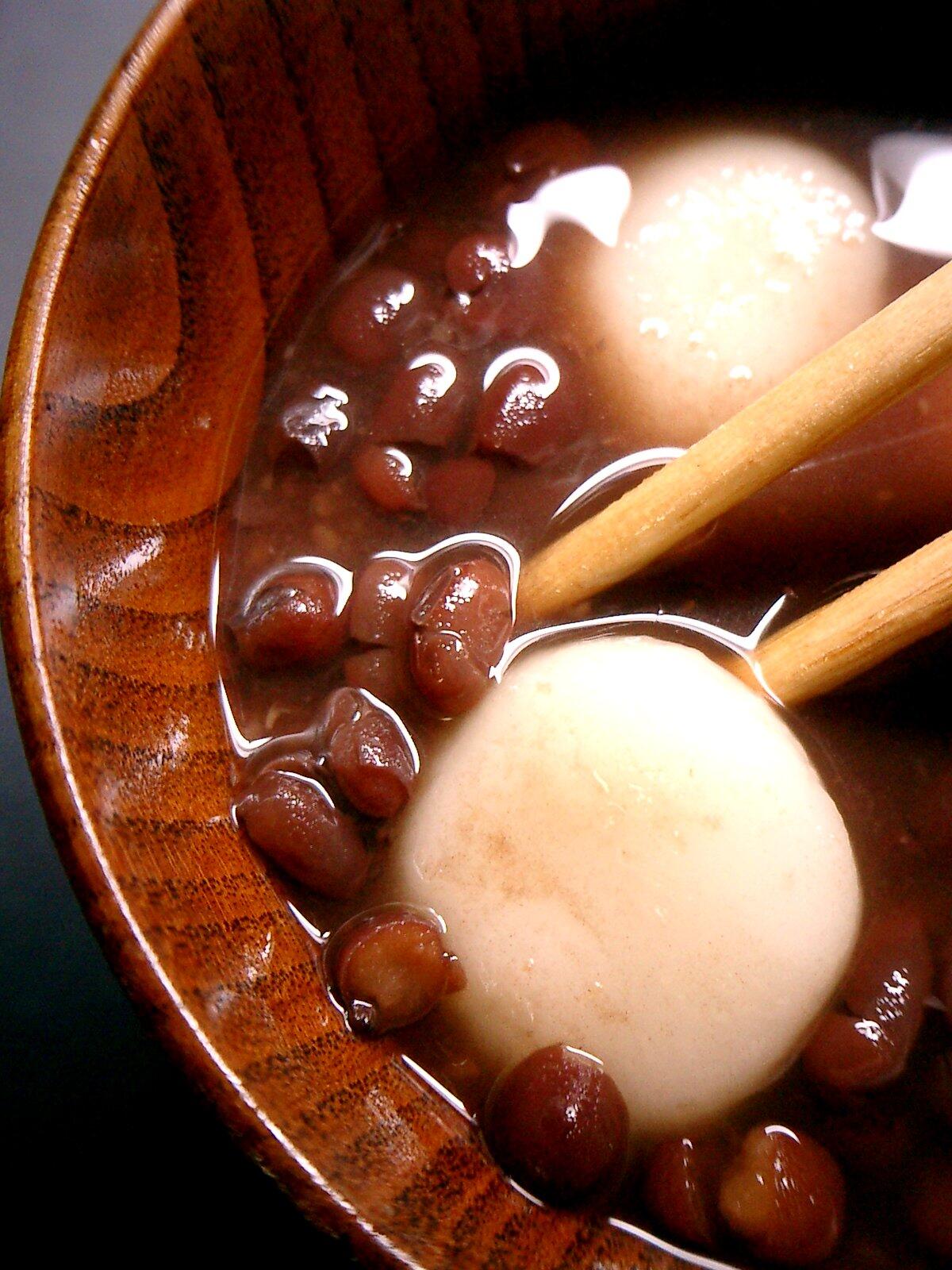
The red bean soup is also enjoyed in Taiwan, Hong Kong, Macau, Japan (where it's called Oshiruko) and other regions with strong Chinese culture or a significant Chinese diaspora in Asia; some variations of this sweet Chinese soup add seaweed or even coconut milk to enhance the flavour.
| Step | Instruction | Time Taken |
|---|---|---|
| 1 | Rinse 200g (1 cup) dried red adzuki beans and soak in cold water overnight or for at least 4 hours. Drain before cooking. | 4–8 hours |
| 2 | Place soaked beans in a pot with 1.5 litres (6 cups) water, 1 piece dried orange or tangerine peel, and 2 pandan leaves (optional). Bring to a boil over high heat. | 10 minutes |
| 3 | Skim off any foam, reduce heat to low, cover, and simmer until beans are completely tender and beginning to split. | 1.5 hours |
| 4 | Add 80g (⅓ cup) rock sugar and stir until fully dissolved. Simmer for a further 5 minutes. Taste and adjust sweetness. | 5 minutes |
| 5 | Remove pandan leaves and orange peel. Ladle into bowls and serve hot, or chill over crushed ice for a summer version. | 2 minutes |
| Tip | For a creamier texture lightly mash some beans before serving. Stir in coconut milk at the end for a Taiwanese-style variation. | — |
🌾 Tangyuan:
Families gather during the Lantern Festival to enjoy and prepare tangyuan together, a top classic Chinese treat. The traditional Tang Yuan recipe includes the most typical ingredients of Chinese desserts: glutinous rice flour, pandan leaves, sugar, and ginger.
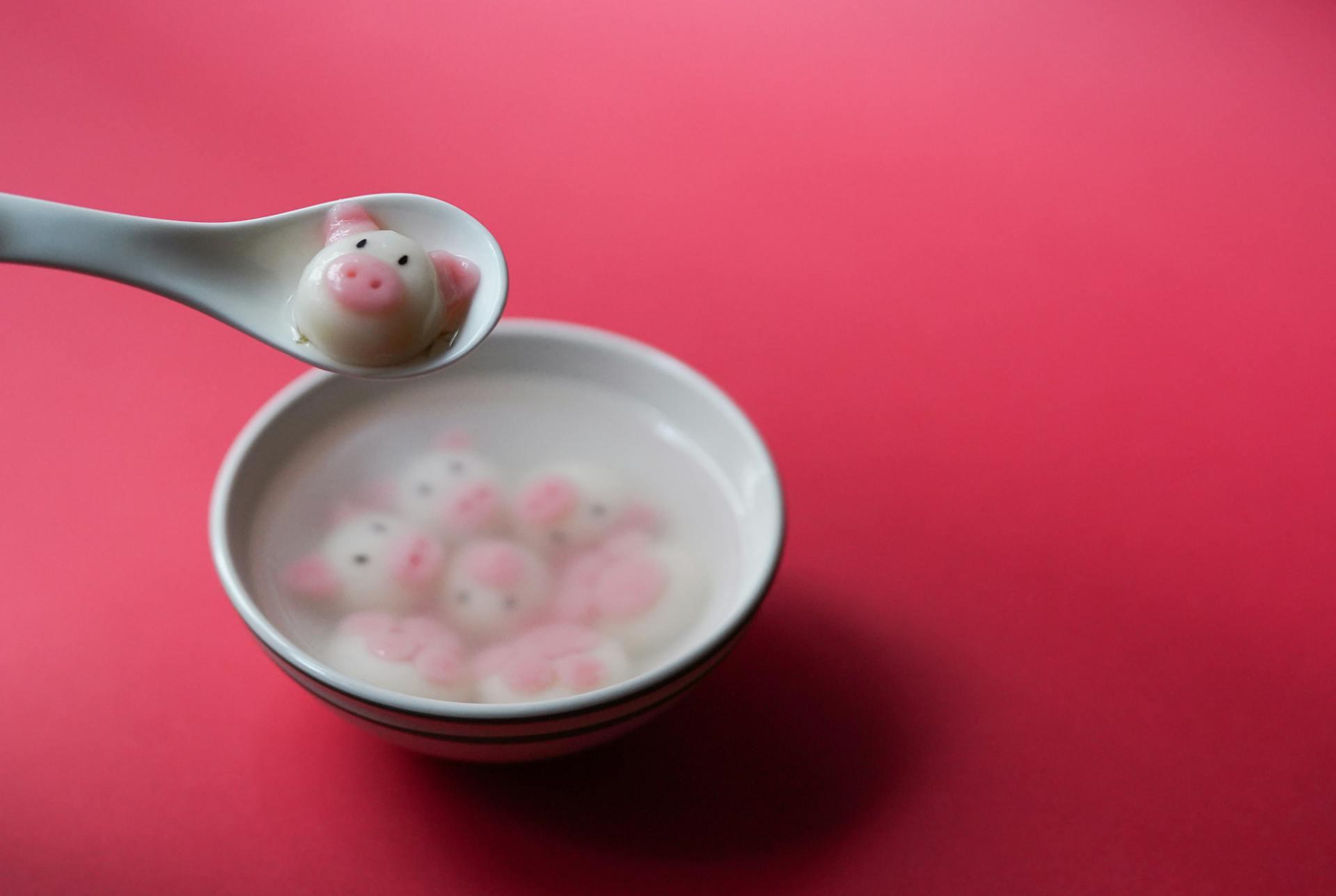
Every bowl of tangyan, sometimes combined with sweet syrup, celebrates the remarkable Chinese community spirit.
Many Chinese households enjoy making it as a family activity.
It is a traditional, easy-to-follow sweet recipe that allows for experimenting with colors, sizes and shapes, as you can see with these piggy-shaped tangyuan 👆🏻
| Step | Instruction | Time Taken |
|---|---|---|
| 1 | Divide 120g (½ cup) black sesame paste into 16 portions of approximately 7g each. Roll into balls and freeze until firm. | 20 minutes |
| 2 | Gradually add 160ml (⅔ cup) warm water to 200g (1⅔ cups) glutinous rice flour, mixing and kneading into a smooth, soft dough that doesn't crack. Rest covered with a damp cloth. | 10 minutes |
| 3 | Divide dough into 16 portions. Flatten each into a disc, place a frozen sesame ball in the centre, pinch edges to seal, and roll into a smooth sphere. | 10 minutes |
| 4 | Combine 30g (2 tbsp) sliced fresh ginger, 800ml (3¼ cups) water, 80g (⅓ cup) rock sugar, and 2 pandan leaves (optional) in a pot. Bring to a boil then simmer. Strain and keep warm. | 20 minutes |
| 5 | Bring a large pot of water to a boil. Add tangyuan in batches, stirring gently. Cook until they float to the surface and have been floating for 2 minutes. | 5–7 minutes |
| 6 | Transfer tangyuan to serving bowls and ladle the warm ginger syrup over the top. Serve immediately. | 2 minutes |
| Tip | Freezing the filling before wrapping makes shaping much easier. Uncooked tangyuan can be frozen for up to 1 month. | — |
🥧 Egg Tarts (Dan Ta):
Freshly baked egg tarts are a core memory of infancy for many Chinese. One of the most popular Chinese desserts throughout Asia, Dan Ta o Dan Tat (depending on whether it's in the Cantonese or Chinese), is often enjoyed with tea.
The Dan Ta tarts are an example of Chinese cuisine's cultural fusion, as they were influenced by Portuguese cuisine and its famous pasteis de nata. Portuguese colonists of Macau are credited with inspiring the creation of a top Chinese dessert enjoyed equally by locals and tourists today.
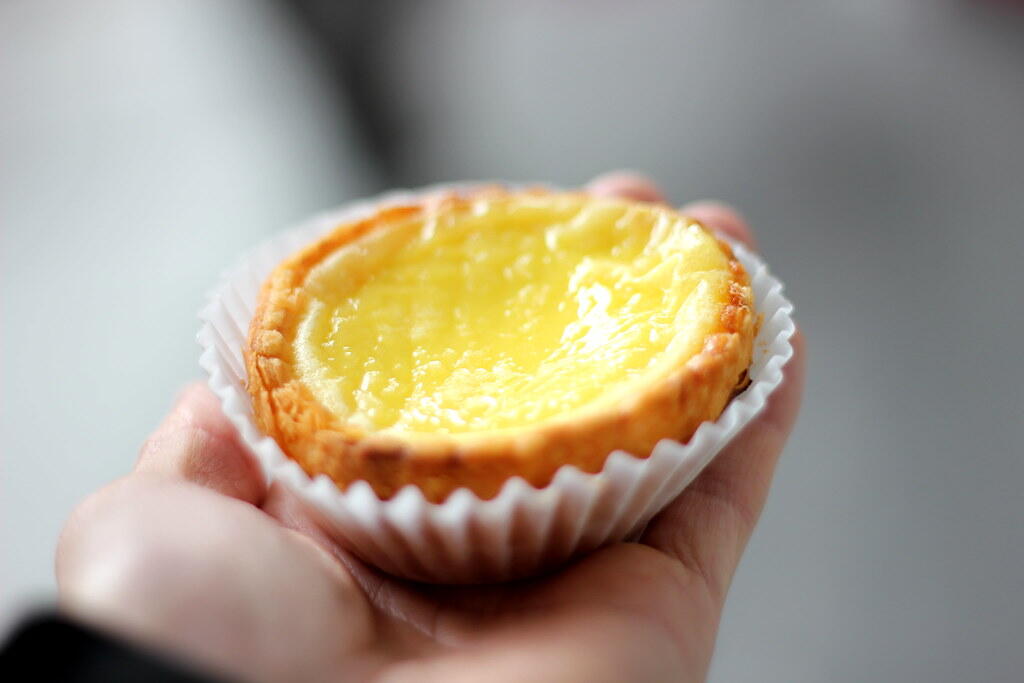
Unlike the Portuguese pastries, Dan Tat are not as sweet; they're drier. In places like Macau, you'll find versions that combine both tart types.
| Step | Instruction | Time Taken |
|---|---|---|
| 1 | Rub 120g (½ cup) cold cubed unsalted butter into 200g (1⅔ cups) all-purpose flour and 30g (¼ cup) icing sugar until the mixture resembles breadcrumbs. | 5 minutes |
| 2 | Mix in 1 egg yolk and 30ml (2 tbsp) cold water to form a dough. Wrap and refrigerate. | 30 minutes |
| 3 | Whisk 3 eggs lightly in a bowl. In a small saucepan, heat 200ml (¾ cup) milk with 60g (¼ cup) caster sugar, stirring until sugar dissolves. Do not boil. Cool slightly. | 10 minutes |
| 4 | Gradually whisk the warm milk into the eggs. Add ½ tsp vanilla extract. Strain through a fine sieve. Set aside. | 3 minutes |
| 5 | Roll the pastry to 3mm thickness. Cut circles slightly larger than your tart moulds. Press into 12 greased tart moulds, trim edges, and prick the bases with a fork. | 10 minutes |
| 6 | Preheat oven to 200°C (400°F). Pour the custard into tart shells, filling each to about 80%. | 5 minutes |
| 7 | Bake for 12–15 minutes until pastry is golden and custard is just set with a slight wobble in the centre. | 15 minutes |
| 8 | Cool in tins for 5 minutes before unmoulding. Best served warm. | 5 minutes |
| Tip | Always strain the custard for a perfectly smooth filling. Leave a 3mm gap at the top of each shell — the custard puffs slightly during baking. | — |
Now it's your turn to choose:
Which do you prefer?
🍞 Steamed Sponge Cake (Ma Lai Gao):
For all vanilla lovers out there, this is the Chinese dessert you have to look for. Or make, as it's an easy Chinese recipe to follow if you have the proper steamer basket.
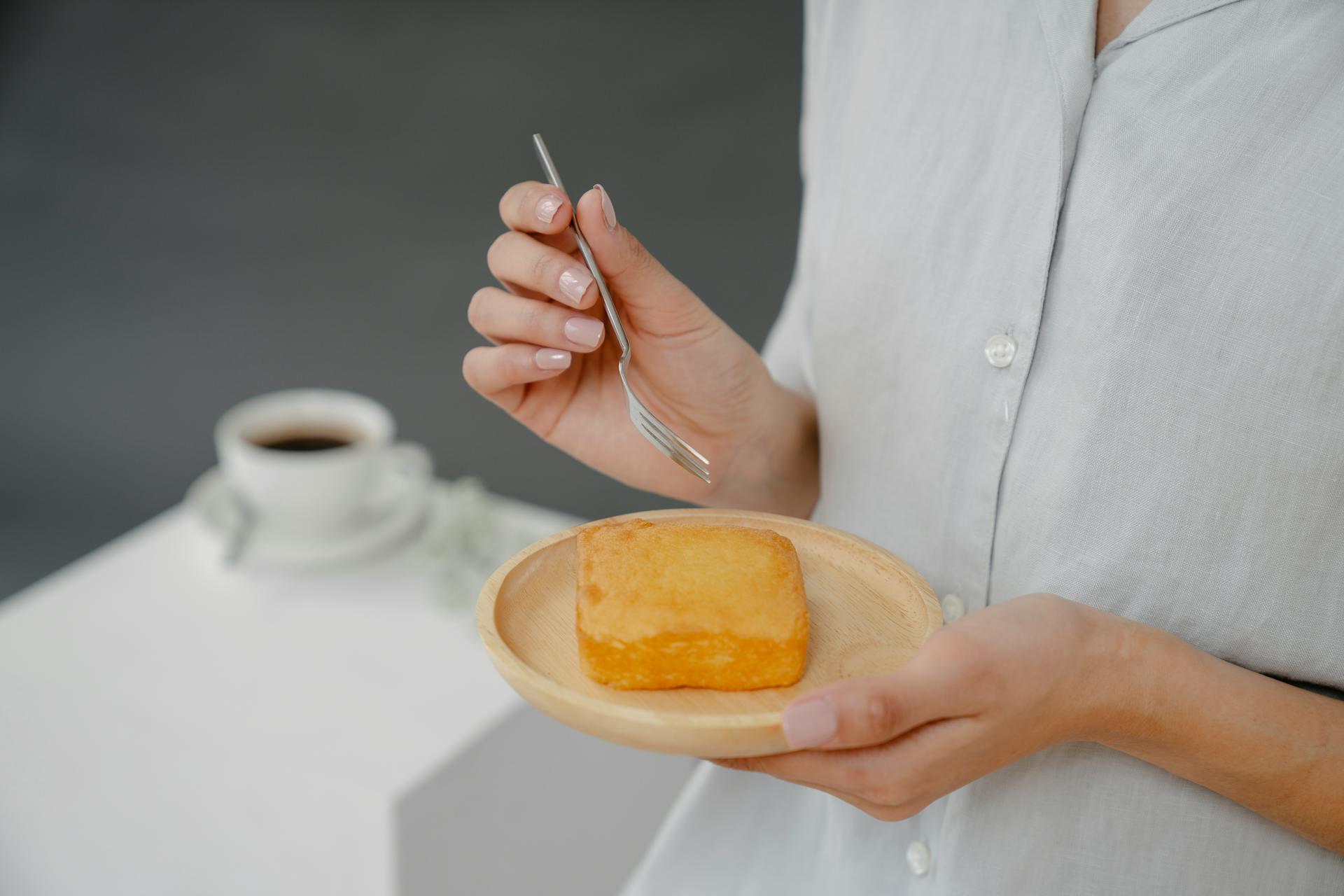
The Ma Lai Gao cake takes you directly into a traditional Guangzhou tea house or into any household, with its comforting, nostalgic scent.
This steamed sponge cake is one of the classics of Chinese sweet foods, here's how to make it:
| Step | Instruction | Time Taken |
|---|---|---|
| 1 | Whisk together 3 eggs, 150g (¾ cup packed) dark brown sugar, 60ml (¼ cup) vegetable oil, 1 tsp vanilla extract, and 60ml (¼ cup) whole milk until the sugar is fully dissolved. | 5 minutes |
| 2 | In a separate bowl, sift together 200g (1⅔ cups) all-purpose flour, 2 tsp baking powder, ½ tsp baking soda, and a pinch of salt. | 3 minutes |
| 3 | Fold the dry ingredients into the wet mixture until just combined. Do not overmix. | 2 minutes |
| 4 | Cover the batter and rest at room temperature, or refrigerate overnight for a better rise. | 30 minutes (or overnight) |
| 5 | Line an 8-inch round cake tin or bamboo steaming basket with parchment paper. Pour in the batter. Set up your steamer with boiling water. | 5 minutes |
| 6 | Cover the steamer lid with a clean cloth to prevent condensation dripping onto the cake. Steam over medium-high heat until a skewer inserted in the centre comes out clean. | 25–30 minutes |
| 7 | Cool slightly, then slice into squares and serve warm. | 5 minutes |
| Tip | Resting the batter overnight gives the best fluffy springy texture. A bamboo steamer gives the most authentic result. | — |
With a caramelized sweetness, it has very few ingredients: egg, brown sugar, vanilla extract, oil, flour, baking powder, and a pinch of salt. This yields a Chinese warm cake with a sweet flavor and a special, fluffy texture.
Tanghulu is a skewer of caramelized fruit and is perhaps the most traditional Chinese dessert, dating back thousands of years. However, in recent years, it has become extremely popular in South Korea, going viral as a dessert.
This Chinese dessert appeared centuries ago during the Song Dynasty, and legend has it that a doctor prescribed to a sick noblewoman of the court of Emperor Guangzong that all she needed to do was eat the crystallized fruit before each meal, and… it worked 1.
🌼 Osmanthus Cake:
Gui Hua Gao, or Osmanthus Cake in English-speaking countries, is one of the gems of Chinese sweet gastronomy easily found in cities like Suzhou and Hangzhou.
There are several types of Chinese desserts containing osmathus, and it's common to confuse them. The Gui Hua Gao is often confused (for Anglo-speakers) with the Gui Hua Dan Gao, another famous osmathus dessert, which is a baked dessert and has more similarities to a sponge cake.
The Gui Hua Gao is a traditional Chinese sweet made with glutinous rice and syrup, with a texture similar to jelly or mochi, and is decorated with a candied osmathus leaf.
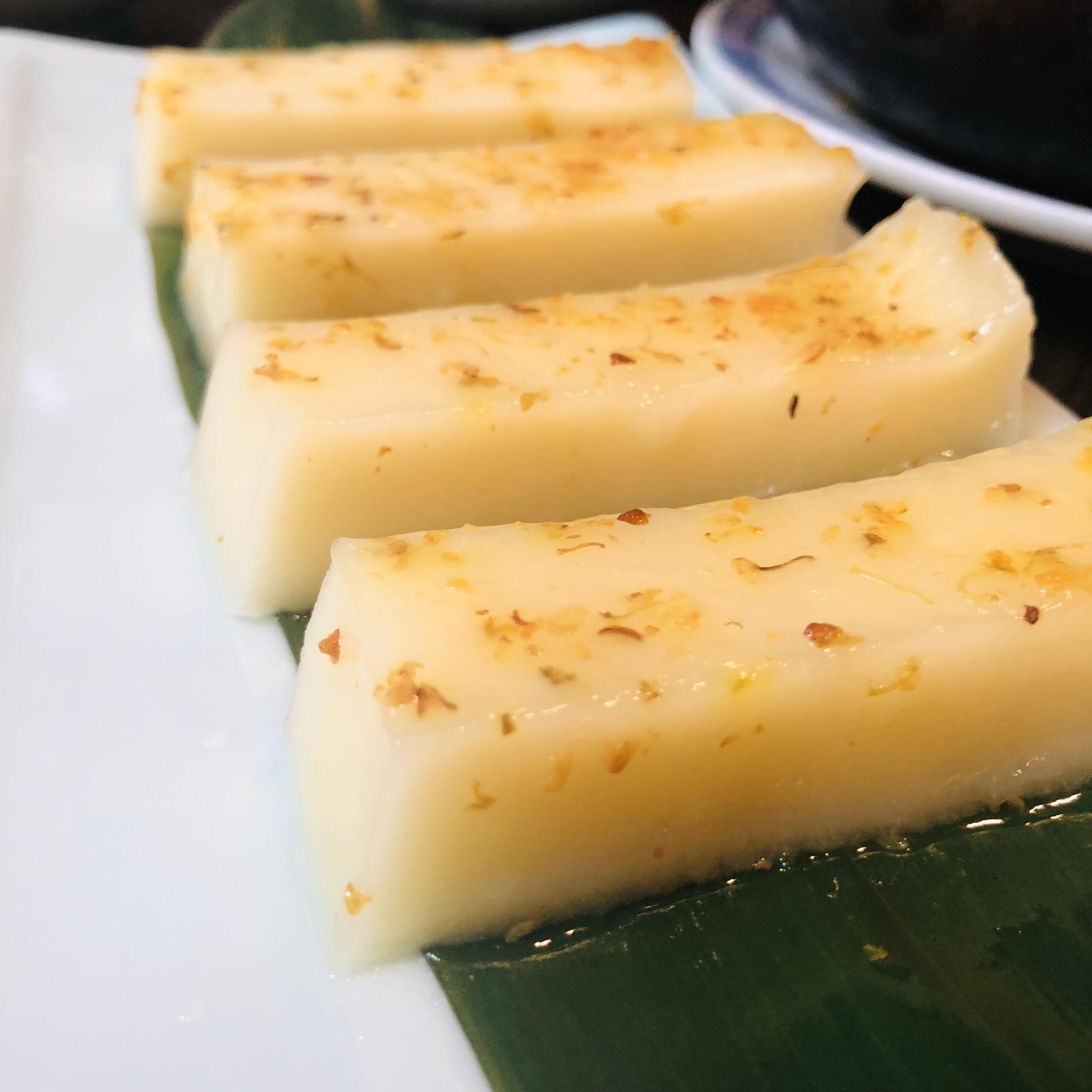
With its subtle sweetness and floral notes, this clingy dessert captivates the senses with the delicate fragrance of the flower it is named for. Consumed as a midday treat or as a sweet ending to a sumptuous dinner, this Chinese classic dessert is guaranteed to make a lasting impression.
| Step | Instruction | Time Taken |
|---|---|---|
| 1 | Combine 280ml (1¼ cups) water and 2 tbsp dried osmanthus flowers in a small saucepan. Bring to a gentle simmer and steep for 5 minutes. Strain and cool slightly. | 10 minutes |
| 2 | Dissolve 80g (⅓ cup) caster sugar in the osmanthus-infused water. Stir until fully dissolved. | 2 minutes |
| 3 | Gradually whisk in 200g (1⅔ cups) glutinous rice flour until a smooth, lump-free batter forms. | 3 minutes |
| 4 | Lightly grease a square or rectangular tin with 1 tsp vegetable oil. Pour in the batter. | 2 minutes |
| 5 | Place the tin in a steamer over boiling water and steam over medium-high heat until the cake is translucent, firm, and no longer sticky to the touch. | 25 minutes |
| 6 | Remove from steamer and cool completely before slicing into rectangles or diamond shapes using a lightly oiled knife. | 30 minutes |
| 7 | Drizzle 2 tbsp osmanthus syrup over the slices and top with a few dried osmanthus flowers. Serve at room temperature or chilled. | 2 minutes |
| Tip | Osmanthus flowers and syrup are available at Asian grocery stores. The cake firms up beautifully when refrigerated. | — |
🫧 Balls of Taro (Yam Balls):
An extremely popular Asian dessert, especially in Taiwan, where the air on the sidewalks is filled with the perfume of sizzling woks and bubbling pots containing these little balls, this dessert conquers with its chewy texture and sweetness.
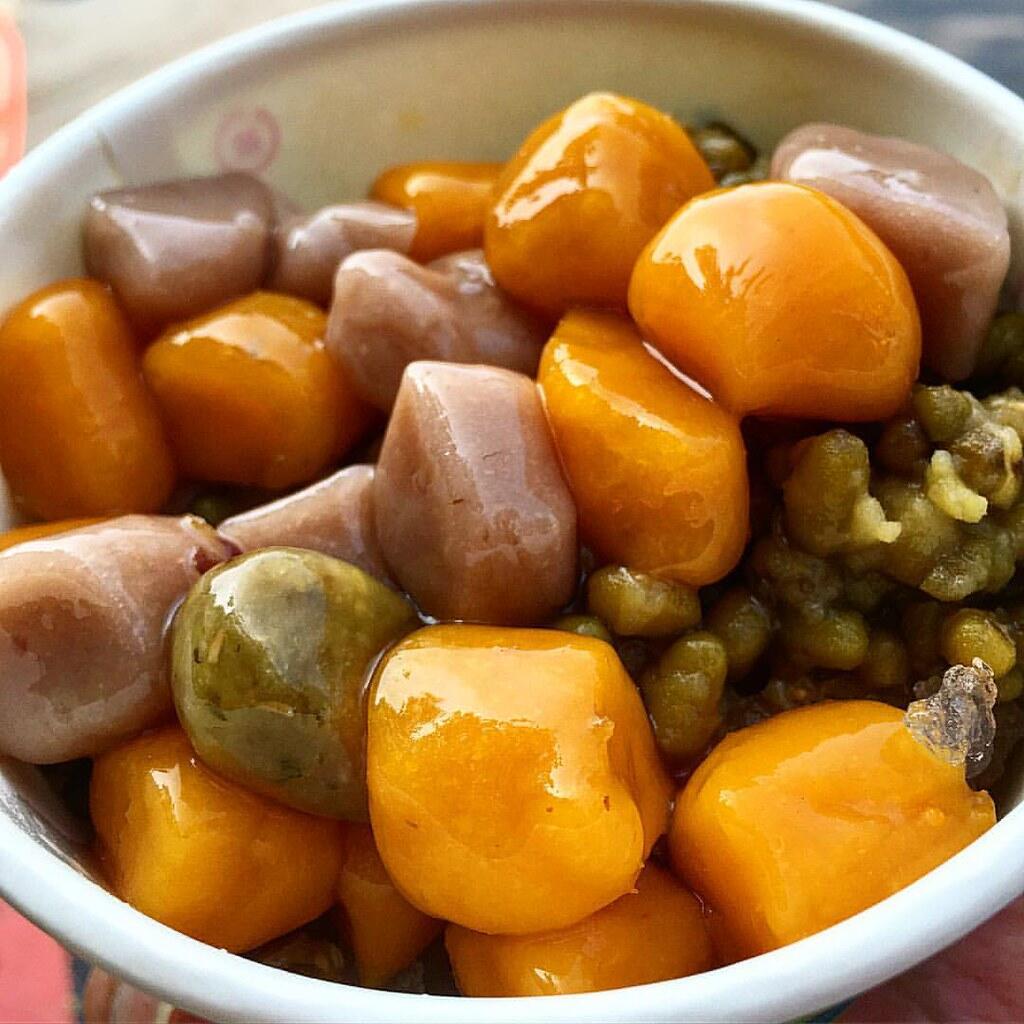
Made with ingredients like taro roots, pumpkin, and sweet potato, the Yam balls are another Chinese snack that lets you play with color and when mixed with tapioca pearls, syrup or milk, they create a soup.
This soup can be served warm or cold over crushed ice) as delicious as many on this list of top Chinese desserts. Look at the cold version of this popular Chinese dessert:
Fancy giving it a go? Here's how:
| Step | Instruction | Time Taken |
|---|---|---|
| 1 | Steam 200g (about 1½ cups diced) taro root and 200g (about 1½ cups diced) orange sweet potato separately until completely tender. | 20 minutes |
| 2 | Mash each into a smooth paste while still hot. | 5 minutes |
| 3 | Mix the mashed taro with 2 tbsp caster sugar and 80g (⅔ cup) tapioca starch. Knead into a smooth dough, adding a little extra starch if sticky. | 5 minutes |
| 4 | Repeat with the mashed sweet potato: mix with 2 tbsp caster sugar and the remaining 80g (⅔ cup) tapioca starch into a smooth dough. | 5 minutes |
| 5 | Roll each dough into ropes about 1cm thick. Cut into small pieces and roll into balls. Keep lightly dusted with starch. | 10 minutes |
| 6 | Bring a large pot of water to a boil. Add balls in batches and cook for 3–4 minutes until they float and are fully translucent. Drain and rinse under cold water. | 5–8 minutes |
| 7 | Combine 400ml (1⅔ cups) coconut milk, 400ml (1⅔ cups) water, and 60g (¼ cup) rock sugar in a saucepan. Warm gently until sugar dissolves. Add 60g (¼ cup) cooked tapioca pearls if using. | 5 minutes |
| 8 | Divide the balls into bowls and ladle the warm coconut soup over top. For a cold version, serve over shaved ice with cold coconut milk. | 2 minutes |
| Tip | Keep the taro and sweet potato doughs separate to create a colourful bowl. Balls can be boiled ahead and stored in cold water — add to the soup just before serving. | — |
🍨 White Rabbit Candy Ice Cream:
Remember that quality does not necessarily come through complexity. Right when you think Chinese desserts are only based on traditional century-old recipes, the White Rabbit Candy arrives on this list. Milk and sweetness blend to create a harmonious blend that results in a creamy treat.
One of the Chinese desserts that almost every Chinese child grows up with, and which is often promoted with the phrase "A taste of nostalgia," is a favourite in its ice-cream form among hundreds of Asians.
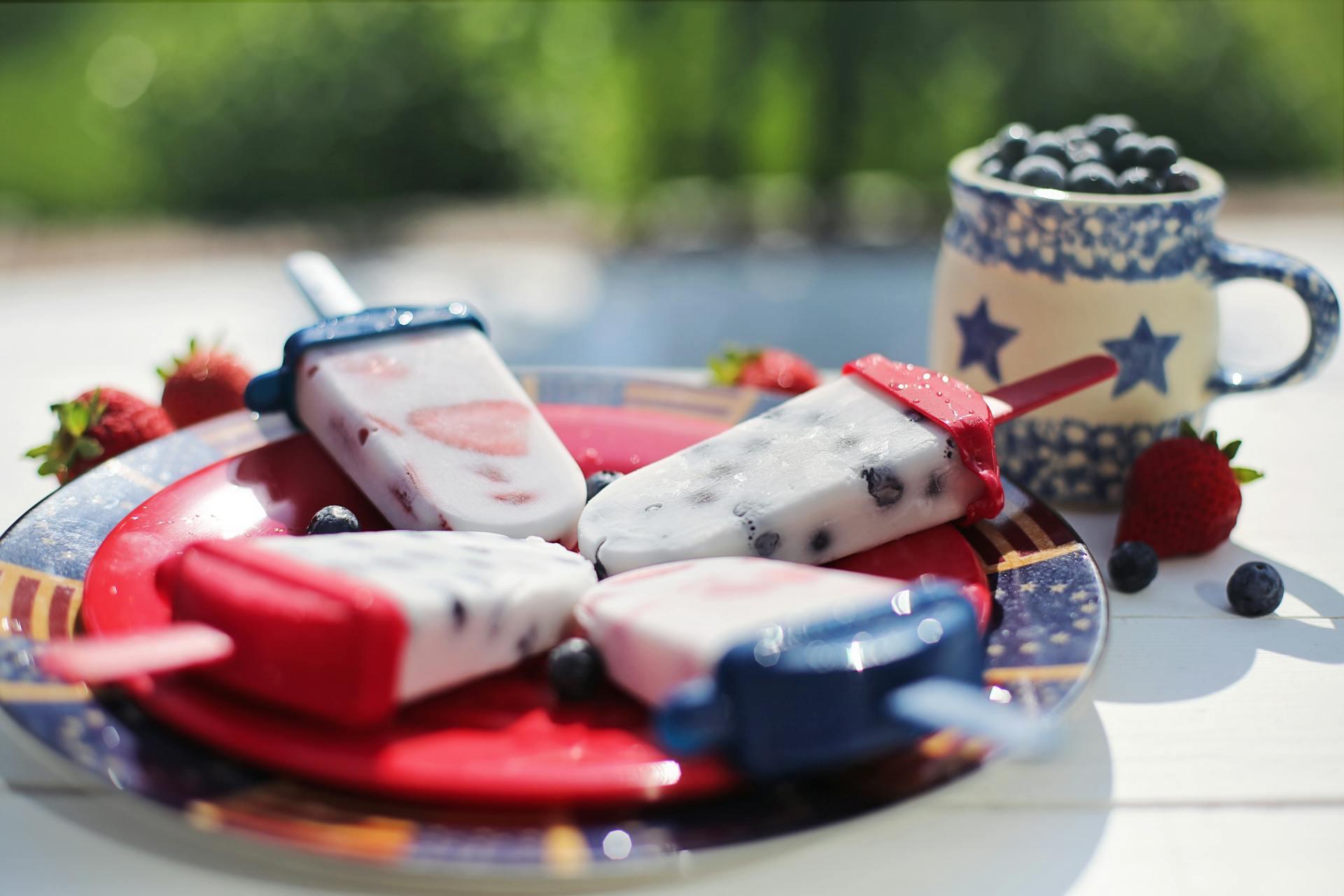
The light, sweet cream flavor of white rabbit ice cream comes in cones, popsicles, or bowls, but many people still make their own version at home by just blending the frozen popsicles with milk, you can too:
| Step | Instruction | Time Taken |
|---|---|---|
| 1 | Combine 20 White Rabbit candies (inner rice paper wrapping does not need to be removed) with 240ml (1 cup) whole milk in a saucepan over low heat. | 10 minutes |
| 2 | Stir continuously until the candies are completely dissolved. Remove from heat, add ½ tsp vanilla extract, and cool to room temperature. | 15 minutes |
| 3 | Refrigerate the candy milk mixture until thoroughly chilled. | 1 hour |
| 4 | In a large bowl, whip 300ml (1¼ cups) heavy whipping cream to stiff peaks. | 3–5 minutes |
| 5 | Fold in 80ml (⅓ cup) sweetened condensed milk gently until just combined. | 2 minutes |
| 6 | Fold the chilled candy milk mixture into the whipped cream until smooth and uniform in colour. | 2 minutes |
| 7 | Pour into a freezer-safe container. Cover and freeze, stirring once every 30 minutes for the first 2 hours for a smoother texture. | 4–6 hours |
| 8 | Scoop into cones or bowls. Garnish with a crushed White Rabbit candy on top. | 2 minutes |
| Tip | The more candies you use the more intense the flavour. No ice cream maker needed — this is a no-churn method. | — |
Sometimes, the simplicity of your favorite childhood candy and ice cream is exactly what you need.
🧑🏼🍳 Xing Ren Dou Fu (Almond Tofu):
Almond tofu is an undiscovered diamond waiting to be found for the Western population. This classic Chinese sweet, a smooth, silky treat, has a subtle almond flavour that entices the senses even for the pickiest eaters.
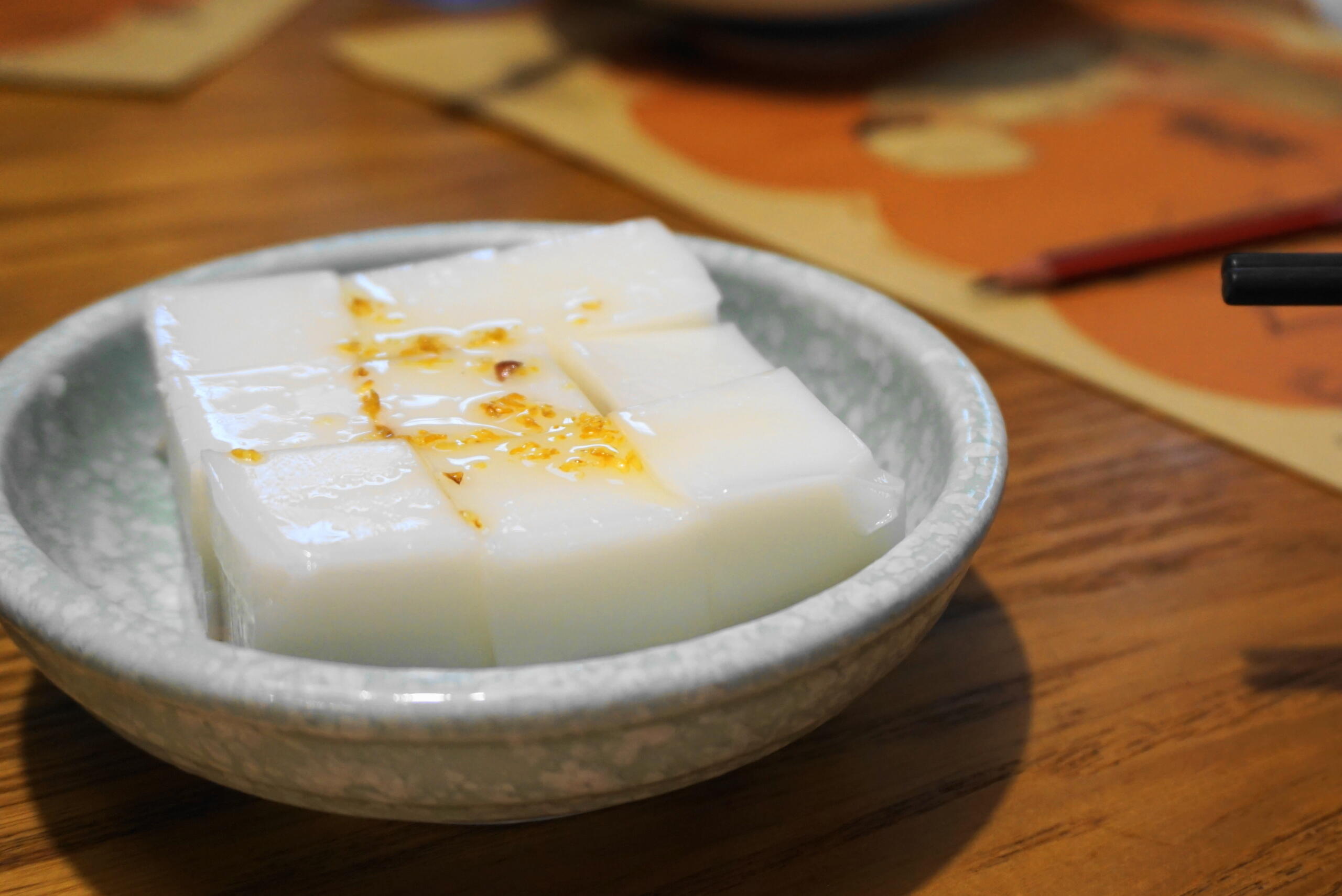
By making your own almond milk and mixing it with a bit of almond extract and sugar, you can have the Almond Tofu cubes ready to serve. You can have it on its own or pair it with various fresh fruits or even osmathus syrup. 👉🏼
Discover the creativity and different traditional cooking methods of Chinese desserts while enjoying the sweet side of tofu!
| Step | Instruction | Time Taken |
|---|---|---|
| 1 | Whisk 4g (1¼ tsp) agar-agar powder into 100ml (7 tbsp) cold water in a small saucepan. Let sit for 2 minutes. | 2 minutes |
| 2 | Bring the agar mixture to a gentle boil over medium heat, stirring constantly until fully dissolved. | 3–4 minutes |
| 3 | In a separate saucepan, warm 500ml (2 cups) unsweetened almond milk with 50g (¼ cup) caster sugar over medium heat until the sugar dissolves. Do not boil. | 5 minutes |
| 4 | Pour the agar mixture into the warm almond milk. Stir in ½ tsp almond extract. Mix gently until fully combined. | 2 minutes |
| 5 | Pour the mixture into a shallow dish or individual moulds. Cool to room temperature. | 20 minutes |
| 6 | Refrigerate until fully set. | 2 hours |
| 7 | Once set, cut into cubes or use a melon baller for rounds. | 3 minutes |
| 8 | Serve in a bowl topped with 1 cup fresh fruit (lychee, mango, or peaches) and a drizzle of 2 tbsp osmanthus or simple syrup. | 2 minutes |
| Tip | Agar-agar sets firmer than gelatin and holds at room temperature — keep chilled until serving. Blend the almond milk before using for extra silkiness. | — |
🍍 Pineapple Cake (Feng Li Su):
Stop by Taipei's busy streets, and you'll easily spot the aroma of sweetness and buttery pastries, mainly thanks to Pineapple Cake, a top seller among the Taiwanese.
This Chinese pastry, a midday snack or holiday delicacy, showcases the island's inventive culinary talent, with its golden crust and sticky, but delicious filling, an example of Taiwan's rich culinary legacy, it's also associated with prosperity, especially when eaten at the New Year celebrations.
| Step | Instruction | Time Taken |
|---|---|---|
| 1 | Beat 120g (½ cup) softened unsalted butter with 50g (⅓ cup + 1 tbsp) icing sugar until pale and fluffy. | 3–4 minutes |
| 2 | Add 2 egg yolks one at a time, beating well after each addition. | 2 minutes |
| 3 | Fold in 200g (1⅔ cups) all-purpose flour, 20g (3 tbsp) milk powder, and a pinch of salt until a soft dough forms. Do not overwork. | 3 minutes |
| 4 | Wrap the dough and refrigerate. | 30 minutes |
| 5 | Divide 240g (¾ cup) thick pineapple jam into 16 balls of approximately 15g each. Set aside. | 5 minutes |
| 6 | Divide the dough into 16 portions of approximately 25g each. Flatten each into a disc, place a pineapple ball in the centre, and carefully wrap and seal. Shape into a smooth log or rectangle. | 15 minutes |
| 7 | Place on a parchment-lined baking sheet. Bake in a preheated oven at 170°C (340°F) until golden. | 15–18 minutes |
| 8 | Cool on a wire rack completely before eating. Store in an airtight tin for up to 5 days. | 30 minutes |
| Tip | The pineapple filling must be very thick and dry. If using store-bought jam cook it down in a pan until it holds its shape before using. | — |
🥛 Cantonese Milk Pudding (Nai Wong):
Widely consumed in Macau and Guangdong province, this Cantonese sweet is also known as Nai Wong. It is also one of the most popular Chinese desserts during New Year celebrations and a clear example of the best techniques in Chinese cuisine, as it only contains milk, eggs, and white sugar.
The flavor of steamed, sleek, creamy milk pudding with a distinctive custard-like texture is a favorite of locals in winter.
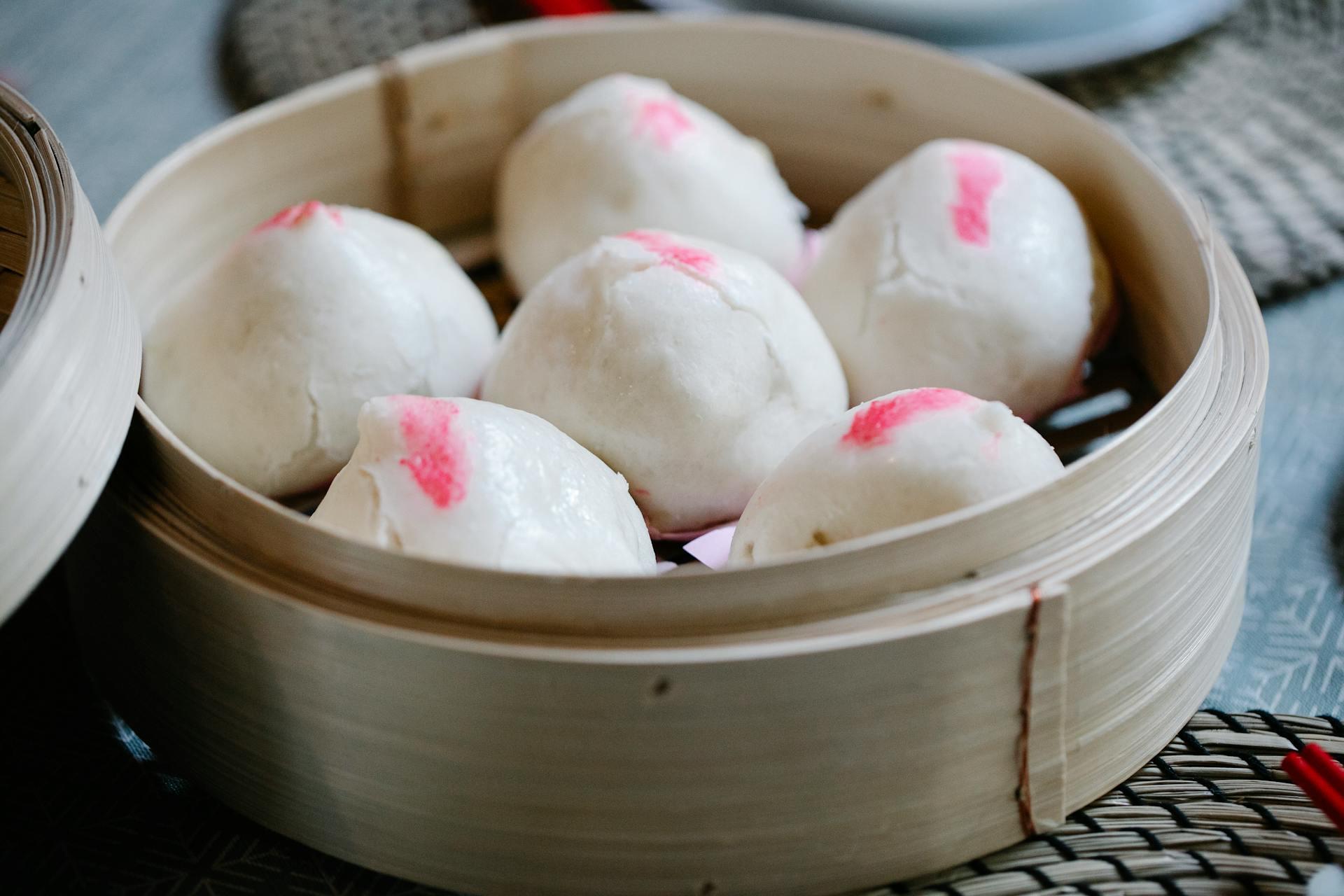
Cantonese Milk Pudding is usually served warm and garnished with a dash of sweet syrup or nutmeg.
| Step | Instruction | Time Taken |
|---|---|---|
| 1 | Gently heat 500ml (2 cups) whole milk with 60g (¼ cup) white sugar over low heat, stirring until sugar fully dissolves. Do not boil. Cool to approximately 60°C (140°F). | 8–10 minutes |
| 2 | Lightly beat 3 eggs in a bowl. Do not whisk vigorously. | 1 minute |
| 3 | Gradually pour the warm milk mixture into the eggs, stirring gently to combine. | 2 minutes |
| 4 | Pass the mixture through a fine-mesh sieve into a pouring jug. Skim any remaining surface bubbles. | 2 minutes |
| 5 | Pour into 4 individual ramekins or ceramic bowls. Cover each tightly with plastic wrap. | 3 minutes |
| 6 | Set up a steamer over medium-low heat. Steam over low, gentle heat until the pudding is just set with a slight jiggle in the centre. | 12–15 minutes |
| 7 | Serve warm drizzled with sweet syrup or a grating of nutmeg, or cool and refrigerate to serve chilled. | 2 minutes |
| Tip | Covering the bowls prevents condensation drips which ruin the smooth surface. Gentle steam is essential — too much heat causes unsightly bubbles. | — |
🥣 Red Dates and Longan Sweet Soup (Hong Zao Long Yan Tang):
A classic in the Chinese kitchen, the Red Dates and Longan Sweet Soup pot sits as a favorite for its comforting properties. Chinese sweet dishes are not just demonstrations of techniques or aromas, but also of the connection the Chinese have with traditional medicine through their gastronomy.
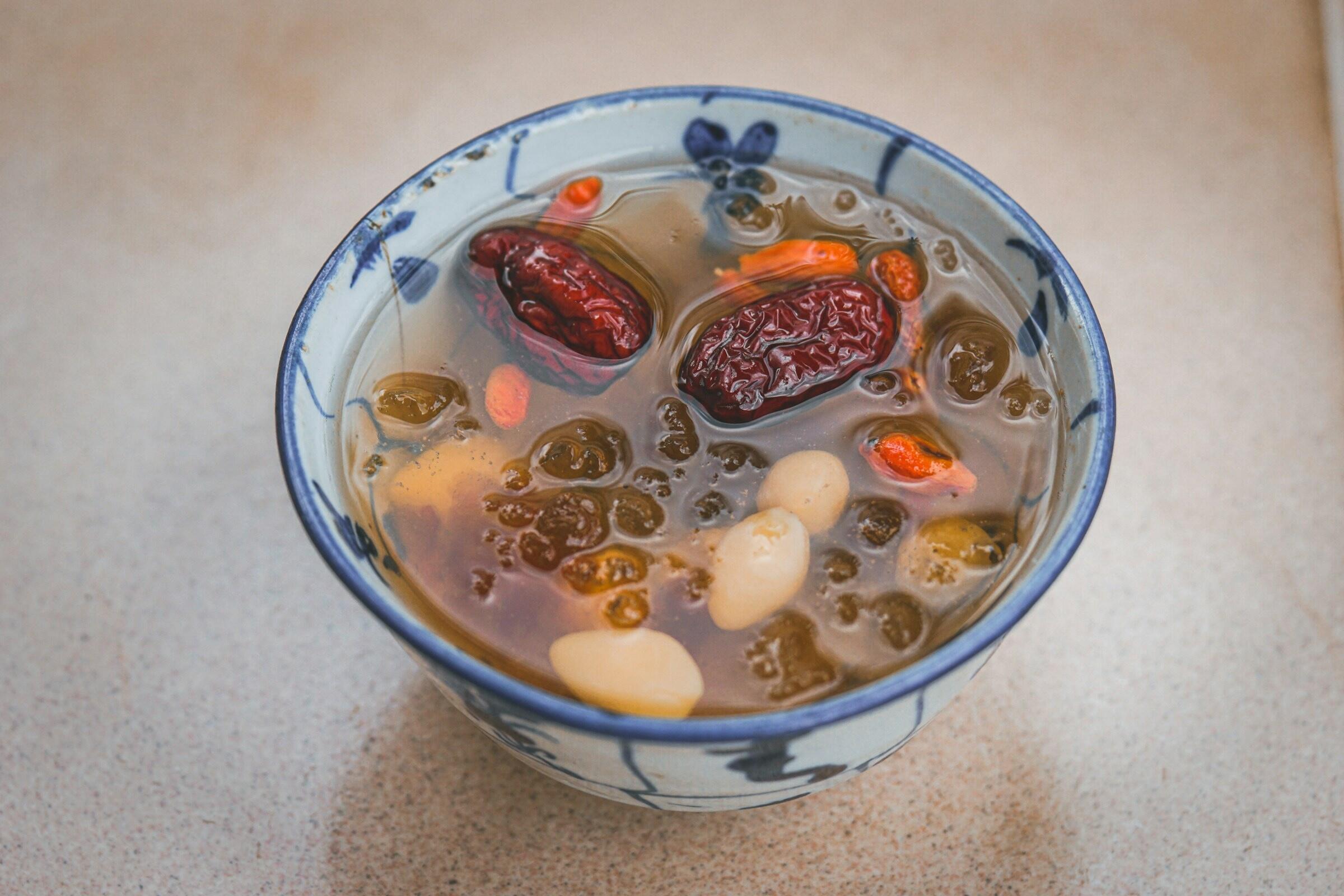
Desserts like Red Dates and Longan Sweet Soup are more than that; they can help treat cold symptoms or provide hydration. This filling dessert soup is an appreciation of life and health.
This traditional Chinese dish, served hot or cold, is often enhanced with snow fungus, rock sugar, and goji berries.
| Step | Instruction | Time Taken |
|---|---|---|
| 1 | Rinse 15 pitted dried red dates (jujubes) and 30g (¼ cup) dried longan flesh. | 2 minutes |
| 2 | Soak 1 piece snow fungus (tremella) in cold water until fully expanded. Drain, trim and discard the hard yellow base, and tear into bite-sized pieces. | 1 hour |
| 3 | Rinse 2 tbsp goji berries and set aside. | 1 minute |
| 4 | Combine red dates, longan, snow fungus pieces, and 1.2 litres (5 cups) water in a medium pot. Bring to a boil. | 10 minutes |
| 5 | Reduce heat and simmer with the lid slightly ajar. | 1 hour |
| 6 | Add goji berries and 60g (¼ cup) rock sugar. Stir until fully dissolved. Simmer for a further 10 minutes. | 10 minutes |
| 7 | Ladle into bowls and serve warm in winter, or cool completely and refrigerate to serve chilled in summer. | 2 minutes |
| Tip | Snow fungus expands dramatically when soaked — always soak before cooking. Trim the hard yellow base completely as it is bitter. | — |
🍚 Rice with Eight Treasures (Ba Bao Fan):
One of the treasures of Chinese cuisine is a colorful dish called Eight-Treasure Rice, which represents prosperity and abundance.
Another traditional Lunar New Year dessert that, of course, uses the star ingredients of Chinese desserts: red beans and rice, as well as dried fruits and nuts.
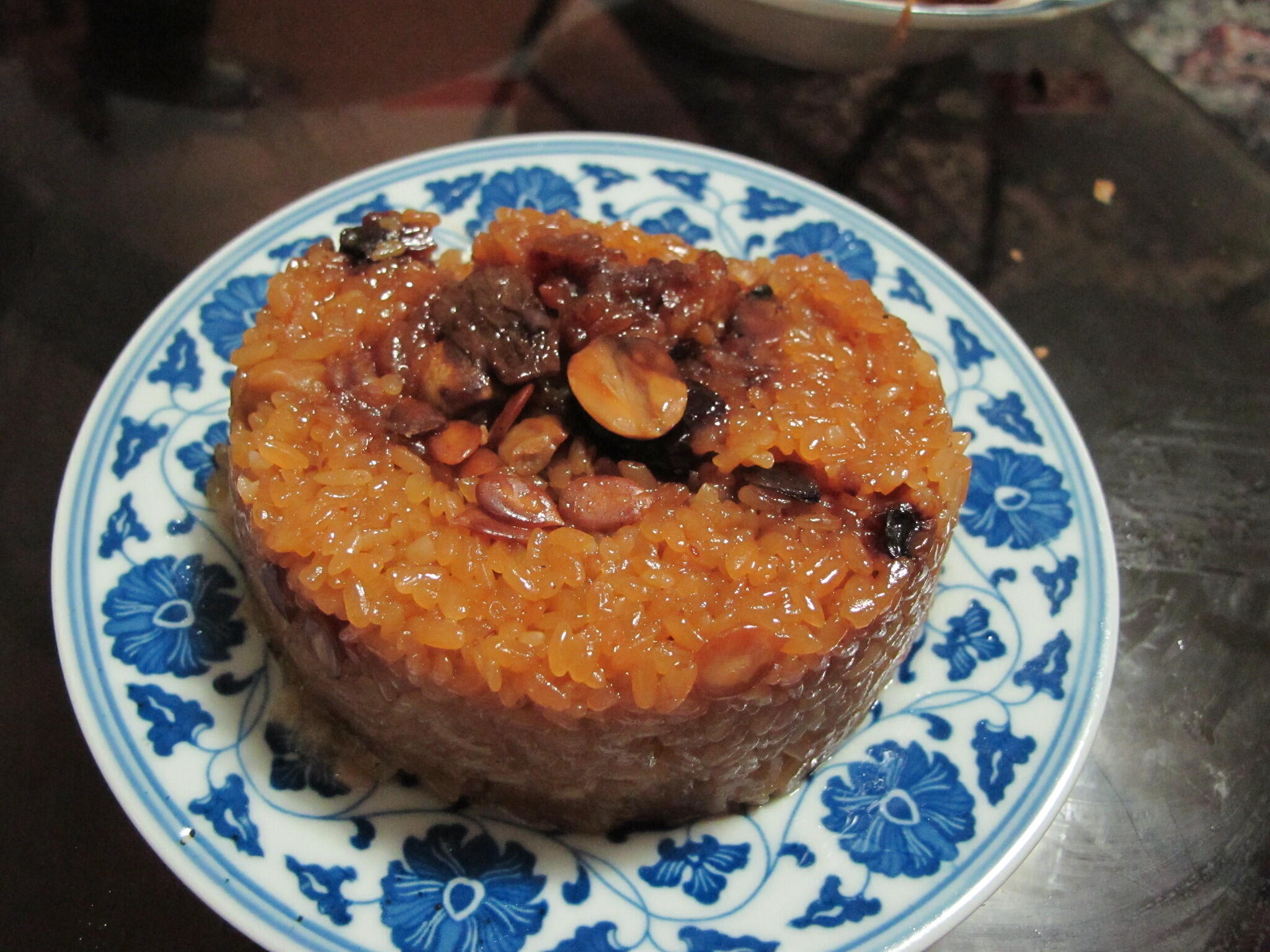
This stuffed dessert, perfectly cooked and garnished with an assortment of toppings, praises prosperity and wealth.
| Step | Instruction | Time Taken |
|---|---|---|
| 1 | Rinse 300g (1½ cups) glutinous rice and soak overnight in cold water. Drain before cooking. | 8 hours (overnight) |
| 2 | Steam the drained rice until just cooked but still slightly firm. | 20 minutes |
| 3 | While the rice is still hot, toss with 30ml (2 tbsp) vegetable oil and 40g (3 tbsp) rock sugar until evenly mixed. | 3 minutes |
| 4 | Generously grease a deep heatproof bowl with extra vegetable oil. Arrange 8 pitted dried dates, 8 dried apricots, 40g (¼ cup) dried cranberries, 40g (¼ cup) cooked lotus seeds, and 40g (¼ cup) walnuts or almonds in a decorative pattern on the base and sides. | 10 minutes |
| 5 | Press half the seasoned rice over the fruit and nut layer, creating an even base. | 3 minutes |
| 6 | Create a well in the centre of the rice and fill with 200g (¾ cup) red bean paste. | 2 minutes |
| 7 | Cover with the remaining rice and press down firmly to compact. | 2 minutes |
| 8 | Place the bowl in a steamer, cover, and steam over high heat until heated through and cohesive. | 40–45 minutes |
| 9 | Run a knife around the edge, place a serving plate on top, and invert confidently. The eight treasures should be displayed on top. Serve warm. | 2 minutes |
| Tip | The eight treasures are flexible — use any combination of dried fruits, nuts, and beans totalling about 200g. Lard can replace oil for a more traditional flavour. | — |
🥭 Mango Pomelo Sago:
In southern China, a dessert called Mango Grapefruit Sago embodies summertime all year long. Although Chinese desserts are often described as traditional, the mango-grapefruit combination is relatively recent and a favorite among Cantonese people, as well as in the Philippines, where mangoes are much more abundant.
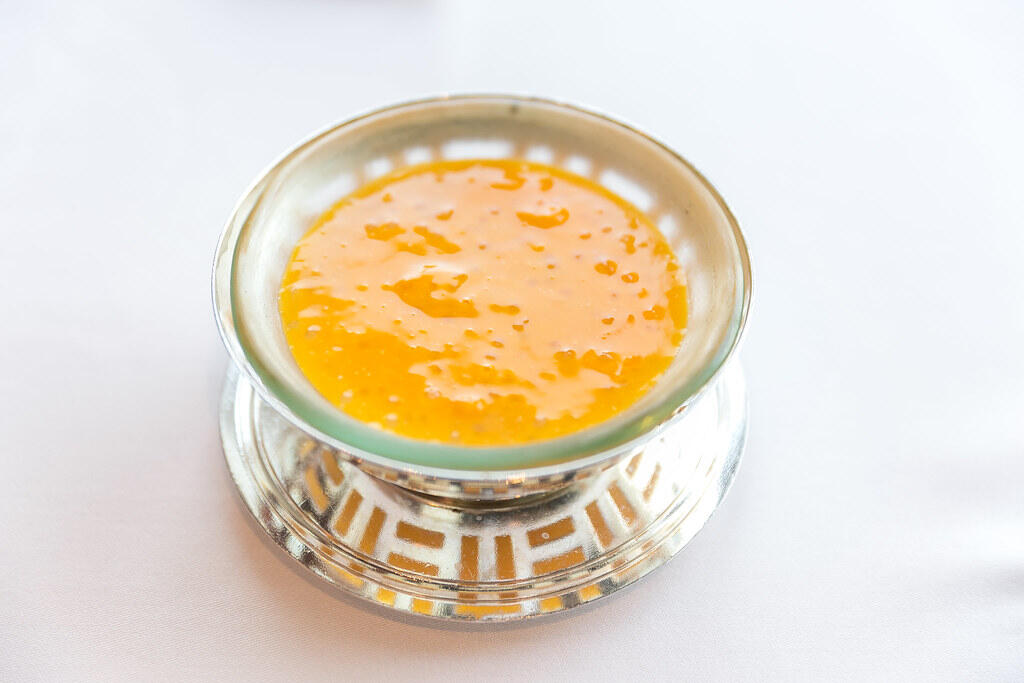
This cool treat is a symphony of tastes and textures. The original recipe includes mangoes, small tapioca pearls (sago), coconut cream, evaporated milk, sugar, and a pinch of salt.
You can make a homemade version of Mango Pomelo Sago with the listed ingredients, but it is also available as a purée, a jelly slushy or a bubble tea topping, among other commercial options.
| Step | Instruction | Time Taken |
|---|---|---|
| 1 | Boil 60g (¼ cup) small tapioca (sago) pearls in a large pot of water until translucent with only a tiny white dot remaining. | 10–12 minutes |
| 2 | Drain and rinse the sago under cold water. Set aside. | 2 minutes |
| 3 | Peel and dice 2 ripe mangoes. Blend until completely smooth. Dice the third mango and reserve for topping. | 5 minutes |
| 4 | In a large bowl, combine 200ml (¾ cup) coconut cream, 100ml (7 tbsp) evaporated milk, 40g (3 tbsp) caster sugar, and a pinch of salt. Stir until sugar dissolves. | 3 minutes |
| 5 | Fold the mango purée into the coconut mixture until fully combined. | 2 minutes |
| 6 | Stir in the cooked sago pearls. | 1 minute |
| 7 | Refrigerate until well chilled. | 1 hour |
| 8 | Spoon into bowls. Top with reserved diced mango and 1 cup pomelo segments. Serve immediately. | 3 minutes |
| Tip | Pomelo can be substituted with grapefruit. Strain the mango purée through a sieve for an extra silky base. Serve very cold for best flavour. | — |
🍲 The Lu Dou Tang (Mung Bean Soup):
Mung bean soup is based on a generation-old custom in dizzy rural Chinese villages.
Whether loved as an afternoon snack on a summer's day, as a remedy for the winter blues, or to relieve cramps, the sweet comfort soups like the Lu Dou Tang are a Chinese specialty.
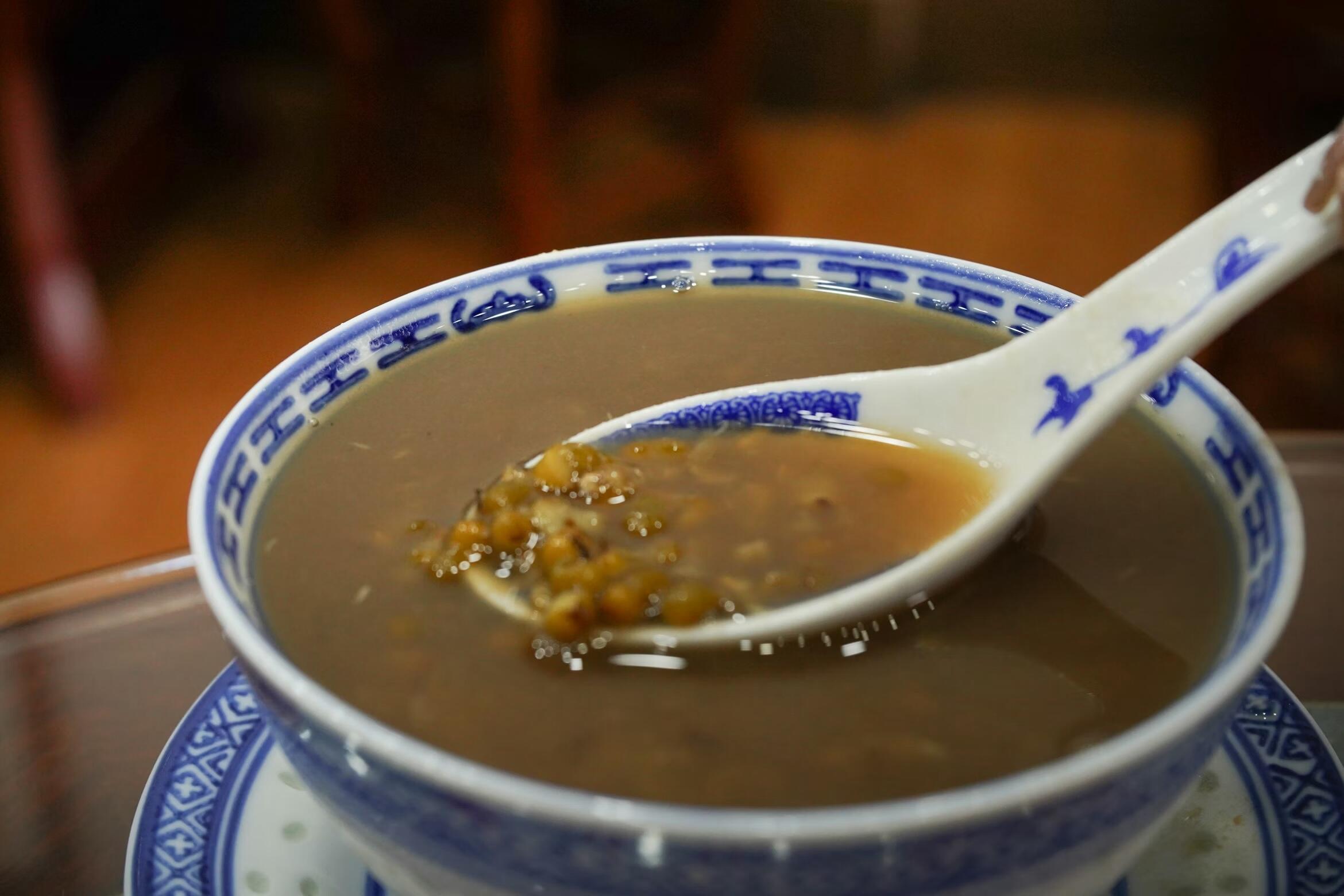
Soak mung beans overnight, boil them with rock sugar or brown sugar (or even agave syrup), and finish with goji berries or dried tangerine peel.
| Step | Instruction | Time Taken |
|---|---|---|
| 1 | Rinse 200g (1 cup) dried mung beans and soak in cold water overnight or for a minimum of 4 hours. Drain before cooking. | 4–8 hours |
| 2 | Combine drained mung beans with 1.5 litres (6 cups) water and 1 piece dried tangerine peel (chen pi) in a pot. Bring to a vigorous boil over high heat. | 10 minutes |
| 3 | Reduce to medium-low heat and simmer uncovered, stirring occasionally, until beans are fully soft and beginning to burst open. | 1 hour |
| 4 | Add 80g (⅓ cup) rock sugar or brown sugar and stir until fully dissolved. | 2 minutes |
| 5 | Add 1 tbsp goji berries if using and simmer for a further 5 minutes. | 5 minutes |
| 6 | Remove the tangerine peel. Serve hot in winter, or refrigerate and serve cold over ice in summer. | 2 minutes |
| Tip | Leaving the pot uncovered keeps the broth a bright golden-green colour. Cover the pot for a thicker more porridge-like texture. | — |
🌾 Black Sesame Soup (Hei Zhi Ma Tang):
At markets or food corridors in cities like Guangzhou or Shantou, you'll smell the characteristic roasted sesame filling the air.
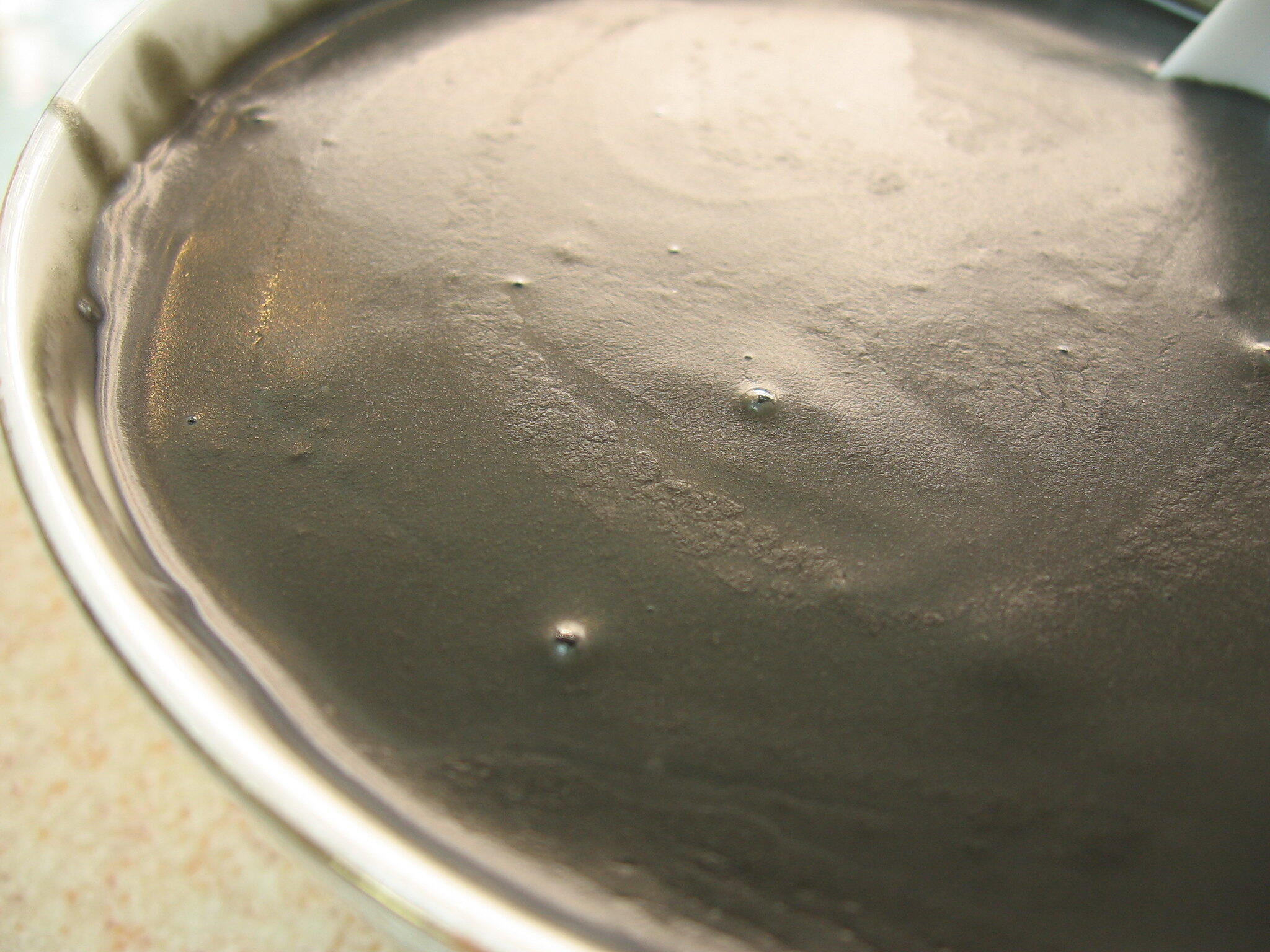
The Black sesame soup is one of the most well-known traditional Chinese desserts from the Cantonese region and one of the easiest Chinese recipes to follow.
Toast the black sesame seeds over low heat until they look like they're about to pop, then blend them with rice, brown sugar, and water, and simmer gently; it's ready in just 5 minutes.
This authentic Chinese dessert, a satiny pudding with a pudding texture, sweetened with brown sugar, is a traditional treat that can be enjoyed hot on a cool evening or chilled on a hot day.
| Step | Instruction | Time Taken |
|---|---|---|
| 1 | Rinse 30g (2½ tbsp) uncooked white rice and soak in cold water. Drain. | 30 minutes |
| 2 | Toast 100g (¾ cup) black sesame seeds in a dry pan over low heat, stirring constantly, until they begin to pop and release a nutty aroma. Remove immediately from heat and cool. | 3–4 minutes |
| 3 | Combine the toasted sesame seeds, drained rice, and 700ml (3 cups) water in a high-powered blender. Blend on high until very smooth. | 2 minutes |
| 4 | Optional: pour the blended mixture through a fine sieve into a saucepan for an ultra-smooth texture. | 2 minutes |
| 5 | Add 60g (¼ cup) brown sugar or rock sugar and bring to a gentle simmer over medium heat, stirring constantly. | 5 minutes |
| 6 | Stir continuously until the soup thickens to a velvety, pudding-like consistency. | 3–5 minutes |
| 7 | Pour into bowls and serve hot, or chill and serve cold. | 2 minutes |
| Tip | Toast the sesame seeds only until they just start to pop — this releases their oils and deepens the flavour. Do not over-toast or they will turn bitter. | — |
Discover more of the best recipes of traditional Chinese cuisine, like Sweet Potato Soup with its characteristic flavour enhanced by ginger, and honour the harvest season while sharing a top dessert.
When you embark on your culinary journey, remember that Superprof's Chinese cooking instruction can help you become an expert in Chinese desserts. Uncover the mysteries of authentic techniques and flavours, and let your kitchen transform into a haven inspired by the rich traditions of Chinese cooking.
References
- Beijing Tourism. Bring "Beijing Flavor" Back Home - Tanghulu (16-02-2023) Available at: https://english.visitbeijing.com.cn/article/4BitiICeDkI (Accessed: November 2025).
Summarize with AI:
Did you like this article? Leave a rating!


 Loading...