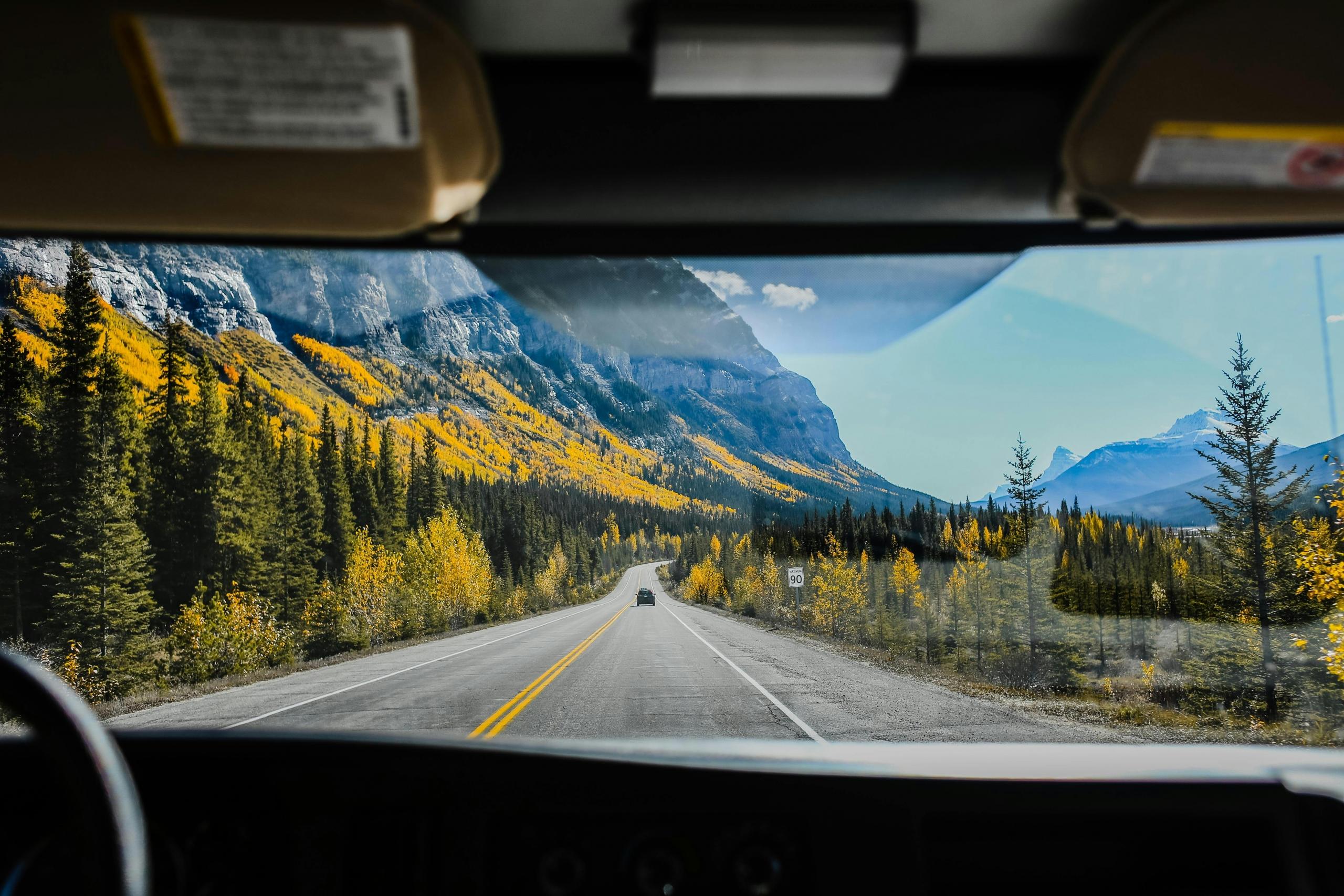

There are few things better in Canada than the freedom of the open road. The country has some of the most diverse and spectacular scenery you will encounter in the world, and there are thousands upon thousands of miles to traverse.
Road trips are also one of the best ways to experience a place, its culture, and its food. You will get to know the landscape intimately well, all from the comfort of your own vehicle. Road trippers also get the joy of stopping where they want to catch a view, cultural festival or a sunset photo, or grabbing a meal from a local restaurant.
So what are the best road trips in Canada? We have selected four of the most special and memorable routes you can experience. Even if you are Canadian, you may be surprised to learn about what you will see without having to take your passport out!
This article is all about what you’ll see and experience on Alberta’s iconic Icefields Parkway, Nova Scotia’s Cabot Trail, Yukon’s Dempster Highway, and Quebec’s Route 132 around the Gaspé Peninsula.





Drive the Icefields Parkway in Alberta
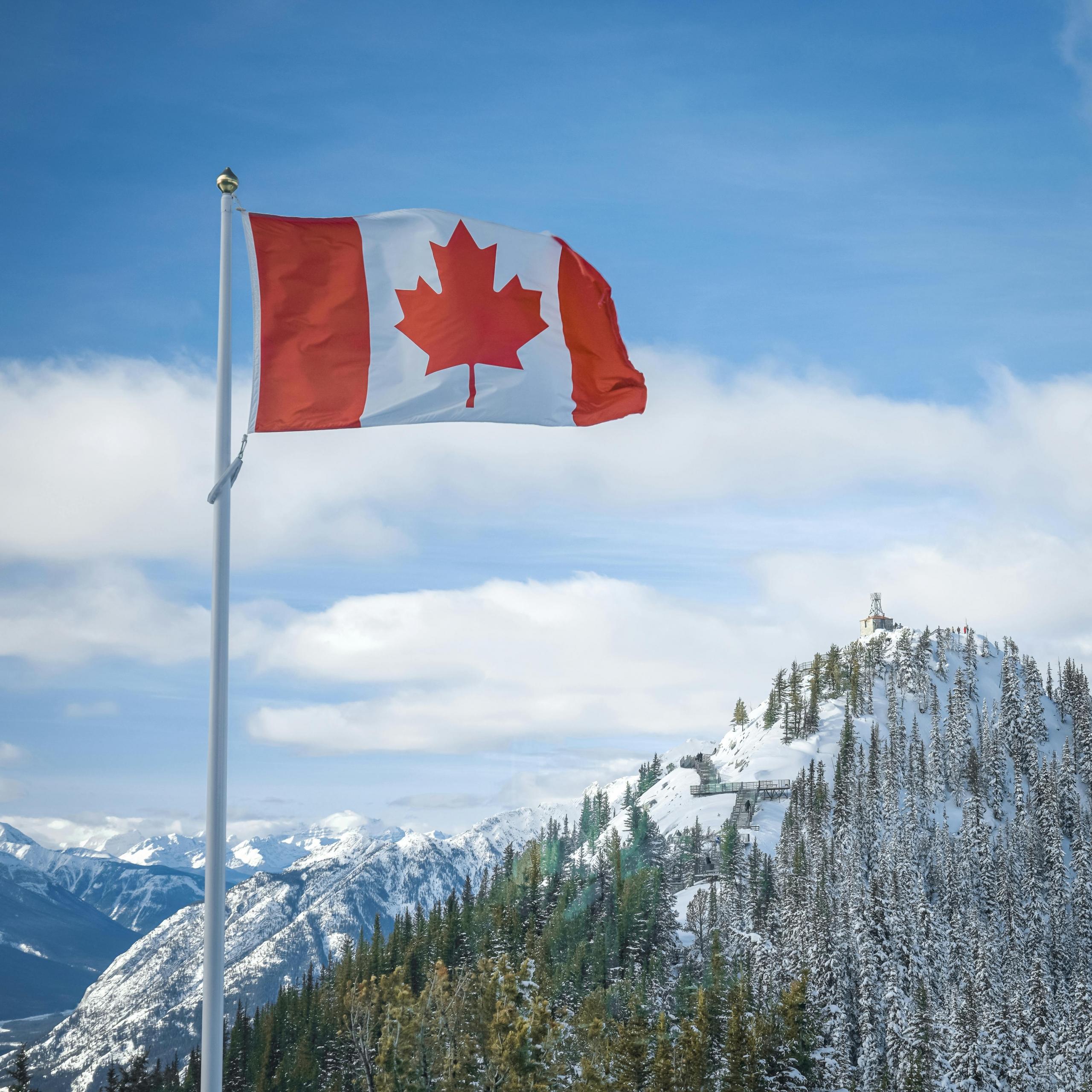
Most Icefields Parkway road trips start in Calgary, Alberta, where you'll find the nearest international airport. It is a relatively short 1.5 hour drive from Calgary to Banff.
The area around Calgary is surprisingly flat and uneventful. As the hills give way to mountain peaks, you will soon find yourself surrounded by towering peaks.
When you enter Banff National Park, consider buying an annual pass so you can seamlessly park and hike around Banff, Yoho, and Jasper National Parks.
If you aren't a fan of Banff's touristy crowds, consider spending your first day in Yoho National Park. Located east of Banff National Park and on the border of British Columbia, Yoho is the perfect start to any Icefields Parkway adventure. Emerald Lake, Takakkaw Falls, and Natural Bridge are just a few attractions you can visit.
Head to Lake Louise after Yoho or Banff, where you can connect to the Icefields Parkway (be sure to stroll Lake Louise first!). Then, you can start making your way north to Jasper.
Must See: Bow Lake and Bow Glacier
As you head north toward Jasper on the Icefields Parkway, stop by Bow Glacier, which sits in the mountains above Bow Lake. Bow Lake's turquoise waters, surrounded by jagged peaks and lush forest, are truly a sight to behold. Hike the Bow Glacier Falls trail and enjoy the breathtaking views!
Want to stay a bit longer? Book a room at the historic Num-Ti-Jah Lodge, or visit the hotel cafe or restaurant for a fabulous meal or steaming cup of coffee after a day of exploring.
Experience Peyto Lake
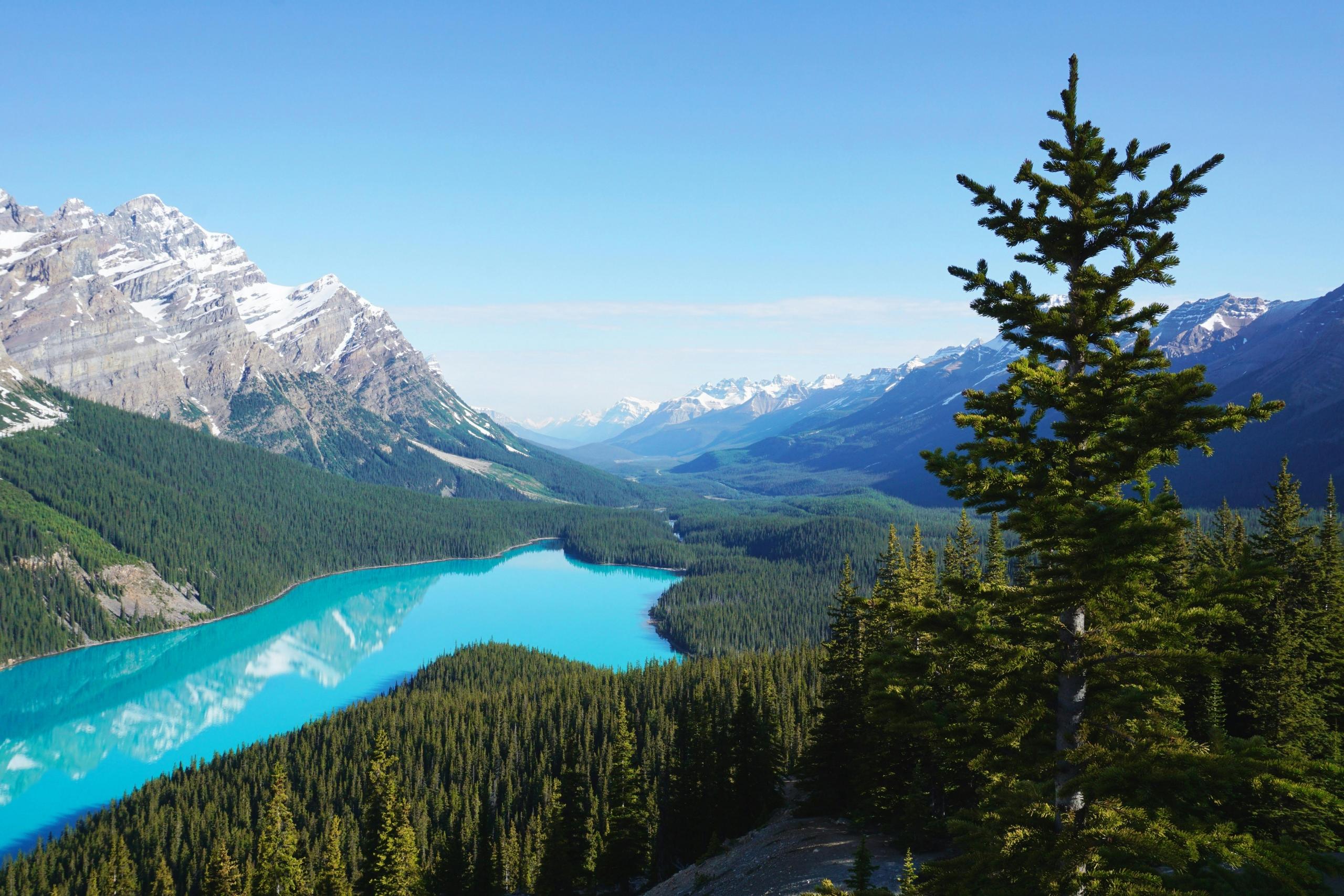
Peyto Lake is one of the most beautiful in the Rockies - which is a hard feat to accomplish when you consider how many lakes there are! Shaped mysteriously like a wolf's head, Peyto Lake is known for its splendid colour and the view from the Bow Summit.
Visit the Athabasca Glacier and Columbia Icefield
80 kilometers up the Icefields Parkway will bring you to the Athabasca Glacier. It is part of the Columbia Icefield, one of the largest in North America.
The Columbia Icefield is the largest south of the Arctic Circle. You can explore the Athabasca Glacier on foot, or take a ride in the Ice Explorer - a massive vehicle designed for exploring glaciers.
The Columbia Icefield Centre and Natural History museum is also there for those that want to understand the sheer scope and size of the icefield and its fascinating wildlife. You'll also find the Glacier Skywalk, a glass-floored observation deck with incredible views of the region.
The Dempster Highway, stretching over 700 kilometers, connects Dawson City in Yukon to Inuvik in the Northwest Territories - a once-in-a-lifetime Arctic adventure.
Final Stop: Jasper
End your Icefields adventure in Jasper, a charming alpine town in the heart of Jasper National Park. With luxury hotels, mountain views, and natural attractions all around, Jasper is the perfect spot to rest your feet after long hikes and drives.
Icefields Parkway tips
- Plan for at least 6–8 hours to complete the drive, including stops.
- Weather in the Rockies can change quickly, so check forecasts before setting out.
- The Icefields Parkway passes through Banff and Jasper National Parks, so ensure you have a valid Parks Canada pass.
Try Road-Tripping Nova Scotia’s Cabot Trail
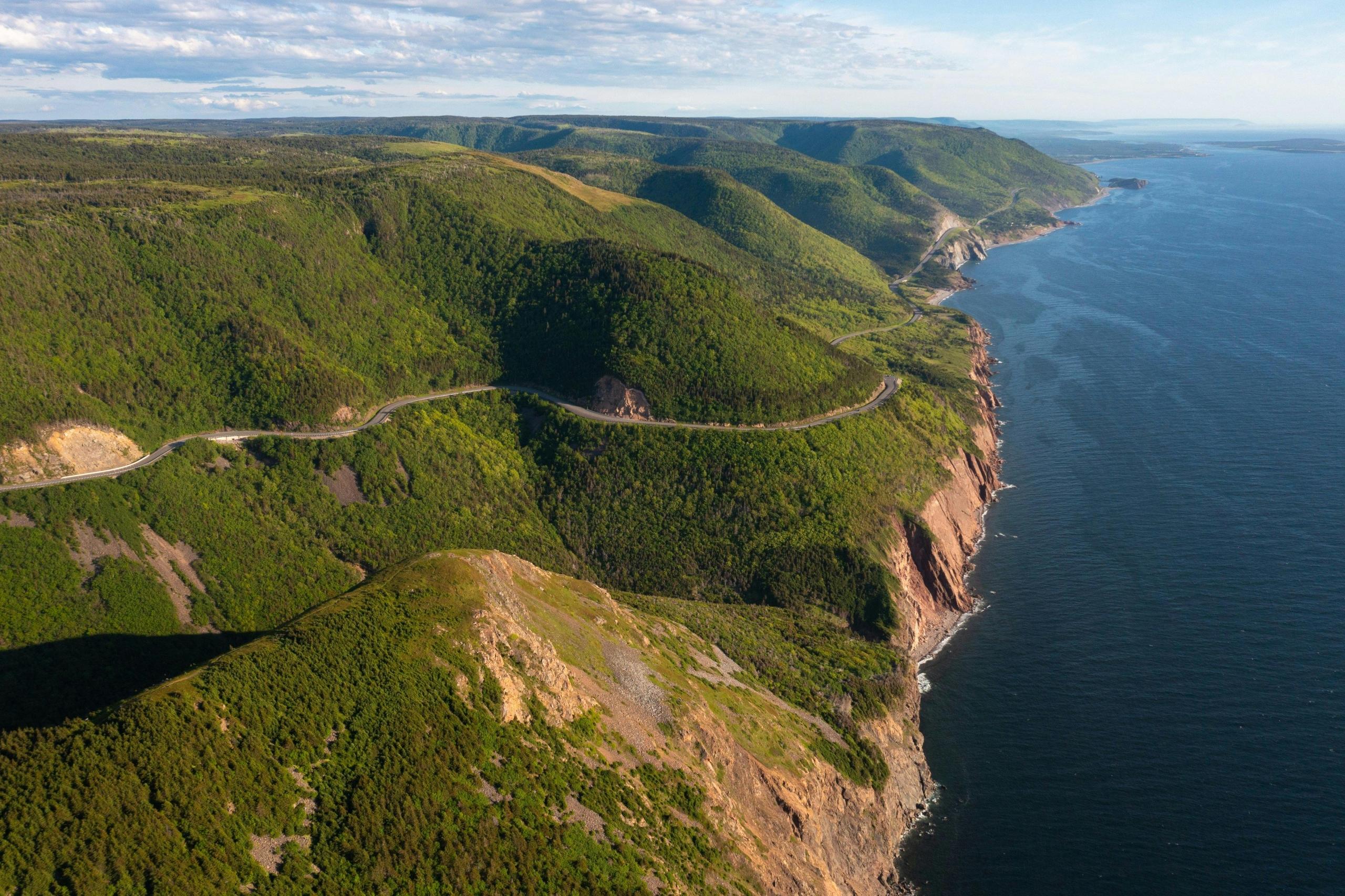
The Cabot Trail is a special place that blends vibrant maritime culture, natural scenery, and a side of Canadian history that is often underexplored. Named for explorer John Cabot, the Cabot Trail takes drivers through wondrous Cape Breton island.
Start with Cape Breton Highlands National Park
Cape Breton Highlands National Park is a must-do for anyone visiting the Cabot trail. The park contains the Franey and Skyline trails, two of the area’s most popular attractions.
The Franey Trail is a rugged climb where you will see panoramic views of the Atlantic Ocean and the Clyburn Brook Canyon. Plan your day well ahead of time and arrive early - parking can be scarce.
Check Out the Alexander Graham Bell National Historic Site
Did you know that the inventor of the telephone, Alexander Graham Bell, spent many summers in Baddeck, Nova Scotia?
Located conveniently on the Cabot Trail, the historic site features a collection of artifacts, inventions, and photos of the famous inventor. There is also an interpretive garden and viewing deck where you can catch a view of the Bell’s family home.
Visit the Margarees
The Margarees is a region that includes the gorgeous Margaree river, a tight-knit community, and unforgettable sandy beaches. Seafood is top-notch -enjoy a meal of fresh trout from the Old Miller Trout Farm, or make the trip up to Cape Clear for a spectacular view.
If you plan to stay awhile, check out the area’s developing luxury accommodations scene, such as Valley View Chalets or “glamp” at Live Life with Tents.
Experience History at the Acadian Village of Chéticamp
Chéticamp is a charming Francophone Acadian village located on the Cabot Trail, and is famous for its traditional music, food, and crafts. Visit the La Société Saint-Pierre Museum, where you'll learn the tumultuous story of the Acadian people.
Taste local cuisine, such as rappie pie or fricot, and burn off the calories while catching views of the St. Lawrence River.
The Icefields Parkway, stretching 232 kilometers between Banff and Jasper, is known as one of the most scenic drives in the world.
Cross into the Arctic Circle on the Yukon's Dempster Highway
The Dempster Highway is a true bucket-list favourite for road-trippers. How many people can say they have visited the Arctic Circle?
But more than a drive to the far North, the Dempster Highway is a scenic adventure down a long gravel road that traverses mountains, gold rush towns, and endless unspoilt wildlife. Let's explore all the main stops.
Kick off the Drive in Dawson City
The road trip begins in historic Dawson City, a town known for its connection to the Klondike Gold Rush. Museums, gold mine tours, and activities like dog sledding and river tours are just a few things you can do in this town.
Perhaps most importantly, Dawson City is a great place to rest, fuel up, and buy some provisions for the long journey ahead.

Must-See Yukon: See Tombstone Territorial Park
Once you’ve had some fun and relaxation in Dawson City, get to on the Dempster Highway by heading to Dempster Corner, 40 km from town.
From there, drive north to Tombstone Territorial park - a place of jagged mountain terrain and sub-arctic flora and fauna. Behold the peak of Tombstone Mountain at the North Fork pass viewpoint, which looks as foreboding as the name suggests. You may also just run into a moose, marmots, eagles, or pika!
Canada's True North - the Arctic Circle
The Arctic Circle is just about as remote and northerly as you can get on a road in Canada. Marked by a famous highway sign, this is a great time to reflect on nature and how far north you truly are.
If you are there around the time of the Summer Solstice, expect to experience some of the longest hours of sunlight.
The Cabot Trail, a 298-kilometer road in Nova Scotia, will bring you to dramatic coastal views and charming seaside villages.
On June 21, the sun does not dip below the horizon at this latitude for six weeks. The crossing marks the southernmost latitude where the sun can stay continuously below or above the horizon for 24 hours. The seemingly never-ending daylight in summer and nighttime in winter are known as the Midnight Sun and the Polar Night.
Stop in Inuvik
Once you arrive in Inuvik in the Northwest Territories, you will have completed the Dempster Highway. Located just south of the treeline and Arctic Tundra, Inuvik is home to a vibrant Indigenous community and is the traditional land of the Inuvialuit, Gwich’in and Metis people.
From here, you can continue driving further north on the Inuvik-Tuktoyaktuk Highway (“Road to Tuk”), which will take you to the Beaufort Sea and Arctic Ocean.
Experience the Gaspé Peninsula on Quebec’s Route 132
Quebec's Route 132 through the Gaspé Peninsula is a road trip that may be unfamiliar to many Canadians. A coastal route that takes you well past the cities of Montreal and Quebec City, Route 132 will show you a side of Quebec you have never seen before!
It is useful to consider Route 132 in two sections along the Gaspé Peninsula:
Northern Shore (Rivière-du-Loup to Sainte-Anne-des-Monts): Known for its scenic views of the St. Lawrence River.
Southern Shore (Percé to Matapédia): Famous for its dramatic cliffs, quaint villages, and proximity to key attractions.
Starting your Journey: Rivière-du-Loup
Rivière-du-Loup is a town on the Gaspé Peninsula with gorgeous scenery and exciting outdoor activities.
Downtown Rivière-du-Loup is full of Quebecois provincial charm, with bustling cafe and restaurant patios in the the summer months. Try hiking or birdwatching in Kiskotuk Coastal Park.
Route 132 loops around the Gaspé Peninsula, providing stunning views of the Gulf of St. Lawrence and dramatic coastal cliffs.
Go to Parc Bic for Wildlife Sightings
An hour or so eastward heading on Route 132 will take you to Parc Bic, home to seals, birds, rocky beaches, and coves. Kayak, bike, hike, or simply take in the amazing views.
Get a History Lesson at Pointe-au-Père
Pointe-au-Père is part of of the city of Rimouski, and home to the famous Pointe-au-Père lighthouse. The 33 metres tall lighthouse is designated a National Historic Site of Canada, and has a unique design, with eight concrete buttresses.
You can also visit two museums of maritime history: the Empress of Ireland Museum and the HMCS Onondaga.
The Empress of Ireland tells the tragedy of the ocean liner of the same name, which collided with another vessel in 1914 as a result of foggy conditions. 1,012 people perished in the accident. The HMCS Onondaga is a decommissioned navy submarine once used to patrol the Atlantic for Soviet vessels.
See the Turbines of Cap-Chat
Continue driving and you’ll reach Cap-Chat, where you can find Projet Eole, a vertical axis wind turbine. Climb the base of the turbine for regional views - if you’re brave, you might even make your way up 19 ladders to the upper balcony.
The Main Event: Parc National de la Gaspésie
Gaspésie National Park is located near the town Sainte-Anne-Des-Monts, which you’ll encounter as you continue the drive around the peninsula. The park is over 800 square kilometres of rugged mountains, valleys, and thick forests.
Attractions in Gaspésie National Park
Forillon National Park
Sea cliffs, marine animals, and beautiful foilage are just a few things you will find in Forillon. This park is at the tip of the peninsula, and is the perfect reward for those who have made the long journey east.
Go whale watching, explore trails, kayak in the sea, or even go snorkelling. You can also visit a heritage site complete with a typical fisherman’s home and WWII fortifications.
There are also various camping sites where you can pitch a tent and relax in a spectacular natural setting.
Loop Around the Peninsula to the Town of Percé
Continue around the peninsula on route 132 and you will reach the town of Percé and Percé Rock - one of the province’s most notable landmarks. The rock is a gigantic limestone formation in the sea.
Take a boat tour to Percé Rock and Bonaventure Island, which is home to a large colony of birds.
Preparing for your Road Trip
Whether you are on a summer road trip through Quebec or planning a winter journey to Alberta, it is critical that you plan ahead. Here are a few tips for preparing for any road trip.
Make Sure your Car is Functioning and Well-Equipped
The last thing you need on a road trip is a breakdown on the road. If you are taking your own car for the road trip, make sure you check your oil and fluids, tires, and brakes. You’ll also want to make sure you are equipped for any emergency, with flares, a first-aid kit, blankets, and non-perishable snacks.
If it’s summer, it might be a good time to get a summer tune-up where your mechanic does an overall check-up on your car. If you are travelling in winter, make sure your car can handle the road ahead with appropriate winter tires.
Renting a Car
If you are flying to a starting point for your road trip and plan to rent a car, book it well in advance so you know you have a vehicle waiting for you. If you are driving in the winter months or through challenging terrain, consider a larger vehicle such as a sports utility vehicle.
Book Accommodations Ahead of Time
Epic road trips can mean you will spend a night or two away in a hotel, rental, or campsite. Book ahead whenever possible and especially in the high season to ensure you are comfortable every night of your trip.
While driving is an adventure, it can also be tiring - knowing where you will rest your head at night will make the trip even more enjoyable!
Choose your Clothing with Care
Sitting in a car for long periods of time will mean that you will want to be wearing clothing that is comfortable and lightweight, but warm in the colder seasons. Layers are always a good choice, so you can easily remove layers when in the vehicle but quickly bundle up when you get out.
If you are camping and plan to be on the road for awhile, choose pieces that dry easily if you need to wash them. For quick impromptu dips in lakes or rivers, you may want to have a lightweight towel and flip flops close at hand!
Pack your Favourite Snacks and Build a Good Playlist
Preparing healthy snacks and drinks ahead of time will save you money and unnecessary stops on the road. If you have allergies or are health-conscious, stocking up on your favourite goodies is particularly important.
Finally, nothing completes a road trip like good music. Get a good playlist together on your device so you can enjoy the beautiful Canadian scenery with music for all moods.
Consider your Kids
If you are travelling with children, carefully plan out your stops so they are sufficiently entertained. Pack additional activities for the car, games, and incorporate kid-friendly stops like parks and playgrounds. You may also find that you must shorten your trip or perhaps spend more time in cities and towns - little ones can get impatient in the car!
Final Thoughts
There are fewer things more epic than a Canadian road trip. Whether you choose the Icefields Parkway, Cabot Trail, Dempster Highway, or Route 132 - or do all four - you are certain to have an adventure that leads to a lifetime of memories.
Plan your next ultimate Canadian road trip today!
Summarize with AI:
Did you like this article? Leave a rating!

 Loading...