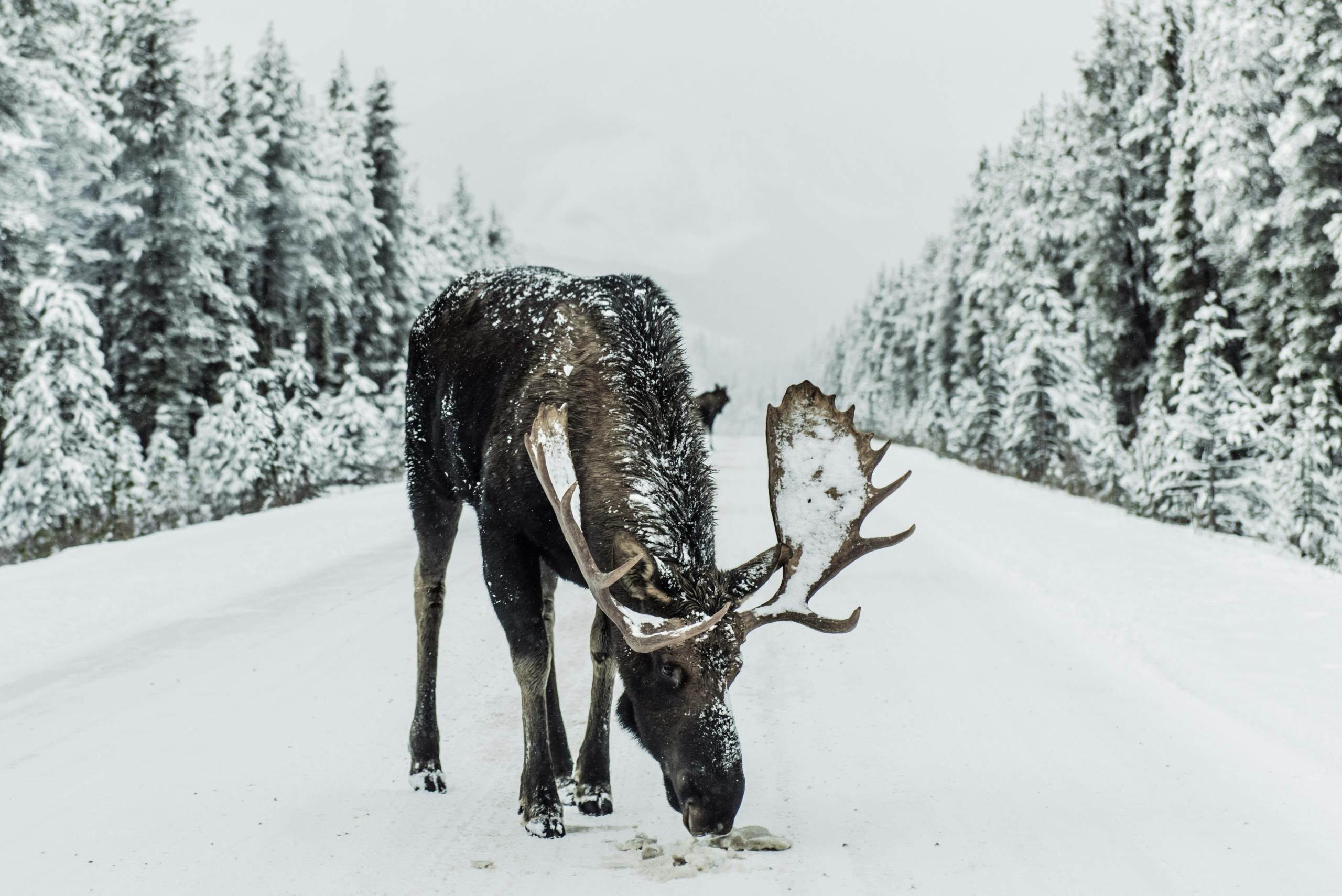

The mighty moose is one of Canada’s most iconic animals, representing strength, resilience, and the wild beauty of the Canadian wilderness. As the largest member of the deer family, with a life expectancy of 15-20 years, it has impressive size and majestic antlers that contribute to its vital role in the ecosystems it inhabits. The moose plays a significant role in the country’s natural heritage, embodying the spirit of adaptation in harsh environments.
Whether you’re exploring Ontario's boreal forests or British Columbia (where the population of moose, as of 2022, was one of the biggest in the country, with an estimate between 115,000 and 192,000), encountering a moose in its natural habitat is an unforgettable experience that connects you to the heart of Canada’s wilderness.








Quick Facts About the Canadian Moose
The Canadian moose is one of the most impressive animals roaming the wilderness of North America. Known for its size and adaptability, this giant of the deer family thrives in the cold northern climates of Canada. Below, we dive into some key facts about the Canadian moose, from their size and behaviour to how they compare with other species.
| Moose characteristics | Details |
|---|---|
| Scientific name | Alces alces |
| Average lifespan | Up to 20 years in the wild |
| Lifespan (alternate estimate) | Up to 15 years in the wild |
| Shoulder height | Almost 2 metres |
| Male weight (bull) | 450–500 kg |
| Female weight (cow) | 340–420 kg |
| Diet type | Herbivore (browser) |
| Summer diet | Herbaceous plants and aquatic vegetation |
| Winter diet | Bark, twigs, buds, and woody browse |
| Social structure | Mostly solitary; cows remain with calves |
| Antlers | Only males grow antlers; shed annually and regrow each spring |
| Unique features | An herbivore, is the largest living member of the deer family Moose's long legs allow movement through deep snow, wetlands, and aquatic habitats The moose is a major browser that influences forest regeneration and ecosystem structure |
Their diet primarily consists of vegetation, including leaves, twigs, and bark from trees like willow, birch, and aspen.
Moose are excellent swimmers and often dive into lakes to feed on aquatic plants like pondweed and water lilies.
How Big Are Canadian Moose?
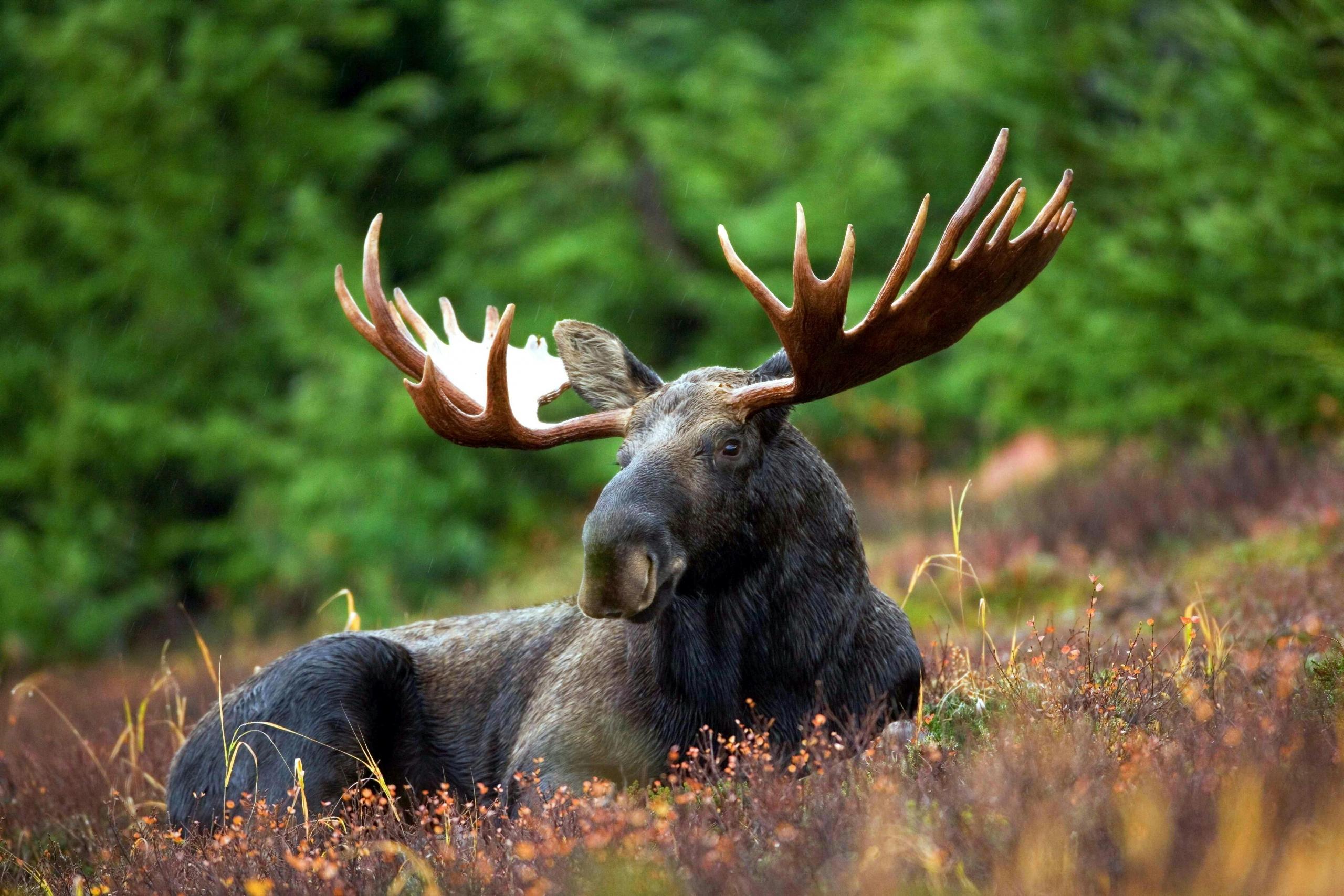
In comparison the caribou, another iconic animal of the Canadian wilderness, are significantly smaller. Caribou generally weigh between 180 and 400 pounds and stand around 3 to 4.5 feet tall at the shoulder. While both species are members of the deer family, moose are far larger and bulkier than caribou, known for their incredible endurance during their annual migrations across the Arctic.
Moose are more solitary and rely on their strength and size to navigate Canada’s dense forests and wetlands, while caribou often travel across vast tundra landscapes in herds.
Although both animals belong to the deer family, their size difference and contrasting social habits make them easily distinguishable in the wild. Moose are significantly larger, with a bulkier frame and broader antlers than elk. Moose are solitary animals, preferring to live in dense forests and wetlands, while elk are more social and typically live in larger herds, favouring open areas like grasslands and meadows.
Habitat and Distribution
Moose are widely distributed across Canada's boreal and mixed forests. A circumpolar animal, they are commonly found in several national parks, including Fundy National Park (New Brunswick), Pukaskwa National Park (Ontario), Cape Breton Highlands National Park (Nova Scotia), and Wapusk National Park (Manitoba). Canada is home to four subspecies of moose:
🫎 Eastern moose (from western Ontario to the Atlantic provinces)
🗻 Shiras moose (Rocky Mountains in southern Alberta and British Columbia)
🫎 Western moose (British Columbia to western Ontario)
❄️Alaska moose (western Yukon)
The moose's habitat is usually surrounded by willow, birch, and other browse-producing vegetation. This animal prefers young forests, wetlands, river valleys, lakeshores, and areas with abundant shrubs and aquatic vegetation, where food resources are readily available.
Although hunting is still permitted in Canada, in most parks where moose can be seen, they find a good environment for their survival and reproduction, far from their predators.
| Location | Most Recent Population Estimate | The life of the Moose in Canada |
|---|---|---|
| British Columbia | 115,000–192,000 moose | Provincial estimate; >70% occur in northern BC. Population monitored through aerial surveys. |
| Pukaskwa National Park (Ontario) | ~150 moose | Calves represent about 8% of population; approximately 11 cows per 10 bulls. |
| Fundy National Park (New Brunswick) | Population monitored but no public numeric estimate reported | Moose are considered indicators of forest ecosystem health; monitored via aerial surveys. |
| Cape Breton Highlands National Park (Nova Scotia) | Population present; no current public count reported | Population originates from 18 moose reintroduced from Alberta in 1947–1948. |
| Wapusk National Park (Manitoba) | No public numeric estimate reported | Moose occur throughout park ecosystems and are preyed upon by wolves and bears. |
Even though we can find them across Canada and spot them in both cold and warm months, moose adjust their movements seasonally in response to changes in vegetation that influence habitat selection, causing them to shift among feeding areas throughout the year. The moose in Canada changes its habitat mainly according to:
🍎 Food availability
☀️Temperature:
❄️ Snow conditions:
🫎 Breeding activities.
Diet and Feeding Habits
It may surprise some to learn that moose are generally herbivorous: they feed on large quantities of leaves, water-plants and grass. The moose consumes a wide variety of shrubs, deciduous trees, conifers, aquatic plants, and forbs, depending on season and habitat availability.
Moose adjust their feeding behaviour seasonally, consuming more woody browse during winter. The moose actively balance nutrient intake rather than simply maximizing food quantity; they appear to regulate the protein-to-digestible carbohydrate ratio in their diet. The Moose’s winter diet in western Canada commonly includes:
- Fir
- Pine
- Douglas-fir
- Wester redcedar
- Balsam fir
- Willow, and other browse species.
Canadian moose are highly adaptable animals that can thrive in various habitats but are most commonly found in boreal and mixed forests. These environments offer abundant water sources, such as lakes, rivers, and wetlands, which are essential for moose.
Although moose face some habitat degradation, they have adapted not only physiologically but also behaviorally to a wide range of climatic conditions and can withstand temperatures as low as -30 degrees.
Recent studies in British Columbia found that forest harvesting and landscape disturbance alter the composition and diversity of moose diets, affecting what plant species are available. Food quality can be as important as food abundance in determining moose fitness and population performance.
Moose are vital to Canada’s ecosystems, like the Canada lynx, and both species adapt to survive in challenging wilderness.
Behaviour and Social Structure
Moose tend to be elusive, using forest cover to navigate their environment. Though more active at dawn than during the day, this animal is generally considered solitary, even identified as shy, with adults spending most of the year alone except during mating season and when females are raising calves. They tend to modify their movement and habitat-use behaviour in response to human activity, including forestry operations, roads, and hunting pressure.
Although they are solitary animals, the moose do care for their families. Mothers tend to be quite protective of their young, who stay with them for approximately one year before leaving home.
Mating season for moose in Canada
While moose are generally solitary creatures, much like polar bears, they come together only during the fall mating season, known as the rut. During this time, males, or bulls, engage in fierce battles, using their large antlers to compete for mates. After the rut, females, or cows, usually give birth to one calf in the spring, though twins are common in areas where food is plentiful.
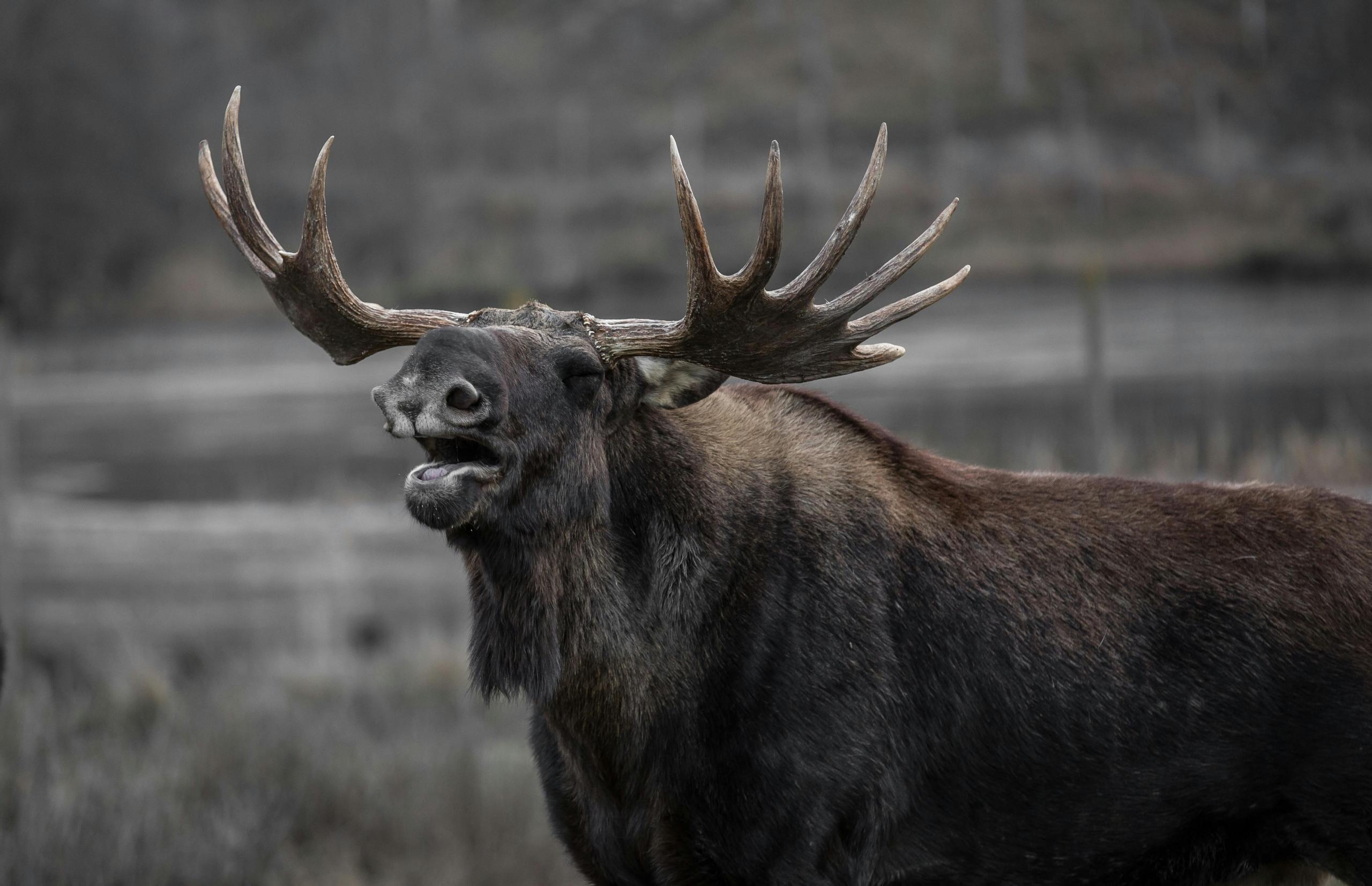
A gestation period for a moose is between 7.5 months and 9 months. One unique aspect of moose reproduction is the distinct acoustic differences in their vocalizations by age and relationship
Just as there is a clear distinction between the vocalizations of females and males from the time of mating, there is also a difference between the cow and her calf, which communicates with its mother using a series of sounds ranging from squeaks to groans of varying duration and frequency.
For the female moose, yes. The larger the antlers of male moose, the more they attract females, as they represent a strong and mature male. Males may even compete for the attention of females using their antlers.
Predators and Threats
Despite their resilience and adaptability, moose face several challenges in the wild. One of the biggest threats is habitat loss due to human activities such as:
- Logging
- Urbanization
- Road construction (which fragments natural environments)
Moose can also pose a danger to people who get too close. While they may seem calm and slow-moving, moose can be highly dangerous, especially if they feel threatened. They are most aggressive during the mating season (rut) and when protecting their young. With their immense size, powerful legs, and sharp hooves, moose can charge at high speeds, easily injuring or even killing humans who approach too closely.
Visitors should always maintain a safe distance from moose, especially in areas where they are known to roam, and never attempt to feed or interact with them to avoid potentially dangerous encounters. Being mindful of their behaviour is essential to ensuring both personal safety and the moose's well-being.
Cultural Significance and Symbolism
The Canadian moose is often regarded as a symbol of strength and perseverance, representing the resilience needed to thrive in Canada’s diverse and sometimes harsh climates.
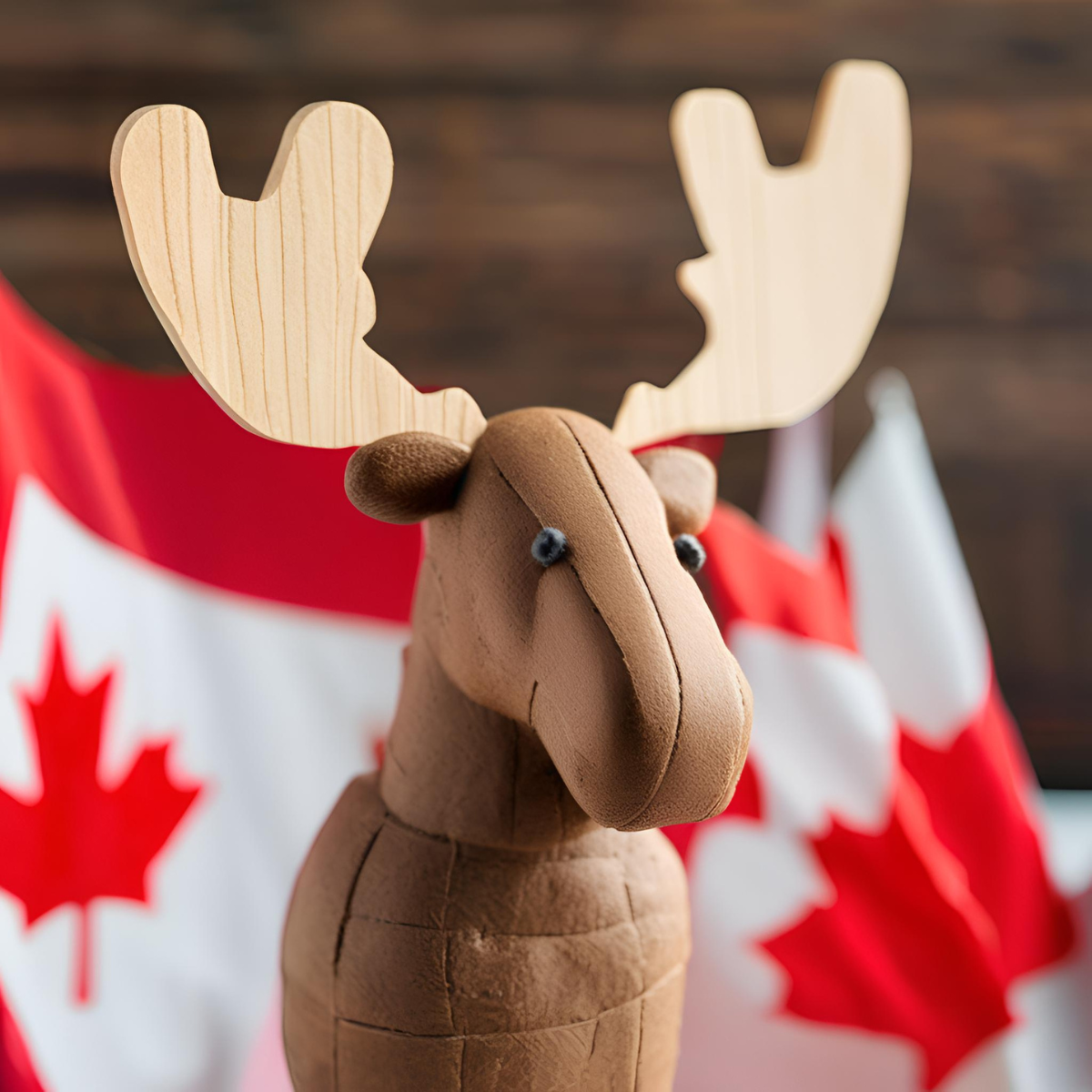
Found across most provinces and territories, the moose has adapted to environments ranging from dense forests to wetlands. Its sheer size and impressive antlers make it stand out, while its calm and solitary nature reflects the peacefulness of the vast Canadian wilderness.
Historically, the moose has played a significant role in Indigenous culture and the lives of early settlers, providing food, clothing, and tools from its antlers and bones. Even today, the moose is deeply ingrained in Canadian identity, featured in art, literature, and even on the coat of arms of some provinces. The moose’s ability to adapt and survive in varying environments makes it a fitting emblem of Canada’s enduring natural spirit.
Mac the Moose is an iconic giant moose statue located in Moose Jaw, Saskatchewan. Originally built in 1984, it drew attention as a quirky landmark. Standing at an impressive 32 feet tall, Mac gained international fame in 2019 when a friendly rivalry sparked between Canada and Norway over which country had the tallest moose statue. After temporarily losing the title, Mac was fitted with a larger set of antlers, reclaiming his position as the world’s tallest moose statue.
Where to See Moose in Canada?
If you’re hoping to catch a glimpse of a majestic moose in the wild, Canada offers several prime locations to observe these incredible animals. Here are four of the best spots:
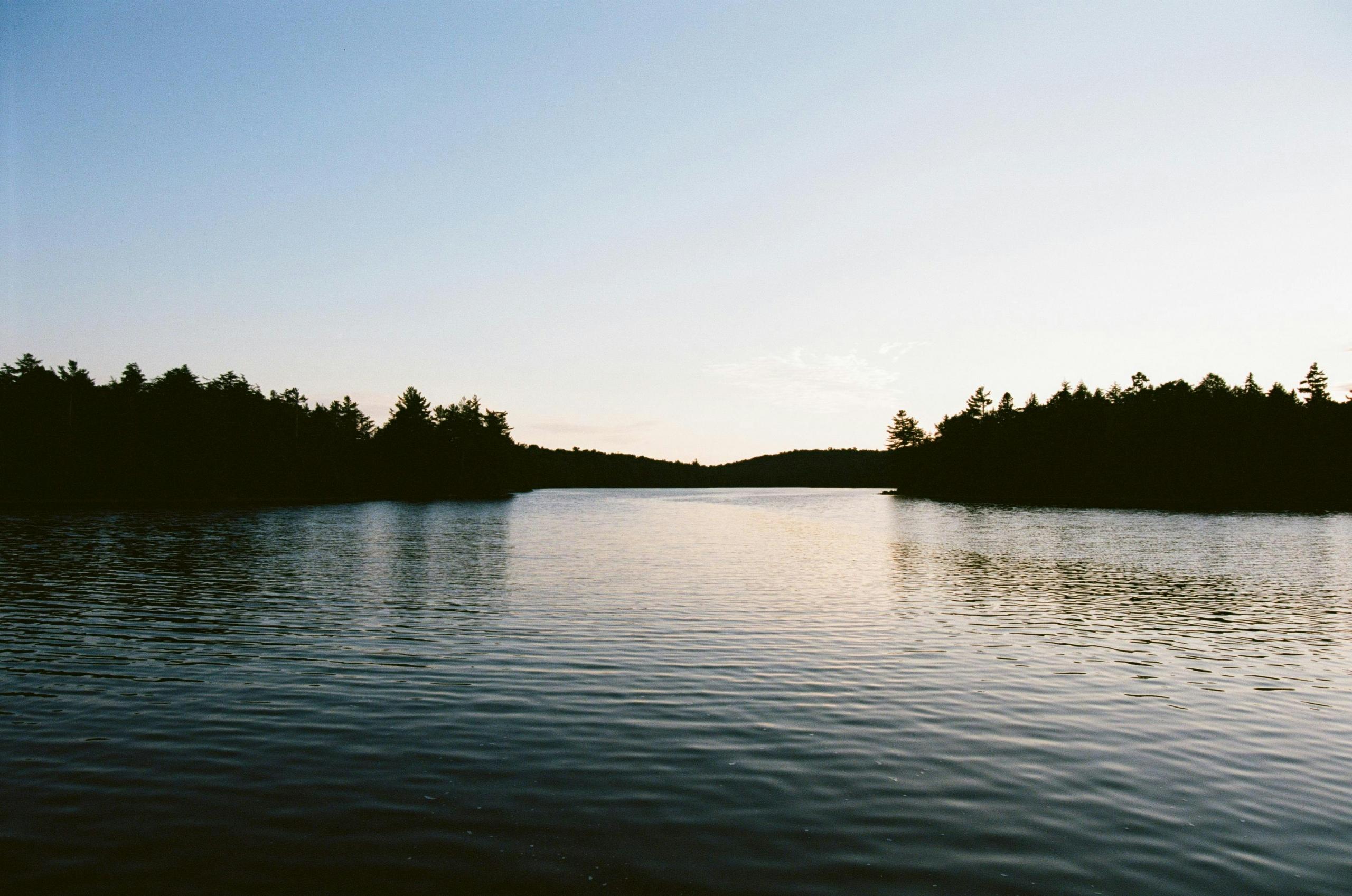
Algonquin Provincial Park, Ontario
One of the best places to spot moose in Ontario, with abundant forests and lakes that attract moose year-round.
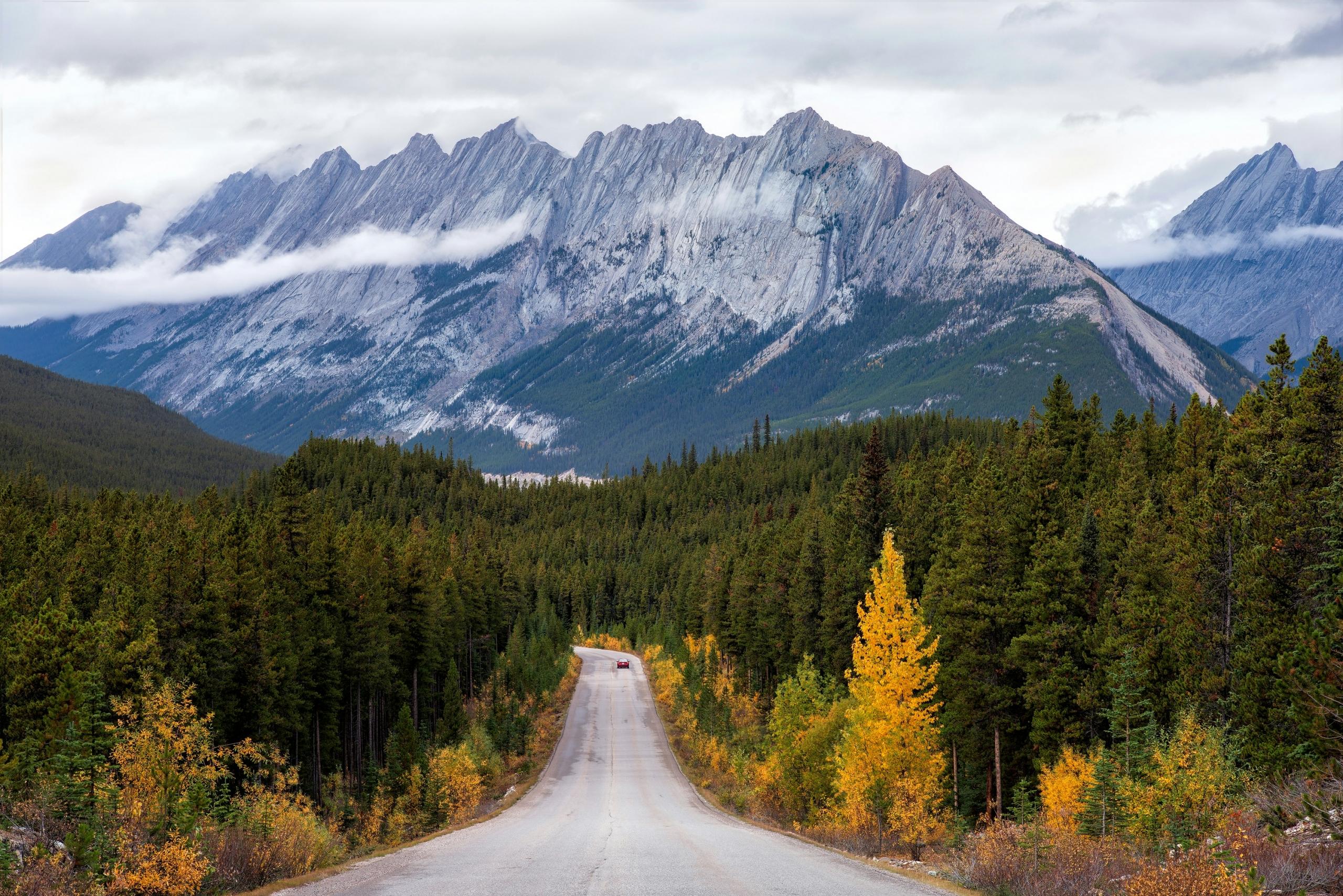
Jasper National Park, Alberta
Known for its stunning mountain scenery, Jasper provides ideal moose habitat in its wetland areas and forests.
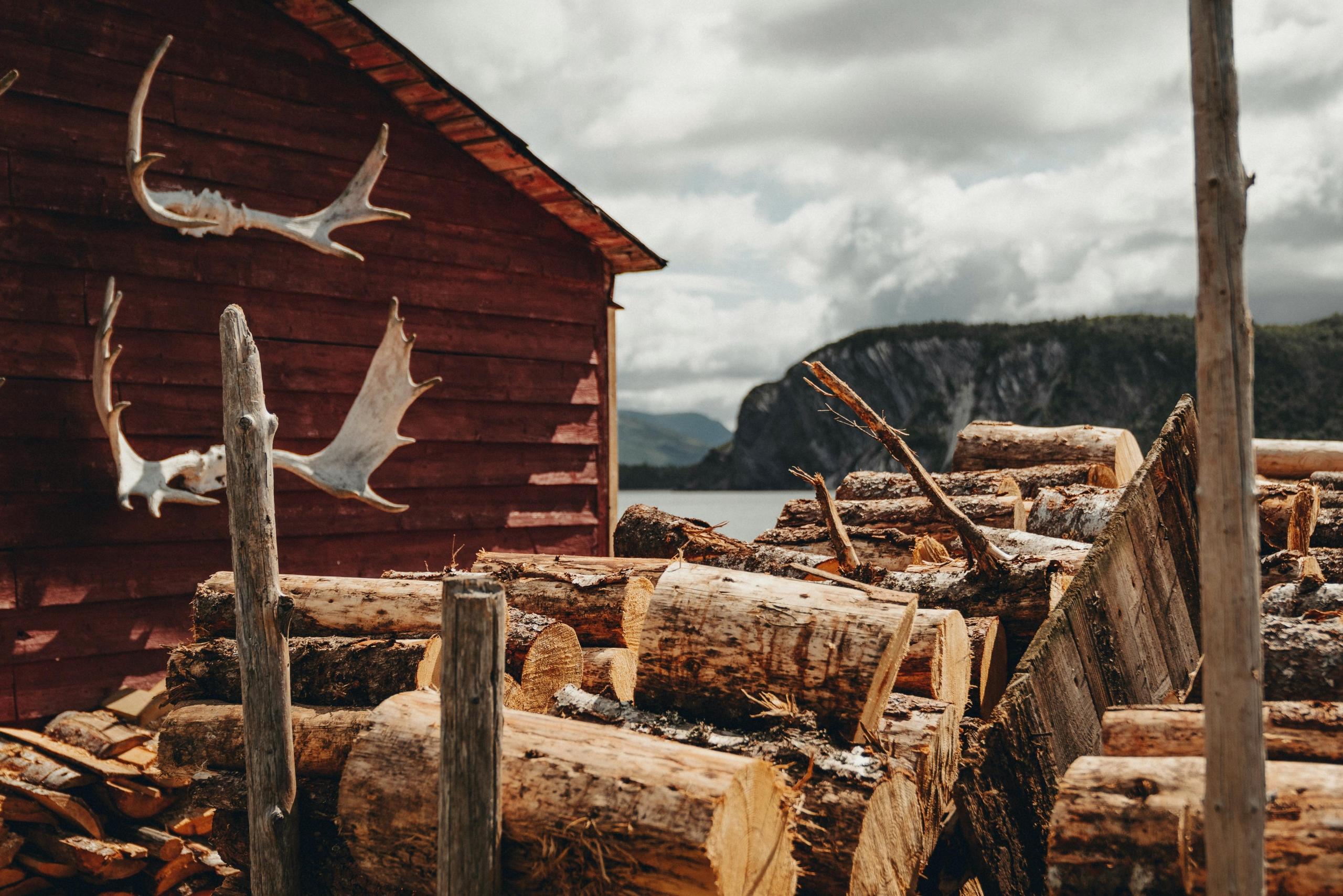
Gros Morne National Park, Newfoundland and Labrador
Home to one of the highest moose densities in the world, this park offers excellent opportunities to see moose in their natural environment.
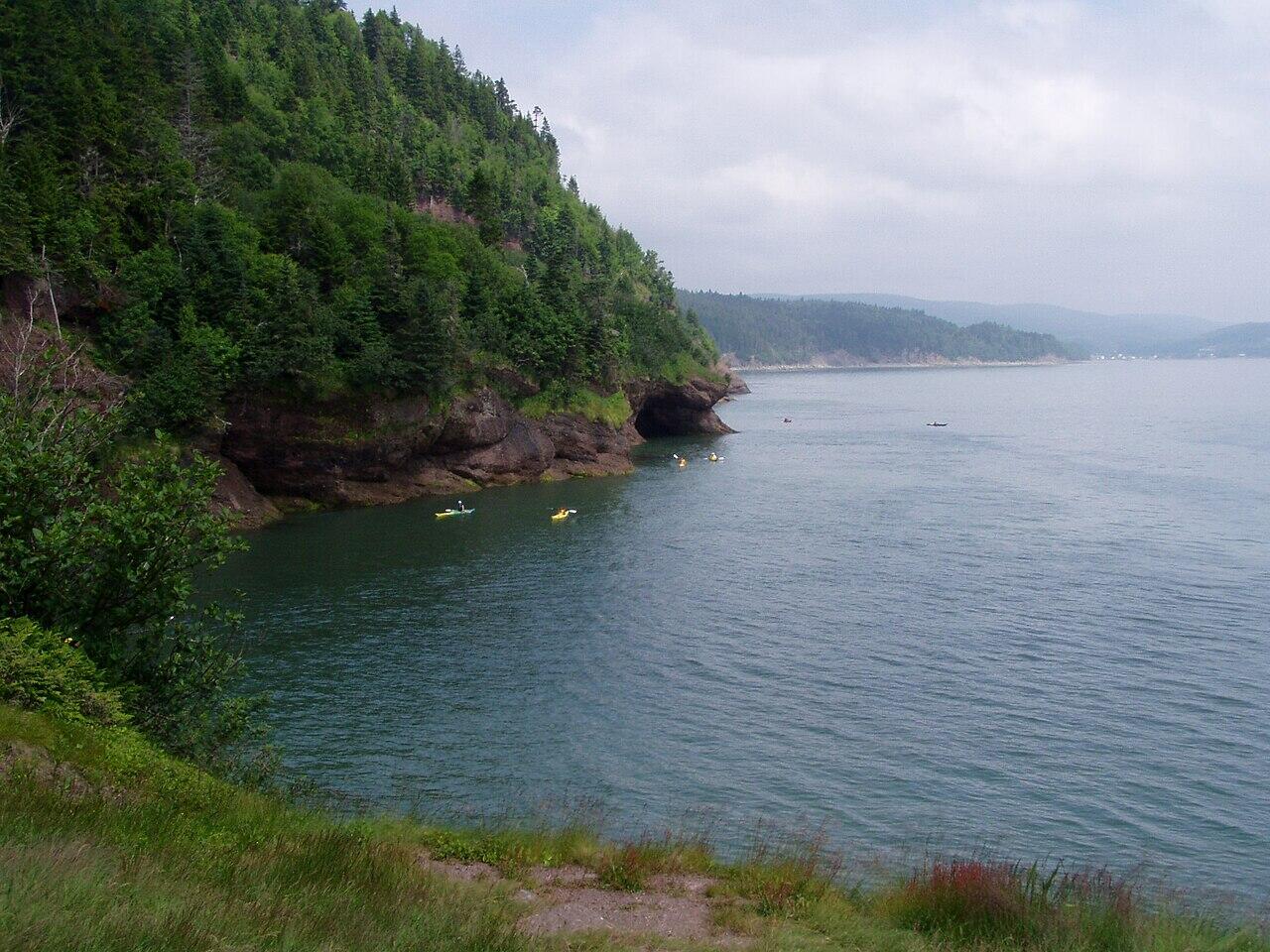
Fundy National Park, New Brunswick
It features a dramatic coastal scenery, more than 100 km of hiking trails, waterfalls, forests, and the world's highest tides, which can rise over 12 meters in the Bay of Fundy. Moose are frequently found here near their wetlands looking for aquatic plants.
Wapusk National Park, Manitoba
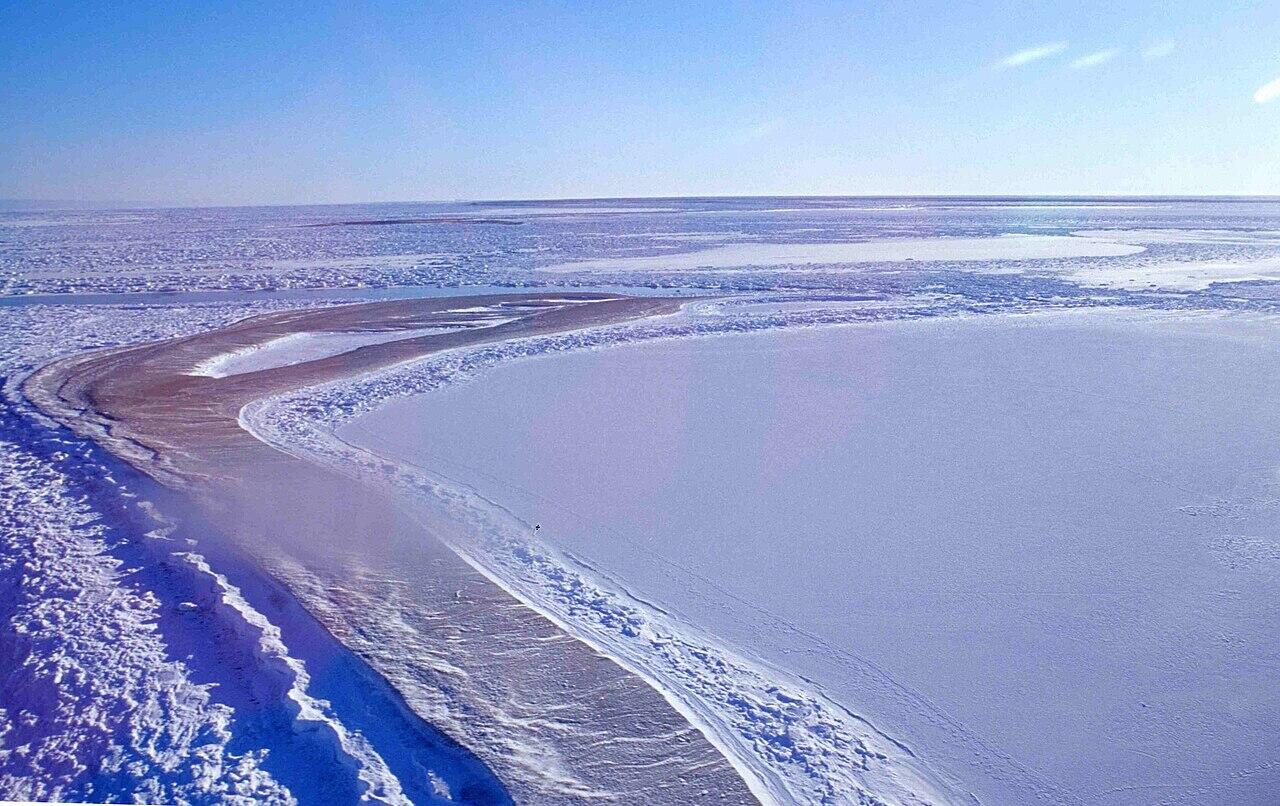
Located along the western coast of Hudson Bay in northern Manitoba, home to one of the world's largest polar bear denning areas, featuring tundra, wetlands, boreal forest, and diverse wildlife, including, of course, moose, wolves, and migratory birds.
Cape Breton Highlands, Nova Scotia
A beautiful location with forested highlands, making it a great place to spot moose while hiking or driving through the park.
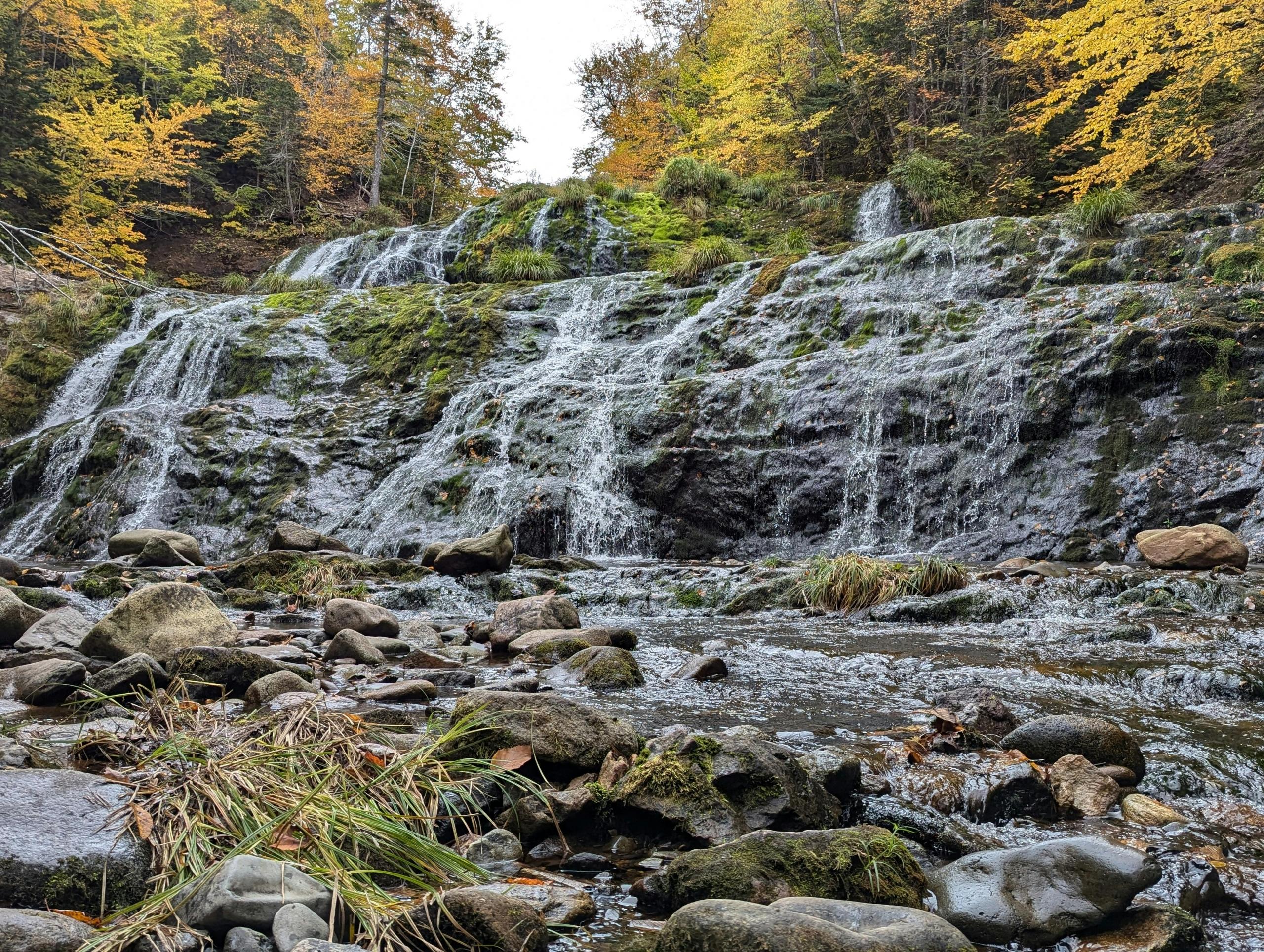
These locations are ideal for observing moose in their natural habitats, offering a range of environments that highlight their adaptability and majesty. Whether it’s the lush wetlands of Algonquin Provincial Park, the rugged mountains of Jasper National Park, the dense forests of Gros Morne National Park, or the scenic highlands of Cape Breton, each area provides unique opportunities to see moose in action.
The varied landscapes—from lakes and rivers to mountainous regions—offer moose abundant food and shelter, making these areas prime spots for visitors eager to witness these magnificent animals in the wild. Early morning and late evening are often the best times for sightings, as moose are most active during these cooler periods.
References
- Walking Mountains. Romance in the Rut: Moose Mating Season is Finally Here! (02-10-2020). Available at: https://www.walkingmountains.org/curious-nature/moose-mating-season-is-here/ (Accessed: June 2026).
- Government of Nunavut. Wildlife Fact Sheets (no date). Available at: https://www.gov.nu.ca/sites/default/files/publications/2022-01/Moose.pdf (Accessed: June 2026).
- Acoustical Society of America. Characteristics of wild moose (Alces alces) vocalizations (02-04-2024). Available at: https://pubs.aip.org/asa/jel/article/4/4/041201/3280562/Characteristics-of-wild-moose-Alces-alces (Accessed: June 2026).
- Government of Canada. Moose - Fundy National Park (19-11-2022). Available at: https://parks.canada.ca/pn-np/nb/fundy/nature/faune-animals/mammiferes-mammals/orignal-moose (Accessed: June 2026).
- Canadian Science Publishing. Response of moose to forest harvest and management: a literature review (2-01-2024). Available at: https://cdnsciencepub.com/doi/10.1139/cjfr-2023-0158(Accessed: June 2026).
Summarize with AI:
Did you like this article? Leave a rating!

 Loading...