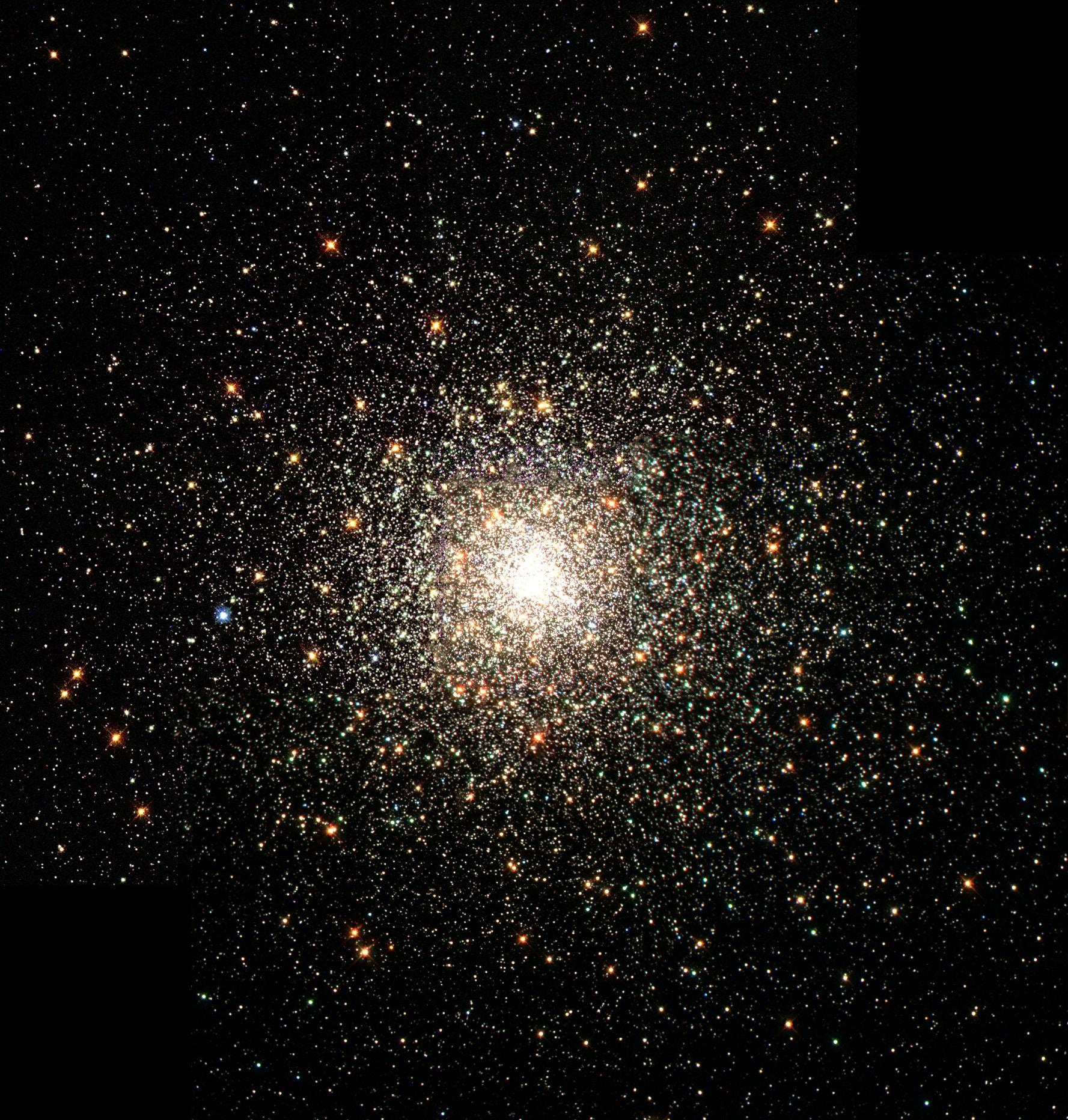

Space, with its vast systems of stars, planets, galaxies and other complex phenomenon continue to challenge scientific understanding. Let's take a look at the difference between astrophysics and astronomy, two of the primary disciplines in the study of the universe. If you've ever wondered what a black hole is or if galactic travel will ever be possible, discover everything about astronomy and astrophysics that contribute to uncovering the origin of these mysteries.


Defining Astronomy and Astrophysics
Astronomy and astrophysics are scientific disciplines both dedicated to the study of the universe and the phenomena that occur beyond our planet, Earth.
What is Astronomy?
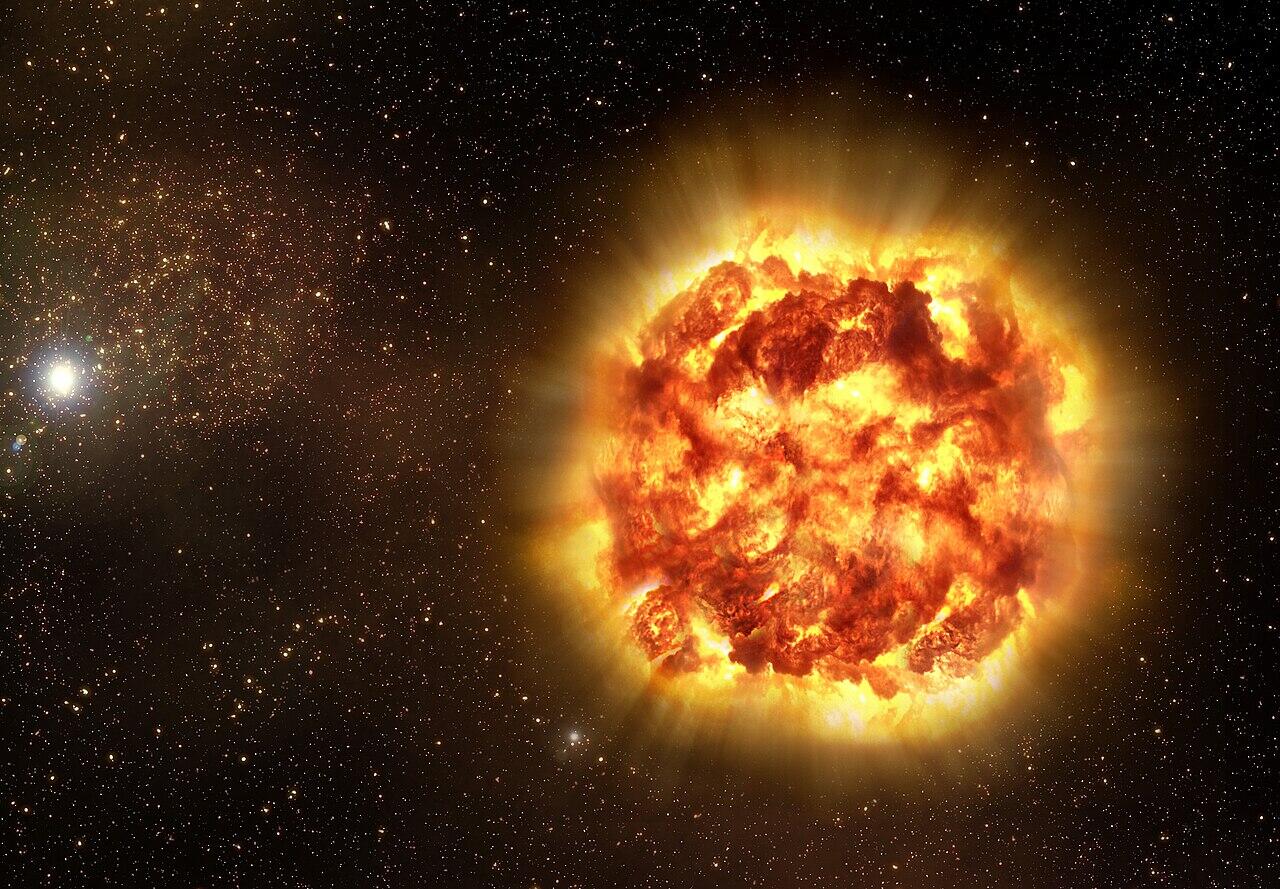
Astronomy is the science that studies the laws of celestial phenomena, including planets, moons, stars, nebulae, galaxies and comets. In short, it analyzes everything that originates beyond the Earth's atmosphere. Furthermore, it also explores phenomena such as supernova explosions, gamma-ray bursts, and cosmic radiation.
And did you know that astronomy is one of the oldest natural sciences? There is evidence that it has been practised for as long as humans have been alive.
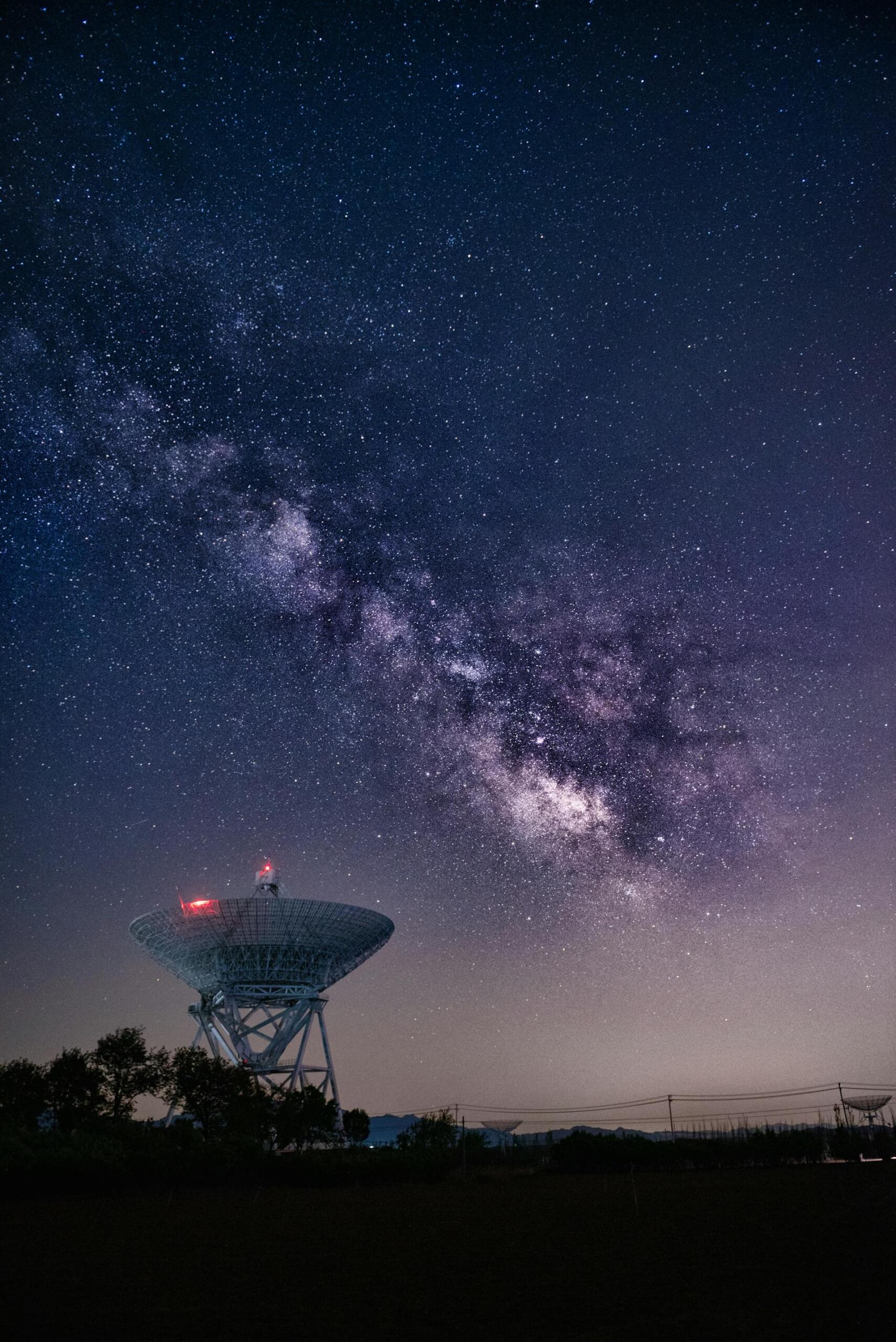
The Babylonians, Greeks, Indians, Egyptians, Chinese and Mayans were among the first civilizations to make methodical observations of the night sky. 1
The Ancient Greek scholar Aristarchus of Samos proposed that the Earth orbits the Sun back in the third century BC, a view that scientists didn’t confirm until the seventeenth century.
Also, Eratosthenes used measurements of shadows to determine the size of the Earth with incredible accuracy.
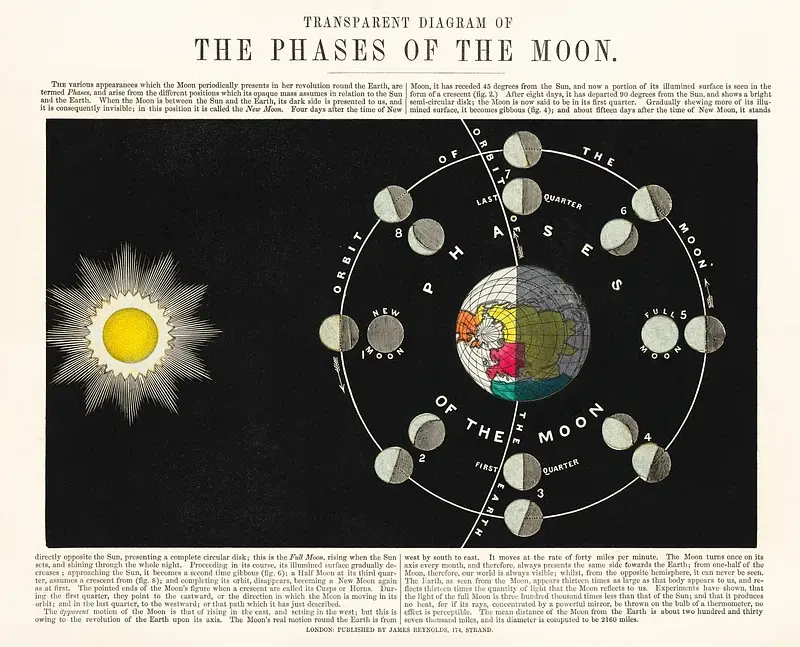
In addition, one of the oldest known lunar calendars was found in Aberdeenshire, Scotland. Known as the Warren Field site, the monument consists of 12 pits believed to mark the phases of the moon and dates to around 8000 BCE.
Comes from the Greek astron, meaning “star,” and -nomia, meaning “law” or “culture,” which translates to “law of the stars.” It should not be confused with astrology, which is a belief system that claims that human affairs are correlated with the positions of celestial objects. 1
In this sense, any investigation into the universe counts as astronomy. Although it relied entirely on naked-eye observations, nowadays technological advances have led to the development of modern astronomy.
Are you interested in learning more about the cosmos and how exact sciences are applied? Search for some of the best tutors for physics in Kelowna here.
What is Astrophysics?
While astronomy examines the positions and movements of celestial objects, astrophysics is a branch that combines the principles of physics and chemistry to understand how these objects form, evolve and interact.
Also, astrophysicists rely on thermodynamics, electromagnetism, relativity, nuclear physics and quantum mechanics.
The principles of astrophysics help explain the emissions of the sun and other celestial objects, as well as their luminosity, density, temperature and chemical composition.
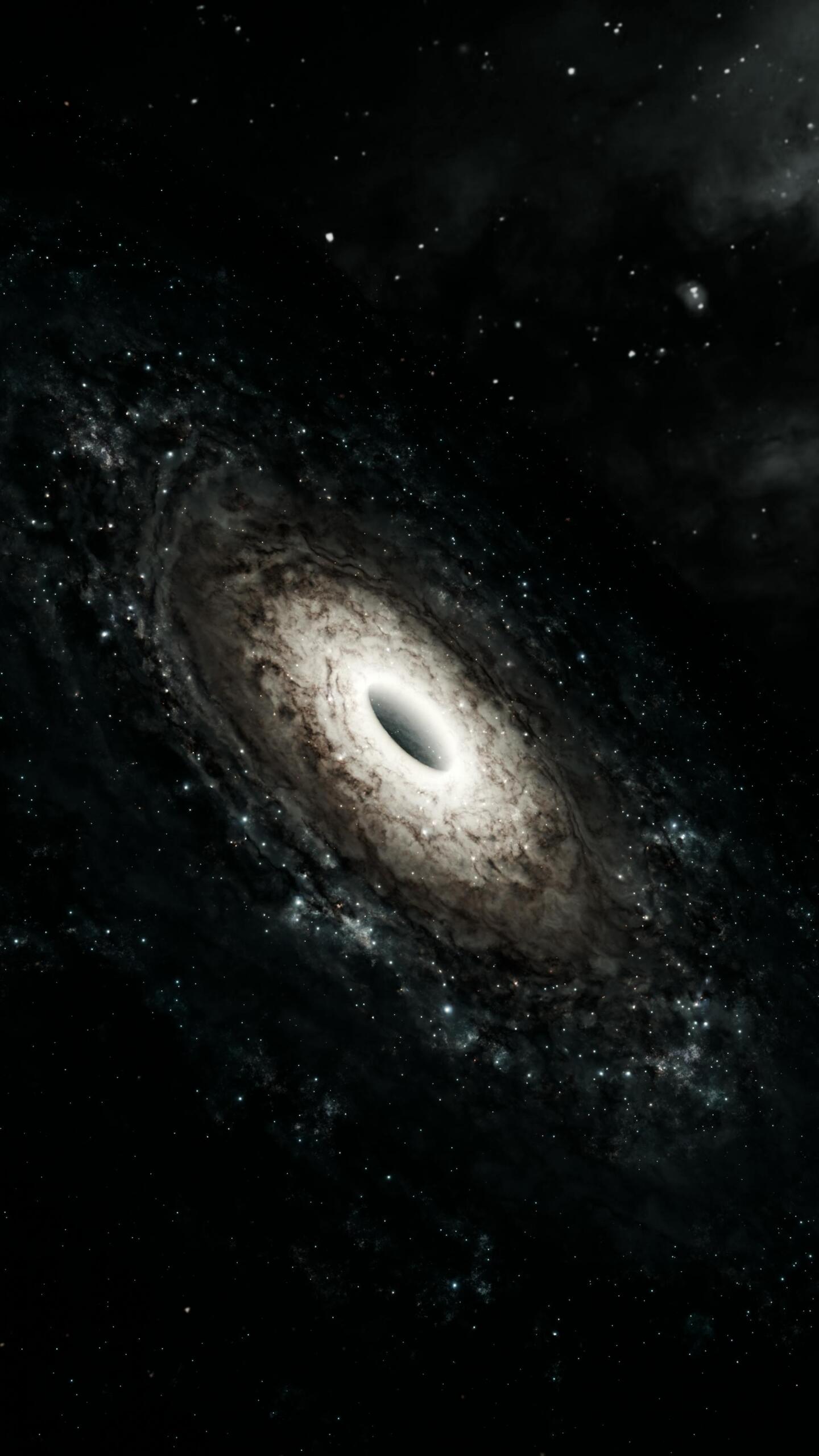
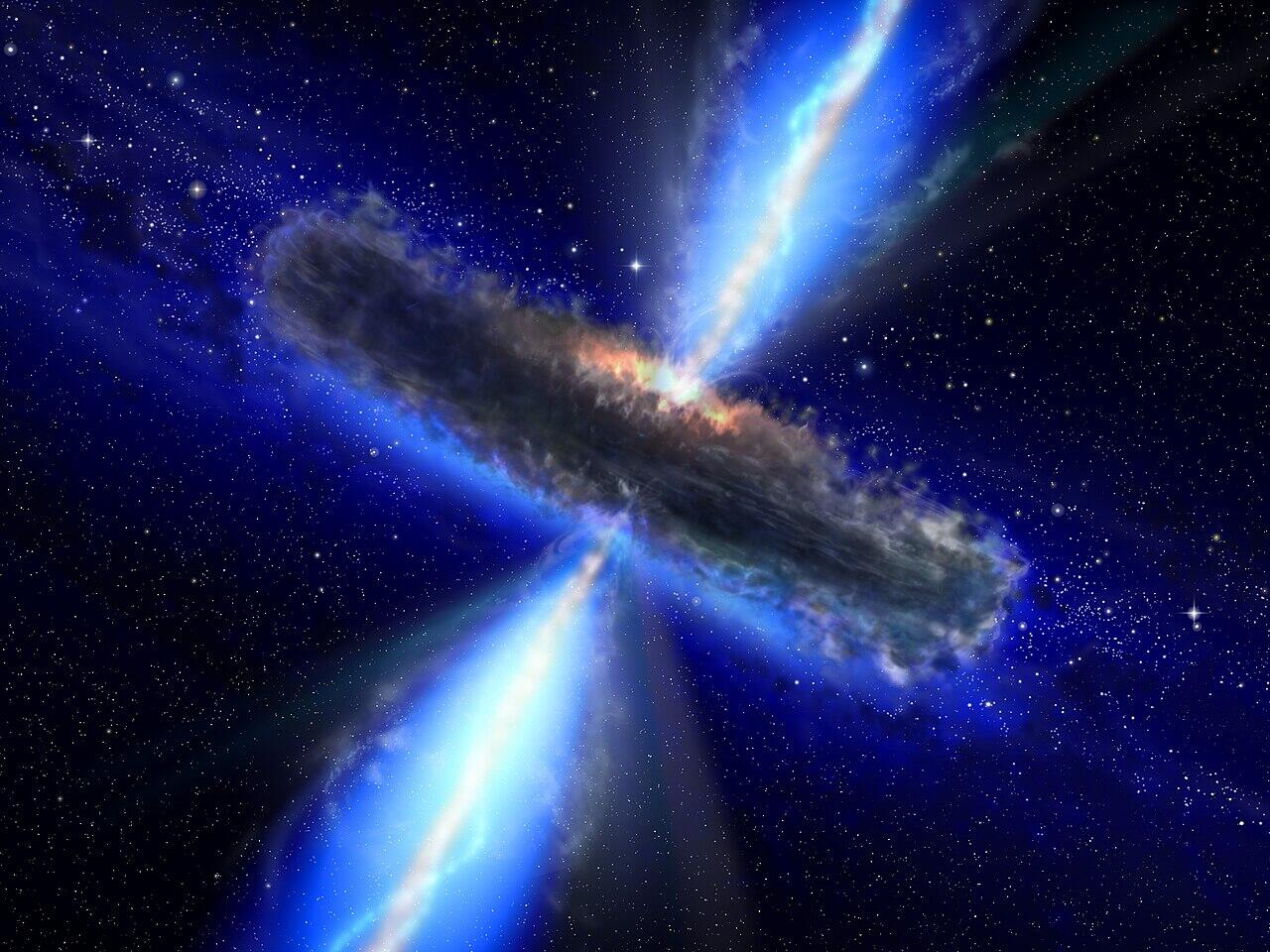
Other areas of the study of astrophysics include the properties of dark matter and dark energy, black holes and wormholes, the existence of multiverses and whether time travel is possible. 2
Astrophysics comes from astro, meaning “star,” and physics. It is the branch of astronomy that assumes the laws of physics apply everywhere in the Universe and throughout all time. The term astrophysics was first used by Johann Karl Friedrich Zöllner in 1865. 3
Whilst astronomy has been around since the beginning of human civilisation, astrophysics emerged as a distinct discipline in the 19th century with the development of spectroscopy, the study of spectra, to draw conclusions about the physical properties of stellar objects.
Would you like to learn more about the formation of our solar system? Learn the major discoveries through a physics crash course.
Historical Development of Both Fields
Astronomy has its origins in the early observations made by ancient civilizations. However, with advances in scientific knowledge and the development of new tools during the 19th century, astrophysics emerged as a discipline seeking to understand the nature and evolution of celestial bodies.
Evolution of Astronomy
The origins of astronomy date back to prehistoric people's observation and recording of the Sun and Moon, long before the invention of writing. The first systematic astronomy emerged in ancient Babylon (Mesopotamia) at the beginning of the second millennium BC, where it played a political and religious role. And from the 7th century BC onwards, Babylonian astronomers recorded planetary movements and lunar phases.
In the 4th century BC, Greek philosophers such as Aristotle argued that the Earth was spherical. And in the 3rd century BC, Eratosthenes calculated its circumference using geometry. Later, Greek astronomers developed models to explain planetary motion. And in the 2nd century AD, these models reached their peak with Ptolemy's Almagest, which used advanced mathematics.
In India, Babylonian arithmetic methods and Greek geometric models were combined with local techniques. In the Islamic world (beginning in the eighth century), Greek works were refined and manuals of astronomical tables were developed. And in China, scientists recorded detailed observations of comets, novae, eclipses and sunspots.
During the Renaissance, the invention of the telescope in the 17th century revolutionized the observation of the sky. Galileo confirmed that the Moon had mountains and that Jupiter had satellites, Kepler formulated the laws of planetary motion and Newton explained universal gravitation. 4
In the 19th and 20th centuries, the development of spectroscopy, astronomical photography and radio astronomy transformed this discipline into an advanced physical science.
Now that you know more about the history of astronomy, check out some of the most important discoveries in astronomy.
Emergence of Astrophysics
The transition from astronomy to astrophysics began in the 19th century, when scientists focused on determining the structure of celestial bodies. And, of course, spectroscopy played a leading role.
Wollaston and Fraunhofer demonstrated that the light from stellar bodies contained information about their composition. In 1859, Bunsen and Kirchhoff identified iron, sodium and other elements in the Sun. And in 1868, Lockyer proposed the existence of helium.
At the same time, Angelo Secchi developed one of the first stellar classifications based on the spectrum, while William Huggins demonstrated that some nebulae were luminous gases. And at the end of the 19th century, the Harvard Observatory, under Annie Jump Cannon, perfected the stellar classification system, which categorizes by mass, temperature and luminosity.
The use of physics also advanced with the Doppler effect, which measures a star's velocity, and with the Hertzsprung-Russell diagram (1913), which shows how bright a star is relative to its temperature.
In 1950, following Einstein's formulation E = mc², it was determined that the energy of stars is produced by nuclear fusion. Eddington proposed the proton-proton reaction in the 1920s, and in the 1930s, Weizsäcker and Hans Bethe described the CNO cycle, in which hydrogen is converted into helium.5
Historical development of astronomy and astrophysics
Prehistory
Early sky observation
Humans tracked the Sun and Moon.
c. 2000 BC
Babylonian astronomy
Systematic planetary and lunar records.
4th–3rd century BC
Greek advances
Earth’s shape defined; circumference calculated.
2nd century AD
Ptolemy
The geocentric model was formalized.
8th–15th centuries
Islamic & global contributions
Refinement of astronomical tables and observations.
17th century
Telescope revolution
Galileo, Kepler and Newton transformed astronomy.
19th century
Rise of spectroscopy
Star composition identified.
1913
H–R diagram
Linked star brightness and temperature.
1920s–1930s
Nuclear fusion theory
Explained how stars produce energy.
20th century
Modern astrophysics
Physics fully integrated into space science.
Astrophysics applied the laws of physics to understand the composition and evolution of the universe. But would you like to know how a star is formed? Find out here!
Key Differences Between Astronomy and Astrophysics
Although astronomy and astrophysics both study the universe, these two sciences differ in their approaches and methods.
Methodologies and Approaches
Although both study the universe, they do so from different perspectives. Learn more about the differences between the two disciplines below:
Astronomy
- Mainly observational.
- Detects and records celestial objects using telescopes, satellites and space probes.
- Responsible for measuring the positions, brightness, distances and movements of celestial bodies.
- Asks, what is happening?
Astrophysics
- Applies the laws of physics and chemistry.
- Based on mathematical models, computer simulations and laboratory physics.
- It seeks to understand stellar fusion, black holes, dark matter and the formation of galaxies.
- Asks, why is it happening and how does it work?
Areas of Focus
Astronomy and astrophysics examine the universe from complementary perspectives. The following table highlights their main areas of interest, objectives and approaches in the study of celestial phenomena.
| Aspect | Astronomy | Astrophysics |
|---|---|---|
| Main Focus | Identifying classifying and cataloging celestial bodies | Understanding the physical processes behind celestial phenomena |
| Primary Goal | Describe the universe through observation | Explain how and why cosmic phenomena occur |
| Typical Activities | Mapping the sky studying orbits tracking comets compiling star catalogs | Studying stellar energy production galaxy formation supernova explosions cosmic evolution |
| Key Question | What is out there and how does it move? | How does it work and why does it behave that way? |
| Approach | Observational and descriptive | Theoretical mathematical and physics-based |
Interrelation and Overlap Between the Two Fields
Nowadays astronomy and astrophysics are deeply interconnected. Observational data collected by astronomers provides the basis for astrophysical theories. And astrophysical models contribute to interpreting new observations and discoveries. For example, data from telescopes may reveal unusual radiation coming from a distant object. While astronomical observation identifies it, astrophysics determines whether it is a neutron star.
Today, most space science research combines both approaches, which complement each other in understanding the cosmos.
Are you ready to get started? Discover various physics courses online on Superprof.
Career Paths and Educational Requirements in Canada
If you are interested in studying astronomy or astrophysics in Canada, you will need a solid background in physics, mathematics and scientific research. The recommended academic background includes undergraduate and graduate studies, along with research experience.
Becoming an Astronomer
Are you interested in unraveling the mysteries of the universe as an astronomer? You should know that, in Canada, to achieve this goal, you need to obtain a formal education in physics and mathematics.
1. Bachelor's and master's degrees
To work as an astronomer or in related professions in Canada, it is recommended that you obtain a bachelor's degree in physics (4 years), with a specialization in astronomy or physics.
Astronomy programs are sometimes available at the bachelor's level as a major or as a combined honors degree in Physics and Astronomy at some Canadian universities, which is recommended for students who wish to pursue further education and a career in research.
You can then pursue a master's degree in physics or astronomy, which typically lasts 2 years and offers opportunities for research and thesis work.
2. Obtain a PhD
Once you have completed your master's degree, it is recommended to pursue a doctorate degree in your area of interest, such as cosmology. A doctoral program gives you access to internships and research fellowships in Canada or abroad. In addition, you need to write a thesis to graduate.
3. Obtain a postdoctoral position
It is also recommended to obtain a postdoctoral position to gain experience and focus on your area of expertise. Indeed, astronomy offers many employment opportunities. You can become a professor or academic researcher, and work in observatories and the aerospace or computer industries.
What skills do astronomers need?
- Advanced mathematics (calculus, linear algebra).
- Programming and data analysis.
- Engineering and computer programming.
Pursue a career in astrophysics
The path to becoming an astrophysicist is similar to astronomy, but with an even greater emphasis on theoretical and applied physics. The first step is to complete a bachelor's degree and specialize in a relevant field, such as astrophysics, astronomy or physics. Next, it is advisable to pursue specialized graduate studies, such as master's and doctoral degrees, and to gain experience in research, scientific publications, and postdoctoral fellowships.
What skills do astrophysicists need?
- Advanced physics (classical mechanics, electromagnetism, quantum mechanics and relativity).
- Astronomy.
- Mathematical modeling and computer simulations.
According to JobBank, astrophysicists usually require a minimum of a master's or doctoral degree in physics, engineering, or a related discipline. Astronomers usually require a master's or doctoral degree in a related discipline. 6
Once you have obtained your PhD in astrophysics, this is a good starting point for accessing jobs in data science and other industrial sectors. This is because you will gain experience in programming, handling large volumes of information and performing complex calculations and analyses.
Common Misconceptions and Clarifications
Before choosing between astronomy and astrophysics, it is important to clarify some misconceptions about both disciplines. Many people who are not involved in these fields have an incorrect view of what professionals in these areas do. Therefore, below we debunk some of the most common misconceptions.
No. Astronomy studies the universe through observation, measurement and analysis using the scientific method. Astrology is a belief system that is not based on scientific evidence or verifiable experimentation.
Most of an astronomer's work is done at a computer, as modern telescopes collect enormous amounts of information. These professionals use programming, statistical and data-processing tools.
They are complementary disciplines, as in modern practice, many professionals combine both approaches.
Academic research is a common career path, but it is not the only one. The skills developed are transferable and highly valued in the aerospace industry, artificial intelligence, data science, engineering and computer simulation.
Is there life on other planets? Learn about discoveries of extraterrestrial life.
References
- Astronomy. (2022, December 5). Scholarly Community Encyclopedia. https://encyclopedia.pub/entry/37984
- Astrophysics. (2022, November 15). Scholarly Community Encyclopedia. https://encyclopedia.pub/entry/34643
- An Etymological Dictionary of Astronomy and Astrophysics - English-French-Persian. (n.d.). https://dictionary.obspm.fr/index.php?showAll=1&formSearchTextfield=astrophysics#:~:text=Astrophysics%2C%20from%20%E2%86%92%20astro%2D%20%22,Astronomy%3A%20An%20Encyclopedia%2C%20ed
- Michael Wulf Friedlander, & Britannica Editors. (2026, February 11). History of astronomy. Britannica. https://www.britannica.com/science/astronomy/History-of-astronomy
- Michael Wulf Friedlander, & Britannica Editors. (2026b, February 11). The rise of astrophysics. Britannica. https://www.britannica.com/science/astronomy/The-rise-of-astrophysics
- Canada, E. a. S. D. (2026, January 28). Astrophysicist in Canada | Job requirements - Job Bank. https://www.jobbank.gc.ca/marketreport/requirements/2496/ca
Summarize with AI:
Did you like this article? Leave a rating!


 Loading...