
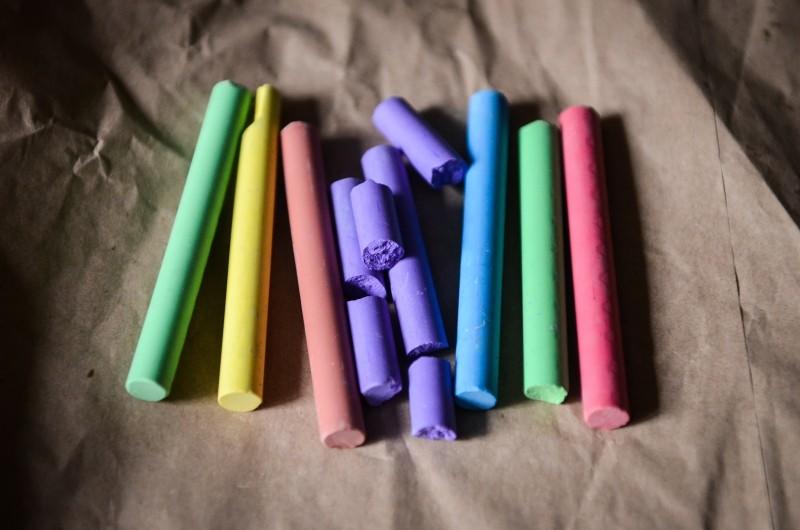

Chalk pastels are one of the most forgiving art materials a beginner can pick up. There is no drying time, no brushes to wash, no solvents, and no palette — you can make a finished, richly coloured drawing using nothing but the sticks and your fingers.
This guide covers how to use chalk pastels from scratch: how to apply and blend them, which surfaces they work on, how to stop your drawing smudging once it is finished, and how chalk pastels differ from the oil pastels sitting next to them in the shop.


What Are Chalk Pastels?
Chalk pastels are sticks of pure pigment held together with a gum binder and a chalky filler such as calcium carbonate or kaolin clay. There is no oil and no wax, which is why they go on dry, powdery and matte — and why they smudge so easily.
They are sometimes called soft pastels or dry pastels, and the terms are used more or less interchangeably. What they are not is blackboard chalk. Sidewalk and blackboard chalk is a low-pigment, gypsum-based product made for temporary marks; artist's chalk pastels carry far more pigment and are designed to last.
That high pigment load is the whole appeal. Because there is almost nothing between the pigment and the paper, chalk pastels produce some of the purest, most saturated colour of any drawing medium — often more intense than paint, and far more intense than coloured pencil.
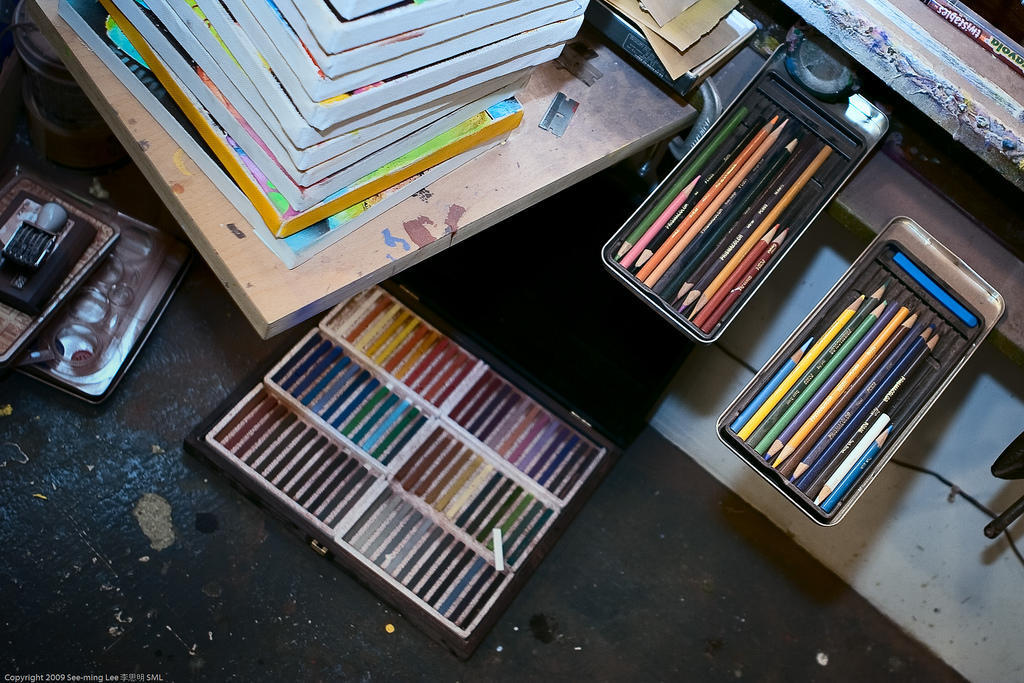
Chalk Pastels vs Oil Pastels: What's the Difference?
This is the single most common point of confusion, and it matters because the two behave nothing alike.
| Chalk (soft) pastels | Oil pastels | |
|---|---|---|
| Binder | Gum arabic or methyl cellulose | Non-drying oil and wax |
| Feel | Dry, powdery, velvety | Greasy, waxy, buttery |
| Blending | Excellent — finger, blending stump or cloth | Harder; needs pressure, a solvent or heat |
| Dust | A lot | Almost none |
| Does it dry? | Already dry — but never fixed until sealed | Never fully dries; stays workable indefinitely |
| Colour range | Very wide, hundreds of tints | Narrower |
| Best for | Soft edges, skies, skin, atmospheric work | Bold marks, sgraffito, work that must survive handling |
In short: choose chalk pastels for blending and subtlety, oil pastels for boldness and durability. Neither is more advanced than the other — they are simply different tools.
The Types of Pastel Explained
"Pastel" covers five distinct products. Knowing which is which saves a lot of money at the art shop.
| Type | Binder | Best for |
|---|---|---|
| Soft (chalk) pastels | Minimal gum binder, maximum pigment | Broad colour, blending, the main workhorse of pastel drawing |
| Hard pastels | More binder, less pigment | Underdrawing, outlines, detail and finishing strokes. Usually square sticks. |
| Pastel pencils | Hard pastel in a wood casing | Fine detail, edges, eyes and hair. The cleanest option to work with. |
| Oil pastels | Oil and wax — a separate family | Bold, painterly marks; work that will be handled |
| Pan pastels | Soft pastel pressed into pans | Applied with sponges like makeup. Large soft areas, skies, easy erasing. |
A common misconception is that oil pastels are a type of soft pastel. They are not — oil pastels use an oil and wax binder and belong to their own category. Soft, hard and pastel pencils are all dry pastels; oil pastels are not.
If you are buying your first set, start with a 24–36 colour set of soft pastels plus a few hard pastels or pastel pencils for detail. Half-stick sets are cheaper and perfectly good for learning.
How to Use Chalk Pastels: Step by Step
1. Set up your space
Chalk pastels make dust — a lot of it, much like charcoal and charcoal pencils. Open a window, and work with your board tilted slightly upright so the dust falls away from the paper rather than settling into it. Keep a damp cloth nearby for your hands, and avoid blowing dust off the page.
2. Block in with the side of the stick
Snap a stick in half and use the long edge to lay down broad areas of colour. This is the fastest way to cover paper and gives an even, soft field of tone. Use the tip only when you want a line or a detail.
Work light to dark and thin to thick. Early layers should be gentle — if you press hard at the start, you fill the paper's texture and later layers have nothing to grip.
3. Blend
This is where chalk pastels shine. You can blend with:
- Your finger — the most controlled, but skin oils can dull the pigment over large areas
- A blending stump or tortillon — best for small, precise areas
- A chamois or soft cloth — best for large areas like skies
- A soft brush — the lightest touch, keeps colours from muddying
- Cotton wool or a paper towel — cheap and effective
Blend sparingly. The most common beginner mistake is blending everything until the drawing goes flat and grey. Leave some marks unblended — the contrast between crisp strokes and soft passages is what gives pastel work its life.
4. Layer
Layering, not blending, is the real secret to good pastel colour. Instead of mixing two sticks into one muddy tone, lay one colour lightly over another and let the eye do the mixing. A warm grey over a blue reads as far richer than either colour blended into a paste.
Build up in thin layers, and save your boldest, brightest marks for last.
5. Correct mistakes
A kneaded eraser lifts pastel gently by dabbing rather than rubbing. A stiff brush will knock a layer back so you can rework it. And because pastel is opaque, you can often simply draw over an error with a lighter colour — something you cannot do with watercolour.
Common Beginner Mistakes
- Pressing too hard too early — fills the paper's tooth and kills later layers
- Over-blending — turns vivid colour into grey mush
- Using the wrong paper — copy paper has no tooth and will not hold pigment
- Working dark to light — dark pigment contaminates every lighter colour that follows
- Skipping the fixative — an unsealed pastel drawing will smudge the moment it is touched
What Surfaces Can You Use Chalk Pastels On?
Chalk pastels need tooth — a surface with enough texture to abrade the stick and hold the pigment. Smooth surfaces simply will not take it.
Pastel paper
The standard choice, and the easiest. Papers such as Canson Mi-Teintes, Ingres or velour come in a range of textures and, importantly, in coloured stock. Working on mid-toned paper is a genuine shortcut — the paper does half the tonal work for you, and both your lights and darks read more strongly against it.
Can you use chalk pastels on canvas?
Yes, but not on ordinary primed canvas — standard gesso is too slick and the pastel will slide off and shed. You have two options: buy canvas specifically prepared for pastel, or prime a regular canvas yourself with a pastel ground or a clear gesso containing pumice. Once the surface has grit, chalk pastels work on canvas very well.
Can you use chalk pastels on a chalkboard?
Yes, and they work far better than blackboard chalk — the colour is dramatically more intense. Two caveats. First, chalk pastels are harder to erase than school chalk; the pigment is fine and can stain a board permanently, so test a corner first. Second, anything on a chalkboard is temporary by nature, so it suits signage and lettering rather than work you want to keep.
For restaurant boards and café signage, chalk pastels or dedicated chalk markers give the best colour.
Other surfaces worth trying
- Sanded pastel paper (UART, Pastelmat) — holds many more layers than standard paper
- Fine sandpaper — a cheap way to test a heavily toothed surface
- Watercolour paper — cold press has plenty of tooth and takes pastel well
- Card and toned paper — fine for sketching and practice
- Pavement and concrete — the classic street-art surface
What will not work: printer paper, glossy card, smooth bristol board, or unprepared primed canvas.
How to Seal and Fix a Chalk Pastel Drawing
Chalk pastel never dries, because it was never wet. Until you seal it, the pigment sits loose on the surface and a single fingertip will smudge it.
To fix your work:
- Use a workable fixative between layers if you want to keep building on top. It re-establishes tooth so later layers grip.
- Use a final fixative once the drawing is finished.
- Spray outdoors or by an open window, in light passes from about 30 cm, letting each coat dry. Heavy spraying will darken your colours and can create blotches.
- Expect a slight darkening of the lightest tones — many pastel artists compensate by keeping highlights brighter than they need to be.
If you would rather not use fixative at all, the traditional solution is to frame under glass with a mount that keeps the glass off the surface of the drawing.
Oil pastels are different again: they never harden, so they need either a dedicated oil-pastel fixative or framing under glass. Ordinary workable fixative will not set them.
Chalk Pastel Techniques to Try
- Scumbling — dragging a light colour loosely over a dry layer so the one beneath shows through
- Feathering — light parallel strokes to shift a colour without blending it away
- Hatching and cross-hatching — building tone with lines rather than smudges
- Side-stroking — broad flat areas using the length of the stick
- Underpainting — blocking in with a wash of watercolour or diluted pastel first, then working dry on top
- Powder work — scraping pigment onto scrap paper and applying the loose powder with a brush or cloth for the softest possible transitions
Find drawing classes here on Superprof, or explore other drawing techniques and mediums.
Conté Crayons: Steeped In History
Conté crayons have been used by some of the world's most renowned artists, including Picasso, Degas and Delacroix. The medium is made from a blend of clay, graphite and natural pigment, so it responds much like a graphite pencil but with far stronger colour.

Being thinner and harder than soft pastels, Conté crayons and Conté pastel pencils suit work that needs precision — detailed sketches, portrait work, and any drawing where you want a crisp edge rather than a blended one. They are a natural companion to a soft pastel set rather than a replacement for it.
Chalk Art and Street Art
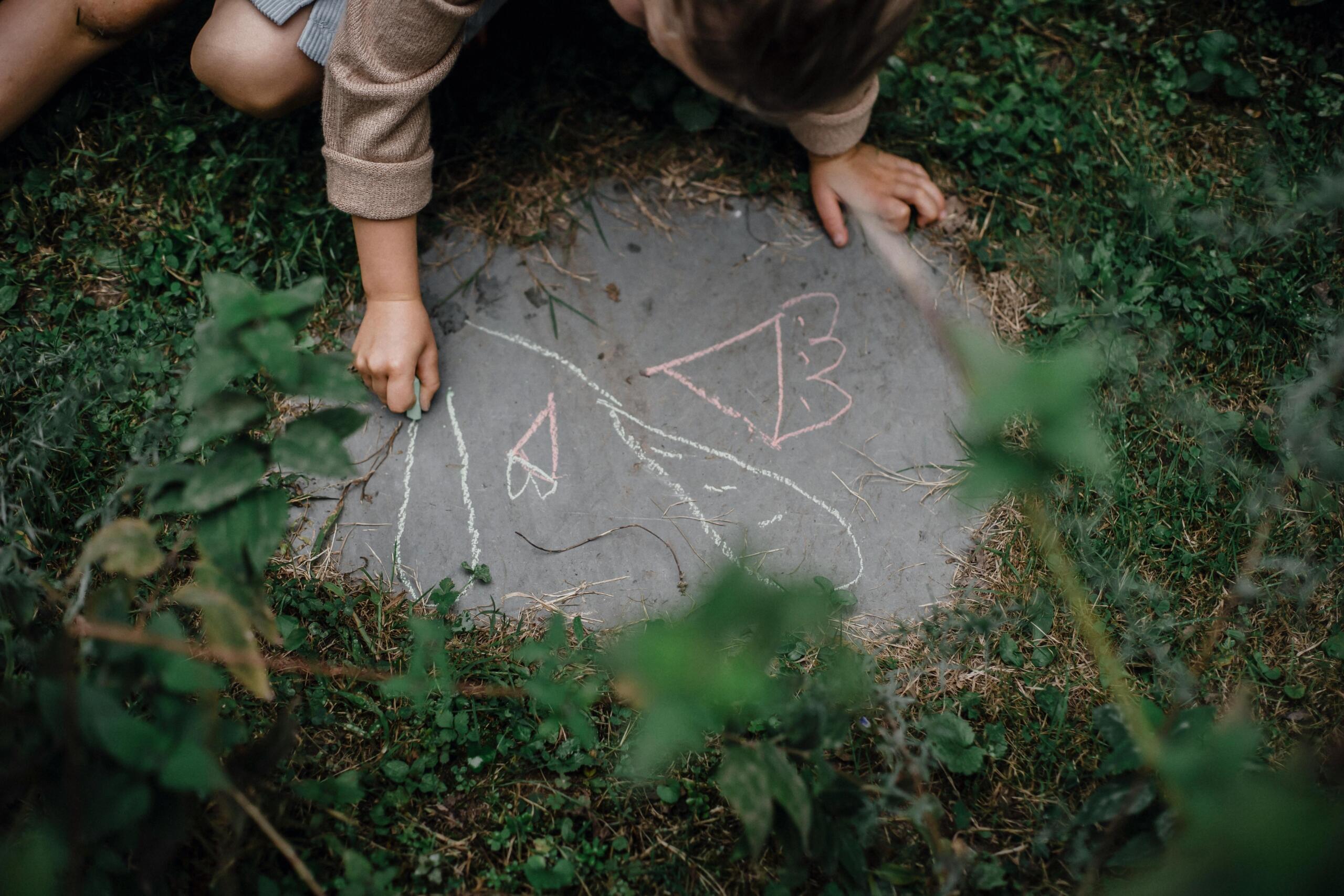
Chalk has a life well outside the sketchbook. Walk down any high street and you will see hand-lettered specials boards outside restaurants — many of them drawn by artists hired specifically for the job, using chalk pastels and chalk markers for their colour strength.
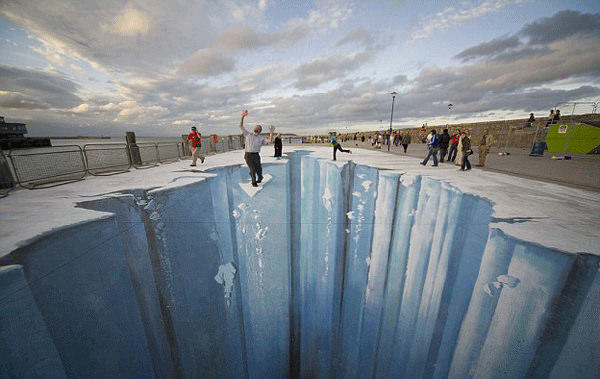
On a much larger scale, street artist Edgar Müller, born in Mülheim an der Ruhr in 1968 and raised in Straelen, spent his early career painting rural scenes before deciding, at 25, to paint on the landscape itself rather than depict it. He now travels the world creating large-scale anamorphic chalk works on pavements.
His best-known piece, 'The Crevasse', transformed a stretch of pier into what appears to be a vast ice-age chasm opening in the ground — an illusion that only resolves from one viewing point.
For a gentler example of the same tradition, the chalk pavement drawings in the original Mary Poppins put street chalk art in front of a generation of children.
Search here for drawing classes Toronto on Superprof.
Pastel Art in Canada
Pastel has a healthy contemporary following in Canada. Pastel Artists Canada is the national society for the medium, running juried exhibitions and listing member artists by province — a good starting point if you want to see what is being made near you or find a local workshop.
Among working Canadian pastelists, Joan Larson is an award-winning BC artist known for landscape and animal work in pastel, and Kathy Hildebrandt is a Calgary-based pastel artist who exhibits internationally.
If you would rather see historic work in person, the National Gallery of Canada in Ottawa and the Art Gallery of Ontario in Toronto both hold works on paper that include pastel, though these are usually shown in rotation rather than permanently on display.
What You Need to Start: A Short Shopping List
- A soft pastel set — 24 to 36 colours is plenty to begin
- A few hard pastels or pastel pencils for detail and outlines
- Pastel paper — buy a pad with some mid-toned sheets, not just white
- A kneaded eraser and a stiff brush for corrections
- Blending tools — a chamois, a couple of stumps, or just a soft cloth
- Workable and final fixative
- A drawing board slightly larger than your paper, and masking tape
Two safety notes worth knowing. Some pigments — particularly cadmium-based yellows and reds — are toxic, so avoid eating while working and wash your hands afterwards. And because dry pastel produces airborne dust, work in a ventilated room rather than a sealed one.
Chalk Pastels: Frequently Asked Questions
Are chalk pastels the same as chalk?
No. Blackboard and sidewalk chalk is a low-pigment product, usually gypsum-based, made for temporary marks. Chalk pastels are artist materials with a high concentration of pigment held in a gum binder — far more intense in colour and made to last.
Can you use chalk pastels on canvas?
Not on standard primed canvas, which is too smooth. Use canvas specifically prepared for pastel, or prime an ordinary canvas with a pastel ground or clear gesso containing pumice to give it tooth.
Can you use chalk pastels on a chalkboard?
Yes, and the colour is much stronger than blackboard chalk. Be aware that chalk pastel is harder to erase and can stain a board permanently, so test in a corner first.
How do you stop chalk pastels smudging?
Spray with a workable fixative between layers and a final fixative when the drawing is complete, in light passes from about 30 cm. Alternatively, frame under glass with a mount that holds the glass away from the surface.
What is the difference between chalk pastels and oil pastels?
Chalk pastels use a gum binder and go on dry, powdery and easy to blend. Oil pastels use an oil and wax binder, feel greasy, resist blending, and never fully dry. Chalk pastels suit soft, atmospheric work; oil pastels suit bold marks and pieces that will be handled.
What paper is best for chalk pastels?
Any paper with tooth. Canson Mi-Teintes and Ingres are the standard affordable choices; sanded papers such as UART or Pastelmat hold many more layers. Avoid printer paper and smooth bristol board entirely.
Are chalk pastels good for beginners?
Very. There is no drying time, no equipment to clean, mistakes can be lifted with a kneaded eraser or covered over, and you can produce vivid colour on your first attempt. The main things to learn are restraint with blending and choosing the right paper.
How to Learn Chalk Pastel Drawing
You can get a long way with a set of pastels and regular practice — but a teacher will save you months of trial and error, particularly on blending, layering and knowing when a drawing is finished.
Superprof makes it easy to find a drawing tutor in Canada. Search for an art tutor near you, message them through the site to check availability, and choose between lessons at home or online. If you want to focus specifically on pastel work rather than general drawing, say so up front — many tutors specialise.
You can also learn more about different drawing techniques by booking drawing classes Calgary or drawing classes Vancouver on Superprof.
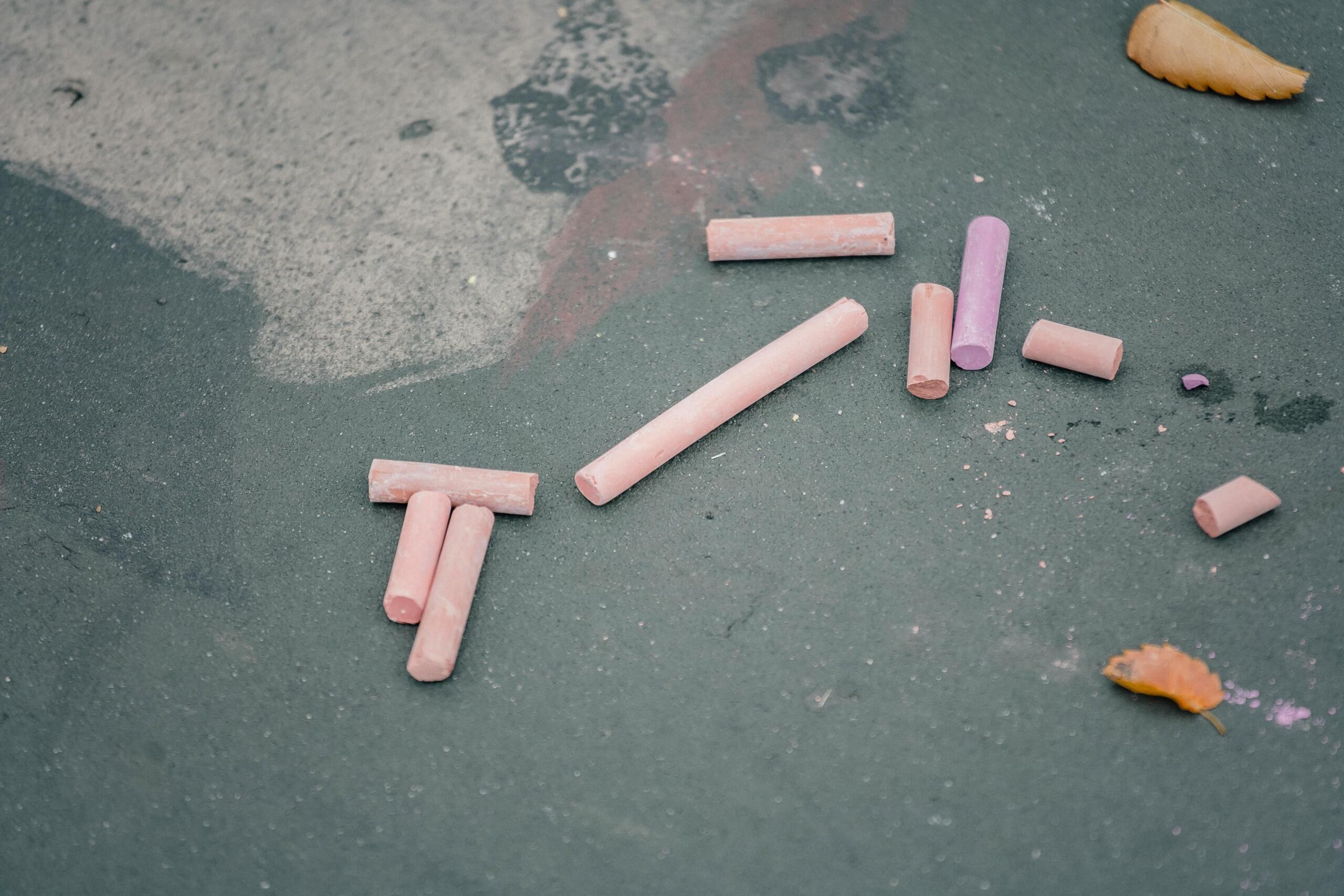
Whichever route you take, the fastest way to improve at pastel is simply to fill pages. Keep a cheap sketchbook for experiments, and save the good paper for the pieces you have already worked out.
Summarize with AI:
Did you like this article? Leave a rating!

 Loading...
Great write up! I’ve gotten into drawing on chalkboards using pastels but I’m curious about using oil pastels for a more permanent portrait. Can I still use normal fixatives to seal the artwork on that medium? Also, if I make a mistake using oil pastels on the chalkboard, is there an easy way to correct it? ie Alcohol?
Thanks :)