
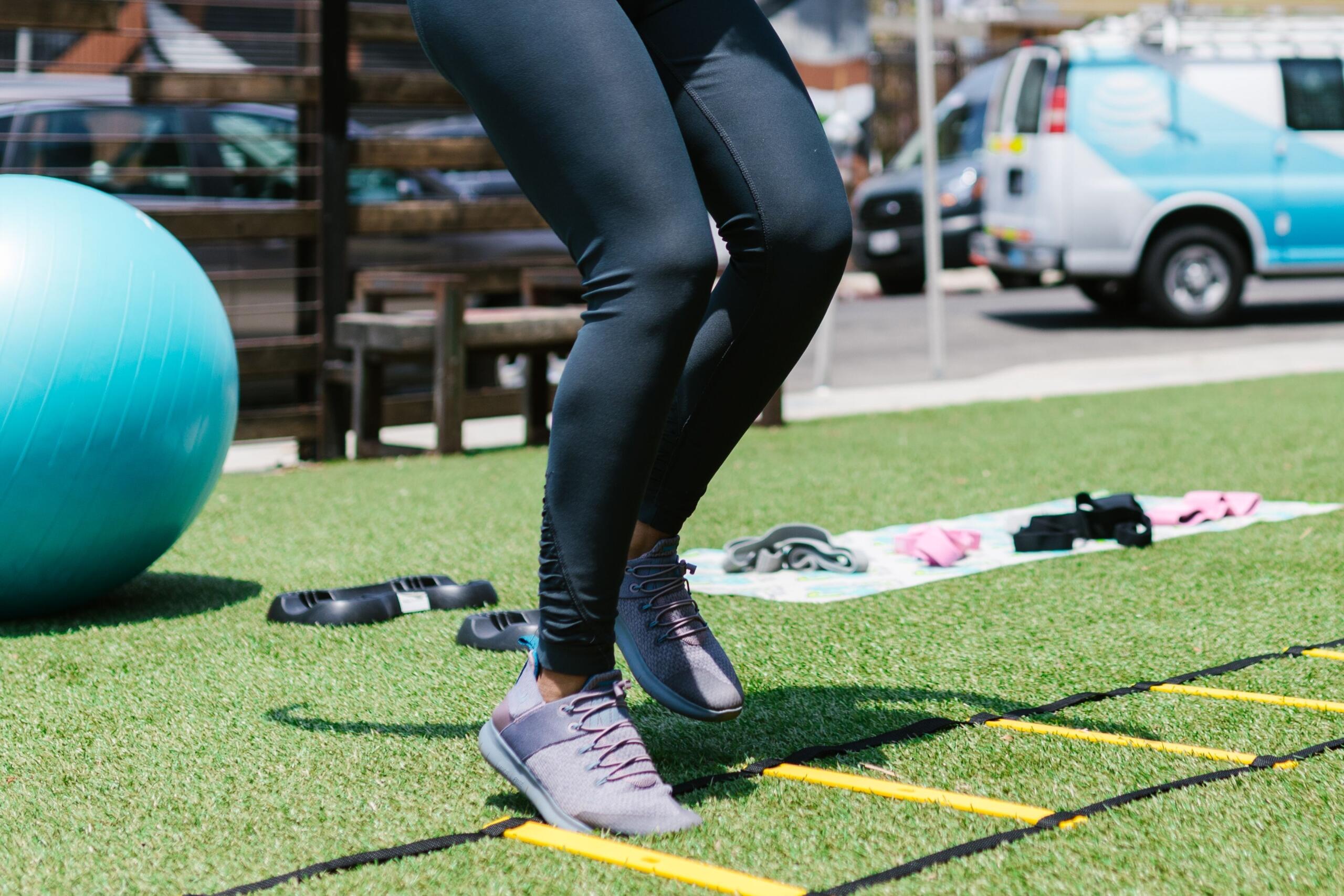

If you already spend your mornings surviving brutal workouts at your local CrossFit gym, you're probably looking for your next challenge. That's where DEKA comes in. Combining functional fitness, endurance, and race-day excitement, DEKA gives athletes a measurable way to test themselves without needing mountain trails or obstacle courses.
Unlike traditional obstacle races, DEKA focuses on standardized fitness tests. Every event uses the same 10 workout zones, making it easy to compare performances across different competitions and countries.
For Canadian athletes, DEKA continues to grow each season, with events appearing in major cities from coast to coast. Indoor venues make it an excellent option throughout the year, especially during Canada's long winters when outdoor racing becomes difficult.
This guide explains the different race formats, how scoring works, where to compete in Canada, and how to build your training around DEKA.



The Three DEKA Formats Explained (and When to Choose Each)
One reason DEKA has become popular with the CrossFit community is that there isn't just one race format. Athletes can choose events that emphasize pure strength, mixed conditioning, or endurance depending on their goals.
Although every event uses the same 10 fitness zones, the running distance changes dramatically between formats.
DEKA STRONG
For athletes who enjoy lifting heavy, moving quickly, and minimizing running, DEKA STRONG is often the perfect introduction.
Instead of alternating between running and workout stations, athletes complete all ten functional fitness zones consecutively without leaving the competition floor.
Typical zones include:
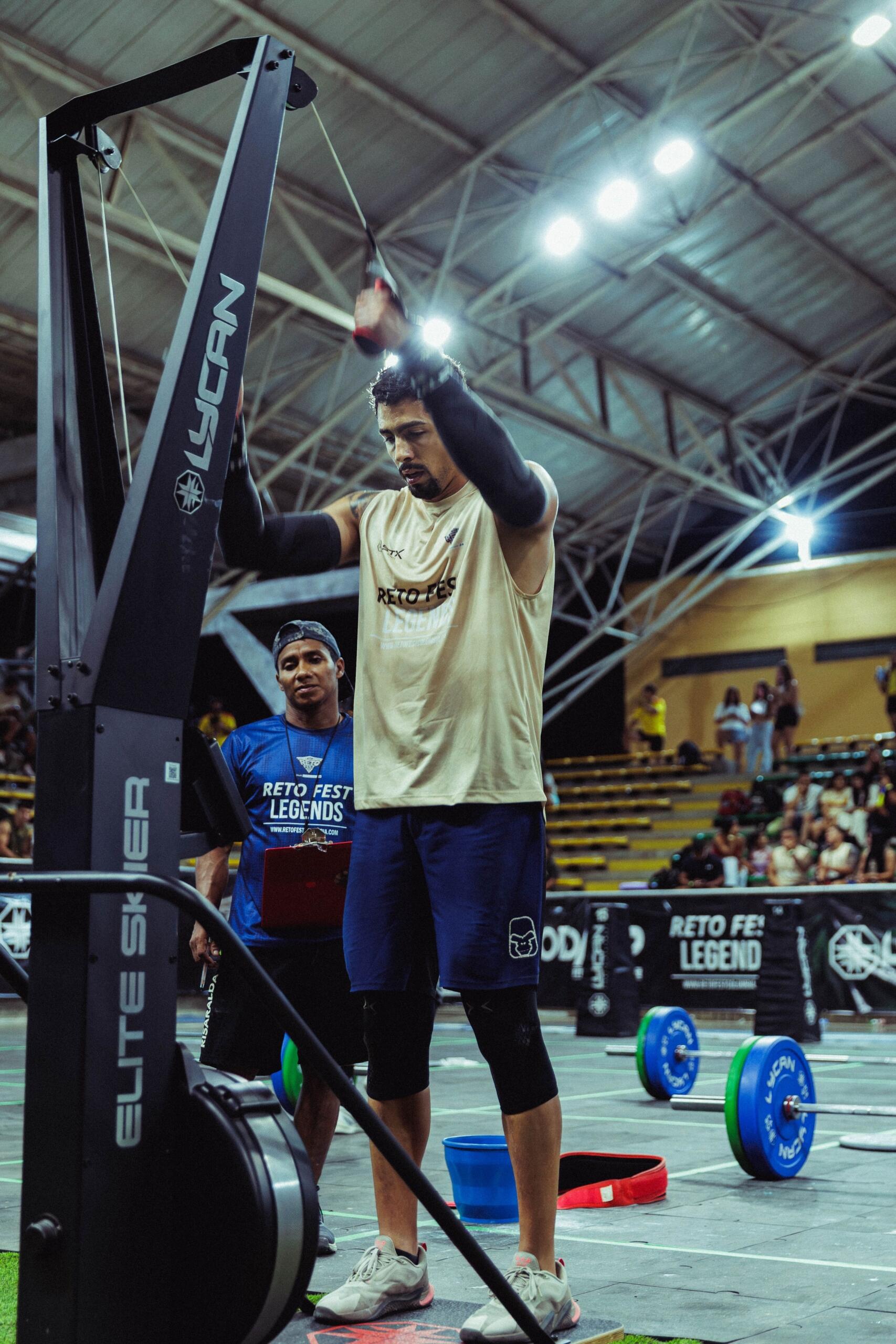
- SkiErg
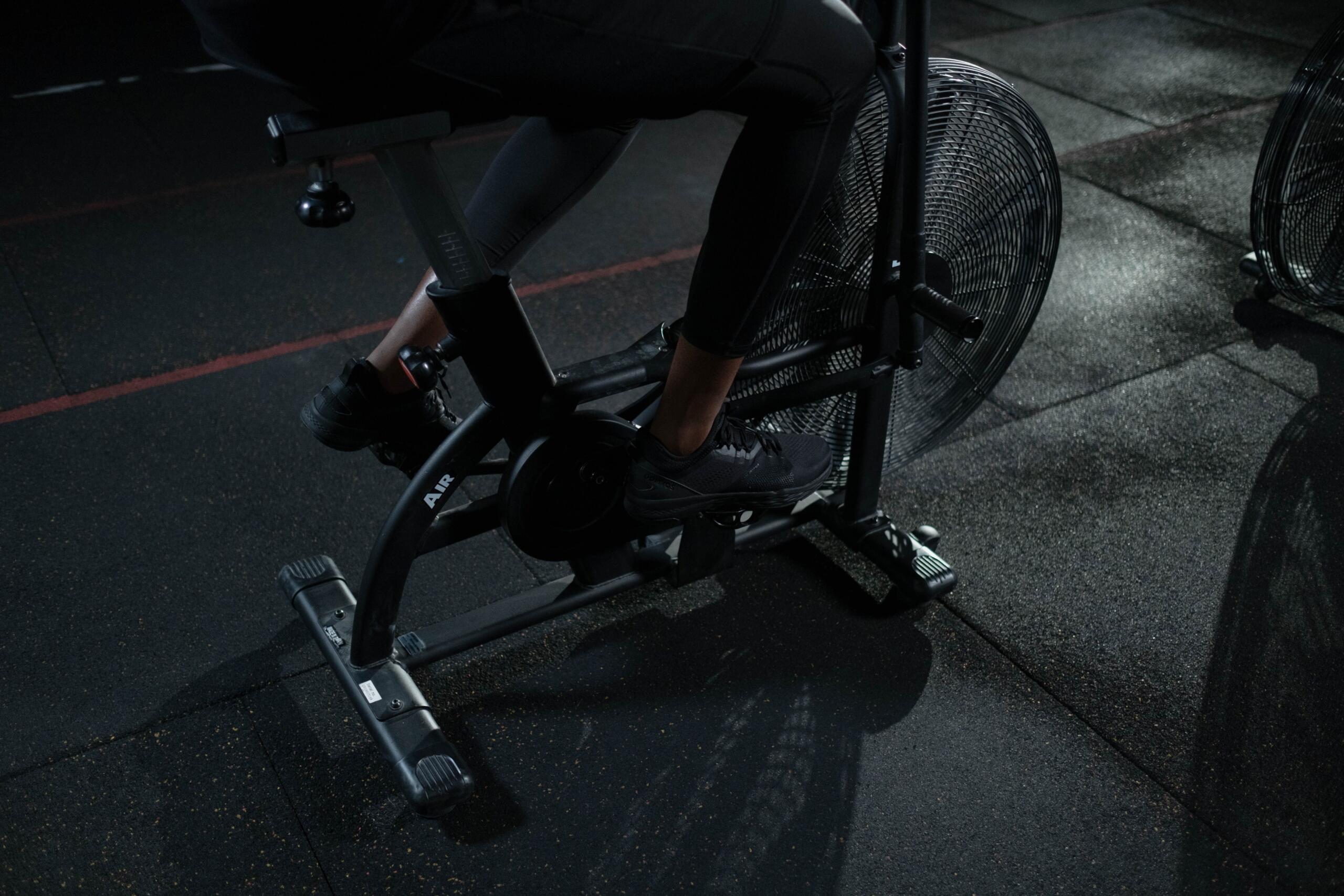
- Air Bike
- Rower
- RAM Burpees
- Farmer Carry
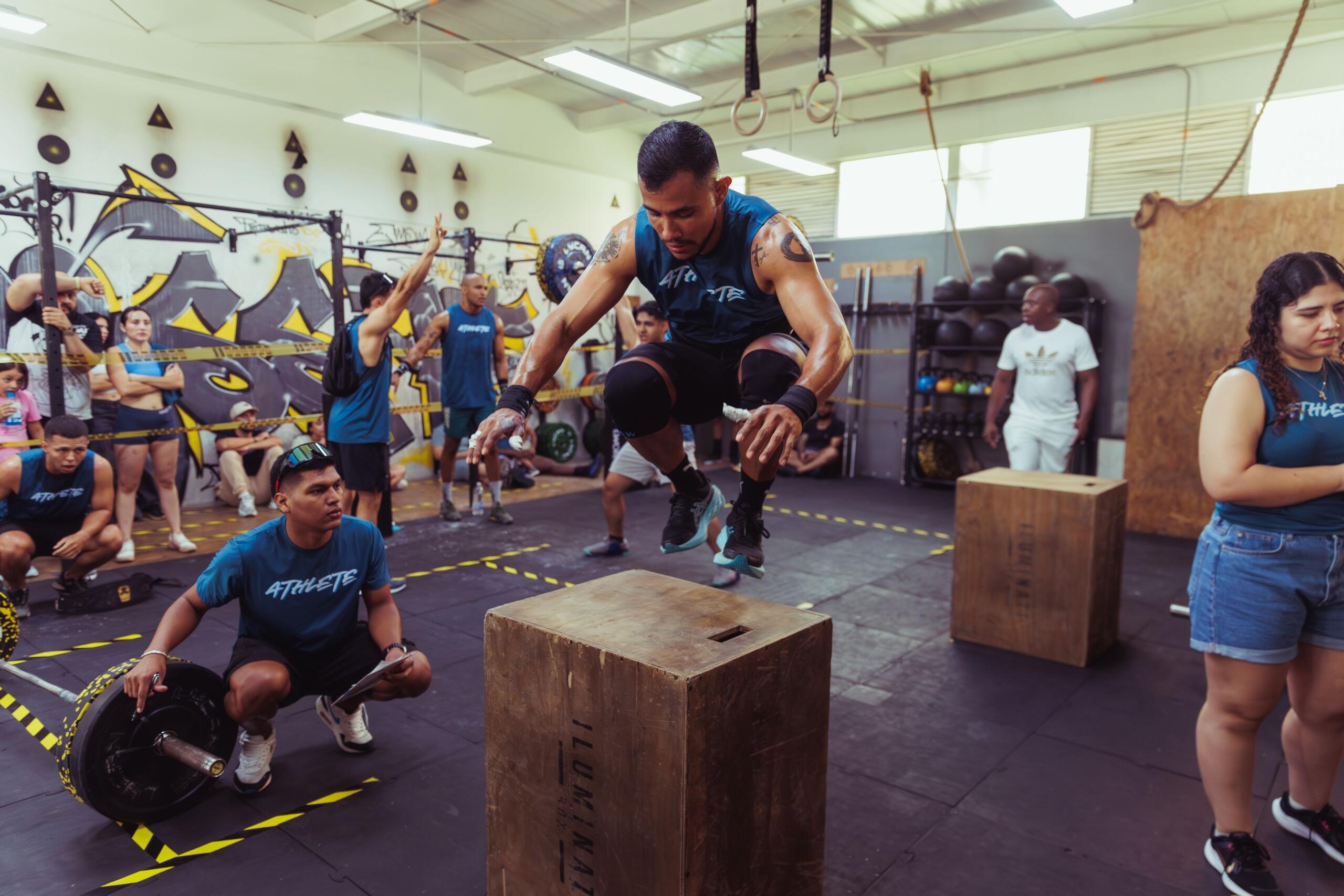
- Box Jumps
- Dead Ball Wall Overs
- Med Ball Sit-Ups
- Lunges
- Tank Push or sled variation
Without running interruptions, the event becomes a true test of muscular endurance, power output, pacing, and efficient movement. Many Canadian athletes also use DEKA STRONG during winter training. Snow, ice, and freezing temperatures often make outdoor conditioning difficult, while indoor competitions allow athletes to maintain race intensity year-round.
Tough Mudder Canada offers an exciting mix of teamwork, adventure, and obstacle-course racing that rewards determination more than finishing time.
DEKA MILE
DEKA MILE sits squarely between strength and endurance. Instead of completing all stations consecutively, athletes run short distances between each workout zone. The total running distance adds up to approximately one mile.
For many experienced CrossFit competitors, this format feels familiar. The repeated transition between running and strength work mimics many benchmark workouts where heart rate management becomes just as important as muscular endurance.
DEKA MILE rewards athletes who can:
- Recover quickly after intense efforts
- Maintain efficient pacing
- Transition smoothly between movements
- Avoid accumulating fatigue too early
Many Canadian athletes use DEKA MILE between CrossFit Open seasons because it provides a measurable fitness challenge without requiring marathon-level endurance.
DEKA FIT
DEKA FIT is the flagship format and the one most people associate with the sport. Athletes complete:
- 500 metres of running
- One workout zone
...repeated ten times.
The total race includes 5 kilometres of running and 10 standardized fitness zones. Unlike shorter formats, pacing becomes critical. Athletes who sprint the opening kilometre often discover they have very little left for the later stations, particularly:
- Lunges
- Dead Ball Wall Overs
- Tank Push
- Farmer Carry
Successful competitors learn to maintain consistent effort throughout the race rather than chasing an unsustainable pace early. Most Canadian affiliate-hosted competitions feature DEKA FIT, making it the easiest format to find if you're entering your first race.
| Format | Running | Typical Finish Time | Best For |
|---|---|---|---|
| DEKA STRONG | none | 20–40 minutes | Strength athletes, winter preparation, first-time competitors |
| DEKA MILE | Approximately 1 mile total | 25–45 minutes | CrossFit athletes seeking balanced conditioning |
| DEKA FIT | 5 km total | 35–75+ minutes | Endurance-focused athletes and experienced racers |
Divisions, Age Groups and Equipment Notes
One of DEKA's biggest strengths is accessibility. It doesn't matter whether you're stepping into your first competition or chasing championship qualification: there is usually a division that matches your experience and goals!
Divisions and Age Brackets
Most Canadian events include several competitive categories: elite, competitive, and open.
Elite
Elite athletes compete under the strictest standards while racing for podium finishes and championship qualification.
This division is best suited for experienced competitors with advanced conditioning and efficient movement mechanics.
Competitive
Competitive divisions attract athletes who train seriously but may not yet compete professionally.
Many CrossFit athletes choose this category because it balances high performance with broad participation.
Open
Open divisions welcome newcomers.
If you're entering your first DEKA race, Open provides an excellent introduction while still using official judging standards.
Many events also include divisions based on gender (male, female, mixed pairs, relay) and age:
- Teens
- 18–29
- 30–39
- 40–49
- 50–59
- 60+
Masters athletes continue to make up a significant portion of Canadian participation, particularly in Ontario and British Columbia. Identity cards (passports, drivers license) may be used to verify age.
Equipment and Floor Specifics
One feature that separates DEKA from many fitness competitions is consistency: athletes know what movements they'll face before race day. Typical equipment includes ski erg, rower, air bike, RAM, Farmer Carry, Dead ball, Med ball, and torque or tank sled.
Canadian venues, however, can introduce subtle differences. Many host gyms operate inside converted industrial or warehouse buildings with:
- Rubber flooring
- Concrete underneath
- Cooler indoor temperatures
- Portable turf lanes
These surfaces can noticeably affect sled or Torque Tank resistance.
An athlete accustomed to turf may find rubber flooring creates greater friction, requiring more force during pushes. While official standards remain identical, understanding venue conditions helps avoid surprises.
Spartan Canada hosts some of the country's most challenging obstacle races, featuring rugged trails, demanding terrain, and iconic obstacles in destinations such as Ontario, Alberta, and Quebec.
Judging and Penalties
Every DEKA athlete is evaluated using standardized judging procedures. Judges receive official certification and apply identical movement standards whether the competition takes place in Ontario, Alberta, Quebec, or the United States.
Common penalties include:
- Incomplete repetitions
- Failing movement standards
- Incorrect range of motion
- Crossing boundary lines
- Starting before judge approval
Most mistakes simply require athletes to repeat the repetition before continuing. Formal protests are typically limited to a short review period after results are posted.
Because every second counts, experienced competitors often slow down slightly to ensure every repetition counts the first time.
How DEKA Is Scored — and What's a "Good Time"?
One of the biggest reasons athletes return to DEKA again and again is its standardized scoring system. Unlike many obstacle races where weather, terrain, and course design change dramatically from event to event, every official DEKA competition follows the same format. That consistency makes it easier to compare performances, identify strengths and weaknesses, and set realistic goals for future races.
For CrossFit athletes who enjoy tracking workout data, DEKA provides plenty of metrics to analyze. Instead of simply crossing the finish line, you'll leave with valuable information that can shape your training for months to come.
Chip Time and Zone Splits
Every official DEKA event uses electronic timing. Your overall race time begins when you cross the starting line and stops as you cross the finish. Along the way, timing systems record how efficiently you move through each section of the course.
Many events provide:
- Overall chip time
- Individual zone splits
- Running pace between stations
- Final placement
- Division ranking
- Age-group ranking
These splits tell a much more detailed story than your overall finish time. For example, you may discover that you consistently lose time on the SkiErg, recover quickly after the Air Bike, slow significantly during lunges, or spend too long transitioning between stations
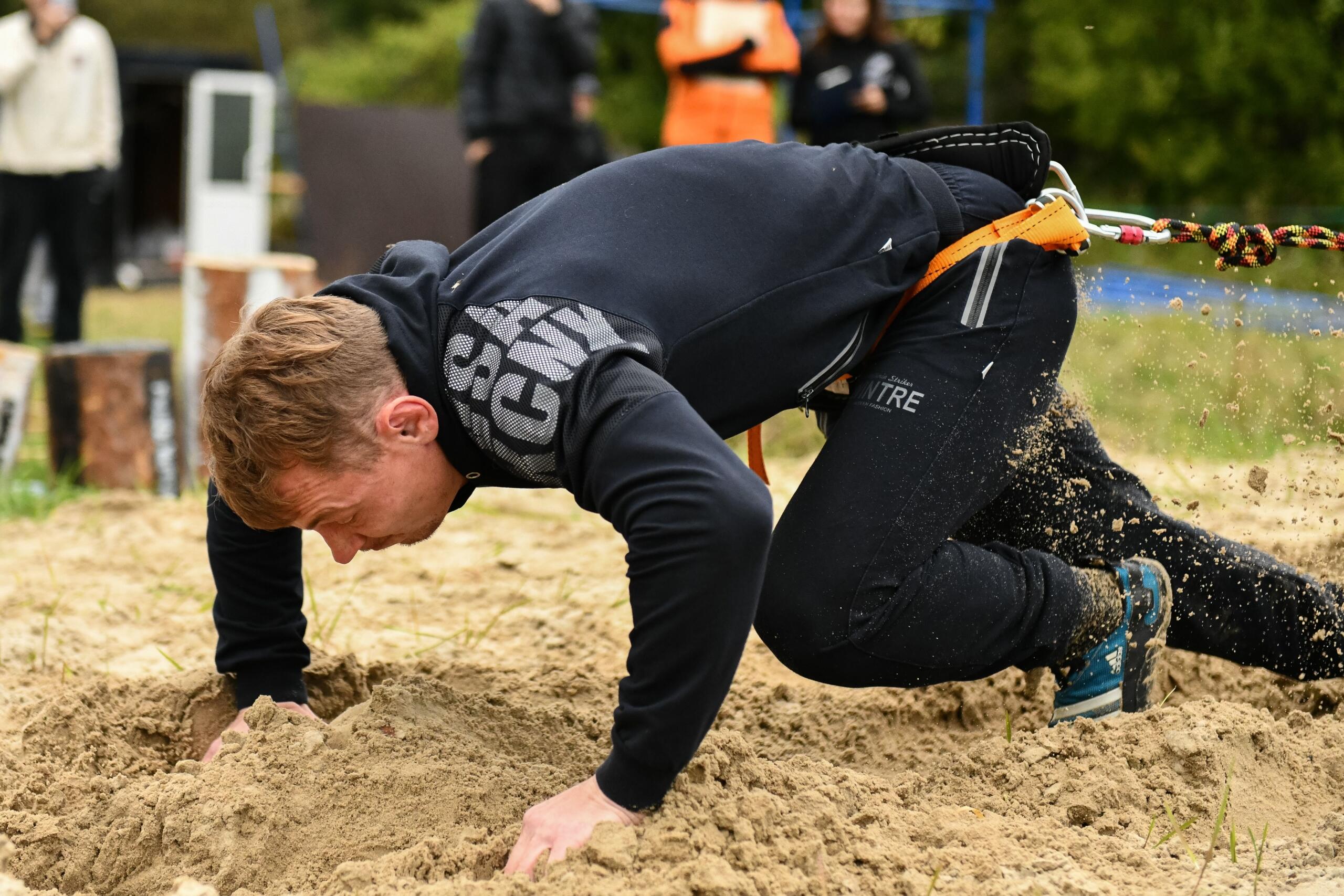
CrossFit athletes often use these insights to adjust programming, adding extra conditioning or skill work where improvements will have the greatest impact. In Canada, the official leaderboard can often be filtered by country. Instead of comparing yourself with thousands of international athletes, you can view results from across Canada and benchmark your progress against competitors racing under similar conditions.
Typical Benchmark Ranges
Every course is slightly different, and equipment setup can influence finishing times. Temperature, flooring, and athlete traffic also play a role, so there is no universal "good" time. Instead, think of these ranges as general benchmarks.
These ranges are intended as guidance rather than absolute standards. Individual courses, equipment configurations, and judging flow can all influence finishing times.
Leaderboards and Records
After every race, athletes can compare their results using the official DEKA leaderboard.
The leaderboard allows you to search by:
- Athlete name
- Event
- Division
- Age group
- Gender
- Country
Filtering results to Canada provides a more realistic comparison than chasing global rankings. It also helps athletes understand where they stand nationally and within their age category.

Many experienced competitors recommend setting goals in stages:
- Complete your first DEKA.
- Improve your personal record (PR).
- Reach the top of your age group.
- Earn a podium finish at a Canadian event.
- Qualify for championship competition.
This progression keeps training enjoyable while providing measurable milestones.
DEKA in Canada: How to Find and Register for Events
Interest in DEKA has grown steadily across Canada, with competitions appearing in major cities from coast to coast. Many events are hosted inside established CrossFit or functional fitness facilities, giving athletes a familiar environment while maintaining standardized race conditions.
Because most venues are indoors, the Canadian season extends beyond traditional outdoor racing months, although spring through fall remains the busiest period.
Where DEKA Runs in Canada
Although schedules change each year, recurring events have appeared across several provinces.
Major Canadian markets include:
Ontario
Ontario hosts the largest number of DEKA competitions.
Common host cities include:
- Toronto
- Mississauga
- Oakville
- Ottawa
- Hamilton
- London
Many events take place at established CrossFit affiliates with large competitive communities.
British Columbia
British Columbia has one of Canada's fastest-growing DEKA communities.
Regular host cities include:
- Vancouver
- Burnaby
- Surrey
- Victoria
- Kelowna
Athletes often travel from across the province because these events fill quickly.
How to Search for Canadian Events
Finding races is straightforward once you know where to look. A simple process works well:
- Visit the official DEKA event finder.
- Filter events by Canada.
- Narrow results by province or region.
- Select your preferred race format.
- Choose your wave time.
- Complete registration before popular waves sell out.
Many athletes create an online account with DEKA to manage registrations, review race history, and access event info. Signing into your account also makes it easier to join future events without entering personal details each time.
If you expect to race multiple times throughout the season, consider checking the event calendar regularly. Registration often opens months in advance, and the most popular waves in cities like Toronto and Vancouver can fill quickly.
Registration, Pricing, and Logistics
Prices vary depending on location and registration date. Most registrations include an electronic timing chip, official finisher medal, event T-shirt, digital race results, and access to the official leaderboard.
During checkout, athletes typically create or sign into an online account and pay using a credit card. Be sure to review the event's privacy policy before completing your registration so you understand how your personal information and race results will be stored and displayed. Canadian athletes can generally expect the following pricing:
Event-Day Guide (From Check-In to Finish Line)
Months of training ultimately come down to one day. A successful DEKA performance depends not only on your conditioning but also on your preparation before the starting horn sounds. Arriving organized, warming up effectively, and managing your pace can save valuable minutes and help you avoid unnecessary mistakes.
What to Pack
Packing your gear the night before eliminates last-minute stress and reduces the chance of forgetting something important.
Clothing
Choose lightweight athletic clothing that allows unrestricted movement, such as moisture-wicking shirts, compression shorts or tights, lightweight training shorts, a hoodie for warm-up, and breathable socks.
Shoes
Your footwear should provide a balance between grip and speed: excellent traction, a stable platform for sled pushes, cushioning for running, and a durable outsole for rubber flooring will serve you well. Waterproof shoes are generally unnecessary because DEKA courses remain indoors.
Essentials Checklist
Bring:
✅ Government-issued ID
✅ Registration confirmation
✅ Water bottle
✅ Electrolyte drink
✅ Small towel
✅ Energy snacks and electrolyte drinks
✅ Hand tape or grips if preferred
✅ Extra shirt
✅ Phone charger
Some Canadian venues do not provide disposable cups near hydration stations, so carrying your own bottle is a simple way to stay prepared.
Race Strategy by Format
Different DEKA formats require different pacing strategies.
DEKA STRONG
Since there is no running, avoid treating every station like a max-effort workout. Instead, maintain smooth breathing, keep transitions efficient, break long sets only if necessary, and stay technically sound. Focus on consistency rather than all out intensity - you may find that fatigue happens quickly.

DEKA MILE
Balance becomes the priority in this event. The short running sections should help you recover, not destroy your legs. Focus on maintaining a relaxed running form, controlled breathing, efficient station transitions, and even pacing throughout. Avoid sprinting in the early run segments.
DEKA FIT
The 5 km of running changes everything. A useful strategy is to divide the race into thirds.
First Third
Race Perceived Exertion (RPE): 6–7/10
Stay comfortable.
Many athletes make the mistake of matching the pace of faster runners who will eventually fade.
Middle Third
RPE: 7–8/10
Maintain rhythm.
Focus on efficient transitions, smooth breathing, and consistent running pace.
This section often determines your final result.
Final Third
RPE: 8–10/10
If you've paced correctly, you'll still have enough energy to push harder through the final stations.
Increase intensity gradually rather than waiting until the final hundred metres.
Common Mistakes to Avoid
Even experienced athletes make errors that cost valuable time. Avoid the following mistakes and you will have a much smoother and rewarding event.
Excitement often leads athletes to sprint the opening run.
Instead, race your own plan.
One failed repetition often takes longer than performing it correctly the first time.
Listen carefully to your judge.
Transitions matter. Practice moving efficiently between stations during training.
Holding the Farmer Carry handles or RAM too tightly accelerates forearm fatigue.
Relax your grip whenever possible.
Canadian venues vary considerably. Rubber flooring often creates noticeably greater resistance than turf. If you've only trained on turf, expect the sled or Torque Tank to feel heavier on race day.
Finally, don't underestimate the importance of nutrition. Even shorter events benefit from proper fueling: eat a familiar meal two to three hours before competing and stay hydrated throughout the morning.
Your Event Day in 7 Steps
What does a day at DEKA look like?
Arrival
Check in, collect timing chip, confirm wave assignment.
Inspect the Course
Walk through the venue and identify each fitness zone.
Warm Up
Complete mobility, cardio, and activation exercises.
Athlete Briefing
Listen carefully for equipment updates and judging reminders.
Race
Stay consistent, follow movement standards, and pace wisely.
Recover
Hydrate, stretch lightly, and refuel with carbohydrates and protein.
Review Results
Save your splits, record your PR, and plan your next goal.
CrossFit Athletes Love DEKA
DEKA feels familiar to anyone with a CrossFit background. However, DEKA introduces an entirely new challenge through standardized race formats and endurance-based pacing. Instead of comparing today's workout to yesterday's whiteboard, you're competing on the same course as athletes across Canada and around the world.
References
- CrossFit. CrossFit Essentials. CrossFit, https://www.crossfit.com/essentials. Accessed 31 July 2026.
- DEKA. Host a DEKA Event. Spartan DEKA, https://deka.fit/host/. Accessed 31 July 2026.
- DEKA. Rules. Spartan DEKA, https://deka.fit/rules/. Accessed 31 July 2026.
Summarize with AI:
Did you like this article? Leave a rating!

 Loading...
