
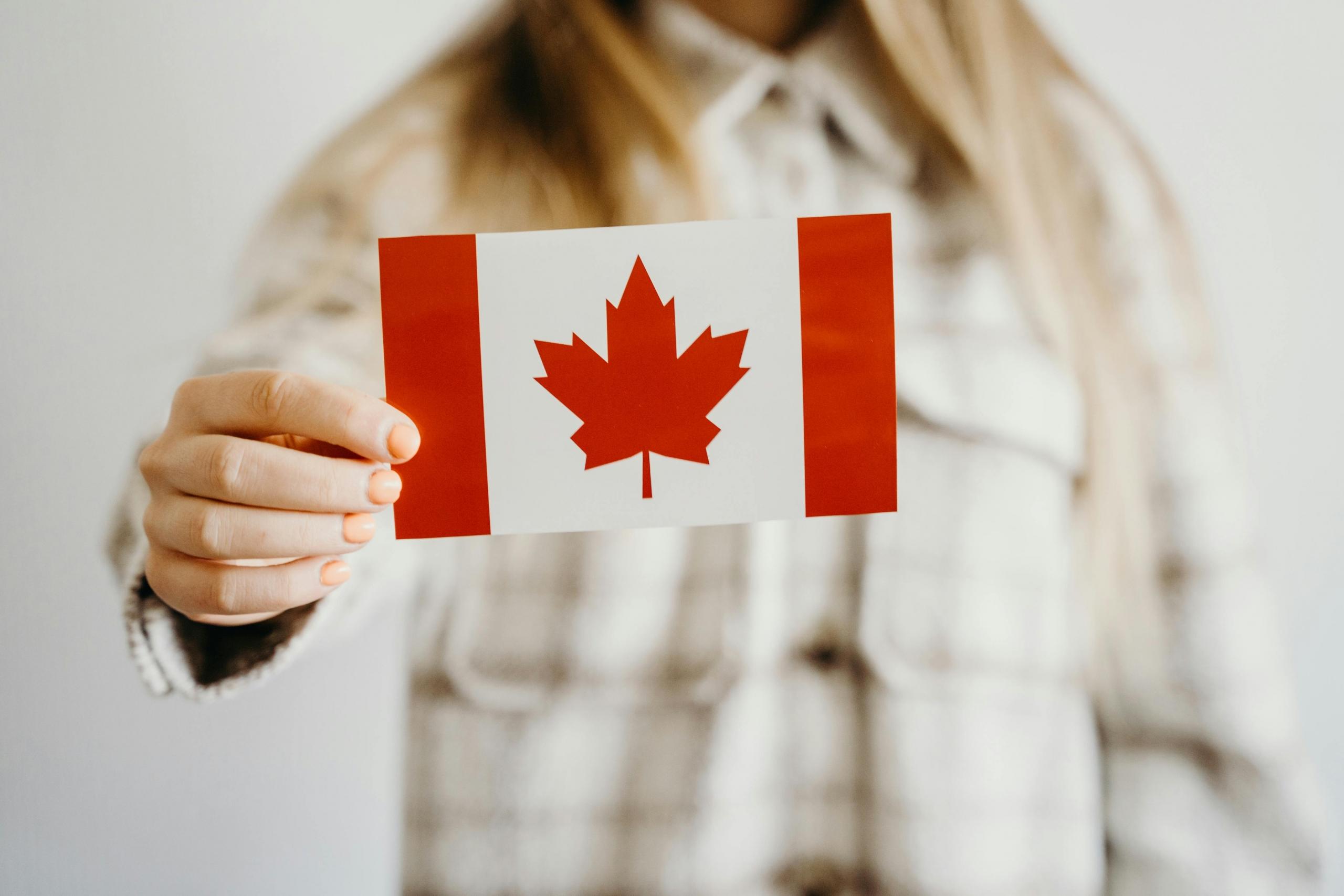

Though Canada is known widely for its multicultural and multilingual society, it is important to be able to communicate in either of its two official languages: English and French. French speaking skills are so highly valued that it can increase the chance of being granted permanent residency in the country.
French is a strong part of Canadian identity and culture. French settlers arrived in Canada hundreds of years ago, and the Francophone community has grown significantly, particularly in Quebec. To support the vitality of French speaking communities outside of Quebec, a Francophone immigration program has been established to encourage applications from French speaking individuals.
So if you are looking to become a permanent resident, demonstrating your French proficiency may be your best asset!
Of course, demonstrating that you can speak French and possibly even learning the language is a whole journey in itself. Let’s learn more about French proficiency exams you can take to strengthen a permanent residency application, and what you can do to prepare for the test.
Speakers of both of Canada’s official languages, particularly French, can make you stand out as a professionals. Find out about career opportunities with French certifications in Canada.






Which French Certifications can be used for a PR application?
The Test d’Évaluation du Français (TEF Canada) and the Test de connaissance du français (TCF) are two different tests approved by Immigration, Refugee, and Citizenship Canada (IRCC).
While both tests are different in terms of what they assess, they are somewhat similar in administration and can both be used to demonstrate language proficiency in French.
TCF is an assessment for non-native speakers of French that want to certify their proficiency level for work, school, or personal reasons. IT is comprised of oral and written comprehension questions. The results of the test will help students to determine their level: A1 (beginner), to C2 (top fluency level). These levels are established by the Common European Framework for Languages.
Similarly, the TEF is a French language proficiency test for non-native speakers. It is mandatory for economic immigration programs that require proof of language abilities, and is considered essential for applications for Canadian citizenship where French language is a category. To take the TEF, your level must be at a minimum B2 level.
Knowing which French certification is right for you takes research and serious consideration of your life goals. Learn more about French certification in Canada.
Why are there two French Certification Tests?
Having two types of certification can be confusing, so it is important to understand why some take the TCF, and why others take TEF.
The TEF is mainly for Canadian citizenship, while the TCF is used for getting permanent residency in a province. Canadian immigration authorities request the TEF, and French language universities may use it as part of the admissions process.
The TCF is more versatile, and can be used for a wider range of purposes, including work or immigrating to France.
Are you looking to immigrate, work, or study in Canada? Find out which French proficiency certification is right for you.

How Can I Improve My French Language Skills?
It’s no secret that taking a big exam in a language you are learning can be stressful. If you are aiming for permanent residency or citizenship, your future is also on the line. Certification exams can also be quite costly, and you want to avoid having to retake the test.
For these reasons, you will want be as prepared as possible through regular practice and improvement of your French. Here are some ways to enhance your French speaking in.
Get Lots of Conversation Time In
Spontaneous conversation is often the best way to build your fluency and confidence in speaking French. Conversing in a language that you are learning is not an easy task. In fact, you may find yourself feeling anxious or worried that you will say something incorrectly.
On the TEF, oral expression forms one of the largest components of the test, which means that you must practice oral communication frequently to be successful on the test. You will not only want practice speaking, but being able to listen carefully to what you are hearing so you can respond appropriately.
This is why it is important to take risks when speaking by finding opportunities to engage in French conversation. You can do this by joining meet up groups where you can talk to native or proficient French speakers, or hire a tutor with whom you can practice with.
We will explore tutoring options later in this article!
Write and Read Everyday in French
Building literacy skills French is critical, especially if you plan to study at a French language school or work in a French speaking community. On French certification exams, you will certainly want to be proficient in reading and writing, as much of the test will assess your ability to decode and encode the French language.
When it comes to building literacy skills, it is important to keep in mind that the two processes are deeply intertwined. It is also important to build a strong oral foundation in French, which will help you process texts and express yourself in writing more fluently.
Make a point of reading something in French every day, or multiple times a day, in addition to what you are learning in French classes. Find article and books that are adapted for your level of proficiency. Read lots of environmental print, such as French labels on food products.
The more you read, the more vocabulary you will attain, not to mention becoming used to French grammar structures and sentence syntax
Writing is also an important activity you can engage in regularly. Keep a French journal, where you start by writing simple sentences or words to describe your mood or day. Use a dictionary or translator when needed, and post sentence frames or starters you can easily reference when you write.
As you write and read more, you will surely see your sentences become more longer and complex. Writing regularly in French is key to becoming better at it!
There are a lot of French language certifications out there, from the TEF to the DELF and the dozens of programs available in universities and colleges. Learn all about the different French exams in Canada.
Immerse Yourself in Language
The best possible way to really amp up your French skills is to immerse yourself in the language. Travel and stay in a French speaking community for an extended period of time, where you will be pushed to communicate in French spontaneously in your everyday interactions.
By spending a lot of time in a French community, you will also be exposed to more environmental print and media. While it may seem challenging at first, you will see your linguistic skills develop quickly as you become used to your new environment.
Where can you go in Canada to immerse yourself? Montreal, Quebec City, or nearly any community in Quebec or New Brunswick will bring you tremendous exposure in French.
If possible, consider a journey to beautiful France, where you will likely have the experience of a lifetime!

Is it Worthwhile to hire a tutor to Prepare for a French Certification Exam?
Getting a French tutor is a very worthwhile way to prepare for your certification exams. Remember that the learning you are engaging in may impact the trajectory of your life, especially if you are acquiring French for career, immigration, or residency purposes.
Taking proficiency tests are an investment in money and time. Why not invest in your preparation to ensure you get the best possible result?
A tutor can meet with you as much as you need their support to help you review what you are learning in class. They may provide additional explanation and practice for tricky conjugations, sentence forms, and engage you in conversational practice.
A tutor can read your writing, and give you feedback so you can become a better communicator in French.
When it comes to certification, they can coach you through the different sections of the exam you choose to take, and simulate the test writing experience so you can feel confident when it is your turn to write.
Getting ready for a French proficiency exam can be stressful, especially if many of your future goals depend upon your success. Find out some strategies for French exam preparation.
Summarize with AI:
Did you like this article? Leave a rating!


 Loading...
What is the cost of TEF in Canada?
Hi Ita, the cost of the TCF-Canada exam is CAD$ 390 but I recommend checking their official website! If you need advice on preparation, check out our guide :)