

France borders the English Channel to the North, Germany to the East, and Spain and the Mediterranean Sea on its southern coast; a country known for its extraordinary historical facts driven by some of the most famous figures of humanity.
Through the ages, the nation defended its lands. It established its empire, all the while becoming famous for its rich culture, shaped by its many artists, writers, and philosophers over time.
Here are our top 20 most important French figures throughout history!
| Famous French Figure | Timeline | Why They Are Famous |
|---|---|---|
| Charlemagne | c. 747–814 | King of the Franks and Emperor of the Romans whose empire helped lay the foundations for modern France and Europe. |
| Joan of Arc | 1412–1431 | National heroine who led French forces during the Hundred Years' War and became a symbol of French courage and patriotism. |
| René Descartes | 1596–1650 | Philosopher and mathematician known as the "Father of Modern Philosophy"; developed Cartesian doubt, the Cartesian coordinate system, and influential ideas about the mind and body. |
| Voltaire | 1694–1778 | Enlightenment writer and philosopher who promoted freedom of speech, religious tolerance, and civil liberties. |
| King Louis XIV | 1638–1715 | The "Sun King" who ruled France for 72 years, built the Palace of Versailles, and represented the height of absolute monarchy. |
| Marie Antoinette | 1755–1793 | The last Queen of France before the French Revolution, remembered as one of history's most iconic royal figures. |
| Napoleon Bonaparte | 1769–1821 | Military genius who became Emperor of France and introduced the Napoleonic Code, influencing legal systems worldwide. |
| Charles de Gaulle | 1890–1970 | Leader of Free France during World War II and founder of the French Fifth Republic. |
| Molière | 1622–1673 | One of France's greatest playwrights, known for satirical comedies that remain influential in theatre. |
| Victor Hugo | 1802–1885 | Author of Les Misérables and The Hunchback of Notre-Dame, whose works addressed social justice and human rights. |
| Claude Monet | 1840–1926 | Founder of French Impressionism, famous for paintings such as his Water Lilies series. |
| Antoine de Saint-Exupéry | 1900–1944 | Aviator and author of The Little Prince, one of the world's most translated books. |
| Louis Pasteur | 1822–1895 | Pioneer of microbiology who developed pasteurization and made major contributions to vaccines and disease prevention. |
| Marie Curie | 1867–1934 | Nobel Prize-winning physicist and chemist whose research on radioactivity transformed modern science. |
| Gustave Eiffel | 1832–1923 | Civil engineer best known for designing the Eiffel Tower and contributing to the structure of the Statue of Liberty. |
| Louis Braille | 1809–1852 | Inventor of the Braille reading and writing system, transforming education and independence for blind people worldwide. |
| Coco Chanel | 1883–1971 | Fashion designer who revolutionized women's clothing and created one of the world's most recognizable luxury brands. |
| Édith Piaf | 1915–1963 | Legendary French singer known worldwide for songs such as La Vie en Rose. |
| Brigitte Bardot | 1934– 2025 | Actress and cultural icon who became a symbol of French cinema before becoming an animal rights activist. |
| Zinedine Zidane | 1972– | Football legend who led France to victory in the 1998 FIFA World Cup and later became a successful manager. |


📜Foundations of France and Europe
🔥Charlemagne (c. 747–814)
Charlemagne is known as the King of the Franks from 768 and later became the Emperor of the Romans in 800. Although he lived before modern France existed, he united much of Western Europe and expanded the Frankish kingdom into one of the largest political entities in medieval Europe.
After his death, the Treaty of Verdun (843), one of the most important French historical events, divided his empire into:
- West Francia: Which gradually developed into France
- East Francia: Which gradually developed into Germany
The word France comes from Francia, meaning "land of the Franks." The Franks were a Germanic people who established a powerful kingdom in former Roman Gaul (roughly modern-day France and surrounding regions).
🔥Joan of Arc (1412-1431)
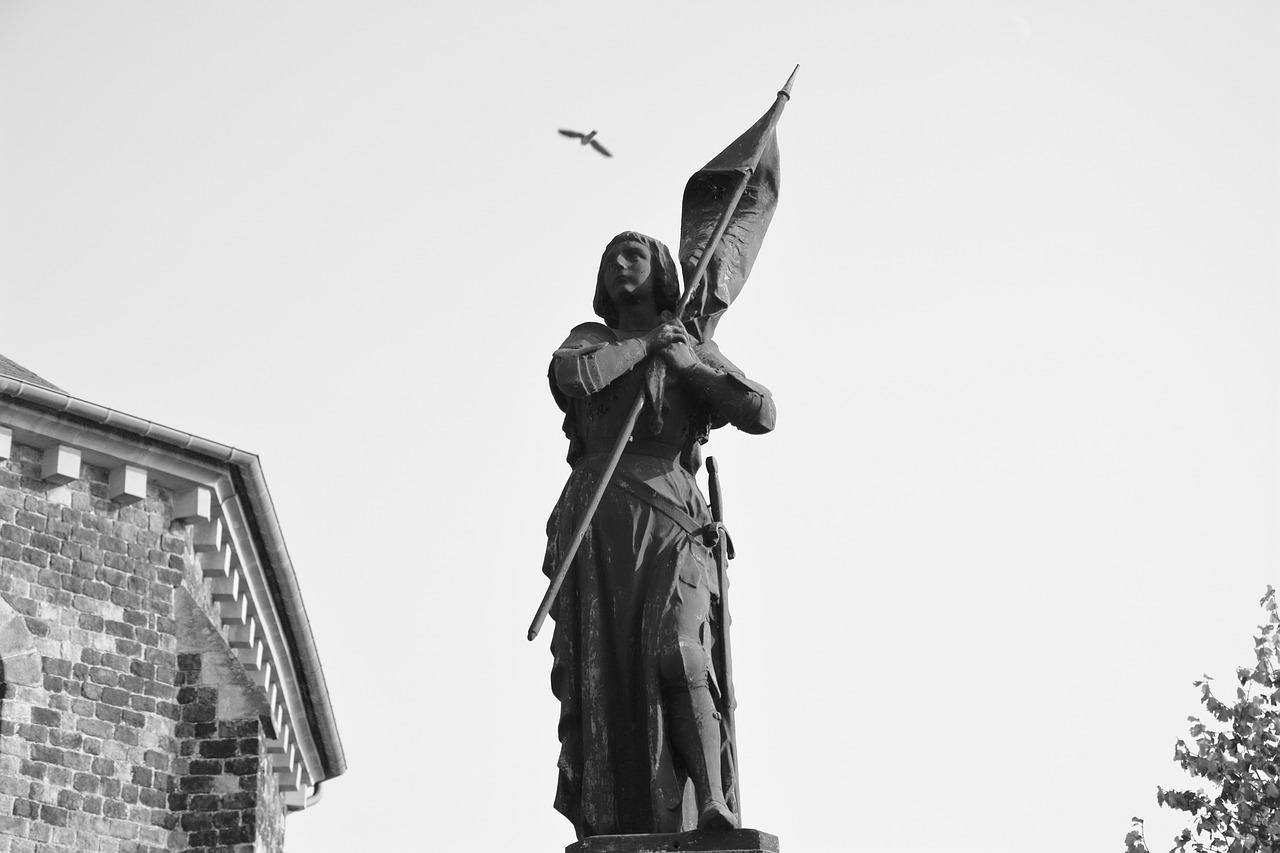
Joan of Arc is one of France's most famous citizens, best known for contributing to the end of the Hundred Years' War. She secured the French victory over the English and successfully reclaimed French lands. Joan of Arc’s actions were motivated by her religious devotion, notably her holy visions of St Michael and St Catherine, encouraging her to lead in battle with the holy pronouncements that she would be the savior of France.
However, despite the French having taken back their throne, the ongoing conflict with the English resulted in Joan being sold to them as a hostage by the Burgundians.
She was charged with witchcraft and heresy and burnt at the stake.
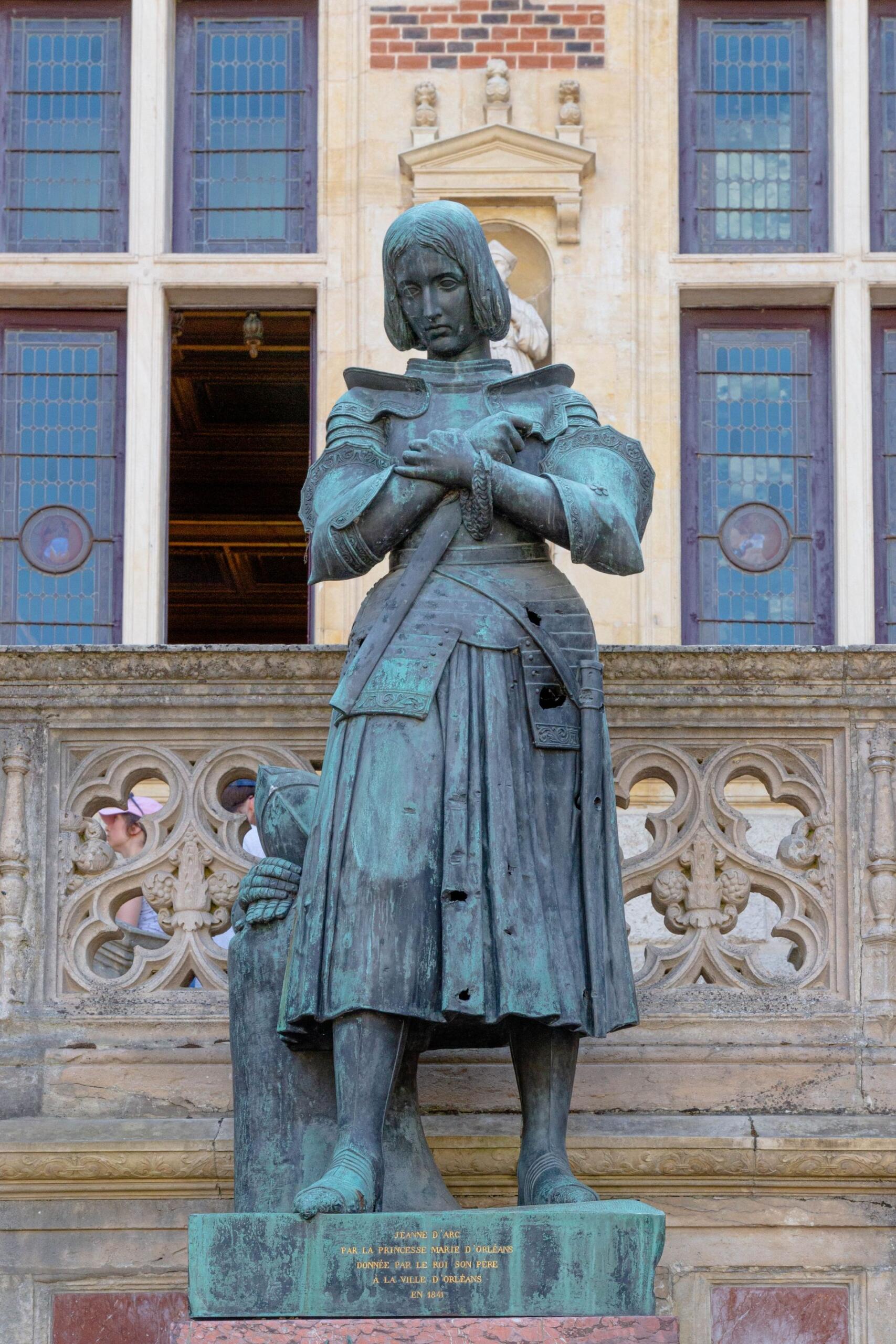
To this day, she is the Patron Saint of France, and her statues are found throughout the country in veneration of the maiden who brought France victory. 1
🧠Renaissance and Enlightenment Thinkers
🪶René Descartes (1596–1650)
Cogito, ergo sum — I think, therefore I am.
René Descartes
Known as the father of modern philosophy, René Descartes received a classical education in logic, mathematics and classical philosophy. He came up with many new paradigm shifts in thinking and fields such as :
Cartesian Doubt
- Questioning everything that can be doubted
- Influenced Western philosophy and scientific thinking
Cartesian Coordinate System
- A key concept used in x and y axes in analytic geometry
- Became a foundation for calculus and physics
Cartesian Dualism
- A proposed notion that mind and body are two different types of substances
- Shaped many debates about the relationship between the brain and mind
🪶Voltaire (1694 - 1778)
Judge a man by his questions rather than by his answers.
Voltaire
The 18th-century French writer Voltaire was famous for his works representing the philosophic and cultural movement during the Age of Enlightenment, which took place in Europe in the 1700’s.
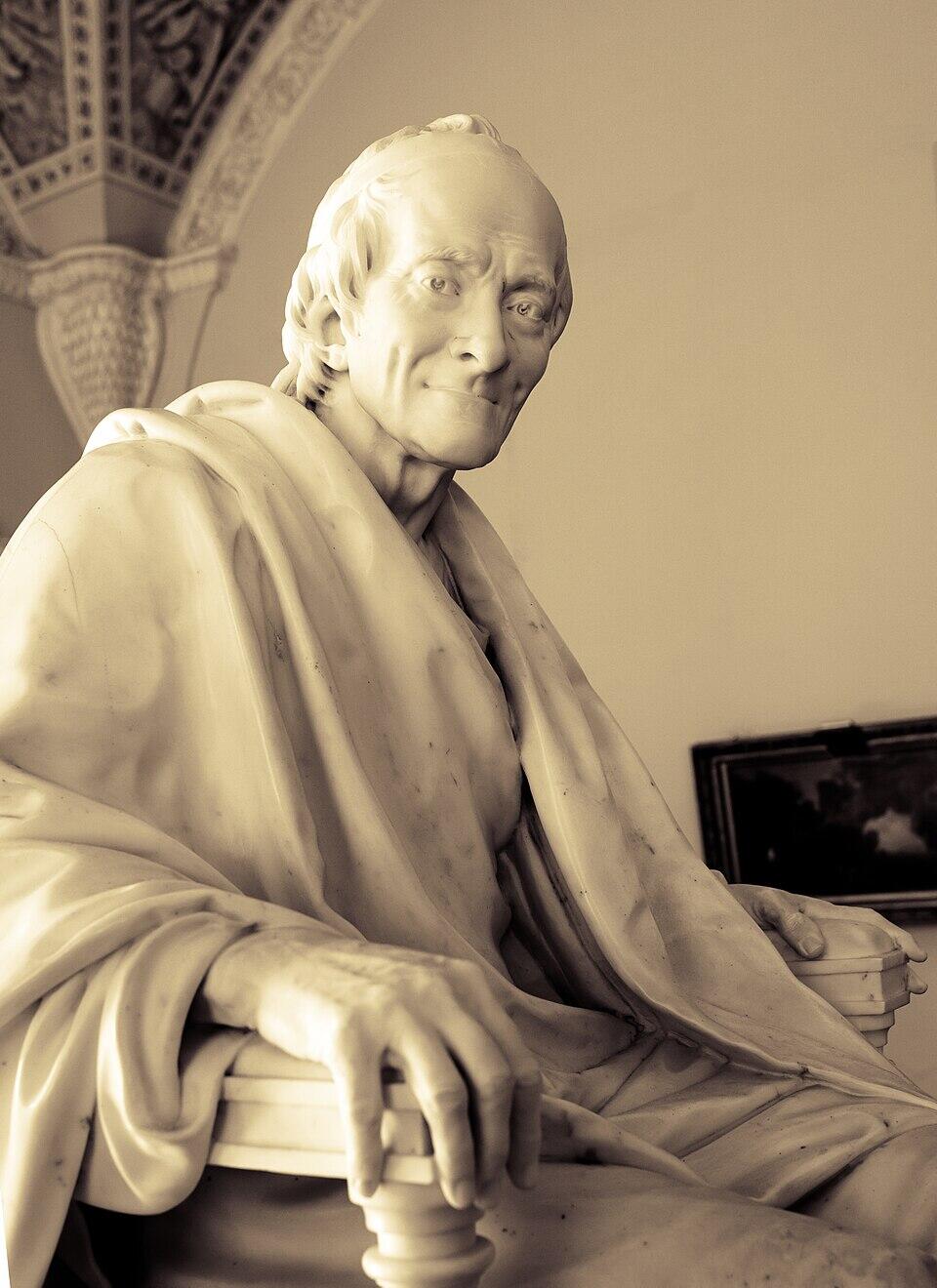
Known for his criticism of Christianity throughout his satirical works, Voltaire also fully supported the separation of church and state.
Voltaire wrote all his literary works throughout his lifetime. His most notable work, Candide (1759), criticizes the unfounded optimism of religion.
Voltaire had spent time in prison for his attacks on religion and the government in his work La Henriade (1723).
He exiled himself across the Channel to the English town of Ferney (on the French-Swiss border, now known as Ferney-Voltaire) to avoid spending time in jail for his critical writings.
Find out more about France's complicated relationship with the United Kingdom.
👑Influential Monarchs
🛡️King Louis XIV (1638-1715)
The Sun King is arguably France's most famous monarch. King Louis XIV of France was crowned King of France at just 4 years old following his father's death. He is best known for his elaborate construction of the Château de Versailles and the opulence of his reign, known as "Le Grand Siècle" of French classicism.
King Louis XIV's Chief Minister, Cardinal Mazarin, assisted in running the country while Louis was still a child. After the Cardinal died in 1661, Louis became the absolute and divine monarch at 23, believing he was ruling France directly on God’s behalf. During his reign, he fought many wars and battles throughout Europe, warring with Spain, Flanders, and the Habsburg dynasties.
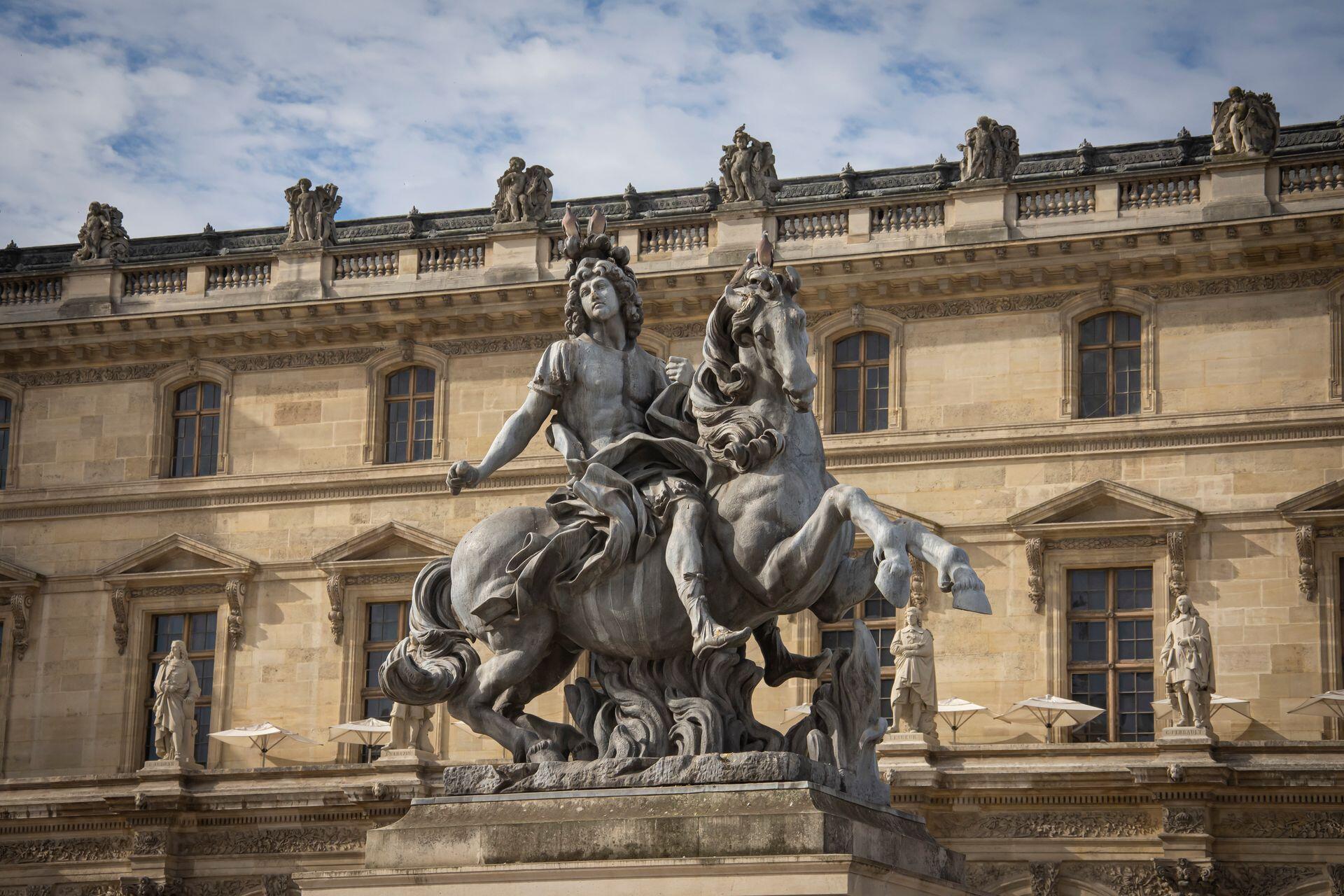
It was during King Louis XIV's reign that the first French colonies in "Nouvelle France" were established, with its first colony in Quebec, Canada, stretching to some lands further south to Louisiana. The Sun King, Louis XIV, was the longest-reigning monarch in French history, ruling for 72 years until his death at the age of 76 from complications caused by gangrene. 2
L'État, c'est moi" ("I am the state")
Louis XIV, the Sun King
🛡️Marie Antoinette (1755-1793)
Marie Antoinette was an Austrian Archduchess born in Vienna in 1755. At 14, she married the heir to the French throne, Louis-Auguste, who would become King Louis XVI. Queen Marie Antoinette and King Louis XVI would be France's last kings and queens.
During her reign as Queen of France, Marie Antoinette was highly regarded by the French people; however, as the monarchy became increasingly criticized for its decadence and lavish spending, the public opinion of the queen drastically plummeted. The discontent grew to a fever pitch when the angry citizens of Paris stormed Versailles.
The French people's negative opinion of Marie Antoinette and her husband, King Louis XVI, is often cited as contributing to the French Revolution.
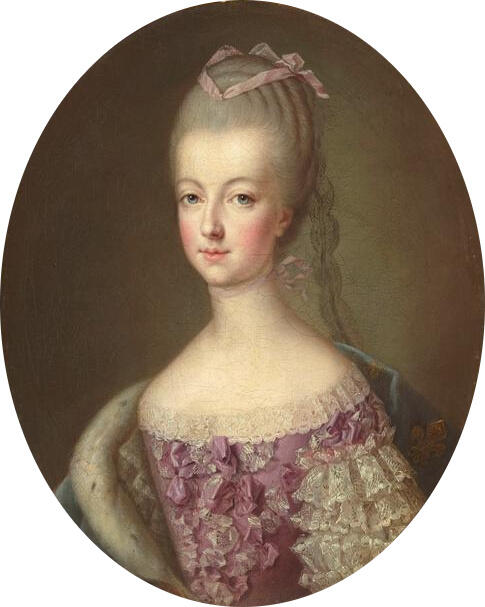
Marie Antoinette would eventually meet her death by guillotine on 16 October 1793 at the Place de la Concorde in Paris at the age of 38, her hair having turned completely white during her incarceration and terror trials.
🏰Revolutionary Leaders
⚔️Napoléon Bonaparte (1769-1821)
Never interrupt your enemy when he is making a mistake.
Napoleon Bonaparte
Perhaps one of the most famous generals is the French General and Conqueror Napoleon Bonaparte. Born on the island of Corsica in 1769, Napoleon was a member of the French military during the Revolution, rising quickly through the French Military as a brilliant strategist.
He expanded the empire, conquering most of Western Europe while seizing political power and proclaiming himself Emperor of France.
He was also famous for his contribution to French codified law, part of Napoleon’s legacy, the Napoleonic Code, which was drafted to replace the complex pre-revolution system.
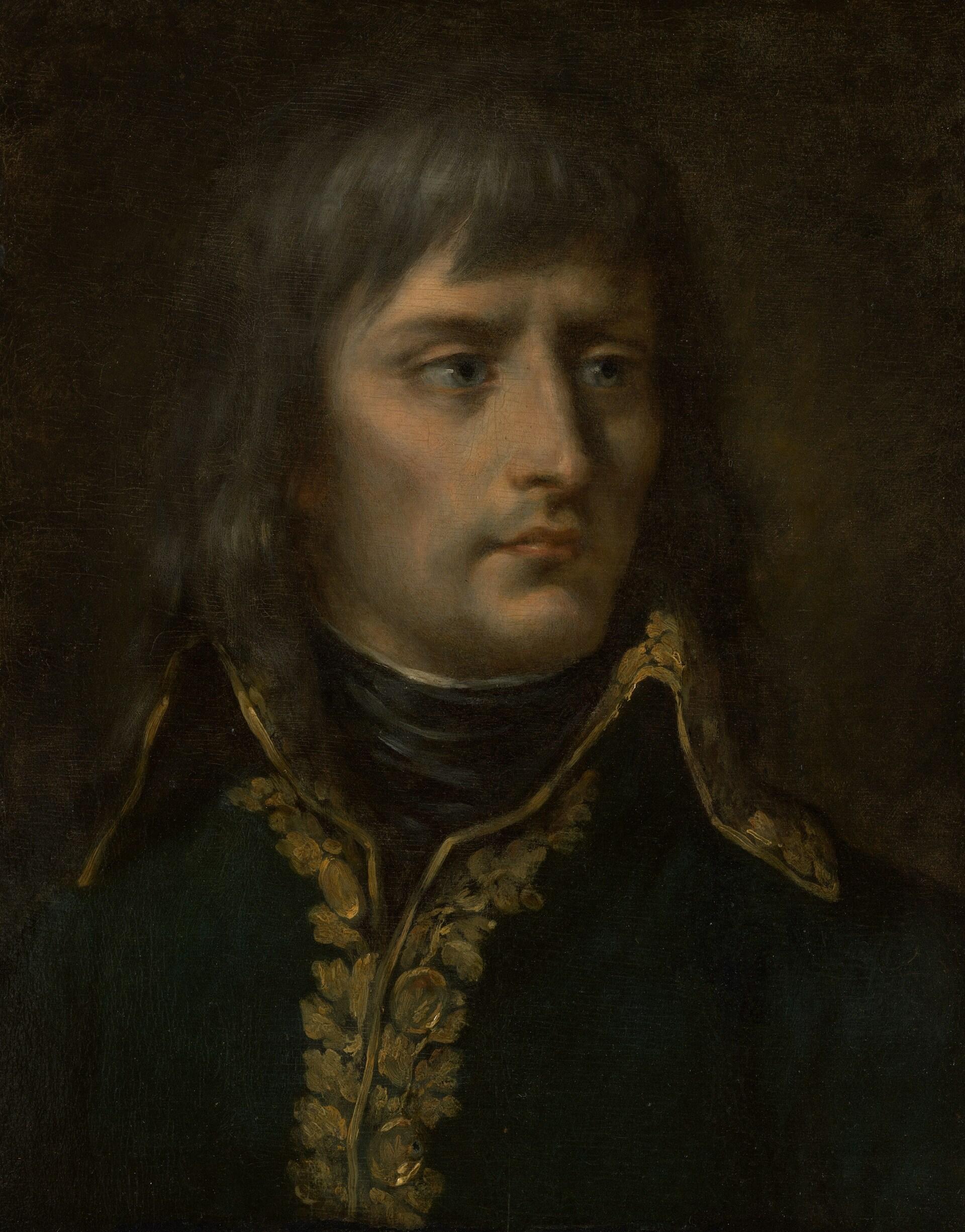
The Napoleonic Code still exists today and covers everything from the rights of individuals, family inheritance, property laws, and the management of colonies.
⚔️Charles de Gaulle (1890-1970)
Charles de Gaulle was a military leader in the Second World War who self-exiled to London for three years during the German occupation of Paris.
He later rallied the French Resistance forces and the British Secret Services to help liberate Paris in 1944 from the occupying forces; he later became the President of France. However, radical events and changes in the French government marked De Gaulle's military and political career.
De Gaulle returned to Paris following the liberation of Paris. However, when his desire to form a new government failed in 1953, he retired for a period. He returned to governing France after the Algerian Independence movement in 1958 and was president of France until 1969.
Learn more about the history of French's millitary forces.
📖Literary and Artistic Icons
✍️Molière (1622 - 1673)
The greater the obstacle, the more glory in overcoming it.
Molière
Jean-Baptiste Poquelin, better known as Molière, was a playwright, actor, and poet from France. He is considered one of the greatest writers in the French language and world literature. His works range from comedies, farces and tragicomedies to comédie-ballets and more. His works have been translated into all the major languages. Molière is considered the father of the Comédie Française, which belongs to the Great French Century.
Molière is mainly known for being the author of the most transcendental works of universal literature, such as Tartuffe, Don Juan, The Miser, and The Imaginary Invalid.
✍️Victor Hugo (1802-1885)
Most famous for his novels The Hunchback of Notre Dame (1831) and Les Misérables (1862), Victor Hugo was a celebrated French writer famous for his poems, novels and plays. Hugo’s works were part of the Romantic era, when artists focused on nature as an inspiration expressed through his art and literature.
The Hunchback of Notre Dame was the first of many semi-political works written by Victor Hugo. The story revolves around a disfigured orphan whom the town's people mistreated. It was later adapted into a film as well as an animated Disney film released in 1996.
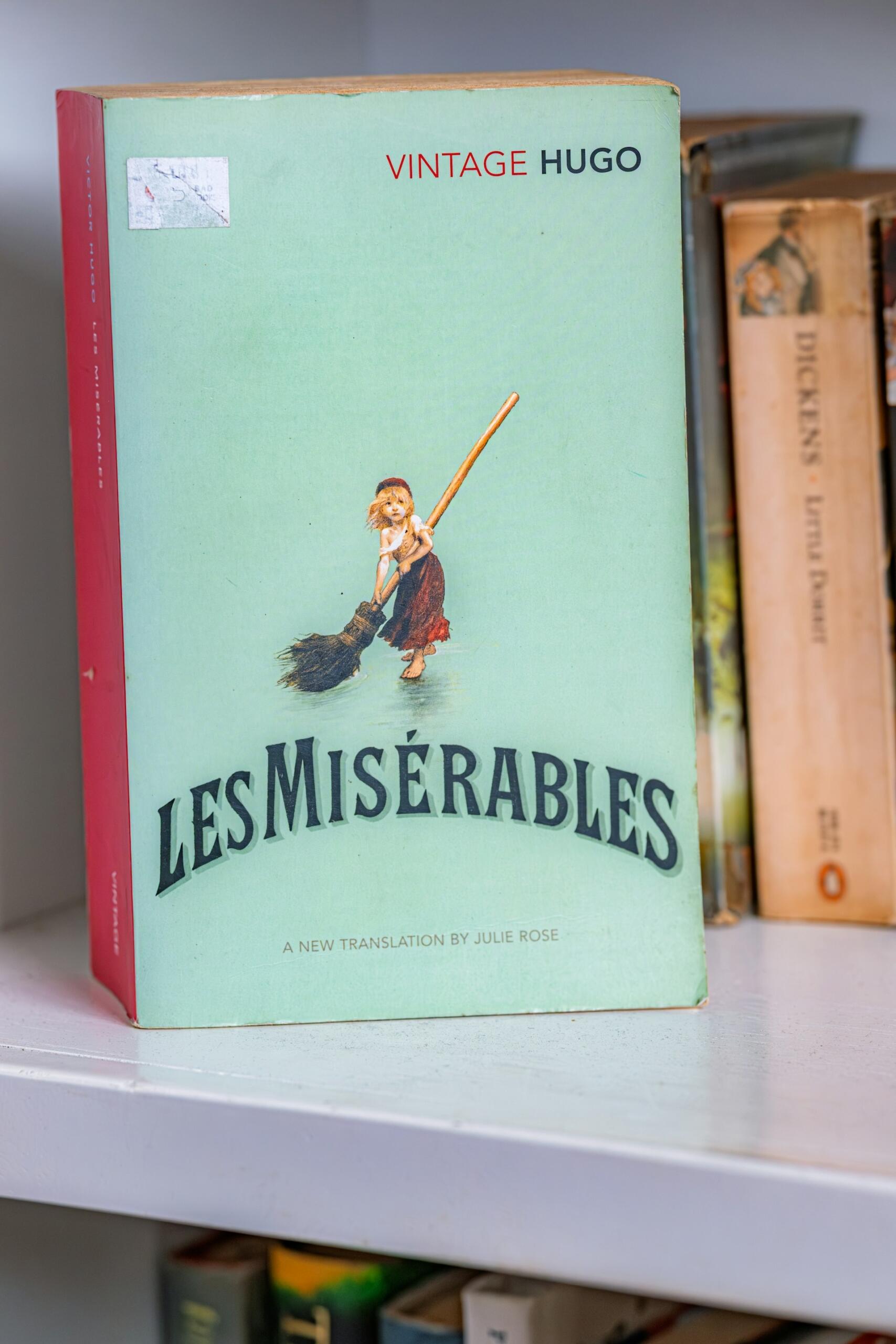
Les Misérables, set in 1845, was an immense hit when first published in 1862, making him hugely popular not only in France but around the world, following its translation into several different languages.
The story follows the life of a man imprisoned for 19 years for stealing a loaf of bread to feed his starving niece.
It was a brilliant novel, credited globally for exposing the flaws of post-revolutionary French society and the struggle between good and evil at that point in time.
🎨Claude Monet (1840-1926)
Claude Monet is the most famous French Impressionist painter. An avid painter, Monet became disillusioned with traditional academic painting conventions and, together with fellow artists such as Alfred Sisley, Pierre-Auguste Renoir, and Camille Pissarro, explored new approaches to painting outdoors (en plein air), capturing light and everyday scenes in a more spontaneous style.
With the new perception of light and shorter brushstrokes used in his paintings, this new style became known as Impressionism.3

Monet was famous for his works featuring locations like the River Thames in London, Rouen Cathedral, and his gardens in Giverny all depicted in a series of paintings that captured the different illuminations of the day.
✍️Antoine de Saint-Exupéry (1900-1944)
Antoine de Saint-Exupéry, the French aviator, poet, author, and journalist, famously documented his travels and exciting adventures as a pilot in his written works. He served in the French Air Force and as a commercial pilot for early aero-postal services.
After the German Armistice in 1940, he self-exiled to the United States, where he wrote his most famous novella, Le Petit Prince or The Little Prince, which was first published in America, both in English and French.
Although Antoine won several literary prizes for his works Night Flight (1931) and his memoir Wind, Sand, and Stars (1939), his literary endeavors culminated with the 1943 publication of The Little Prince, considered a classic and written while he was in New York advocating for American intervention in the War against the Nazi regime.
Later, he returned to France to fight alongside the Allies with a Mediterranean-based squadron in 1943. He disappeared on July 31, 1944, during a reconnaissance mission in his P38 unarmed plane while mapping out German locations in the Rhône Valley. His disappearance would remain a mystery until fragments of his plane were identified in 2004 off the coast of Marseille.
🔬Science, Engineering and Innovation
🧪Louis Pasteur (1822 - 1895)
Louis Pasteur was a chemist, physicist, and mathematician widely known for his discoveries in various fields of the natural sciences, especially chemistry and microbiology, and his advances in the knowledge of bacteria. Pasteur was also the inventor of pasteurization, which is still practiced today, honoring his name.
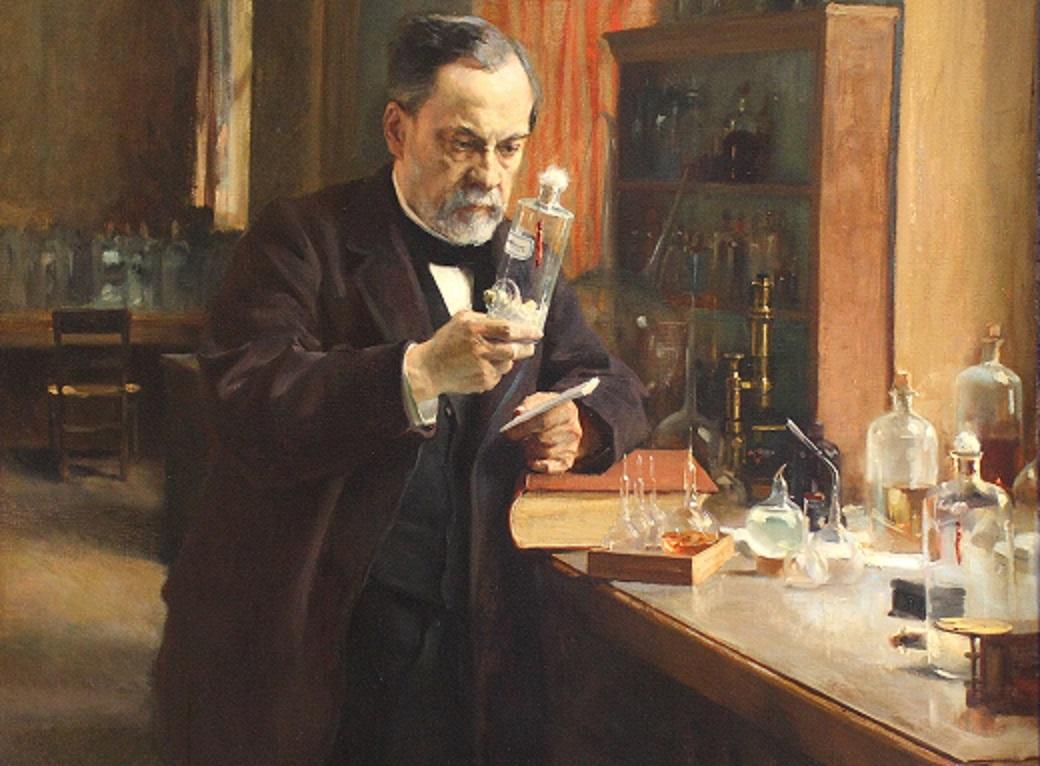
His discoveries marked the beginning of scientific medicine, as they demonstrated that disease is the visible effect (signs and symptoms) of a cause that can be sought out and eliminated with specific treatment and that, in the case of infectious diseases, the focus is on finding a way to combat it by searching for the causative germ.
⚛️Marie Curie (1867-1934)
The first woman to be awarded the Nobel Prize, Marie Curie would be the first to win the award more than once for her discovery of radium and polonium. Curie dedicated her life to researching radioactive materials and is credited with coining the term "radioactive" due to her discoveries.
Along with her research in physics and chemistry, she also worked with the French government to implement portable X-ray machines for wounded soldiers on the battlefields of World War I.
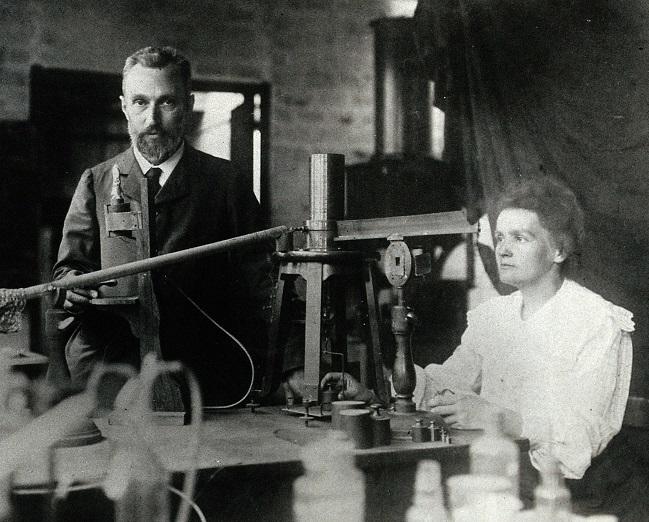
Due to her exposure to radioactive materials, she died at the age of 66 from aplastic anemia or radiation sickness caused by her exposure throughout her research.
🏗️Engineering and Human Innovation
🗼Gustave Eiffel (1832 - 1922)
Perhaps France's most famous landmark and tourist attraction, the Eiffel Tower, is the most visited landmark in Paris. Gustave Eiffel was a French engineer specializing in metal works and was responsible for constructing the tower for the Universal Exposition in 1889.
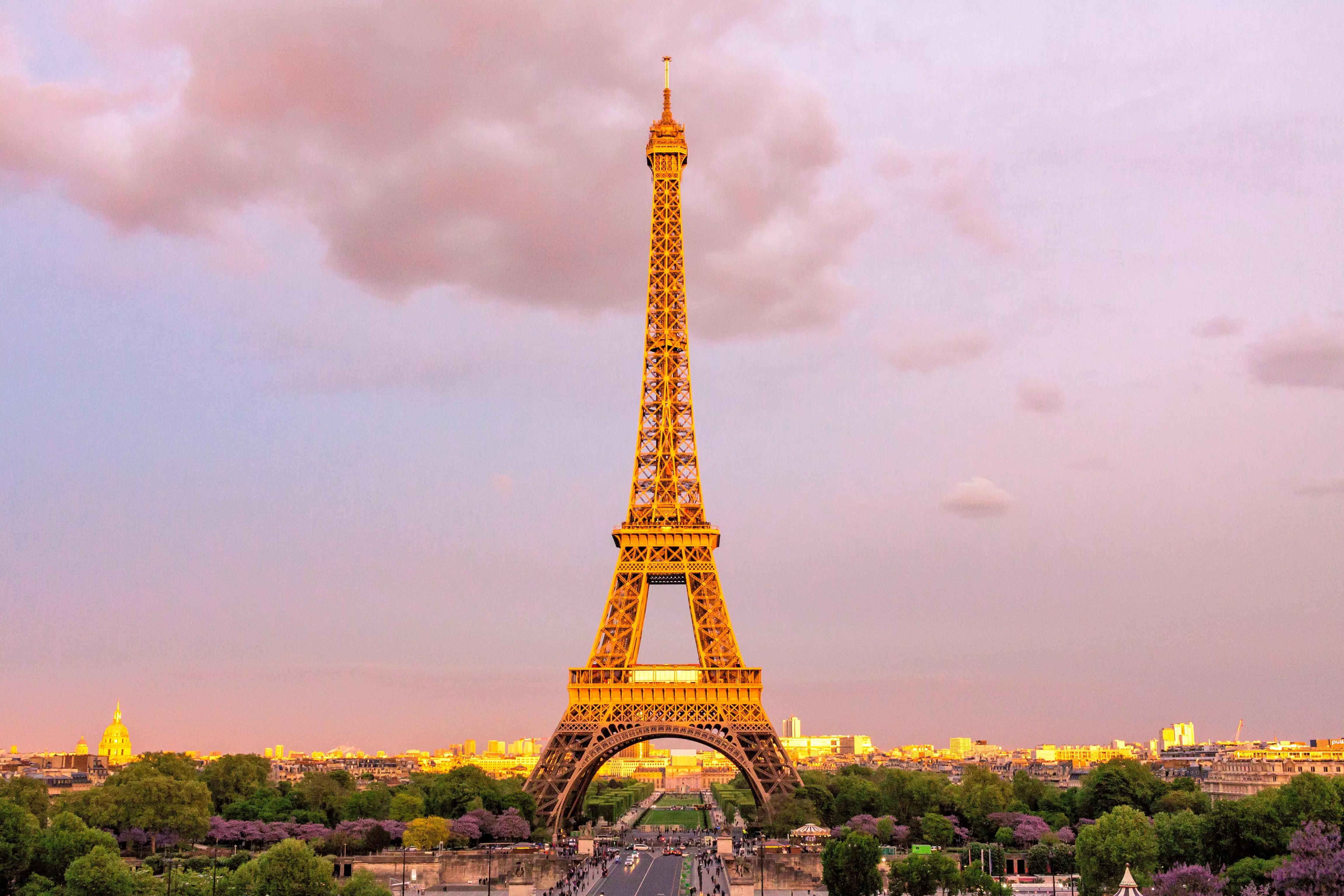
However, Eiffel endured criticism from the artistic elite of his day for the feasibility of the construction and the "barbaric bulk" black structure of the tower looming over the romantic city of Paris.
Despite the controversy during its construction, the Eiffel Tower proved to be an iconic structure of Paris.
Gustave earned this nickname thanks to his extraordinary career as a civil engineer. Besides his lasting legacy (the Eiffel Tower), he had many contributions to the structural design component of the equally unforgettable Statue of Liberty, among many other ingenious constructions, including railroads, bridges, and buildings worldwide.
✋Louis Braille (1809–1852)
Louis Braille is one of the greatest French inventors whose invention helped revolutionize literacy for people who are blind or visually impaired through a tactile reading and writing system. Braille himself lost his eyesight at the age of three in a childhood accident and attended the Royal Institute for Blind Youth in Paris. 4
He developed the first version of the Braille reading system when he was 15 and later refined the version to include a six-dot cell with sixty-four possible combinations, correlating it to the alphabet, key symbols and punctuation.
Besides developing the Braille system for reading, Braille also developed Braille notation for music, allowing blind musicians to read and compose musical scores.
The Braille system was only officially adopted by France in 1854, two years after his death. It was later embraced internationally.
👗Fashion and Cultural Icons
👒Coco Chanel (1883 – 1971)
Fashion changes, but style endures.
Coco Chanel
The house of Chanel is the quintessential symbol of French elegance and fashion. The founder, Gabrielle "Coco" Chanel, is the most famous French fashion designer, best known for her haute couture creations, trademark suits and dresses, accessories, perfumes, and, of course, the little black dress.Chanel later became an iconic French brand.
She was orphaned at the age of 12 when her mother died, and she went on to spend six years in an orphanage. The austere life in the abbey would eventually have a strong influence on her designs, with the abbey's signature black-and-white colors and stained-glass windows later informing the creation of her intertwined CC brand logo for Chanel.
She was considered avant-garde for her simple and more practical silhouettes with masculine tones.
Chanel would become a huge style icon despite her simple yet sophisticated appearance and seldom made a public appearance without her signature pearls.
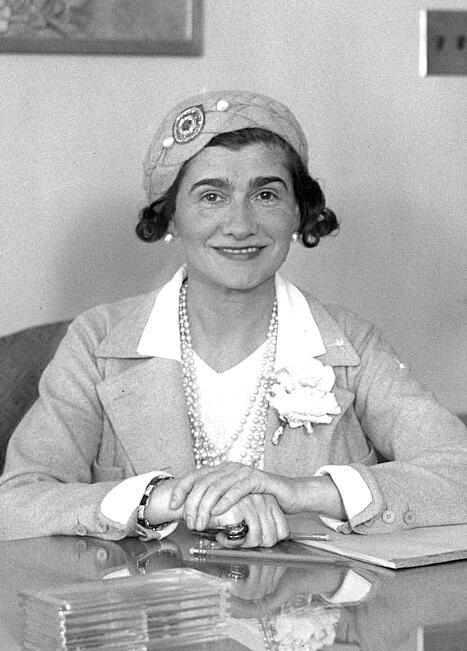
She liberated the female form after the Great War due to fabric shortages by eliminating corsets and waistlines in favor of looser dresses in jersey fabrics.
🎤Edith Piaf (1915 - 1963)
The most iconic French song known worldwide is "La Vie en Rose," made famous by the acclaimed French singer Edith Piaf. Born in Paris in 1915, Edith had a problematic childhood marred by illness and poverty.
She was first discovered singing in the streets of Paris and began singing in the Great Music Halls, including the Moulin Rouge. She had many close friends in the theatre, music, and art world and became more famous throughout France with her songs playing on Radio France.
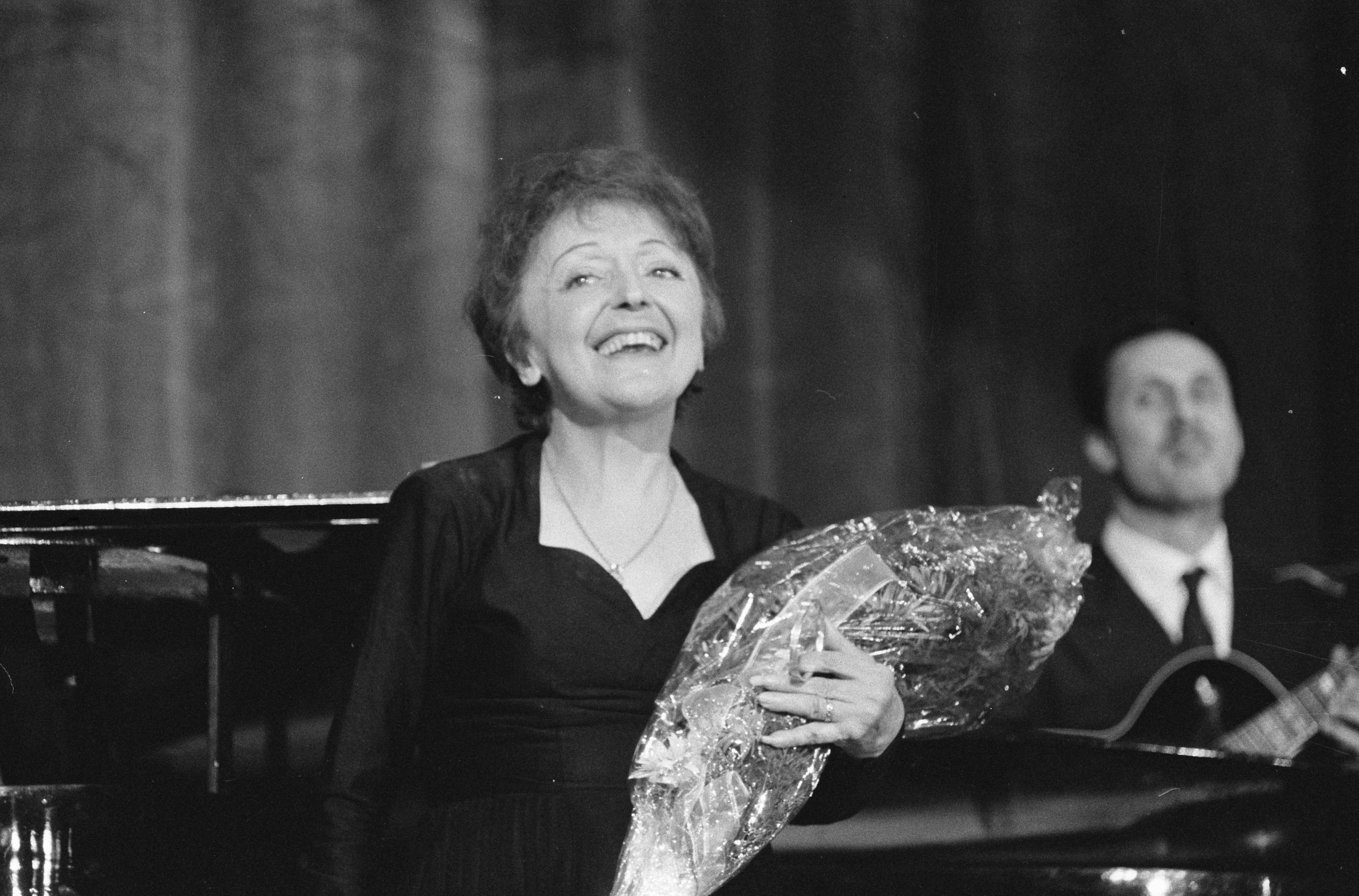
She continued her concerts during the German occupation and became famous worldwide after the war, eventually playing at Carnegie Hall in New York City. She would return to Paris amid health and financial problems, as well as alcoholism due to her chronic pain.
She was admired for her original musical interpretations and moving and emotional renditions, especially for her most famous songs, such as "Mon Dieu," in memory of her lover Marcel Cerdan, who was killed in a plane crash to meet her in New York.
🌟Modern Cultural Icons
🎬Bridgette Bardot (1934–2025)
Renowned as an icon of French cinema, Brigitte Bardot was one of the biggest European stars in the 20th century. A celebrated actress, singer, model, and later animal rights advocate, Bardot redefined the image of a modern French woman. 5
Her breakthrough role came in the 1956 film And God Created Woman, which made her an international sensation.
Bridgette Bardot was an aspiring ballet dancer before she entered the show business industry. Her mother saw her passion for dancing and music and arranged for her to undergo official ballet training.
She went on to act in 42 films and modelled for a bust of Marianne, before retiring from the film industry at the age of 39 in 1973. After retirement, she devoted her time to animal welfare, founding the Brigitte Bardot Foundation in 1986. She passed away at the age of 91 in 2025.
I gave my beauty and my youth to men. I am going to give my wisdom and experience—the best [parts] of me—to animals.
Bridgette Bardot
⚽Zinedine Zidane (1972–)
Fondly known as Zizou, Zinedine Zidane is one of France's most celebrated sporting icons until today. He's one of the rare football legends who achieved extraordinary success both as a player and as a manager.
Here's an overview of his club career as a player:
| Years | Club | Country | Achievements / Highlights |
|---|---|---|---|
| 1989–1992 | AS Cannes | France | Began his professional career and developed as a young attacking midfielder. |
| 1992–1996 | Girondins de Bordeaux | France | Helped Bordeaux reach the 1996 UEFA Cup Final, attracting attention from top European clubs. |
| 1996–2001 | Juventus FC | Italy | Became a global superstar; won 2 Serie A titles, 1 UEFA Super Cup, 1 Intercontinental Cup, and reached two UEFA Champions League finals. |
| 2001–2006 | Real Madrid CF | Spain | Won the 2002 UEFA Champions League, scored one of football's most famous goals in the final, and became one of Real Madrid's greatest players. |
Zidane led France to the 1998 FIFA World Cup title and won three consecutive UEFA Champions League titles (2016–2018) as the manager of Real Madrid after he retired from professional football in 2006. 6
FIFA World Cup title
Ballon d'Or winner
FIFA World Player of the Year
His achievements remain unmatched in the modern Champions League era, and he is well respected among his former colleagues and present footballers.
We hope you have enjoyed reading this article. You may have your favorite French person in mind who you feel has impacted French society. If so, let us know in the comments!
References
- Saint Stories - St. Joan of Arc. (2019). St. Isaac Jogues. https://stisaacjogues.tilmaplatform.com/resources/saint-stories-st-joan-of-arc
- Death of Louis XIV, 1715. (2016, November 23). Palace of Versailles. https://en.chateauversailles.fr/discover/history/key-dates/death-louis-xiv-1715
- What Is Impressionism? 4 Things to Know | National Gallery of Art. (2024, August 12). National Gallery of Art. https://www.nga.gov/stories/articles/what-impressionism-4-things-know
- Library of Congress. (2019). Overview - Louis Braille: His Legacy and Influence | Exhibitions - Library of Congress. Loc.Gov. https://www.loc.gov/exhibits/louis-braille/overview.html
- Woodhouse, S. (2025, December 28). Brigitte Bardot: The blonde bombshell who revolutionised French cinema. https://www.bbc.com/news/articles/c888rzkd0dzo
- Real Madrid CF | Real Madrid CF Oficial Website. (n.d.). Real Madrid CF | Real Madrid CF Oficial Website. Retrieved July 18, 2026, from https://www.realmadrid.com/en-US/the-club/history/football-legends/zinedine-zidane
Summarize with AI:
Did you like this article? Leave a rating!


 Loading...
You should include Louis-Joseph Papineau.He was a politician
Louis Braille should have been included
good job