
Some books change your life. Harry Potter is one of them. Whether you grew up waiting for your Hogwarts letter or discovered the series as an adult, the world J.K. Rowling created has something special: the more you know it, the more you want to learn. But how much do you really know? Do you remember who created the Marauder's Map, which creature transforms into your greatest fear, or which object allows you to travel through time?
Put your memory to the test with this quiz and find out whether you're a curious Muggle, a promising student, or a true master of the wizarding world. Discover your level and, who knows, you might just feel like going back to the beginning…
Quiz
Quiz :




The Origins of a Phenomenon: From a Train Ride to 500 Million Readers
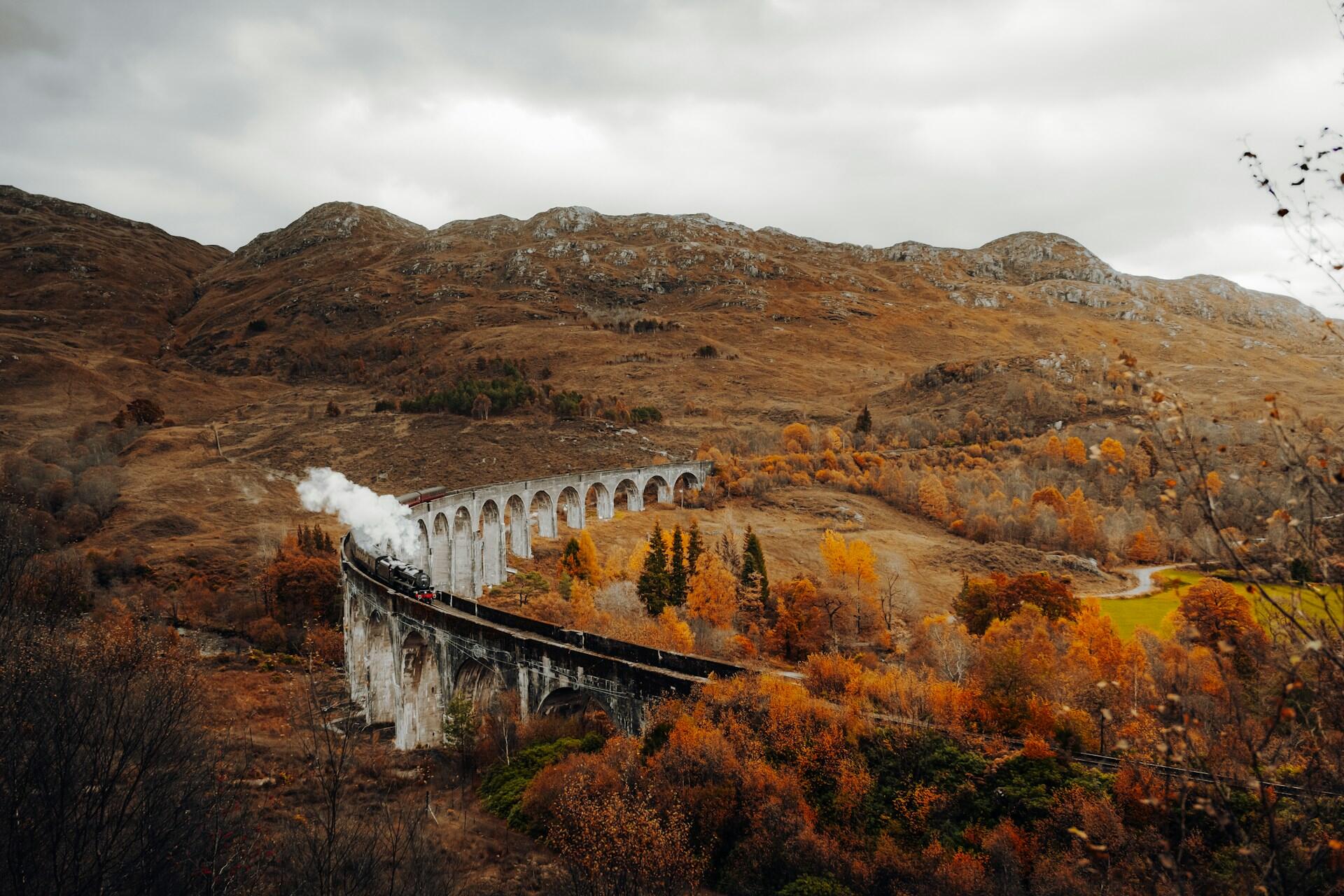
In 1990, Joanne Rowling was traveling by train from Manchester to London when the idea of a boy who didn't know he was a wizard suddenly came to her. She didn't have a pen on hand, so she spent the rest of the journey building the world in her mind: the school, the houses, Quidditch, the names. By the time she got off the train, Harry Potter already existed — even though the world wouldn't know him for years.
The road to publication wasn't easy. Rowling finished the manuscript for Harry Potter and the Sorcerer's Stone in 1995, while she was a single mother living on welfare. Twelve publishers rejected the book before Bloomsbury accepted it in 1997, with an initial print run of just 500 copies. The editor who took a chance on it advised Rowling to find a day job, since children's books didn't pay enough to live on.
What happened next is history. Within less than two years, the series had crossed the Atlantic.
In 2001, the first film arrived, directed by Chris Columbus, cementing an iconic visual aesthetic — wands, robes, the Great Hall lit by floating candles — that has since become part of the shared imagination of entire generations.
By the time the seventh and final book was published in 2007, bookstores around the world were opening at midnight to serve lines of costumed readers.
To this day, the series has sold more than 500 million copies, been translated into more than 80 languages, and spawned a transmedia universe that includes eight main films, the Fantastic Beasts franchise, the video game Hogwarts Legacy, stage productions, theme parks on four continents, and a global fan community that keeps growing.
1990
The idea of the boy wizard is born on a train journey.
1997
The first book is published in the United Kingdom.
2001
The first film is released.
2012
Launch of Pottermore, the official interactive portal.
2016
The Wizarding World expands with new stories and films set in the universe.
2023
An open-world video game set in the magical universe becomes a massive hit.
Why Harry Potter Still Works Thirty Years Later
The success of Harry Potter can't be explained by magic alone. Plenty of stories have magic. What sets this series apart is that Rowling built an internally consistent system of rules: the wizarding world has its own economy, its own political system, its own social tensions and its own prejudices. Hogwarts isn't just a school of magic — it's a perfect metaphor for the real world, with its hierarchies, its injustices, and its unlikely heroes.

Another key factor is the parallel growth between the characters and the readers. The early books are light and adventurous, accessible to nine- or ten-year-olds. The later ones are dark, complex, and emotionally devastating. The series grew with its audience, and that created an emotional bond few franchises have managed to replicate.
Add to that something harder to quantify: the characters. Hermione, Ron, Dumbledore, Snape, Neville, Luna… Rowling created characters with real depth, with contradictions, with narrative arcs that surprise even on re-reading. Snape in particular is considered one of the best-crafted characters in contemporary literature: an antagonist who turns out to be something far more complex, whose full story only becomes clear in the final pages of the last book.
The Hogwarts Houses: Much More Than a Scarf Color
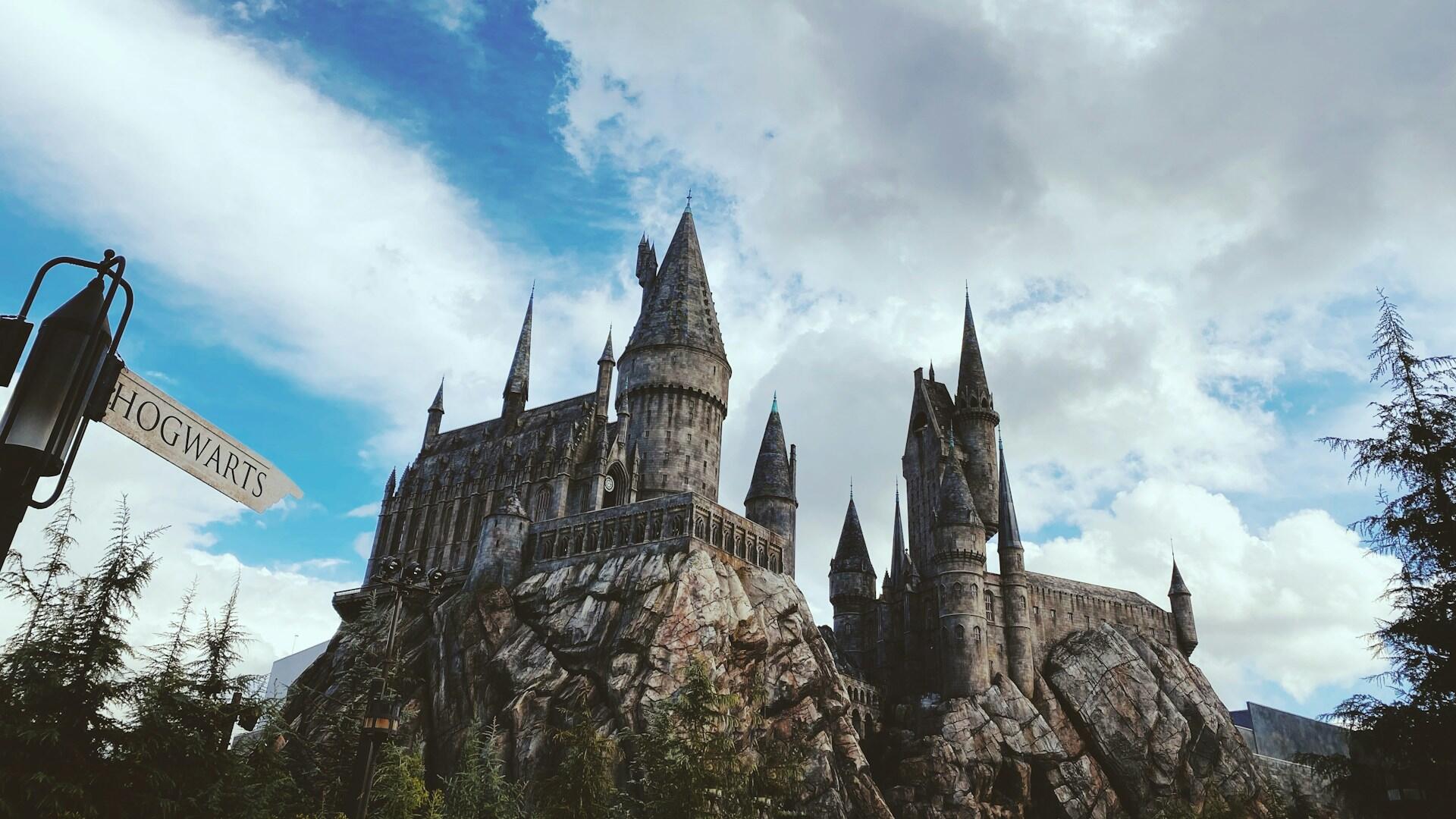
One of the most successful elements of the series — and one of the engines of its community — is the house system. Gryffindor, Slytherin, Ravenclaw, and Hufflepuff aren't just Quidditch teams: they're personality archetypes that resonate with readers worldwide because everyone finds something of themselves in at least one of them.
Gryffindor
Represents courage, initiative, and a sense of justice. Its members act even when they're afraid, and sometimes pay the price for their impulsiveness.
Slytherin
Symbolizes ambition, cunning, and resilience. The series did them a disservice by associating them with the villains, because ambition itself isn't inherently bad — it's what you do with it that counts.
Ravenclaw
Embodies intellectual curiosity, wit, and independence. They're the ones who ask why when everyone else has already accepted the answer.
Hufflepuff
The house of loyalty, hard work, and empathy. Long undervalued by fans themselves, every re-read confirms that its members are, quietly, the bravest of all.
What's interesting is that Rowling always insisted the houses aren't fixed labels. Harry himself came close to being sorted into Slytherin, and the Sorting Hat takes the student's own wishes into account. Choice matters just as much as character.
Ten Harry Potter Facts to Show Off at Any Trivia Night
- 🐍 The name "Voldemort" comes from French and means roughly "flight from death." The final t is silent in French, and Rowling confirmed it shouldn't be pronounced in English either — though almost no one follows that rule.
- 🧹 Rowling invented Quidditch one night after an argument with her then-partner. According to her, the frustration she felt translated into a desire to create a sport where it would be impossible not to have fun.
- 📚 Hermione Granger was based on Rowling herself at age eleven: an overly studious girl with untameable hair and a lot to prove.
- 🦌 The spell "Expecto Patronum" comes from Latin and means roughly "I await a guardian." Each Patronus takes the form of an animal that reflects the personality of the caster.
- 💰 A first British edition of The Sorcerer's Stone from 1997 can fetch between $45,000 and $90,000 at auction, especially if signed by Rowling.
- 🌱 Neville Longbottom nearly became the protagonist. The prophecy Voldemort acted on could have applied equally to Harry or Neville, and Rowling has acknowledged she explored that possibility.
- 🏆 Quidditch has a real-world version, now called quadball since 2022 to avoid association with Rowling. It's played with broomsticks between players' legs and has official rules, international leagues, and world championships.
- ⚔️ Dumbledore's Army, the resistance group Harry forms in Order of the Phoenix, had exactly 28 members in the original version. Rowling designed each one with their own backstory, though most never appear in any detail in the books.
- 🎵 The music for the films was composed by John Williams for the first three installments. The main theme, "Hedwig's Theme," is written in 3/4 time — a waltz — and its asymmetrical structure gives it that simultaneously mysterious and childlike quality.
- 🗺️ The Marauder's Map was created by the four members of the group: Moony (Lupin), Wormtail (Peter Pettigrew), Prongs (James Potter), and Padfoot (Sirius Black). Their nicknames hint at their Animagus forms or werewolf condition — information the series reveals only gradually.
The Wizarding World Remains Open
Harry Potter is more than a book series. It's a shared language that connects people across generations and cultures, a way of talking about courage, friendship, loss, and choice without it feeling like a lecture. Thirty years after that idea on a train, the wizarding world keeps growing, and every new reader who opens The Sorcerer's Stone for the first time experiences something those of us who've been there remember perfectly: the feeling that this world was always there, just waiting.
How did you score on the quiz? Share your result, debate with friends about houses, spells, and favorite moments — and if this article made you want to start over from the beginning… you know what to do. 🪄
How did you get on?
Summarize with AI:
Did you like this article? Leave a rating!

 Loading...