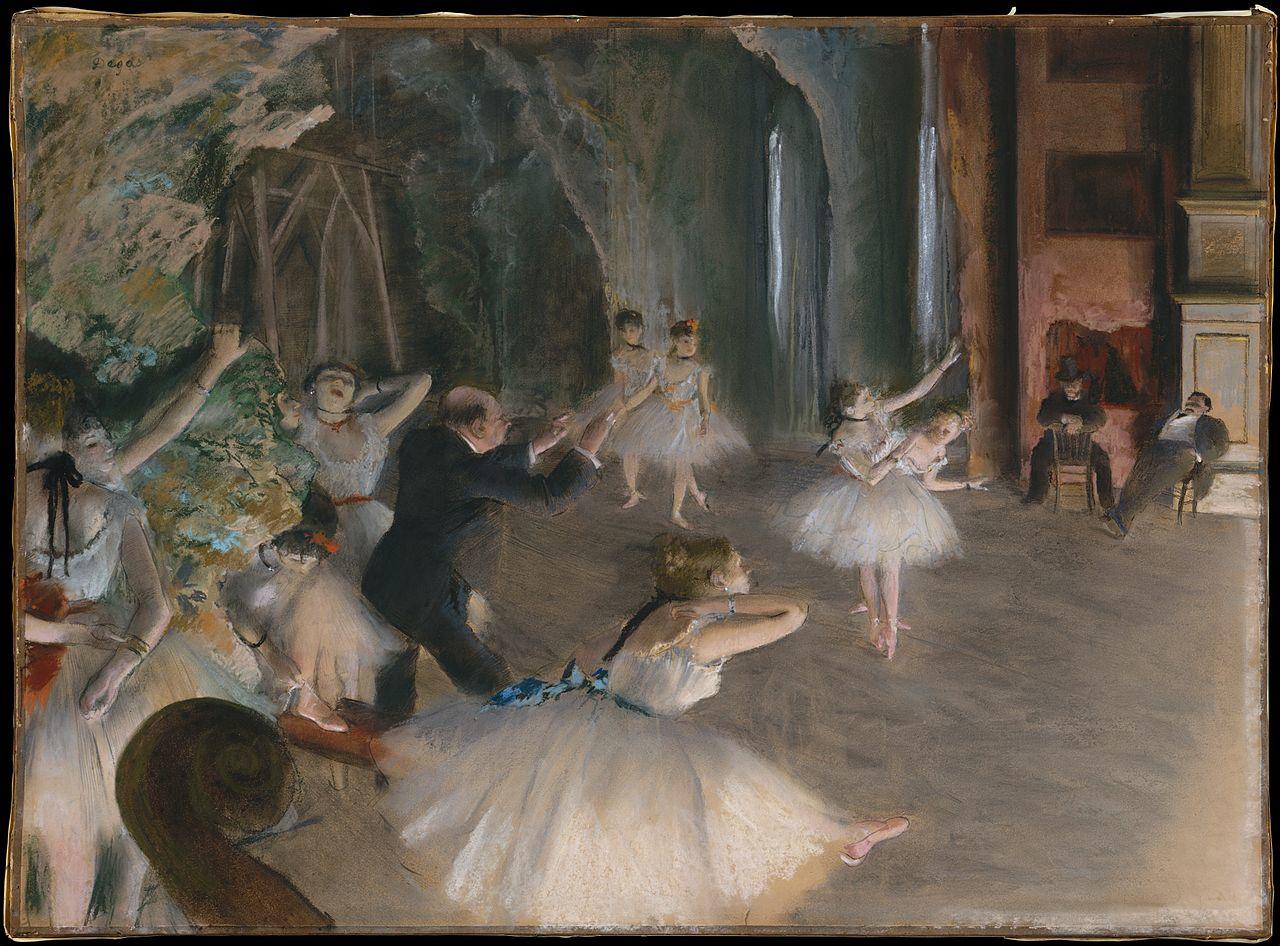

While dancing has been around for centuries, where does ballet fit into all this? Ballet was created during the Italian Renaissance in the 15th century as court entertainment. It was later introduced to France by Catherine de' Medici, where it evolved into the structured art form recognized today. Learn everything about ballet and how it laid the foundations for other styles of dancing.




Origins of Ballet
To understand who created ballet, it is important to go back a few years. Far from being the invention of a single person, ballet evolved over centuries under the influence of the Italian and French courts. It emerged primarily during the Italian Renaissance and eventually became one of the most highly elegant dance styles known worldwide.
15th Century
Origins of Ballet
The art form combined music, poetry and luxury, and was part of wedding celebrations, festivities, and court entertainment.
1533
Catherine de' Medici marries Henry II of France
The Italian court ballet was introduced to the French court.
1581
Le Ballet Comique de la Reine
This first ballet performance is considered the first true ballet.
1661
Louis XIV and the Académie Royale de Danse
Ballet transforms from a simple form of entertainment into a professional art.
1669
Académie Royale de Musique founded
The Royal Academy of Music opens, and the connection between ballet, music, and theatre is strengthened.
Late 17th Century
Pierre Beauchamp's contributions
Pierre Beauchamp defines the five fundamental ballet positions and develops a system of dance notation.
18th–19th Centuries
Ballet's global expansion
Ballet spreads throughout Russia, Denmark, Italy, England and the United States, leading to the development of national ballet schools.
1877–1895
The Golden Age of Classical Ballet
Classical masterpieces such as Swan Lake, The Sleeping Beauty, The Nutcracker, and La Bayadère become part of the classical ballet repertoire.
1907
The Ballets Russes
Sergei Diaghilev founded the Ballets Russes, revolutionizing ballet through collaborations between artists.
Early 20th Century
Rise of Russian Ballet
Russia becomes the world's leading center for ballet, with works by Tchaikovsky, Stravinsky, and Prokofiev.
Today
Contemporary Ballet
Contemporary choreographers continue to evolve ballet by combining classical technique with modern dance.
Italian Renaissance Beginnings
Ballet, as we know it today, originated in the Italian Renaissance in the 15th century. Ballet originated in the Italian Renaissance, during the 15th century, as entertainment performed at the courts of noble families. The earliest performances combined music, poetry and luxury, and were generally part of wedding celebrations and festivities.
Ballet originated in 15th-century Italy. The word “ballet” comes from the Italian term balletto, from ballo, which means “dance”. Ballo originated from the Latin ballo, ballare, meaning “to dance”. The word entered French as “ballet” and retained the same form when it was adopted into English.
Are you ready to experience this centuries-old classical dance for yourself? Check for dance classes in Toronto and begin your ballet journey.
Catherine de' Medici's Influence
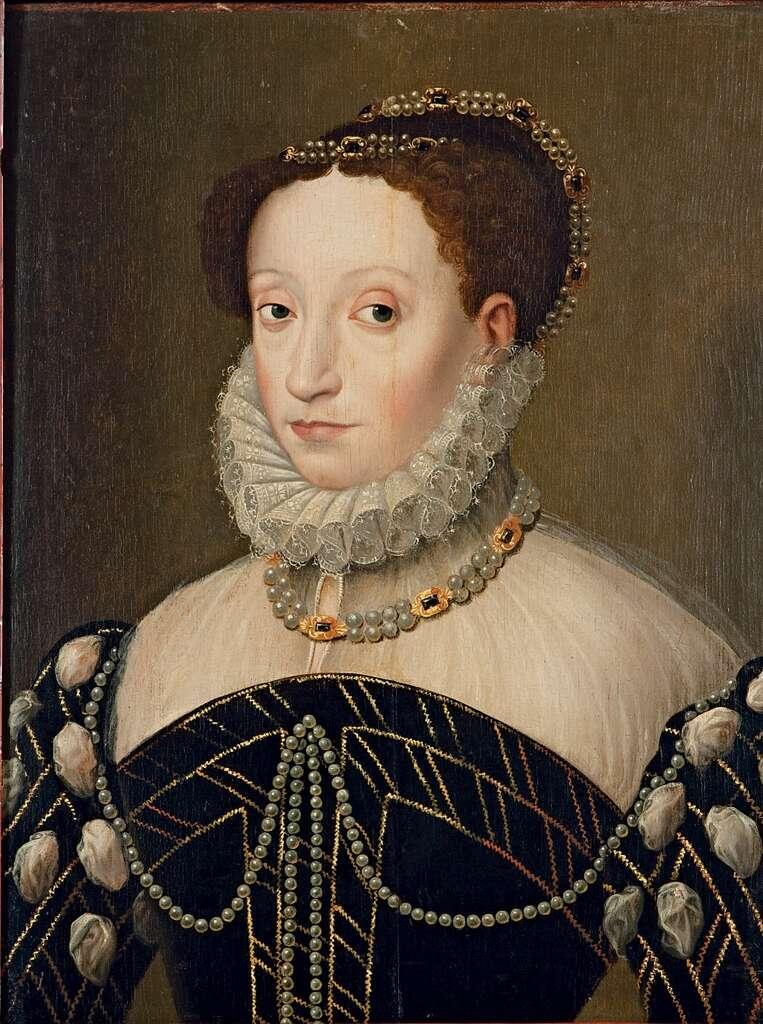
While there is no evidence of exactly who created this form of dance, historians generally regard the first true "ballet" as likely Le Ballet Comique de la Reine (or The Comic Ballet of the Queen). Performed in October 1581 for the court of Catherine de' Medici, one of France's most powerful 16th-century figures, this helped shape ballet into the structured theatrical performance we know today.
The ballet is said to have been choreographed by Balthasar de Beaujoyeulx and was the first performance piece to combine poetry, music, design and dance, as a direct result of Jean-Antoine de Baïf's Académie de Poésie et de Musique.
The ballet was inspired by the enchantress, Circe, from Homer's Odyssey. 1
When Catherine de' Medici married Henry II of France, she brought ballet with her and developed it in France. Bit by bit, the balletto became an entire show with choruses, verses, scenery and costumes.
Evolution in France
While the origins of ballet are rooted in Renaissance Italy, it was the French influences that made it a noble pursuit, evolving from court entertainment into a disciplined performing art that laid the foundations for contemporary ballet.
Louis XIV and the Royal Academy
Louis XIV (also known as the "Sun King") was passionate about dancing, regularly performing in court ballets and was desperate to re-establish dancing as an art form.
Recognizing the importance of ballet, the Sun King created the Académie Royale de Danse (Royal Academy of Dance) in 1661 and the Académie Royale de Musique (Royal Academy of Music) in 1669.
These are now collectively known as the Paris Opera, dedicated to teaching and developing dance.
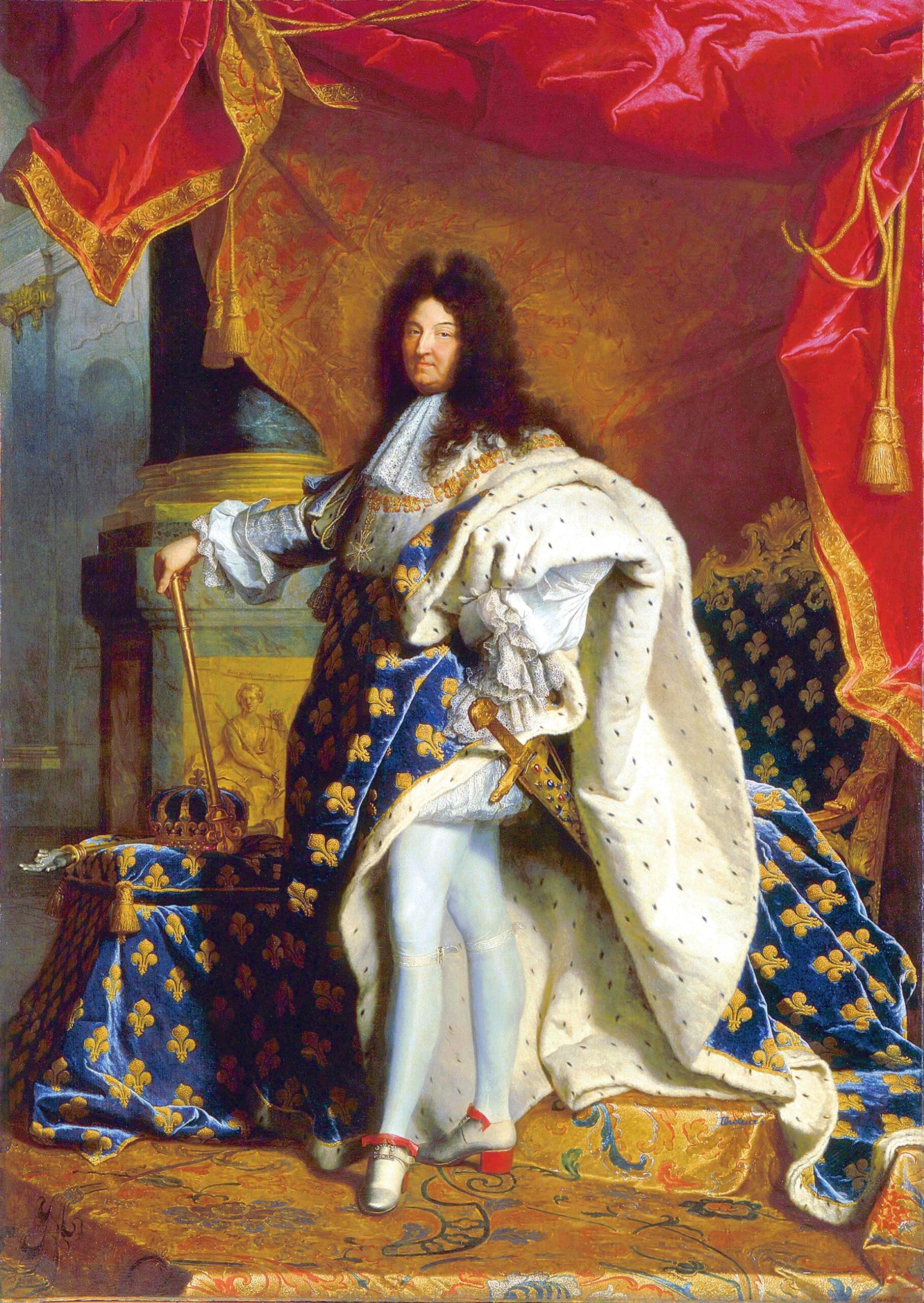
Regarding ballet, the academy helped transform ballet from simple entertainment into a professional performing art by establishing formal training for dancers and developing techniques that would influence ballet for centuries to come.
Pierre Beauchamp's Contributions
One of the most influential dance teachers in the academy was Pierre Beauchamp, a French dancer and ballet teacher whose contributions include defining the five ballet positions and developing a system of dance notation. In addition to serving as director of the Académie Royale de Danse, he also became a member of the Académie Royale de Musique, now known as the Paris Opera. 2
Pierre Beauchamp's 5 Ballet Positions
- First position: Put your heels together with your toes turned outwards.
- Second position: Position your feet about 30 cm apart, with your toes turned outward and your heels aligned.
- Third position: Place one foot in front of the other so that the heel of the front foot touches the arch of the back foot.
- Fourth position: There are two types of this position: open and closed. Place one foot about 30 cm in front of the other with both feet turned outward. An open position means that your heels are aligned. In the closed position, the heel of your front foot lines up with the toes of your back foot.
- Fifth position: Place one foot directly in front of the other. The heel of your front foot touches the big toe of the back foot, and the heel of your back foot touches the big toe of your front foot.
Since French was the language of the royal court, many other fundamental ballet movements, such as plié, arabesque, and pirouette, are still used by dancers around the world.
These positions and movements remain the foundation of ballet training today. If you're interested in learning them, check out these dance classes in Vancouver here.
Spread Across Europe
As ballet took root in France, its popularity spread throughout Europe. Different countries adopted this performing art, adapting it to their own cultures and traditions. Over time, this led to the development of distinctive ballet schools and styles.
Ballet's Expansion Beyond France
During the 18th and 19th centuries, ballet expanded beyond France and gained prominence in Russia, Denmark, Italy, England and the United States. Russia became especially important thanks to Marius Petipa.
Petipa was a French choreographer who spent almost his entire life in Russia and created several classical ballets, including later versions of Swan Lake, The Sleeping Beauty, La Bayadère (The Temple Dancer), The Nutcracker and Don Quixote. These are the ballets that most people probably think of. He helped establish the Russian classical style known for its precision and drama.
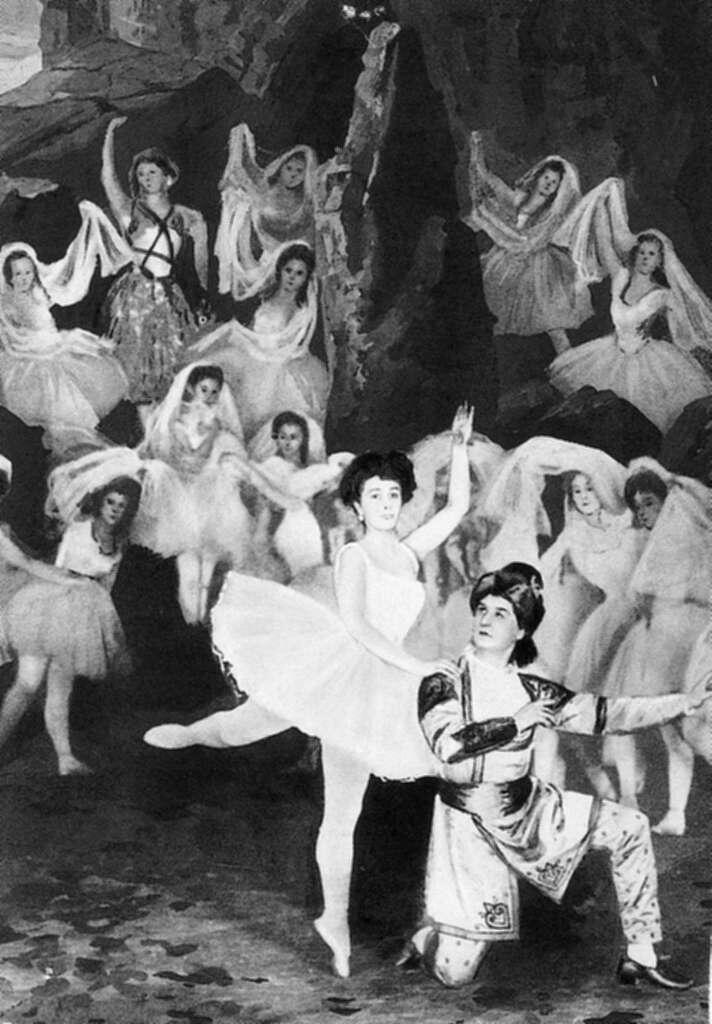
In the early 20th century, with orchestral music by Tchaikovsky, Stravinsky and Prokofiev, Russia would dominate the world of ballet throughout the first half of the century, with notable examples including The Firebird, Romeo and Juliet, and Cinderella.
Despite the Soviet regime, Russian ballet continued to thrive.
For many countries, ballet really took off in the early 20th century. Nowadays, there are famous ballet companies and venues all over the world, including the Royal Ballet in London, the Bolshoi Ballet in Moscow, the Paris Opera Ballet, the Royal Danish Ballet, La Scala Ballet in Milan and the National Ballet of Canada in Toronto.
Key Figures in Ballet's Development
Ballet has evolved over the centuries thanks to the contributions of various artists who are noted for having transformed ballet into the discipline and performance style we know today.
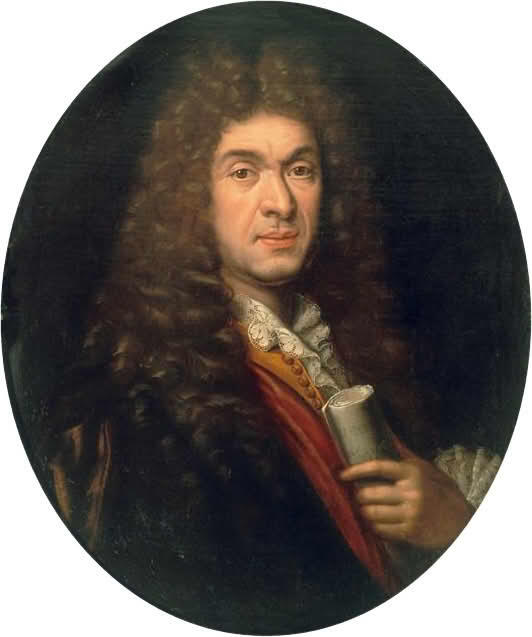
Jean-Baptiste Lully
Jean-Baptiste Lully was an Italian dancer, violinist, composer and one of the most influential figures at the Parisian court of King Louis XIV and the history of French music. As director of the Académie Royale de Musique, he helped establish the close connection between music and dance in theatrical performances.
Lully is primarily known for his contributions to instrumental music and for his rhythmic overtures for operas and ballets.
His extensive repertoire includes works such as Alceste (1674), Atys (1676), Isis (1677), Psyché (1678), and Armide (1686). 3
If this blend of classical technique and modern creativity has inspired you, signing up for a dance class is a great way to get started. Get to check for dance classes Montreal here.
Sergei Diaghilev and the Ballets Russes
Sergei Diaghilev was a Russian publisher, art curator and ballet producer who played an important role in connecting Russian dancers, choreographers, composers, and visual artists with the rest of Europe in the early 20th century.
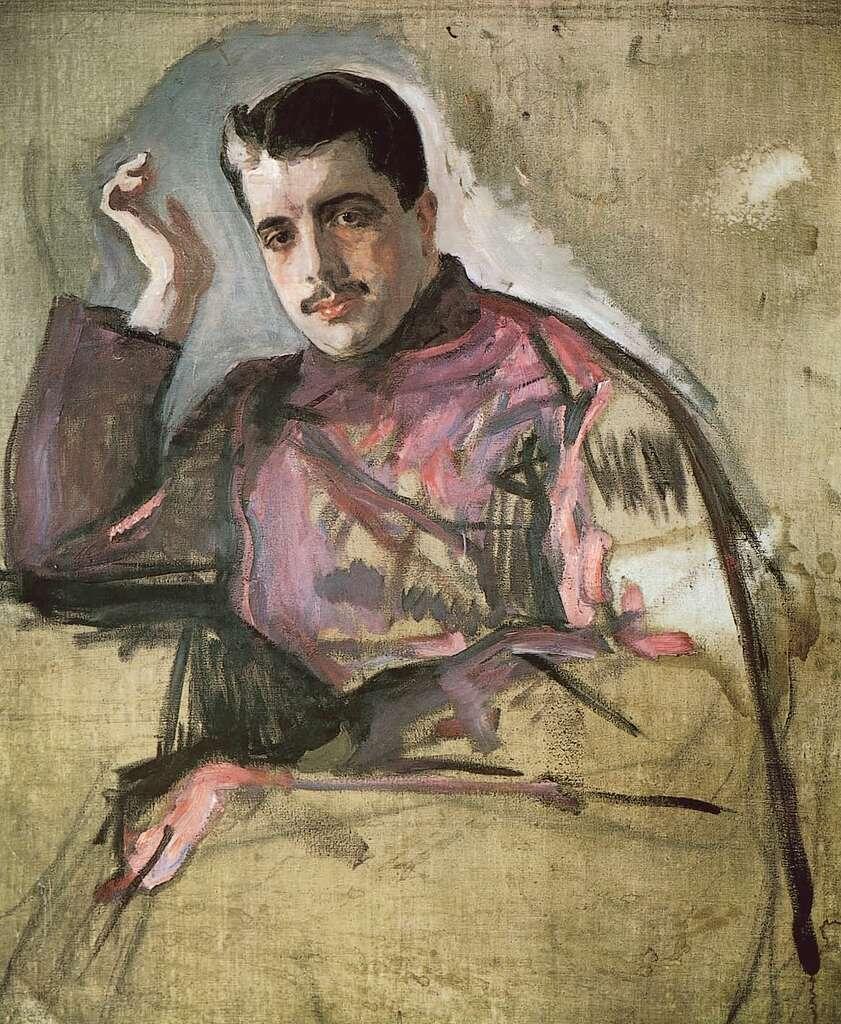
As the founder of the Ballets Russes in 1907, an opera and dance company, he fostered this collaboration between dance, music, art, and costume design, attracting audiences from urban centers throughout Western Europe and the Americas.
Have you always dreamed of being a ballet dancer? Learn more about ballet for adults. Even if you missed your chance to attend dance classes as a child, it’s not too late to start.
Ballet Today
Contemporary ballet blends the precision and discipline of classical ballet with the creativity of modern dance. Although dancers continue to use traditional ballet techniques, contemporary choreography often incorporates more natural movements, innovative music, and a broader range of themes and emotions.
Contemporary Ballet
Many companies around the world continue to push the boundaries of ballet while remaining true to its classical roots. Among the best known are the New York City Ballet, the Royal Ballet, the Paris Opera Ballet, and the National Ballet of Canada.
Some contemporary choreographers who have made a name for themselves in this art form include William Forsythe, Mats Ek, and Christopher Wheeldon, who blend classical ballet with innovation.
Global Influence
Today, ballet is one of the most widely recognized forms of dance. Although it remains deeply rooted in classical technique, ballet has been influenced by different cultures, adapting its style to new traditions and artistic perspectives.
Modern choreographers often fuse ballet with other dance styles. For example, William Forsythe combines classical ballet with contemporary dance and experimentation, becoming “the most influential practitioner of the performing art since Balanchine.” Mats Ek incorporates theater and dance in his reworkings of the classics, and Christopher Wheeldon blends classical ballet with contemporary movement, establishing himself as a choreographer worldwide.
Today, ballet is more accessible than ever, as you can easily find classes for both beginners and experienced dancers. If you're ready to discover this timeless classic firsthand, search here for dance classes in Canada.
References
- Britannica Editors. (n.d.). Ballet comique de la Reine. Britannica. https://www.britannica.com/topic/Ballet-comique-de-la-reine
- Britannica Editors. (n.d.-b). Pierre Beauchamp. Britannica. https://www.britannica.com/biography/Pierre-Beauchamp
- Jean-Baptiste Lully. (n.d.). Kennedy Center Education. https://www.kennedy-center.org/education/resources-for-educators/classroom-resources/media-and-interactives/artists/lully-jean-baptiste/
Summarize with AI:
Did you like this article? Leave a rating!


 Loading...