

Anime is one of the most iconic things everyone knows about modern Japanese art and culture. Japanese animes are beloved for their captivating artistic style and various subject matter, ranging from delightfully whimsical to emotionally devastating. They infuse Japanese culture into stories that can be understood no matter where you’re from. These top 10 Japanese anime movies are perfect for practicing your Japanese skills or simply enjoying a really good flick.









The Evolution of Japanese Anime Films
Originating in the 1960s with art pioneer Osamu Tezuka, there are now thousands of anime movies and TV shows watched by audiences all over the world. But Japan’s history of animated storytelling goes back much farther. Get a sense of the evolution of anime:
11th century
Heian Period Storytelling
“Emakimono” (Long, horizontal scrolls unrolled from right to left, like a panorama) became a popular form of storytelling, with narrators telling the tale as the scenes rolled by.
12th century
Heian and Kamakura Period Storytelling
“Kamishibai” street theatre became popular and was still regularly performed until the 1930s.
17th century
Edo Period Storytelling
“Kage-e” (shadow plays), which were modelled after the shadow plays found in China, became very popular during this time. “Bunraku” theatre puppets and “Ukiyo-e” prints were also popular, and are seen as foundations for anime character design. Also during this time, “manga” (books of drawings telling a story) was invented.
Early 20th century
Modern Technology
The first known anime, “Katsudo Shashin,” was created in 1907. It used animation techniques and technology borrowed from the West.
1930s
Animation Becomes Popular
Animation started to pick up, with many animated movies, TV, and advertisements being made. The first anime with sound was a 1933 short film, “Chikara to Onna no Yo no Naka.” Animators experimented with cutout animation and cel animation, trying to emulate styles like Disney while maintaining a unique identity and meeting budget and time constraints.
1960s
First Modern & Iconic Animes
“Three Tales” (1960), “Instant History” (1961-64), and “Astro Boy” (1963-66) were the first big anime projects. “Astro Boy” pioneered adapting manga into anime (especially TV series).
Modern Day
Anime Popularity Surges with the Cool Japan Strategy
Japan’s government made an effort in the 1980s to distribute Japanese culture as a form of “soft power,” known as Cool Japan. It includes Japanese cultural ideas like J-pop, manga, anime, video games, fashion, film, electronics, architecture, cuisine, and general “kawaii.” Today, the long-standing success of Japanese media like Pokémon and Studio Ghibli films (along with many other contemporary masterpieces) prove how successful the campaign has been, and how irresistible Japanese animation is!
Anime is the term used globally for animated movies and TV shows originating from Japan. It specifically refers to the iconic animation style Japan is known for. In Japan, however, anime is simply the word for any animated media from any country, even including some video games.
1. Spirited Away (2001)
Directed By:
Hayao Miyazaki
Studio
Studio Ghibli
Spirited Away is one of the most successful films by any measure; it was the highest-grossing Japanese film of all time, grossing ¥31.68 (USD$205 million) domestically and US$396 million at the worldwide box office for 19 years. The record was surpassed in 2016 by Your Name.
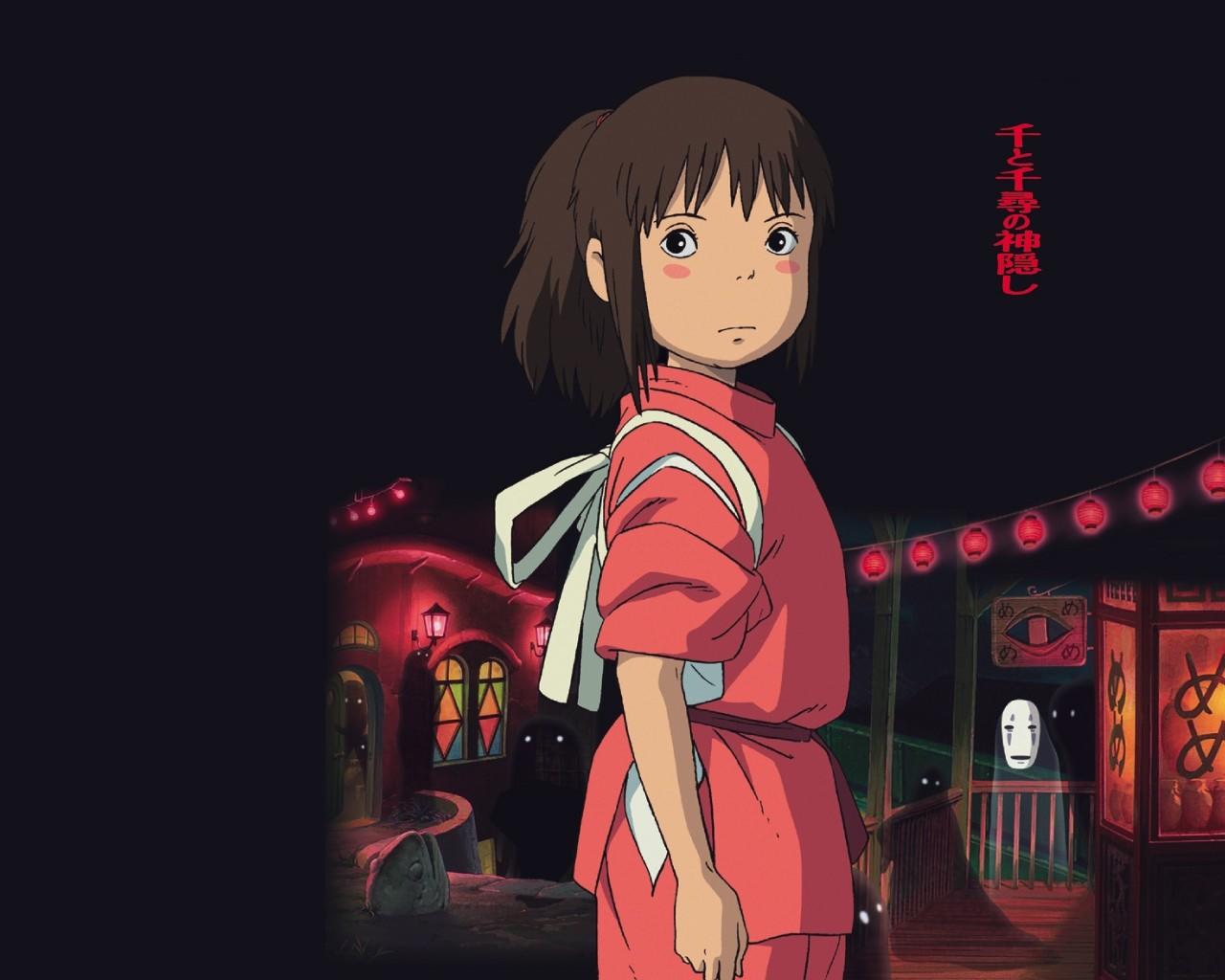
The movie follows ten-year-old Chihiro Ogino, who is upset about moving to a new city. Her parents take a detour on their drive to the new house and stumble upon an ‘abandoned amusement park.’ There, the parents are magically turned into pigs, having entered the spirit world by accident.
Chihiro finds new friends: Haku, a dragon; Kamaji, an eight-armed spider-spirit man; and Lin, a human-looking spiritworld resident. They help her navigate the spirit society and find a cure for her parents. She must escape the clutches of Yubaba, the witch who runs the local bathhouse, if she ever hopes to retain her memory and save her family.
“Spirited Away” won the Best Animated Feature award at the 75th Academy Awards (2003). It was the first non-English language animation to do so.
Before its worldwide release, animation (especially outside of Japan) was seen as primarily a children’s genre. While the film is certainly suitable for kids, it also appeals to adults with its realistic tone, deep symbolism, and thought-provoking story. It also bridged the culture gap, making the global general audiences realize that animation and stories from other cultures can be enjoyed.
The main theme of the movie is about transitions, especially from childhood to adulthood. Director Miyazaki wanted to break away from the “shojo manga” style that mainly dealt with youthful romance and was the only type of story directed at young girls at the time. He wanted to create something more relatable and substantial. This sentiment is seen in the majority of Miyazaki films, which is one of the reasons Studio Ghibli (his studio) is so iconic.
Studio Ghibli is known for portraying all the food as looking irresistible. Find out more about Japanese cuisine!
2. Akira (1988)
Director
Katsuhiro Otomo
Studio
Toho
Any fan of Japan animation knows “Akira” is a must-watch. It’s an adaptation of the manga of the same name and become known as one of the best Japanese animation movies ever for its unique plot and animation; a cult classic, if you will. It’s an early addition to the “cyberpunk” genre, set in a dystopian society (the distant future of 2019).
It combines biker gang themes (popular in Japanese manga and anime), government secrets (human experimentation), and superpowers (psychic powers and telekinesis) together into one intricate story.
“Akira” was ahead of its time, leading to an underwhelming reception and performance at the box office. While it quickly garnered a cult following of existing anime lovers, people who didn’t “get” anime already found it hard to digest. Still, it won the Silver Scream Award at the Amsterdam Film Festival in 1992 and grossed ¥1.9 billion in Japan and USD$2.2 million in its initial release.
Be warned: this film is not suitable for children and contains a lot of violence, gore, and body horror.
The captivatingly convoluted, action-packed, 124-minute film is set in a dystopian city, Neo-Tokyo, after the original Tokyo’s destruction caused by Akira, an individual with psychic powers. Corruption and terrorism plague the city, and the people and government constantly clash violently.
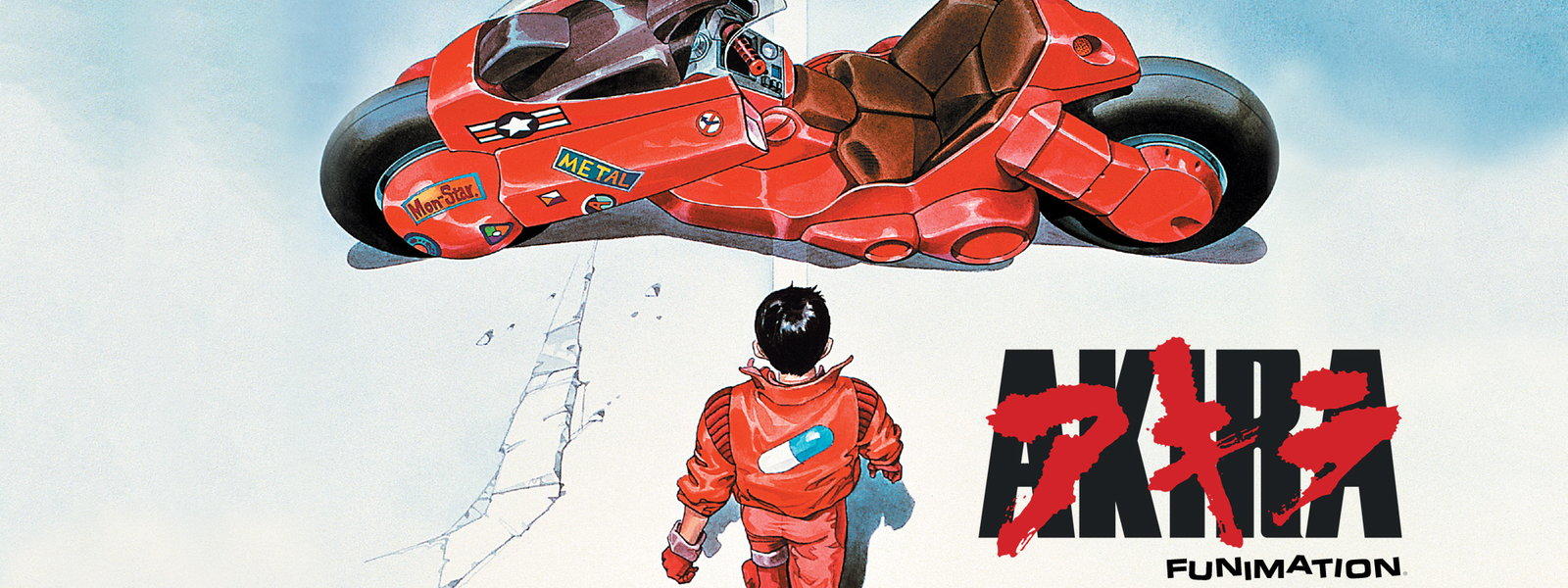
Shotaro Kaneda, the leader of the Capsules gang, and his friend, Tetsuo Shima, accidentally get involved with the government, and it’s discovered that Tetsuo has powerful psychic abilities similar to Akira. The story follows the boys’ struggles to understand the implications of Tetsuo’s power and avoid government capture.
It’s a perfect film to practice your Japanese with. The story can be difficult to follow for those who haven’t read the manga, so reading a few chapters and then watching a few minutes of the movie can help you improve your reading and listening, while also giving you better insight into the intricate storyline.
A phenomenal work of animation with all the hallmarks of an instant cult classic.
Critic Janet Maslin for the New York Times, 2004
3. My Neighbor Totoro (1988)
Directed By:
Hayao Miyazaki
Studio
Studio Ghibli
Drawing from traditional Japanese themes like animism and Shinto symbolism, as well as modern themes like environmentalism and an appreciation of rural living, My Neighbor Totoro was one of the first big hits in modern-day anime worldwide. Aimed at children, but enjoyable for all ages (like many of Miyazaki’s works), the story is more whimsical than many other entries on this list. The film has grossed over USD$41 million since its initial release.
“My Neighbor Totoro” has won many awards in its time and is consistently placed on “Best Movies” lists even to this day. The likability of the character Totoro has been equated with that of Winnie-the-Pooh, resonating with kids and adults all over the world for over 30 years. Totoro even has an asteroid and a species of velvet worm named after him, such is his ubiquity.
My Neighbor Totoro is an easy-going, heart-warming story about two young girls (Satsuki and Mei) and their father, who move to the countryside to be closer to their mother, who is in the hospital. In their country home and surrounding wilderness, the girls find friendly spirits such as Totoro and the iconic “Catbus.” The story features childlike wonder, with lots of magic and low-stakes conflict.

4. Ghost in the Shell (1995)
Director
Mamoru Oshii
Studio
Production I.G.
Ghost in the Shell is one of the most enduring stories in manga and anime. The manga series was written in 1989, and this 1995 animation was the first entry in the series’ film legacy. Since then, the media franchise has also been adapted for print novels, web series, animated series, video games, a live-action film starring Scarlett Johansson, and even theatrical plays. This 1995 anime film was praised by critics for its animation and score as well as its compelling narrative.
Discover other compelling Japanese novels you must read!
“Ghost in the Shell” defined the “cyberpunk, science fiction, military science” genre. It inspired the Wachowskis to create “The Matrix” and influenced many video games such as “Metal Gear Solid,” “Deus Ex,” and “Cyberpunk 2077.” Directors Steven Spielberg and James Cameron have also incorporated some of the ideas into their works, like “A.I. Artificial Intelligence” and “Avatar,” respectively.
The movie’s plot, set in 2029, reveals that new cybernetic technology allows the human body to be augmented or completely replaced by robotic parts, including the brain. Consciousness (or perhaps even the soul) becomes referred to as the “ghost,” while the body is called the “shell.”
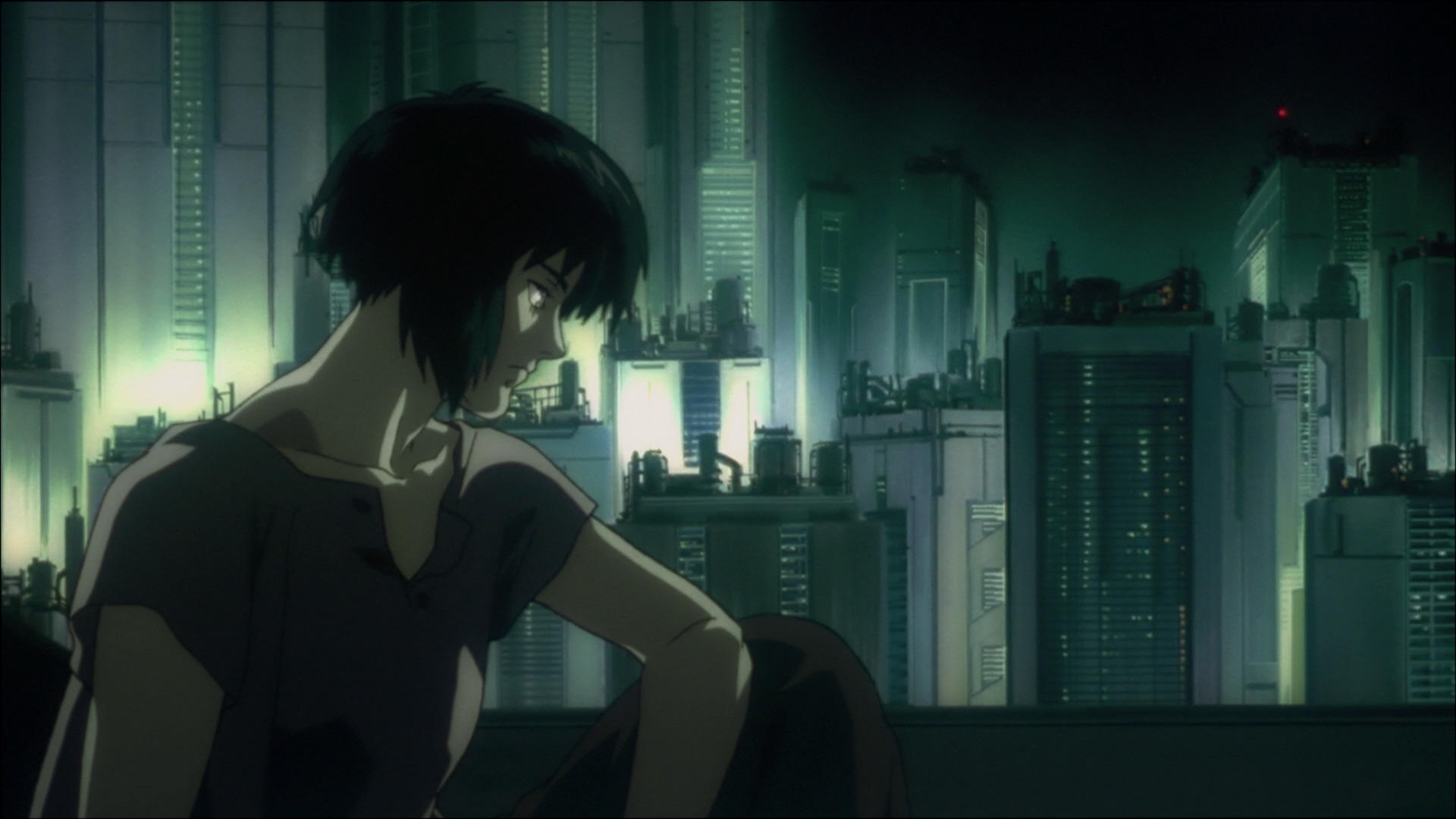
The main character, Motoko Kusanagi, is a government agent and captain of the assault team. She and her team become involved with a case of a mysterious shell that appears to have an anonymous ghost inside. The plot asks viewers to consider existential questions like “What makes someone human?” and “How much can the human psyche be changed before it becomes something unrecognizable?”
5. Princess Mononoke (1997)
Director
Hayao Miyazaki
Studio
Studio Ghibli
One of Studio Ghibli and Miyazaki’s first breakthrough films, Princess Mononoke is by far one of the best Japanese animes of all time. Set in the Muromachi period (14th to 16th century) in Japan, the tale weaves folklore and legend, ancient magic, spirits, war, and environmentalism into an unforgettable journey in a jidaigeki style.
Miyazaki called it an incredibly gruelling production and almost quit animation because of it.
In Japan, the film had the largest advertising campaign in history up to that point. It ended up earning ¥20.18 billion in Japan upon release. In the U.S. box office, the English dub was praised by critics, but as a whole, the film was a little more than most Americans could handle at the time. Some critics praised the translation, while others stated it felt like something was lost. It gained a cult following in the West.
The best way to get all the context for a foreign film is to learn the language and culture and watch it with the original audio!
Miyazaki referenced scholarly sources and created a commentary on history, especially the history of man’s relationship with nature, in this film. By doing so, he opened anime up to academic interpretation and study, changing the future of academics. Anime is a rich art form with conventions, symbolism, and storylines that deserve just as much analysis as any other film. “Princess Mononoke” helped that process happen.
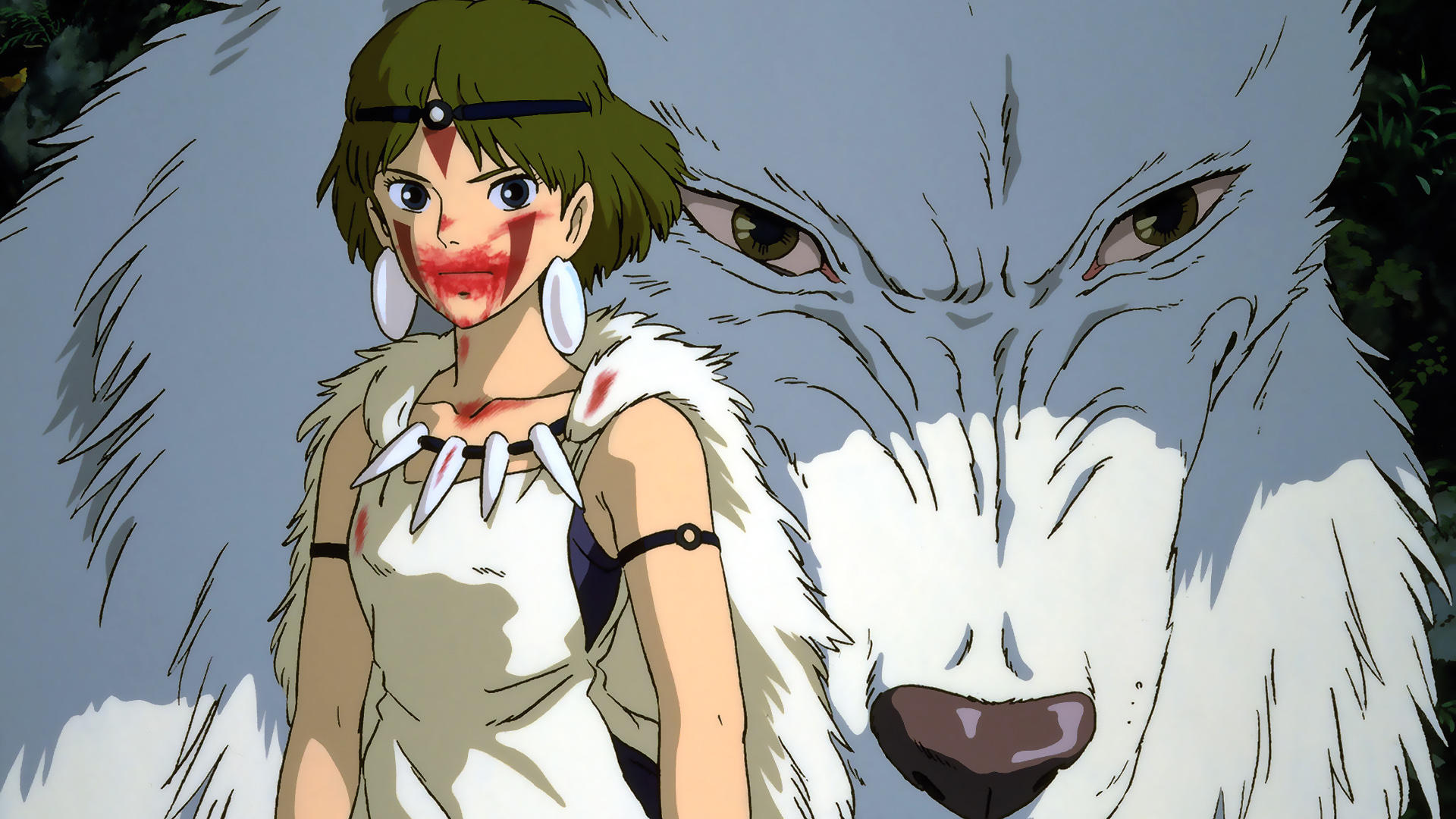
Princess Mononoke is the story of Ashitaka, the last Emishi prince, as he seeks a cure for a curse set upon him by a giant demon boar. On his journey, he encounters forest spirits and animal gods and goddesses, and discovers the reality of the fight between man’s industry and nature. He, along with San (called “Princess Mononoke,” meaning “vengeful spirit” by the townsfolk), the Wolf Goddess named Moro, and the Forest Spirit, work together to destroy Irontown, the human settlement poisoning the wildlife.
Discover what tattoos represent in Japanese culture.
Some people think that Japanese treated nature very gently up to a certain period… From certain phenomena it looks that way, but I think we have always been cruel toward nature.
Miyazaki Hayao
6. Perfect Blue (1997)
Directed By:
Satoshi Kon
Studio
Madhouse
Perfect Blue is a masterpiece in both anime and film in general, but it’s not for the faint of heart. Its inaccessibility to the younger crowd meant that the film didn’t gain as much traction as it could have.
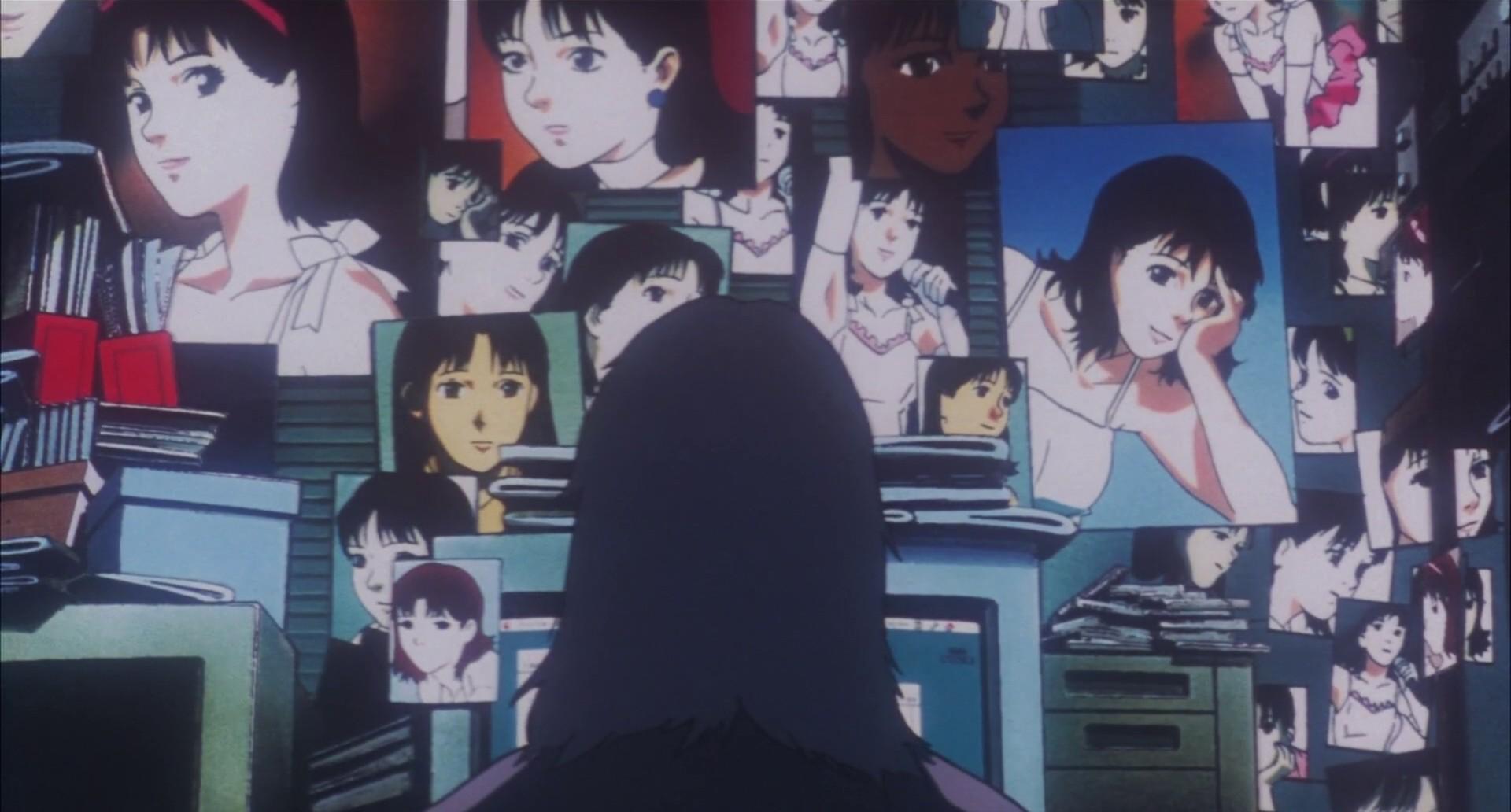
It, like many other anime, struggled with the stereotype that animation is for children, and when it was discovered that the content was not suitable for kids, many people didn’t know what to make of it.
Despite this, it won awards at its premiere at the 1997 Fantasia Festival in Montéal and at the Fantasporto Film Festival in Portugal and was critically acclaimed upon theatrical release in the U.S.
The movie felt relatable and vindictive to many women, even if they never experienced quite the same thing. Madonna incorporated clips of the movie in her video interlude during the song “What It Feels Like for a Girl” in 2001. Filmmaker Darren Aronofsky was inspired by the movie and incorporated a remake of the bathtub scene in his film “Requiem for a Dream.”
The psychological thriller addresses themes of media fascination, parasocial relationships, combined with obsession, depravity, and losing one’s grip on reality. Mima retires from being a J-pop idol to pursue a career as an actress, which angers fans. One obsessed fan, called Me-Mania, begins stalking Mima and pretending to be Mima online. As Mima’s acting role becomes far more intense than she bargained for, she begins to lose her senses and seems to develop psychosis.
Perfect Blue's success lies in the twisted, self-referential storyline that intercuts reality with fantasy so fluidly that viewers inevitably take on Mima's shattered point of view, unable to distinguish the truth until the stunning conclusion.
Critic Tasha Robinson for Sci-Fi Weekly, 2019
7. Grave of the Fireflies (1988)
Directed By:
Isao Takahata
Studio
Studio Ghibli
Studio Ghibli is probably best known for Miyazaki’s contributions, but co-founder Isao Takahata was also an extremely talented director. Grave of the Fireflies was his first film under Studio Ghibli, and it did not disappoint. It received an incredibly rare 100% approval rating on Rotten Tomatoes, and famed critic Roger Ebert included it on his list of best films in 2000.
“Grave of the Fireflies” is consistently included on lists like “Top Depressing Movies,” “Greatest World War II Movies,” and “Most Miserable Endings in Anime.” At the same time, it’s also consistently praised and promoted as a must-see movie, both for the art and the story. If you decide to watch it, make sure you have a box of tissues at your side.
The anime is based on Akiyuki Nosaka's 1967 semi-autobiographical short story. The movie is a heartbreaking demonstration of survivor's guilt for the real-life events.
It takes place in 1945, just after the bombing of a city called Kobe by the Americans during the Pacific War, an event in WWII. 14-year-old Seita and his 4-year-old sister Setsuko are orphaned in the attack. They move in with their aunt, who grows resentful of the children as it becomes harder and harder to survive. Eventually, the children leave and try to survive on their own in the ravaged city.

As devastating as the film is, it’s another perfect chance to learn Japanese language and culture. Although the English dub actors do a fine job, they simply can’t completely convey the depths of the emotions as originally given in the Japanese version.
8. Your Name (2016)
Directed By:
Makoto Shinkai
Studio
CoMix Wave Films
Your Name is the first installment in what critics have dubbed Shinkai’s “disaster trilogy,” which are coming-of-age films set against devastating natural disasters. Natural disasters are frequent in Japan, making them a common theme in many manga and anime.
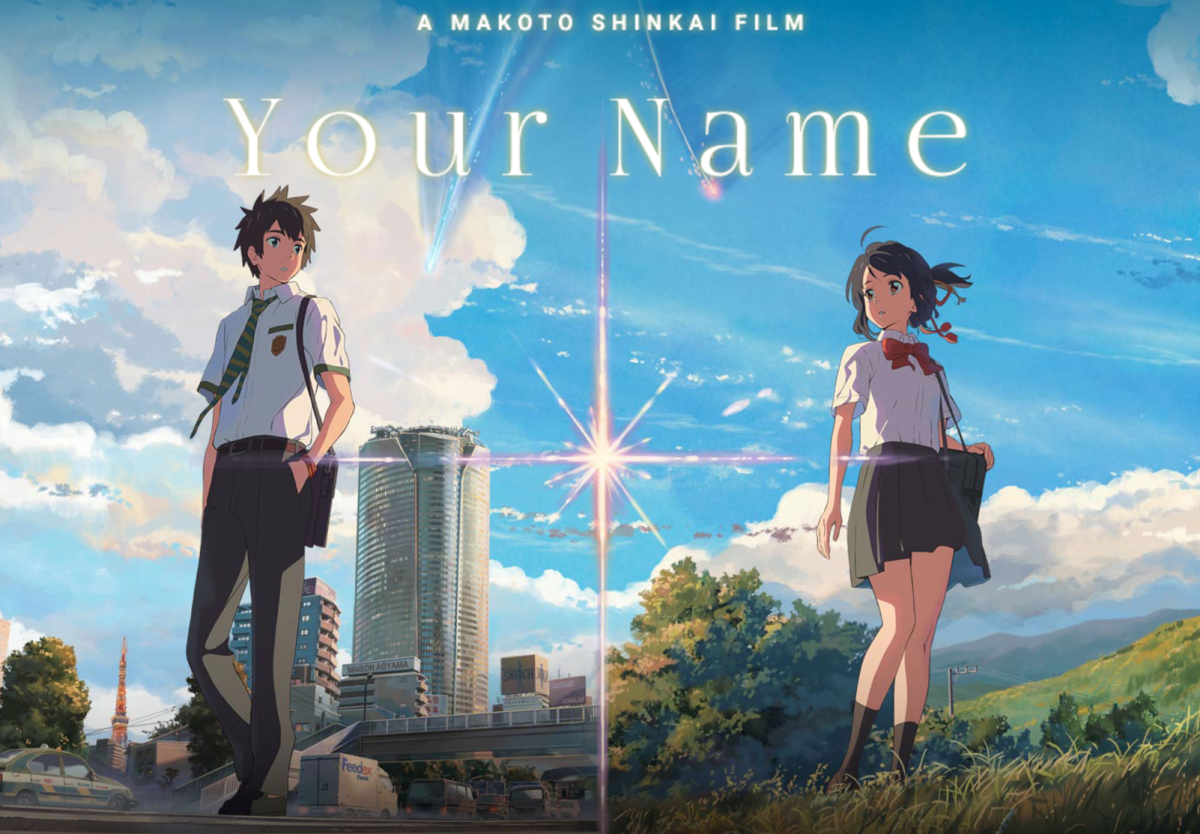
Your Name also incorporates ideas from rural villages that might seem strange to non-Japanese viewers, shedding light on an under-explored culture. Most notably featured in this film is kuchikamizake, which is sake fermented with human saliva.
The film was a major international success, even beating Spirited Away in terms of international gross profit. That record was beaten in 2020 by Demon Slayer: Kimetsu no Yaiba – The Movie: Mugen Train and again in 2025 by Demon Slayer: Infinity Castle (another great set of movies you should see!).
Seishun eiga is “youth drama” in Japanese anime genres. “Your Name” combined universal tropes like adolescent awkwardness, Japanese tropes like “the red thread of fate,” and genre tropes like supernatural separation and body-swapping into a disaster film and managed to create a beautiful, compelling, satisfying love story.
The story follows Mitsuha, a rural village girl, and Taki, a Tokyo boy. The two suddenly begin to switch places, and have to live as one another for a day until they both go to sleep. They can text each other in real time with their phones, so they guide one another through their days.
Everything changes when Mitsuha tells Taki that the town is expecting a comet called Tiamat to pass overhead in a few days, and then the two suddenly lose contact. Unable to even find his messages from Mitsuha in his phone, Taki travels to Mitsuha’s village to find it had all been destroyed by the comet three years ago.
A beautiful, captivating piece of work that gets off to kind of a rocky start but achieves remarkable momentum toward an emotional, powerful ending.
Critic Brian Tallerico for Roger Ebert.com, 2017
9. Howl's Moving Castle
Directed By:
Hayao Miyazaki
Studio
Studio Ghibli
Based on the 1986 novel by Diana Wynne Jones, Miyazaki made the film with a strong anti-war theme to criticize the United States’ Invasion of Iraq in 2003. Like many of his films, Howl’s Moving Castle also explores themes about life, like old age and personal loyalty, with feminist elements.
The movie first premiered at the 61st Venice Film Festival, where it won the Osella Award for Technical Achievement.
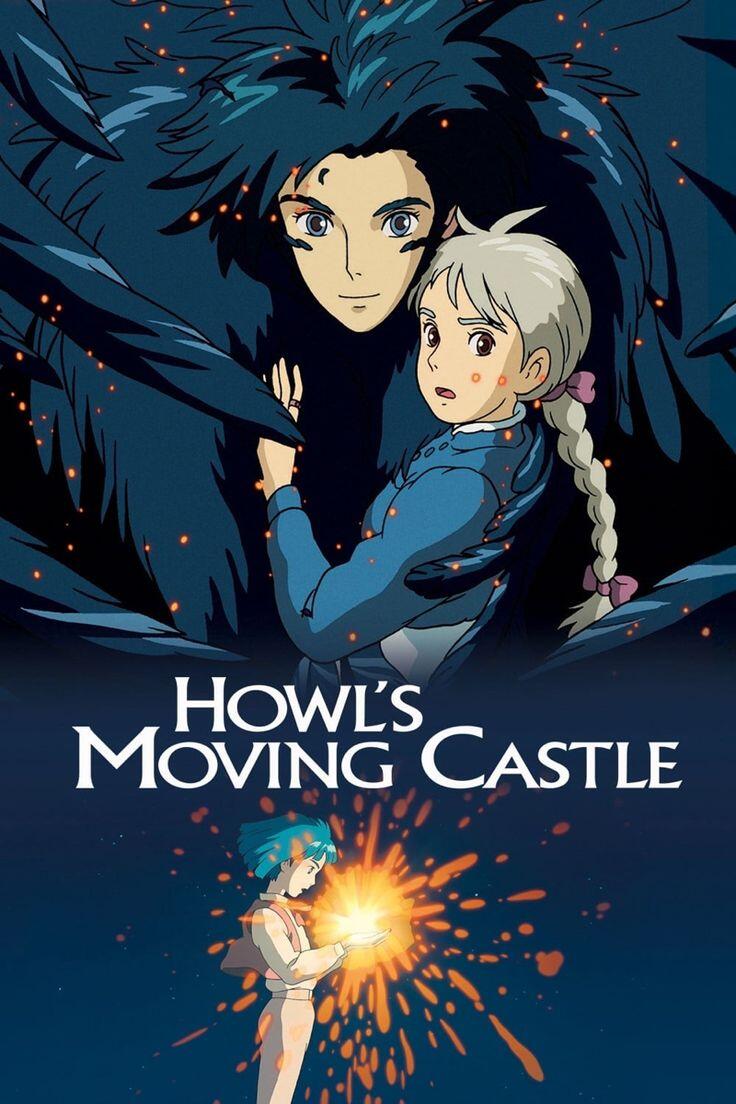
It was generally well-received by critics internationally, though some called the pacing and plot a little slow and disjointed, especially in the first act.
This is likely due to the adaptation of Jones’ vision by Miyazaki, who had different aspirations, plus possible translation issues.
In Japan, the movie was a phenomenal success, grossing USD$14.5 million in one week.
Despite any criticism, the anime is recognized for its stunning visual artistry and empowering message for girls and women.
A magical story, the plot takes place in a fictional kingdom where early 20th-century technology and magic coexist, giving the story a slight steampunk flavour. Young Sophie finds herself cursed into being an old woman. She traverses the countryside in search of a way to reverse her fortune, eventually finding herself aboard Howl’s moving castle. She meets Calcifer, a fire demon who wants to sever his servitude to Howl.
The Cité internationale de la tapisserie in France collaborated with Studio Ghibli to make five tapestries based on Miyazaki’s works in 2019. Two of the tapestries feature scenes from “Howl’s Moving Castle.”
On a broader scale, Sophie’s kingdom is at war with a neighbouring kingdom that is searching for a missing prince. The King demands that Howl fight in the war, but Howl refuses and sends Sophie to the king’s castle to relay the news. The lengthy plot sees Sophie trying to regain her youth while working with the difficult Howl, all while navigating the war. It combines classic magical storytelling found in children’s tales with heavier themes like perpetual conflict.
10. Wolf Children (2012)
Directed By:
Mamoru Hosoda
Studio
Studio Chizu
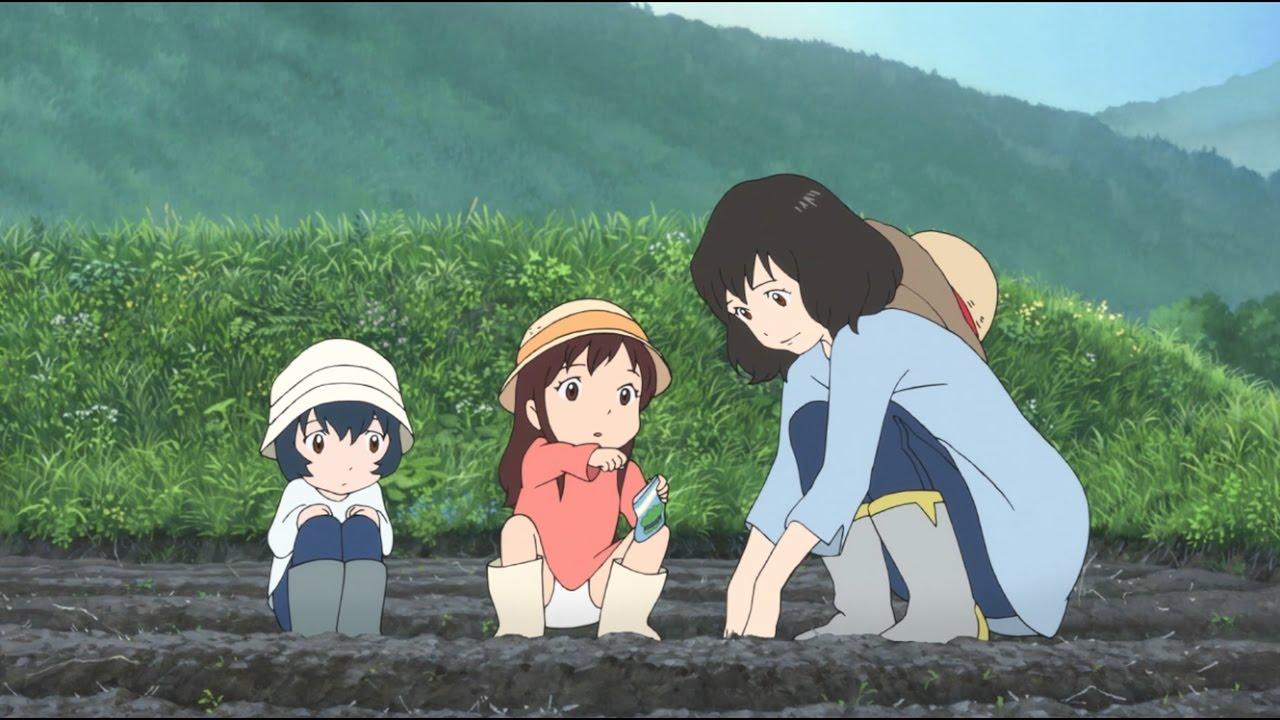
A lighthearted tale, Wolf Children was Hasoda’s first film that he also wrote, though he had already established a successful career with a few Digimon films. In the way only anime can, the film appeals deeply to both children and adults, especially parents. Its tone is sometimes comedic and childish, while at other times sentimental and sombre. It deals with the messiness of human emotion and the many doubts parents face while raising their children.
Unlike many movies for kids, “Wolf Children” doesn’t have a buttoned-up ending consisting of one big, happy family. This alone makes it a unique story for any viewer. The addition of magical werewolf powers is a bonus.
Upon its debut weekend, Wolf Children was the second-highest-grossing film in Japan. It also won several awards in Japan and internationally.
In this intriguing tale, Hana is a single mother of two young children, Yuki and Ame, after the passing of her husband. The thing that makes their family special? Yuki and Ame are half werewolves. Hana has to relocate the family to the countryside to escape prying eyes and keep her children’s identities a secret. There, the family learns how to self-sustain on the land thanks to helpful locals.
Swept up in potent nostalgia for early parenthood, childhood and the cradle of nature itself, this is a modern classic.
Critic Phil Hoad for The Guardian, 2025
As the children grow up, it becomes clear they have very different personalities and visions for their lives. Yuki finds being a human comfortable and enjoyable, while Ame prefers being a werewolf in the forest. Hana naturally worries for both her children, but ultimately comes to accept that they can make their own choices in life.
The Impact of Japanese Anime Films on Global Cinema
As Japan anime has gained traction internationally, both as TV series and as films, the attitude toward animation has begun to change.
The biggest change is the overall attitude around animation by creators and audiences.
The first anime series and films to gain popularity outside Japan were children-focused, like Astro Boy, which aligned with the existing belief that animation was solely for kids.
This provided an opportunity for more mature anime films to enter the room.
Audiences realized anime could successfully, skillfully, and artistically tackle serious themes like political corruption, existential philosophy, identity, and (in the case of Akira) body horror.
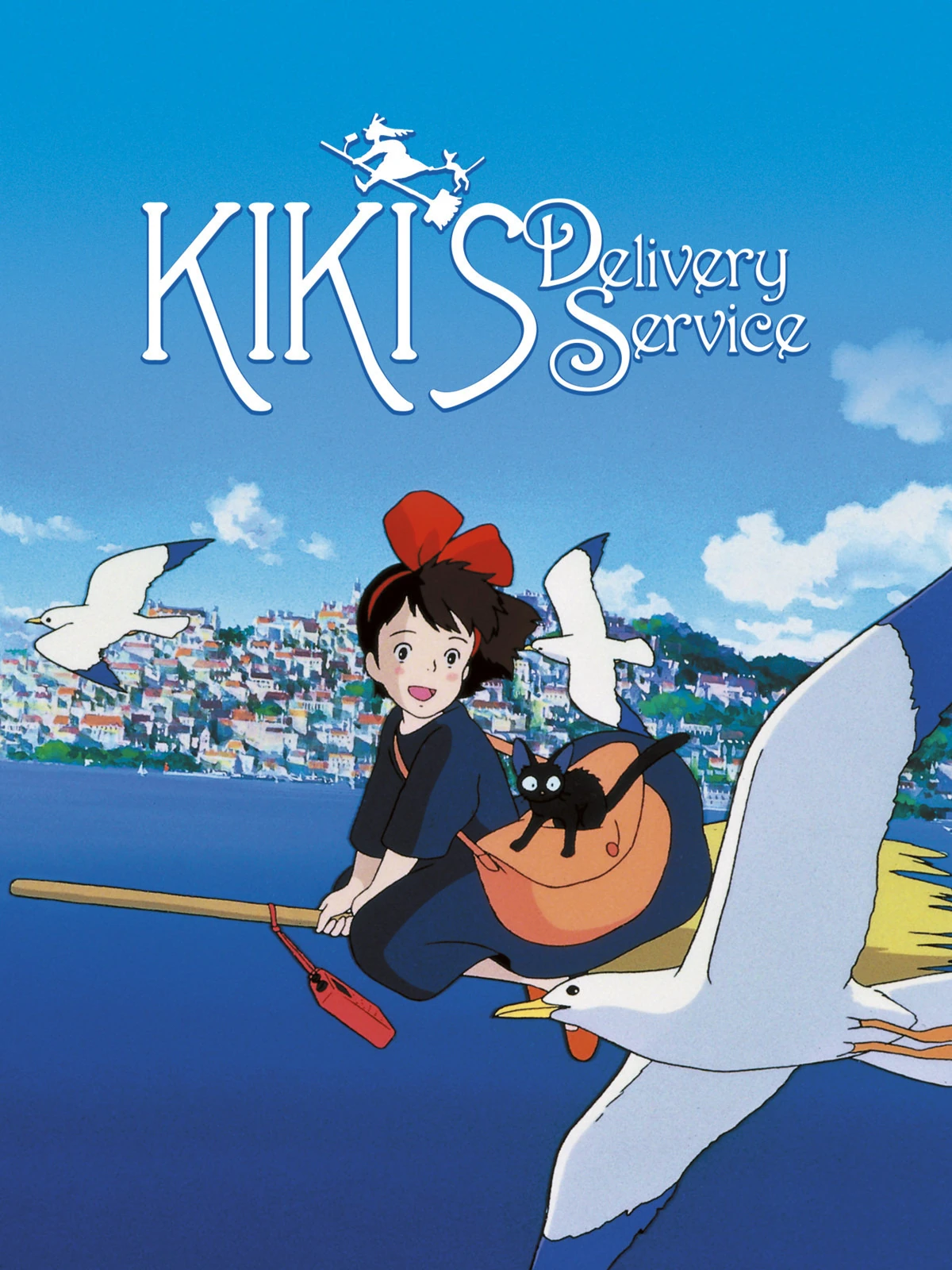
Anime techniques and storytelling conventions began to be seen as a serious genre on their own, just like any other genre with specific tropes or standards, rather than simply an animated version of a different genre. The medium allowed for hyper-stylization on a scale from ultra-realistic to pure abstraction, creating storytelling opportunities not possible in other types of animation or film.
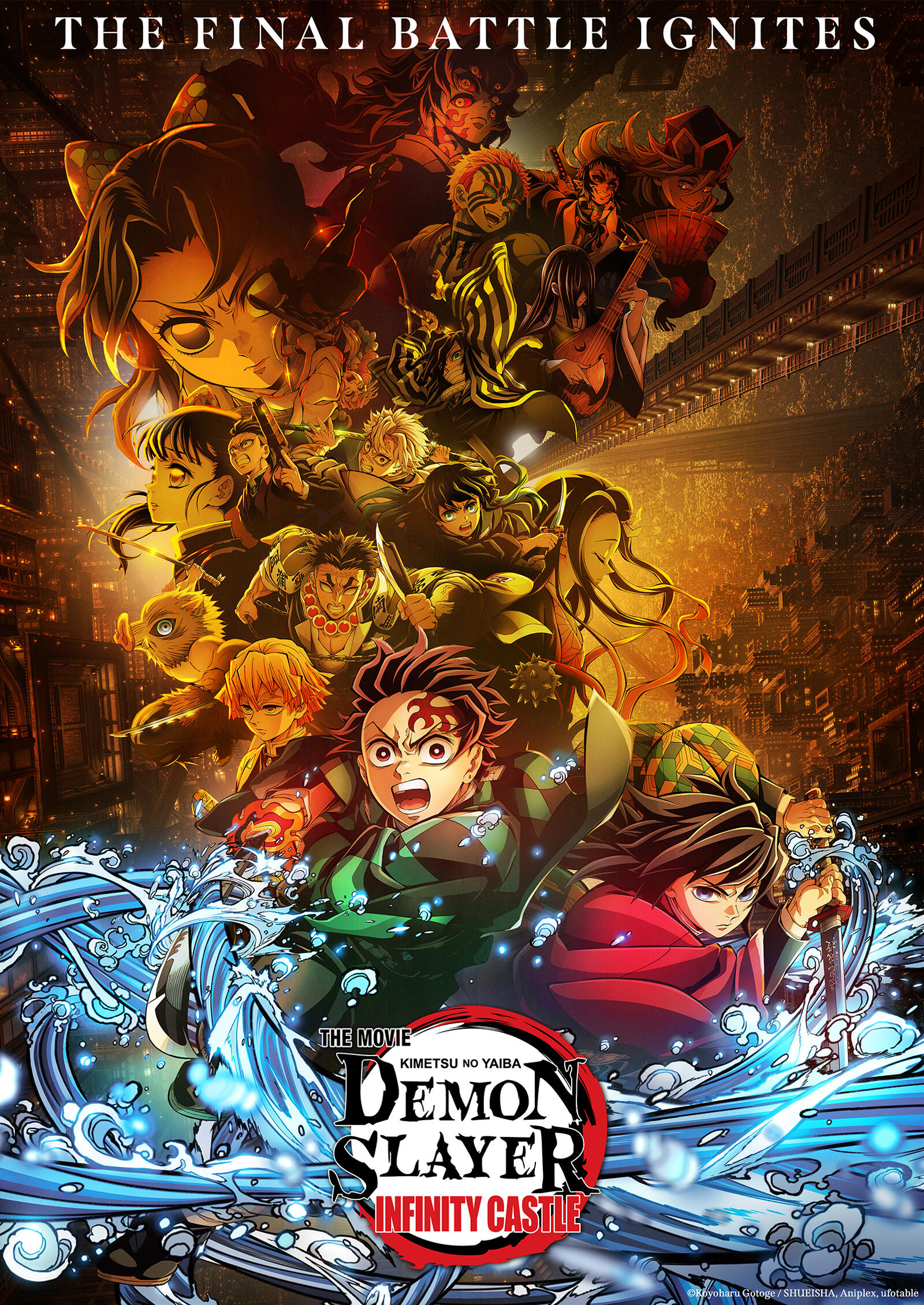
Many anime films, especially for older audiences, reject the standard “good and evil” characterization that many Western films embraced.
Anime helped propel storycrafting to include more moral grayness, ambiguous conclusions, and worldbuilding without handholding.
Anime producers trusted the audience to care and be smart enough to understand certain elements on their own.
It proved audiences could handle such things, and in fact, wanted more of them.
Thanks to anime, film and series around the world today are more willing to explore:
- Sci-fi, cyberpunk, and “cyber-dystopia” combined with philosophical questioning
- Dream logic and nonlinear narratives
- Animations specifically for adults, like The Animatrix, Love, Death & Robots, and Arcane
- Silence, stillness, and minute gestures as critical narrative tools in animation
- Reflective, thoughtful, serious storytelling
Today, anime films like Spirited Away and even Demon Slayer and Chainsaw Man, which feature canonical plot arcs from the TV anime series of the same names, are regularly receiving as much hype, attention, and ticket sales as any Disney or Pixar film.
You can find out about exceptional Japanese lessons here on Superprof!
Where to Watch These Japanese Anime Classics
Where can you watch Japanese anime series and movies? Pre-2010s, you’d be hard-pressed to find an easy, affordable way to watch your favourite entries. Today, there are a lot more options! Here are some of the top sources for watching anime.
🍿 Crunchyroll
A long-time contender, Crunchyroll has the most expansive library. Find series, movies, and simulcasts of premiering media such as:
Series
- Jujutsu Kaisen
- Dragon Ball Z
- One Piece
- My Hero Academia
- Attack on Titan
- Solo Leveling
- Dan Da Dan
- Chainsaw Man
- Vinland Saga
Movies
- Akira
- Your Name
- The Girl Who Leapt Through Time
- Josee the Tiger and the Fish
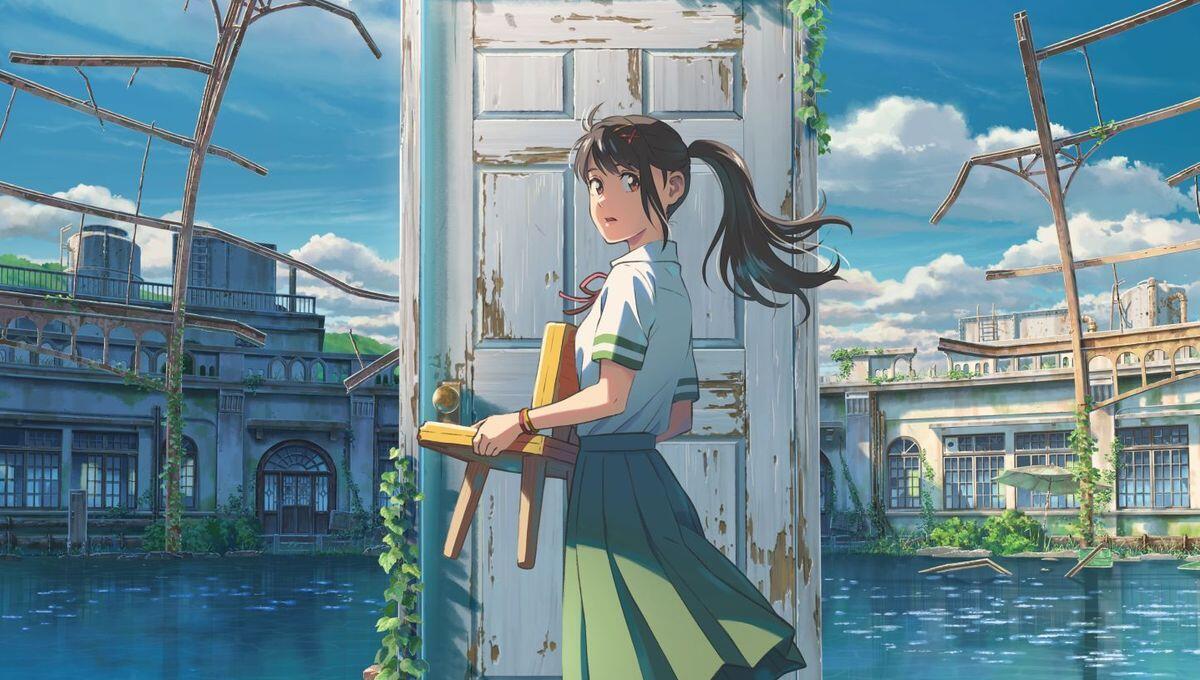
- Suzume
🍿 Netflix
Netflix has acquired many anime properties and has started producing many Netflix originals as well. Here, you can find:
Series
- Devilman Crybaby
- Frieren
- Apothecary Diaries
- Pluto
- Delicious in Dungeon
- Sakamoto Days
- Pokémon
- Ghost in the Shell: SAC 2045
- Cowboy Bebop
Movies
- Ponyo
- Drifting Home
- A Whisker Away
- The Boy and the Heron
- Castle in the Sky
- Spirited Away
🍿 Amazon Prime Video
Anime fans find plenty of series and movies to watch with Amazon’s expansive collection. Discover titles such as:
Series
- Dororo
- Hunter x Hunter
- One Punch Man
- Hell’s Paradise
- Spy x Family
Movies
- Shin Godzilla
- Look Back
- One Piece Film Gold
- Evangelion: 1.11 YOU ARE (NOT) ALONE
- Dragon Ball Z: Fusion Reborn
Japanese anime has become incredibly popular over the years. These days, you can find hundreds of titles to enjoy, whether you’re practicing Japanese or just like to watch animated movies and TV!
References
- 100 Best Anime Movies of All Time. (n.d.). In editorial.rottentomatoes.com. From https://editorial.rottentomatoes.com/guide/best-anime-movies
- Emakimono: The art of Japanese handscrolls. (2024). In Fabrizio Musacchio. https://www.fabriziomusacchio.com/weekend_stories/told/2024/2024-07-26-emakimono/
- Highest Grossing Anime Movies. (n.d.). In IMDb. From https://www.imdb.com/list/ls525574450
- “Your Name” Puts a Beautiful Twist on a Worn-Out Tradition. (2020). In Study Breaks. https://studybreaks.com/tvfilm/your-name-3
- van der Linden, M. (2024). Shadowing the Brutality and Cruelty of Nature: On History and Human Nature in Princess Mononoke. In: Hennessey, J.L. (eds) History and Speculative Fiction. Palgrave Macmillan, Cham. https://doi.org/10.1007/978-3-031-42235-5_12
Summarize with AI:
Did you like this article? Leave a rating!


 Loading...
“I still use kissanime I don’t mind the ads anymore. While I do wish ad blockers can be used there without any trouble (turning it off/on/off/on etc.) It’s still my go to. Just use beta server / account.
but thanks for the other alternatives. I’ll check them out
EDIT: OK wow masteranime is already 100x better lmao. Guess it’s time to switch.”
What about Viewster? Even though it doesn’t have a huge selection of anime like crunchyroll, it’s legal, completely free, and you can watch the anime in hd without ads!
Talking about the best anime torrent sites Project GXS serves as the apt online anime torrent repository. When you select a certain title, it pulls out a list of available torrent file options for you. They might be direct downloadable files or torrents and you can decide which one to get for your specific needs. This page titled indexing site for anime torrents lets you browse titles alphabetically and get the video links along with the file resolutions. For TV shows, you will be presented with the overview of that particular season and episode.
Anilinkz.com is the best site in my opinion. It has lots of animeseries and movies that you can watch online. It also has western cartoons like phineas and ferb, adventure time, etc. The website is free, no registration, and all the latest animes are there and always updated.
Anime Rhino is an Anime streaming site where you can Watch Anime in English Dubbed & Subbed. They provide multiply High Quality video sources so you can switch between them.”
Ex Anime is a website where users can stream animes online for free without the need to sign up. It has plenty of animes in its site, from already finished to currently airing.
t is a legal anime website that you need to subscribe a premium membership in order to gain access to the series. But what it guarantees you is that with anime updates initiating almost every hour, you won’t miss out the latest episode. It can be accessed in most of the countries in the world
One of the best options for watching TV online, Hulu also should get some credit for having a wide range of anime content. Similar to CrunchyRoll, you can either watch shows without an account or create a free account for tracking what you’ve seen
I really appreciate this post. I¡¦ve been looking all over for this! Thank goodness I found it on Bing. You have made my day! Thank you again
“Attractive section of content. I just stumbled upon your
site and in accession capital to assert that I acquire in fact enjoyed account your
blog posts. Anyway I will be subscribing to your augment
and even I achievement you access consistently fast.”
I hate the stigma that people put on anime when in reality they are so great!
Wow Amazing Article. Thanks for sharing us this knowledge. Your Article for anime is really helpful for me. Thank you so much.
CrazyAsk
YouTube is an online video sharing and streaming website that enables content creators to share their work across the platform’s large user base and network. It’s also
Jayme Silvestri
An absolute ton of anime series and movies on this website and updated very regularly. You can watch with English dubbing and/or English subtitles for every title.
Paul Brown