
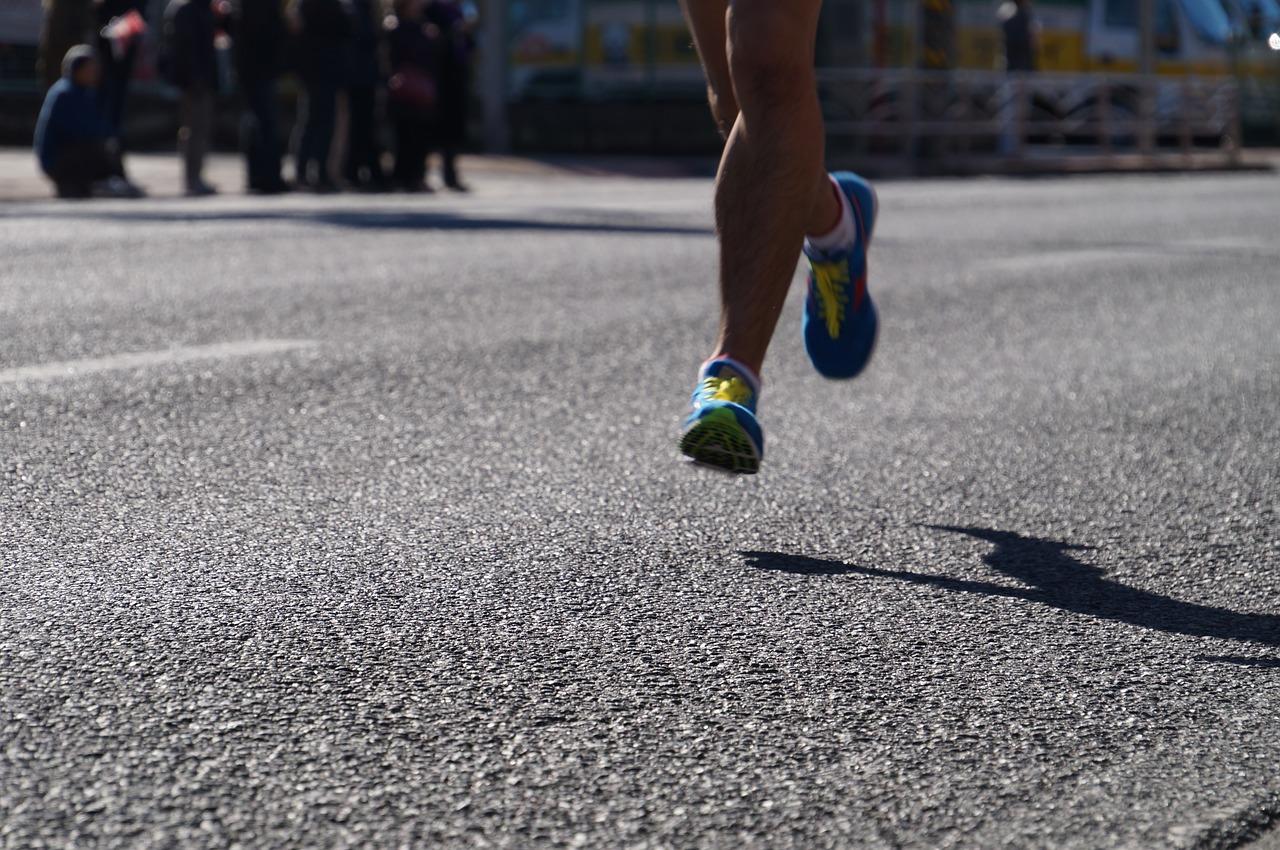

Few sporting events capture the imagination quite like the marathon. Covering 42.195 kilometres (26.2 miles), the race is the ultimate test of endurance, determination, and mental toughness. Over the decades, remarkable athletes have transformed what seemed physically impossible into new standards of excellence, rewriting the record books and inspiring millions of runners around the world.
The history of marathon running is filled with unforgettable moments, from Olympic champions crossing the finish line to world-class athletes setting astonishing records in Berlin, London, and other iconic races. Each generation has produced competitors who have pushed the sport to new heights.
| Marathoner | Country | Greatest Achievement |
|---|---|---|
| Abebe Bikila | Ethiopia | First African to win Olympic marathon gold |
| Kathrine Switzer | USA | First woman to officially run the Boston Marathon |
| Eliud Kipchoge | Kenya | First person to complete a marathon in under two hours (special event) |
| Brigid Kosgei | Kenya | Former women's marathon world record holder |
| Haile Gebrselassie | Ethiopia | Multiple world records and Olympic champion |
| Paula Radcliffe | United Kingdom | Three-time London Marathon champion |
| Kelvin Kiptum | Kenya | Set the men's official marathon world record in 2023 |
| Ruth Chepngetich | Kenya | World champion and one of history's fastest female marathoners |
Elite athletes continue to chase faster marathon record times, particularly at races like the Berlin Marathon, where ideal conditions have produced many of the world's fastest performances. Stars such as Eliud Kipchoge, Brigid Kosgei, and the late Kelvin Kiptum have demonstrated just how far human endurance can be pushed, while pioneers like Abebe Bikila and Kathrine Switzer forever changed who could compete and what was possible.
Let's take a closer look at these legendary marathoners have helped shape the modern sport.
Pioneering Legend Abebe Bikila
If marathon history had a defining moment, it would almost certainly include Abebe Bikila's unforgettable run through the streets of Rome during the 1960 Olympic Games.
The Ethiopian runner shocked the sporting world by winning the Olympic marathon while running barefoot!
Bikila had trained without shoes for much of his life, and when the footwear provided for the race caused discomfort, he chose to compete as he always had. The decision became one of the most iconic images in sports history.
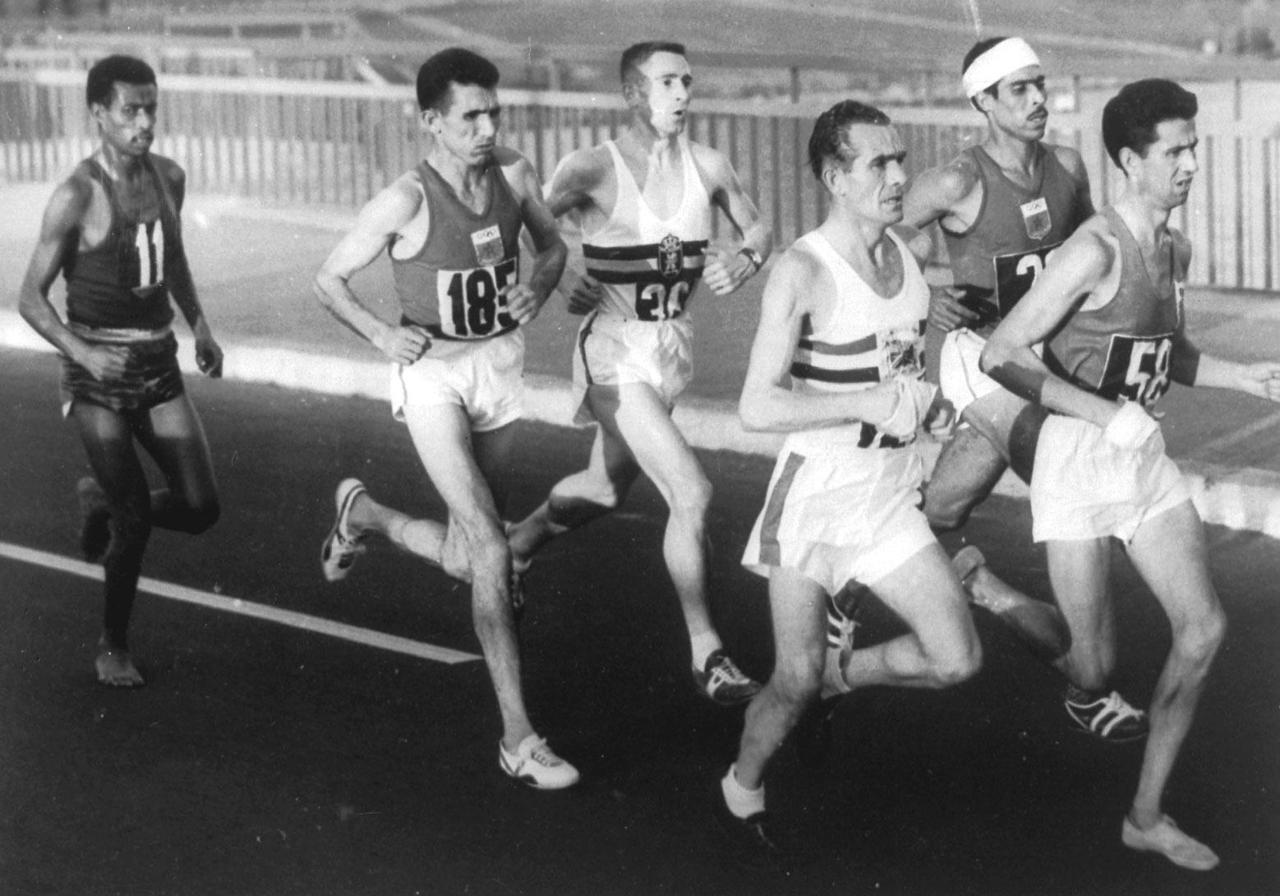
Crossing the finish line in a world record time of 2:15:16.2, Bikila became the first Black African athlete to win an Olympic gold medal. His victory was about much more than athletics.
Four years later, at the 1964 Tokyo Olympics, Bikila accomplished something even more extraordinary. Just six weeks before the race, he underwent surgery to remove his appendix. Despite the procedure, he recovered in time to defend his Olympic title, once again winning gold, this time while wearing running shoes, and setting another world record with a time of 2:12:11.2.
No marathon runner had ever successfully defended an Olympic title.
In 1967, Kathrine Switzer became the first woman to officially run the Boston Marathon. When race official Jock Semple attempted to remove her from the course, she refused to quit and completed the race, inspiring women around the world. Her courage helped pave the way for the Boston Marathon to officially admit women in 1972 and for the women's marathon to become an Olympic event in 1984, forever changing the future of distance running.
Every great marathon champion builds on the achievements of those who came before. Abebe Bikila proved that runners from East Africa could dominate the world's biggest races, paving the way for future legends like Haile Gebrselassie, Eliud Kipchoge, and Kelvin Kiptum.


Record-Breaking Marathoners
Throughout marathon history, only a handful of runners have fundamentally changed our understanding of speed and endurance.
No names are more closely associated with modern marathon greatness than Eliud Kipchoge and Brigid Kosgei. Their remarkable performances at races such as the Berlin Marathon, the London Marathon, and the Olympic Games have inspired millions of runners.
Eliud Kipchoge
Widely regarded as the greatest marathon runner of all time, the Kenyan superstar has built a career defined by extraordinary consistency, humility, and excellence. While many champions enjoy a few successful seasons, Kipchoge has dominated marathon running for well over a decade.
Long before he became the king of the marathon, Kipchoge was already one of the world's best distance runners. In 2003, at just 18 years old, he stunned the athletics world by defeating both Haile Gebrselassie and Kenenisa Bekele to win the 5,000 metres at the World Championships.
Many believed he would spend his entire career on the track. Instead, he transitioned to road racing and changed marathon history forever.
After making his marathon debut in 2013, Kipchoge immediately established himself among the sport's elite. His smooth running style, incredible efficiency, and seemingly effortless stride quickly made him nearly unbeatable. Few athletes have dominated the world's biggest races the way Kipchoge has.
His victories include multiple wins at both the London Marathon and the Berlin Marathon, two races known for attracting the strongest marathon fields in the world.
Brigid Kosgei
While Kipchoge dominated the men's marathon, another Kenyan athlete was rewriting history on the women's side. Brigid Kosgei emerged as one of the fastest female marathon runners the sport has ever seen.
Her breakthrough came at the Chicago Marathon in October 2019, where she produced one of the greatest performances in women's distance running history. Crossing the finish line in 2:14:04, Kosgei broke Paula Radcliffe's women's world record, which had stood for sixteen years.
Kosgei's success wasn't limited to Chicago. She also became one of the dominant competitors at the London Marathon, winning twice and consistently challenging the world's best runners. During the Tokyo Olympics, she added another remarkable achievement by winning the silver medal in the women's Olympic marathon.
Dominant Marathon Champions
Few athletes embodied sustained excellence better than Haile Gebrselassie and Paula Radcliffe, whose achievements inspired an entire generation of marathon runners.
Haile Gebrselassie
For many years, Haile Gebrselassie was widely considered the greatest distance runner in the world. The Ethiopian superstar first rose to prominence on the track, winning consecutive Olympic gold medals in the 10,000 metres at the 1996 Atlanta Games and the 2000 Sydney Olympics.
A heavyweight when it comes to talking about the history of marathoning, Ethiopian runner Haile Gebrselassie was a true champion in marathon running, keeping his success consistent as well as frequent.
Later in his career, he successfully transitioned to road racing.
His greatest marathon achievements came in Berlin, where he twice set official world records at the Berlin Marathon.
Gebrselassie's elegant stride became instantly recognizable to running fans. He often appeared relaxed even while running at astonishing speeds. Like Abebe Bikila before him, he inspired countless young runners throughout Ethiopia and across Africa to dream of competing on the world's biggest stages.
His major achievements include a four-times winning streak at the Berlin marathon between 2006 and 2009 and a hat-trick at the Dubai marathon at each event from 2008 to 2010. In addition to his wins, he also set and broke records, his most recent one being 2:03:59, which he set at the 2008 Berlin marathon. Although this record has since been broken, Haile continues to be regarded as a major figure in the history of long-distance running.
Paula Radcliffe
For more than sixteen years, Paula Radcliffe's marathon world record represented one of athletics' greatest achievements. The British star became famous for her fearless racing style: unlike many competitors who preferred conservative pacing, Radcliffe attacked races from the very beginning.
Sometimes the strategy failed. More often, it produced unforgettable victories.
Her greatest performance came at the London Marathon in April 2003, where she set what was then the women's marathon world record of 2:15:25. The mark stood for over a decade and a half, surviving repeated attempts by the world's best runners before Brigid Kosgei finally surpassed it in October 2019.
Radcliffe also won the London Marathon three times, becoming one of the race's most beloved champions. In addition to her many sporting achievements and records, Radcliffe has won an array of titles including BBC Sports Personality of the Year, World Athlete of the Year, and even an MBE!
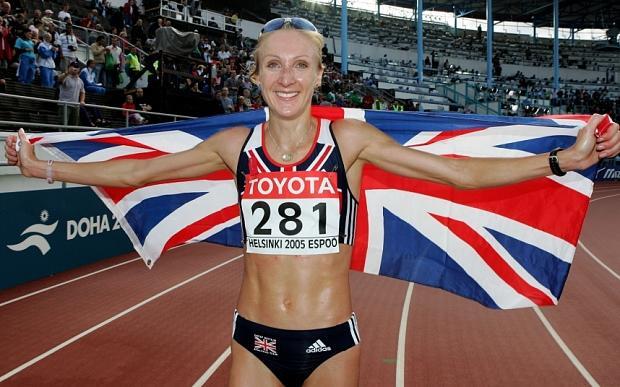
Her stream of achievements, as well as her various honours which recognise her as a source of inspiration, are exactly why Paula Radcliffe is still discussed as a major figure in the world of marathon running today, fifteen years on from when she set the world record.
Rising Stars in Marathon Running
Every generation of marathon runners builds on the achievements of those who came before. As training methods improve and athletes continue pushing the limits of human endurance, new champions emerge to challenge long-standing records and redefine what is possible over 42.195 kilometres.
Among the newest names to transform the sport are Kelvin Kiptum and Ruth Chepngetich, two Kenyan athletes whose remarkable performances have reshaped marathon history.
Kelvin Kiptum
Sometimes greatness arrives faster than anyone expects. That was certainly true of Kelvin Kiptum. In just a handful of marathons, the young Kenyan runner established himself as one of the greatest talents the sport had ever seen.
Kiptum burst onto the international stage in December 2022 by winning the Valencia Marathon in an astonishing debut time of 2:01:53—the fastest marathon debut in history at the time. Many wondered whether the performance was a once-in-a-lifetime race.
He answered with an even faster run. At the London Marathon in April 2023, Kiptum stormed to victory in 2:01:25, becoming only the second person ever to complete an official marathon in under 2 hours and 2 minutes.
In October 2023, Kiptum delivered one of the greatest marathon performances ever witnessed, finishing in 2:00:35 to set a new official men's marathon record, surpassing Eliud Kipchoge's mark by 34 seconds. The performance left the running world convinced that Kiptum might become the first athlete to officially break the two-hour barrier under race conditions.
Sadly, that opportunity would never come.
In February 2024, Kiptum died in a car accident at just 24 years old, cutting short one of the most promising careers in distance-running history.
Ruth Chepngetich
Ruth Chepngetich has established herself as one of the most accomplished women in marathon history through her fearless racing style and remarkable consistency.
She first captured worldwide attention by winning the 2019 World Championships marathon in Doha under extremely hot and humid conditions. While many runners struggled with the challenging weather, Chepngetich maintained her composure to claim gold and prove she could succeed under the toughest circumstances.
She has also become closely associated with the Chicago Marathon, producing several of the fastest women's marathon performances ever recorded. Rather than waiting for the final kilometres, Chepngetich often establishes a fast pace from the very beginning, forcing competitors to decide whether they can keep up.
Other Legendary Marathoners
The list doesn't stop here. Let's take a look at some other runners that have changed the game.
Paul Kibii Tergat
During his marathon career, which spanned from 2001 to 2008, Kenyan runner Paul Tergat established himself as a big name at almost ever marathon event he attended.
In his first three marathons, which took place in London and Chicago, Tergat finished in second place. Following his streak of near-victory, Tergat went on to set a new world record time for completing the marathon distance at the 2003 Berlin Marathon with a time of 2:04:55. Although this time would be broken in 2007 by Haile Gebrselassie, Tergat continued his winning streak elsewhere.
Tigist Assefa
Tigist Assefa shocked the world when she obliterated the women’s marathon world record at the 2023 Berlin Marathon, clocking in at 2:11:53 — over two minutes faster than the previous record set by Brigid Kosgei in 2019.
Originally a middle-distance runner specializing in the 800m, Assefa’s rise in the marathon world has been nothing short of meteoric. Her powerful transition from the track to the streets has redefined what’s possible in women’s distance running and cemented her status as one of the most thrilling athletes of the modern era.
Wilson Kipsang Kiprotich
Another big name flying the flag for Kenya on the winners' podiums of marathon events around the world, Wilson Kipsang Kiprotich is incredibly famous for his running achievements.
However, in 2018, when Kiprotich came to reclaim his world record title, the Tokyo marathon saw Kiprotich drop out at the 15-kilometre mark after he started experiencing stomach problems while running.
Dennis Kipruto Kimetto
Dennis Kipruto Kimetto made an unforgettable entrance into the marathon world, setting the fastest debut time ever in 2012 and then smashing the world record just two years later in Berlin.
His blistering 2:02:57 shattered the previous mark, making him the fastest marathon runner in history at the time. Coming from a farming background and discovered by fellow legend Geoffrey Mutai, Kimetto’s rise was both rapid and inspiring.
Though injuries later hampered his career, his world record changed expectations of what was humanly possible in the sport.
Sir Mo Farah
Sir Mohamed Farah rose from a young Somali refugee to become the most successful British track athlete in modern Olympic history. Arriving in the UK at age 8, he overcame language barriers and adversity to represent Team GB on the world stage.
Mo Farah became a household name in 2012 when he became double Olympic champion at the 2012 Summer Olympic games in London in the 10Km and 5Km events. Mo Farah’s signature “Mobot” celebration became iconic — and in 2013, he was officially knighted, becoming Sir Mo for his services to athletics!
Marathon Milestones and Records
Every new marathon record tells the story of athletes building upon previous generations. Improvements in sports science, nutrition, footwear, pacing strategies, and training methods have steadily lowered finishing times over the decades.
As you’ve seen, today’s runners are standing on the shoulders of giants — and making history of their own. Here’s a look back at the last 10 world records that defined the marathon:
2024
Ruth Chepngetich (🇰🇪)
She ran the fastest women’s marathon ever (not ratified) at the Chicago Marathon in 2:09:56.
2023
Kelvin Kiptum (🇰🇪)
Set the current men’s world record of 2:00:35 at the Chicago Marathon — the fastest marathon ever run in a record-eligible race.
2023
Tigist Assefa (🇪🇹)
Shattered the women’s marathon world record with a time of 2:11:53 at the Berlin Marathon, improving the previous mark by over two minutes.
2022
Eliud Kipchoge (🇰🇪)
Broke his own world record at the Berlin Marathon, clocking 2:01:09, reaffirming his GOAT status.
2019
Brigid Kosgei (🇰🇪)
Set a new women’s world record of 2:14:04 at the Chicago Marathon, breaking Paula Radcliffe’s 16-year-old record.
2018
Eliud Kipchoge (🇰🇪)
Ran 2:01:39 at the Berlin Marathon, smashing the previous world record by 78 seconds.
2014
Dennis Kipruto Kimetto (🇰🇪)
Became the first man to break 2:03, running 2:02:57 at the Berlin Marathon.
2003
Paul Tergat (🇰🇪)
Set a new men’s world record of 2:04:55 at the Berlin Marathon, becoming the first man to go sub-2:05.
2003
Paula Radcliffe (🇬🇧)
Set the women’s marathon world record at 2:15:25 during the London Marathon, a record that stood for 16 years.
1964
Abebe Bikila (🇪🇹)
Broke the world record at the Tokyo Olympics, running 2:12:11 and defending his Olympic title.
The history of the marathon is much more than a collection of finish times and world records. It is the story of extraordinary individuals who challenged expectations, overcame adversity, and inspired millions of runners around the globe.
Be Inspired by Marathon Legends
Abebe Bikila's barefoot Olympic triumph, Haile Gebrselassie's elegant dominance, and Eliud Kipchoge's unforgettable victories show how each generation has expanded the boundaries of human potential.
Today's stars continue building on that remarkable legacy. Every September in Berlin, every April in London, and at every Olympic Games, athletes chase history while inspiring recreational runners training for their first half marathon or full marathon.
Whether your goal is to break a personal best, qualify for Boston, or simply cross the finish line, these legendary marathoners remind us that greatness is rarely achieved overnight. It comes from countless early mornings, relentless dedication, and the belief that every step brings you closer to something extraordinary.
References
- Abbott World Marathon Majors. Abbott World Marathon Majors. Abbott World Marathon Majors, https://www.worldmarathonmajors.com. Accessed 1 July 2026.
- International Olympic Committee. Athletics. Olympics.com, https://olympics.com/en/sports/athletics/. Accessed 1 July 2026.
- World Athletics. World Athletics. World Athletics, https://worldathletics.org. Accessed 1 July 2026.
Summarize with AI:
Did you like this article? Leave a rating!


 Loading...
