
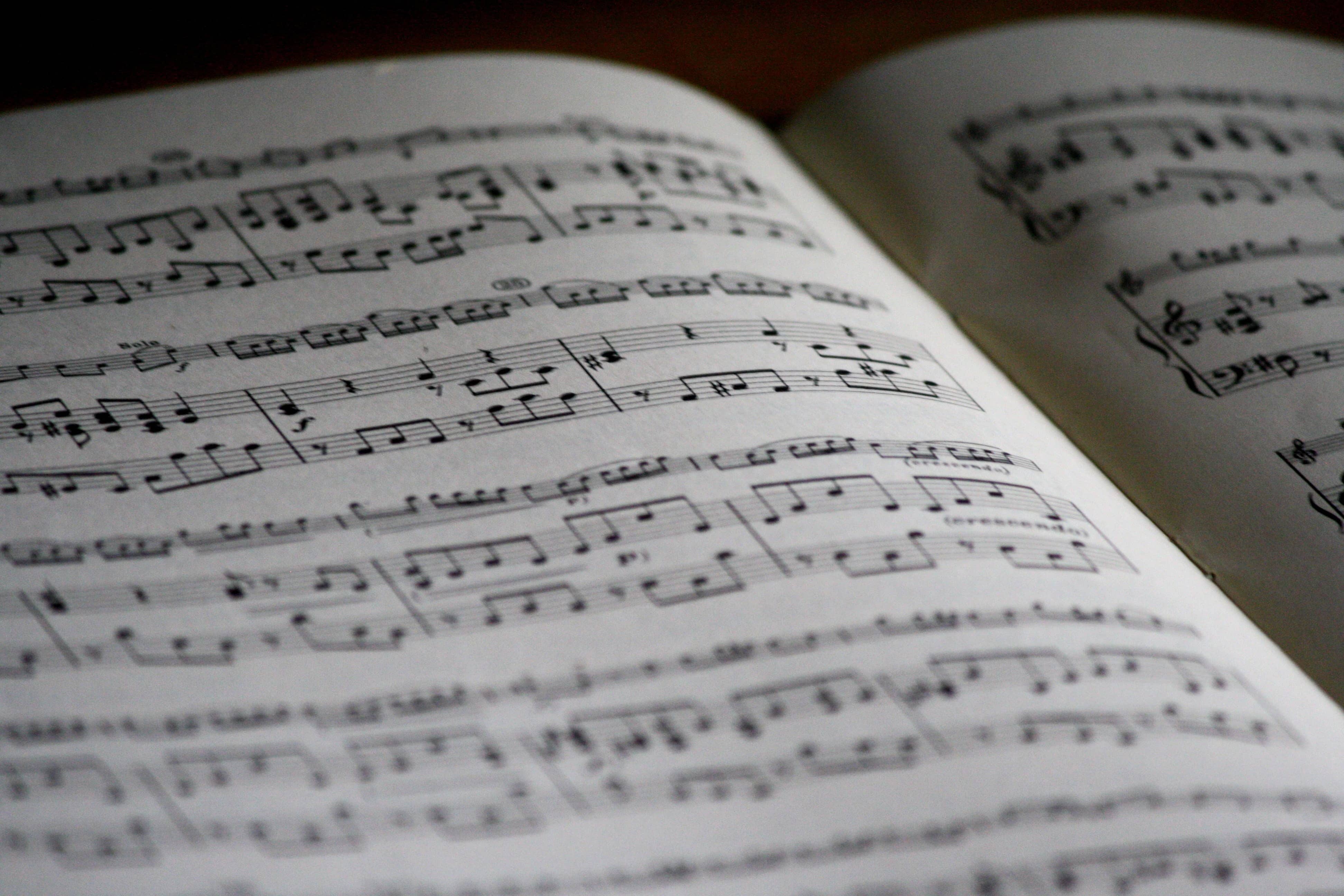

Playing the piano is typically a hobby, especially from childhood. For many, it is a professional skill they work hard and strive to improve every day because they love music.
Undoubtedly, playing the piano is an admirable talent that provides the player with a sense of accomplishment and the listener with melodious tunes. But what does it take exactly to become a skilled piano player? Do you need the education to excel on the piano?
See how to build a successful career as a pianist.
Perhaps, you have asked these questions a million times before you bumped on this article. We are ready to help you unravel the puzzle right away.
This article focuses on answering these questions budding in the mind of prospective piano players. Continue reading!






Do You Need Education to Excel on the Piano?
Famous piano players, while performing, have expressed their craft and skill with such flair and flawlessness that it becomes easy for anyone to think that playing the piano is just as easy as it looks. In reality, there is lots of practice behind the scenes for every successful piano performance.
In a brief answer, you may need an academic degree to become a professional piano player. At the same time, education is not necessary to become a successful piano player. It depends on the interests and career goals of the player.
If you are looking to learn piano in Toronto, you can easily find a good tutor by typing "piano classes Toronto" in your browser.

What Does it Take to Become a Skilled Piano Player?
The efforts you put into learning piano and the consistency you commit to piano tutorials are essential qualities that make a great piano player. On the other hand, if you want to make a living from playing the piano, you may consider teaching in a college or a university, and a degree is essential for these teaching jobs.
For beginners, the first step to becoming a great piano player is to enroll on piano tutorials. These tutorials teach the student in simple language that anyone with basic communication skills can understand without formal education. The tutorials feature lessons that help the student develop fundamental music and piano skills. The piano lessons Edmonton or elsewhere may become complex as the student progresses. However, each difficulty is relative to the student's learning ability.
Piano tutorials for beginners focus on laying a foundational basis for the learner with lessons that help the student learn the different piano keys as a first step. Since all the keys on the piano have labels for easy reference, it is a vital first step that a student should be able to identify the different piano keys. After that, they can learn the musical symbols and notes.
Learning musical symbols and notes is conventionally perceived as the theoretical aspect of learning piano. However, this lesson is essential for sight reading and playing from a piano music sheet.
Your piano instructor may encourage you to try basic sounds to understand musical tones before attempting different rhythms.
Advanced piano tutorials are focused on a practical and mental approach to piano playing. At this stage, the student will learn proper finger placements and techniques. Musical chords are then introduced to give the pianist a balanced and enhanced sound while playing, and the student will also learn how to maintain rhythms.
Further lessons in advanced piano tutorials would focus on utilizing both hands simultaneously while playing and staying consistent with practice.
The final parts of the piano tutorials would focus on teaching the student to read the piano music sheet and build individual personality, ingenuity, and creativity as a pianist. This aspect is of high importance because it helps the student understand piano playing as an art that depends on the creativity and skill that flow from the artist's mind.
Many youngsters interested in the piano and want to pursue a life-long career in the field may consider a degree in music at the university, music college or conservatory. A typical academic degree in music may take three years to complete.
Pursuing a degree in music may present the budding pianist with opportunities to explore the various genres of music, also allowing them to narrow their focus to classical or non-classical music as a speciality.
This may mean choosing between jazz and classical music. Pianists who decide to do classical majors focus predominantly on classical music throughout their careers. However, jazz majors have a rather broad scope as they can explore other piano styles. Music colleges have recently included degrees in rock music, contemporary improvisation, church music, etc.
Can your toddler learn piano skills? Find out!
Pianist Career Paths With and Without Education
After learning piano basics and proceeding to intermediate classical or jazz piano lessons, you may want to major your progress by practicing as quickly as possible. Success begins to creep in if you focus on attracting it.
However, some may argue that success is relative; to wit, learning the piano and playing the instrument as a hobby only could make you feel fulfilled and successful, while teaching others how to play the piano could make the student feel fulfilled and successful.
Whatever the case, a pianist can excel with their skill alone and with a music degree in many ways. These include becoming a:
Concert pianist
Becoming a concert pianist is often regarded as the most ambitious career choice for a pianist. The particulars of this career involve live performances and tours, which may require frequent traveling and keeping yourself fit for performances.
Concert pianists work with artist management companies for these performances. They also make money from video and audio recordings uploaded onto streaming platforms.
A few popular concert pianists have achieved recognition and rely solely on stage performance for their income.
Accompanist or collaborative pianist
A person with piano skills can perform alongside other musicians as a collaborative pianist. This path requires the pianist to have skills ranging from synergising with other musicians to learning multiple music pieces quickly.
Piano teacher
The piano instructor is a popular and typical career path for most piano players. Primary schools, universities and even music schools often hire skilled piano players to teach students of varying ages and proficiency levels. Most pianists set up their studios for private piano lessons.

Orchestral pianist career
Although the piano is not usually among an orchestra's instruments, twentieth-century orchestral works added the piano as a standalone instrument, and orchestral pianists function in this role. Orchestral pianists also perform in onstage opera performances.
Usually, as a side gig, orchestral artists perform at events from artist management companies, smaller organizations, or self-sourced.
What if you don't have a degree in piano studies or music? Is all hope lost? Not at all! Pianists who do not have an education or college degree can also excel with their skills in several other ways. These include becoming a:
Church musician playing piano
Classical and contemporary pianists alike are capable of taking on this role. This career path involves playing as a church musician in services. Responsibilities range from playing only on a two-hour service to directing a choir. It is ideal for church pianists to be skilled in contemporary and classical music.

Keyboardist/piano player in a band
A pianist can perform with a band or a music group either as a member or freelancer. This career is another one that does not necessarily require a music degree. Playing style and specific roles vary depending on the band or culture. Jazz is a popular genre in this niche, with electric keyboards and other equipment employed frequently.
Music arranger
This career path is a relatively new one that involves arranging music for piano solos. Creating piano versions of a song irrespective of its genre and selling its music sheet is a primary source of income for music arrangers.
Solo performer as a singer or songwriter
A pianist with good singing skills can also perform as a solo artist. There are many artists that do this as a side gig. The piano skill can also prove handy when composing, arranging, and producing music of any style.
Ultimately, excelling as a pianist depends on the player's skill. A pianist with an academic degree has additional advantages and may be eligible for career positions in corporate and classical fields. But playing the piano is a practical skill and has much to do with a pianist's proficiency.
Superprof is a reliable online learning platform providing and teaching educational lessons on several academic and social topics like music and piano tutorials.
Superprof has a plethora of well-seasoned tutors and coaches that are professional in their various fields. Learning the piano via Superprof is unique as students can easily schedule learning classes with their tutors at their convenience.
What skills do you need to learn the piano like a pro? See what experts are saying.
Get inspired to learn the piano from these popular players in Canada.
Summarize with AI:
Did you like this article? Leave a rating!


 Loading...
