

Many of the novels studied in English classes have an important role in shaping culture, society and education. In fact, several English literary classics are among the most influential books in literary history. Novels such as George Orwell's 1984 and Harper Lee's To Kill a Mockingbird continue to be widely read across generations for exploring timeless themes that remain relevant till today.
These English literature classics explore challenges readers can relate to, fostering empathy for characters from different backgrounds and circumstances and helping readers gain new perspectives on themselves and society. For this reason, English literature influences readers far beyond the classroom.




Defining English Literature Classics
A book can be considered a literary classic not only because it has stood the test of time, but also because it addresses themes of universal relevance, possesses an aesthetic literary excellence, and holds cultural and historical value.
Universal relevance
Classic literature addresses themes that remain relevant over time, such as power, morality, and the human condition. Classic novels often have universal appeal, as they explore emotions and experiences that most readers can identify with, regardless of their circumstances or background.
Aesthetic excellence
Language and style are hallmarks of classic English novels. Literary classics are characterized by their exceptional storytelling, memorable character development, different writing techniques, and mastery of the English language.
Enduring influence
Literary classics are books that have influenced literary movements and generations of authors, contributing to cultural and social discussions. Beyond their literary excellence, these novels are valued for their ability to offer profound insights into the human experience.
Read everything about analyzing English literature and learn how to develop a thorough essay for your next English Literature assignment.
Must-Read English Literature Classics
Reading literary classics is not just a journey into the past; it is also an opportunity to better understand the present and prepare for the future. These works serve as a window into the human experience, reflecting our deepest fears, aspirations and values.
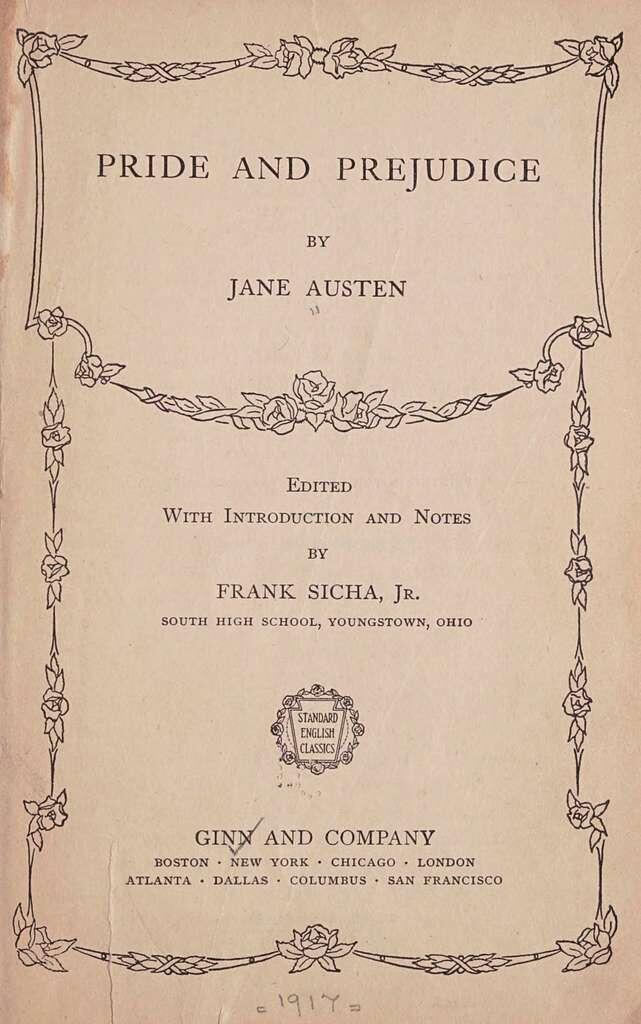
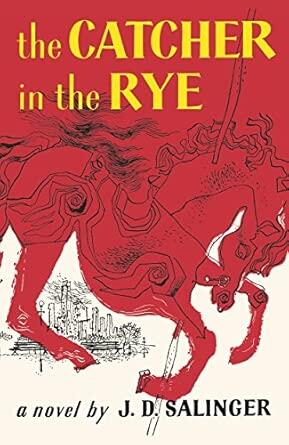
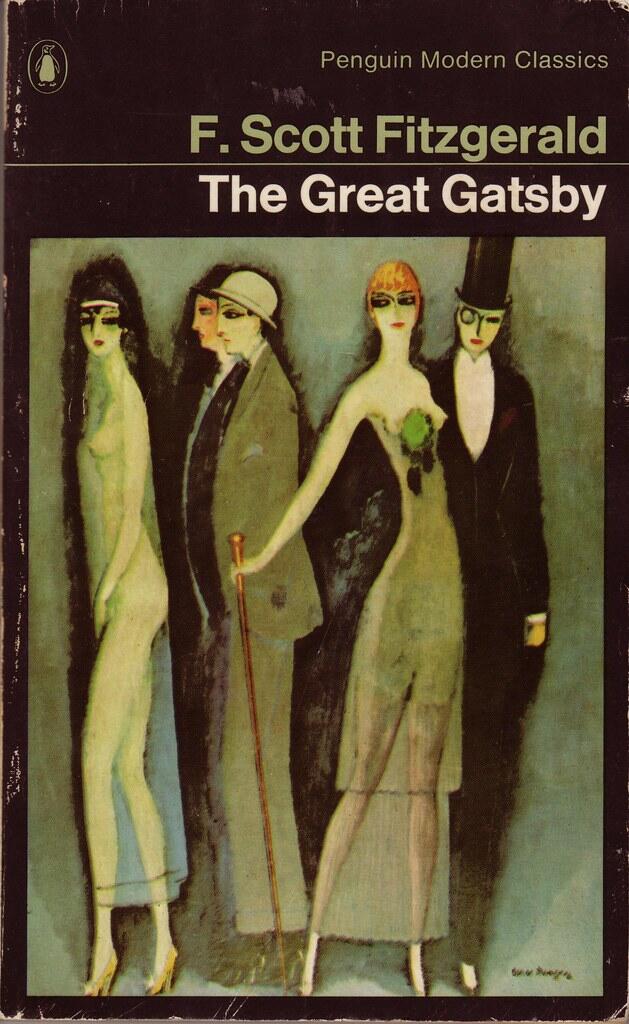
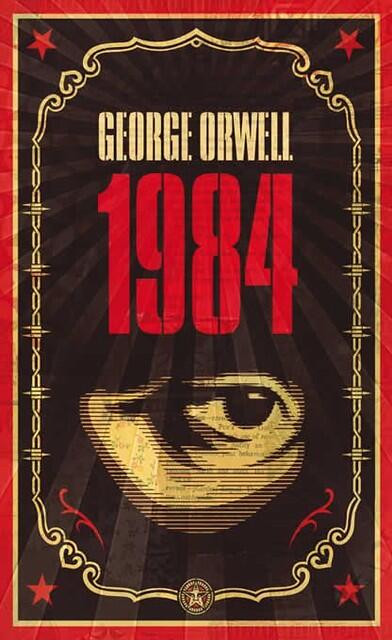
If you are discovering the classics for the first time, the following timeless books remain highly relevant. By exploring literary classics, readers can develop critical thinking skills and a deeper appreciation for literature and culture.
Pride and Prejudice (1813), by Jane Austen
- Genre: Romance, social satire
- Period: Early 19th-Century
Written by Jane Austen, Pride and Prejudice is undoubtedly one of the favorites in English literature. The story follows Elizabeth Bennet, a young woman grappling with issues of love, marriage, and social class in early 19th-century England. The novel critiques social expectations and explores themes such as love, prejudice, self-awareness, and romantic relationships through memorable characters.
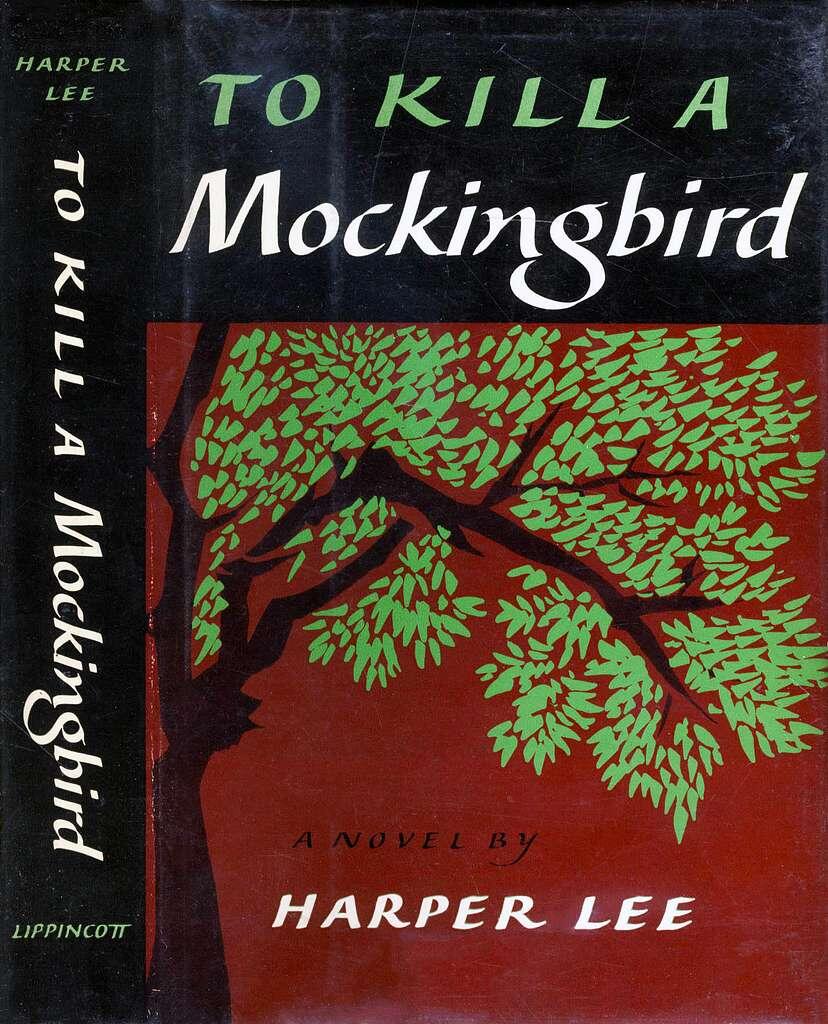
To Kill a Mockingbird (1960), by Harper Lee
- Genre: Gothic, thriller
- Period: Modern literature
To Kill a Mockingbird is a story set in the southern United States during the Great Depression, and it follows Scout Finch, a young girl whose father, the lawyer Atticus Finch, defends a black man falsely accused of a crime. The novel written by Harper Lee explores themes that remain undeniably relevant today, such as racial injustice, morality, and social inequality.
1984 (1949) by George Orwell
- Genre: Dystopian fiction
- Period: Postwar literature
1984 is a dystopian novel that tells the story of the totalitarian state of Oceania and how the authoritarian government controls every aspect of citizens’ lives through surveillance and propaganda. The story revolves around Winston Smith, an employee of the Ministry of Truth, and examines concepts such as censorship, control, and the abuse of political power. The novel written by George Orwell introduced concepts such as “Big Brother” and continues to feature in debates about privacy and individual freedom in the modern world.
The phrase “Big Brother is watching you” comes from George Orwell’s dystopian novel 1984, and is a powerful symbol of government surveillance and absolute political power. 1 Although the author imagined a fictional totalitarian society, this expression remains highly relevant today, appearing in discussions about digital privacy, the collection of personal data, the use of social media, and artificial intelligence.
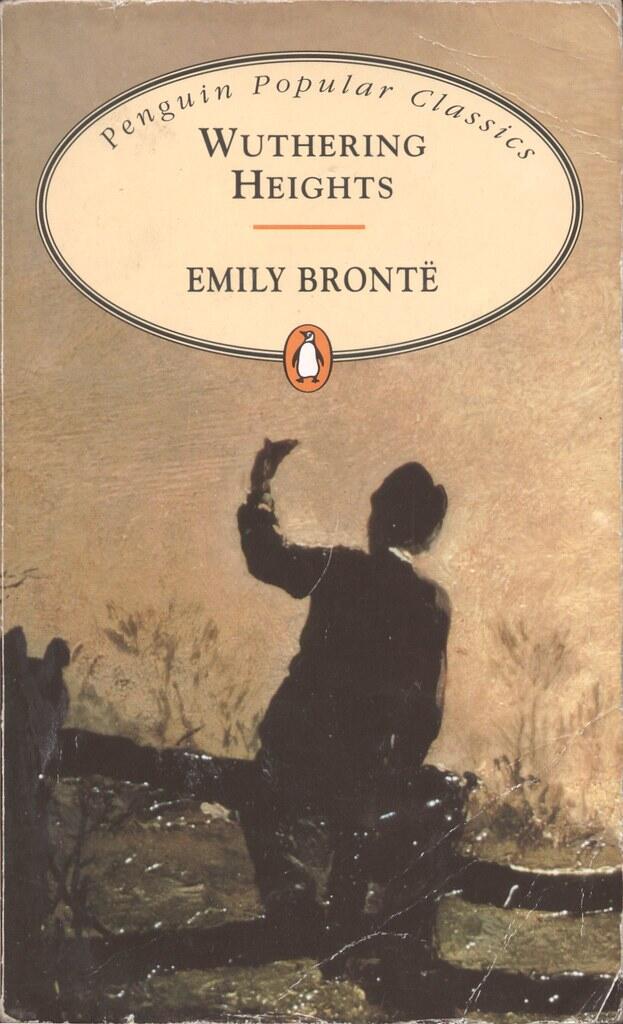
Wuthering Heights (1847) by Emily Brontë
- Genre: Fiction, Tragic romance
- Period: Victorian literature
Written by Emily Brontë, the novel Wuthering Heights tells the story of Heathcliff and Catherine Earnshaw, whose tumultuous relationship has shaped the lives of several generations and inspired numerous film adaptations. The novel explores love, revenge, obsession, and social inequality. Its complex characters and somber atmosphere have made it a classic of Victorian literature.
The Great Gatsby (1925), by F. Scott Fitzgerald
- Genre: Tragedy, social criticism
- Period: Modernist literature
Set in the Roaring Twenties, this novel follows the mysterious millionaire Jay Gatsby and his attempts to win over Daisy Buchanan. The novel examines themes such as love, opulence, ambition, excess, and social status. The Great Gatsby offers a critique of American society and is one of the most remarkable classics of 20th-century literature.
The Catcher in the Rye (1951), by J. D. Salinger
- Genre: Literary fiction
- Period: Postwar literature
The Catcher in the Rye follows the story of Holden Caulfield, a teenager struggling to find his place after being expelled from school. As he wanders through New York City, Holden grapples with feelings of loneliness, identity, grief, and hypocrisy. The novel explores adolescence, alienation, and the search for authenticity.
Did you know that throughout history, some books have been banned or challenged time and again? The books that appear most frequently on lists of banned books are 1984, The Catcher in the Rye, The Great Gatsby, and To Kill a Mockingbird. 2
These are just a few of the great English literary classics to start reading if you haven't done so. Whether you're reading them for the first time or revisiting them years later, these works will continue to offer timeless stories. Find more classics through English courses here on Superprof. If you’re looking for local support with reading, writing, or essay prep, you can also work with an English tutor Hamilton.
Which classic feels most relevant today? 🤓📖
The Evolution of English Literature
English literature has evolved throughout history, reflecting different historical eras as well as social, cultural, and political events. From the epic poems of the Middle Ages to contemporary novels, each literary period has contributed to new forms of storytelling, writing styles, and artistic perspectives.
5th–15th Centuries
Anglo-Saxon and Medieval Literature
Stories were primarily passed down orally. One of the most important books of this period is Beowulf. Literature incorporated religious, chivalric, and courtly themes.
16th–17th centuries
Renaissance and Elizabethan Literature
Interest in knowledge, art, and the exploration of human nature. The golden age of theater and poetry. William Shakespeare wrote Hamlet, Macbeth, and Romeo and Juliet.
17th–18th centuries
Neoclassicism and the Enlightenment
Literature focused on reason, logic, and the analysis of society. Books that defined this era included Jonathan Swift’s Gulliver’s Travels and Daniel Defoe’s Robinson Crusoe.
Late 18th and early 19th centuries
Romanticism
Romanticism is characterized by imagination, emotions, nature, and individuality. Among the most important authors are William Wordsworth, Samuel Taylor Coleridge, and Jane Austen.
1837–1901
Victorian Literature
The Victorian era was marked by industrialization, the expansion of the British Empire, and profound social changes. Writers such as Charles Dickens, Emily Brontë, and Thomas Hardy explored social inequality, morality, and the family.
Early 20th century
Modernism
The world wars transformed English literature. Figures such as Virginia Woolf, James Joyce, and T. S. Eliot revolutionized the way stories were told.
Mid-20th century to the present
Contemporary Literature
Identity, globalization, technology, migration, and social justice occupy a central place in many current works.
Throughout its history, English literature has reflected the circumstances, values, and aspirations of different eras, fostering critical thinking and social awareness. Discover more about the importance of English literature in modern society.
How to Approach Reading Classics
Classical literary novels are among the most influential in the history of literature. However, you may feel intimidated by their style, length, or historical context. Understanding a work’s context and adopting an open attitude toward different narrative styles can help you fully enjoy these texts.
Research the historical and cultural context
Before starting any classic book, we recommend learning a little more about the author and the social and cultural context in which the story is set. Understanding the historical, social and cultural context allows for a better grasp of the motivations, values, and conflicts present in the story.
Start with more accessible works
Not all classics have the same level of complexity. Start with accessible novels such as Pride and Prejudice, To Kill a Mockingbird, or The Great Gatsby, as these novels tend to have narrative styles similar to those of contemporary works.
Take notes and reflect on the themes
As you read the novels, we recommend taking notes on the characters, events, or recurring themes to make it easier to follow and understand the plot. Since some of these books can be a bit challenging to read, we recommend reading them consistently in small sections and keeping your notes up to date.
Use supplementary resources
Nowadays, it’s very easy to find additional resources to help readers better understand classic literary novels. Literary analyses, audiobooks, and film adaptations can provide valuable context and offer deeper insights into the characters and historical background.
Participate in discussions or book clubs
Joining a book club, participating in literary forums, or taking part of discussion groups can help you discover different interpretations and perspectives. This way, you’ll be able to identify and understand themes, symbols, and ideas that might go unnoticed.
Appreciate the language and literary evolution
In addition to telling stories, literary classics will also introduce you to various writing styles, character development techniques, and narrative structures. Exploring these elements will deepen your appreciation of literature and develop skills in critical analysis, reflection and reading comprehension.
Read the best novels and classics through personalized English courses online on Superprof.
Discover More Great English Literature Books
The classics featured in this guide represent only a small fraction of the rich tradition of English literature. Ultimately, expanding your reading list can help you discover new genres, writing styles and historical periods.
Explore different literary periods and genres
Continue your literary journey by exploring books from different periods of English literary history. Medieval literature, Renaissance theater, modernist fiction, and contemporary works offer a unique insight into the ideas that shaped them. Additionally, you can broaden your exploration into literary genres such as historical fiction, science fiction, Gothic literature, satire and poetry.
Read authors influenced by the classics
Did you know that many contemporary writers draw inspiration from classical literature? Michael Cunningham, Jean Rhys and Helen Fielding are among the writers who reference or reinterpret classical literature, offering new perspectives on contemporary texts.
Suggested Books for Further Reading
If you’d like to continue exploring English literature, consider adding the following novels to your reading list:
Learn how to study English literature and continue exploring new authors, genres, and literary periods to deepen your cultural knowledge and develop strong critical and analytical skills.
References
- Admin. (2025, November 17). Big Brother is Watching You - Meaning and Usage. Literary Devices. https://literarydevices.net/big-brother-is-watching-you/
- Research Guides (LibGuides): Banned books: Commonly banned books. (n.d.). https://libguides.butler.edu/c.php?g=34189&p=217684
Summarize with AI:
Did you like this article? Leave a rating!

 Loading...