


Queenston Heights, in Ontario’s Niagara region, combines a War of 1812 battlefield with monuments, walking routes and views across the Niagara River. A visit can be as brief as a stop at Brock’s Monument or become a longer walk through the park and its historic landscape. The key is to look beyond the main landmark and understand why this elevated ground mattered.
| Site feature | What visitors can experience | Historical significance |
|---|---|---|
| Brock’s Monument | A prominent memorial and views over the surrounding landscape | Commemorates Major-General Isaac Brock and his role in the Battle of Queenston Heights |
| Niagara River viewpoints | Views of the river and the land below the escarpment | Help explain the challenges of the American crossing in 1812 |
| Landscape of Nations Memorial | A memorial recognising Indigenous contributions to the War of 1812 | Broadens the story beyond the British military leaders |
| Battlefield grounds | Paths and open spaces across the historic ridge | Help visitors understand the importance of elevation and terrain |
| Queenston village | A nearby historic settlement below the heights | Adds context to the wider community and landscape around the battlefield |
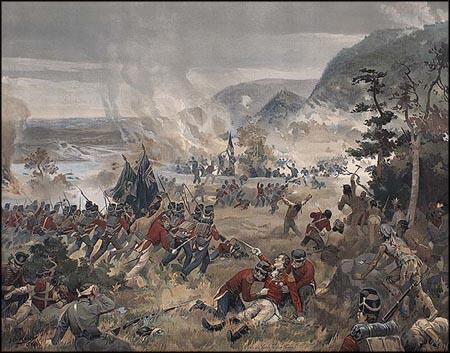
The Battle of Queenston Heights took place on 13 October 1812, when American troops crossed the river into Upper Canada. British regulars, local militia and Haudenosaunee allies eventually forced the American force to surrender, although the defenders lost Major-General Isaac Brock. Today, the site offers ways to explore the battle’s geography, the people who fought there and the stories later generations chose to commemorate.


🧭 Plan a Visit That Does More Than Check Off a Monument
Queenston Heights is one of many important Canadian battles and both a historic site and a public park, so the experience depends on what you want from the visit. Some visitors come mainly for Brock’s Monument and the view, while others want time for the Landscape of Nations Memorial, trails and the village of Queenston below. Allowing time to look at the terrain makes the history easier to understand than rushing between landmarks.
Before you go:
- Check facilities: The park is open year-round, but visitor services at Queenston Heights National Historic Site are seasonal.
- Plan for uneven ground: Some routes include slopes, steps or natural trail surfaces.
- Check monument access: Opening times and access to Brock’s Monument can differ from the park’s general hours.
- Allow time for interpretation: The landscape and memorials make more sense when you pause to read their context.
The park is listed as partially accessible, so visitors should check the specific route and facilities that suit their needs rather than assume every attraction is step-free. Niagara Parks also identifies Queenston Heights as the southern terminus of the Bruce Trail, which means walking options extend beyond the immediate monument area.
Choose the Best Starting Point for Your Time
For a short visit, start near Brock’s Monument, take in the view and explore nearby interpretation before deciding whether to walk further. This gives you a clear introduction to the site without committing to a long route. If you have more time, include the Landscape of Nations Memorial and a section of the park’s paths to broaden the story beyond Brock alone.
Short visit, around 30 to 45 minutes:
Focus on the monument area, nearby viewpoints and interpretation.
Longer visit, around 1.5 to 2 hours:
Add the Landscape of Nations Memorial and a more relaxed walk through the park. Treat these as planning estimates, not official tour durations.
A longer visit is most rewarding when you choose stops with a purpose. Rather than covering every path, consider how each viewpoint relates to the river crossing, the high ground and the defence of the settlement.
Decide Whether the Site Suits Your Mobility Needs
The park’s formal areas and natural routes offer different levels of ease. A viewpoint near a paved path may be manageable for some visitors, while climbing the monument or choosing a longer trail may present more difficulty. Weather can also affect comfort, particularly where paths are wet, icy or uneven.
Is the whole site step-free?
No. Accessibility varies by feature and route, so check current site information before visiting.
Can I avoid climbing Brock’s Monument?
Yes. You can appreciate the monument from the grounds and enjoy the surrounding views without climbing the tower.
Are trails suitable for everyone?
Trail surfaces and gradients vary. Choose a route based on your mobility, footwear and conditions.
Planning around the route you can comfortably manage is better than treating the monument climb as essential. The park still offers historical context and scenic views from its grounds.
🪖 Battle of Queenston Heights: The Turning Point Behind the Ridge
The battle began before dawn on 13 October 1812, when American troops crossed the Niagara River from New York and established a position near Queenston. They managed to climb the escarpment and seize ground above the village, but the crossing did not deliver the quick, secure victory they needed. British defenders responded, and the fighting became a contest over whether the Americans could hold the heights and receive reinforcements.
13 October 1812
The Battle of Queenston Heights takes place during the War of 1812.
1824
The first Brock’s Monument is completed to commemorate Brock and the battle.
1853
A replacement monument is completed after the original is damaged.
Today
Visitors can explore the park, memorials, walking routes and Niagara River viewpoints.
The British victory mattered because it stopped this early American attempt to invade Upper Canada. Yet the result did not come from one person alone. The defenders' ability to regroup, Indigenous allies' tactical actions and the Americans' difficulties reinforcing troops across the river all shaped the outcome.
Why the American Assault Began at Dawn
The Niagara River was a natural defensive barrier, but crossing it offered American forces a way into Upper Canada. Dawn operations gave troops an opportunity to approach under reduced visibility, although the crossing remained exposed to artillery and musket fire. Getting men across was only the first challenge: they then had to climb the steep slope, secure the heights and maintain a reliable supply of reinforcements.
The opportunity:
Establish a foothold on the heights and threaten British positions along the Niagara frontier.
The risk:
Troops on the Canadian side could become isolated if boats, reinforcements and ammunition failed to reach them.
The American force gained ground, but the narrow crossing and difficulties moving men across the river made its position vulnerable. The battle demonstrates why a successful landing does not necessarily translate into a sustainable military position.
Brock’s Death Was Important but Not the Whole Story
Major-General Isaac Brock hurried from Fort George after hearing of the attack and led troops against the American position. He was killed during the fighting, becoming the most famous British casualty of the battle.
British commander in Upper Canada.
Led a counterattack and was killed.
Became a central figure in later commemorations of the battle.
His death was a serious blow to the defenders, but it did not end their resistance. Lieutenant-Colonel John Macdonell was also mortally wounded, and command passed to Major-General Roger Sheaffe.
British commander who continued the defence after Brock's death.
Organised the later counterattack with reinforcements.
His role helps explain how the British position recovered after losing Brock.
Brock’s reputation can overshadow the decisions that followed his death. The eventual victory depended on Sheaffe's response, the arrival of additional troops and the contribution of Indigenous allies, militia and other defenders.
The legacy of Vimy Ridge also shows how a battlefield can become part of Canada's national identity.
The Haudenosaunee and British Counterattack Changed the Result
Haudenosaunee warriors, including forces led by John Norton and John Brant, played an important role in containing the American troops on the heights. Their actions helped prevent the Americans from consolidating their position while British reinforcements approached. Indigenous participation was not incidental to the battle: these warriors were active military allies with their own political interests in the conflict and the future of their communities.
Indigenous action:
Haudenosaunee warriors engaged and pressured American troops on the heights, helping restrict their movements.
Combined counterattack:
British regulars, militia, Indigenous allies and other defenders contributed to the assault that forced the American surrender.
By the end of the day, hundreds of American soldiers had been taken prisoner. The battle is therefore best understood as a combined defence rather than a victory attributable to Brock alone. The Landscape of Nations Memorial in the park offers an important place to reflect on Indigenous contributions to the War of 1812. (Niagara Parks, n.d.)
🌄 Read the Landscape Before You Read the Plaques
Queenston Heights is easier to understand when you first look at the relationship between the river, village and elevated plateau. The escarpment rises above the Niagara River, creating a clear difference between the lower shoreline and the ground above. In 1812, troops crossing the river had to move from the landing area up the slope before they could secure the high ground.
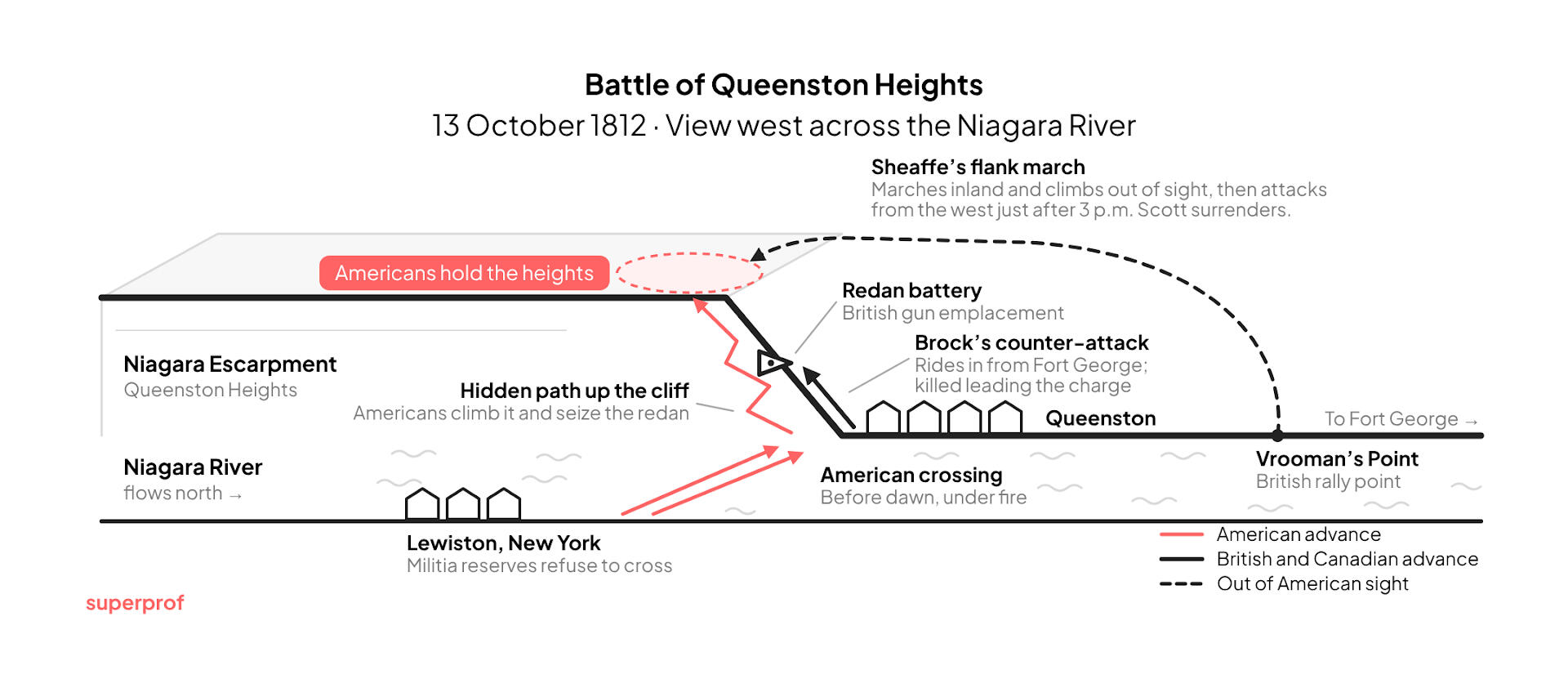
The park's current paths and viewpoints provide a chance to notice these relationships directly. Modern roads, planting and buildings have altered the setting, so visitors should use interpretation material alongside what they can see rather than assume the present-day view precisely reproduces the battlefield.
See Why the Niagara River Was a Barrier
The river was more than a scenic boundary. Soldiers needed boats to cross, and every additional movement of troops, weapons and supplies depended on the crossing remaining usable. Those who reached the Canadian shore could not simply call on reinforcements to appear; men and equipment had to be transported across while the battle continued.
From the river:
Consider the exposure of troops approaching and landing on the Canadian side.
From the heights:
Look down towards the village and river to understand why the elevated position mattered.
Viewing the river from above helps explain how American troops could gain a foothold yet remain vulnerable. Their position on the heights did not guarantee a safe route back across the water or a steady flow of reinforcements.The Plains of Abraham offers another example of how terrain shaped a pivotal battle in Canadian history.
Understand What the Escarpment Gave Defenders
The escarpment created a physical obstacle for troops moving uphill and an elevated vantage point for those already above. Moving up a slope takes time, disrupts formation and can leave soldiers exposed. Defenders positioned on higher ground can observe movement below, although the advantage depends on the positions held and the ability to coordinate fire.
Notice the change in elevation between the river, the village and the plateau.
The slope affected how quickly troops could move and how easily reinforcements could reach the heights.
The terrain did not decide the battle on its own, but it shaped the options available to both sides. Reading the landscape makes the fighting less abstract and helps explain why the struggle for the heights became the central issue.
🗼 Use Brock’s Monument as an Entry Point, Not the Whole Site
Brock’s Monument dominates the historic site and commemorates Major-General Isaac Brock and his aide-de-camp, John Macdonell. The tower is an important landmark, but focusing only on Brock can make the battle appear to be a story of individual heroism rather than a complex defence involving multiple communities and military leaders.
Purpose:
Commemorates Brock and Macdonell.
Location:
Stands on Queenston Heights near the battle’s decisive ground.
Interpretation:
Consider how the monument shapes public memory of the battle.
The monument provides a useful starting point, but the surrounding park adds context that a single memorial cannot convey.
What the Monument Commemorates
The monument reflects the importance later generations attached to Brock’s leadership and death.
Remembered prominently: Brock and Macdonell, whose deaths became central to the site's commemorative story.
Remembered elsewhere: Indigenous warriors, militia members and other defenders whose contributions broaden the history beyond the main monument.
It is a memorial, not a complete account of every person who fought. Visitors can appreciate its historical significance while remembering that the battle’s outcome depended on many people whose names are less familiar.
Find the Memorials That Expand the Story
The Landscape of Nations Memorial recognises the role of Indigenous peoples in the War of 1812, including the Haudenosaunee. Make time to visit it rather than treating it as secondary to Brock’s Monument. It offers a different perspective on the battle and on the communities whose interests were at stake. At Juno Beach, memorials offer a different perspective on Canada's wartime contribution.
🚶 Follow a Self-Guided Queenston Heights Walk
A good walk connects the monument, views and memorials without making distance the main goal. Choose a route that gives you time to stop, read and look down towards the river.
| Stop | Suggested time | Terrain | Historical value |
|---|---|---|---|
| Brock’s Monument grounds | 15 to 30 minutes | Mostly formal paths | Understand the main memorial |
| Niagara River viewpoint | 10 to 15 minutes | Depends on viewpoint | See the river crossing and elevation |
| Landscape of Nations Memorial | 10 to 20 minutes | Park paths | Recognise Indigenous contributions |
| Longer park walk | 30 to 60 minutes extra | Variable paths | Explore the wider landscape |
The table above offers planning estimates rather than official route timings.
Take the Short Monument and Viewpoint Route
For a concise visit, focus on the monument grounds and a nearby viewpoint. This gives you the central landmark, an understanding of the escarpment and time to consider the river below.
Prioritise: the monument, interpretation and a safe accessible viewpoint.
You do not need to climb the tower to make the stop worthwhile.
Extend the Walk Through the Battlefield Landscape
If you have more time, add the Landscape of Nations Memorial and park paths.
Niagara Parks also identifies the park as the southern terminus of the Bruce Trail, so longer walking options are available. Check trail conditions and choose a distance that suits your footwear and mobility.
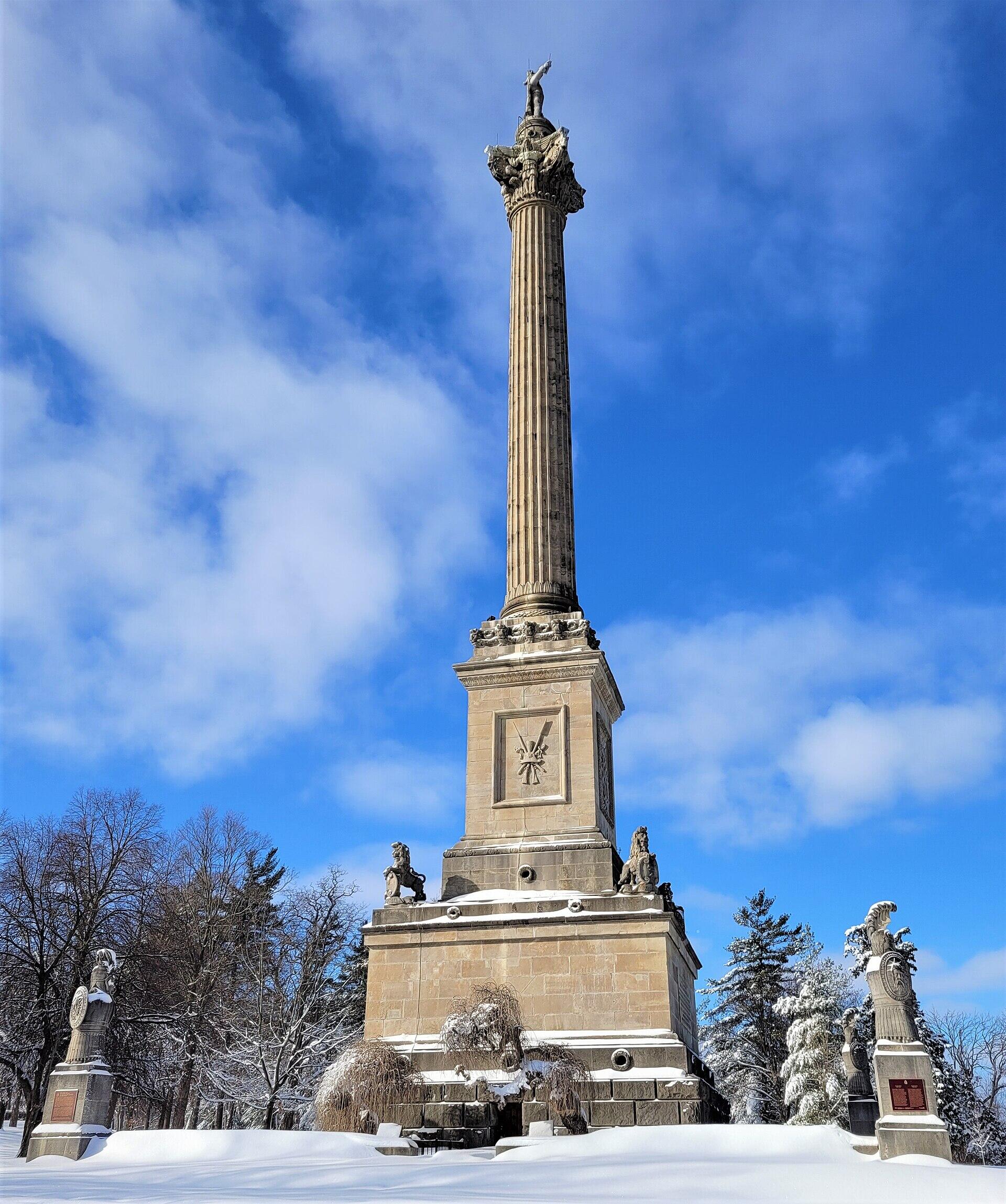
The modern landscape offers several ways to explore the historic ridge beyond the main monument. Passchendaele offers another historic battlefield where the landscape helps visitors understand the cost of war.
Pair the Heights With Queenston Village
Queenston village lies below the heights and provides additional context for the area's history. If you extend your visit, check current opening information for nearby heritage attractions before travelling, as some operate seasonally.
Can I visit both in one trip?
Yes, if you allow time for travel between the heights and village.
What should I check first?
Opening hours, parking and access at any heritage attraction you intend to visit.
Seeing the village alongside the ridge helps connect the battle to the communities and routes around it.
🧭 Leave With a More Complete View of 1812
Queenston Heights is more than a monument with a scenic outlook. The river and escarpment explain the military challenge, while the memorials reveal how later generations have chosen to remember the battle. Seeing these elements together gives visitors a fuller understanding of the conflict and its lasting significance.
Separate Mythic Memory From Historical Evidence
Brock's death is central to the site's story, but the battle was not won by one man alone. Sheaffe's leadership, the actions of Haudenosaunee warriors, British reinforcements and militia all contributed to the result.
"No day will ever erase you from the memory of time."
Virgil, found on the Valiants Memorial tribute to Brock
A meaningful visit recognises both the familiar story and the evidence that complicates it. The familiar story is that Brock became a lasting symbol of courage and defence. However, the wider history: The outcome depended on collective action and Indigenous participation.
Let the Site Change How You See Niagara
The Niagara region is often associated with scenery and tourism, but Queenston Heights shows how geography shaped a decisive moment in the War of 1812. Take time to look from the ridge towards the river, visit the memorials and consider the people whose actions determined the outcome. The site becomes much more meaningful when the view is connected to the history beneath it.
References
- National Battlefields Commission (n.d.) Queenston Heights National Historic Site. Available at: https://parks.canada.ca/lhn-nhs/on/queenston (Accessed: 23 October 2026).
- Niagara Parks (n.d.) Queenston Heights. Available at: https://www.niagaraparks.com/visit/nature-garden/queenston-heights/ (Accessed: 23 October 2026).
- Niagara Parks (n.d.) Landscape of Nations Memorial. Available at: https://www.niagaraparks.com/visit/heritage/landscape-of-nations-memorial/ (Accessed: 23 October 2026).
- Parks Canada (n.d.) Culture and history: Queenston Heights National Historic Site. Available at: https://parks.canada.ca/lhn-nhs/on/queenston/culture (Accessed: 23 October 2026).
Summarize with AI:
Did you like this article? Leave a rating!

 Loading...
