

Physics studies the universe: From the massive galaxies to the smallest subatomic particles. It's the basis of many other fields of knowledge, including chemistry, oceanography, seismology, and astronomy (and can be applied to biology or medicine). Although it is a highly regarded academic discipline across various careers and industries, physics 12 remains a significant struggle for students in Canada. Discover the grade 12 physics curriculum and the best way to excel in this fascinating topic.
"Failure is success in progress."
Albert Einstein






How hard is Physics in Grade 12?
Physics could be sort of hard and stressful. More importantly, most find that they don't have the essential skills and aptitude to apply their theoretical knowledge to solve problems. Consequently, they end up hating physics, especially the tests. However, it is important to know that you are not the only one falling behind in class and that there is always a way to overcome this hatred for physics and start seeing it as a fun and interesting subject.
If you want to learn more about the grade 12 physics curriculum and how to get physics educational guidance with a private tutor, keep reading! Head to our article for more reasons why you should pursue an academic path in physics.
What is taught in Grade 12 Physics?
Physics 12 curriculum is one of three science courses offered at the upper levels. It is taught using a combination of multimedia lessons, instructional videos, quizzes, tests, and both online and offline projects. According to the province of Ontario official records, this academic curriculum involves:
Explore top homework resources to excel your physics classes, wait no longer and get to work!

Grade 12 Physics Curriculum
The course is designed to prepare you for college-level studies. But what are the topics covered in this type of curriculum?
The core units that comprise this scientific curriculum are as follows:
- Forces and Motion Dynamics
- Energy and Momentum
- Electric, Gravitational and Magnetic Fields
- The Wave Nature of Light
- Matter-Energy Interface
Each of these core units then has a series of main topics that students should grasp from their physics course to move on to the next chapter:
| Core Units | Description |
| 🔀 Dynamics | Discover the forces affecting motion in predictable and quantifiable ways. Explore the forces acting on a determined object and circumstances. Get to know the technologies that utilize the principles of dynamics. |
| 💥Energy and Momentum | Gain a deeper grasp of the general concepts and their interactions. Review the interactions involving the laws of energy conservation and conservation of momentum mathematically. Discover everything about technological applications and how they can affect society and the environment. |
| 🌍 Gravitational, Electric, and Magnetic Fields | Better understand gravitational, electric, and magnetic forces. Comprehend the gravitational, electric, and magnetic fields and their similarities. Explore the behavior of matter in gravitational, electric, and magnetic fields. Discover the technological systems involving the gravitational, electric, and magnetic fields and their impact on society and the environment. |
| 🌈 The Wave Nature of Light | Better understand the properties and behavior of light and mechanical waves. Discover technologies that use light principles and their impact on society and the environment. |
| ⚛️ Quantum Mechanics and Special Relativity | Understand how light can show particle-like and wave-like behavior. Learn more about the behavior of light as a particle and the behavior of particles as waves. Understand time is relative to a person's frame of reference. Discover the effects of relativistic motion mathematically. Comprehend more about new theories, which can lead to the development of new technologies. |
Physics can be very challenging, so we highly recommend that you understand what is expected of you to be more prepared. Like most classes, you'll find a mix of classroom and lab work and group and independent assignments. The course or class generally covers all major concepts in classical physics, such as the laws of vibrations, optics, electromagnetics, fluid mechanics, and thermodynamics.
But do you want your study of physics to go further? To study university physics, you must complete the same subject's 30-level/senior-level/12 courses. University-level physics also requires Math 30, Pre-Calculus 30, or equivalents. Moreover, having a sound mastery of the scientific method is going to be definitely crucial for all learners involved.
Do you want to find more in-depth tips on studying physics to prepare for university or college? Check out more tips and tricks for grade 12 physics here!
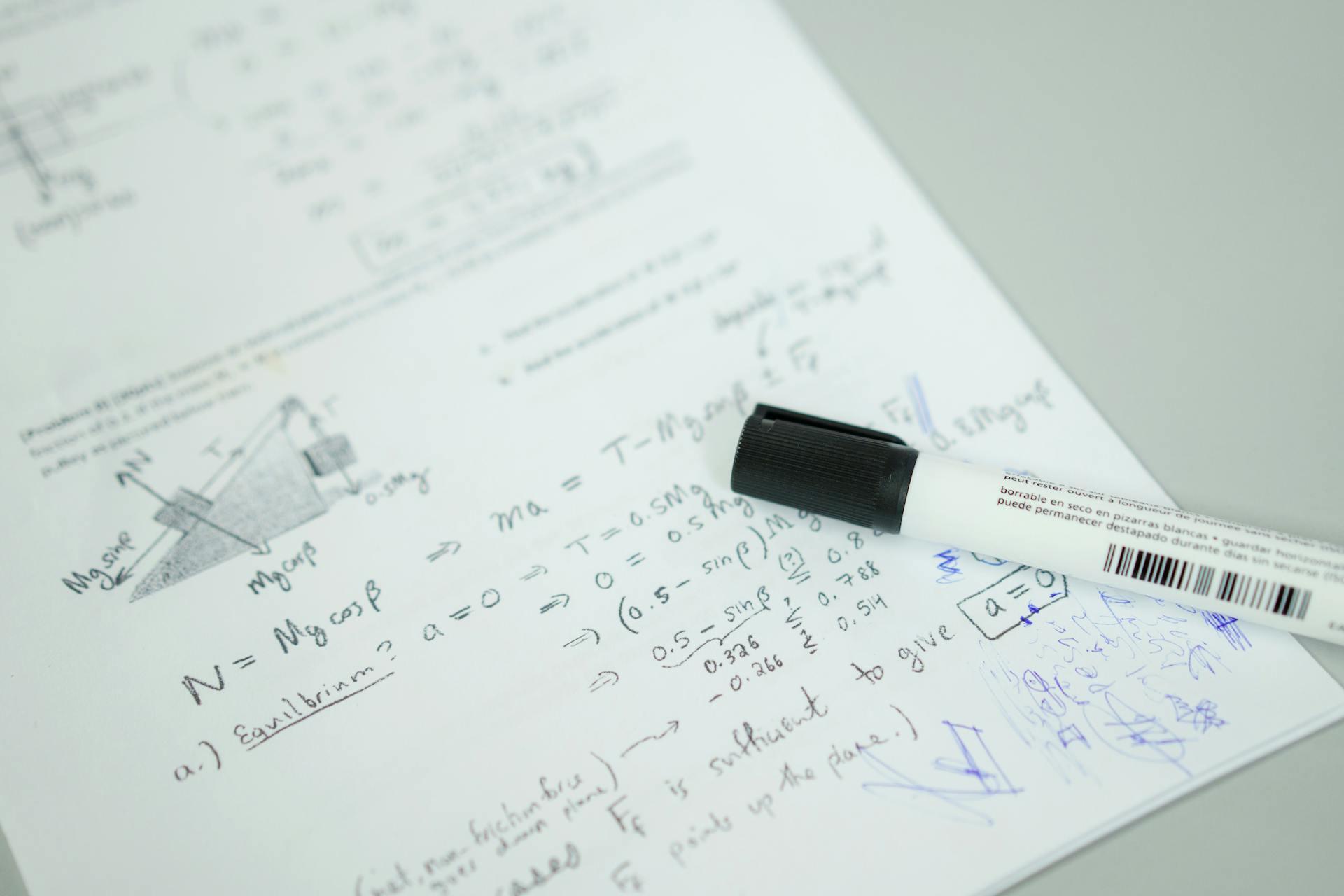
What is College Physics Like?
Ready to move to the next chapter? Are you considering enrolling in a Physics major or exploring a related career? Many young learners passionate about physics choose to take the AP Physics program, which can motivate them to take the next step in their professional careers. These types of programs are typically college-level classes, which can give students a scientific edge when entering university. But what is college physics really like? What are the topics that physics majors take?
A physics major is a STEM degree path that helps explain how the world works and how the universe is structured. This major involves everything related to matter and its transformation and gain exposure to both classical and modern theories in the field. They also spend time completing experiments in a lab setting. With the scale of topics relevant to this fascinating science, ranging from subatomic particles to all of the visible universe, college majors have plenty to explore.
Within the major, a few sub-paths depend on your academic goals. Each path has slightly different graduation requirements, but each grants you the same BS in physics degree. Physics majors should also teach about the connections between physics and other disciplines, such as astronomy, chemistry, and biology.
A college course has several learning objectives. While these objectives vary from school to school, an introductory physics curriculum generally includes several broad-based goals taught through distinct units. Common education goals include:
Some units and chapters that align with these learning outcomes are Newtonian mechanics, fluid mechanics and thermal physics, electricity and magnetism, waves and optics, and atomic and nuclear physics.
As you may expect, mastering physics will require a strong background in mathematics. Students should expect to complete calculus and differential equations coursework, for instance. They may also be able to take a placement test to determine where to start in their program. But worry not! Keep reading to find the ideal tutor in Grade 12 and excel with the best academic support.
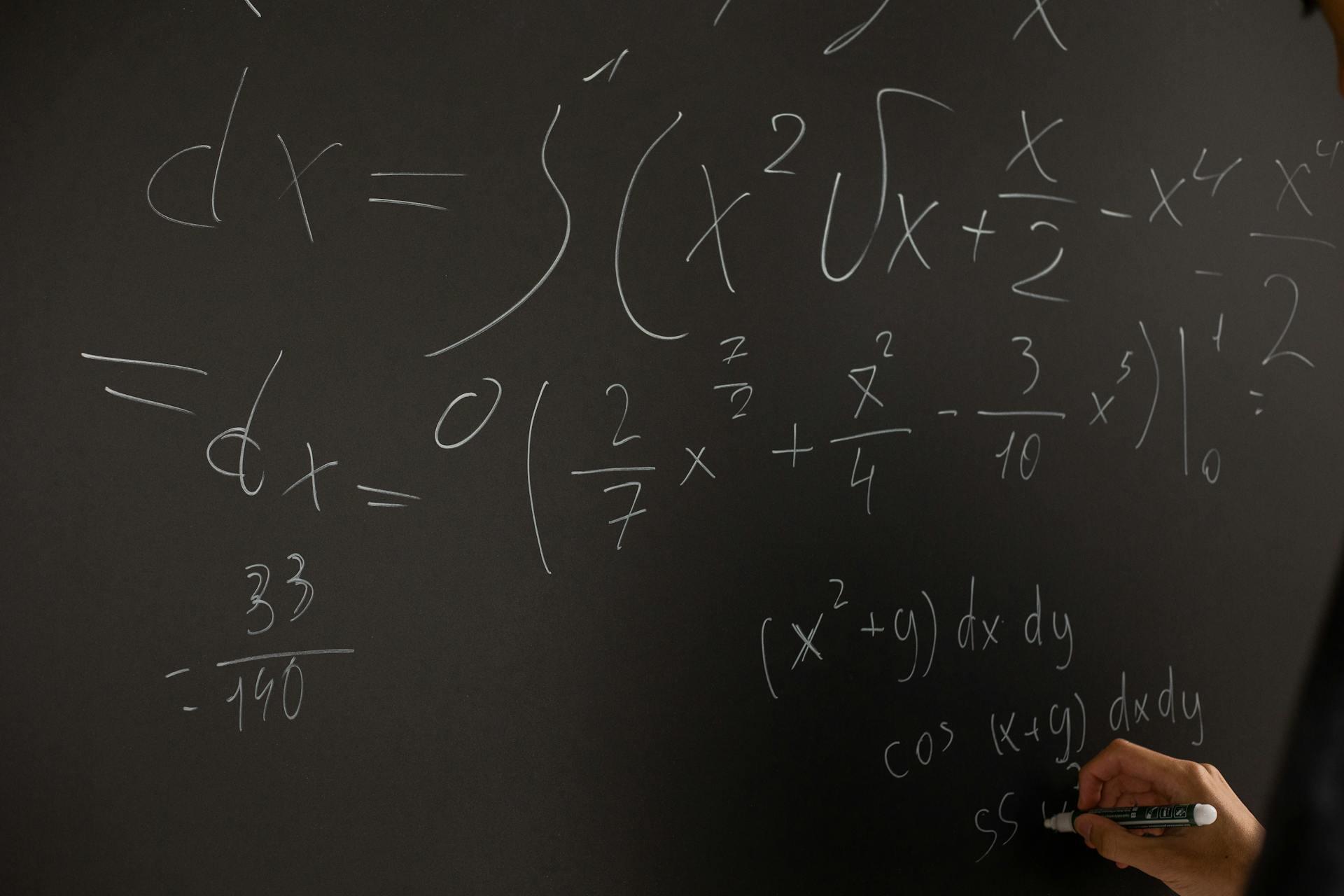
Find the Best Tutor Online
One of the main reasons you could develop a phobia for physics is a lack of understanding. This highly conceptual subject requires a deep understanding of the general topics to advance to more complex problems. While you can get away with memorization and surface-level comprehension for exam preparation in other subjects, this is not the case in fascinating physics.
When students do not understand the core concepts in physics, they cannot attempt to pass any test successfully, which leads to frustration and dislike. If this describes your approach to and frustration with physics, worry not: Superprof is here to help you find the best private lessons online or face-to-face.
What is Superprof? Superprof is the platform where all types of learners and professional private tutors in Canada connect to work on specific subjects and achieve academic and professional goals. Seek educational guidance or test preparation through online private tutors on the platform. You will indeed discover plenty of excellent private tutors who can help you reach your academic objectives.
Advantages of Superprof Tutoring Services
🤝 Your Tutor Choice
You can choose your teacher and tutoring price. Plus, enjoy the first lesson for free.
🧑🏫 Flexible Learning Options
You can study everything in face-to-face classes or virtual lessons.
✨ Personalized Tutor Selection
You can select instructors with extensive experience in the field.
Don't wait any longer. Creating your account as a student is free. Excel Physics 12 with the guidance of Superprof! Get the full support you need and start taking private lessons with a Superprof tutor in Ontario, Vancouver, and anywhere in Canada. Practice makes perfect.
Summarize with AI:
Did you like this article? Leave a rating!


 Loading...