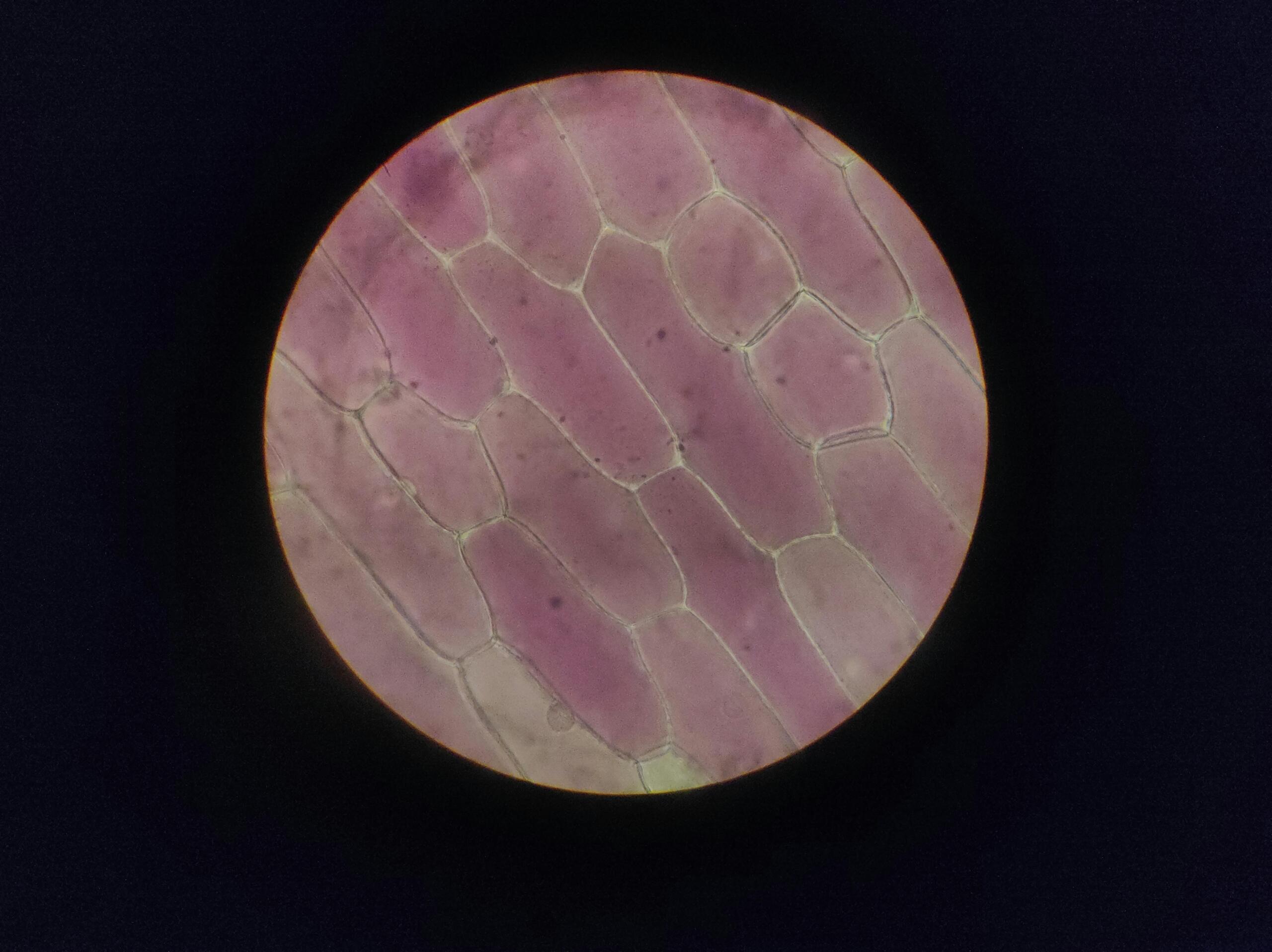

Understanding cells is one of the most important parts of any biology lesson. In any study of life science, learning about plant cells and animal cells helps explain how living organisms grow, function, and survive.
Both plant and animal cells are types of eukaryotic cells, meaning they contain a nucleus and specialized structures called organelles. These organelles work together to keep the cell alive and functioning. However, while plant and animal cells share many similarities, they also have key differences that reflect how plants and animals live.
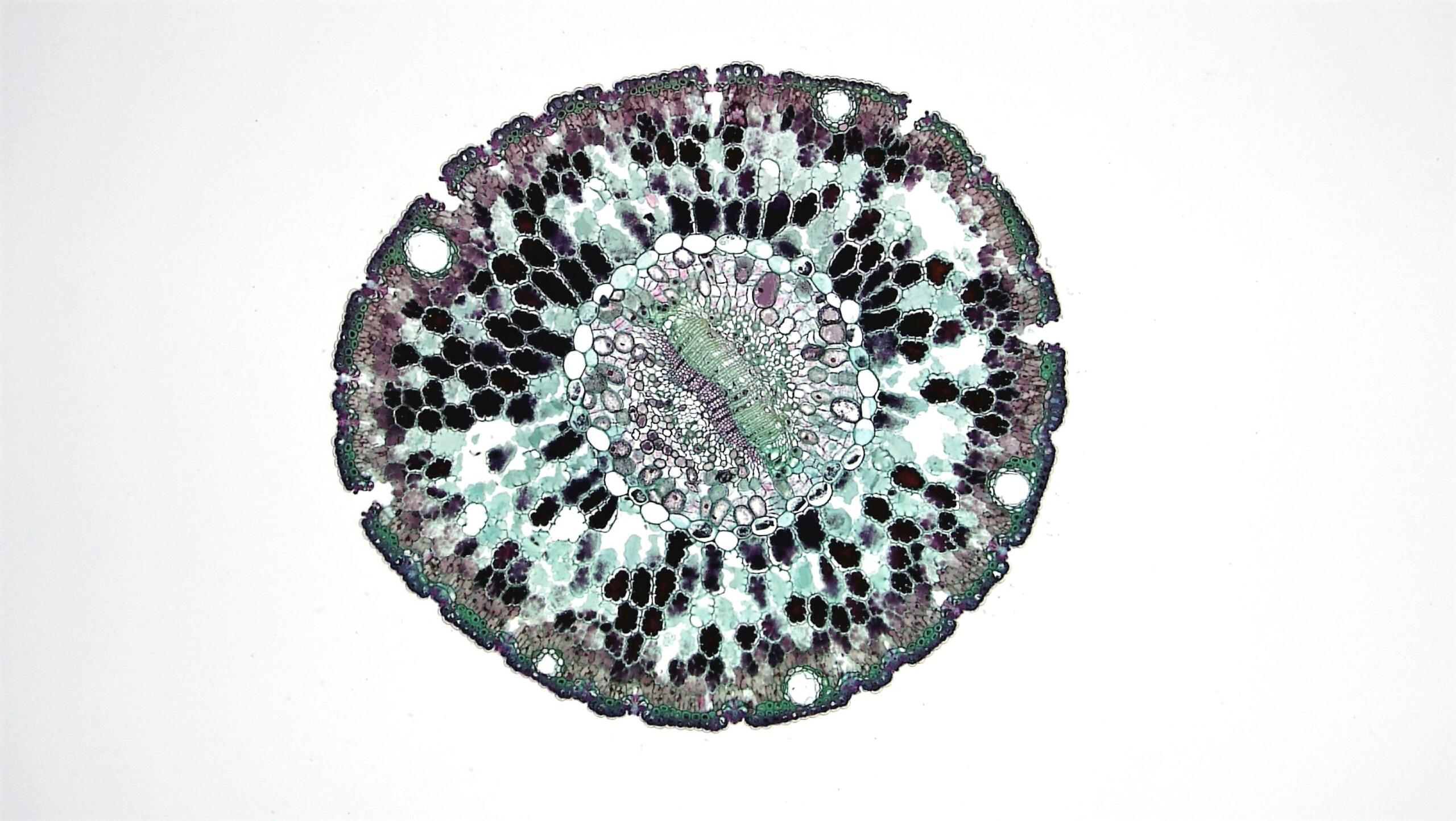
In this guide, we will explore the structure of eukaryotic cells, examine their organelles, and clearly explain the differences between plant cells and animal cells.
Find the right biology tutor to help you succeed in your learning.


Overview of Eukaryotic Cells 🔬
Eukaryotic cells are complex cells that contain a nucleus and membrane-bound organelles.
👉 Definition and Characteristics
These types of Eukaryotic cells are complex cells that contain a nucleus and membrane-bound organelles, allowing them to carry out a wide range of specialized functions. These types of cells are found in plants, animals, fungi, and many other organisms, and they form the foundation of all multicellular life1.
Unlike simpler cells, eukaryotic cells:
- Have a defined nucleus that stores genetic information (DNA), which controls how the cell grows, functions, and reproduces
- contain specialized organelles, such as mitochondria, the endoplasmic reticulum, and the Golgi apparatus, that perform specific tasks within the cell
- are larger and more organized, with internal compartments that separate different processes and improve efficiency
This internal organization allows eukaryotic cells to support complex activities like energy production, protein synthesis, and transport of materials. It also enables cells to work together in tissues and organs, making it possible for larger organisms to grow, develop, and adapt to their environments.
Osmosis has many functions in industry and in science but, without a doubt, the way cells use osmosis to keep themselves alive and functioning is the very definition of amazing.
Structure of Plant and Animal Cells 🔍
Both plant cells and animal cells share several important organelles that are essential for life.
👉 Common Organelles in Both Cell Types
These organelles carry out core functions such as energy production, protein synthesis, material transport, and genetic control, allowing the cell to survive and operate efficiently. Because both are eukaryotic cells, they contain membrane-bound structures that divide tasks within the cell, making processes more organized and effective.
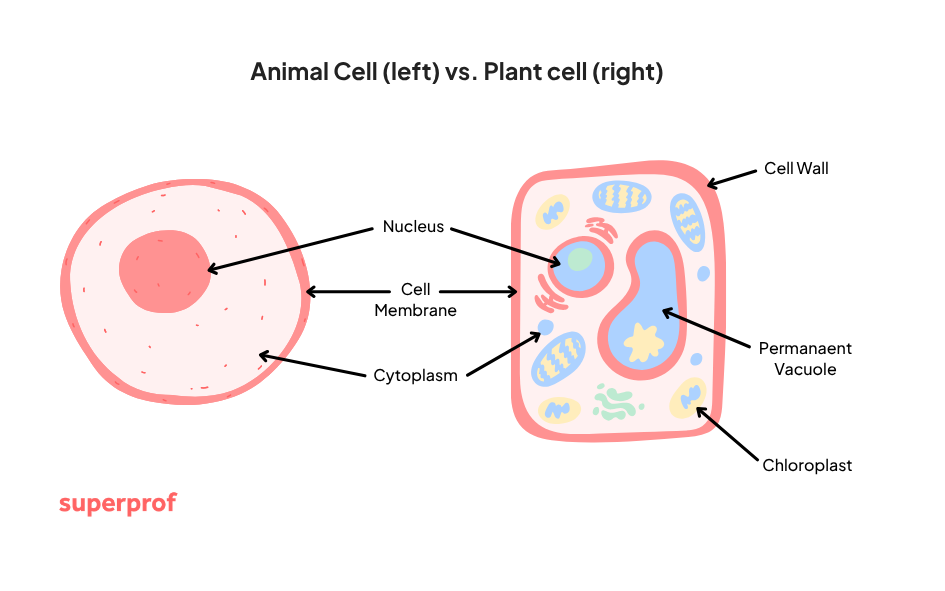
These shared organelles, such as the nucleus, mitochondria, endoplasmic reticulum, Golgi apparatus, and ribosomes, work together as an interconnected system. Each organelle has a specific role, but they depend on one another to maintain the cell’s internal balance, respond to environmental changes, and support growth and reproduction2.
👉 Unique Features of Plant Cells
Plant cells contain several specialized structures that are not found in animal cells, and these features reflect how plants live and survive. Unlike animals, plants do not move to find food or water, so their cells are designed to create energy, store resources, and maintain strong structural support.
These adaptations allow plant cells to function efficiently within changing environmental conditions. For instance, plant cells must manage water availability, sunlight exposure, and nutrient access directly from their surroundings. As a result, their structures work together to support essential processes like photosynthesis, water regulation, and growth. This level of specialization enables plants to remain rooted in one place while still meeting all their energy and survival needs.
Plant cell walls are tougher than animal cell walls because they are reinforced with cellulose. It's a difficult substance for some animals to digest but it certainly helps those cells maintain their structure.
👉 Unique Features of Animal Cells
Animal cells also have specialized structures that support their function, reflecting the needs of organisms that move, respond quickly to their environment, and rely on consuming food for energy.
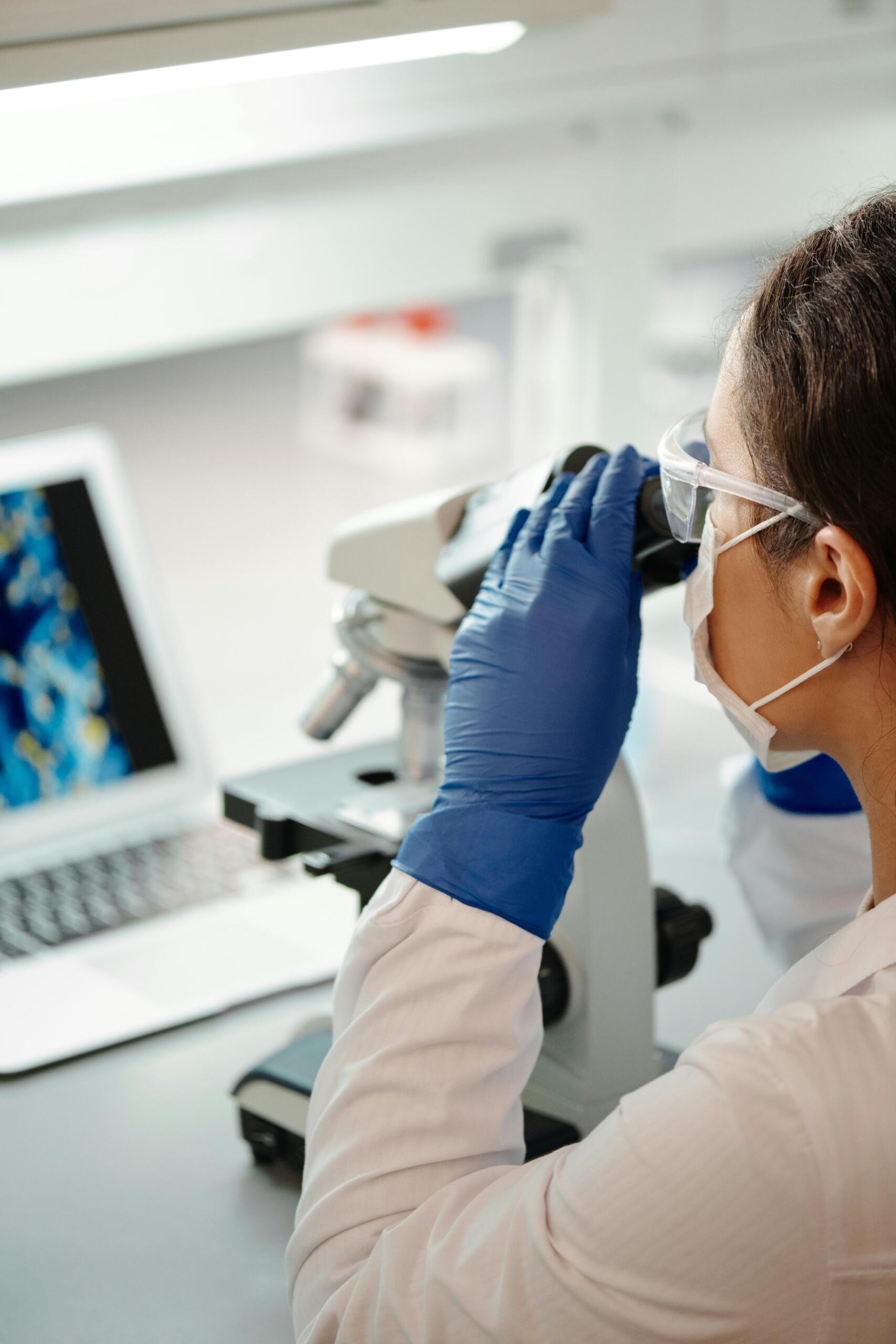
Unlike plant cells, animal cells are designed for flexibility, rapid communication, and complex internal processes. Their structure allows them to change shape, interact with other cells, and carry out specialized roles in tissues and organs.
Centrioles
Centrioles are small cylindrical structures located near the nucleus. They play a key role in cell division, helping organize the spindle fibers that separate chromosomes during mitosis. This ensures that new cells receive the correct genetic information.
They are especially important in animal cells because they help coordinate the movement of chromosomes to opposite ends of the cell. Without properly functioning centrioles, cell division may be uneven or incomplete. This can lead to errors in genetic material being passed on to new cells, which can affect cell function and growth.
Lysosomes
Lysosomes are membrane-bound organelles that act as the cell’s waste disposal and recycling system. They contain enzymes that break down:
- damaged organelles
- waste materials
- harmful substances
By recycling cellular components, lysosomes help maintain cell health and efficiency.
How do cells function? What happens is really is quite amazing.
Key Differences Between Plant and Animal Cells 🌿🐸
The structural differences between plant and animal cells are some of the most noticeable. These differences determine how cells maintain their shape, interact with their environment, and perform essential processes.
| Feature | Plant Cells | Animal Cells |
|---|---|---|
| Cell wall | Present | Absent |
| Chloroplasts | Present | Absent |
| Central vacuole | Large | Small or none |
| Shape | Rigid, rectangular | Flexible, round |
| Centrioles | Rare | Rare |
Plant cells have a cell wall made of cellulose, which provides strength and protection. This rigid structure helps plants remain upright and resist external pressure. In contrast, animal cells do not have a cell wall, allowing them to be more flexible and adaptable in shape.
Another major difference is the presence of chloroplasts in plant cells. These organelles allow plants to carry out photosynthesis, while animal cells lack this ability and must obtain energy from food.
The central vacuole in plant cells is typically large and plays a key role in storing water and maintaining internal pressure. Animal cells may have small vacuoles, but they do not serve the same structural function3.
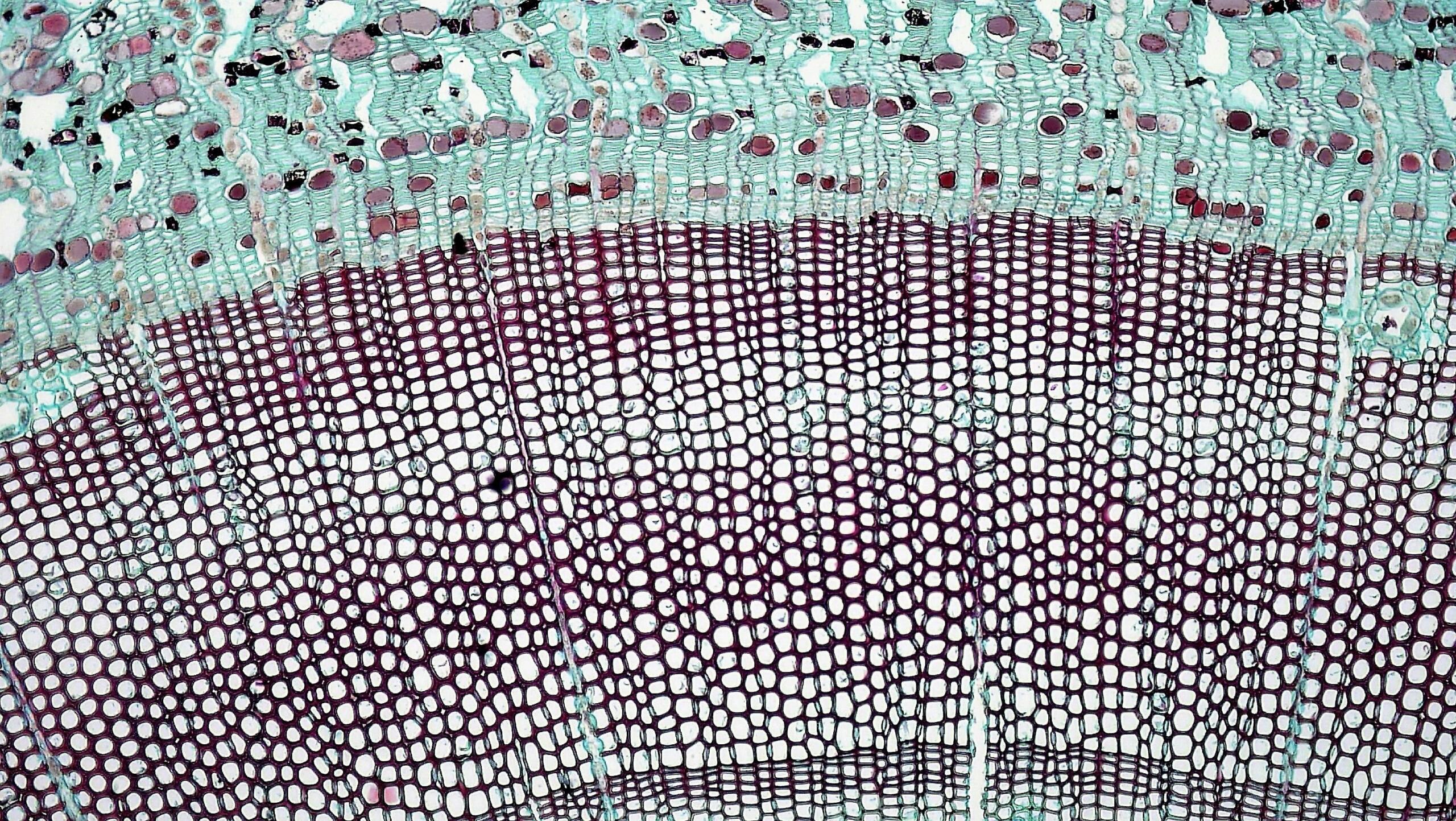
Because of these features, plant cells tend to have a more regular, rectangular shape, while animal cells are more irregular and rounded, allowing for movement and specialization.
Molecules moving along their concentration gradient is a regular feature of cell biology. You can read more about the diffusion process here.
Functional Differences ⚡
The structural differences between plant and animal cells lead to important functional differences. These differences influence how each type of organism obtains energy, stores materials, and survives in its environment.
| Function | Plant Cells | Animal Cells |
|---|---|---|
| Energy production | Photosynthesis + respiration | Respiration only |
| Food source | Create their own food | Consume food |
| Storage | Central vacuole | Vesicles |
| Movement | Limited | Active |
Plant cells are capable of photosynthesis, meaning they can convert sunlight into energy using chloroplasts. This allows plants to produce their own food and act as producers in ecosystems.
Animal cells, on the other hand, rely entirely on cellular respiration. They must consume other organisms to obtain energy, which is then converted into usable forms inside the mitochondria.
cells!
Storage is also handled differently. Plant cells use the central vacuole to store water, nutrients, and waste, helping maintain internal pressure and structure. Animal cells use smaller storage structures, such as vesicles, and rely more on systems within the organism to manage resources.
Finally, movement is a key difference. Plant cells are part of organisms that remain in one place, so their cells are designed for stability. Animal cells support movement, whether through muscle contraction, cell signaling, or transportation within the body.
The Importance of Learning about Cells 📚
understanding the differences between plant and animal cells is essential for building a strong foundation in biology. From structures like the cell wall, chloroplasts, and central vacuole in plant cells to the flexibility and specialized organelles found in animal cells, these distinctions help explain how living organisms function and adapt to their environments. However, these concepts can be challenging for many students, especially when connecting structure to function across different systems.
If you happen to be struggling in your biology courses, working with a biology tutor can make a significant difference. A tutor can break down complex ideas, provide clear explanations, and offer personalized support to help students build confidence and succeed in their course.
Finding the right tutor is easy on Superprof Canada. Simply use the site to search in your area and you will find listings for tutors that will be able to support you in your learning. Check out Superprof today!
References
- OpenStax. (2024). Biology 2e: Cell division and the cell cycle. Rice University. https://openstax.org/details/books/biology-2e
- Khan Academy. (2024). Eukaryotic cell structures and functions. https://www.khanacademy.org/science/ap-biology/gene-expression-and-regulation
- Encyclopaedia Britannica. (2024). Cell (biology). https://www.britannica.com/science/cell-biology
Summarize with AI:
Did you like this article? Leave a rating!


 Loading...