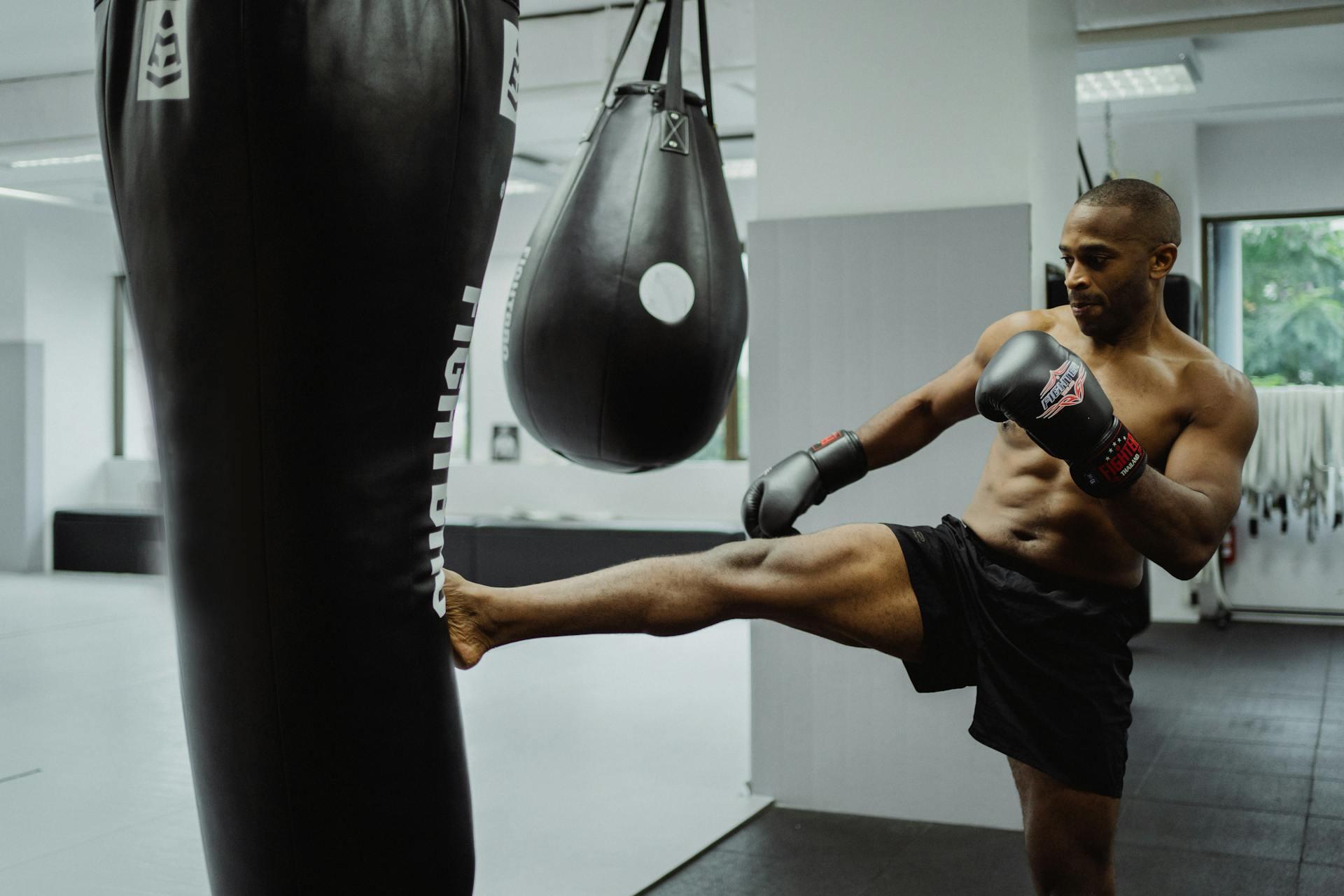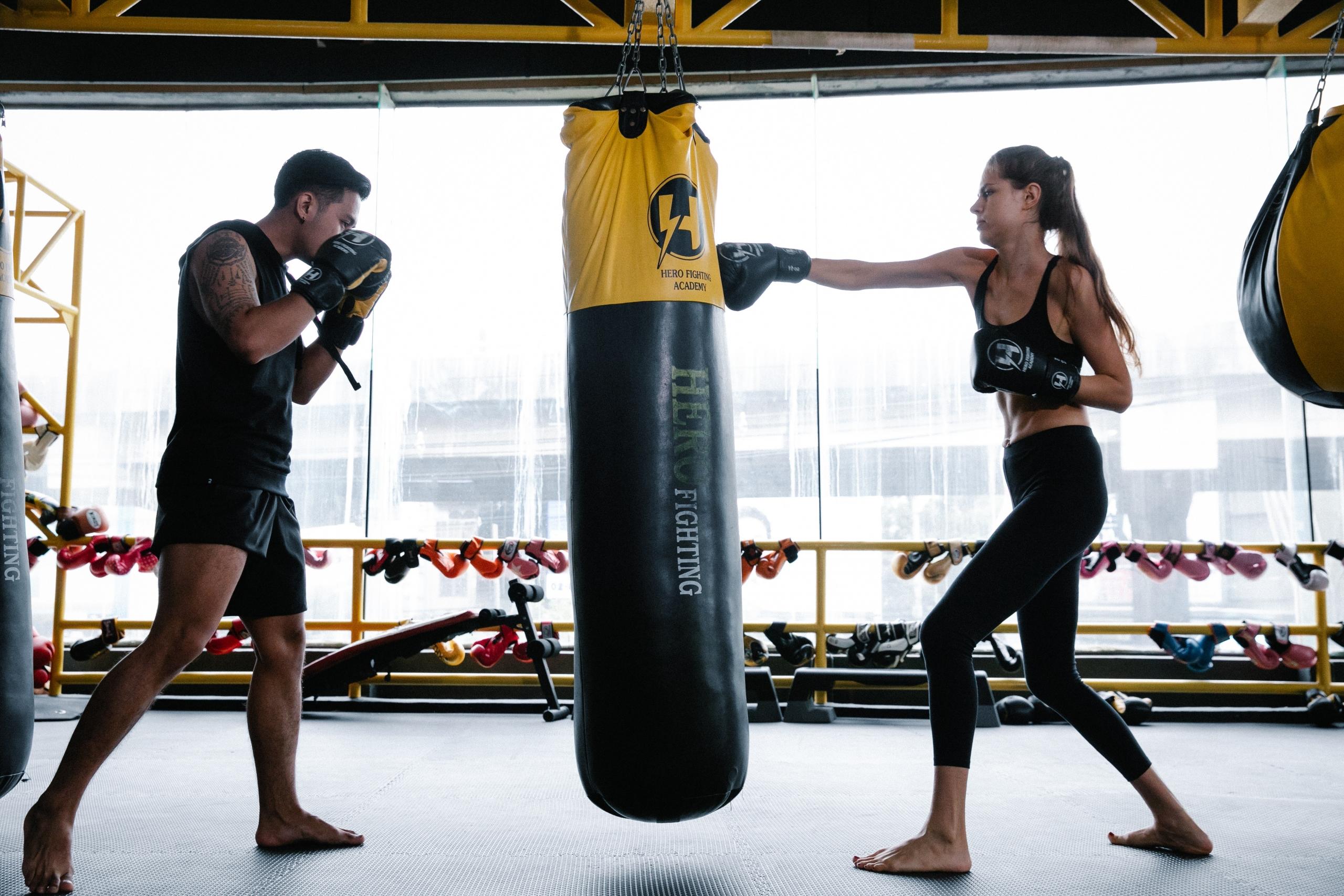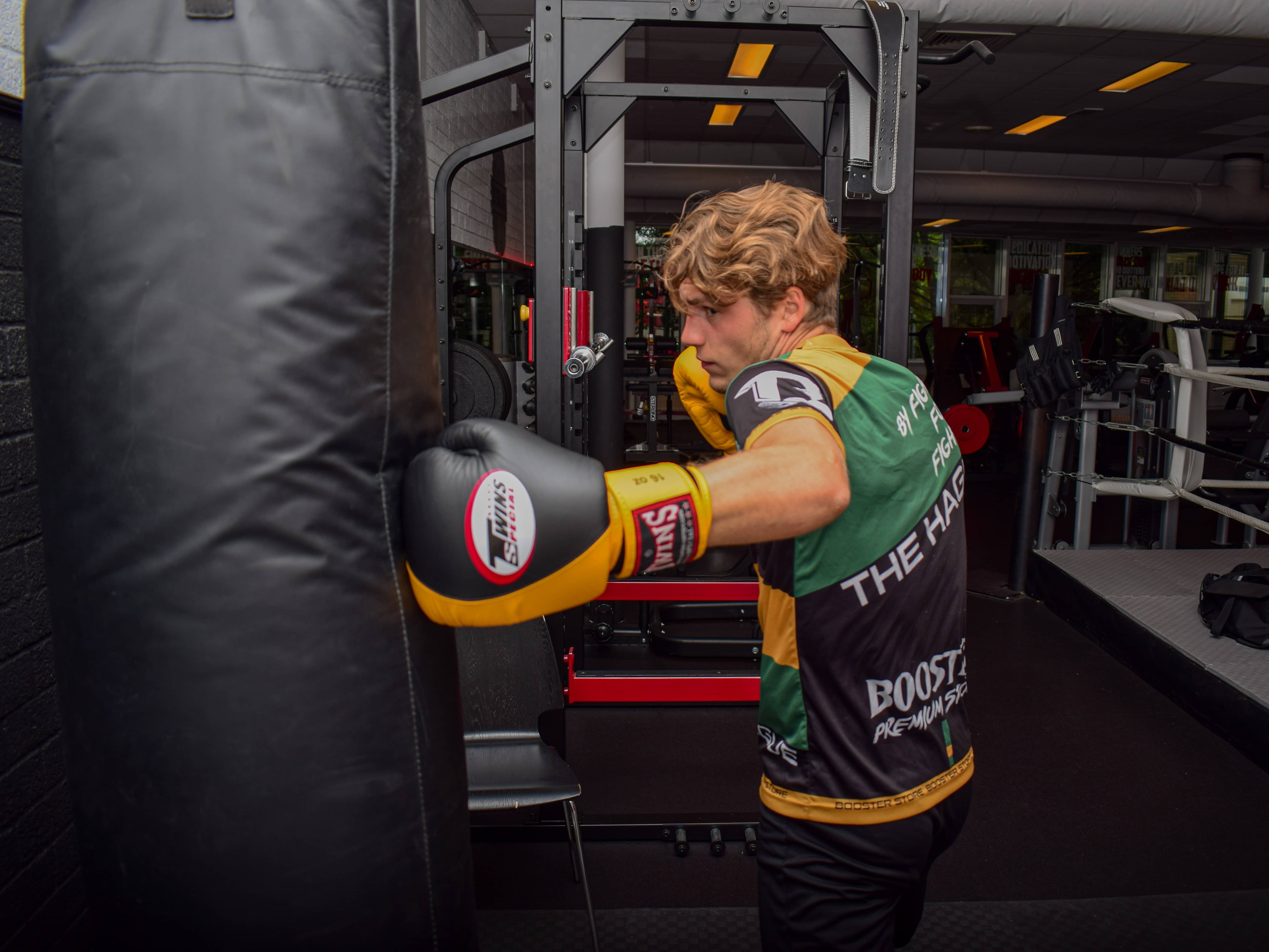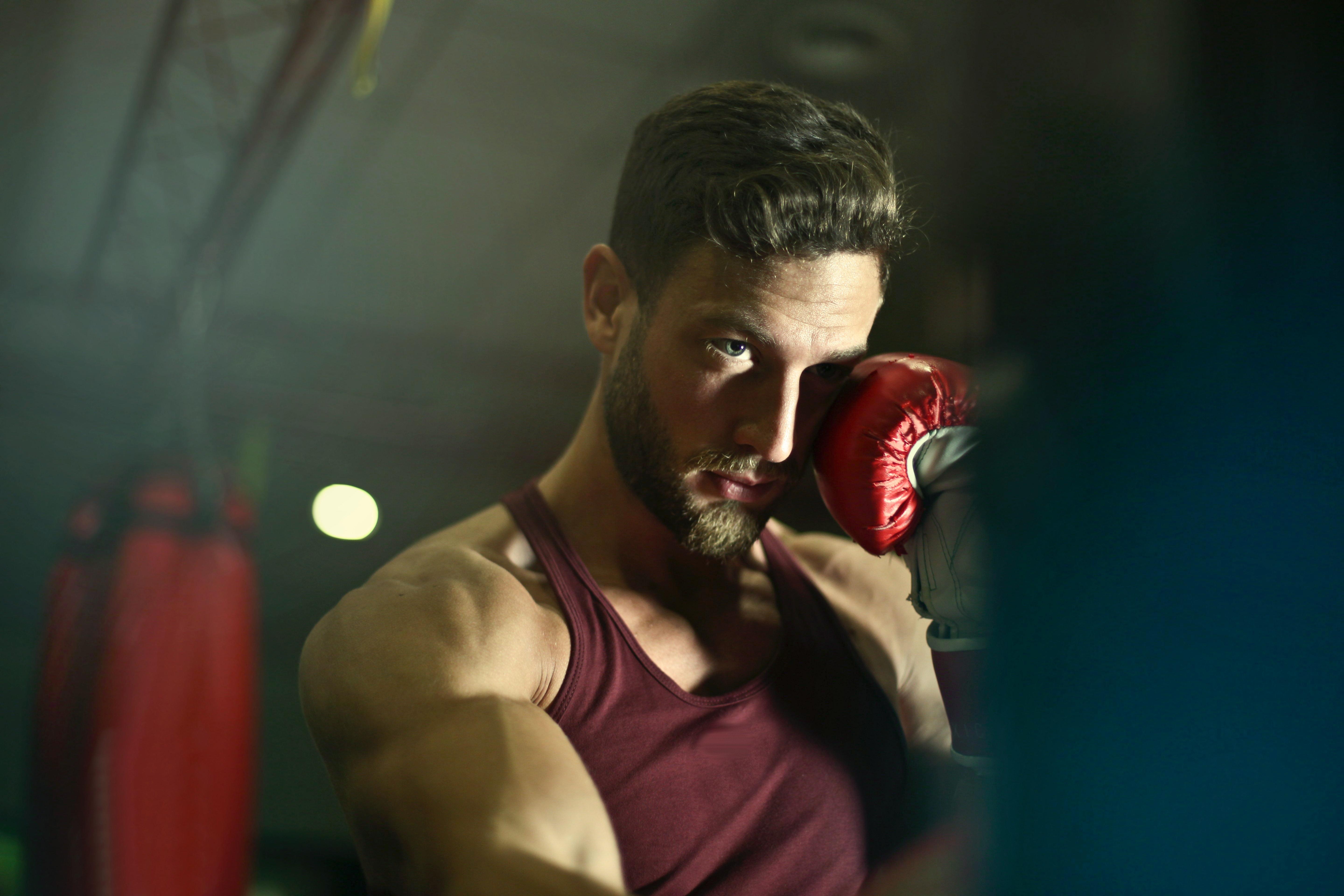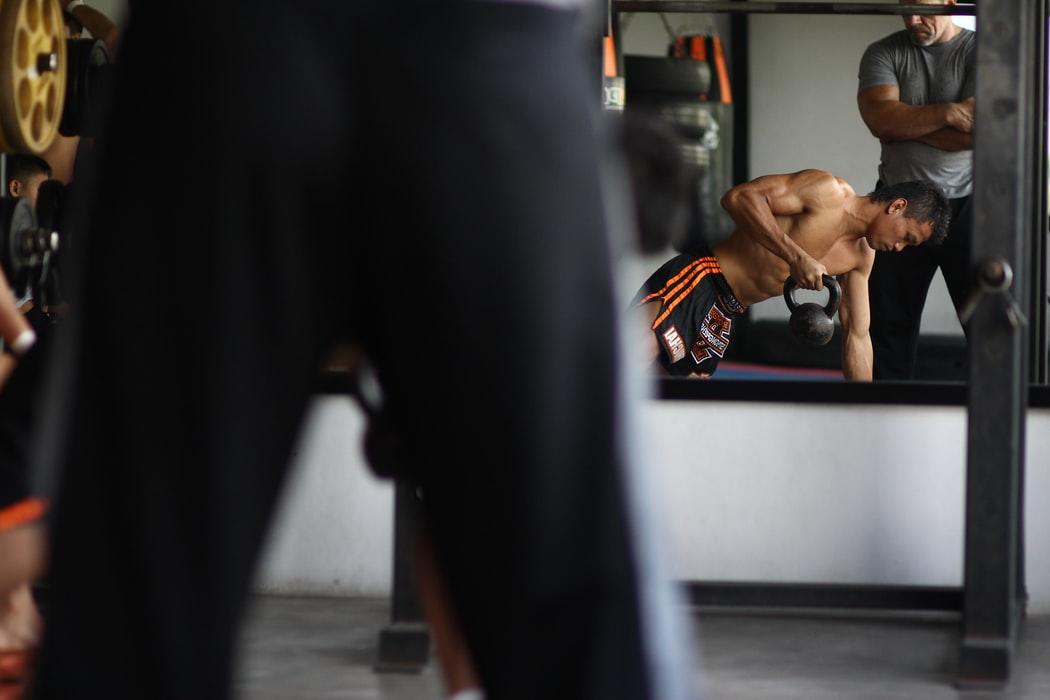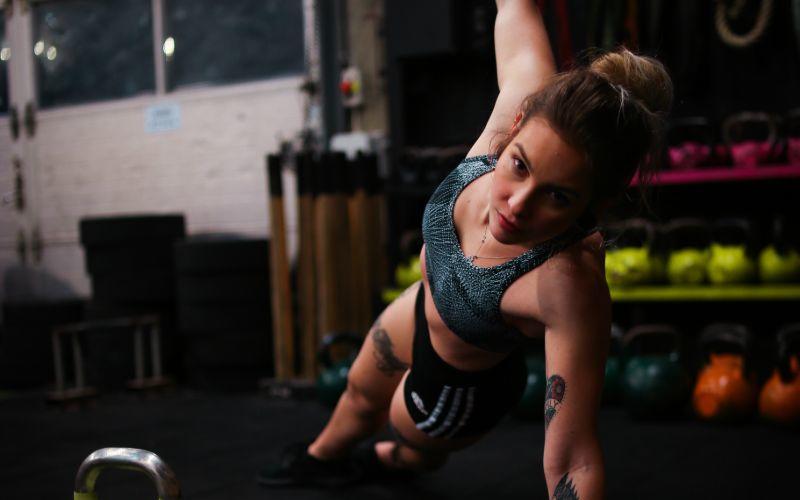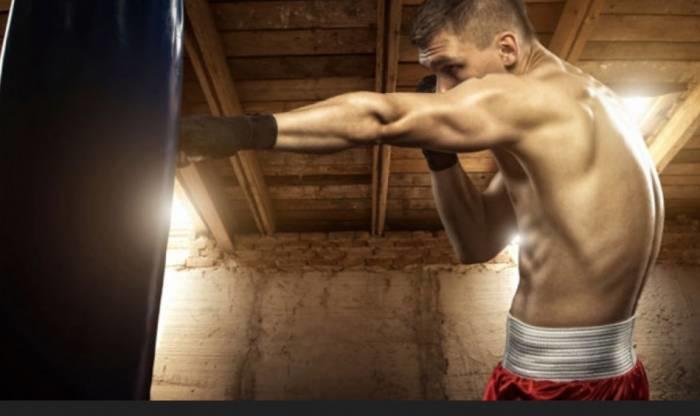

Do you know what Tom Holland, Justin Bieber and Gigi Hadid have in common apart from being public figures? They're known to train in boxing, both professionally and recreationally, for professional roles or fitness routines.
Embarking on the journey of boxing offers numerous physical and mental benefits, including improved cardiovascular health, enhanced strength, and increased confidence. If you're planning to start boxing, this article will guide you to start boxing effectively!


🥊Quick Start Guide to Boxing
Too often, the boxing beginner does not know where to turn or where to start.
🔍Understanding the Basics of Boxing
Let's break down the different components to learn and have as a beginner.
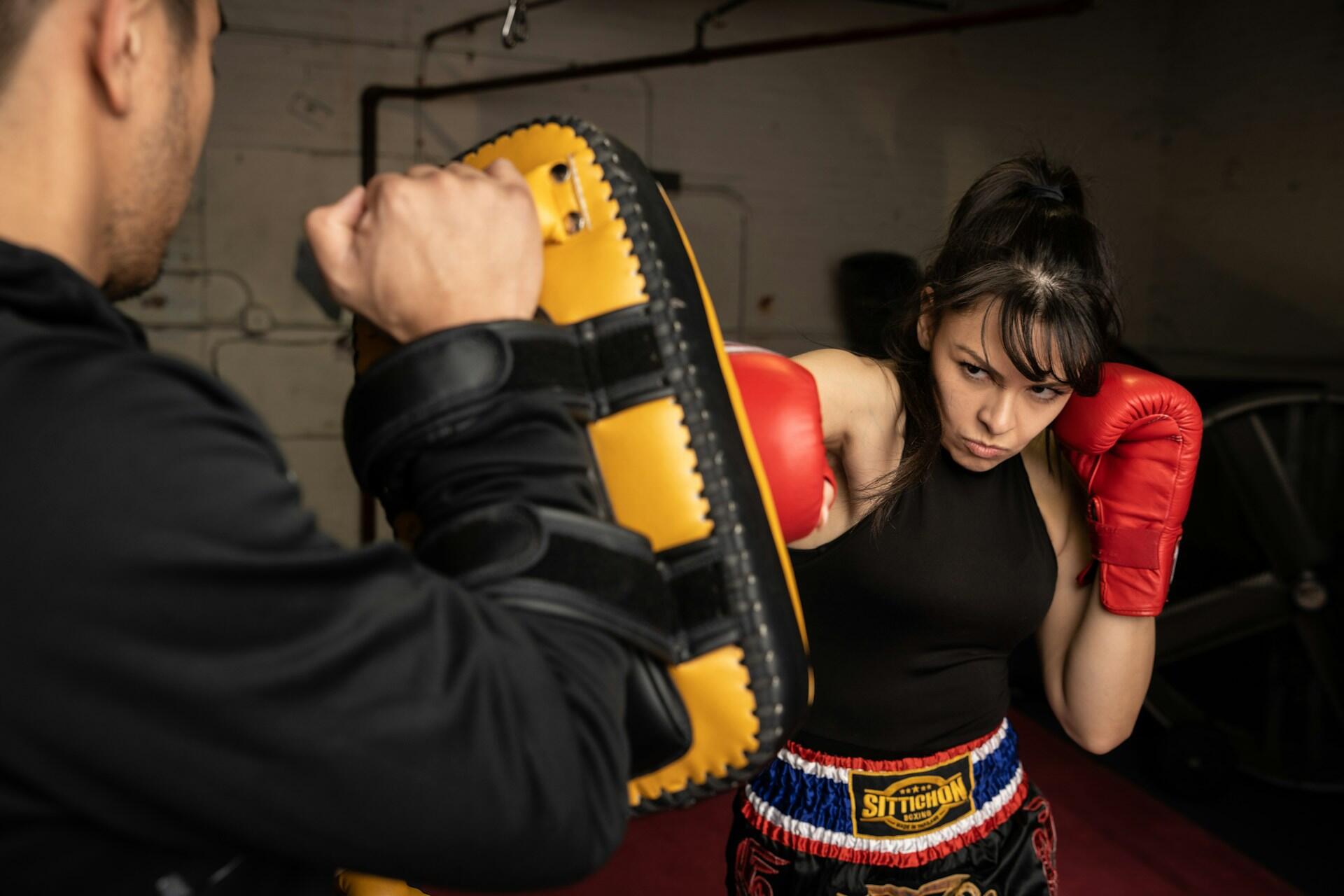
💪Fundamental Boxing Stance and Footwork
Before moving to the punches and jabs, it's important to know how to move correctly and control your body through a stable stance and good footwork.
Stance
- Purpose: Balance and power generation
- Foot placement: Non-dominant foot forward, dominant foot back
Footwork
- Purpose: Mobility and range control
- Movement begins with one foot, followed by another to maintain balance
👊Essential Punches for Beginners
Essential punches can help you to execute your punches with different power variations and distances.
In boxing terms, a rear hand is the hand positioned further back in your boxing stance. It is the more powerful hand that is often kept at the chin and is used for powerful punches and protection from the opponent's jabs.
Example: If you're right-handed and use an orthodox stance (left foot forward), your rear hand is your right hand. 1
Here's an overview of how to execute these punches effectively during your training sessions.
| Punch | Hand | Power | Range | Technique | Best For |
|---|---|---|---|---|---|
| Jab | Lead hand | Low (1-3/10) | Long (24-30") | Quick, straight, snap back | Distance control, setups |
| Cross | Rear hand | High (7-9/10) | Medium (18-24") | Rotate hips, drive rear foot | Power shots, follow-up to jab |
| Hook | Either hand | Very High (8-10/10) | Close (12-18") | 90° rotation, arc motion | Side attacks, close range |
| Uppercut | Either hand | Very High (8-10/10) | Very Close (6-12") | Drop knee, explosive upward | Chin attacks, infighting |
Important tip: Your punching power increases as the range with your opponent decreases.
Is your area lacking in boxing clubs, or are you simply too lazy to visit one outside of your neighborhood? Do not worry, it is quite possible to learn how to box at home!
🧤 Essential Equipment for Beginners
Now, let's explore the necessary boxing gear for a safe and effective learning experience. 2
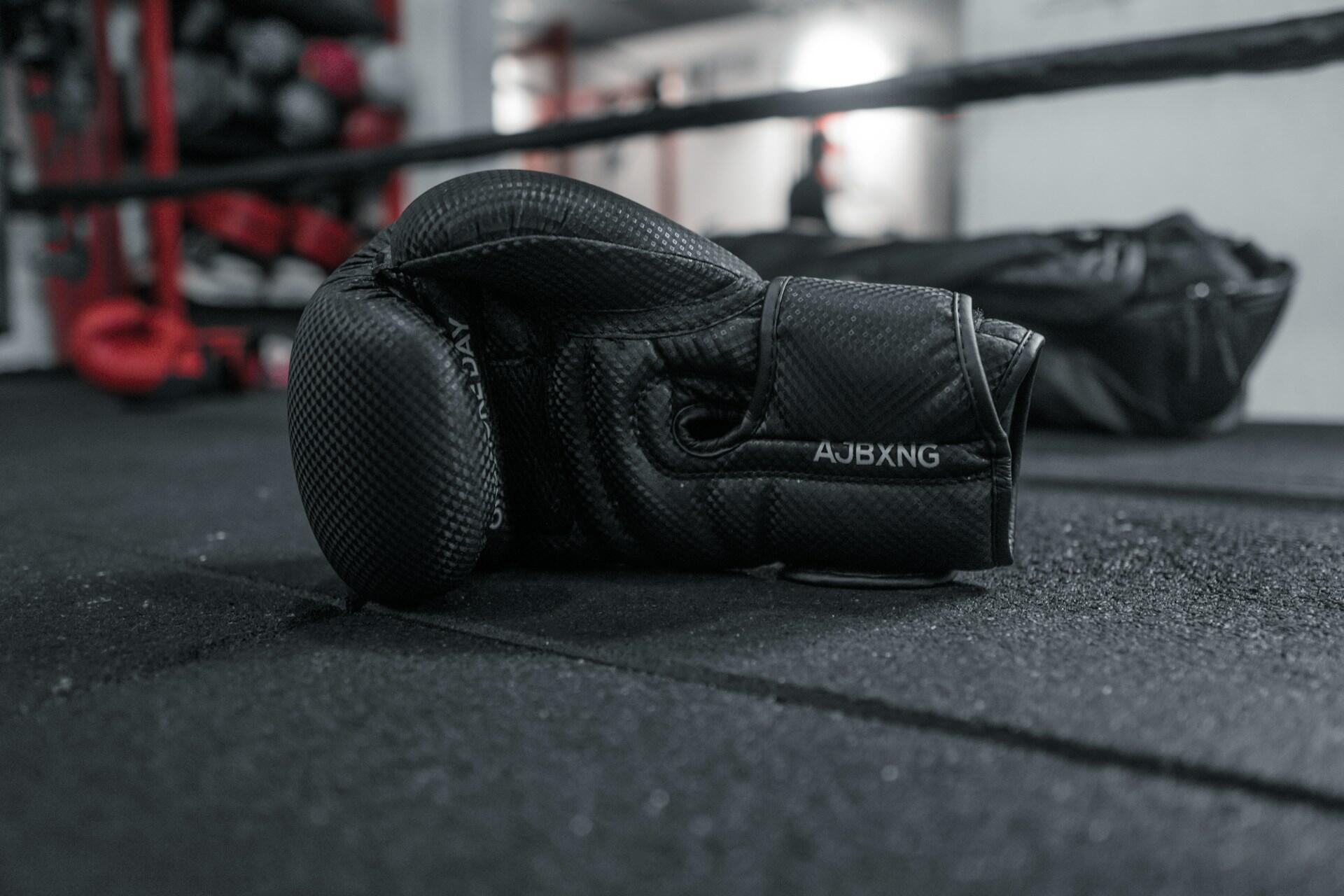
- Boxing Gloves: For beginners, 14 oz to 16 oz gloves are generally recommended, as they provide a good balance of protection and control
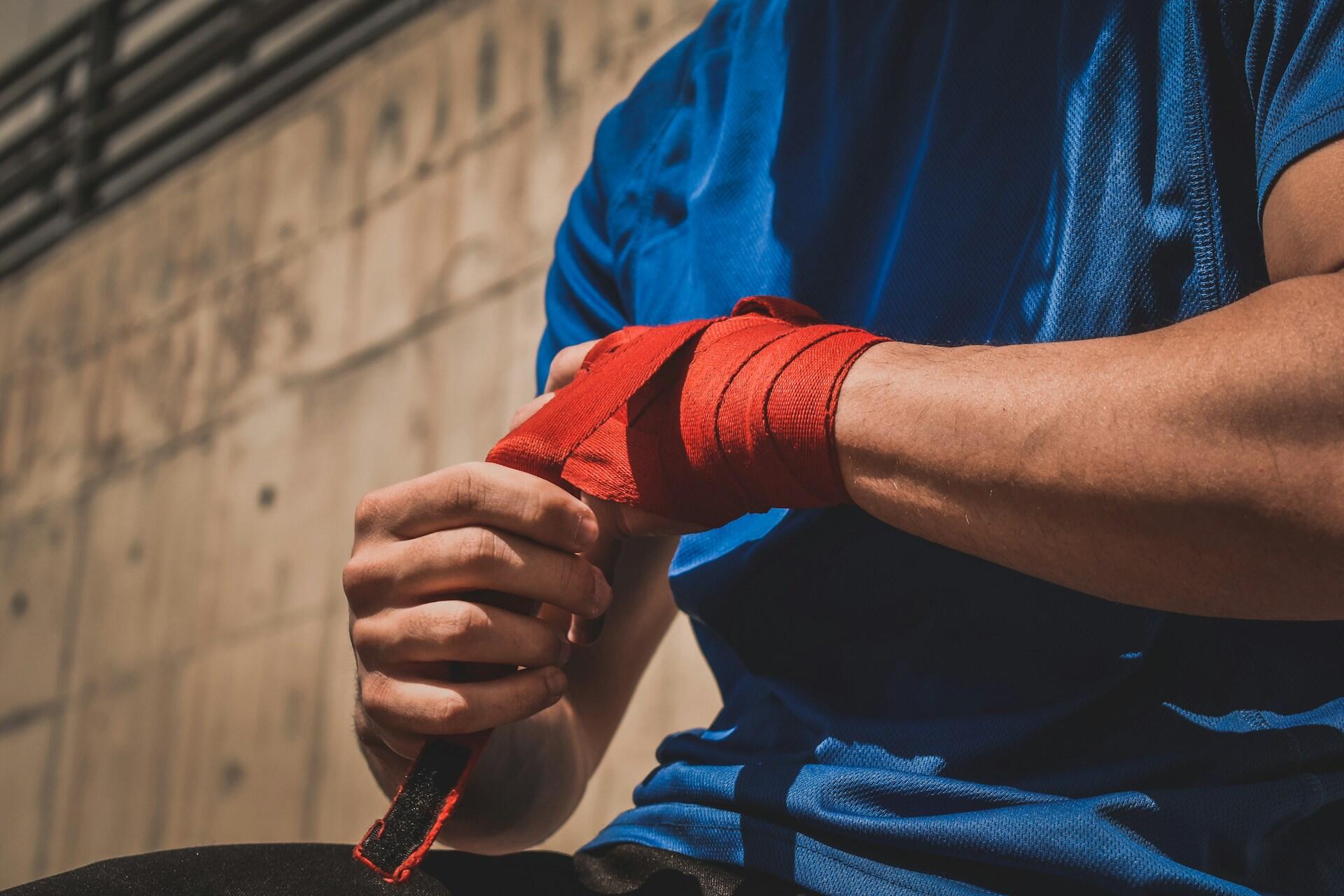
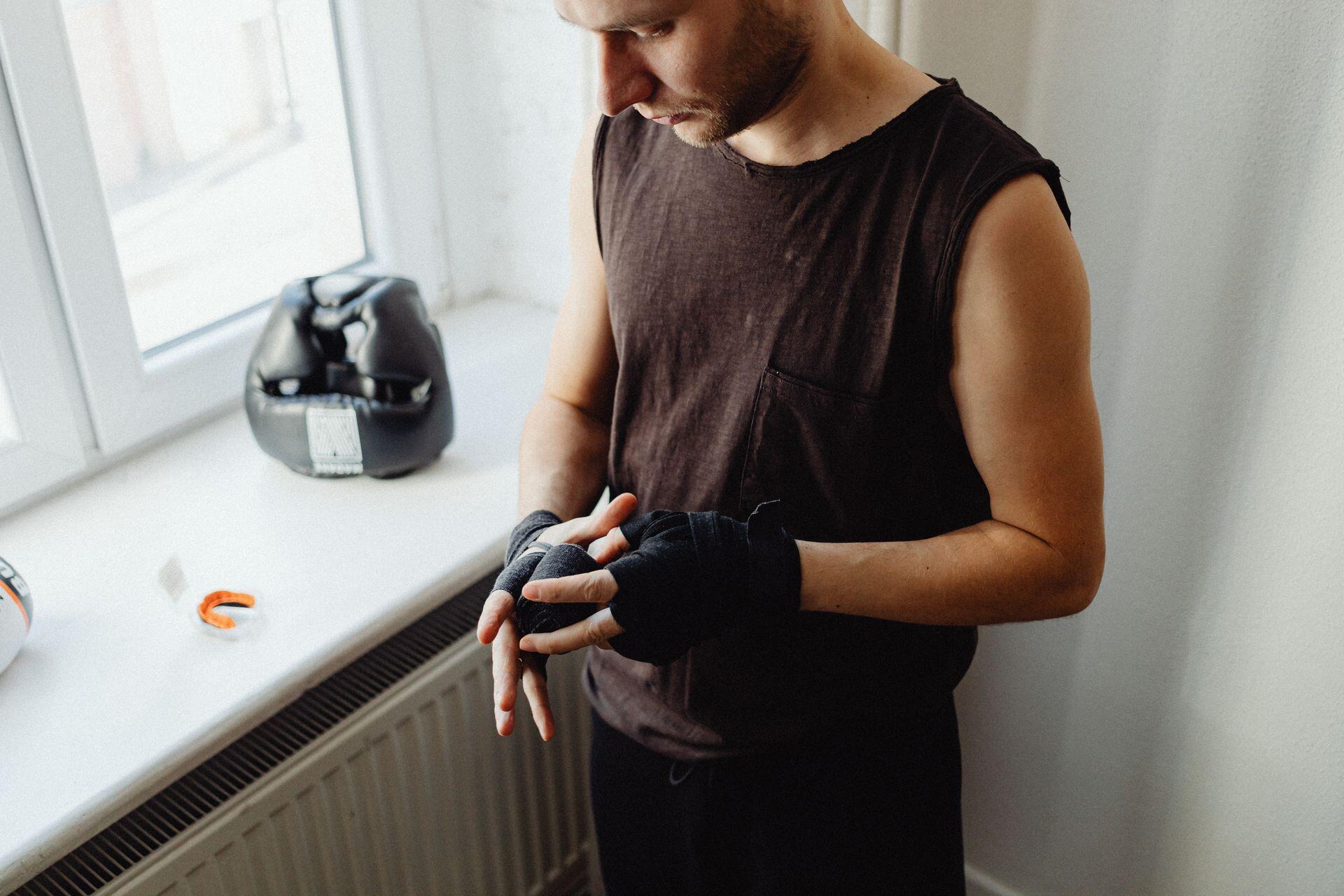
- Hand Wraps: Important to wear during training as it stabilizes the wrists and protect the knuckles
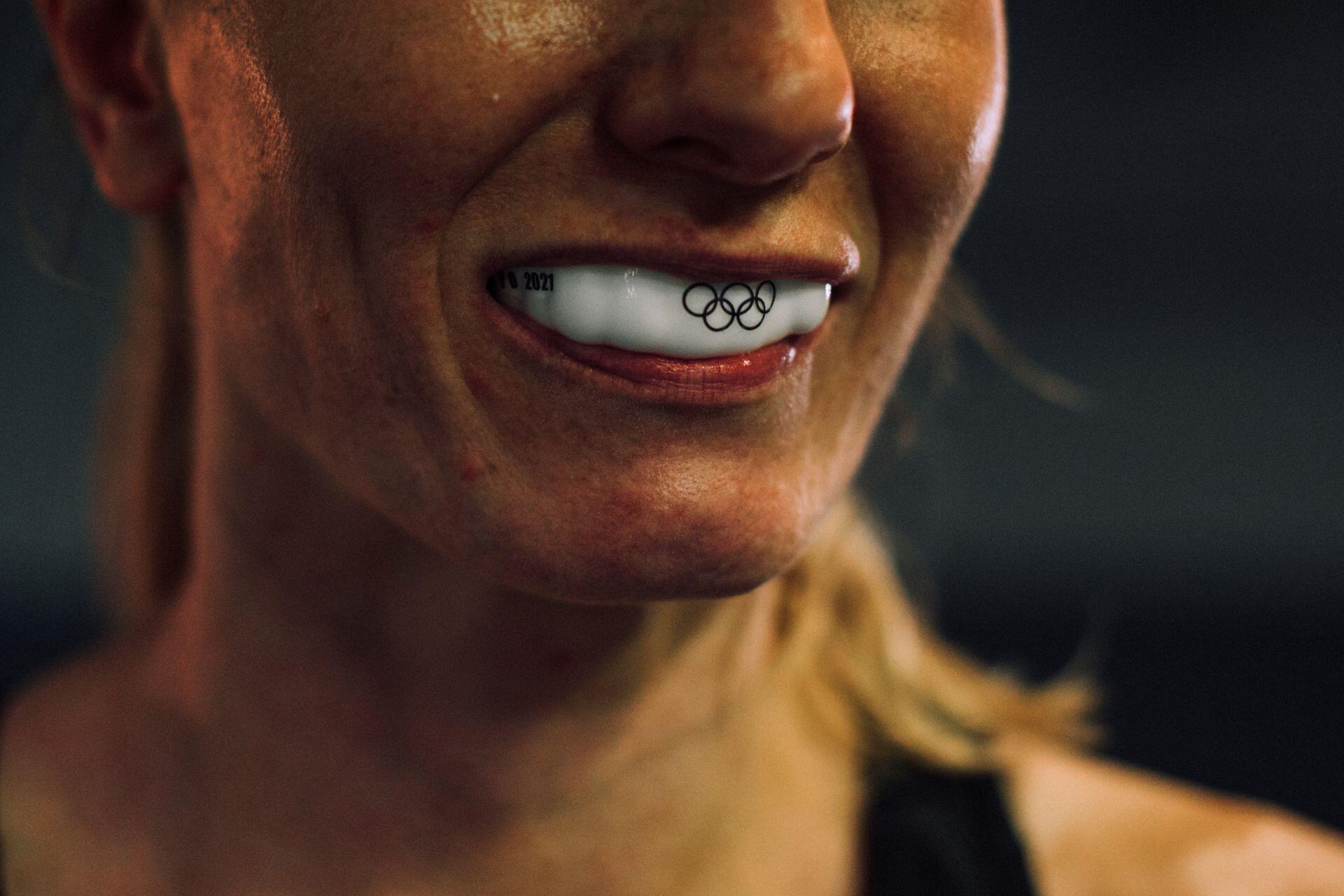
- Mouthguard: Protect your jaw and teeth during sparring sessions
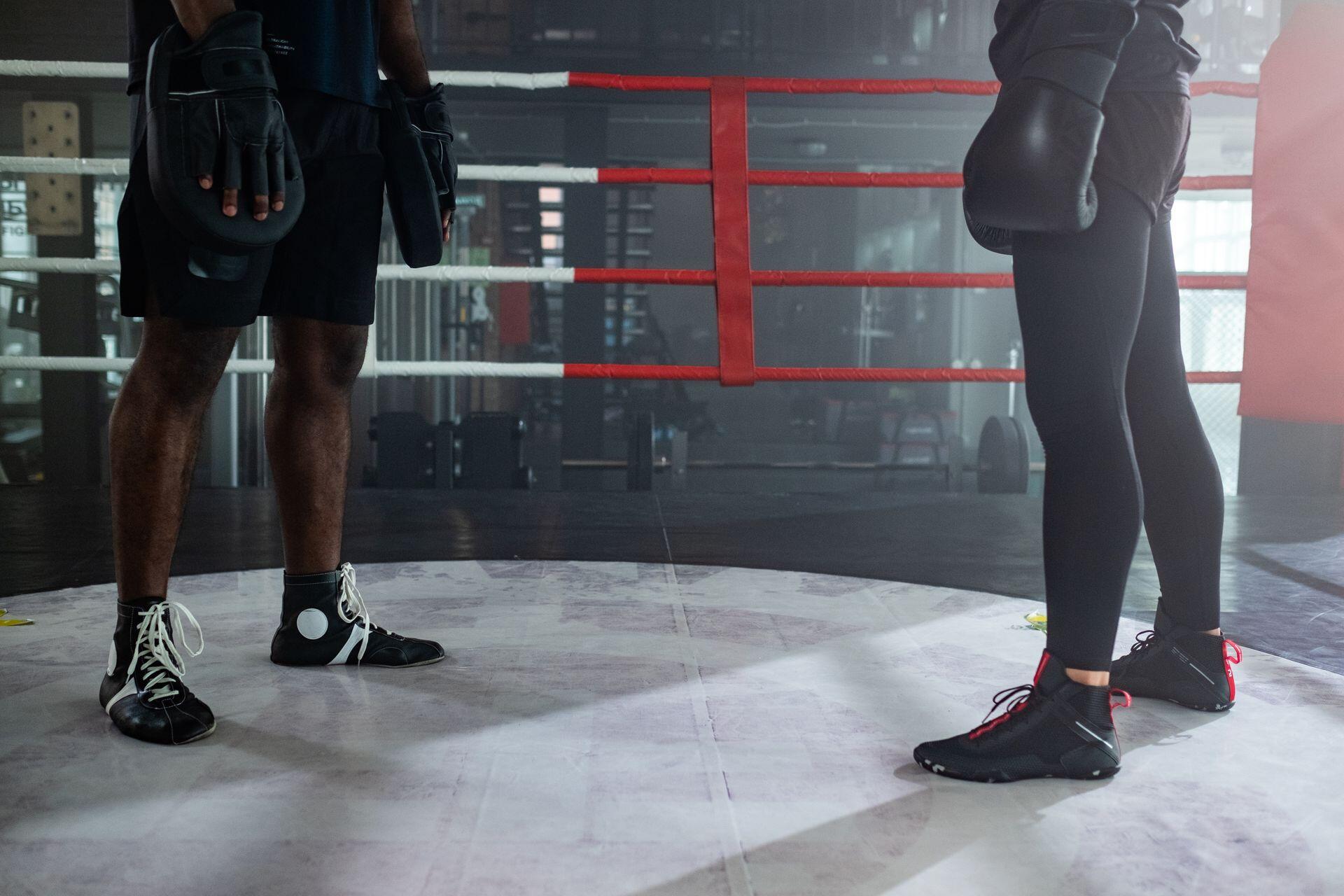
- Boxing Shoes: Offers ankle support and grip to improve movement and stability. Many beginners start with regular athletic shoes before upgrading later.
Meanwhile, learn more about the function of a punching bag.
📍Finding the Right Training Environment
The more you sweat in the gym, the less you bleed in the ring.
Julien Lorcy
We highly recommend you begin your beginner lessons with a professional trainer at a boxing gym near you. Working with a trainer has incredible advantages, as they will be better able to identify your strengths and weaknesses, thus creating a tailored approach to your training.
Remember, capitalizing on professional experiences and a supportive training community is a fundamental step towards achieving your goals.
Before signing up for a boxing gym membership, you'll have to evaluate the following criteria:
Never hesitate to ask the boxing gym questions about their coach-to-student ratio or the availability of free trial sessions before committing.
For those unable to attend a gym, you can still have an effective learning experience through structured online programs. Here is an overview of popular examples:
| Program | Canada Availability | Features & Details | Best For |
|---|---|---|---|
| FightCamp | ✅ Available (most provinces) | - Trackers package monitors punches- Live/scheduled classes with expert coaches- Peloton-style connected fitness platform- Programmable bag + app integration | - Canadians wanting tech + coaching- Home fitness with punch tracking |
| TITLE Boxing Club On Demand | ✅ Available (US platform) | - Hundreds of on-demand workouts- Classes for all skill levels- No equipment needed- 7-min, 15-min, 30-min options | - Flexible home workouts- Beginners needing variety |
| Toronto Boxing Academy Online Coaching | ✅ Local Canadian | - Personalized online training- Experienced coaches- All levels (beginner to competitive)- Train from home | - Toronto/GTA residents- Local Canadian coach feedback |
| Precision Striking (JT Van V) | ✅ Available internationally | - Top online boxing program globally- Professional technique instruction- Advanced skill development- Comprehensive boxing curriculum | - Serious boxers wanting elite coaching- Technique perfection |
Learn the best way to prepare for a boxing match.
👣 Developing a Training Routine
Whether you are learning boxing in a gym or at home, it's important to come out with a consistent and feasible set of training regimen to ensure it's safe and effective in the long run.
🏃Warm Up and Conditioning
Many beginners begin their training session with jump rope and shadow boxing sets to enhance their footwork and cardiovascular endurance. Here's how you can plan a jump rope warm-up session.
Step 1
Start with 3-minute intervals
Step 2
Focus on bouncing on the balls of the feet (the padded area of your soles)
Step 3
Progress gradually from toe-to-toe pattern, heel-to-heel pattern and toe-to-heel pattern
Step 4
Keep this session about 15 minutes
This warm-up workout will help your endurance, coordination, and speed to help you master more advanced boxing techniques in the future.
On the other hand, shadow boxing helps to improve your overall boxing techniques and muscle memory. Focus on your form while practicing with different combinations of jabs, hooks, or even cross punches.
🔥Strength and Conditioning Exercises
While learning how to box as a beginner, it's also important to focus on strength and conditioning exercises to build your core strength. 3 You can perform these exercises 3 to 4 times weekly.
Bodyweight circuits
- Examples of exercises include push-ups, squats and planks
Core training
- Examples of exercises include Russian twists, leg raises and bicycle crunches
Here's an example of exercise set recommendations for these two categories.
- Push-ups: 3 sets × 10–20 reps (builds chest, shoulders, core)
- Squats: 3 sets × 15–25 reps (legs, power generation)
- Planks: 3 sets × 30–60 seconds (core stability)
- Russian twists: 3 sets × 20 reps (rotational strength for hooks)
- Leg raises: 3 sets × 15 reps (lower core for stability)
- Bicycle crunches: 3 sets × 20 reps (oblique development)
🏠Practicing at Home
Apart from your own boxing lessons, it's also important to have a dedicated time and space to practice at home.
When you have your own training space at home, you can always opt for no-equipment workouts when you are not hitting the gym.
Safety and Injury Prevention
As much as boxing can be a fast-paced and dynamic sport, it can also lead to potential injuries if you push yourself too fast and hard from the beginning of your training.
One way to prevent injuries is to maintain proper form and technique while practicing your punches and moving about. Start slow before increasing your intensity, and get personalised feedback and guidance from an experienced boxing coach on your posture and technique.
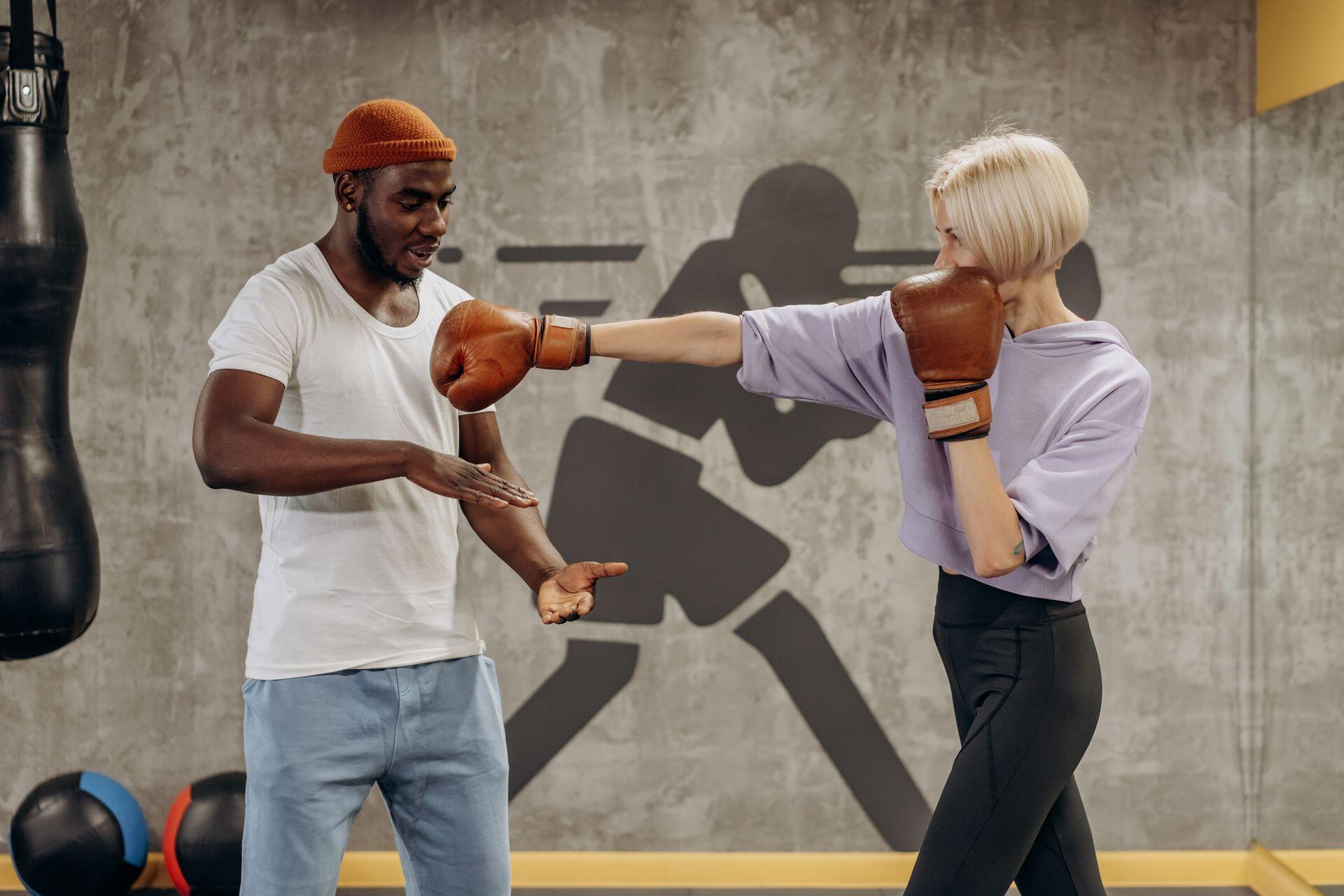
Some common mistakes that beginners make include:
- Dropping your non-punching hand instead of keeping it by your face
- Keeping your chin too high
- Launching arm punches without turning their hips
- Moving flat-footed instead of being on your toes for solid defense
Another important tip is to listen to your body, on the time and duration to rest to prevent overtraining. It's best to have at least 1 to 2 days of full-day rest for complete recovery. You can do some light stretching or have brisk walks to let your body relax and recover before you begin training again.
| Injury | Cause | Prevention |
|---|---|---|
| Hand/wrist fractures | Poor wrapping, punching with flat wrists | Always wrap hands; punch through target, not at surface |
| Shoulder strain | Overextending, dropping hand | Keep hands up; rotate, don't over-extend |
| Ankle injuries | Poor footwork, landing wrong | Master step-drag technique; stay on balls of feet |
| Head trauma | Inadequate mouthguard in sparring | Never spar without mouthguard; use proper headgear |
| Knuckle bruises | Thin glove padding, wrong wrap | Use 12–16 oz gloves; wrap tightly for support |
🎯 Staying Motivated and Setting Goals
Boxing is a sport that requires consistency and persistence. You'll need specific, measurable goals to build confidence, stay motivated, and eventually make progress.
Short-term goals
- Master basic techniques and build endurance towards different intensities
Long-term goals
- Aim for milestones like participating in a sparring session or a local competition
For instance, you can make weekly short-term goals and monthly long-term goals (for fitness and skills development) under the guidance of your boxing coach.
Week 1
Learn stance and proper footwork
Week 2
Skip rope continuously for five minutes
Week 3
Perform three rounds of shadow boxing without stopping
Week 4
Complete three training sessions each week for one month
Month 1
Improve endurance and complete ten rounds of training
Month 2
Master all four beginner punches
Month 3
Develop combination punching
Month 4
Participate in your first controlled sparring session
We hope this article has inspired you to learn boxing. All the best in your training session!
References
- 4: Boxing Dictionary. (2020, December 27). Umbrella Boxing. https://umbrellaboxing.com/boxing-dictionary/
- MMA Fight Store. (2026, January 20). MMA Fight Store. https://mmafightstore.com.au/blogs/tips/boxing-gear-checklist-for-beginners
- Cleveland Clinic. (2023, November 15). 6 Health Benefits of Boxing. Cleveland Clinic; Cleveland Clinic. https://health.clevelandclinic.org/benefits-of-boxing
Summarize with AI:
Did you like this article? Leave a rating!


 Loading...