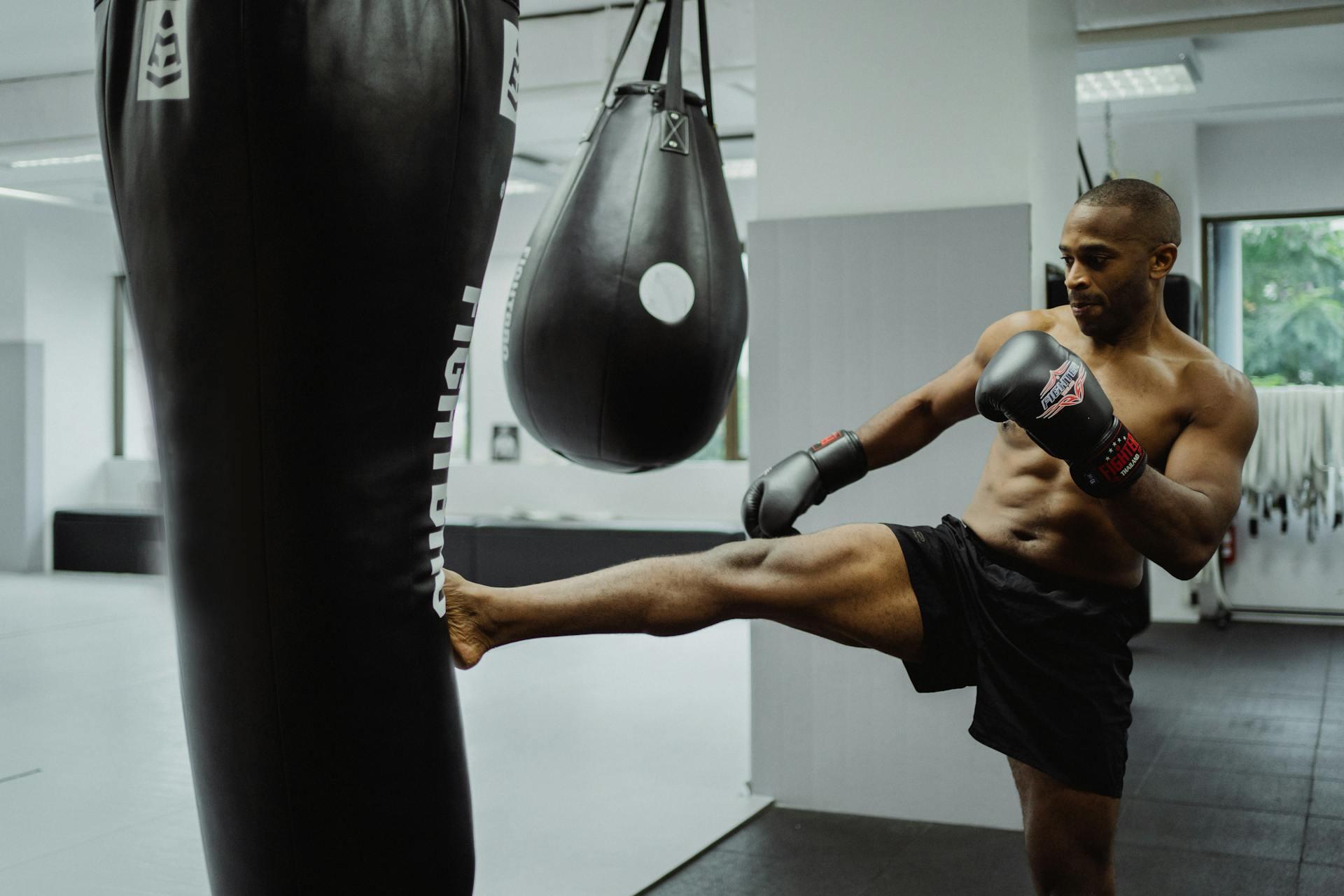

Taking the plunge to start taking kickboxing classes is exciting, but for many, it can also be intimidating. The fear of injury in a contact sport, self-doubt in one’s fitness, and confusion about technical styles are all real hurdles. This guide is meant to show you what really happens when you start kickboxing as a beginner, so you can pick up your gloves with confidence.


Is Kickboxing Right for You? An Honest Self-Assessment
Kickboxing is a sport that can easily be adapted to any intensity, making it perfect for beginners. But to decide if kickboxing is the right sport for you and your fitness goals, you need to know some basic facts and ask yourself a few questions.
Fitness Level Required
Contrary to popular belief, you do not need to have a certain level of fitness to start kickboxing. Though it’s a popular choice for people who are already gymrats, it’s definitely not a sport exclusive to already-fit people. You don’t need to “get in shape” first; the sport itself is the workout!
Most people walk into their first class with limited athleticism. Kickboxing coaches know this. They teach their sessions to gradually build endurance and strength through short rounds, rest periods and conditioning exercises. If you can handle light jogging or a brisk walk, you can feel confident about starting kickboxing training.
Age Considerations
Realistically, most kickboxing classes are designed for people in their late teens to their 50s. It can be too intense, both physically and mentally, for younger children, and can pose a high risk of injury for older people. If you have joint or bone issues or another medical condition, you may need to either skip kickboxing or make a very personalized plan with your trainer. Always check with your doctor if in doubt.
Comfort with Contact
There are two main channels for kickboxing: fitness and sparring. Depending on your goals, comfort level and fitness level, you can decide which type you prefer.
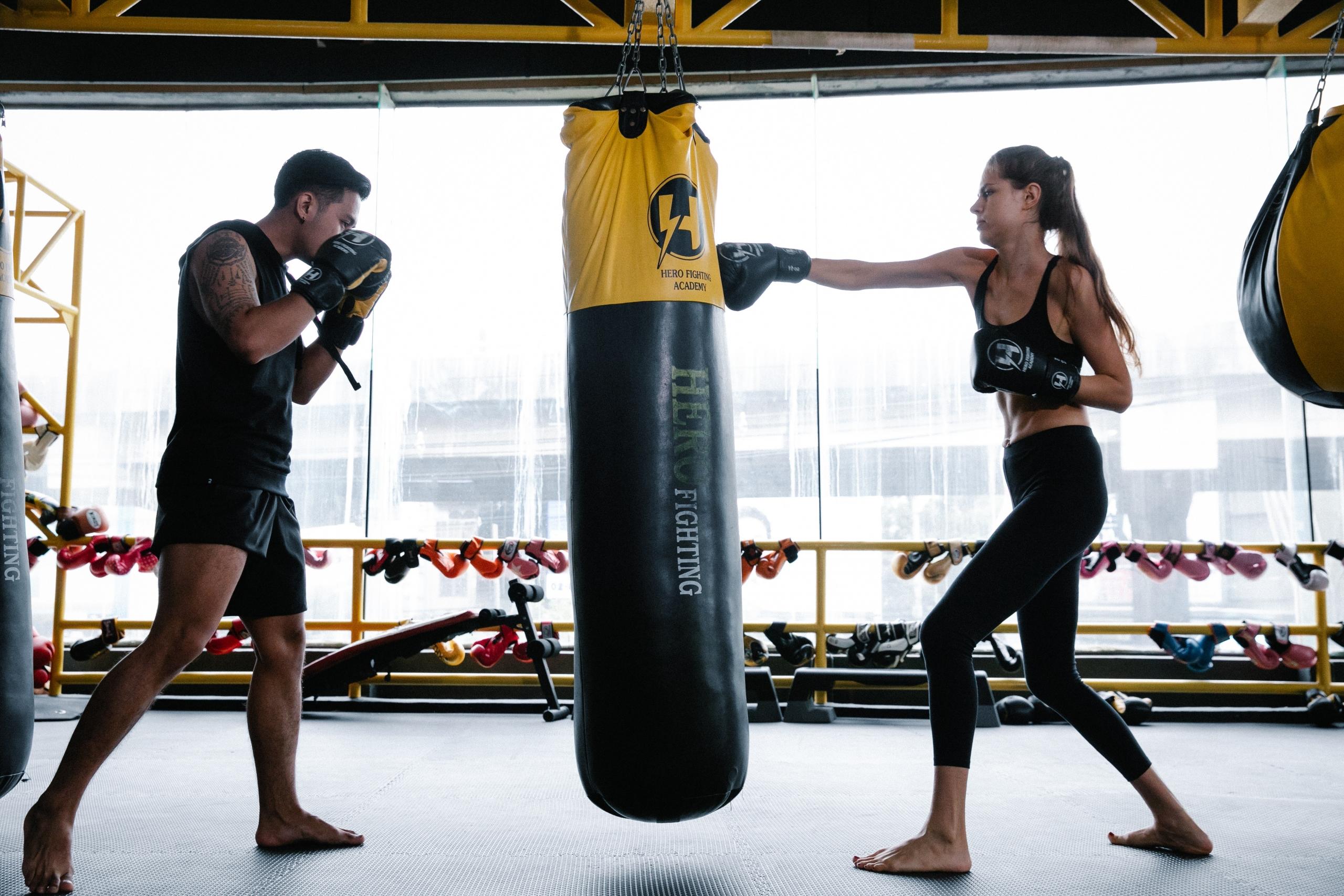
Fitness kickboxing classes focus on technique, strength and cardio exercises, and bag work. There is no sparring. This is a good choice if what’s holding you back is the wariness of hitting another person and/or getting hit.
Traditional kickboxing typically includes sparring in addition to the drills and exercises found in fitness kickboxing. These classes usually start with light sparring, as appropriate for the student’s comfort and experience level. Over time, the sparring may become more intense, all the way to full contact. You can always choose how far you want to go.
For me, combat sports are more than just physical — they’re a way of life. They build discipline, confidence, and strength of character.
Yon, Superprof kickboxing coach
Time and Cost Commitment
Most beginners start training with two or three sessions per week. For most places, classes are usually 45 to 60 minutes. Monthly fees can range from $100 to $220 per month, depending on the gym, trainer, level and location. Usually, gyms in bigger cities cost more.
If you decide to start competing, your costs will increase. More intensive classes require higher coaching fees, and you might even need to work with a personal trainer regarding nutrition and overall body conditioning. Plus, gear, travel, and competition registrations are all rather costly.
Remember that you don’t need to compete to enjoy kickboxing and its benefits. That’s simply an option you might explore if it seems fun and interesting to you.
The 3 Questions to Answer Before You Sign Up
To have the best experience possible in your first month of kickboxing, you need to set your expectations. Signing up for a set of classes that trains in a style of kickboxing you didn’t actually want to do can crush your love of the sport. So, let’s prevent that tragedy by making sure you know exactly what kind of class you want!
Question 1: Fitness kickboxing or competitive kickboxing?
Fitness Kickboxing
Focuses on cardio, strength, simple combinations, bagwork and general conditioning as a workout. You will hit and kick pads or a heavy bag, but there will be no pressure to spar; many fitness kickboxing classes don’t even have an option to spar.
Competitive Kickboxing
trains students to apply their technical skills in a practical way through sparring. You can join these classes even if you don’t want to enter any competitions, but most students in this style of class train for competitions to gauge their progress. This style is useful for learning how to actually fight, either for self-defence or for the love of competition.
Question 2: Which style suits your goals?
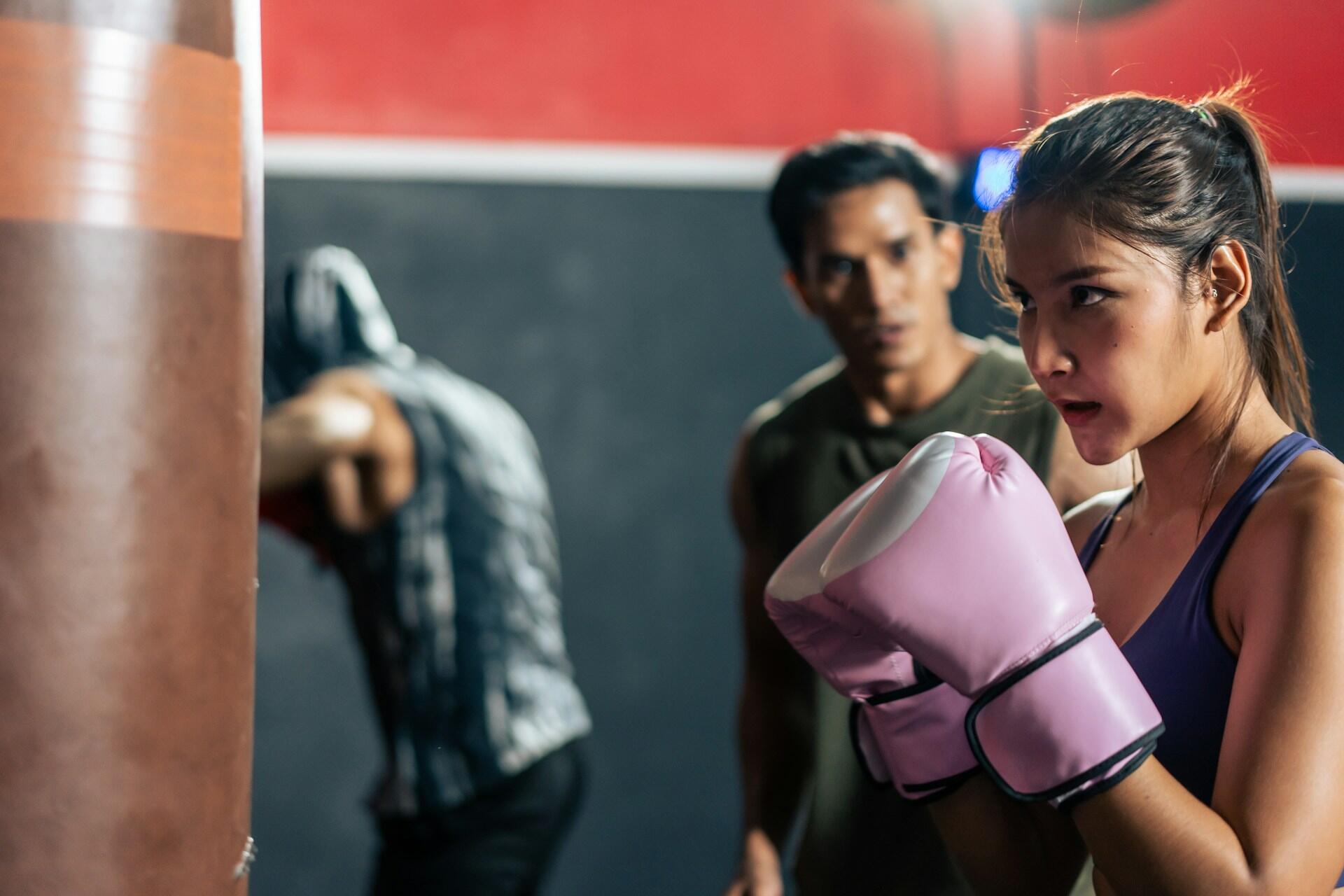
If you want a traditional approach using elbows and knees, consider Muay Thai. If you prefer a modern mix of punches and kicks, try standard kickboxing. If you value precise footwork and a lighter style, Savate is worth exploring. At the beginner stage, finding a good coach is more important than marrying a certain style; as you learn more, you’ll understand your strengths and preferences more. Still, starting out with a style that sounds interesting is a good first step.
Question 3: Do you want to spar, eventually?
This is the most important question for a beginner to decide. If you do want to spar, but you join a non-sparring gym, you’ll be disappointed. If you don’t want to spar, and your class requires you to do so, you’ll be uncomfortable at best.
Some gyms introduce sparring after a few weeks, while others never require it. Research the gym, class and coach you’re considering thoroughly to find out what their curriculum looks like. You can always speak to the gym owner or coach directly to find out more; they’re happy to help!
What's holding you back from your first class?
What Your First Kickboxing Class Will Actually Look Like
Kickboxing is a practical way to improve overall fitness and coordination. It combines boxing with lower-body strikes, creating a well-rounded fitness routine. For a beginner, the first lesson can seem daunting, but overcoming that hurdle puts you on the path to noticeable improvement in your mental and physical health. Knowing what to expect can help reduce your anxiety.
Before You Arrive
Wondering what to wear to your kickboxing class? Simple, comfortable athletic clothing is best.
- ✅ Shorts or leggings
- ✅ T-shirt or sleeveless shirt
- ✅ Indoor training shoes, if required
- ✅ Grippy socks or footwraps, if there is a barefoot policy (optional)
- ✅ Handwraps, if required and not provided
As with any fitness class, a water bottle and towel are highly encouraged. You may also want to bring a snack or protein shake. If you have long hair, keep it tied back tightly with an elastic. Try to be well-hydrated before class starts, so you can feel and perform your best.
As a beginner, there are some things you do not need to invest in yet. Don’t buy:
- Gloves
- Shin guards
- Headgear
Beginner classes will either a) not have you sparring enough to need these things or b) provide them for you. Only after you gain more experience do you need to think about supplying your own gear. If you’re not sparring, you’ll only ever need gloves.
The Warm-Up (10-15 minutes)
Most kickboxing classes start with light jump rope, light jogging (either around a track or in place), and mobility exercises, followed by a shadow boxing opener. Dynamic stretches for the hips, shoulders and leg help prime you for the movements to follow. Shadow boxing consists of practicing punches and kicks in the air. It can feel awkward at first, but it helps you learn coordination. Eventually, you’ll feel confident performing the functional exercise!
Technique Section (20-30 minutes)
The bulk of beginner's classes consists of learning basic movements such as stance, the straight punch, simple kicks and simple drills. You'll work your left and right side to develop evenly. Often, you’ll work in front of a mirror to see how your body is moving. Sometimes, you may work with a partner, taking turns holding pads.
Expert frequent feedback and corrections; you’re not doing anything wrong, your coach is just trying to help you learn proper form. Details like hand position and foot placement are important to get right, since they’re the foundations for later training.
Bag Work or Pad Work (15-20 minutes)
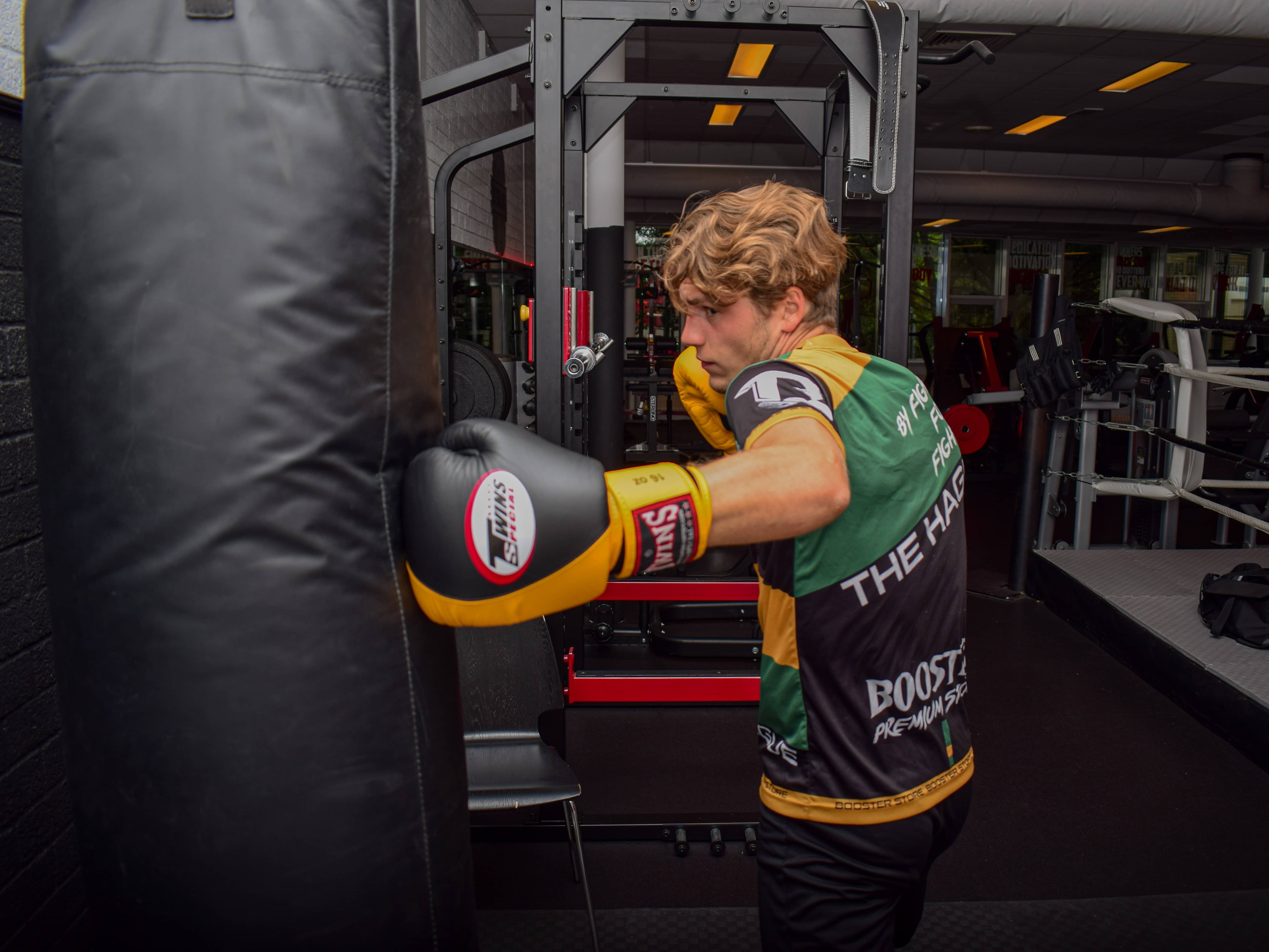
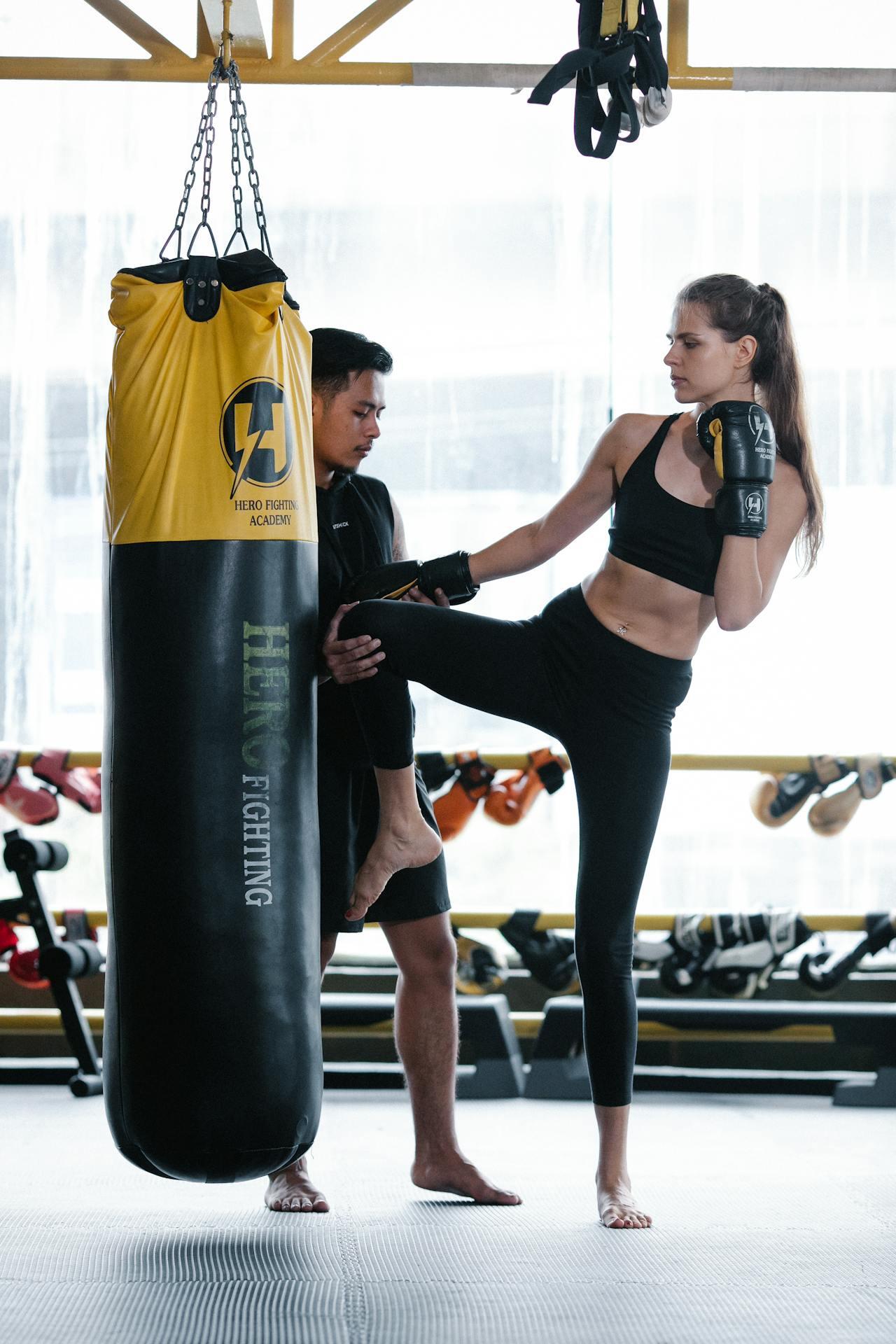
Your first class may include this portion, or it may be reserved for a later class when you have more experience. You’ll either hit a heavy bag or work with a partner using focus pads to practice your punches and kicks. The first time you strike a bag, it can feel strange. Your timing might be off, you might not feel like you can use your full power, and you might lose balance. This is normal! Most students begin improving after just 2-3 classes, so keep coming back to see yourself get more comfortable.
Conditioning and Cool-Down (10 minutes)
Classes usually end with bodyweight exercises like core work, push-ups or interval drills. Then, you’ll typically stretch your hips, hamstrings, shoulders and back to recover. Coaches often give final advice and feedback and answer any questions before you leave.
After Class
You might feel sore the next day, especially if you practiced a lot of bag work. Stay hydrated and do light stretching to help your muscles recover. Some people also find foam rolling, sauna and protein intake to be helpful in reducing the DOMS (delayed onset muscle soreness) that comes with exercising.
What Not to Expect Day One
Your first class will not include any sparring or fighting. There is no expectation for you to be perfect, or even do “good,” since that’s what you’re there to learn! Don’t be embarrassed; as long as you try, you’re doing well. Everyone in the room is either in the same place as you or was once a beginner, too. Most gym-goers are supportive and welcoming to new members and want to help them succeed.
The First Techniques You'll Learn (and Why)
Beginners need to be taught the basics to later conduct their movements with fluency and confidence. Getting over the initial hump of developing basic coordination skills can be challenging, but well worth the effort. Not only will you be better at kickboxing and able to execute drills with self-assurance, but your balance and body awareness in everyday life will improve, too!
The Stance
Your stance is the most important thing you need to know. It’s your base. It controls balance, movement and defence. At first, it can feel rigid and unnatural. Over time, it becomes easy to find and stay there for long periods of time.
The Jab and Cross
These are your main straight punches. The jab sets your distance and orientation. The cross delivers power from the rear hand. Beginners often overthink these punches, since they’re likely the first punches they’ve ever done.
The Front Kick (Teep)
This is usually the first kick you learn. It is direct and easier to control than other kicks. The teep teaches balance, distance, and how to use your hips without losing position. It is also useful for keeping space between you and a partner (or opponent).
The Roundhouse Kick
It requires a lot of hip rotation, proper foot pivoting, balance and mobility. It usually takes weeks to feel natural. Early attempts may feel stiff or awkward; it’s hard for most people to lift their leg to the proper height without intentional training.
Defense Basics
You will learn to keep your guard up (hands and arms positioned in front of your face), move your head for evasive maneuvers and block incoming strikes. Defence is taught alongside offence because it protects you and improves your awareness. Even in non-contact classes, learning defense is important for a holistic kickboxing practice and doubles as a fitness routine.
This beginner's kickboxing guide outlines the essential moves and customs you need to know. Note, however, that specific rules and allowed techniques can vary by gym, league and style.
My focus is on developing strong fundamentals, building confidence, and helping each student achieve their personal goals, whether they're looking to compete or simply improve their fitness and technique.
Cameron, Superprof Muay Thai and kickboxing coach
A Realistic Progress Timeline: Week 1 to Month 6
Why should you stick it out and dedicate at least 6 months to kickboxing? For many, that’s how long it takes to feel completely reinvented, though the benefits can be felt and seen long before then. After the 6-month mark, students can feel more informed about the sport and make decisions about whether to join more intensive classes, including competitive ones.
Week 1
Finding your footing
You will feel sore in your legs, arms, shoulders and core, even if you are already fit, since you’re using your body in new ways. Your coordination and balance might feel off. You may struggle to remember all the elements of a technique or the moves in a combination. You might feel clumsy and frustrated. This is all normal for every beginner. Communicate with your coach and fellow boxers to stay motivated.
Month 1
Gaining fluency
Your stance will feel more natural and stable. Your basic punches start to feel more automatic and fluid. Your cardio and endurance begin to improve noticeably, in class and out.
Month 3
Fighting shape
Your combinations begin to flow, and you don’t need to think about your precise hand and foot positioning as often. You can hold pads for a partner without flinching, and you can let your strength loose on the pads and bags without feeling self-conscious. If you feel ready, some gyms may offer optional sparring.
Month 6
From beginner to intermediate
Your technique becomes more consistent, and you start to develop a signature style. You understand distance and timing better. Students in competitive classes may consider signing up for their first interclub or amateur bout. Others continue focusing on fitness. Both options are valid.
In the later months of your initial training, you might begin to consider participating in more intense sparring. Gyms can’t supply all the headgear, shin guards, and gloves you need. At this point, you can start looking into getting the necessary gear for contact sparring.
Progress in any activity, especially sports, is not always steady. Around month two, many beginners feel frustrated because their improvement starts to slow down. Around month four, it’s common to hit a wall where you think you should be better than you are. These are normal phases that pass with consistent training.
The 5 Most Common Beginner Mistakes (and How to Avoid Them)
Beginners in any activity are prone to making mistakes. Even if you do make a mistake, it’s not the end of the world. Simply learn from the experience, talk it out with your coach, and move on. These are the most common ones kickboxers make, and how you can avoid them.
🥊 Training Too Hard, Too Early
Overtraining is a common reason beginners quit by their 2nd month. Your muscles and joints, especially your knees and shoulders, need time to adapt. Start with two or three classes per week. Rest days are part of training. Support your classes with functional strength and mobility exercises that condition the body for kickboxing’s demands.
🥊 Buying Full Gear Before Your Third Class
Avoid spending unnecessarily. It’s tempting to buy gloves, shin guards, and other equipment right away, but it's better to wait until you are sure you will continue.
Different gyms and styles use different gear. Also, your needs and preferences will become clearer after a few weeks.
It's no use buying headgear if you decide not to spar.
🥊 Skipping the Fundamentals for “Cool” Moves
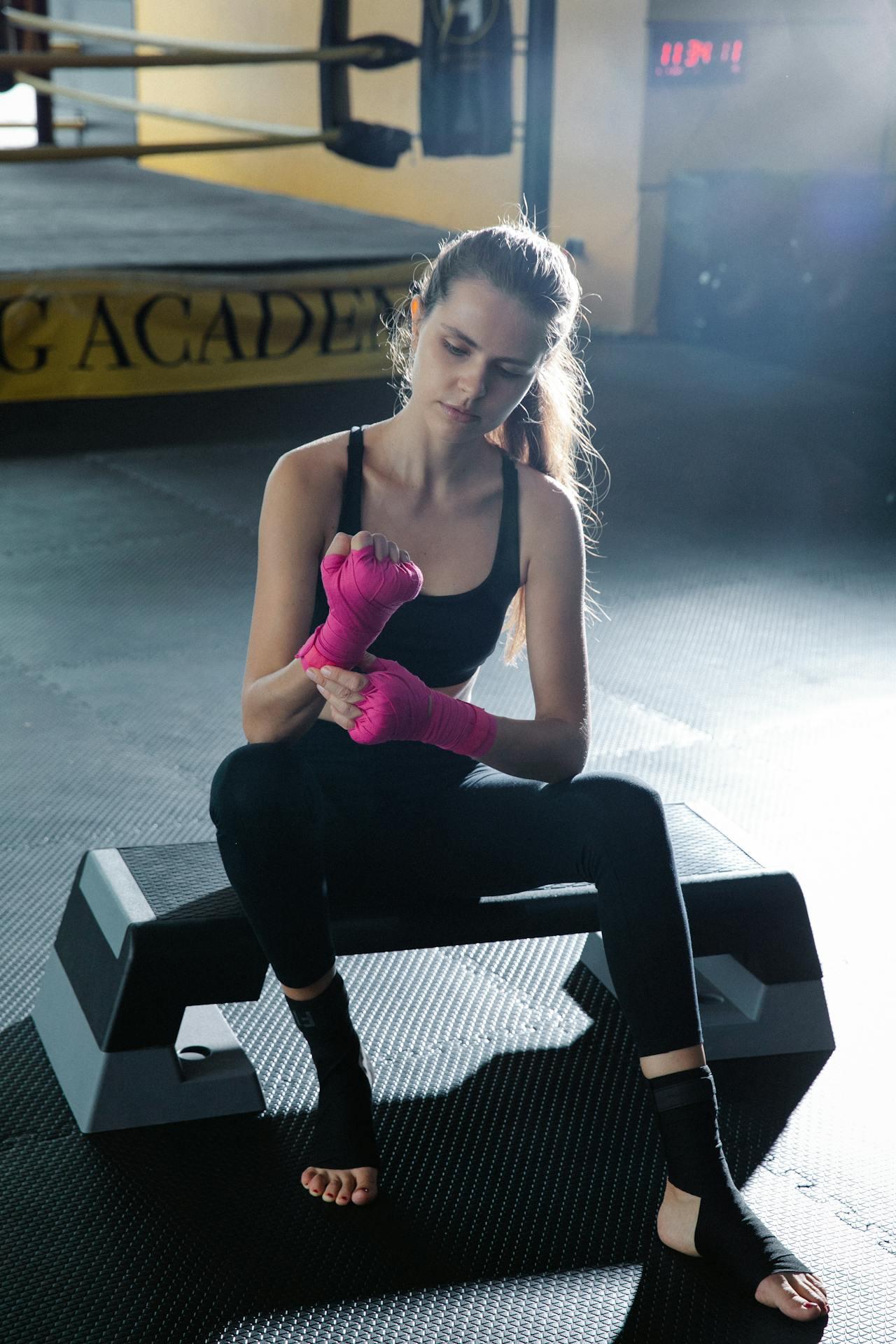
Spinning kicks and advanced combinations look impressive, but they rely on strong foundations. You can’t achieve them (and not get hurt) without working up to it. Focus on stance, simple punches and controlled kicks first. This builds better habits and reduces overall injury risk.
🥊 Comparing Yourself to Social Media Fighters
Online videos show experienced kickboxing athletes at their best. Your early training will look and feel messy. That is part of learning. Remember that people of all types enjoy kickboxing, not just the “Instagram-worthy” people. Enjoy your journey at your own pace, without comparison.
🥊 Choosing a Gym Based Only on Location
A nearby gym is convenient, but coaching style matters more. Drop in for a class, watch how the coach interacts with beginners, and see if the environment feels supportive. A good coach can make a significant difference in how quickly you improve and how confident you feel.
Feeling more comfortable with the idea of beginning boxing lessons? Overall, remember that you’re allowed to try new things and enjoy them, even if you feel awkward at first! Kickboxing is a great way to improve your overall fitness, feel more confident in your abilities and learn a cool new skill at the same time.
References
- Aryafar, Pari. “What to expect at your first kickboxing class.” ONE Championship – the Home of Martial Arts, 27 Aug. 2024, Available at: www.onefc.com/lifestyle/what-to-expect-at-your-first-kickboxing-class. Accessed 29 May 2026.
- “Beginner kickboxing: Everything you need to know to get started.” Hayabusa Fightwear, 24 Jan. 2026, Available at: www.hayabusafight.ca/blogs/community/guide-to-kickboxing-for-beginners?srsltid=AfmBOoo5adV-u0IihyIASFTIta3x2QO7RzG2XH6SFi_KoHFEEIwQ0GAz. Accessed 29 May 2026.
- LaMarco, Nicole M. “A Beginner’s Guide to Kickboxing.” VeryWell Fit, 31 Jan. 2022, Available at: www.verywellfit.com/kickboxing-for-beginners-5216164. Accessed 29 May 2026.
Summarize with AI:
Did you like this article? Leave a rating!


 Loading...