


Imagine possessing an invisible superpower capable of reaching through solid walls, pulling heavy objects without touching them, and generating endless energy.
This isn't science fiction: it is the everyday reality of the magnetic field.
Even though this hidden force field is completely invisible to the human eye, you interact with it every single second of the day. It is the silent engine behind our tech-driven world, snapping magnets onto your refrigerator, steering compass needles toward the North Pole, and blasting audio through your favorite headphones.
But what exactly is this phantom force, and how does it seamlessly bridge the gap between nature and modern technology?
To understand how our world works, we have to look closer at the invisible zone of influence where electricity and magnetism lock hands to power the universe.
A magnetic field is invisible, but it is real and measurable.
Created by: Magnets, moving electric charges and electric currents
What it does: Exerts magnetic forces on magnets, magnetic materials and moving charges
Represented by: Magnetic field lines
Common unit: Tesla (T)
Everyday examples: Magnets, compasses, motors, generators, speakers and MRI scanners


What Is a Magnetic Field?
A magnetic field describes the magnetic influence present at different points in space. Although the field itself cannot be seen directly, scientists can detect and measure its effects. Every permanent magnet produces a magnetic field. Electric currents and moving charged particles also produce magnetic fields.
The concept is essential for understanding magnetism, electromagnetism, electric motors, generators, Earth's magnetic field, and many other areas of physics.
A Simple Definition
A magnetic field is a region of space in which a magnetic object or moving electric charge can experience a magnetic force.
The magnetic field is usually represented by the symbol B. In the International System of Units, or SI, magnetic field strength is measured in teslas (T). For example, place a compass near a bar magnet and the compass needle changes direction. The compass does not need to touch the magnet. Instead, its needle responds to the magnetic field surrounding the magnet.

This provides a simple demonstration that magnetic forces can act without direct contact.
The Magnetic Field as an Invisible Force Field
A magnetic field cannot normally be seen with our eyes. However, that does not mean it is imaginary. Its presence can be detected by observing its effects.
Place two magnets close together and you may feel attraction or repulsion. Hold a compass near a magnet and its needle turns. Pass an electric current through a wire and a nearby compass can respond to the magnetic field produced by the current.
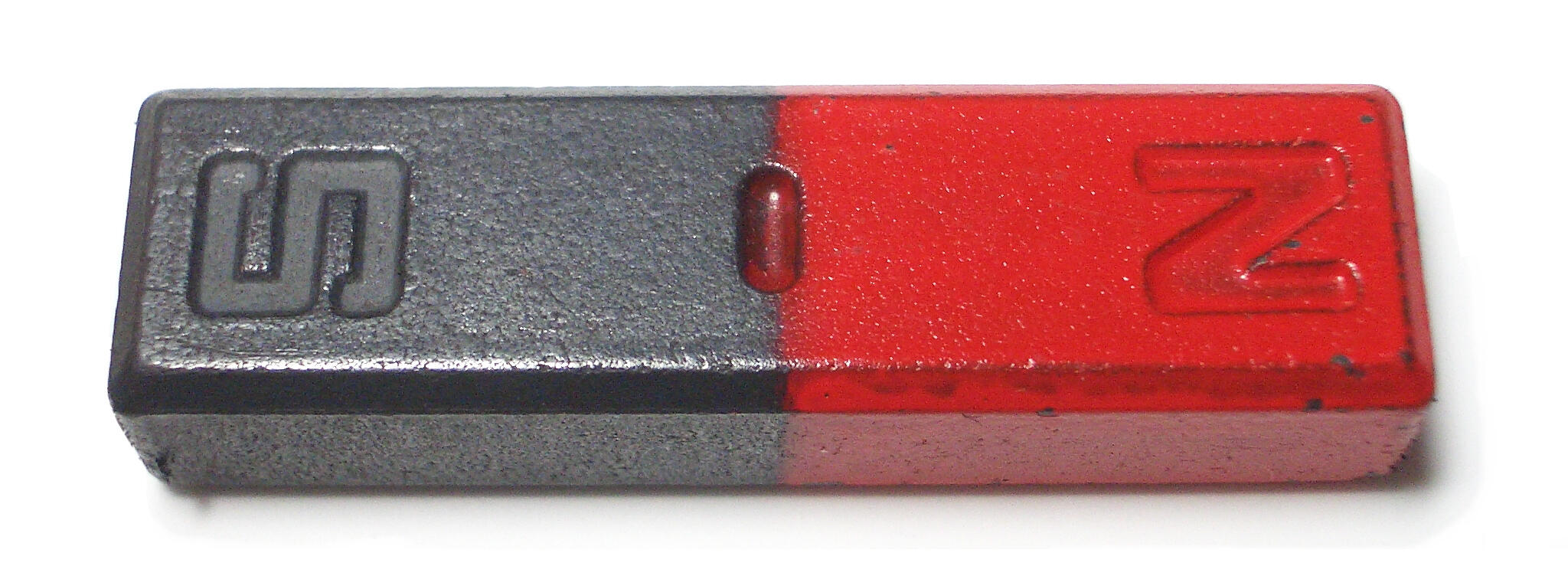
Scientists can also use instruments to measure magnetic fields precisely. The tesla is the standard SI unit used for magnetic flux density. Because one tesla represents a relatively strong field for many everyday situations, smaller units, such as microteslas (µT) and milliteslas (mT), are also commonly used.
Magnetic fields can therefore be invisible while still having measurable direction and magnitude.
Magnetism vs. Magnetic Field
Although the terms are closely related, magnetism and magnetic field do not mean exactly the same thing.
The broader phenomenon involving magnetic forces, materials, fields, and interactions.
Describes the magnetic influence throughout a region of space and is used to determine how magnetic objects or moving charges may behave there.
A permanent magnet demonstrates magnetism, while the space surrounding that magnet contains its magnetic field.
What Does a Magnetic Field Do?
A magnetic field can produce several different effects depending on what enters it. It can exert forces on other magnets, influence magnetic materials, deflect moving charged particles, align compass needles, and interact with electric currents.
Force on Magnets and Magnetic Materials
One of the easiest effects to observe is the force between magnets. Every conventional magnet has two poles: a north pole and a south pole.
The basic rule is:
Like poles repel. Opposite poles attract.
Place the north pole of one magnet near the north pole of another and they repel. Bring a north pole close to a south pole and they attract. Magnetic fields can also exert forces on certain materials. Iron is a familiar example. A magnet can attract an iron object because the material responds strongly to the external magnetic field. Nickel and cobalt also exhibit strong ferromagnetic behaviour.
However, not every material responds in the same way. Some are strongly attracted, some only weakly respond, and others develop a weak response opposing an applied field.
Effect on Moving Electric Charges
Magnetic fields also affect electrically charged particles when those particles are moving. A moving charge travelling through a magnetic field can experience a magnetic force. This force is part of the Lorentz force, which describes the force on a charged particle in electric and magnetic fields.
The push or pull a charged particle experiences when it moves through electric and magnetic fields.
An important feature of the magnetic part of the Lorentz force is that it acts perpendicular to both the particle's velocity and the magnetic field. As a result, a magnetic field can change the direction of a moving charged particle without directly increasing its speed.
Depending on the conditions, the particle may follow a curved or circular path. This principle is important in particle physics, mass spectrometry, plasma science, and many technologies that control moving charged particles.
Aligning a Compass Needle
A compass is essentially a small magnet that is free to rotate. When placed in a magnetic field, the compass experiences a torque that tends to align the needle with the local field direction. On Earth, a compass responds primarily to Earth's magnetic field.
This is why one end of the compass needle generally points toward magnetic north. More precisely, the needle aligns with the horizontal component of Earth's local magnetic field, so its direction does not necessarily point exactly toward the geographic North Pole.
Powering Electrical and Mechanical Devices
Magnetic fields are essential to many devices that convert energy from one form into another.
In an electric motor, magnetic forces acting on current-carrying conductors help produce torque and rotational motion. Electrical energy can therefore be converted into mechanical energy. A generator works in the complementary direction. Mechanical motion creates changing magnetic flux through conductors, inducing voltage and allowing mechanical energy to be converted into electrical energy.
Magnetic fields are therefore at the centre of countless devices, from small fans and household appliances to electric vehicles and large power-generation systems.
How Magnetic Fields Are Created
Magnetic fields can have several sources. At the most fundamental level, they are associated with electric charges in motion and intrinsic magnetic moments.
Permanent Magnets
A permanent magnet can maintain a significant magnetic field without requiring a continuous external supply of electricity. Materials such as iron can contain microscopic regions called magnetic domains. Within each domain, many atomic magnetic moments are aligned.
In an unmagnetized ferromagnetic material, domains may point in different directions, causing their magnetic effects to largely cancel on a larger scale. In a magnetized material, a greater proportion of these domains are aligned. Their combined effect creates a measurable external magnetic field.

This is why a permanent bar magnet continues producing a magnetic field even when it is not connected to a battery or electrical circuit.
Electric Currents
Electricity provides another important source of magnetic fields. When an electric current flows through a wire, it creates a magnetic field around the conductor.
For a long straight wire, the magnetic field forms circular patterns around the wire. The direction can be determined using the right-hand rule: point the thumb of your right hand in the direction of conventional current, and your curled fingers show the direction of the magnetic field around the wire.
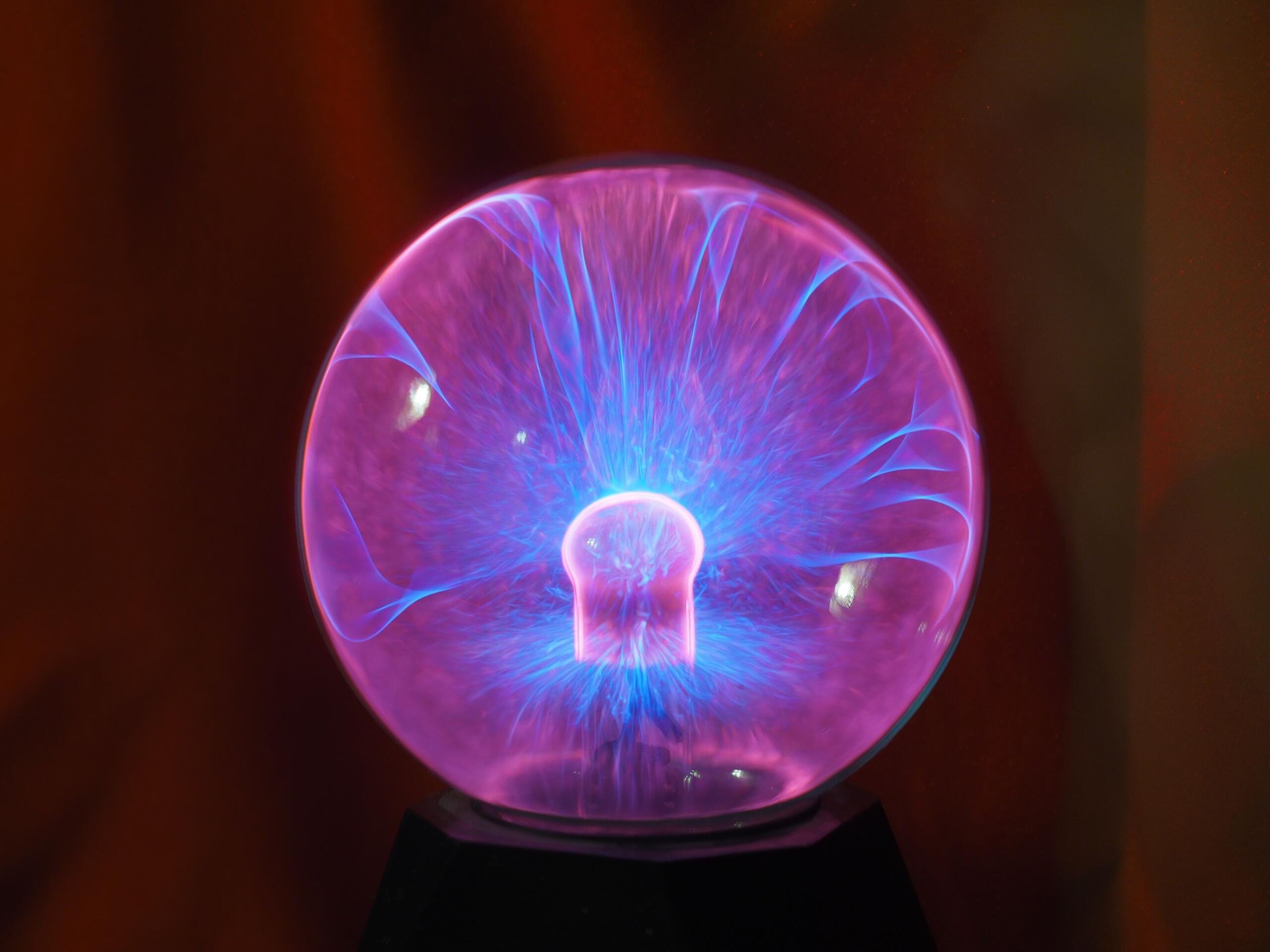
If the direction of current is reversed, the direction of the magnetic field also reverses. The effect becomes especially useful when the wire is formed into a loop or coil. The magnetic fields produced by different sections of the loop combine. With many turns of wire, the resulting field can become much stronger.
This principle is used to make electromagnets and is fundamental to motors, generators, relays, transformers, speakers, and many other electrical devices.
Moving Charges and Magnetic Moments
Electric current is essentially the organized movement of electric charge, so the connection between current and magnetic fields reflects a deeper physical principle: moving electric charges generate magnetic fields.
Magnetism at the atomic level also involves the behaviour of electrons. Electrons possess an intrinsic quantum property called spin that is associated with a magnetic dipole moment. Their orbital behaviour within atoms can also contribute to atomic magnetic moments.
| Source | How the Field Is Produced | Typical Field Strength | Everyday Example |
|---|---|---|---|
| Permanent magnet | Aligned magnetic domains produce a persistent field | Varies with material and magnet | Refrigerator magnet |
| Current-carrying wire | Moving electric charges generate a field around the wire | Depends on current and distance | Electrical wiring |
| Coil of wire | Fields from multiple loops combine | Can be stronger than a single wire | Electromagnet |
| Atomic magnetic moments | Electron magnetic moments contribute to material magnetism | Microscopic individually | Magnetic materials |
| Earth | Motion of electrically conducting fluid in the outer core sustains a planetary field | Tens of microteslas near the surface | Compass navigation |
A magnetic dipole can be thought of, at a basic level, as a tiny magnetic system with a preferred orientation in a magnetic field. In many materials, magnetic moments are arranged so that their overall effects largely cancel.
In ferromagnetic materials, however, interactions between neighbouring atomic moments can produce regions of strong alignment. When many of these regions become similarly oriented, the material can develop a strong overall magnetic field.
The Link Between Electricity and Magnetism
Electricity and magnetism are not separate, unrelated areas of physics.
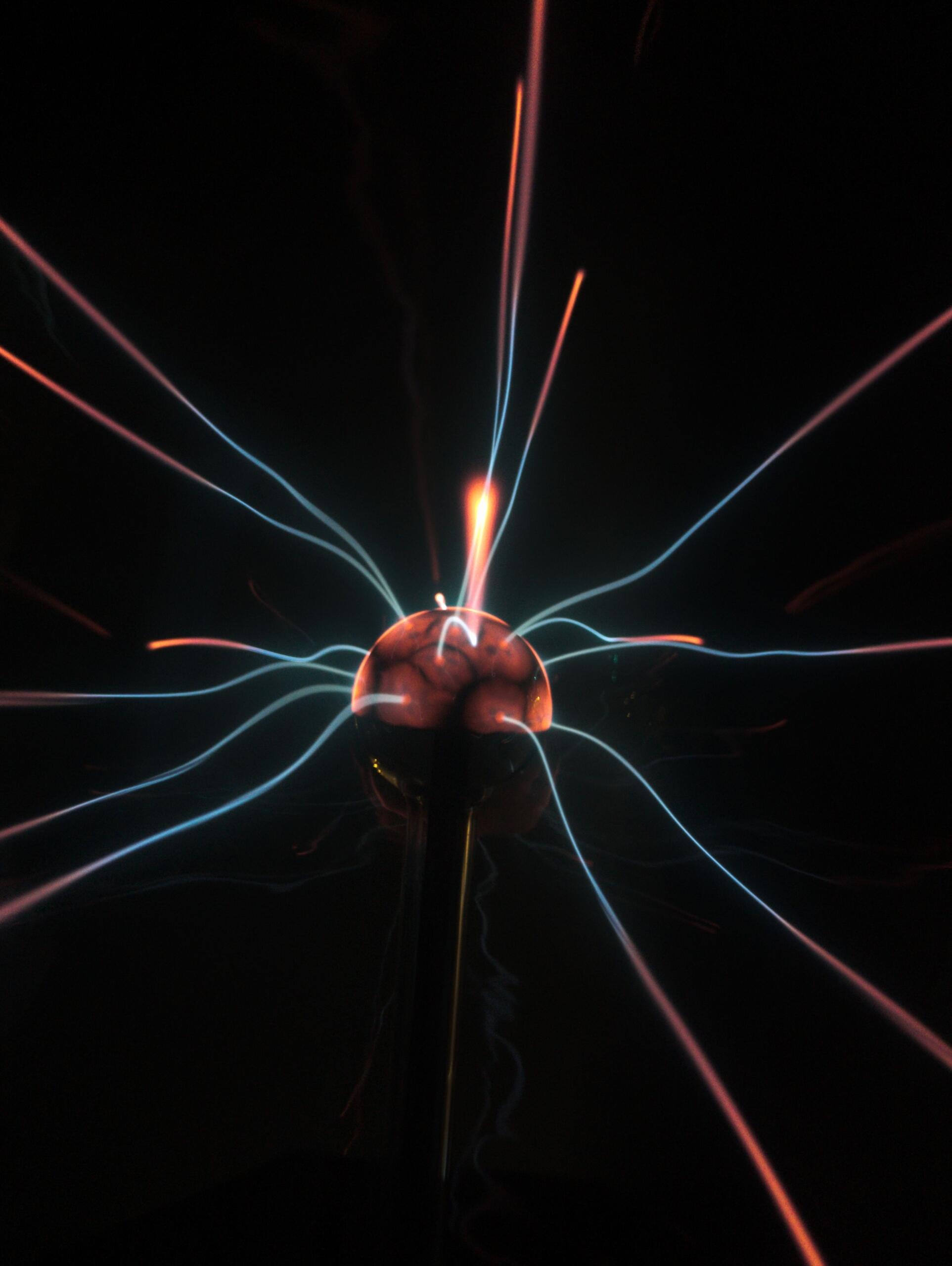
They are interconnected parts of electromagnetism. One side of this relationship is straightforward:
Moving electric charges and electric currents produce magnetic fields.
The complementary relationship appears in Faraday's law of electromagnetic induction:
Changing magnetic flux can induce an electric field and produce an induced voltage around a conducting loop.
If that loop forms part of a suitable closed circuit, the induced voltage can drive a current. This two-way relationship provides the foundation for many modern technologies.
The interaction between electricity and magnetism is therefore one of the most important relationships in modern physics.
Magnets and Magnetic Fields
A magnet provides one of the easiest ways to investigate a magnetic field. Whether you are holding a simple refrigerator magnet or a powerful laboratory magnet, the object produces a magnetic field extending into the surrounding space.
How Bar Magnets Create Fields
A bar magnet has two poles conventionally called north and south.
Its magnetic field surrounds the entire magnet rather than existing only at its ends. However, the external field is generally strongest near the poles. Diagrams often represent the field using curved lines extending from the north pole to the south pole outside the magnet.
The magnetic field is three-dimensional, even though textbook diagrams usually show it on a flat page. The field also extends beyond the visible lines drawn in a diagram. It gradually becomes weaker as the distance from the magnet increases.
North and South Poles
Every ordinary magnet has a north pole and a south pole. If a bar magnet is allowed to rotate freely, one end tends to orient approximately toward Earth's magnetic north direction. This end is conventionally called the magnet's north-seeking pole.
North Pole
- Field lines conventionally leave the magnet here
- Repels another north pole
- Attracts a south pole
- Cannot normally exist alone in an ordinary magnet
South Pole
- Field lines conventionally enter the magnet here
- Repels another south pole
- Attracts a north pole
- Cannot normally exist alone in an ordinary magnet
An important characteristic of magnets is that their poles occur in pairs. Cutting a bar magnet in half does not normally leave one piece containing only a north pole and another containing only a south pole. Instead, each smaller piece develops its own north and south ends. Each piece continues behaving like a magnetic dipole.
Attraction and Repulsion Between Magnets
The rule governing magnetic poles is simple:
North + South = attraction
North + North = repulsion
South + South = repulsion
The forces occur because each magnet interacts with the magnetic field produced by the other. When opposite poles face each other, the magnets tend to move together. When like poles face each other, they tend to move apart. This attraction and repulsion is one of the easiest ways to demonstrate a magnetic force without physical contact.
How a Magnet's Structure Determines Its Field
The strength of a permanent magnet depends partly on its material and microscopic structure.
In ferromagnetic materials, atomic magnetic moments organize into domains. When these domains are strongly aligned, their individual magnetic effects reinforce one another and produce a stronger overall field.
If the domains become less aligned, the magnet becomes weaker. Heat, strong opposing magnetic fields, and certain kinds of physical stress can disturb magnetic alignment and contribute to demagnetization.

The shape of a magnet also influences how its external magnetic field is distributed. A bar magnet, horseshoe magnet, disc magnet, and ring magnet can therefore produce noticeably different field patterns even when made from similar magnetic materials.
How Magnetic Fields Are Represented
Because magnetic fields are invisible, physicists need ways to represent their direction and relative strength.
The most familiar method is the magnetic field-line diagram.
Magnetic Field Lines
Magnetic field lines are imaginary lines used to visualize a magnetic field.
At any point on a field line, the direction of the magnetic field is tangent to the line.
For a bar magnet, the field-line pattern forms curved paths around the magnet. The pattern allows students and scientists to visualize how the field changes from one position to another. Field lines are especially useful when comparing different magnets or investigating how multiple magnetic fields interact.
What is the connection between the northern lights and magnets? Find out in our article.
Direction From North to South
By convention, magnetic field lines are drawn from the north pole toward the south pole outside a magnet. Inside the magnet, the field continues from south toward north, creating closed loops. This is an important feature of magnetic fields: their field lines do not simply begin at one point and disappear at another. In the standard picture, they form continuous closed loops.
A compass placed at different locations around a magnet can help reveal these directions because its needle aligns approximately with the local magnetic field.
Line Density and Field Strength
Field-line diagrams can also indicate relative field strength. Where the lines are drawn close together, the magnetic field is represented as stronger. Where they are spread farther apart, the field is weaker.
This is why diagrams of a bar magnet typically show field lines crowded around its north and south poles. The field is generally strongest near these regions. It is important, however, to remember that the number of lines drawn on a page is a visualization choice. The actual magnetic field exists continuously throughout the surrounding space.
Iron Filings as a Visual Demonstration
One of the classic demonstrations of magnetic fields uses iron filings. When iron filings are placed near a magnet, each small piece becomes temporarily magnetized by the local field. The filings rotate and interact in ways that cause them to form visible patterns resembling magnetic field lines.
Around a bar magnet, the filings typically form curved patterns extending between the poles. The experiment is useful because it transforms an invisible phenomenon into a visible pattern. However, the filings do not literally reveal physical lines floating in space. They are responding to the magnetic field at many different locations.
Ever heard of electromagnetic induction? Find out about it here.
Why Field Lines Are a Model, Not Physical Objects
Magnetic field lines are extremely useful, but they are a scientific model. There are not actual strings or threads connecting the north and south poles of a magnet. Instead, the lines provide a convenient way to represent three important properties:
- Direction: The tangent to a line indicates the direction of the field.
- Relative strength: Closely spaced lines represent a stronger field.
- Overall shape: The pattern shows how the field varies throughout space.
Understanding this distinction prevents a common misconception. The magnetic field is physically measurable; the lines are the visual model we use to represent it.
Examples of Magnetic Fields in Everyday Life
Magnetic fields may be invisible, but their effects appear throughout everyday life. Some come from permanent magnets, while others are produced by electric currents flowing through coils and wires.
| Device | Field source | What the Field Does | Relative Field Strength |
|---|---|---|---|
| Refrigerator magnet | Permanent magnet | Creates an attractive force that holds the magnet against a magnetic metal surface | Usually a few milliteslas (mT) near the surface |
| Compass | Earth’s magnetic field | Aligns the compass needle with Earth’s magnetic field for navigation | About 25–65 microteslas (μT) |
| Headphones / speakers | Permanent magnet and current-carrying coil | Moves the speaker diaphragm back and forth to produce sound | Typically millitesla range, varying by design |
| Electric motor | Permanent magnets or electromagnets and current-carrying coils | Produces force and torque that turn the motor | Varies widely; often mT to T range inside the motor |
| Electric generator | Magnets or electromagnets interacting with coils | Uses changing magnetic flux to induce an electric voltage | Varies greatly with generator size and design |
| Induction Cooktop | Alternating current in a coil | Creates a changing magnetic field that induces currents in compatible cookware, producing heat | Typically tens of μT near the cooking surface, varying with distance and operation |
| MRI Scanner | Powerful superconducting electromagnet | Aligns atomic nuclei so the scanner can produce detailed images of structures inside the body | Common clinical systems: 1.5–3 teslas (T) |
| Wireless Charger | Alternating current in a transmitter coil | Creates a changing magnetic field that transfers energy to a receiving coil in the device | Usually μT to mT range, depending on distance and design |
From refrigerator magnets and loudspeakers to high-speed trains and medical equipment, these examples show how controlling a magnetic field allows engineers to produce force, motion, sound, electrical energy, and other useful effects.

Refrigerator Magnets
A refrigerator magnet produces a permanent magnetic field. When placed against a suitable steel refrigerator door, the field interacts with the ferromagnetic material and creates an attractive force.
The magnet does not require an external electrical supply because its magnetic domains maintain enough alignment to produce a lasting field.
Loudspeakers
A loudspeaker uses both permanent magnetic fields and electric currents. A changing electric current passes through a voice coil located in a magnetic field. The interaction produces a changing force that moves the speaker cone back and forth. These vibrations move the surrounding air and create sound waves.
This makes a speaker an excellent everyday example of electricity, magnetism, and mechanical motion working together.
Electric Motors
Electric motors use magnetic fields to convert electrical energy into mechanical energy. Current-carrying conductors interact with magnetic fields to produce forces and torque. By carefully controlling these interactions, a motor creates continuous rotational motion.
Electric motors appear in fans, washing machines, power tools, elevators, pumps, computers, electric bicycles, and electric vehicles.
Generators
A generator performs the complementary energy conversion. Instead of using electrical energy to create mechanical motion, a generator uses mechanical energy and electromagnetic induction to produce electrical energy.
Relative motion between conductors and magnetic fields creates changing magnetic flux. According to Faraday's law of electromagnetic induction, this changing flux produces an induced voltage. When connected to an appropriate closed circuit, the voltage can drive an electric current.
Generators are essential to power stations, wind turbines, hydroelectric facilities, and many other electricity-generation systems.
Find various physics lessons online here on Superprof
Maglev Trains
Magnetic levitation, or maglev, trains use controlled magnetic forces for levitation, guidance, and propulsion. Depending on the system, electromagnets or superconducting magnetic technologies create powerful fields that interact with components along the track.

These interactions can support or guide the train while electromagnetic propulsion moves it forward. Because the train can operate with greatly reduced wheel-to-rail contact at speed, magnetic levitation can reduce mechanical friction.
MRI Scanners
A magnetic resonance imaging, or MRI, scanner uses an extremely strong and carefully controlled magnetic field.
The main field influences the magnetic behaviour of atomic nuclei, particularly hydrogen nuclei. Radio-frequency electromagnetic fields are then used as part of the process that allows signals from the body to be detected and transformed into detailed medical images.

MRI demonstrates how magnetic-field science can be applied far beyond simple magnets and compasses.
Compasses
A compass contains a small magnetized needle that is free to rotate. The needle responds to Earth's magnetic field and tends to align with the local field direction. This simple interaction has made the magnetic compass an important navigation tool for centuries.
Does Everything Have a Magnetic Field?
Look around you at a laptop, water bottle, desk, phone, or even the Earth beneath your feet. Are all these objects magnetic?
The answer is more interesting than a simple yes or no. Magnetism exists at the atomic level in almost all matter, but that does not mean everything behaves like a refrigerator magnet. In most objects, the tiny magnetic effects inside the material cancel one another or are far too weak for us to notice.
Not everything has a strong magnetic field, but almost everything has some magnetic response.
Every Moving Charge Produces a Field
One of the basic rules of electromagnetism is that moving electric charges produce magnetic fields. Since atoms contain electrically charged particles, magnetism is connected to matter at its most basic level.
Electrons contribute to atomic magnetic effects through their intrinsic magnetic properties and their behaviour within atoms. An atom can therefore have what scientists call a magnetic moment: essentially a measure of its tendency to interact with a magnetic field. However, having atomic magnetic effects does not automatically turn an object into a magnet.
Why Most Objects Show No Noticeable Field
Imagine hundreds of tiny compass needles pointing in random directions. Some point left, others right, while others point up or down. When their effects are added together, they largely cancel.
Something similar happens inside many materials. The magnetic moments of their atoms may point in different directions or pair in ways that produce little or no overall magnetism. As a result, a wooden desk, glass window, or plastic container does not normally produce an obvious external magnetic field.
Atoms, Materials, and Large Objects
Scale is important when talking about magnetism. A single atom can have magnetic properties without the entire object behaving like a magnet. For a large object to develop a strong, measurable magnetic field, the microscopic magnetic effects often need to combine in an organized way.
This is why two objects containing enormous numbers of atoms can behave very differently around a magnet. Their internal atomic structures and magnetic organization are different.
Earth, the Sun, and Electronic Devices
Some large objects produce easily measurable magnetic fields. Earth has a planetary magnetic field generated by processes deep inside the planet. The Sun has an extremely complex magnetic field associated with the motion of electrically conducting plasma.
Electronic devices can create magnetic fields too. Electric currents flowing through wires, motors, speakers, chargers, and other components produce fields while the devices operate. So magnetic fields aren't limited to the magnets stuck to your refrigerator, they exist throughout nature and technology.
Not everything has a strong magnetic field, but almost everything has some magnetic response.
Find out about transformers, one of the most important magnetic technologies!
Different Types of Magnetism
Materials do not all respond to a magnetic field in the same way. Three important categories are diamagnetism, paramagnetism, and ferromagnetism.
Diamagnetism
Diamagnetic materials are weakly repelled by an applied magnetic field. The external field causes a tiny magnetic response that acts in the opposite direction. Water and copper are examples of diamagnetic materials. The effect is usually extremely weak, which explains why you do not see a glass of water noticeably moving away from an ordinary fridge magnet.
Paramagnetism
Paramagnetic materials are weakly attracted to an external magnetic field. When the field is applied, some of their atomic magnetic moments tend to align with it. Once the external field disappears, thermal motion disrupts that alignment, so the material normally does not remain magnetized. Aluminium is a familiar example.
Ferromagnetism
Ferromagnetism produces the strong magnetic behaviour most people associate with magnets. In ferromagnetic materials, groups of atomic magnetic moments can strongly align. Materials such as iron, nickel, and cobalt display this behaviour. Some ferromagnetic materials can also retain significant magnetization after an external field is removed, allowing permanent magnets to be made.
We have the best tutor for physics here on Superprof.
| Type of Magnetism | Response to a Field | Strength | Retains Magnetism? | Example Materials |
|---|---|---|---|---|
| Diamagnetism | Weakly repelled | Very weak | No | Water, copper |
| Paramagnetism | Weakly attracted | Weak | Generally no | Aluminium |
| Ferromagnetism | Strongly attracted | Strong | Can | Iron, nickel, cobalt |
Curious to take a deeper dive into the subject? Learn more about electromagnetism.
Temporary Magnets and Permanent Magnets
Why can one magnet stay magnetic for years while another material loses most of its magnetism almost immediately? The answer involves the material's microscopic structure.
What Makes a Magnet Temporary or Permanent?
The difference between a temporary and permanent magnet depends largely on how easily the material's magnetic structure changes, and how strongly it resists changing back.
A temporary magnet behaves like a magnet when it is exposed to a magnetic field but loses much of that magnetism once the external influence disappears.
A permanent magnet, in contrast, can maintain a substantial magnetic field without needing an external field or continuous electrical current.
Ferromagnetic materials contain microscopic regions called magnetic domains. Within each domain, many magnetic moments are aligned. In an unmagnetized piece of ferromagnetic material, different domains may point in different directions, reducing the overall external field. When more domains become aligned in a common direction, the object becomes more strongly magnetized.
Think of a crowd of people holding arrows. If everyone points their arrow in a different direction, there is no clear overall direction. If most people turn their arrows the same way, the pattern suddenly becomes obvious.
Why Magnets Vary in Strength
A magnet's strength depends on factors including its material composition, domain structure, size, shape, and degree of magnetization. Magnets can also lose strength. High temperatures can disturb magnetic ordering, while strong opposing magnetic fields can alter domain alignment. Mechanical stress or impact can also affect some magnetic materials.
Is Earth Magnetic?
Yes: Earth is magnetic.

Deep inside our planet is a liquid outer core composed mainly of iron and nickel. Heat escaping from Earth's interior drives motion in this electrically conducting liquid. Combined with Earth's rotation, these movements help generate electric currents and sustain Earth's magnetic field through a process called the geodynamo.
A compass works because its magnetized needle responds to Earth's magnetic field. The needle turns until it aligns approximately with the local direction of the field. This simple effect made magnetic compasses enormously important for navigation long before GPS existed.
Magnetic Poles Versus Geographic Poles
Earth's geographic poles are defined by its axis of rotation. Its magnetic poles are determined by its magnetic field. They are not located in exactly the same places.
This difference helps produce magnetic declination: the angle between geographic north and the direction indicated by a magnetic compass at a particular location. Navigators may need to account for this difference when using a compass accurately.
Why Earth's Field Matters for Life and Technology
Earth's magnetic field extends far into space, creating the magnetosphere. This region helps deflect many charged particles arriving from the Sun. Interactions between solar activity and Earth's magnetic environment can also produce spectacular auroras. However, strong disturbances known as geomagnetic storms can affect satellites, radio communication, navigation systems, and electrical power infrastructure.
Geomagnetic Reversals
Earth's magnetic field has not always pointed in its current direction. Throughout geological history, its polarity has reversed many times. During a reversal, magnetic north and south eventually exchange orientation. Scientists can identify evidence of these past reversals in magnetic minerals preserved in rocks, particularly those formed from cooling volcanic material and on the ocean floor. These geological records provide scientists with valuable clues about Earth's magnetic history.
Find maths physics classes here.
Why Magnetic Fields Matter in Science and Technology
Magnetic fields might be invisible, but modern life depends heavily on our ability to create, control, and measure them.
Electric Motors and Generators
Electric motors use interactions involving magnetic fields and electric currents to produce motion. They power everything from household fans to electric vehicles.
Generators work in the other direction: changing magnetic conditions and motion are used to generate electrical energy.Together, motors and generators demonstrate just how closely electricity and magnetism are connected.
Data Storage and Sensors
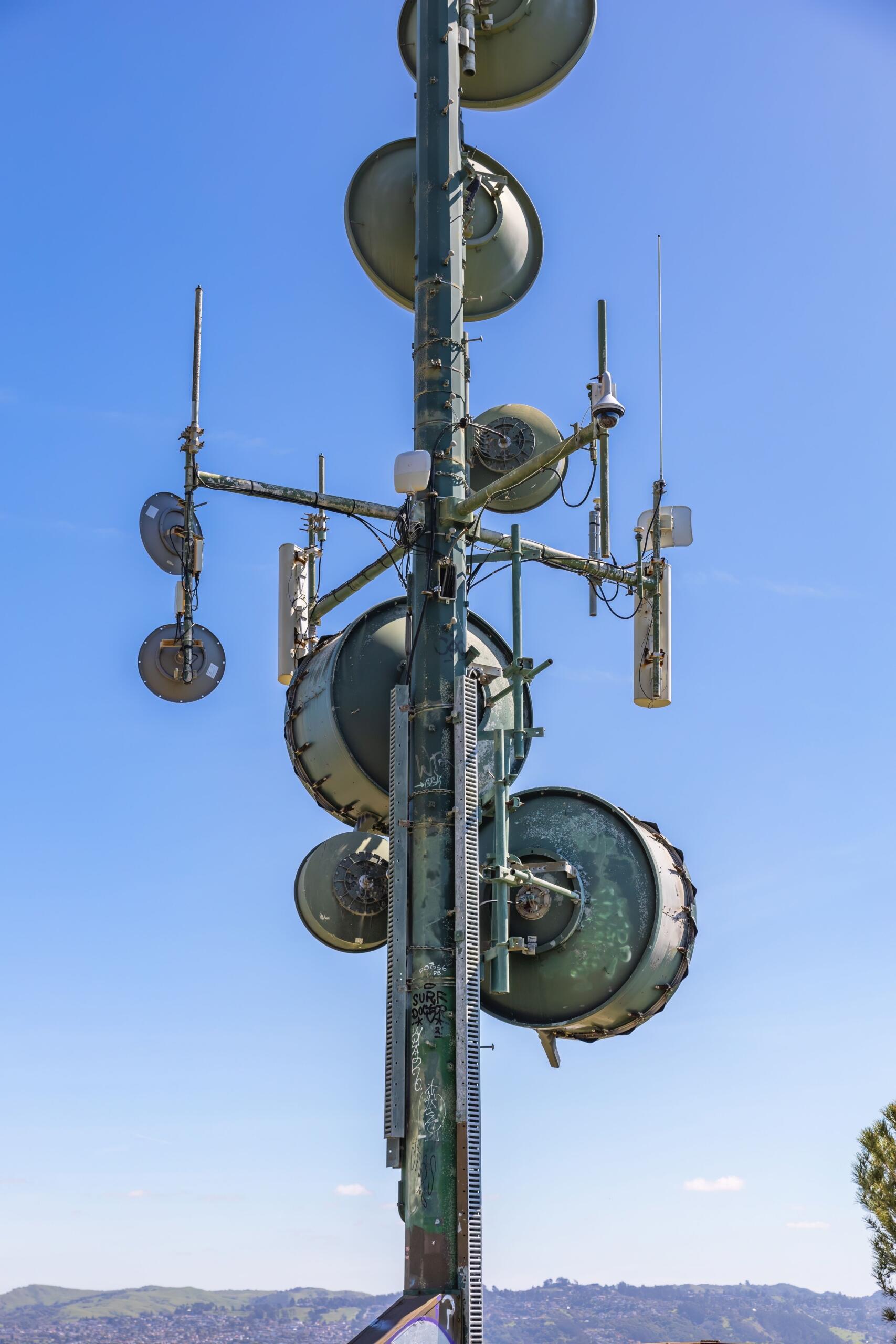
Magnetism has played a major role in data storage, including traditional hard disk drives, where information is represented through microscopic magnetic regions. Magnetic sensors are equally useful. They can detect position, movement, direction, and changes in magnetic fields. Smartphones, vehicles, industrial equipment, and scientific instruments can all use magnetic sensing technologies.
Medical Imaging
One of the most impressive applications is magnetic resonance imaging (MRI). MRI machines use powerful magnetic fields, radio-frequency energy, and sophisticated computer processing to create detailed images of structures inside the body. Clinical MRI systems commonly operate with fields thousands of times stronger than Earth's surface field.
Communication and Navigation Systems
Magnetism and electromagnetism are fundamental to communication technology. Electromagnetic waves allow information to travel through radio, mobile communication, Wi-Fi, satellite systems, and many other technologies. Meanwhile, magnetic sensors such as electronic compasses can help phones and navigation devices determine orientation.
Importance in Physics and Engineering
Magnetic fields are fundamental to physics because they help scientists understand the behaviour of moving charges, atoms, materials, plasmas, planets, stars, and electromagnetic waves. Engineers put those ideas to practical use when designing motors, generators, transformers, sensors, medical equipment, electronics, transportation systems, and countless other technologies.
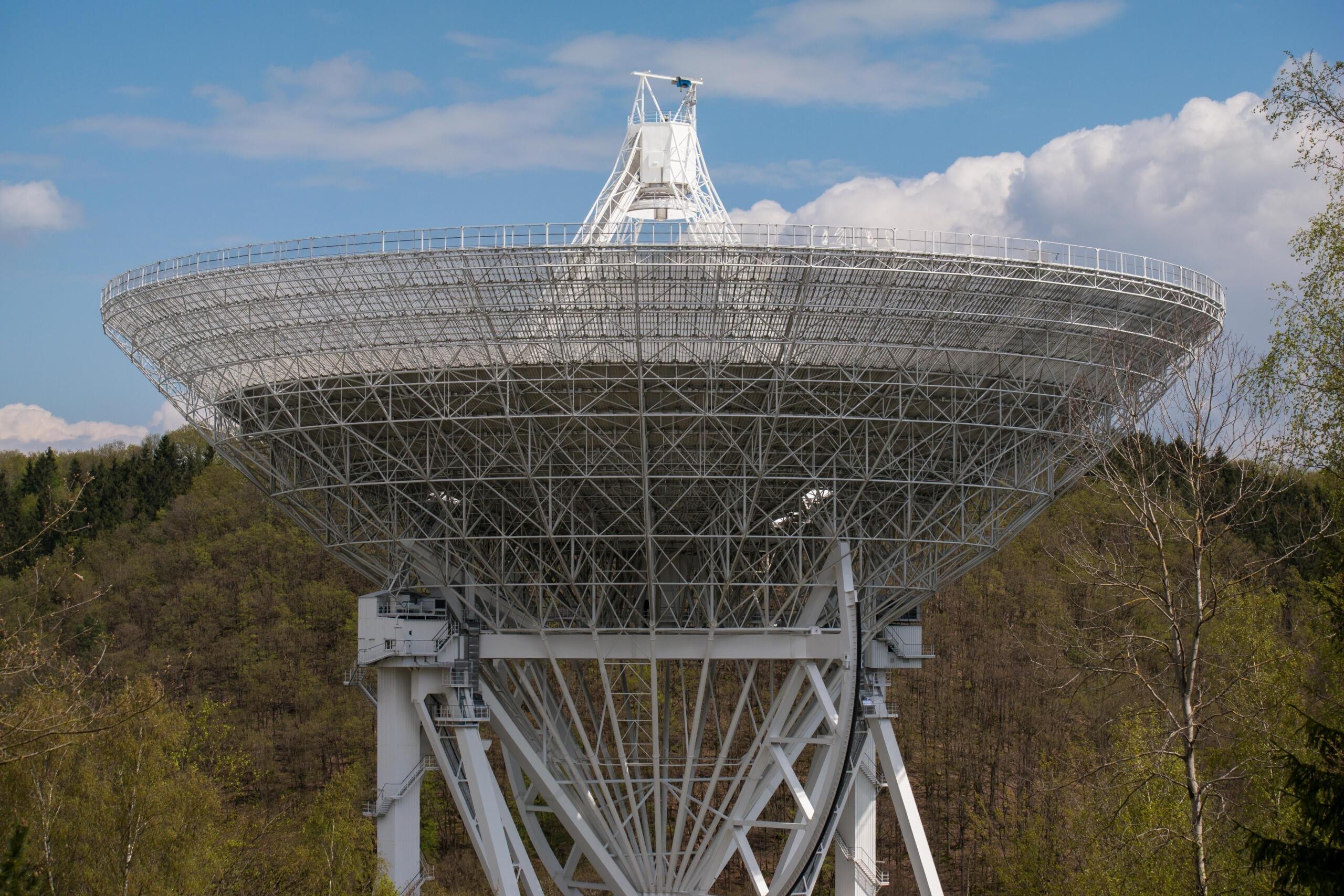
In short, understanding magnetic fields helps connect the physics students learn in class with technologies they encounter every day.
Check out our full guide to magnetism and electromagnetism.
What to Remember About Magnetic Fields
A magnetic field is invisible, but it is measurable. Magnetic fields are associated with magnets and moving electric charges, including electric currents. They can exert forces on magnetic materials and moving charged particles. At the atomic level, magnetism is present throughout matter, but microscopic magnetic effects often cancel. This is why not every object behaves like a magnet.
Different materials also respond differently. Diamagnetic materials are weakly repelled by applied magnetic fields, paramagnetic materials are weakly attracted, and ferromagnetic materials can display much stronger magnetic behaviour. Earth itself has a vast magnetic field, while humans have learned to control magnetic fields in motors, generators, computers, sensors, navigation equipment, and MRI machines.
The biggest idea to remember is simple: magnetism isn't just about magnets. It is a fundamental part of how matter, electricity, planets, and modern technology work.
References
- OpenStax. “Magnetic Fields and Lines.” University Physics Volume 2, OpenStax, 2016, https://openstax.org/books/university-physics-volume-2/pages/11-2-magnetic-fields-and-lines?. Accessed 31 Aug. 2026.
- NASA Science Editorial Team. “Earth’s Magnetosphere.” NASA Science, National Aeronautics and Space Administration, https://science.nasa.gov/earth/earths-magnetosphere/. Accessed 31 Aug. 2026. Wolfe, Gregg, et al. “Magnetic Field Strength: Force on a Moving Charge in a Magnetic Field.”
- College Physics for AP® Courses 2e, OpenStax, 19 July 2022, https://openstax.org/books/college-physics-ap-courses-2e/pages/22-4-magnetic-field-strength-force-on-a-moving-charge-in-a-magnetic-field. Accessed 31 Aug. 2026.
Summarize with AI:
Did you like this article? Leave a rating!

 Loading...
