
From the magnets holding up Polaroid photos on your fridge to the electric motors launching EVs down the highway, magnetic forces shape our world. While they sound similar, magnetism and electromagnetism are two distinct levels of physics.
In simple terms, magnetism describes phenomena involving magnetic fields and magnetic forces, while electromagnetism is the broader connection between electricity and magnetism. A permanent magnet can produce a magnetic field naturally without being connected to an electrical power source.
Electromagnetism is the full tech upgrade. It is the dynamic interaction where electricity and magnetism power each other. Wrap a wire into a coil, run a current through it, and you instantly create a magnetic field. Add an iron core, and you amplify that force exponentially. The real superpower here is control: you can flip an electromagnet on, off, or scale its strength simply by adjusting the current.
This single mechanism is the engine behind global tech, driving everything from maglev trains and MRI scanners to the massive power grids that keep our devices connected.
"Magnetism = magnetic force. Electromagnetism = electricity and magnetism working together. Electromagnet = a temporary magnet made with electric current."
Understanding these basic principles helps answer many common science questions, including how motors turn, why compass needles point north, how generators produce electricity, and how transformers help move electrical energy across power grids.


What Is Magnetism?
Magnetism is a physical phenomenon associated with magnetic fields and the forces those fields can exert on magnets, magnetic materials, and moving electric charges.

Some examples are easy to observe. Hold two magnets near each other and you can feel them attract or repel without making physical contact. Place a compass on a table and its magnetized needle responds to Earth's magnetic field. Stick a refrigerator magnet to a steel door and magnetic interactions help hold it in place.
Magnetic Poles, Attraction, and Repulsion
A conventional bar magnet has two magnetic poles: north and south.
The fundamental rule is easy to remember:
Opposite poles attract; like poles repel.
Bring a north pole near a south pole, and they instantly pull together. Try forcing two north poles together, and they push away. This push-and-pull happens through thin air because every magnet casts an invisible "zone of influence" called a magnetic field. This field is always most concentrated and powerful right at the tips of the magnet, which is why the force feels strongest near the poles.
Magnets also have a fascinating rule: poles are never single. They always come as a package deal. If you snap a bar magnet directly down the middle, you don't get one pure north piece and one pure south piece. Instead, you instantly create two smaller, fully functional magnets, each complete with its own north and south pole.
Electrons, Magnetic Moments, and Types of Magnetism
Why are some objects strongly magnetic while others appear not to be magnetic at all?
The answer begins with electrons.
Electrons possess an intrinsic quantum property called spin that is associated with a magnetic moment. Their behaviour within atoms also contributes to the magnetic properties of matter. These tiny magnetic effects occur on a microscopic scale, but their collective behaviour can determine whether an entire object responds strongly to a magnetic field.
In many materials, the magnetic moments largely cancel each other. In others, interactions allow many moments to align in ways that create much stronger magnetic effects. Scientists classify magnetic behaviour into several categories. Three of the most important are diamagnetism, paramagnetism, and ferromagnetism.
🧲 Ferromagnetism
Ferromagnetic materials interact very strongly with magnetic fields and may retain magnetization even after an external field is removed.
Iron, nickel, and cobalt are well-known examples.
Within a ferromagnetic material, interactions can create regions called magnetic domains in which many magnetic moments are aligned. When many domains become aligned, the material can develop strong magnetization.
⚡ Paramagnetism
Paramagnetic materials are weakly attracted to an applied magnetic field.
Their atomic magnetic moments tend to align slightly with the external field. However, this effect is much weaker than ferromagnetism.
Paramagnetism is therefore real but usually much less obvious in everyday life than the attraction between a strong magnet and a piece of iron.
🔹 Diamagnetism
Diamagnetic materials develop a weak magnetic response that opposes an applied magnetic field.
Diamagnetism is generally a very weak effect and can easily be overshadowed by stronger forms of magnetic behaviour. Nevertheless, it is an important part of understanding how matter interacts with magnetic fields.
What Is a Magnetic Field?
Think of a magnetic field as an invisible map of force mapping out a region of space. It tells us exactly how hard a magnet will push or pull, and in what direction, on any moving charge or magnetic object that wanders into its territory.
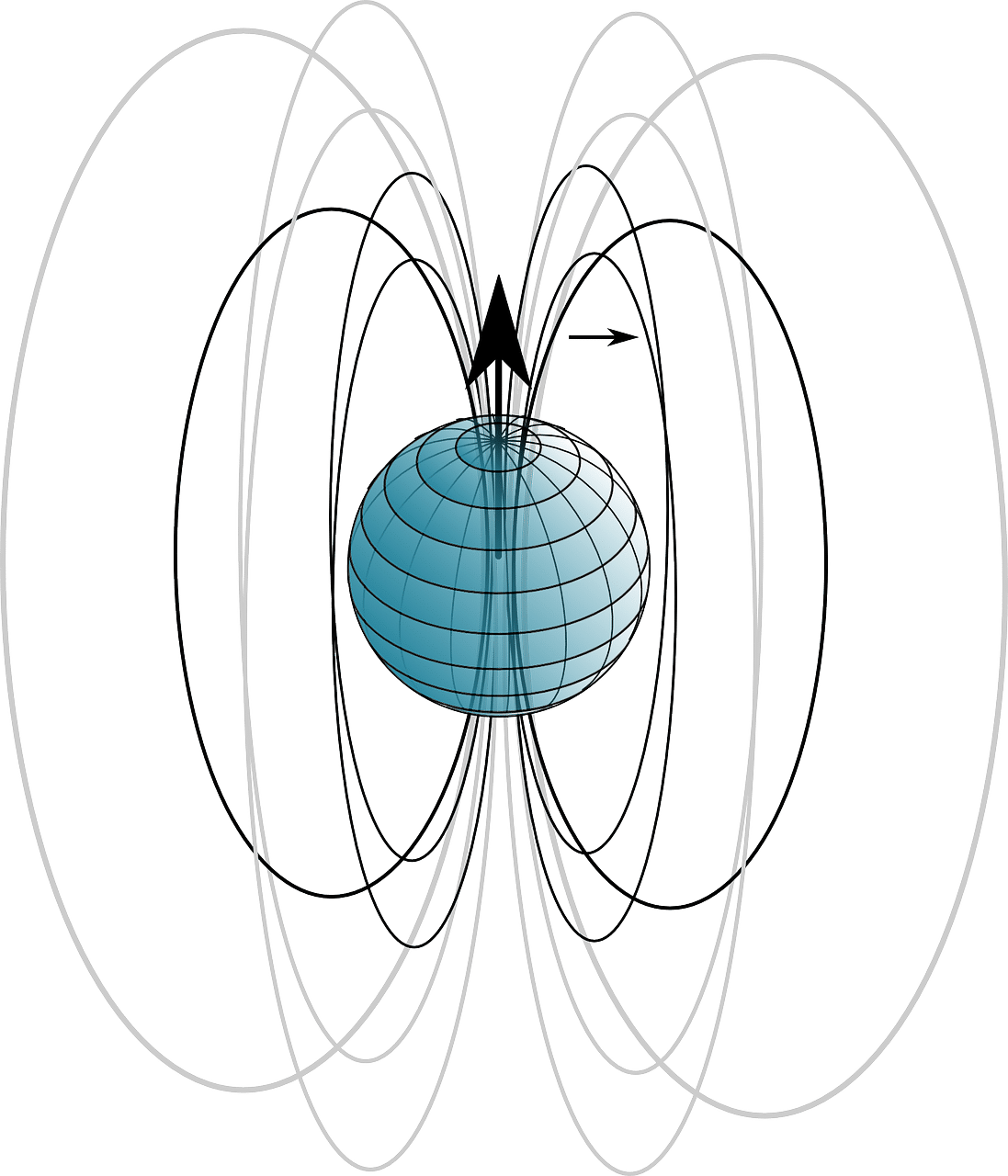
To visualize this invisible force, scientists use a model called magnetic field lines. If you imagine a bar magnet, these lines form a continuous loop: outside the magnet, they always march out of the north pole and curve directly into the south pole. The spacing of these lines holds a secret code: when the lines are packed tightly together, the magnetic field is a powerhouse; where they stretch out and separate, the force fizzles out and becomes weak.
You can actually watch this invisible map come to life. If you sprinkle tiny iron filings around a covered bar magnet, they instantly snap into position, mimicking these looping paths. But remember, these lines aren't actual physical threads floating in space, they are just a clever visual model to help us map, measure, and master the invisible world of magnetic forces.
What Is Electromagnetism?
Electromagnetism is the broader area of physics describing the relationship between electric charges, electric fields, electric currents, magnetic fields, and the forces associated with them.
How Moving Charges Create Magnetic Fields
One of the core principles of electromagnetism is that moving electric charges produce magnetic fields.
Electric current is the organized movement of electric charge. When current flows through a straight wire, a magnetic field forms around that wire. The field forms circular patterns around a long straight conductor. Reverse the direction of conventional current and the direction of the magnetic field also reverses.
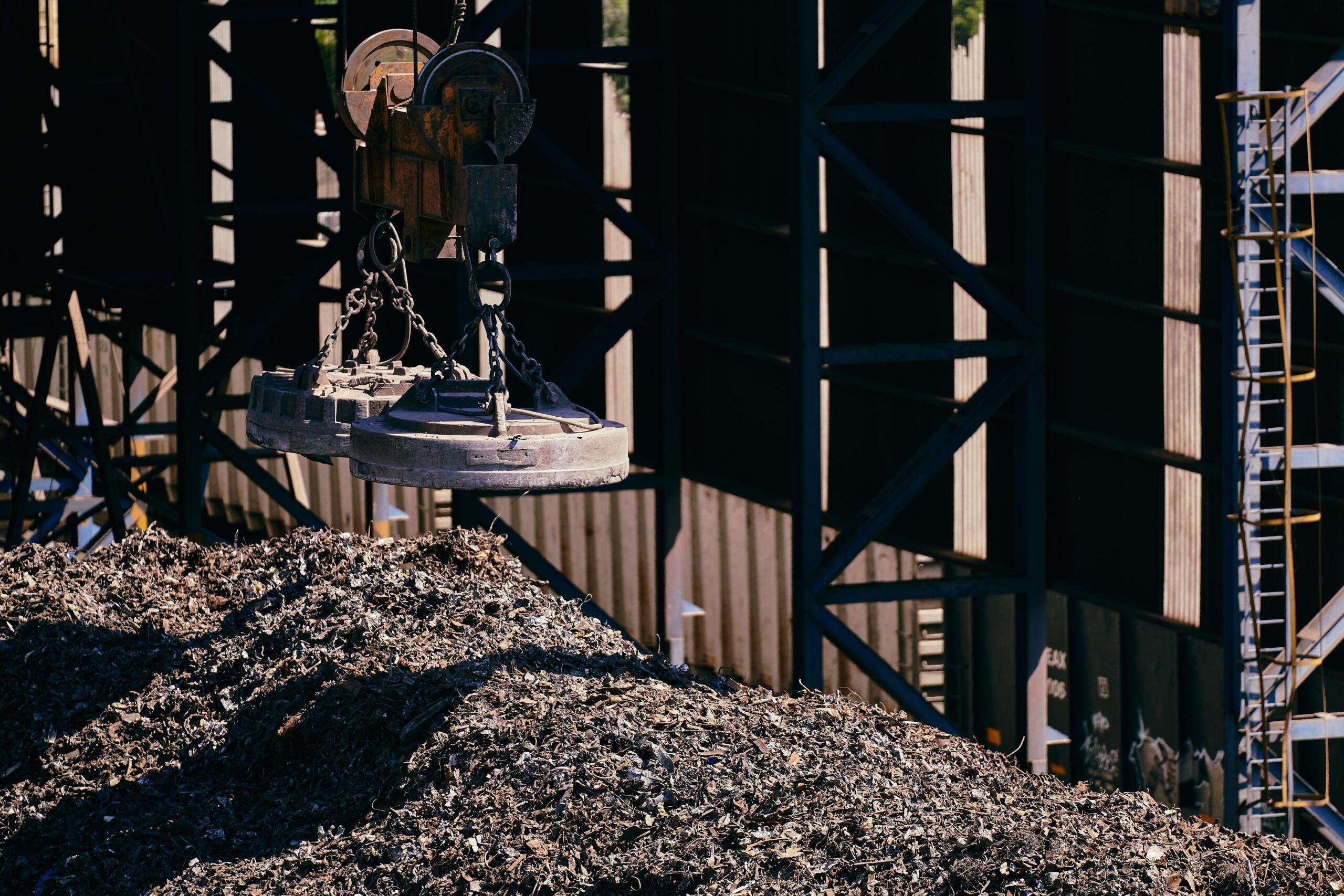
The ability to control magnetic fields using electric currents is one of the reasons electromagnetism is so useful. Engineers can create magnetic fields that can be switched, strengthened, weakened, or reversed by controlling an electrical circuit. This principle appears in electric motors, relays, speakers, magnetic lifting equipment, and many other devices.
The relationship between magnetic fields and electric currents becomes even more useful when the wire is formed into a coil. The magnetic fields created by individual sections of the coil combine to produce a stronger and more organized overall field. A current-carrying coil therefore behaves in some ways like a bar magnet, with north and south sides.
Place a suitable ferromagnetic core, such as iron, inside the coil and the magnetic effect can become significantly stronger. This is the basic principle behind an electromagnet.
How Changing Magnetic Fields Create Electric Currents
The relationship between electricity and magnetism also operates in the complementary direction. A changing magnetic flux through a circuit produces an induced electromotive force, or EMF. EMF is commonly described as an induced voltage. If that voltage acts through a suitable closed conducting circuit, an electric current can flow.
This phenomenon is called electromagnetic induction.
Imagine a magnet and a coil of conducting wire. If the magnet remains stationary relative to the coil and the magnetic flux through the coil remains unchanged, there is no sustained induced voltage from that unchanging situation. Move the magnet toward the coil and the magnetic flux changes. A voltage is induced. Pull the magnet away and the flux changes again, producing an induced effect in the opposite direction.
| Characteristics | 🧲 Magnetism | ⚡ Electromagnetism | ||
|---|---|---|---|---|
| Think | magnetic fields and forces. | the broader connection between electricity and magnetism. | ||
| Key Features | North and south poles Attraction and repulsion Permanent magnets Magnetic materials Earth's magnetic field Compass needles | Electric currents create magnetic fields Magnetic fields act on moving charges and currents Changing magnetic flux can induce voltage Magnetic fields can be controlled electrically Fundamental to motors, generators and transformers | ||
| Everyday Examples | A refrigerator magnet sticking to a steel door. | An electric motor converting electrical energy into mechanical motion. | ||
This discovery became enormously important because it provided a way to generate electricity using mechanical motion. Instead of obtaining electrical energy only from chemical cells, engineers could use turbines and generators to create continuously changing magnetic flux and produce electrical power.
⚡ The Electricity–Magnetism Relationship
Electric current → magnetic field
Moving electric charges produce magnetic fields.
Changing magnetic flux → induced voltage
If a suitable closed circuit is present, that induced voltage can drive an electric current.
These two ideas are central features of electromagnetism.
Electromagnetism Physics 12: The Basic Idea Explained Simply
For grade 12 Physics students, electromagnetism can initially seem complicated because it combines ideas about charges, currents, forces, fields, motion, and energy. The basic relationship, however, can be summarized with two statements:
In an electromagnet, current flows through a coil and creates a controllable magnetic field. In a motor, magnetic forces acting on current-carrying conductors help produce rotational motion.
A generator creates changing magnetic flux through conductors and converts mechanical energy into electrical energy. A transformer uses alternating current to create changing magnetic flux that induces voltage in another coil.
So, if you are studying electromagnetism and wondering which principle applies, ask what is happening:
Is an electric current creating magnetism? Or, is magnetic flux producing an electrical effect?
Those two questions can help organize many of the most important concepts in introductory electromagnetism.
Magnetism vs. Electromagnetism
The terms magnetism and electromagnetism are sometimes used as though they mean the same thing. They are related, but electromagnetism has a broader scientific meaning. Magnetism is one aspect of electromagnetism rather than an entirely separate fundamental interaction.
Magnetism
Focuses specifically on magnetic fields, magnetic forces, magnetic materials, and their interactions. In everyday descriptions, magnetism is usually the better term when discussing permanent magnets and straightforward magnetic attraction or repulsion, such as a refrigerator magnet sticking to a steel surface.
Electromagnetism
Describes the larger framework connecting electrical and magnetic phenomena. Use electromagnetism when the interaction between electricity and magnetism is important to the explanation, such as when current passing through a coil to creates an electromagnet, or an electric motor using magnetic forces to produce motion.
Magnetism describes magnetic fields and magnetic forces, while electromagnetism provides the broader scientific framework connecting electricity and magnetism.
What Is an Electromagnet?
An electromagnet is a magnet whose magnetic field is produced by an electric current. Unlike a typical permanent magnet, an electromagnet can be controlled: switch the current on and the magnetic field appears; switch it off and the field produced by the current disappears. This ability to control magnetic fields makes electromagnets extremely useful. They can be found in everything from speakers and doorbells to electric motors, industrial equipment, and sophisticated medical technology.
How an Electromagnet Works
The basic design of an electromagnet is surprisingly simple. A conducting wire is wrapped into a coil, often around a core made from a ferromagnetic material such as iron.
When electric currents flow through the wire, moving charges create magnetic fields around each section of the conductor. Because the wire is arranged as a coil, these fields combine to create a stronger, organized magnetic field with north and south ends.
Placing an iron core inside the coil strengthens the magnetic effect because the magnetic domains within the material respond to the field produced by the coil. Several factors can affect the strength of an electromagnet. Increasing the current can strengthen the magnetic field, as can increasing the number of turns in the coil. The properties of the core material are also important.
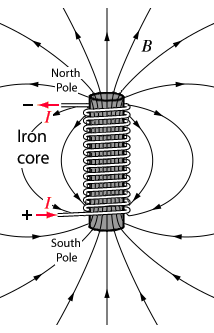
Reverse the direction of the current and the north and south poles of the electromagnet reverse as well. This gives engineers much greater control than they have with an ordinary permanent magnet.
⚡ Electromagnet: The Basic Process
Electric current flows → magnetic field forms → coil concentrates the field → suitable iron core strengthens the magnetic effect.
How to Make an Electromagnet
A classic classroom demonstration uses an iron nail, insulated copper wire, and a suitable low-voltage battery. The insulated wire is wrapped around the nail several times to form a coil. Under teacher or adult supervision, the ends can be connected briefly to the low-voltage battery.
Once the circuit is complete, current flows through the wire and produces a magnetic field. The iron nail responds to the field and becomes magnetized, allowing it to attract small magnetic objects such as steel paper clips.
Disconnecting the circuit stops the current, so the magnetic field generated by the current disappears. The nail may retain a small amount of magnetization depending on its material, but the strong controllable magnetic effect is gone.
Why Electromagnets Are Useful
The main advantage of electromagnets is control. A permanent magnet normally remains magnetic, while an electromagnet can be turned on and off. Its strength and polarity can also be adjusted by changing the current or design of the coil.
In electric motors, electromagnetic interactions produce forces that create rotational motion. Motors use carefully arranged magnetic fields and electric currents to transform electrical energy into mechanical energy.
In a speaker, electrical signals create changing currents that interact with magnetic fields, causing the speaker's moving components to vibrate and produce sound waves.
Powerful controllable magnetic fields are also central to MRI machines. Modern MRI systems are much more sophisticated than simple iron-core electromagnets and commonly use superconducting magnet systems, but they demonstrate how important controlled magnetic fields have become in medical technology.
What Is Electromagnetic Induction?
Electromagnetic induction is another major part of electromagnetism. While an electromagnet demonstrates how an electric current can produce a magnetic field, electromagnetic induction demonstrates the complementary relationship: changing magnetic flux can produce an electrical voltage.
A change in magnetic flux.
An induced voltage.
When the induced voltage acts through a suitable closed conducting circuit.
Generators, transformers, wireless charging, induction cooktops and induction motors.
The discovery of this phenomenon by Michael Faraday in 1831 helped transform electrical science. It provided the foundation for generators, transformers, induction motors, induction cooktops, and many other technologies.
How Induction Produces Voltage
Imagine a coil of conducting wire connected to a sensitive meter. Place a bar magnet beside the coil without moving either object. If the magnetic flux through the coil remains constant, there is no sustained induced voltage.
Now move the magnet toward the coil.
As the magnet approaches, the magnetic flux through the coil changes. This change produces an induced electromotive force (EMF), which can be understood as an induced voltage. If the coil forms part of a closed conducting circuit, that voltage can cause an electric current to flow.
Stop moving the magnet and, once the magnetic flux becomes constant again, the induced voltage disappears. Pull the magnet away and the magnetic flux changes in the opposite sense, reversing the direction of the induced effect.
The important principle is therefore not simply the presence of a magnetic field. It is the change in magnetic flux that causes electromagnetic induction.
💡 Remember: No change in magnetic flux = no sustained induced EMF.
Faraday's Law in Simple Terms
Faraday's law of electromagnetic induction describes the relationship between changing magnetic flux and induced voltage.

In simple language:
The faster magnetic flux changes, the greater the magnitude of the induced voltage, all else being equal.
For example, moving a magnet rapidly through a coil generally produces a greater induced EMF than moving the same magnet slowly through the same coil.
The number of wire turns matters as well. Increasing the number of turns in a coil can increase the total induced voltage because the changing magnetic flux is linked with more loops.
Several changes can therefore produce electromagnetic induction:
- Moving a magnet relative to a coil
- Moving a conductor through a magnetic field
- Increasing or decreasing magnetic-field strength
- Rotating a coil within a magnetic field
- Changing the effective area exposed to the field
All of these situations have one feature in common: the magnetic flux through the circuit changes.
Real-Life Examples of Electromagnetic Induction
Electromagnetic induction is one of the reasons modern electrical infrastructure is possible.
An electric generator converts mechanical energy into electrical energy. Inside a generator, conductors experience changing magnetic flux through relative motion between coils and magnetic fields. This changing flux induces voltage. The mechanical motion can ultimately come from wind turbines, moving water, steam turbines, engines, or other energy sources.
An induction cooktop uses alternating electric current in a coil beneath the cooking surface to create a rapidly changing magnetic field. This changing field induces electric currents, known as eddy currents, in compatible cookware. Electrical resistance within the cookware converts electrical energy into thermal energy, heating the pan.
Wireless charging provides another familiar example of electromagnetic induction and inductive coupling. A transmitter coil inside the charging pad carries a varying current and produces a changing magnetic field. A receiver coil inside the compatible device experiences changing magnetic flux, inducing a voltage. Electronic circuits then use this energy to charge the device's battery.
Where do you see electromagnetism in your everyday life?
What Is a Transformer?
A transformer is a device that uses electromagnetic induction to transfer electrical energy between circuits and change alternating voltage levels.
Transformers are an essential feature of electrical power systems. The electricity generated at a power station may need to travel hundreds of kilometres before reaching homes, schools, businesses, and industrial facilities. Transformers allow voltage to be increased for efficient transmission and later reduced to levels appropriate for distribution and use.
Find some physics courses online here on Superprof.
Primary and Secondary Coils
A basic transformer contains two coils of insulated wire, usually wound around a shared magnetic core.
These are called the primary coil and the secondary coil.
The primary coil is connected to the input AC supply. Because alternating current continually changes, it produces a changing magnetic field. The magnetic core helps direct this changing magnetic flux so that it links with the secondary coil. According to Faraday's law, the changing flux induces a voltage across the secondary winding.
Energy can therefore be transferred between the two circuits through electromagnetic coupling even though the primary and secondary windings do not need to make direct electrical contact. The number of turns in each coil determines how the transformer changes voltage.
Step-Up and Step-Down Transformers
A step-up transformer increases voltage.
In an ideal transformer, the secondary coil has more turns than the primary coil. If the secondary has twice as many turns, for example, the secondary voltage is approximately twice the primary voltage.
A step-down transformer does the opposite. Its secondary coil contains fewer turns than its primary, so the output voltage is lower than the input voltage.
The relationship can be summarized as:
Secondary voltage ÷ primary voltage = secondary turns ÷ primary turns
For an ideal transformer, power is approximately conserved. As voltage rises, current falls; as voltage falls, current rises. Real transformers are not perfectly efficient, so some energy is lost, primarily as heat and through magnetic effects.
Learn more about how a transformer changes a current of a high voltage into one of a much lower voltage.
How Transformers Change Voltage
Why would an electrical power system deliberately increase voltage?
The answer is energy efficiency.
When electrical energy travels through transmission wires, some energy is converted into heat because the wires have resistance. These losses depend strongly on the amount of current flowing through the conductors.
| Transformer Type | Coil Turns Ratio | Effect on Voltage | Effect on Current* | Where It Is Used |
|---|---|---|---|---|
| Step-up | More secondary turns than primary turns | ⬆️ Increases | ⬇️ Decreases | Power transmission and specialized equipment |
| Step-down | Fewer secondary turns than primary turns | ⬇️ Decreases | ⬆️ Increases | Power distribution and many electronic power supplies |
| 1:1 isolation | Approximately equal turns | ➡️ Approximately unchanged | ➡️ Approximately unchanged | Electrical isolation and specialized circuits |
For a given amount of transmitted power, increasing voltage allows the same power to be carried with a lower current. Lower current means substantially lower resistive heating losses. This is why electrical systems use step-up transformers to raise voltage for long-distance transmission.
Closer to where electricity is needed, other transformers progressively reduce the voltage to levels appropriate for local distribution and electrical equipment. Transformers therefore perform a crucial role between electricity generation and everyday use. Without efficient voltage transformation, modern interconnected electrical power systems would be much less practical.
Discover various physics tutor on Superprof.
Everyday Examples of Magnetism and Electromagnetism
You do not need to visit a physics laboratory to see magnetism and electromagnetism in action. Magnetic fields and electric currents are involved in many technologies we use every day, from a simple refrigerator magnet to the motor inside an electric vehicle.
| Everyday Device | Principle Involved | How It Works | Magnetism or Electromagnetism |
|---|---|---|---|
| Refrigerator magnet | Magnetic attraction | Permanent magnetic field interacts with suitable steel | Magnetism |
| Compass | Magnetic-field alignment | Magnetized needle responds to Earth's field | Magnetism |
| Doorbell | Electromagnet | Current through a coil creates a magnetic field | Electromagnetism |
| Relay | Electromagnet | Current-controlled magnetic field moves electrical contacts | Electromagnetism |
| Electric motor | Force/torque from electromagnetic interactions | Currents and magnetic fields produce motion | Electromagnetism |
| Generator | Electromagnetic induction | Changing magnetic flux induces voltage | Electromagnetism |
| Speaker | Electromagnetic force | Changing current and magnetic field produce mechanical vibration | Electromagnetism |
| Wireless charger | Inductive coupling | Changing magnetic flux transfers energy between coils | Electromagnetism |
| MRI | Magnetic and RF interactions | Strong magnetic and radio-frequency fields enable imaging | Electromagnetism |
Looking at familiar examples can make the distinction easier to remember. A refrigerator magnet primarily demonstrates magnetism, while a device such as an electric motor demonstrates electromagnetism because its operation depends on the interaction between electricity and magnetic fields.
Refrigerator Magnets and Compass Needles
A refrigerator magnet is one of the simplest everyday examples of magnetism. The magnet produces a magnetic field that interacts with the ferromagnetic material in a suitable steel refrigerator door, creating an attractive force. No continuous external electrical supply is needed to maintain the permanent magnet's magnetic field.
A compass also demonstrates magnetism. Its small magnetized needle rotates until it aligns approximately with Earth's local magnetic field. This is why a compass can provide directional information without batteries or an electrical connection.
Find out more about magnetic fields!
Doorbells and Relays
Traditional electric doorbells demonstrate how electric currents can produce magnetic fields. When the doorbell button completes the circuit, current flows through a coil and creates an electromagnet. The resulting magnetic force moves a mechanical component that produces the sound. Depending on the design, the circuit may repeatedly make and break contact to create the familiar ringing or buzzing effect.

A relay works according to a related principle. Current through a coil creates a magnetic field that moves an armature and changes the position of electrical contacts. This allows one circuit to control another without the two circuits necessarily carrying the same current or voltage. The principle appears simple, but relays became extremely important in electrical control systems, communication equipment, vehicles, and industrial machinery.
Electric Motors and Generators
Electric motors are among the most important applications of electromagnetism.
A motor converts electrical energy into mechanical energy. Electric currents and magnetic fields interact to produce forces and torque, causing part of the motor to rotate. Different motor designs accomplish this in different ways, but the underlying relationship between electricity and magnetism remains essential.
Electric motors are found in countless devices, including:
- Fans
- Washing machines
- Power tools
- Pumps
- Elevators
- Computers
- Electric bicycles
- Electric vehicles
A generator performs the complementary energy conversion. Instead of using electrical energy to create mechanical motion, a generator uses mechanical energy to produce electrical energy. Changing magnetic flux through conductors induces a voltage according to Faraday's law of electromagnetic induction. If connected to an appropriate circuit, this voltage can drive an electric current.
Generators are fundamental to electrical power production, whether the original mechanical energy comes from wind, flowing water, steam turbines, or other sources.
Smartphones and Wireless Chargers
Modern smartphones contain numerous technologies that depend on electromagnetism.
Speakers use interactions between currents and magnetic fields to create vibrations that produce sound. Microphones convert sound-related mechanical motion into electrical signals through various technologies, some of which use electromagnetic principles. Smartphones also rely on electromagnetic waves for cellular, Wi-Fi, Bluetooth, and other wireless communication.
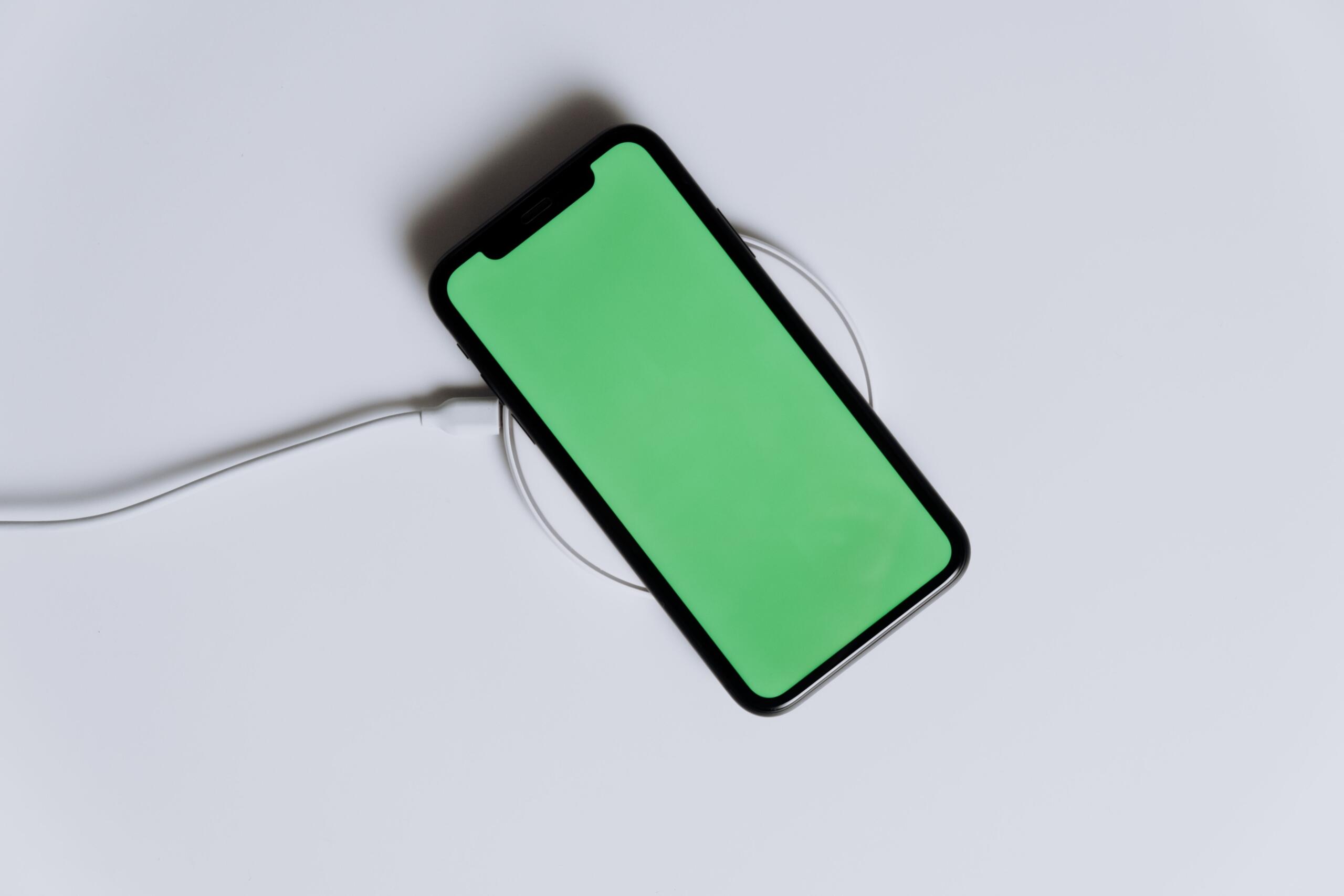
Wireless charging provides an especially clear example of electromagnetic induction.
A coil in the charging pad carries a varying electric current, producing a changing magnetic field. A receiver coil in a compatible smartphone experiences changing magnetic flux, which induces a voltage. Electronic circuits inside the phone then manage this transferred energy to charge the battery. There is no conventional exposed electrical contact between the charging pad and the phone's charging circuit. Instead, energy is transferred through electromagnetic coupling between the coils.
Medical Imaging
Electromagnetism also plays a major role in modern medicine. Magnetic resonance imaging (MRI) uses powerful magnetic fields together with radio-frequency electromagnetic fields to obtain detailed information about structures inside the body.
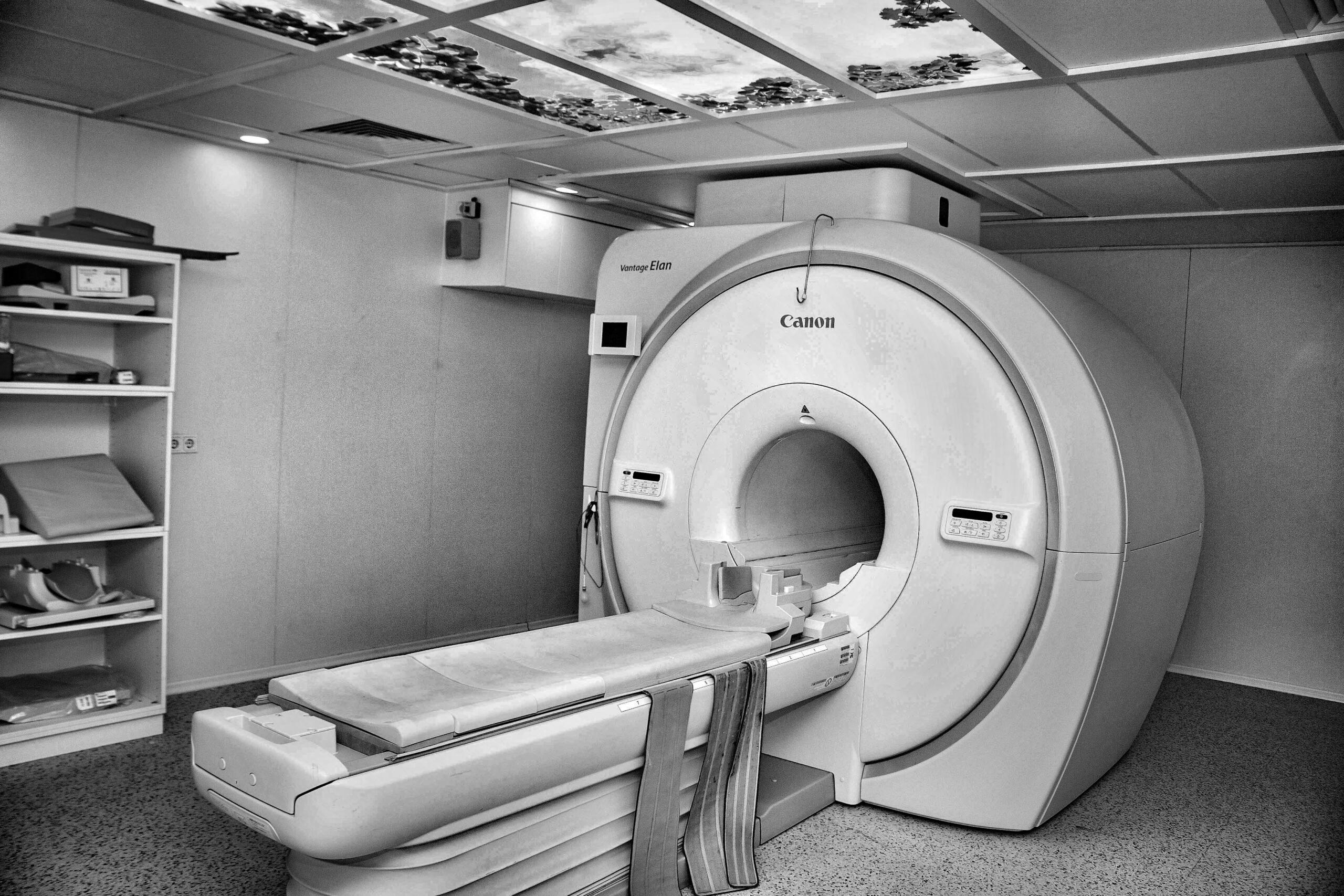
The technology relies on the magnetic properties of atomic nuclei, especially hydrogen nuclei, and how they respond to magnetic and radio-frequency fields. Sophisticated electronics and computer processing then help turn detected signals into medical images. MRI systems are considerably more complex than a simple classroom electromagnet. Many use powerful superconducting magnets to produce extremely strong and stable magnetic fields.
Faraday’s law shows how electromagnetic induction can be used to reduced and increase the voltage of electrical currents.
The Development of Electromagnetism
The modern understanding of electromagnetism developed over centuries. People observed magnetic materials long before anyone understood the connection between magnetic forces and electricity.
Naturally magnetized minerals provided some of the earliest evidence of magnetism. Lodestone, a naturally magnetized form of magnetite, could attract iron. Eventually, people discovered that magnetized objects could also be used for navigation.
Ancient world
Early evidence of magnetism
Natural lodestones and magnetic effects observed
Medieval period
Practical application
Magnetic compasses become important navigation tools
1820
Magnetic effects
Ørsted connects electric current with magnetism
1831
Inducing voltage
Faraday demonstrates electromagnetic induction
1860s
Unification of Electricity and Magnetism
Maxwell develops electromagnetic theory
Late 1800s
Beginning of Modern Electricity Distribution
Transformers and AC systems develop
20th century
Electromagnetism & Modern Technology
Motors, electronics and communications expan
21st century
Electromagnetism Remains Essential
Wireless charging, EVs, renewable generation and advanced medical systems grow
The development of the magnetic compass turned magnetism from an interesting natural phenomenon into an extremely practical tool. However, the relationship between electricity and magnetism remained largely unknown until the nineteenth century.
From Magnets to Electric Currents
A major breakthrough occurred in 1820, when Danish physicist Hans Christian Ørsted observed that an electric current could affect a nearby compass needle.
This observation was enormously important. It provided experimental evidence that electricity and magnetism were connected. Current flowing through a wire could produce a magnetic field strong enough to move a magnetized needle.
Ørsted's discovery encouraged scientists across Europe to investigate the relationship further. Researchers including André-Marie Ampère developed important descriptions of the magnetic effects of electric currents. The study of electricity and magnetism was beginning to merge.
Learn better with a tutor for physics today.
Faraday and Electromagnetic Induction
The next major breakthrough came from Michael Faraday. In 1831, Faraday demonstrated electromagnetic induction. His experiments showed that changing magnetic conditions could induce an electrical voltage.
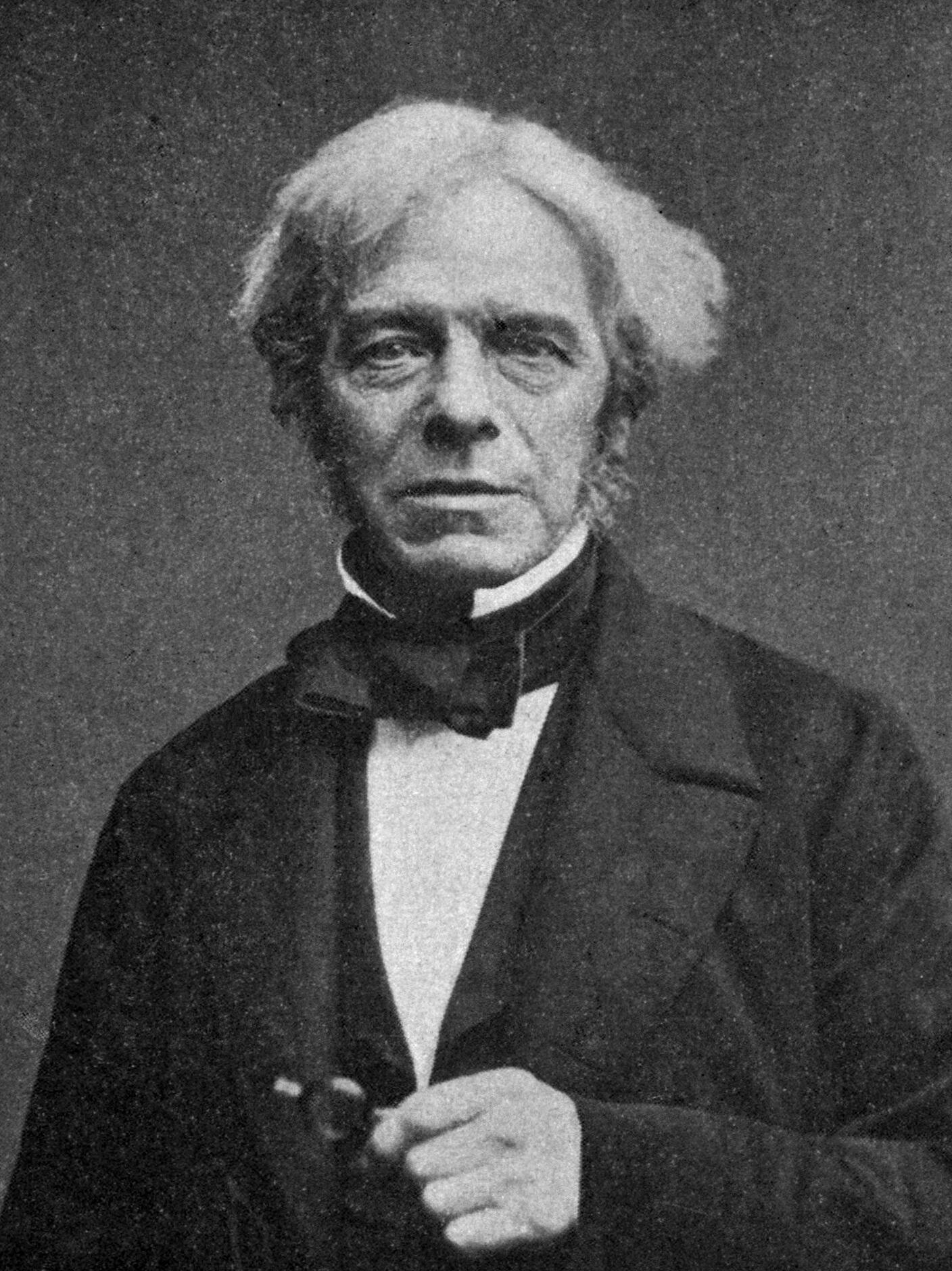
This discovery revealed the complementary side of the electricity-magnetism relationship.
Ørsted had demonstrated:
Electric current → magnetic field
Faraday demonstrated:
Changing magnetic flux → induced voltage
Together, these ideas provided much of the experimental foundation for technologies such as electric motors, generators, and transformers.
Faraday's work was particularly significant because electromagnetic induction provided a practical method for generating electricity mechanically. Instead of relying only on batteries and chemical reactions, rotating machines could continuously convert mechanical energy into electrical energy.
Maxwell Unifies Electricity and Magnetism
Later in the nineteenth century, Scottish physicist James Clerk Maxwell brought many discoveries about electricity and magnetism together into a unified mathematical framework. Maxwell's equations describe fundamental relationships among electric charges, electric fields, magnetic fields, and changing electromagnetic fields.
One of the most remarkable results of Maxwell's work was the realization that light itself is an electromagnetic wave. Electricity, magnetism, and light were therefore not unrelated areas of science. They were different aspects of a deeper electromagnetic theory. This development helped pave the way for later technologies involving radio, telecommunications, radar, electronics, and wireless communication.
Learn more about electromagnetic induction!
Transformer Development and Modern Power Systems
The late nineteenth century brought another crucial technological development: practical transformers and alternating-current power systems.
Transformers made it possible to increase or decrease AC voltage efficiently. Electricity could be transmitted at high voltage and relatively low current, reducing resistive energy losses over long distances.
Closer to consumers, transformers could then reduce the voltage for distribution and use. This ability helped make large interconnected electrical networks practical.
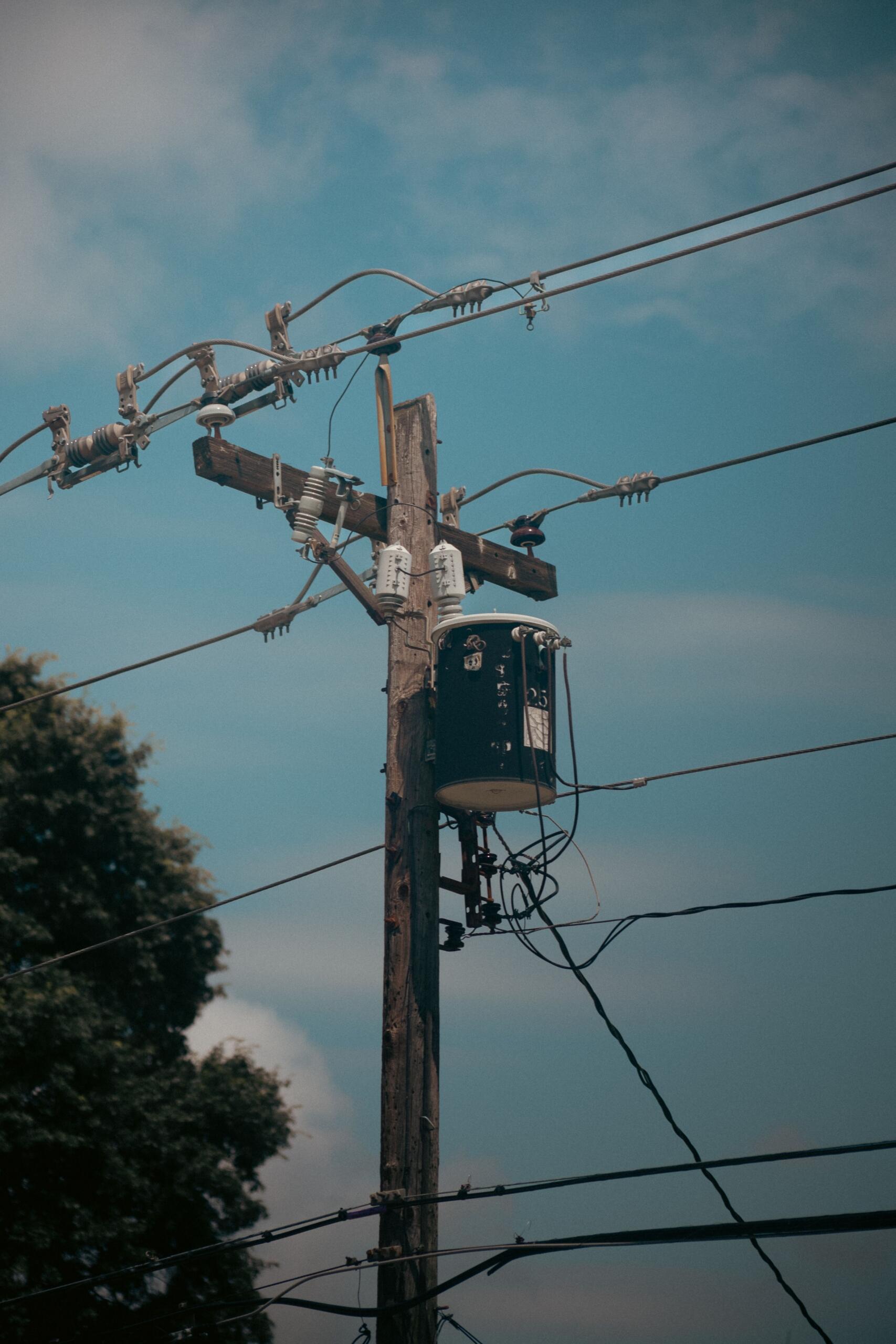
Today, transformers remain visible throughout the electrical system, from large units at generating stations and substations to distribution transformers located on utility poles or in ground-level enclosures.
The basic technology has evolved enormously, but the operating principle still depends on electromagnetic induction.
From Magnetism to Modern Technology
The development of electromagnetism changed more than physics. It transformed transportation, manufacturing, communication, medicine, and everyday life. Consider an electric vehicle. Its battery stores electrical energy, but an electric motor is needed to convert that energy into mechanical motion. Magnetic fields and electric currents interact inside the motor to create torque.
Wind turbines illustrate the relationship from the opposite direction. Wind turns the blades, the rotor drives a generator, and electromagnetic induction helps convert mechanical energy into electrical energy.
Even the electrical energy that reaches a home may pass through several transformers before being used by an appliance containing yet another motor or electromagnetic component.
The same basic principles therefore operate at vastly different scales, from microscopic magnetic moments inside materials to huge generators connected to national power grids.
References
- “The Physics Classroom Tutorial: Faraday’s Law.” The Physics Classroom, The Physics Classroom. https://www.physicsclassroom.com/tutorial/electromagnetic-induction/flux-and-faradays-law/faradays-law Accessed 29 Aug. 2026.
- Urone, Paul Peter, and Roger Hinrichs. “Electromagnetic Induction.” Physics, OpenStax, 26 Mar. 2020. https://openstax.org/books/physics/pages/20-3-electromagnetic-induction?. Accessed 29 Aug. 2026.
Summarize with AI:
Did you like this article? Leave a rating!


 Loading...